
智能网联汽车

Search documents
L3级来了!试点为什么是北京、重庆?
Xin Hua Cai Jing· 2025-12-19 01:43
Core Viewpoint - The Ministry of Industry and Information Technology has officially announced the first batch of L3 conditional autonomous driving vehicle permits in China, with two models set to pilot in designated areas of Beijing and Chongqing, marking a significant step in the development of autonomous driving technology in the country [1]. Group 1: Pilot Locations - The L3 autonomous driving models are being piloted in Beijing and Chongqing due to their unique traffic conditions and data accumulation advantages. Chongqing's complex traffic terrain and Beijing's rich traffic scenarios provide a diverse testing environment for the systems [7]. - The pilot in Chongqing involves the Changan SC7000AARBEV model, which can operate in congested traffic and on single lanes of highways, limited to specific routes with a maximum speed of 50 km/h [7]. - The pilot in Beijing features the Arcfox BJ7001A61NBEV model, capable of similar functions but with a higher speed limit of 80 km/h on designated routes [7]. Group 2: Vehicle Approval Process - The Ministry, in collaboration with relevant departments, conducted comprehensive assessments of the research, testing, and emergency response capabilities of the pilot production companies [11]. - Third-party testing organizations and experts were involved in systematic testing of the expected functional safety and cybersecurity risks associated with the pilot models [11]. - The approval process emphasized the management capabilities of the pilot cities and their emergency response capabilities, leading to the selection of two joint ventures for the pilot program [11]. Group 3: Implications of L3 Level - L3 conditional autonomous driving allows the system to act as a "temporary driver" under specific conditions and scenarios, although drivers must remain responsible for the vehicle [11][12]. - The pilot program is limited to specific low-risk scenarios to ensure safety and orderly advancement of autonomous driving technology [15]. - As the pilot progresses and the industry gains a better understanding of safety risks, restrictions may gradually be relaxed, allowing for broader public access to autonomous driving features [15]. Group 4: Industry Opportunities - The pilot signifies a shift from technical validation to mass production application in China's autonomous driving sector, presenting new opportunities for the industry [17].

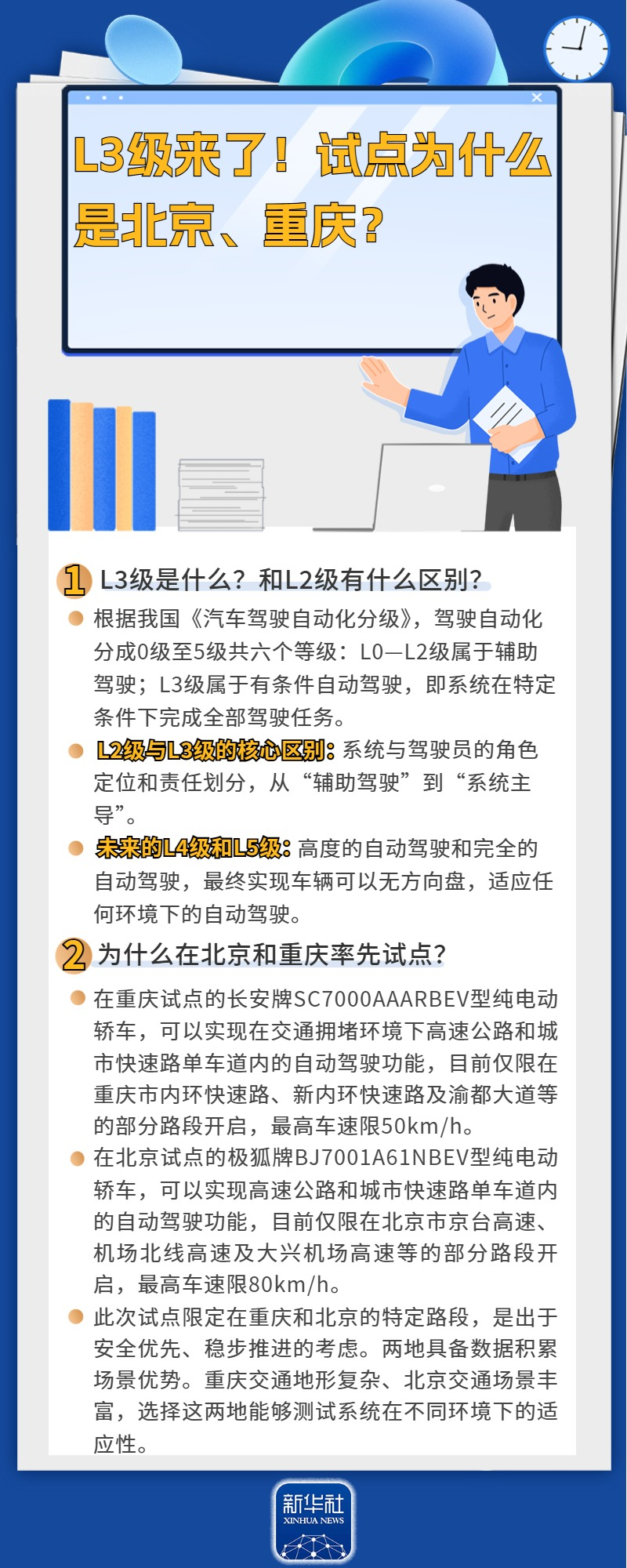
首批L3级自动驾驶车型获批 车企明确:L2车辆暂无法直接升级
Mei Ri Jing Ji Xin Wen· 2025-12-19 00:50
Core Viewpoint - The approval of the first L3-level conditional autonomous driving models in China marks a significant milestone in the transition from "assisted driving" to "autonomous driving," fundamentally altering the responsibility chain in driving and paving the way for commercial applications in specific scenarios [2][5][9]. Group 1: Market Response - Following the announcement of L3-level model approvals, the capital market reacted swiftly, with several stocks in the intelligent driving sector experiencing significant gains, indicating strong investor interest [4]. - The approval is seen as a leap towards mass production and application of intelligent connected vehicles, reflecting a balance between regulatory oversight and technological advancement [4][17]. Group 2: Technical and Regulatory Developments - The L3-level models approved include Changan's "Deep Blue SL03" and BAIC's "Arcfox Alpha S6 (L3 version)," which will operate in designated areas in Chongqing and Beijing, respectively, under specific speed limits [6][8]. - The transition to L3-level driving involves a shift in responsibility from the driver to the system under certain conditions, a significant change from L2-level systems where the driver retains full responsibility [5][10]. Group 3: Future Projections - Industry experts predict that by 2026, the penetration rate of L3 and above autonomous vehicles could reach 10%, with L3-level vehicles expected to be commercially viable in specific applications such as airport shuttles and campus commuting [5][25]. - The market for Robotaxi services is projected to grow significantly, with estimates suggesting a market size exceeding 2.93 trillion yuan by 2030, driven by advancements in autonomous driving technology [12][24]. Group 4: Technological Innovations - The cost of key components for autonomous driving, such as lidar and AI chips, is decreasing, which is expected to stimulate the entire supply chain and create new business models in the automotive industry [21][24]. - The integration of advanced sensor technologies and AI models is crucial for the development of reliable L3-level autonomous driving systems, with a focus on multi-sensor fusion to handle complex driving environments [26][30]. Group 5: Regulatory Framework - The approval process for L3-level vehicles has been gradual, involving multiple stages of regulatory development and safety assessments, indicating a structured approach to integrating autonomous vehicles into the market [13][15]. - Local regulations, such as those in Beijing and Wuhan, are being established to support the commercialization of L3-level autonomous vehicles, providing a framework for future developments [16][30].


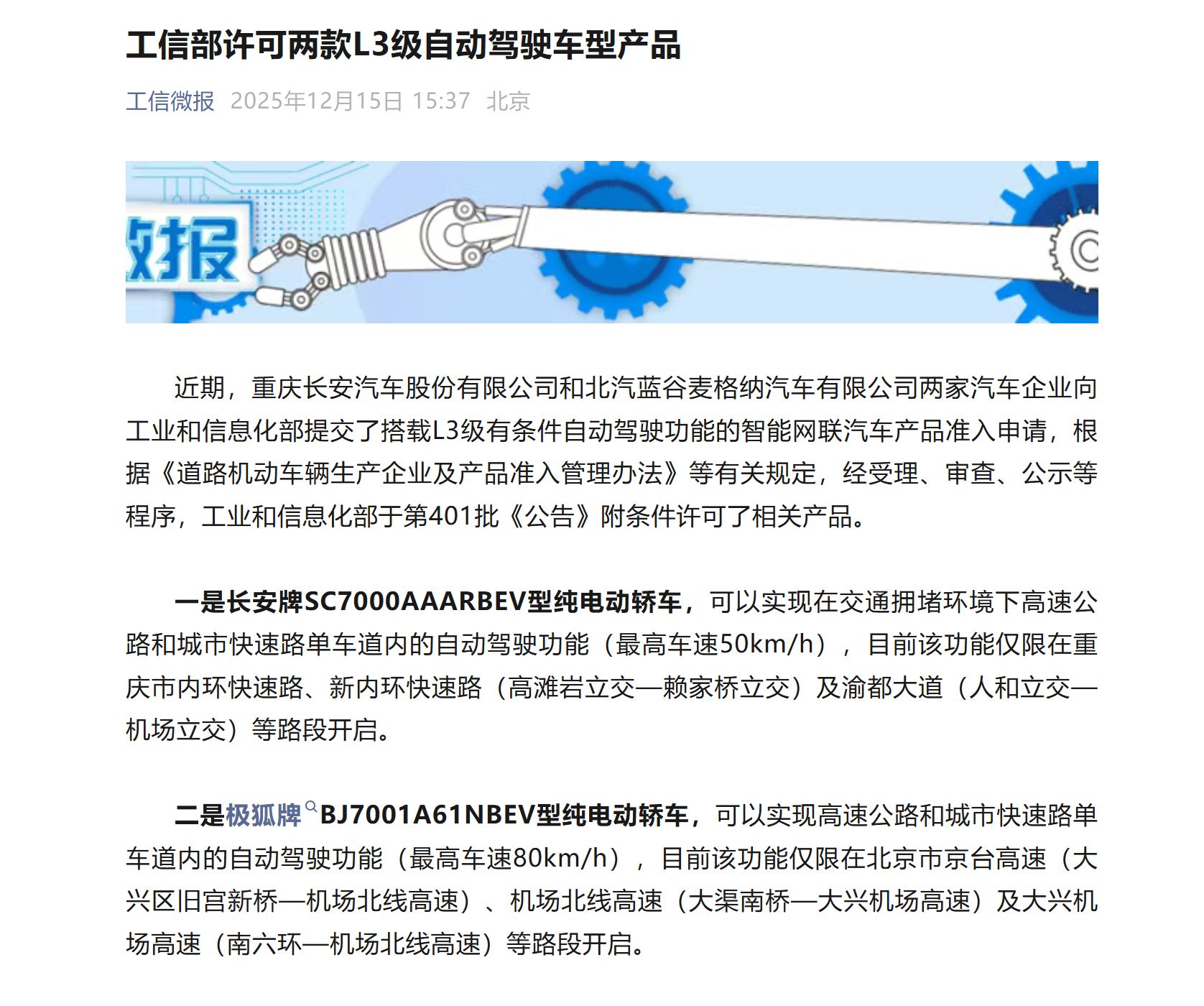
武汉签约产业项目160个,总投资1109.7亿元
Zhong Guo Xin Wen Wang· 2025-12-19 00:47
12月18日,"投资武汉共赢未来"2025年度武汉投资促进大会举行,现场共签约产业项目160个,签约金 额达1109.7亿元,涵盖人工智能、新一代信息技术、大健康和生物制造、数字经济、光电子信息、智能 网联汽车等领域。 免责声明:Mysteel发布的原创及转载内容,仅供客户参考,不作为决策建议。原创内容版权归Mysteel所有,转载需取得Mysteel书面授 权,且Mysteel保留对任何侵权行为和有悖原创内容原意的引用行为进行追究的权利。转载内容来源于网络,目的在于传递更多信息,方 便学习与交流,并不代表Mysteel赞同其观点及对其真实性、完整性负责。 资讯编辑:罗莹 021-26093550 资讯监督:乐卫扬 021-26093827 资讯投诉:陈跃进 021-26093100 ...
从“辅助”到“自动”的关键一跃!首批L3级自动驾驶车型获批,车企明确:L2车辆暂无法直接升级
Mei Ri Jing Ji Xin Wen· 2025-12-19 00:36
Core Viewpoint - The approval of L3-level conditional autonomous driving vehicles in China marks a significant milestone in the transition from L2-level assistance to true automation, fundamentally altering the responsibility chain in driving and opening new market opportunities for the automotive industry [4][10][19]. Group 1: Market Response and Impact - Following the announcement of L3-level vehicle approvals, the stock market reacted positively, with several companies in the intelligent driving sector experiencing significant stock price increases, indicating strong investor interest [6][19]. - The approval of L3 vehicles is expected to lead to a competitive landscape where companies that can leverage L3 technology will gain a strategic advantage in the automotive market [10][19]. Group 2: Technical Specifications and Regulations - The first two approved L3 vehicles, the Changan Deep Blue SL03 and the BAIC Arcfox Alpha S6, will operate in designated areas with maximum speeds of 50 km/h and 80 km/h respectively, highlighting the initial application of L3 technology in specific scenarios [8][10]. - The L3 technology represents a shift in responsibility from the driver to the system under certain conditions, which is a fundamental change from L2 systems where the driver retains full responsibility [7][10]. Group 3: Future Projections and Industry Trends - Industry experts predict that by 2026, the penetration rate of L3 and above autonomous vehicles could reach 10%, with L2-level vehicles expected to achieve a 70% market penetration [10][27]. - The development of L3 technology is anticipated to create a new market worth trillions, as the industry shifts from selling vehicles to selling mileage, particularly in specific applications like airport shuttles and logistics [26][27]. Group 4: Challenges and Considerations - Despite the advancements, the rollout of L3 vehicles will face challenges, including the need for high-precision infrastructure and regulatory frameworks to ensure safety and operational efficiency [31][32]. - The approval process for L3 vehicles has been gradual, involving extensive testing and regulatory compliance, which underscores the importance of a robust safety and operational framework for the future of autonomous driving [19][28].
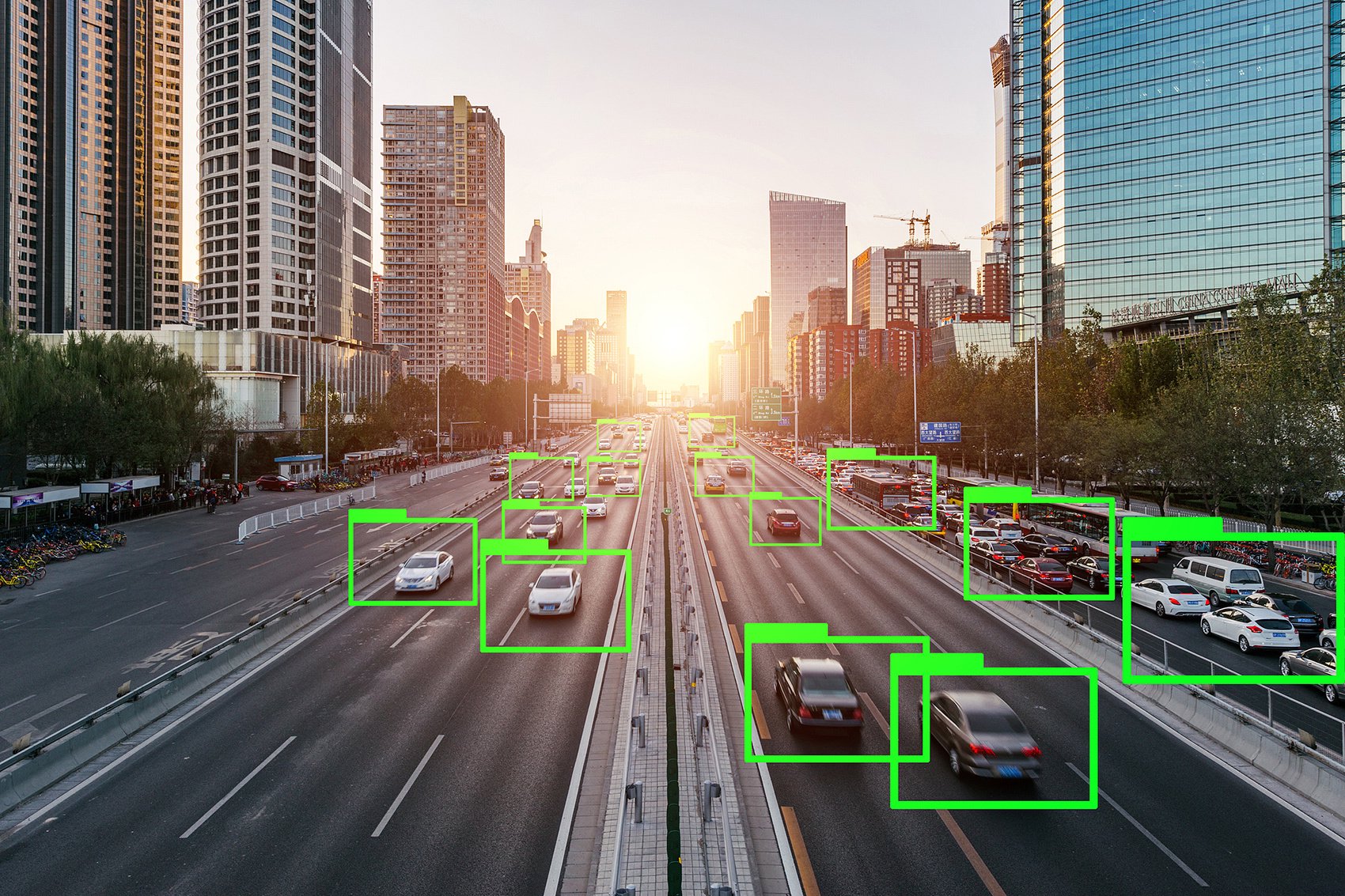
2025武汉投促会开幕:现场签约160个项目,总金额超千亿元
Chang Jiang Ri Bao· 2025-12-18 13:30
Core Insights - The 2025 Wuhan Investment Promotion Conference was held with the theme "Invest in Wuhan, Win the Future" [2] - The conference attracted approximately 240 representatives from Fortune 500 companies, multinational corporations, and innovative tech firms, focusing on collaboration and development [3] Group 1: Investment Highlights - A total of 160 industrial projects were signed during the conference, with a total investment amount of 110.97 billion yuan [3][15] - Among the signed projects, 38 projects exceeded 1 billion yuan, accounting for 81.3 billion yuan of the total [15] - The signed projects included 56 on-stage agreements, with 48 industrial projects worth 61.62 billion yuan and 8 urban renewal projects worth 12.04 billion yuan [15] Group 2: Industry Focus - The signed projects spanned multiple sectors, including artificial intelligence, next-generation information technology, health and biomanufacturing, digital economy, optoelectronic information, intelligent connected vehicles, new energy, new materials, and high-end equipment manufacturing [3][15] - The conference featured four thematic matchmaking activities focused on artificial intelligence, biomanufacturing, digital economy, and urban renewal development [15] Group 3: Guest Contributions - Notable figures such as Li Kaifu and Li Bin sent video messages to the conference, highlighting the importance of Wuhan's unique advantages in education, location, and industrial ecology [15] - Guests praised Wuhan's potential in emerging industries like artificial intelligence, digital economy, and biomedicine, expressing eagerness to collaborate with the city [15]


广汽领程获白云金控3亿元战略投资,加速新能源商用车布局
Zhong Guo Jing Ying Bao· 2025-12-18 09:01
在签约仪式上,广汽集团董事长冯兴亚表示,广汽领程与白云区达成战略合作,是企业在新能源商用车 领域转型发展的重要节点,也是广汽集团积极对接广州市发展战略、深化本土产业协同、共创长期价值 的重要实践。依托白云区完善的产业基础与综合优势,广汽领程将进一步加速创新业务成长,为白云区 智慧城市和绿色交通建设注入新动能,推动产业链创新要素集聚,共同打造新能源与智能网联汽车产业 高质量发展的区域示范。 白云区委副书记、区长潘志军表示,近年来,白云区主动"换道超车",抢抓商用车产业变革机遇,聚焦 智能网联及新能源商用车赛道,在产业载体规划、龙头企业集聚和应用场景推广等方面已形成良好基 础。希望此次合作能够成为示范标杆,带动更多高端制造与绿色科技产业要素集聚白云。白云区也将以 更加优质、高效的服务,全力保障项目落地和企业发展,共同书写智慧物流与绿色交通发展的新篇章。 中经记者 陈靖斌 广州报道 【广汽领程完成3亿元融资 广州白云金控领投】12月17日,白云区人民政府与广汽集团旗下广汽领程新 能源商用车有限公司(以下简称"广汽领程")签署战略合作框架协议;同时,广州白云金科控股集团有 限公司(以下简称"白云金控")与广汽领程签署 ...


万马科技回应L3级自动驾驶准入:对公司车联网及自动驾驶业务影响积极
Zheng Quan Shi Bao Wang· 2025-12-18 03:36
Core Insights - The approval of the first batch of L3-level conditional autonomous driving vehicle permits in China marks a significant milestone for the market, indicating a new phase for intelligent connected vehicles [2] - The rapid development of the autonomous driving industry is expected to positively impact the company's connected services and autonomous driving-related businesses [1][2] Group 1: Company Developments - The company has established itself as a leading player in the vehicle networking sector, leveraging technological innovations in areas such as dedicated vehicle networks, dual SIM connectivity solutions, and AI operations [1] - The company's connected vehicle business has shown rapid growth, with revenue contribution reaching 46% in the first half of the year [2] - The company’s subsidiary, Youka Technology, has achieved over 17 million connected vehicles, with more than 1.1 million connections overseas, indicating a strong international presence [2] Group 2: Industry Trends - The commercial rollout of L3-level autonomous driving is anticipated to significantly increase the demand for network stability, bandwidth, and low latency services [2] - The recent developments in the autonomous driving sector, including Tesla's Robotaxi testing in Texas, highlight the growing momentum in the industry [1] - The company is enhancing its global business strategy through the "Connection+" plan, collaborating with major global operators to create a unified global SIM solution [2]
杭州锻造智能网联汽车“世界级地标”
Hang Zhou Ri Bao· 2025-12-18 02:07
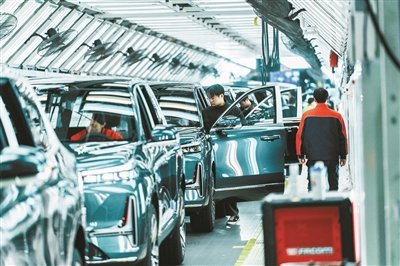
Core Insights - The article highlights the rapid development and implementation of the intelligent connected vehicle industry in Hangzhou, showcasing its transformation from manufacturing to a global technology leader in mobility solutions [4][10]. Group 1: Manufacturing Capabilities - The Geely Qiantang base produces several hundred vehicles daily, with a new car rolling off the line every two minutes [2][6]. - The facility features advanced automation, including a nearly 7,000-ton servo stamping line capable of producing nearly 1,000 stamped parts per hour [5]. - The production line supports mixed production of various powertrain models, including fuel, pure electric, plug-in hybrid, and battery swap vehicles [5][6]. Group 2: Technological Advancements - The vehicles produced, particularly the Galaxy series, are equipped with the Flyme Auto 2.0 intelligent cockpit system and Qualcomm Snapdragon high-performance chips, enhancing user interaction and driving assistance capabilities [6][7]. - A simulation testing environment allows for the generation of vast amounts of training data for autonomous driving systems, improving efficiency by 500 times and reducing the need for real-world testing by approximately 30% [7][11]. Group 3: Industry Ecosystem - Hangzhou has established a robust industrial ecosystem, connecting over 100 core component manufacturers with leading companies like Geely and Changan Ford, forming a billion-level industrial cluster [9][10]. - The city has implemented a "four-question model" to enhance collaboration between enterprises, government, educational institutions, and the market, facilitating the rapid transformation of research into production [8][9]. Group 4: Policy and Regulation - The introduction of the "Hangzhou Intelligent Connected Vehicle Testing and Application Promotion Regulations" positions Hangzhou as the first city in China to clarify the process for autonomous vehicle road testing [10][11]. - The city has issued 614 testing and application licenses, accumulating 5.92 million kilometers of testing mileage with a zero accident rate [10]. Group 5: Future Outlook - Hangzhou aims to leverage its advantages in "vehicle-road-cloud integration" to expand testing scenarios and promote the large-scale operation of Robotaxi services [12]. - The city is focused on developing high-value core areas such as vehicle-grade chips and advanced algorithms, fostering innovation through collaborative efforts [12][13].

冲击高端轿车市场 中国汽车品牌迎来“大考”
Zhong Guo Qing Nian Bao· 2025-12-18 00:57
Core Viewpoint - The Chinese automotive market is witnessing a shift towards high-end electric vehicles, with companies like Lantu aiming to compete directly with established luxury brands such as BBA (Benz, BMW, Audi) [2][9] Group 1: Market Dynamics - Statistics indicate that the demand for vehicle upgrades and exchanges has become the main driver of consumption in the Chinese automotive market [2][6] - In November, domestic luxury car retail reached 240,000 units, with the penetration rate of electric vehicles rising to 38.8%, up from 32.9% year-on-year [10] - The market is experiencing intense competition, with leading companies engaging in price wars to capture market share, leading to sustained pressure on overall profit margins [12] Group 2: Company Developments - Lantu's flagship sedan, the Zhaiguang L, was launched with a price range of 279,900 to 309,900 yuan, positioning it to compete with traditional luxury car models [2][9] - The Zhaiguang L features advanced technology, including an 800V system, 5C ultra-fast charging, and a 63kWh large-capacity battery, making it a significant player in the PHEV segment [10] - Lantu aims to establish itself as a leading high-end electric vehicle brand, emphasizing the need for Chinese brands to enhance their market presence and brand image [4][11] Group 3: Future Outlook - Analysts predict that the Chinese automotive market will face a critical turning point by 2025, with a focus on technological advancements in battery technology and smart driving features [12][13] - The government is expected to continue supporting automotive consumption policies, which will provide a favorable environment for the growth of high-end electric vehicles [12]

首批L3车型获准上路,自动驾驶“拐点”来了?
2 1 Shi Ji Jing Ji Bao Dao· 2025-12-17 12:36
Group 1 - The first batch of L3 conditional autonomous vehicles in China has received operational permits, marking a significant milestone in the country's autonomous driving era [1][3] - L3 level automation allows the system to take over driving tasks in specific scenarios, enabling drivers to temporarily disengage from their responsibilities, with the caveat that they must be ready to take control in complex situations [2][3] - The shift in liability from the driver to the vehicle manufacturer in the event of an accident due to system failure is a revolutionary aspect of L3, establishing a legal foundation for "machine drivers" [2][3] Group 2 - The first two companies to receive L3 permits are Changan Automobile and BAIC's Arcfox, with Changan focusing on congested scenarios and BAIC targeting high-speed efficient travel [3][4] - The initial deployment of these vehicles is limited to specific routes and operated by designated companies rather than individual consumers, reflecting a cautious approach by regulatory authorities [3][4] - The launch of L3 vehicles is expected to accelerate advancements in core hardware, such as intelligent driving domain controllers and automotive-grade chips, as well as the development of new ecosystems and service models in the automotive industry [4]