人工智能(AI)

Search documents
存储巨头,业绩暴涨!
半导体芯闻· 2026-02-12 10:37
Core Viewpoint - Kioxia reported strong financial results for the third quarter of the fiscal year 2025, driven by robust demand for high-performance storage products in AI servers and the premiumization of the smartphone market, marking a significant shift in its manufacturing strategy with Western Digital [1][5]. Financial Performance - Kioxia's revenue for Q3 FY2025 reached 543.6 billion yen, a record high, representing a 21.3% increase from the previous quarter and a 20.8% increase year-over-year [1]. - Non-GAAP operating profit was 144.7 billion yen, with an operating margin of 27%, up from 19% in the previous quarter; net profit surged 114.9% to 8.95 billion yen [1]. - The strong growth was primarily driven by explosive demand for AI-related applications in data centers and enterprise markets, leading to a significant increase in average selling prices (ASP) of NAND flash products, which rose approximately 10% to 15% in USD terms [1]. Product Segment Performance - Solid State Drives (SSD & Storage) generated revenue of 300.4 billion yen, up 22.8% from the previous quarter, with enterprise SSD sales and prices both increasing due to heightened AI server demand [2]. - Smart Devices revenue was 186.3 billion yen, an 18.4% increase, driven by the transition to the eighth-generation BiCS FLASH technology and rising storage capacity demands from high-end smartphones [2]. Strategic Changes - Kioxia announced a significant adjustment in its joint venture with SanDisk, shifting to a "Compensation Model" where SanDisk will pay Kioxia a total of $1.165 billion (approximately 178.2 billion yen) for manufacturing services and product supply [3]. - The payment will be made in installments from 2026 to 2029, with Kioxia expected to recognize this revenue over the period, contributing approximately 20 billion yen annually [3]. - The joint venture agreement for the Yokkaichi factory has been extended by five years to December 31, 2034, allowing Kioxia to gain full control over wafer manufacturing processes and facilities [3]. Market Outlook - Kioxia forecasts a continued strong demand for NAND flash, with a bit growth rate of around 15% in 2025 and nearly 20% in 2026, despite anticipated supply constraints due to industry capacity expansion [4]. - The company is actively shifting its production focus to the eighth-generation BiCS FLASH technology and investing in the tenth generation to maintain its technological leadership [4]. - Kioxia expects its revenue and profit for the full fiscal year 2025 to reach record highs, indicating a strong recovery from the semiconductor cycle downturn and solidifying its position in the AI storage solutions market [5].


OECD驻华代表:从合规到增值——负责任行为如何驱动商业成功
Xin Lang Cai Jing· 2026-02-12 09:00
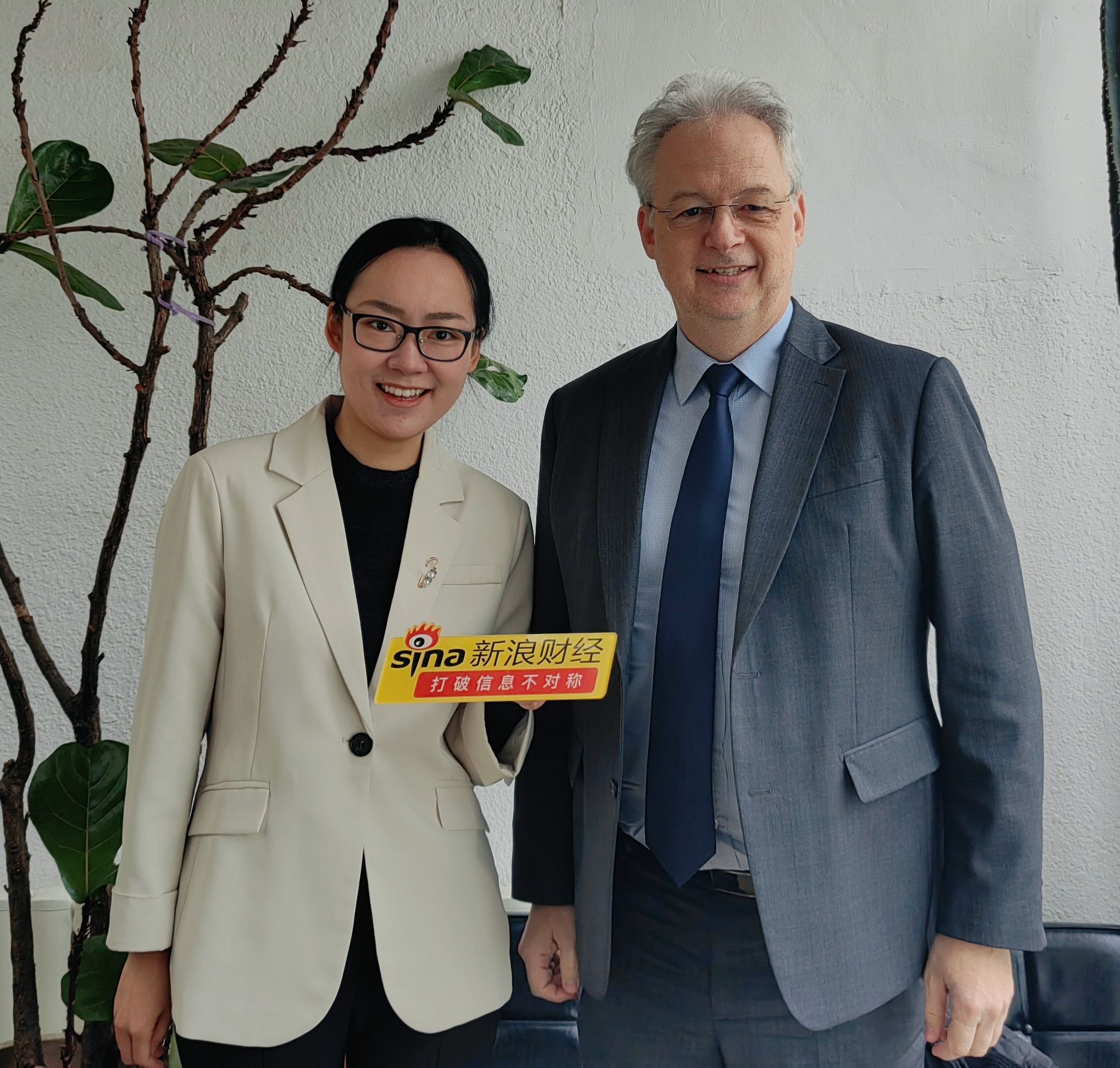
新浪财经ESG评级中心提供包括资讯、报告、培训、咨询等在内的14项ESG服务,助力上市公司传播ESG理念,提升ESG可持续发展表现。点击 查看【 ESG评级中心服务手册】 在人类发展面临多重结构性挑战的时代,如何以系统性思维应对环境、经济与社会的交织难题,正成为全球治理的关键命题。气候变化、生物多样性丧失与 污染问题构成的"三重环境危机"亟待破解,而人口老龄化与人工智能(AI)浪潮则在重塑未来社会的运行逻辑。面对这些跨越国界的复杂议题,建立有效的 国际合作框架与市场激励机制比以往任何时候都更为重要。 在此背景下,新浪财经与经济合作与发展组织(Organization for Economic Co-operation and Development,简称OECD)驻华代表海博(Tamas Hajba)进行了 对话,从国际组织的视角探讨系统性解决方案。他深入阐释了如何通过创新融资机制调动私营资本应对环境危机,分析了企业从多元化ESG实践向系统 性"负责任商业行为"转型的路径,并展望了中欧在环境治理与税收改革等关键领域的合作方向。同时,他也前瞻性地剖析了老龄化社会与AI时代所带来的挑 战与机遇,强调证据导向的政策 ...
德勤亚太可持续发展主管合伙人:企业需在监管升级与技术变革中构建可持续竞争力
Xin Lang Cai Jing· 2026-02-12 08:54
Core Insights - The essence of ESG has shifted from being a marketing tool to a core business consideration driven by revenue growth [2][19] - Companies are increasingly recognizing the urgency of sustainable development and climate-related investments as essential to their business strategy [3][20] - The integration of decarbonization and AI is reshaping the future of business, with companies needing to navigate both trends strategically [30][31] ESG as a Revenue Driver - Companies' motivations for sustainable initiatives have evolved, with revenue growth now seen as the primary driver for ESG investments [2][19] - Despite changes in public discourse around ESG, actual corporate actions remain consistent, indicating a disconnect between public statements and real actions [2][20] - The urgency for businesses to engage in sustainable practices is increasing, particularly in light of regulatory pressures and market dynamics [5][21] Decarbonization and Regulatory Framework - Governments in the Asia-Pacific region are committed to achieving net-zero emissions, with China targeting 2060 [6][21] - Effective regulation is essential for driving the transition to net-zero, requiring a shift in market incentives and internalizing external costs [6][21] - Companies must recognize that the regulatory push towards net-zero is just beginning, and proactive engagement is necessary [6][21] Opportunities in Transition - The transition from fossil fuels to renewable energy presents significant opportunities for businesses, as evidenced by the growth of the solar installation market in Australia [7][23] - Companies should not only focus on cost considerations but also actively seize opportunities created by policy-driven transitions [7][23] AI Integration and Governance - The rise of AI is fundamentally changing work dynamics, necessitating a reevaluation of labor and value creation [8][24] - Companies must establish robust AI governance frameworks and actively participate in the broader AI ecosystem to align with strategic interests [8][24] - Clear communication and internal skill development are crucial for managing AI-related risks and opportunities [9][25] China's Role in Global Decarbonization - China plays a critical role in global decarbonization through its large-scale manufacturing of renewable energy technologies [11][27] - The upcoming "14th Five-Year Plan" is expected to set new energy and climate goals, influencing global decarbonization efforts [11][27] - Chinese companies are encouraged to align with international sustainability standards and integrate ESG into core business operations [12][28] Strategic Recommendations for Companies - Companies should adopt a proactive approach to collaboration with policymakers and industry partners to shape favorable regulatory environments [14][29] - Emphasizing the importance of integrating decarbonization and AI into business strategies will be key to long-term success [30][31] - Organizations must utilize scenario analysis and engage with stakeholders to navigate the complexities of the evolving regulatory landscape [31]

独家专访德银全球CIO:AI不是泡沫,中国资产吸引力上升
Di Yi Cai Jing Zi Xun· 2026-02-12 08:47
Group 1: Investment Environment in 2026 - The core principle for the investment landscape in 2026 is "discipline beats drama," emphasizing the need for disciplined investment strategies amidst market volatility [1][3] - Investors are encouraged to view market corrections as opportunities for positioning rather than engaging in cyclical trading behaviors [3] Group 2: Artificial Intelligence (AI) Investment - AI remains a focal point for investment decisions in 2026, with a broader perspective on the entire AI value chain rather than just chips [4][5] - The ongoing structural transformation in the AI sector is viewed as a significant opportunity for growth, efficiency, and productivity, rather than a bubble [5] Group 3: Emerging Markets and China - Emerging markets, particularly Asia, South America, and Eastern Europe, are expected to perform positively in 2026, supported by a weaker dollar and a global economic environment that has not entered recession [6] - China's attractiveness as an investment destination is increasing, with rising interest from European and American investors, particularly outside the real estate sector [6] Group 4: Currency and Dollar Outlook - While there is discussion about reevaluating exposure to dollar assets, the U.S. market, especially AI-related companies, remains attractive, with equity returns exceeding 20% [7] - The dollar is expected to maintain its importance in investment strategies, despite potential diversification in currency exposure [7] Group 5: Inflation Risks - Inflation risk is identified as a significant concern for 2026, with potential implications for central banks' ability to lower interest rates if inflation exceeds expectations [8] - Factors such as geopolitical events, tariffs, and wage increases due to low unemployment rates are highlighted as drivers of inflation [8] Group 6: Geopolitical Risks and Market Volatility - Geopolitical events are acknowledged as potential sources of market volatility, with a focus on their impact on energy prices and inflation [9] Group 7: European Economic Outlook - The overall economic growth outlook for Europe in 2026 is relatively optimistic, driven by fiscal spending, particularly in Germany, while acknowledging the need for further structural reforms [10]


专访德银全球CIO:AI不是泡沫 中国资产吸引力上升
Di Yi Cai Jing· 2026-02-12 08:46
进入2026年,全球市场不确定性依旧显著,针对人工智能(AI)投资风险的争论日益升温,资产配置 正面临新的考验。 德意志银行在最新发布的"2026年年度投资展望"中提出,"纪律胜过戏剧性波动"(discipline beats drama)将成为贯穿全年市场的重要原则。 在接受第一财经独家专访时,德银全球首席投资官(CIO)克里斯蒂安·诺尔廷(Christian Nolting)表 示,围绕AI的投资是一场正在展开的"结构性变革",尚不足以称之为泡沫;相关投资不应仅聚焦芯 片,而应放眼更完整的价值链;在这一过程中,数据中心、电力与基础设施等领域将同样受益。 诺尔廷:人工智能在2025年是最重要的主题之一,我认为在2026年仍将如此。当然,地缘政治风险同样 需要关注。对投资者而言,关键并不只是芯片,而是要放眼整个AI价值链。建设数据中心需要大量冷 却系统和电力供应,这意味着公用事业等相关领域同样会受益。这类资产通常更稳定,也具备分红特 征,有助于平衡投资组合。 第一财经:目前关于AI是否存在泡沫的争论不断,你怎么看? 诺尔廷:尽管当前AI领域的投资规模很大,市场也在讨论资金是否能够被有效配置,但我们仍然认 为, ...
梅赛德斯-奔驰预计新车型和成本削减将推动今年收益走高
Xin Lang Cai Jing· 2026-02-12 07:33
Core Viewpoint - Mercedes-Benz expects significant improvement in earnings this year due to the launch of new models and efforts to enhance competitiveness across the group [1][5] Group 1: New Models and Production Capacity - The company plans to launch over 40 new models by 2027 and has orders booked until the second half of 2026, operating production lines in three shifts to meet high demand [1][5] - CEO Ola Kallenius highlighted strong demand for new models such as CLA, GLC, and S-Class, indicating customer excitement [6] - By 2028, production capacity will be adjusted to approximately 2.2 million vehicles, with a joint venture factory in Aguascalientes, Mexico, ceasing assembly of Mercedes-Benz vehicles in 2026 [6] Group 2: Cost Reduction and Efficiency Measures - The company aims to reduce production costs by 10% per vehicle by 2027 compared to 2024 levels through efforts to lower energy costs, enhance automation, and reduce logistics costs [2][6] - Measures initiated last year, including layoffs and outsourcing non-core activities, are expected to further improve efficiency, with fixed costs projected to decrease by 10% from 2024 to 2027 [2][6] Group 3: Financial Projections and Market Conditions - The company anticipates a profit increase of over €3.5 billion (approximately $4.16 billion) by 2025 [3][8] - In the U.S., the company is committed to shifting more production locally to mitigate the impact of import tariffs [9] - The automotive division's adjusted profit margin guidance is set at 3%-5% for this year, with expectations to maintain sales levels similar to 2025 [9] - The company reported a 45% decline in automotive division earnings last year due to decreased sales and adverse pricing, tariff, and exchange rate factors [9]
美国1月非农就业数据点评:美国就业市场短期仍显现较强韧性
KAIYUAN SECURITIES· 2026-02-12 06:12
美国就业市场短期仍显现较强韧性 宏观研究团队 ——美国 1 月非农就业数据点评 | 何宁(分析师) | 潘纬桢(分析师) | | --- | --- | | hening@kysec.cn | panweizhen@kysec.cn | | 证书编号:S0790522110002 | 证书编号:S0790524040006 | 事件:美国公布 1 月非农就业数据。新增非农就业 13 万,高于市场预期;失业 率为 4.3%,低于市场预期。平均时薪同比增长 3.7%,符合预期。 宏观经济点评 2026 年 02 月 12 日 新增非农就业超预期上行,2025 年数据大幅下修 1. 新增非农就业上行较多,但 2025 年新增就业数据大幅下修 1 月美国新增非农就业 13 万人,较 2025 年 12 月份初值(5.0 万)有较大幅度上 行,高于市场预期的 6.5 万。2025 年 11 月、2025 年 12 月新增非农就业分别下 修 0.2 万、1.5 万,两个月累计下修 1.7 万 。此外,由于 BLS 在年初会对就业数 据进行基准修订,报告还显示 2025 年 3 月的美国总就业人数下修 89.8 万,在 新 ...
Long Bulls
Seeking Alpha· 2026-02-12 06:00
style-photography/iStock via Getty Images With the S&P 500's new all-time closing high on 1/27, the current bull market, which we've dubbed the "AI Bull", extended to more than 1,200 days. Below is a look at historical bull and bear ...

千问最新数据:AI6天完成超1.2亿笔下单
Bei Ke Cai Jing· 2026-02-12 04:57
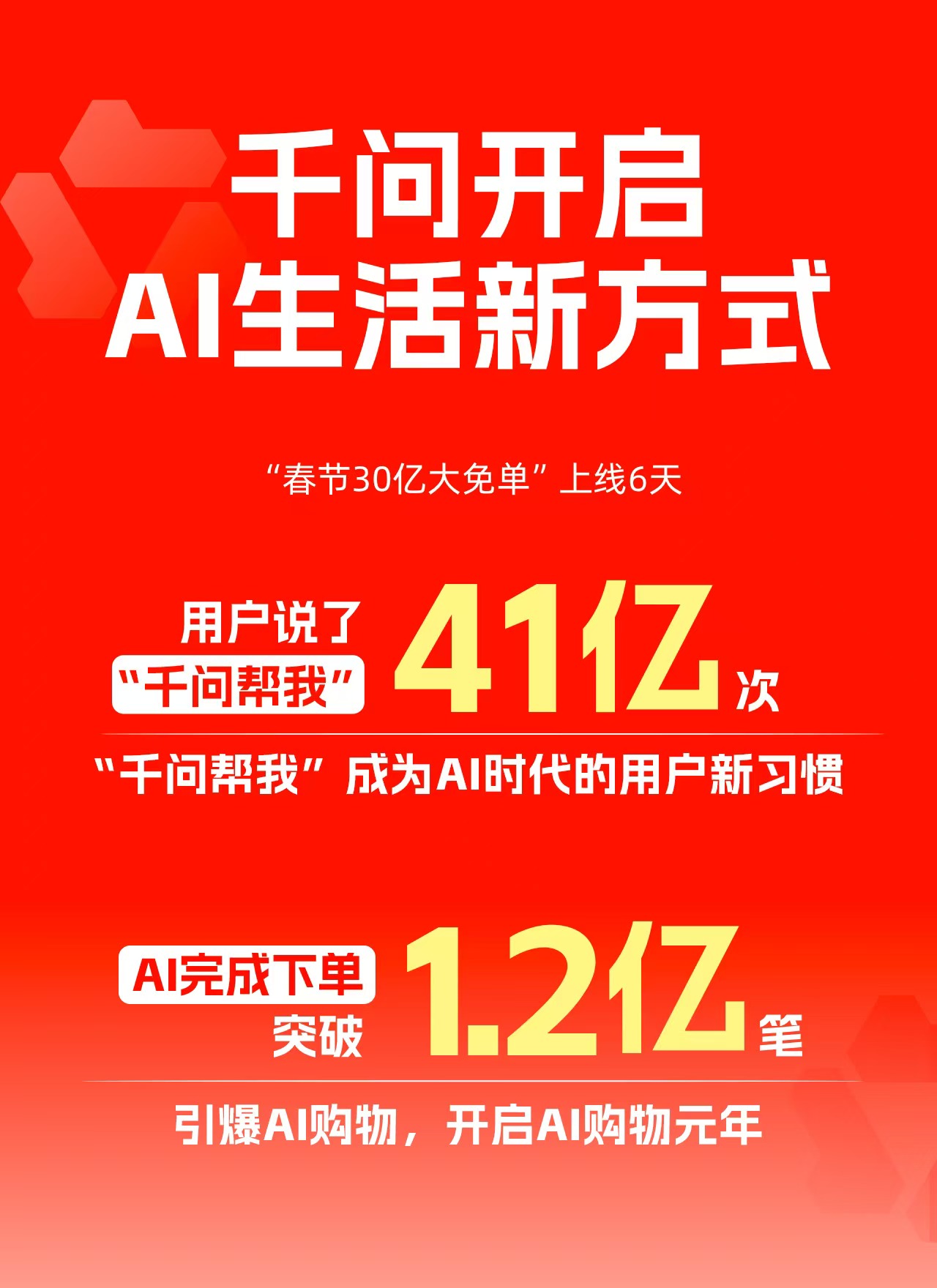
新京报贝壳财经讯(记者程子姣)2月12日,千问发布的"春节30亿大免单"第一轮活动数据显示,过去6天,用户说了41亿次"千问帮我",AI完成下单超1.2亿 笔。 与| 凌晨\1火4初, 广后台\U4f 204 ...
知名对冲基金孤松资本:AI泡沫还要等到OpenAI上市,不博弈短期而是思考3-5年的世界格局
Sou Hu Cai Jing· 2026-02-12 03:45
近日,管理着超过190亿美元资产的知名对冲基金孤松资本(Lone Pine Capital)联席首席投资官David Craver,在参加高盛《Great Investors》系列访谈 时,分享了其对于当前市场结构变化、人工智能(AI)进程以及投资哲学的深度思考。 告别"短视":思考3-5年的世界格局 作为"老虎系"(Tiger Cub)基金的代表之一,孤松资本一直坚持基本面多头策略。Craver观察到,市场结构已经发生了根本性变化。 与他入行初期相比,当前市场最显著的变化在于两点:一是单只股票围绕事件的波动率处于历史高位,且往往与定性的基本面消息脱钩;二是高估值现 象在巨头中泛滥。 "我过去常对合伙人说,读完一篇新闻稿,我就能告诉你第二天股价会怎么走,但现在情况已不再如此。"Craver表示,由于被动投资和多策略基金的兴 起,市场对短期信息的反应往往过度且不理性。 在这种环境下,Craver认为真正的"阿尔法(Alpha)"机会来自于这一片被遗忘的空白地带——时间维度。 "我不关心一家公司是否会在下个季度超出预期,有太多人在做这种短期的'暗夜格斗'(night fight),试图根据一组事实推测短期股价。 ...