
低利率时代

Search documents
[5月21日]指数估值数据(存款利率下降,对股市是利好吗)
银行螺丝钉· 2025-05-21 13:56
Core Viewpoint - The article discusses the impact of declining deposit interest rates on various asset classes, particularly highlighting the potential shift of funds from deposits to equities, bonds, and cash flow assets like dividend stocks. Group 1: Market Overview - The overall market showed a slight increase, maintaining a rating close to 5 stars [1] - Large-cap stocks experienced slightly more gains compared to small-cap stocks [2] - Dividend and value styles performed strongly in the market [3] Group 2: Deposit Rate Changes - Recent reductions in deposit interest rates have been noted, which is favorable for cash flow assets like dividends [4][10] - Major state-owned banks have lowered their deposit rates, with current rates for demand deposits at 0.05% and one-year fixed deposits below 1% [11][12][13] - The total scale of deposits exceeds 300 trillion RMB, significantly larger than the A-share market and bond market [17][18][22][23] Group 3: Fund Flow Implications - The decline in deposit yields is expected to lead to a portion of funds flowing out of deposits into other assets, similar to trends observed in Japan post-1989 [24][25] - Historical context shows that after Japan's asset bubble burst, low interest rates led to a significant shift towards high dividend yield stocks, which eventually helped the market recover [30][31] Group 4: Asset Classes for Fund Flow - Funds may flow into bonds, as their yields, while lower, still exceed deposit rates; for example, five-year government bonds yield an average of 1.55% [34] - The "fixed income plus" products are emerging, combining bonds with equities to enhance returns [36][39] - Cash flow assets, particularly dividend indices, are also attractive, with many offering yields exceeding 4-5%, significantly higher than current deposit rates [44][46] Group 5: Investment Considerations - While deposits offer low risk, the low yields prompt investors to consider assets with higher potential returns, albeit with increased volatility [51] - The growth of dividend and fixed income products is supported by the backdrop of declining interest rates, indicating a shift in investor preferences [52]


帮主郑重:低利率时代如何投资理财?
Sou Hu Cai Jing· 2025-05-21 11:13
那机会在哪儿呢?帮主结合20年的观察,给大家拆几个方向。首先是权益类资产,也就是股票和基金。可能有人一听股票就摇头:"股市太吓人了,波动太 大!"但别忘了,低利率时代,资金会往哪儿跑?从历史规律看,当传统固收类产品收益缩水,股市往往会成为资金的"蓄水池"。尤其是咱们中长线投资 者,别盯着每天的涨跌,要瞄准那些有业绩支撑的行业。比如我之前反复聊过的新能源、半导体、消费升级,这些赛道就像正在爬坡的火车,短期可能颠 簸,但长期看动力十足。新手朋友怕风险怎么办?很简单,用定投的方式买指数基金或者行业ETF,分摊成本,把战线拉长,时间会帮你平滑波动。 再说黄金。最近国际金价又悄悄崛起了,为啥?一方面,全球央行都在买黄金储备,咱们中国央行连续六个月增持;另一方面,低利率环境下,黄金作为无 息资产的机会成本降低,成了抗通胀的硬通货。不过帮主提醒一句,黄金短期受地缘政治和美元走势影响大,咱们可以把它当成资产组合里的"安全垫",比 如配置5%-10%的比例,别all in,但也别完全不碰。 还有一个方向容易被忽略——海外资产配置。现在人民币汇率波动加大,单一货币资产的风险在上升。咱们普通投资者怎么参与?其实很简单,通过QDII ...

银行利率下调 灵活配置上行 恒友汇《全球指引》“三阶配置”决胜低利率时代
Cai Fu Zai Xian· 2025-05-21 10:08
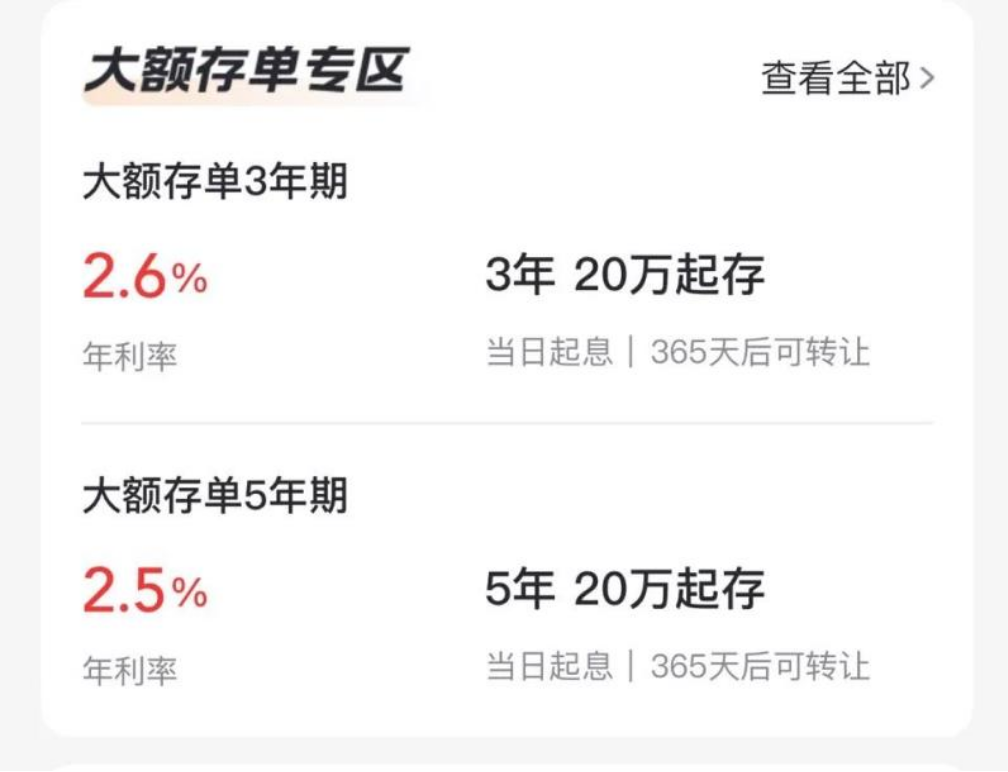
同样是10万块钱,5年前后的利息差到底有大?青岛储户王优(化名)对此深有体会。 "现在每吸收100元存款,成本就要1.5元以上,但贷款利息收入不到3元,不降价真的撑不住。"一位国 有大行支行行长曾对媒体坦言。 "低利率时代,主动管理财富将成为投资者的必修课。"恒友汇宏观经济研究室表示,利率变迁不仅是激 活经济动能的政策选择,也是银行应对息差压力的调整之策。当"钱袋子"增速放缓,左手机遇右手挑 战,如何在风险与收益间找到平衡点,考验每个人的投资智慧。 面对日益增大的息差压力,银行业不得不采取行动。新一轮降息潮始于2024年下半年。国有六大行率先 下调存款利率,股份制银行迅速跟进,中小银行也陆续补降。短短半年间,银行存款利率全面迈入"1时 代"。与此同时,央行通过下调政策利率推动LPR下行,形成"政策利率—市场利率—存款利率"的传导 链条,五轮调整后,市场化特征愈发显著。 目前,国有大行五年期定存利率普遍跌破2%。中国建设银行人民币存款利率下调后,活期利率仅为 0.05%;定期整存整取三个月期、半年期、一年期、二年期利率分别为0.65%、0.85%、0.95%、1.05%; 三年期和五年期则是1.25%和1.3% ...
低利率时代的财富突围:普通人的理财觉醒之路
Sou Hu Cai Jing· 2025-05-21 10:03
Core Insights - The article highlights the shift in investment strategies among individuals due to declining interest rates and the ineffectiveness of traditional savings methods [2][8] - It emphasizes the importance of financial literacy and adaptive investment approaches in a low-interest-rate environment [8] Group 1: Changing Investment Landscape - The People's Bank of China has lowered interest rates, with one-year deposit rates falling below 1%, leading to a decline in traditional savings returns [2] - Individuals are increasingly exploring alternative investment vehicles such as funds and stocks, indicating a broader trend towards financial diversification [2][3] Group 2: Innovative Financial Strategies - Community members are learning about new financial instruments like government bond reverse repurchase agreements and large-denomination time deposits, which offer better returns than traditional savings [3] - The use of short-term financial tools, such as T+0 wealth management products, is becoming popular as individuals seek to protect their savings from inflation [3][4] Group 3: Diverse Investment Approaches - Different investor profiles are emerging, such as conservative investors focusing on dividend index funds and REITs for stable income, while more aggressive investors are engaging in quantitative hedge funds and gold ETFs [4][5] - The article illustrates how individuals are adapting their strategies based on market conditions, with some using automated systems to manage their investments [5][6] Group 4: Financial Education and Technology - The rise of financial education initiatives, such as community workshops and apps that simulate real market conditions, is helping individuals improve their investment knowledge and decision-making [6][7] - Tools like "emotional temperature meters" are being developed to help investors manage their trading behaviors and avoid impulsive decisions [6][7] Group 5: Resilience in Investment - The narrative concludes with a reflection on the importance of patience and long-term thinking in investing, as individuals learn to navigate market volatility and economic changes [7][8] - The overall message is that financial freedom is achieved through a deep understanding of money and continuous personal development in investment strategies [8]

首席来了|前海开源杨德龙:年轻人不要急于买房,把握权益市场投资机会
Zhong Guo Jing Ying Bao· 2025-05-20 14:53
Core Viewpoint - The current economic environment is characterized by rising uncertainty and declining deposit rates, which pose challenges for investors in asset allocation and balancing risk and return [1][2]. Group 1: Economic Environment and Policy - The People's Bank of China maintains low interest rates to support a robust capital market, which is essential for boosting consumer confidence and addressing economic challenges [1]. - The decline in deposit rates reflects policy intentions and has a positive impact on the steady recovery of the economy, providing strong support for the capital market [2]. Group 2: Asset Allocation Strategies - In the context of declining deposit rates, residents are diversifying their asset allocation strategies, with some opting for fund investments to achieve capital appreciation, particularly in the rising technology sector [3]. - The current asset allocation in Chinese households shows a significant reliance on real estate, with approximately 60% of assets previously allocated to housing, while only about 5% is in equities and funds [4]. - There is a growing trend towards reducing real estate allocation and increasing equity investments, particularly in high-quality stocks and funds, as the capital market becomes more attractive [5]. Group 3: Investment Opportunities - Key sectors to focus on include technology stocks, consumer stocks, and dividend-paying stocks, with technology stocks leading the market due to their role in economic transformation [6][7][8]. - The technology sector, particularly AI and robotics, is seen as a significant growth area, with potential for substantial development in the coming years [6]. - Consumer stocks, especially brand-name products, are gaining attention due to their stable profitability and attractive valuations after recent adjustments [7]. - Dividend stocks, particularly in the banking and utility sectors, are appealing in the current market environment, providing stable returns and aligning with the preferences of large investors [8]. Group 4: Age-Based Asset Allocation - Asset allocation strategies should adapt to different life stages, with younger individuals encouraged to invest a higher proportion in equities due to their risk tolerance and time horizon [9][10]. - As individuals age, it is advisable to gradually reduce equity exposure and shift towards more stable fixed-income products to ensure financial security in retirement [10][12]. - For older adults, a conservative investment approach is recommended, focusing on low-risk assets while maintaining a small allocation to equities for potential growth [12].
低利率时代银行存款利率倒挂:“存五年不如存一年”成常态
Huan Qiu Wang· 2025-05-18 02:14
Group 1 - The article highlights the phenomenon of "interest rate inversion" among commercial banks, particularly affecting small and medium-sized banks, where longer-term deposit rates are lower than shorter-term rates [1][5] - Tianjin Bank's recent adjustment shows a 5-year deposit rate dropping to 1.75%, which is lower than the 2-year rate of 1.8% and the 3-year rate of 2% [1] - Similar cases are reported from other banks, such as Xinjiang Korla Fumin Village Bank and Shandong Yinan Blue Ocean Village Bank, indicating a widespread trend of lower long-term deposit rates [1] Group 2 - Large time deposits, once seen as high-yield savings tools, are also experiencing rate cuts, with Tianjin Bank's 3-year "Happiness Deposit" rate falling to 2.05% [5] - The trend of rate adjustments reflects banks' strategies to manage interest margin pressures by reducing long-term liabilities [5] - Experts suggest that depositors should reassess their investment strategies, considering alternatives like cash management products, money market funds, or government bonds to balance yield and liquidity [5]
很刺激的一周
表舅是养基大户· 2025-05-16 07:15
和谈超预期是事实,这从本周A股、美股的上涨,A债、黄金的下跌中,可见一斑。 伙伴们,大家好,这周前面四天没更新,大家催更的私信等,就不一一回复了,感谢大家的惦念 ,借用一图,略表此刻的心情。 本公众号会继续为大家,每日用大白话解读一下金融市场的时事,尽可能剥开底层的逻辑,这些 初心都不会变。 ...... 这周,从中美贸易和谈超预期开始,又有周三银行股一度飙涨的戏码,显然算是很刺激的一周, 我积 累了一些想聊且有意义的话题 ,正好趁今天,把本周的重要事件,总结为8条,和大家简单展开一下。 1、短期来看,中美和谈超预期,但到今天为止,对利好交易的差不多了。 高血压的那边 ,虽然4月的CPI和PPI数据,都没有显示通胀进一步走高的态势,但是市场普遍判断,是 因为此前的库存发挥了作用,而昨晚 沃尔玛 发布最新一季财报后,也明确表示,这个月就要开始提 价,即使是30%的关税,也很可能导致部分商品,有两位数以上的涨价——以沃尔玛在美国的零售市场 占比看,这是一个很明确的微观信号。 另外, 鲍师傅 昨天也出来表示,货币政策的框架可能会优化,说的很绕,其实我总结一下就是,后续 多看少动,即使通胀起来了,也不会阶段性打压,表 ...




存款利率迈入“1时代”,投资警惕高收益诱饵
Sou Hu Cai Jing· 2025-05-15 02:46
Core Insights - The People's Bank of China implemented a reserve requirement ratio cut of 0.5 percentage points and a policy interest rate reduction of 0.1 percentage points, leading to a wave of interest rate cuts among small and medium-sized banks [2] - Many small and medium-sized banks have lowered their deposit rates, with some long-term deposit rates dropping below 2%, entering the "1 era" [2] - The decline in deposit rates is attributed to multiple factors, including the reduction of the Loan Prime Rate (LPR) and adjustments in mortgage rates, which have led to a narrowing of banks' net interest margins [3] Banking Sector - The recent interest rate cuts are part of a broader financial policy aimed at stabilizing the market and boosting consumption, but they have also negatively impacted residents' investment returns [3] - The trend of declining deposit rates has been ongoing since last October when state-owned banks began lowering their rates, followed by many national joint-stock banks [2] Investment Strategies - In a low-interest-rate environment, investors are advised to be cautious of high-yield investment schemes that may be fraudulent, as high returns often come with high risks [4] - Recommended investment options include slightly higher-yielding bank wealth management products, government bonds, large-denomination certificates of deposit, and traditional bank deposits, which are considered lower-risk [5] - Investors should be particularly wary of investments promising returns exceeding 6%, as these may carry significant risks [4]
净息差五连降,上市银行“加减法”破局
2 1 Shi Ji Jing Ji Bao Dao· 2025-05-14 04:27
21世纪经济报道记者张欣 北京报道 低利率时代,中国上市银行正面临显著的经营挑战。 近日,安永发布《中国上市银行 2024 年回顾及未来展望》报告,以"低利率时代的高质量发展之路"为 主题,对58家上市银行展开深度剖析。这58家银行总资产和净利润分别占全国商业银行的83%和 96%, 其经营动态与发展策略,成为洞察中国银行业的重要风向标。 报告显示,上市银行平均净息差已连续五年下滑,2024 年更是跌至1.52%,盈利空间不断压缩。在宏观 环境不确定性加剧、国际经济震荡、国内需求不足等多重压力下,银行机构积极以"加减法"破局:做 "加法",通过拓展非息收入、补充资本实力、深耕科技金融等 "五篇大文章" 挖掘新增长点;做 "减 法",在压降负债成本、严控运营费用、强化风险管理等方面精准施策,谋求突围之道。 上市银行净息差持续探底,五年降至1.52% 安永大中华区金融服务首席合伙人忻怡指出,2024年中国上市银行面临更加严峻复杂的经营环境。银行 业进入低利率低息差周期,同时面临宏观环境不确定性加大,国际主要经济体增长动能减弱,地缘政策 冲突持续,贸易冲突和金融市场波动加剧,国内有效需求不足,经济回稳向好基础不稳定 ...
为什么存5年利息反而更低?银行经理不会告诉你的真相
Sou Hu Cai Jing· 2025-05-13 16:04
Group 1 - Recent phenomenon of deposit rate inversion observed in some small and medium-sized banks, with 1-year deposit rate (2%) higher than 5-year deposit rate (1.95%) [1] - This inversion reflects market expectations of future interest rate trends, indicating a potential long-term low interest rate environment in China [1][2] - Historical context shows that similar situations in the U.S. have preceded interest rate cuts by the Federal Reserve, suggesting that China's current scenario may imply future rate reductions by the central bank [2] Group 2 - Current 1-year LPR is 3.45% and 5-year LPR is 3.95%, while deposit rates have fallen below 2%, raising questions about whether 2% could become the new normal [3] - International experiences from Japan and Europe indicate that prolonged low growth can lead to sustained low interest rates, which China may face due to economic challenges [3] Group 3 - The occurrence of negative inflation in China, with CPI below 1% and PPI showing negative growth, could lead to further interest rate cuts by the central bank to alleviate debt burdens [4] - However, historical lessons from Japan suggest that low interest rates alone may not stimulate borrowing and consumption, necessitating complementary fiscal policies and structural reforms [4] Group 4 - The interest rate inversion poses challenges for banks, particularly in terms of narrowing net interest margins, with some banks nearing regulatory warning lines [5] - Banks may face a dilemma between lowering deposit rates to maintain profitability and risking customer attrition to alternative investments [5] Group 5 - In a declining interest rate environment, traditional savings become less attractive, prompting investors to adjust asset allocation strategies [6] - Recommended strategies include increasing bond allocations, focusing on equity assets with stable cash flows, and considering alternative investments like gold and REITs [7][8] - The low interest rate environment may necessitate early adjustments in investment strategies to seek higher returns while managing risks [8]