
美国优先

Search documents
刷新纪录!美国政府“停摆”,已超35天
Nan Fang Du Shi Bao· 2025-11-06 07:17
Core Points - The U.S. government shutdown has become the longest in history, surpassing the previous record of 35 days from late 2018 to early 2019, with significant impacts on public services and the economy [1][2] - Approximately 42 million people have been affected by the suspension of food assistance, and over 3.2 million travelers have experienced flight delays due to the shutdown [1] - The political standoff between the Democratic and Republican parties continues, with no signs of compromise, as both sides leverage the shutdown for political gain [1][7] Economic Impact - The shutdown has led to the suspension of pay for about 750,000 federal employees, causing disruptions in various public services [2] - The ongoing economic deterioration is expected to disproportionately affect the middle and lower classes, potentially increasing poverty levels and fueling a resurgence of populism in the U.S. [3][4] Political Dynamics - The current political climate is characterized by heightened polarization, with both parties using the shutdown as a weapon against each other, complicating the path to resolution [5][8] - Trump's administration is seen as using the shutdown to consolidate power and undermine Democratic support, particularly regarding healthcare reforms [4][6] - The focus of contention is not on healthcare itself but rather on power distribution and the solidification of voter bases, with Democrats potentially seeking to mobilize lower-income voters against Trump [7][8]
美媒:美高层一锤定音,他们以后应该只生产低附加值的日用品 ,将微芯片生产转移到美国
Sou Hu Cai Jing· 2025-11-04 10:11
Core Insights - Recent statements from U.S. officials suggest that due to tariff policies, major companies are relocating semiconductor production to the U.S., with predictions that the U.S. will control 40% to 50% of the global semiconductor market within two years [1] - The U.S. government is pressuring companies to invest significantly in domestic production, with one leading company required to increase its investment from $65 billion to $165 billion, including the construction of six factories in Arizona and the relocation of R&D centers [1] - The U.S. has threatened a 100% tariff on products not produced domestically, severely limiting companies' options and leading to criticism of the approach as a unilateral exploitation of regional economic interests [1] Industry Impact - The semiconductor industry has been a cornerstone of the regional economy, providing high-paying jobs and supporting technological innovation [3] - The potential hollowing out of this core industry poses a fundamental risk to the regional economic structure, raising concerns about future development [3] - Analysts highlight that this move reflects a "America First" hegemonic logic, aiming to restructure global supply chains through non-market means while weakening potential competitors [3]

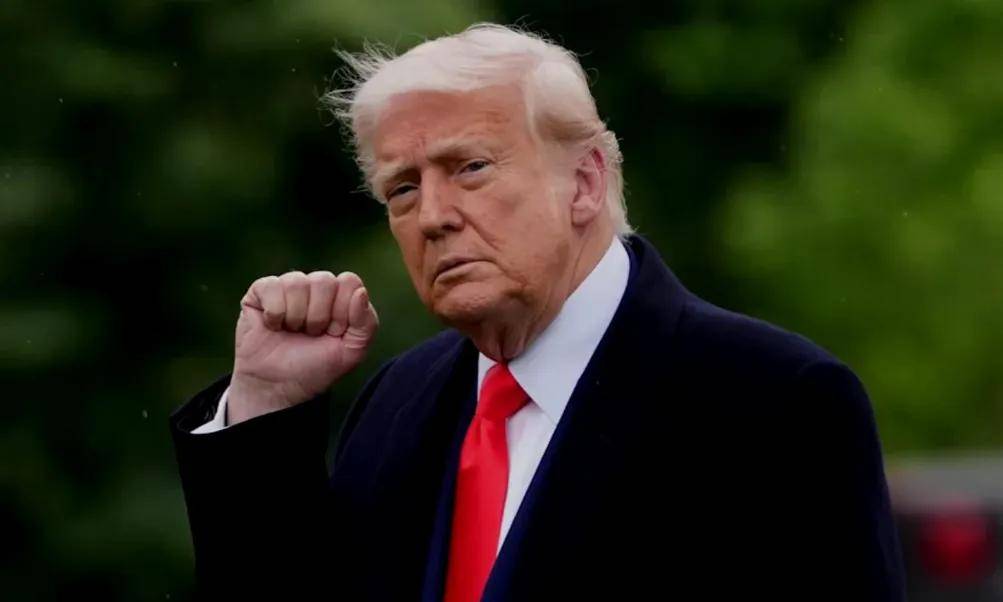
大豆还没装船,美国就变脸?美贸易代表称继续调查中国
Sou Hu Cai Jing· 2025-11-02 10:44
Group 1 - The U.S. Treasury Secretary mentioned that China has agreed to purchase 12 million tons of U.S. soybeans this quarter and at least 25 million tons annually for the next three years, although there is skepticism about China's compliance with this commitment [1] - The U.S. Trade Representative stated that the Section 301 investigation will continue, indicating that new tariffs on Chinese goods may be imposed in the future [1] - The U.S. government does not fully trust China's promises, and the overall direction of U.S. policy towards China is characterized as "orderly decoupling" [1][3] Group 2 - The statements made by the U.S. Treasury Secretary serve to indicate that the U.S. has not compromised with China and that the trade war pause is merely a strategy for gradual decoupling [3] - The U.S. aims to eliminate its dependence on rare earths within two years, but this goal has been previously stated in 2010, highlighting the challenges in establishing a rare earth supply chain [5] - The strategic competition between the U.S. and China is intensifying, with both sides adjusting their strategies to gain leverage, while the overall advantage appears to be shifting towards China [5] Group 3 - The contradictions faced by the U.S. include the conflict between "America First" and the need for allies, as well as the negative impact of decoupling from China on supply chains and consumer prices [8] - The U.S. attempts to isolate China while simultaneously relying on it, creating an irreconcilable contradiction [8] - The strategy of indiscriminately targeting global trade partners while seeking to rally support against China is inherently contradictory [10]
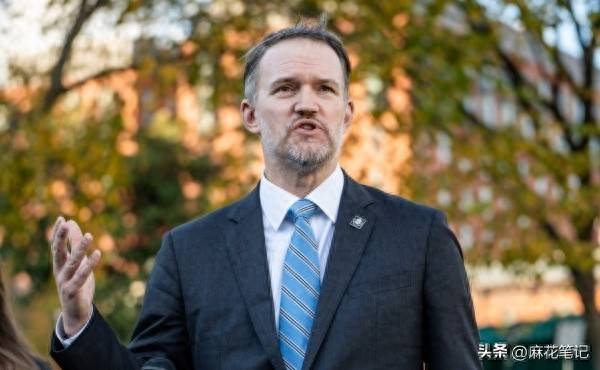
特朗普赚大了,达成协议拿下9000亿美元订单,但消费信心却三连降
Sou Hu Cai Jing· 2025-10-31 06:01
Group 1 - Trump's first Asian trip in five years resulted in nearly $900 billion in investment commitments from Malaysia, Japan, and South Korea [1][3] - The trip emphasized "transactional diplomacy," with a focus on economic negotiations rather than traditional diplomatic engagements [3][4] - In Japan, a significant discussion centered around a $550 billion investment, with Japan preparing a large procurement list to appease Trump [3][4] Group 2 - The U.S. consumer confidence index has declined for three consecutive months, indicating growing economic concerns among American households [5][6] - Despite Trump's diplomatic achievements abroad, domestic economic indicators reveal a stark contrast, with consumer sentiment worsening due to trade policies [5][8] - Walmart has raised prices on certain goods due to the impact of U.S. tariffs, reflecting the broader economic strain on American families [12][15] Group 3 - Historical precedents suggest that the investment commitments made during Trump's trip may not materialize, as seen in past agreements that failed to fully execute [12][13] - The ongoing U.S. government shutdown has created uncertainty, affecting the release of key economic data and further complicating the economic landscape [13][16] - The disparity between Trump's foreign diplomatic successes and the domestic economic challenges highlights the contradictions in his economic policies [13][16]
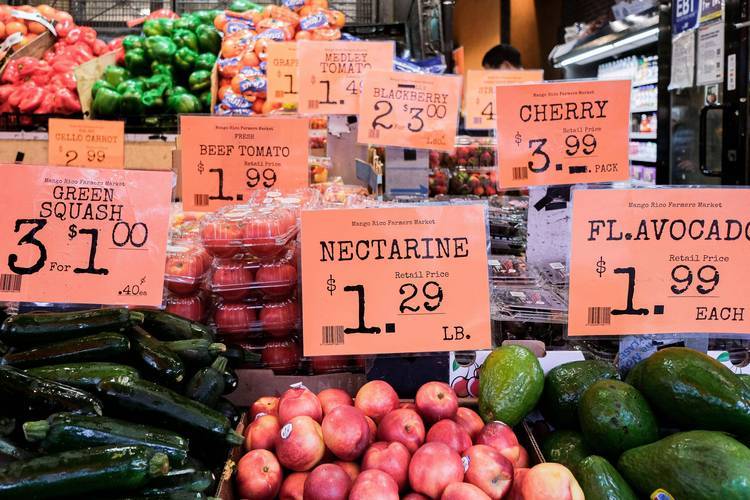
刚和特朗普签稀土大单,澳总理心里没底,转头就跟中国谈矿产合作
Sou Hu Cai Jing· 2025-10-30 16:11
Group 1 - Australia recently signed an $8.5 billion mineral deal with the US, but is now seeking to strengthen mineral cooperation with China, indicating a strategic shift in its approach to mineral resources [1][3] - Chinese officials expressed willingness to deepen cooperation with Australia, emphasizing support for Chinese enterprises investing in Australia and the importance of maintaining a "free trade system" [3][10] - Australia recognizes the significance of China's role in the mineral sector, particularly in lithium and nickel refining, where over 90% of its lithium is processed in China [6][8] Group 2 - The economic relationship between Australia and China is mutually beneficial, with Australia relying heavily on exports of iron ore and coal, while China has a high demand for these resources [8][10] - Cooperation with China not only provides economic benefits but also enhances Australia's competitiveness through technology exchange and market information sharing [10] - Australia's alignment with the US may pose risks due to the unpredictable nature of US policies, making cooperation with China a more stable choice for economic recovery [10]
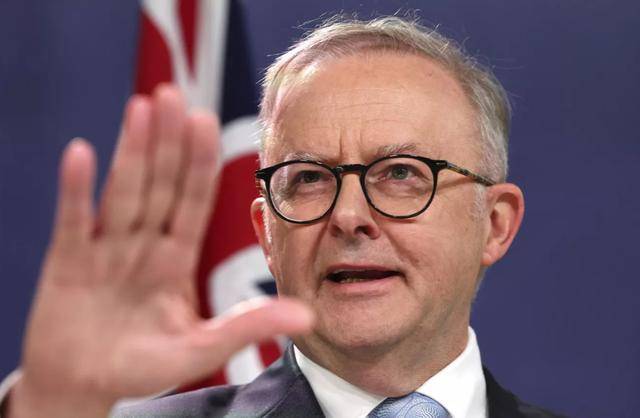
日韩接力投资美国 美股成最大赢家? 日本前脚砸下5500亿美元 韩国立马抛出3500亿美元
智通财经网· 2025-10-29 13:22
Core Insights - The recent trade agreement between the U.S. and South Korea marks a significant development following the framework agreement reached in July, with South Korea committing to invest $350 billion in the U.S. [1][2] - The agreement includes a reduction of tariffs on South Korean goods from 25% to 15%, which is expected to enhance the competitiveness of South Korean manufacturers in the U.S. market [2][3] - The deal is projected to have a positive impact on the U.S. economy, particularly in boosting manufacturing capacity and non-farm employment, aligning with the "America First" policy [5] Investment Commitments - South Korea plans to invest $1.5 billion in the shipbuilding sector and an additional $2 billion in various investments in the U.S. [1][2] - The investment will be supported by domestic and international commercial banks, which will help alleviate pressure on the Korean won in the foreign exchange market [3] - The agreement stipulates that annual investments from South Korea will be capped at $20 billion, ensuring that it does not negatively impact the currency market [2][3] Tariff Adjustments - The agreement ensures that tariffs on semiconductors will not be less favorable than those applied to Taiwan, a key competitor for South Korean chip manufacturers [3] - The reduction in tariffs is expected to significantly benefit South Korean automotive manufacturers, who have faced disadvantages due to higher tariffs compared to Japanese counterparts [2][3] Economic Impact - The trade agreement is anticipated to serve as a catalyst for the ongoing bull market in U.S. stocks, as substantial investments from Japan and South Korea are expected to bolster market valuations and fundamentals [4] - The investment plans from Japan and South Korea cover a wide range of sectors, including energy and AI, which are crucial for the U.S. economy [4] - The U.S. government will establish an investment committee to oversee the selection of projects, enhancing the execution and compliance of the investment agreements [4]
特朗普赚大了!中美达成共识,印度和巴西传来动静,有望达成协议
Sou Hu Cai Jing· 2025-10-29 04:31
Group 1 - The core viewpoint of the article highlights the diplomatic maneuvers by the U.S. under Trump's administration, particularly in relation to India and Brazil, aiming to secure trade agreements while applying pressure on Russia [1][3][9]. - The U.S. and China reached a consensus during trade talks in Kuala Lumpur, including the extension of tariff suspensions and the abandonment of plans to impose 100% tariffs on Chinese goods [1][3]. - India, a major buyer of Russian oil, is expected to reduce its imports by 30% to 50%, potentially decreasing Russian oil revenues by billions and increasing global oil prices [3][4]. Group 2 - The U.S. anticipates an increase in crude oil exports to 4.5 million barrels per day by 2025, with India's shift towards U.S. oil and LNG expected to boost U.S. energy revenues by approximately $3 billion annually [4][9]. - Brazil's President Lula and U.S. President Trump agreed to initiate negotiations on tariffs and sanctions, with a potential suspension of tariffs during discussions, which could enhance Lula's domestic support [7][9]. - Trump's dual strategy of sanctions and tariff suspensions aims to encourage India to purchase U.S. oil and Brazil to buy U.S. agricultural products, while simultaneously exerting pressure on Russia [9].
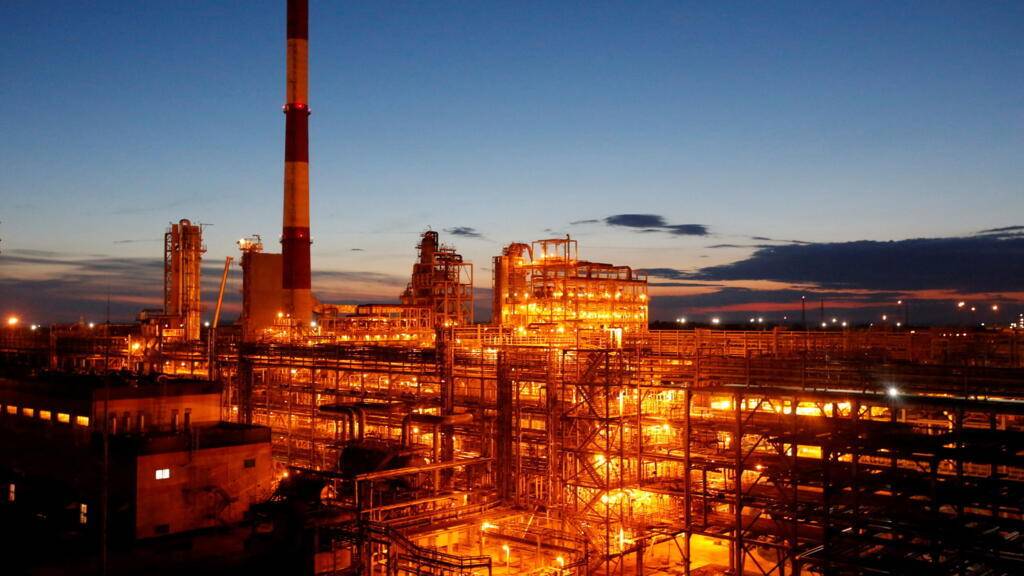
美股牛市迎来超级催化剂! 日本赴美5500亿美元投资蓝图出炉 覆盖核能、AI与半导体等领域
Zhi Tong Cai Jing· 2025-10-28 10:06
Core Viewpoint - Japan has announced a significant investment plan of up to $550 billion in the U.S., covering various sectors including nuclear energy, AI, and semiconductors, which is expected to act as a major catalyst for the ongoing bull market in U.S. stocks [1][3]. Investment Overview - The investment plan includes potential projects from major Japanese companies such as SoftBank, Westinghouse, and Toshiba, with individual project investments ranging from $350 million to $100 billion [1][4]. - Energy-related projects, particularly in nuclear energy, are highlighted, with Westinghouse's AP1000 and small modular reactors (SMR) projects each valued at up to $100 billion [3][4]. Economic Implications - The investment is anticipated to boost U.S. economic growth and national security by focusing on sectors like semiconductors, pharmaceuticals, metals, critical minerals, shipbuilding, energy, AI, and quantum computing [3][5]. - The influx of Japanese investment is expected to enhance U.S. manufacturing capacity and employment, particularly in the semiconductor and AI infrastructure sectors [5]. Regulatory Framework - An investment committee will be established to oversee project selection, with the ability to increase tariffs if Japan does not contribute funding [5]. - The investment distribution mechanism involves creating special purpose vehicles (SPVs) for each selected project, with an initial 50/50 allocation, followed by a 90% (U.S.) to 10% (Japan) profit-sharing model [5].
对华关税升至130%,特朗普不惜再打贸易战,通知3亿美国人做准备
Sou Hu Cai Jing· 2025-10-28 07:09
Core Points - Trump announced a 100% increase in tariffs on China, raising total tariffs to 130%, and called for American citizens to prepare for a trade war with China [1][3] - Trump's approval ratings have dropped to historic lows, indicating a potential lack of support for his aggressive trade policies [3] - The U.S. consumer is the biggest victim of the tariff increases, as the costs will ultimately be passed on to them, leading to higher living expenses [6] Group 1: Tariff Strategy - Trump's "America First" policy emphasizes tariffs as a means to protect U.S. interests by making Chinese goods more expensive and boosting domestic product competitiveness [4] - The U.S. has not seen reciprocal tariff increases from China, which raises concerns about the fairness of the trade measures being implemented [4] Group 2: China's Response - China has taken decisive countermeasures, including export controls on critical materials like rare earths and lithium batteries, directly targeting U.S. interests [8][10] - The potential restriction of rare earth exports could disrupt supply chains for U.S. high-tech companies, complicating the situation for the Trump administration [10] Group 3: Public Sentiment and Economic Impact - Surveys indicate that approximately 50% of Americans believe the trade war negatively affects their daily lives, while less than 20% see any benefits from it [14] - The trade policies have led to dissatisfaction among U.S. businesses, with many companies reporting increased costs and reduced consumer spending [14][16] - The U.S. economy faces challenges from global market weakness and supply chain disruptions, complicating the implementation of Trump's policies [16] Group 4: Future Outlook - The current trade conflict suggests that Trump's options are dwindling, and a rational dialogue is needed to resolve underlying issues rather than escalating tariffs [18] - The sentiment among the American public and the challenges faced by the government indicate a potential failure for the U.S. in this trade war [18]
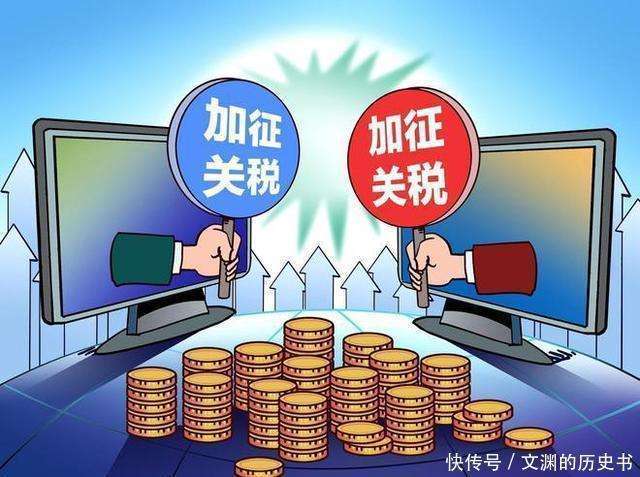
赵俊杰:缓解“稀土焦虑”,欧盟先放下面子
Huan Qiu Wang· 2025-10-27 23:05
Group 1 - The recent focus on rare earth issues in Europe reflects strategic anxiety among European leaders, highlighting their dependency on rare earth materials and the lack of control over critical resources [1][2] - European countries, particularly Germany, France, and Poland, are considering retaliatory measures against China, including increased tariffs and investment reviews, indicating a deepening conflict over rare earth resources [1] - The EU's overemphasis on rare earths illustrates a broader issue of strategic vulnerability, as European nations have historically outsourced resource-intensive industries to developing countries, creating a significant shortfall in their own capabilities [1][2] Group 2 - The concepts of "European normative power" and "Brussels Effect" demonstrate how the EU leverages soft power to enhance its global influence by setting regulations and standards that other countries often adopt [2] - The EU is contemplating using legislative tools like the "Anti-Coercion Instrument" and the "EU Market Prohibition of Products Made with Forced Labor" to pressure China regarding rare earths, raising concerns about the politicization of the issue [2] - The EU's contradictory stance of wanting to curb China while simultaneously needing cooperation on rare earths reflects a complex and challenging policy landscape [3][4] Group 3 - The "America First" trade protectionism has adversely affected European exports, exacerbating the region's economic recovery challenges amid geopolitical conflicts and supply chain shortages [4] - The EU should prioritize economic transformation and structural reform rather than adopting a confrontational approach towards China, as this could undermine the foundation of EU-China relations and miss opportunities for cooperation [4] - The current situation calls for a rational approach to EU-China bilateral relations, especially in light of the urgent need for rare earth supplies in Europe [4]