长三角一体化

Search documents
剧透!这3个国家级都市圈,要来了!
3 6 Ke· 2025-12-08 22:51
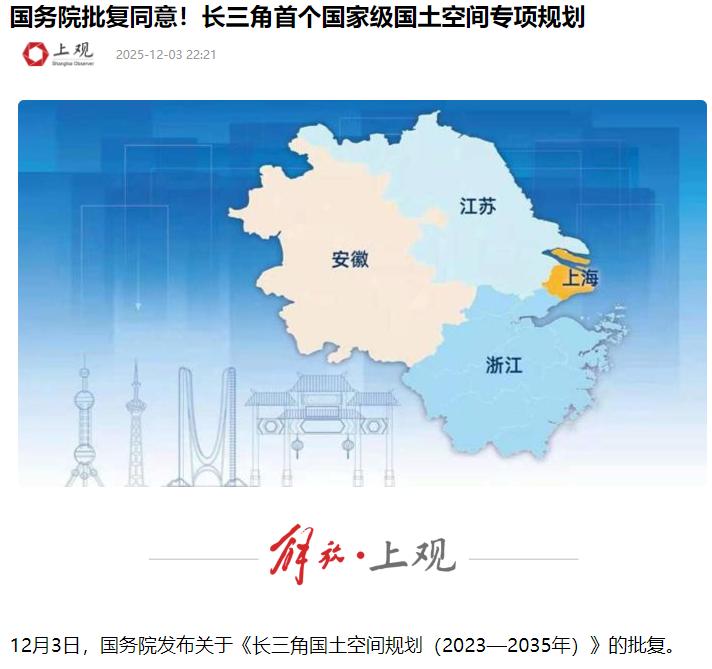
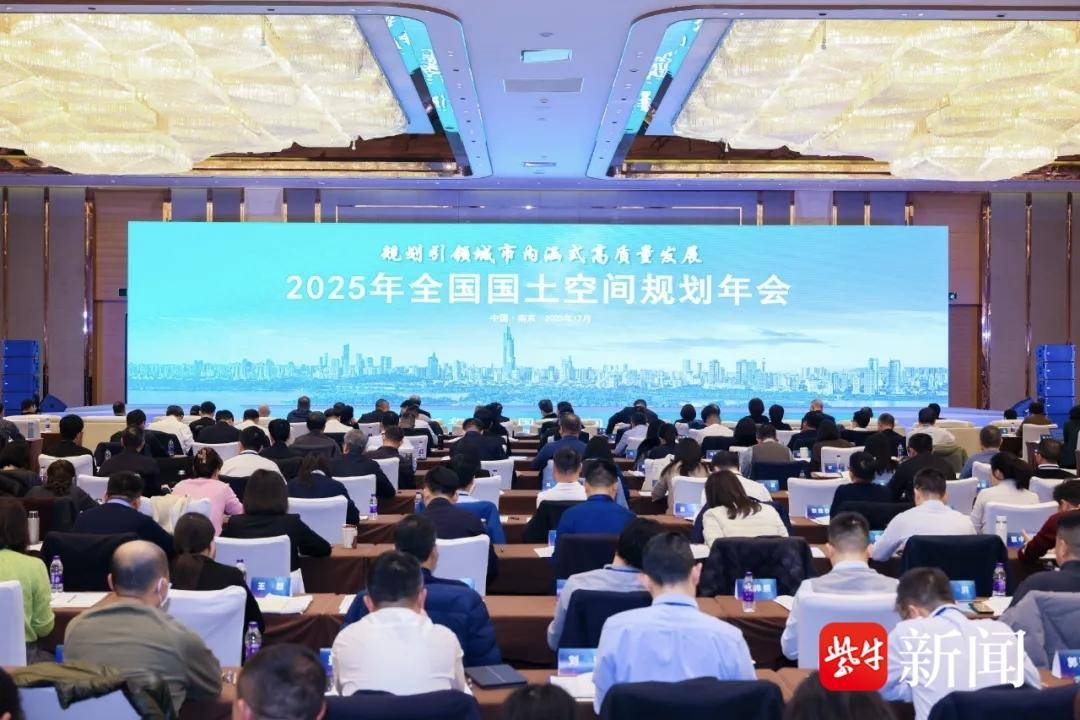
Core Viewpoint - The State Council approved the "Yangtze River Delta Land Spatial Planning (2023-2035)", marking it as the first land spatial planning for the Yangtze River Delta and the third national-level urban agglomeration plan approved in China [1][4]. Group 1: Overview of the Planning - This planning consolidates previous separate documents into a unified land spatial planning framework, enhancing efficiency and coherence in urban development [4]. - The Yangtze River Delta is positioned as a world-class urban agglomeration, supporting China's modernization efforts and serving as a model for development [6]. Group 2: Urban Circles Development - The planning indicates the upcoming establishment of three urban circles: Shanghai Metropolitan Area, Ningbo Urban Circle, and Su-Xi-Chang Urban Circle, with a focus on optimizing spatial structures [7][8]. - The document emphasizes the need for Shanghai to lead the development of these urban circles, enhancing integration with surrounding areas [7]. Group 3: Economic and Demographic Insights - The Yangtze River Delta urban agglomeration includes 41 cities, with nine cities having a GDP exceeding 1 trillion yuan, showcasing its economic significance [6][24]. - The Su-Xi-Chang Urban Circle, comprising Suzhou, Wuxi, and Changzhou, has a combined GDP of approximately 5.38 trillion yuan, ranking it third among approved urban circles [25]. Group 4: Future Urban Circle Approvals - The approval process for urban circles has shown a pattern where prior announcements hint at upcoming approvals, suggesting that the Shanghai, Su-Xi-Chang, and Ningbo urban circles are likely to be approved soon [16][31]. - The criteria for future urban circle approvals will focus on economic development advantages and the capacity for inter-city collaboration [33][34].

资本汇聚 赴“皖”寻机:上市公司与安徽各市合作对接会在合肥举行
Zhong Guo Zheng Quan Bao· 2025-12-08 00:14
Group 1 - The conference held in Hefei on December 6 gathered executives from dozens of listed companies and investment promotion teams from 16 cities in Anhui to explore industrial cooperation and investment opportunities [1] - Executives expressed high recognition of Anhui's industrial environment and development potential, with notable comments highlighting the enthusiasm and service quality experienced during the visit [1] - Companies like Jincai Hulin and Helenz emphasized Anhui's diverse industrial categories and strong market growth as attractive factors for investment and collaboration [1] Group 2 - Aitiya, a significant player in the domestic cultural tourism industry, plans to introduce internationally influential cultural tourism IPs to Anhui, aiming to create nationally impactful tourism benchmarks [2] - Representatives from cities such as Hefei, Huaibei, and Wuhu presented their local industrial positioning and cooperation needs, covering sectors like new energy vehicles, integrated circuits, and biomanufacturing [2] - The conference facilitated effective communication, establishing a precise platform for listed companies and local governments to engage in further discussions and site visits to leverage opportunities in the Yangtze River Delta integration [2]
长三角智能网联汽车协同发展再提速
Ren Min Ri Bao· 2025-12-07 20:31
沪苏测试场景互通是长三角一体化发展在智慧交通领域的关键落地举措。与此同时,上海持续扩容自动 驾驶测试环境,浦东新区、闵行区及虹桥枢纽新增开放测试道路后,全市累计开放测试道路达3173条, 总里程超5238公里,覆盖约1/3市域面积,构建起全维度、广覆盖的测试场景布局。国内首个特大城市 全域交通信号灯数据开放平台同步发布,7600个路口实时数据将为高级别自动驾驶研发量产提供核心支 撑。 本报上海12月7日电(记者沈文敏)7日,"'人工智能+交通运输'上海发布2025"活动举办,长三角智能网联 汽车产业协同发展迎来重要突破——沪苏智能网联汽车测试应用场景正式实现互通,为区域产业协同与 自动驾驶商业化运营注入强劲动能。 ...
长三角迈向世界级城市群,南京如何定位?专家:做好“两个扇面、双向辐射”
Yang Zi Wan Bao Wang· 2025-12-05 14:40
Core Insights - The article discusses the strategic development of Nanjing as part of the Yangtze River Delta's initiative to become a world-class urban agglomeration, emphasizing the need for Nanjing to enhance its capabilities and play a pivotal role in regional integration [1][3]. Group 1: National Planning and Urban Development - The State Council has approved the "Yangtze River Delta Land Spatial Planning (2023-2035)", which aims to implement the integrated development strategy for the region and establish a world-class urban cluster [3]. - Nanjing is highlighted as a key player in supporting the construction of this urban cluster, with a focus on its dual role of connecting the core areas of the Yangtze River Delta to the east and driving development in the central and western regions to the west [3][6]. Group 2: Urban Planning and Infrastructure - Zhang Jingxiang, a professor at Nanjing University, indicates that the "Nanjing Urban Circle Land Spatial Planning" is nearing completion, focusing on enhancing spatial quality, optimizing resource allocation, and facilitating cross-border collaboration [5]. - The planning emphasizes the need for shared infrastructure and public services within the urban circle, as well as the integration of industrial, supply, and innovation chains [6]. Group 3: Collaborative Development and Innovation - Nanjing is encouraged to strengthen its collaborative relationships with urban circles in Shanghai, Hangzhou, and Hefei, leveraging its scientific and technological advantages while also sharing its resources with other cities [8]. - The city aims to enhance its attractiveness and quality of life, improve public service levels, and increase the quality of job opportunities to remain competitive in the densely populated Yangtze River Delta [6].
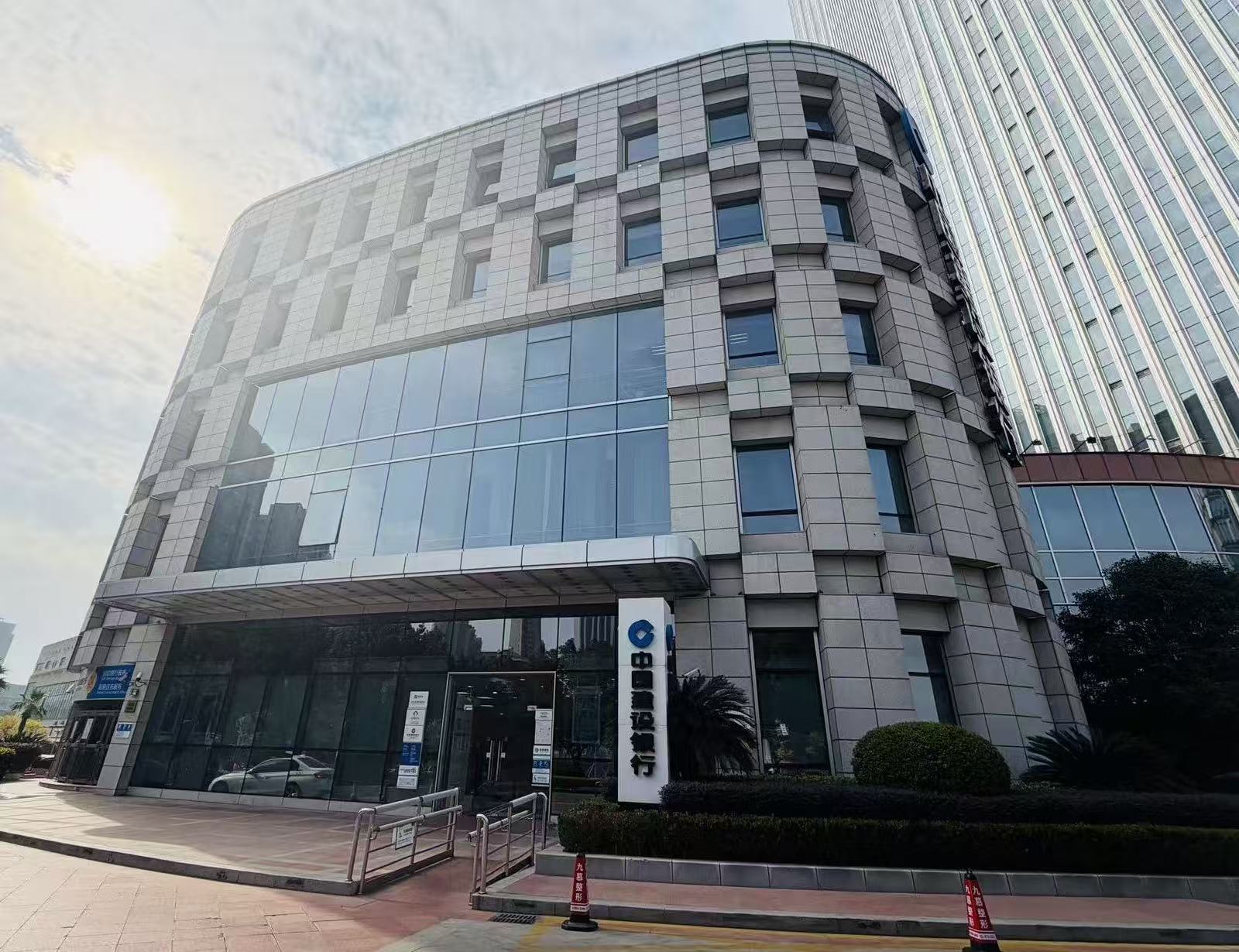
从“就近可办”到“全能通办”,建行上海市分行打造公积金服务新样本
Zhong Guo Jin Rong Xin Xi Wang· 2025-12-05 13:41
Core Insights - The collaboration between China Construction Bank (CCB) Shanghai Branch and the Shanghai Housing Provident Fund Management Center has enhanced public service convenience by expanding the range of housing provident fund services [1][3] - The service model has transitioned from "nearby service" to "comprehensive service," achieving a significant upgrade in service capabilities [1][6] Group 1: Service Expansion - CCB's branches now offer an increased total of 3 collection and 15 withdrawal services, significantly enhancing the volume of services available [1][3] - The expanded services cover personal account management, collection transfer, and various withdrawal scenarios, forming a comprehensive service system to meet diverse citizen needs [3][6] Group 2: Strategic Alignment - The new services align closely with urban renewal and the Yangtze River Delta integration strategy, supporting initiatives such as "withdrawal for purchasing renovated housing" and "withdrawal for transitional rental during project construction" [3][6] - The service framework includes a multi-tiered withdrawal system for various housing types, specifically addressing the needs of new citizens and young renters [3][6] Group 3: Operational Collaboration - Prior to the official launch, CCB organized practical training for staff to ensure smooth implementation and standardization of the new services [5][6] - The partnership has achieved a 95% coverage rate for business processing through system integration, process restructuring, and joint training of personnel [6] Group 4: Future Development - Looking ahead, both parties plan to continue exploring advancements in smart services and data empowerment to enhance the experience of citizens using housing provident fund services [7]

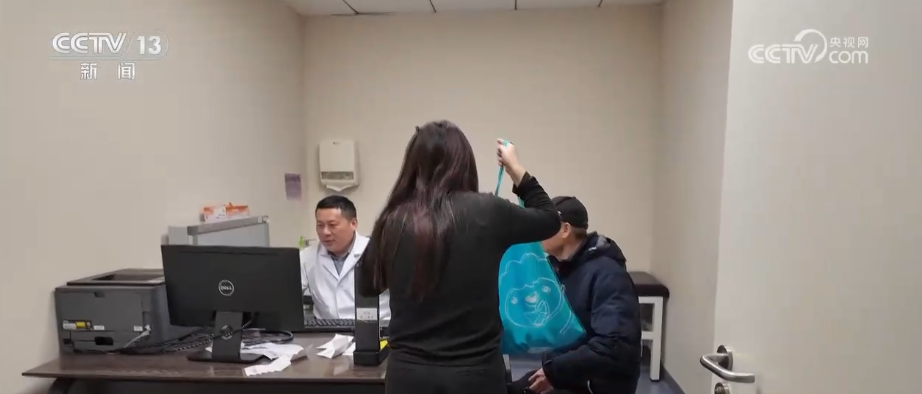
“硬联通+软赋能”协力破局 织密“数据网”让优质高效健康服务惠及更多百姓
Yang Shi Wang· 2025-12-05 04:18
Core Viewpoint - The article discusses the implementation of healthcare integration in the Yangtze River Delta region, emphasizing the need for improved access to medical services for residents, particularly in rural areas, through initiatives like cross-province medical cooperation and digital health solutions [1][12]. Group 1: Healthcare Integration Initiatives - The "14th Five-Year Plan" proposes strengthening healthcare foundations and promoting tiered medical services to enhance access for the 160 million residents in the Yangtze River Delta [1]. - The integration strategy has led to the establishment of medical alliances and partnerships between county hospitals and top-tier hospitals in the region, allowing for better resource allocation and patient care [2][4]. - The case of Fengyang County People's Hospital illustrates the successful collaboration with major hospitals, enabling complex surgeries to be performed locally, thus reducing the need for patients to travel long distances for care [2][4]. Group 2: Digital Health and Accessibility - The article highlights the advancements in digital health, such as the ability for residents to access medical services without the need for prior cross-province medical insurance registration, streamlining the process significantly [10]. - The integration of data-sharing platforms has facilitated a more efficient healthcare experience, allowing for quicker appointment scheduling and reduced waiting times for patients [11][15]. - The establishment of a "smart hospital" in the region aims to optimize resource distribution and enhance the quality of care through technology, including remote diagnostics and AI-assisted medical services [14][15]. Group 3: Future Directions and Challenges - The ongoing efforts to unify medical standards and improve data interoperability are crucial for overcoming existing barriers in healthcare access across the region [17]. - The article emphasizes the importance of continuous reform to enhance the efficiency of healthcare services, ensuring that high-quality medical care is accessible to all residents [18]. - Future plans include further integration of healthcare resources and the establishment of a unified medical payment directory to facilitate smoother cross-province insurance settlements [11][12].
博时市场点评12月4日:两市涨跌不一,创业板涨超1%
Xin Lang Cai Jing· 2025-12-04 15:41
Market Overview - The three major indices in the Shanghai and Shenzhen markets showed mixed performance, with total trading volume decreasing to 1.56 trillion yuan [1][7] - The ADP employment report for November indicated a decrease of 32,000 jobs, marking the largest decline in two and a half years, which was significantly below the expected increase of 10,000 jobs [2][8] - The probability of the Federal Reserve cutting interest rates by 25 basis points in December is close to 90%, as indicated by CME's FedWatch tool, further reinforcing market expectations for a dovish stance [2][8] Policy Developments - The State-owned Assets Supervision and Administration Commission (SASAC) held a meeting to promote value creation actions among state-owned enterprises, emphasizing the importance of strategic safety, industry leadership, and comprehensive support [2][3][9] - The approval of the Yangtze River Delta Spatial Planning (2023-2035) marks a new phase in regional integration, focusing on urban agglomeration and enhancing Shanghai's leading role [3][9] Market Performance - As of December 4, the Shanghai Composite Index closed at 3,875.79 points, down 0.06%, while the Shenzhen Component Index rose by 0.40% to 13,006.72 points, and the ChiNext Index increased by 1.01% to 3,067.48 points [4][10] - The market saw 1,446 stocks rise and 3,667 stocks fall, indicating a challenging environment for many equities [10] Capital Flow - The market turnover was reported at 15,617.68 billion yuan, showing a decline compared to the previous trading day [5][11] - The margin trading balance was recorded at 24,825.92 billion yuan, also down from the previous day [11]

长三角空间蓝图落地:科创走廊架起“创新三角”,都市圈分层协同
2 1 Shi Ji Jing Ji Bao Dao· 2025-12-04 12:45
Core Viewpoint - The approval of the "Yangtze River Delta Land Space Planning (2023-2035)" establishes a comprehensive spatial development blueprint for the region, promoting integration and sustainable development across Shanghai, Jiangsu, Zhejiang, and Anhui provinces [1][2]. Group 1: Spatial Integration and Urban Development - The planning aims to transition from a fragmented urban cluster model to a more integrated approach, emphasizing the role of innovation corridors and facilitating the efficient flow of talent, capital, and technology among the four provinces [1][2]. - The approval clarifies the relationship between urban clusters and city groups, ensuring that no region is overlooked in the spatial layout, thus enhancing the overall effectiveness of regional development [2][3]. - The focus on optimizing the spatial structure led by urban clusters supports Shanghai's role as a leading city, fostering collaboration with surrounding urban areas like Suzhou, Wuxi, and Changzhou [2][3]. Group 2: Industrial Transfer and Innovation - The planning highlights the importance of industrial transfer and innovation, particularly through the establishment of three key innovation corridors: the G60 Science and Technology Corridor, the Shanghai-Nanjing Industrial Innovation Belt, and the Ningbo-Hangzhou Ecological Economic Belt [4][5]. - Each corridor has distinct functions: the G60 focuses on technology application, the Shanghai-Nanjing belt on major application technology development, and the Ningbo-Hangzhou belt on ecological and green technology [5][6]. - The planning aims to facilitate a gradient transfer of industries from core cities to surrounding areas, ensuring that the transfer aligns with regional strengths and fosters a collaborative mechanism between research and production [6][7]. Group 3: Marine and Land Coordination - The planning emphasizes the need for coordinated development of land and marine resources, proposing a comprehensive spatial layout that integrates the Yangtze River and East China Sea [8][9]. - It aims to shift from nearshore development to deep-sea utilization, unlocking potential for marine economic growth and exploring new industries such as marine renewable energy [9][10]. - The integration of port, industry, and urban functions is crucial for developing a port-city urban cluster model, drawing on successful international examples [10].
盐宜高铁长江隧道盾构始发井主体结构开始施工
Yang Zi Wan Bao Wang· 2025-12-04 11:52
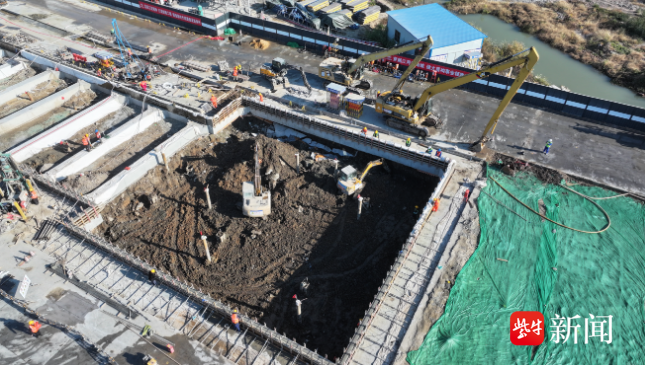
记者从中国铁路上海局集团有限公司获悉,12月4日凌晨1时16分,在泰州靖江市沿江路与站前路交叉口北的施工现场,3台大型挖掘机同步破土开挖,标 志着盐宜高铁长江隧道工程盾构始发井主体结构施工正式启动,为后续盾构机组装、吊装下井等关键工序的顺利推进奠定了重要基础。 该隧道位于长江下游冲积平原,沿线地形平坦开阔,水系发育,河网密布。盾构始发井基坑范围内砾石、粗砂、细砂及粉砂层厚度较大,结构松散,导水 性强,并接受长江越流补给,地下水量丰富,渗透力强,对工程整体安全提出极高要求。 为确保施工安全,建设团队聚焦始发井逆作多卡模板支架体系与基坑降水两大关键技术,多次组织专项方案论证,对关键技术参数、工艺标准及风险防控 要点进行深入研判。同时,系统梳理施工全过程重难点,建立动态风险清单,针对多卡模板稳定性控制、逆作法接缝防渗漏等核心难题,量身定制专项方 案,确保施工全过程有章可循。施工作业将严格遵循"先撑后挖、分层开挖、严禁超挖"原则,做到快挖快撑,减少无支撑暴露时间,并加强降水沉降监 测,确保基坑开挖安全、结构稳定。 盐宜高铁起自徐盐高铁盐城站,经江苏省盐城市、泰州市、无锡市、常州市、宜兴市,接入宁杭高铁宜兴站,新建正线 ...
事关长三角,国务院有了最新批复
Guo Ji Jin Rong Bao· 2025-12-04 11:40
Core Viewpoint - The approval of the "Yangtze River Delta Land Space Planning (2023-2035)" by the State Council marks a significant step in defining the spatial development direction for the Yangtze River Delta region over the next decade, establishing a sustainable development blueprint [1][2]. Group 1: Planning Approval - The State Council has formally approved the "Yangtze River Delta Land Space Planning (2023-2035)", which is recognized as a national-level land space special plan, covering an area of 358,000 square kilometers across Shanghai, Jiangsu, Zhejiang, and Anhui [2]. - This is the first national-level land space special plan for the Yangtze River Delta, following the earlier approval of the "Yangtze River Delta Ecological Green Integrated Development Demonstration Zone Land Space Overall Planning (2021-2035)" in February 2023, which focused on a smaller area of approximately 2,413 square kilometers [2]. Group 2: Development Goals - The approved plan sets clear quantitative indicators for the safe development of the Yangtze River Delta, including maintaining arable land at no less than 16.148 million acres and ensuring ecological protection red line areas of no less than 77,000 square kilometers by 2035 [3]. - The plan emphasizes the importance of safeguarding food security, ecological security, and water resource security in the context of rapid urbanization and increasing resource and environmental pressures [3]. Group 3: Spatial Optimization - The plan supports Shanghai's role as a leading city, enhancing spatial integration with surrounding metropolitan areas such as Suzhou, Wuxi, Changzhou, and others, to strengthen the overall competitiveness of the Yangtze River Delta urban agglomeration [4]. - It highlights the need for improved transportation infrastructure to facilitate resource sharing and enhance logistics efficiency across metropolitan areas [4]. Group 4: Innovation and Industry - Technological and industrial innovation are identified as core drivers for the development of the Yangtze River Delta, with cross-regional collaboration aimed at integrating innovation resources and attracting high-end talent and enterprises [5]. - The construction of innovation platforms like the G60 Science and Technology Innovation Corridor is expected to promote the transformation and industrialization of technological achievements [5]. Group 5: Unified Planning System - The approval mandates the integration of the plan's goals and key tasks into local land space planning, aiming to create a unified land space planning system that coordinates development and protection efforts [6]. - Strengthening cross-provincial coordination is essential to address common regional development issues and promote integrated development within the Yangtze River Delta [6].