首店经济

Search documents
开业单日破5W客流!京东MALL厦门湖里店首店效应加持“体验式消费”
Sou Hu Wang· 2025-11-02 10:44
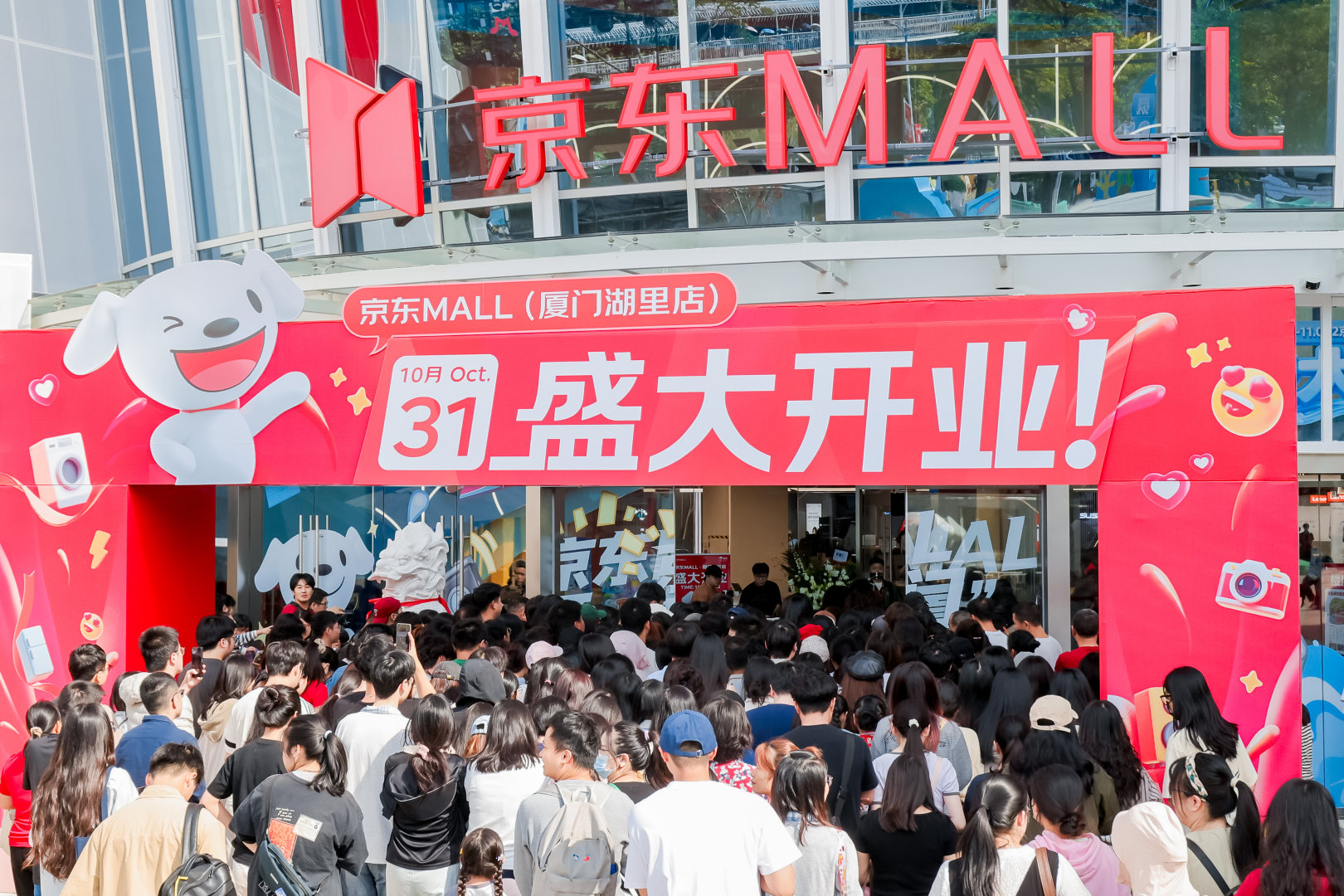
Core Insights - JD MALL Xiamen Huli Store officially opened from October 31 to November 2, attracting over 50,000 visitors on November 1 alone, marking it as a trendy new shopping space in Xiamen [1][3] - The store spans 30,000 square meters and integrates various consumer experiences, including home appliances, digital products, home decor, esports, coffee, and personal care, aiming to create an immersive shopping environment [1][3] - The store operates under a "fully self-operated" model, featuring eight themed experience areas that cater to diverse consumer needs, such as coffee tasting, cooking classes, and esports equipment [3][5] Consumer Engagement and Promotions - The store is positioned as a key venue for JD's 11.11 offline sales, offering discounts up to 50% and various promotional activities, including a chance to win prizes like Guizhou Flying Moutai and Apple iPads [7][9] - During the opening, events such as the JOY TIME music festival and esports competitions were held, enhancing consumer engagement and creating a vibrant atmosphere [7][9] Strategic Importance - The opening of JD MALL Xiamen Huli Store aligns with national policies aimed at boosting consumption and investment, serving as a model for enhancing local economic growth [11] - The store's success is expected to drive consumption upgrades in Xiamen and Fujian, contributing to high-quality regional economic development [11][13] - JD MALL plans to continue focusing on user-centered experiences, integrating diverse business models and quality services to accelerate the transformation of physical retail into a more digital and experiential format [13]


次元消费成商业新宠 微博IN的商业密码是什么
Bei Jing Shang Bao· 2025-11-02 10:11
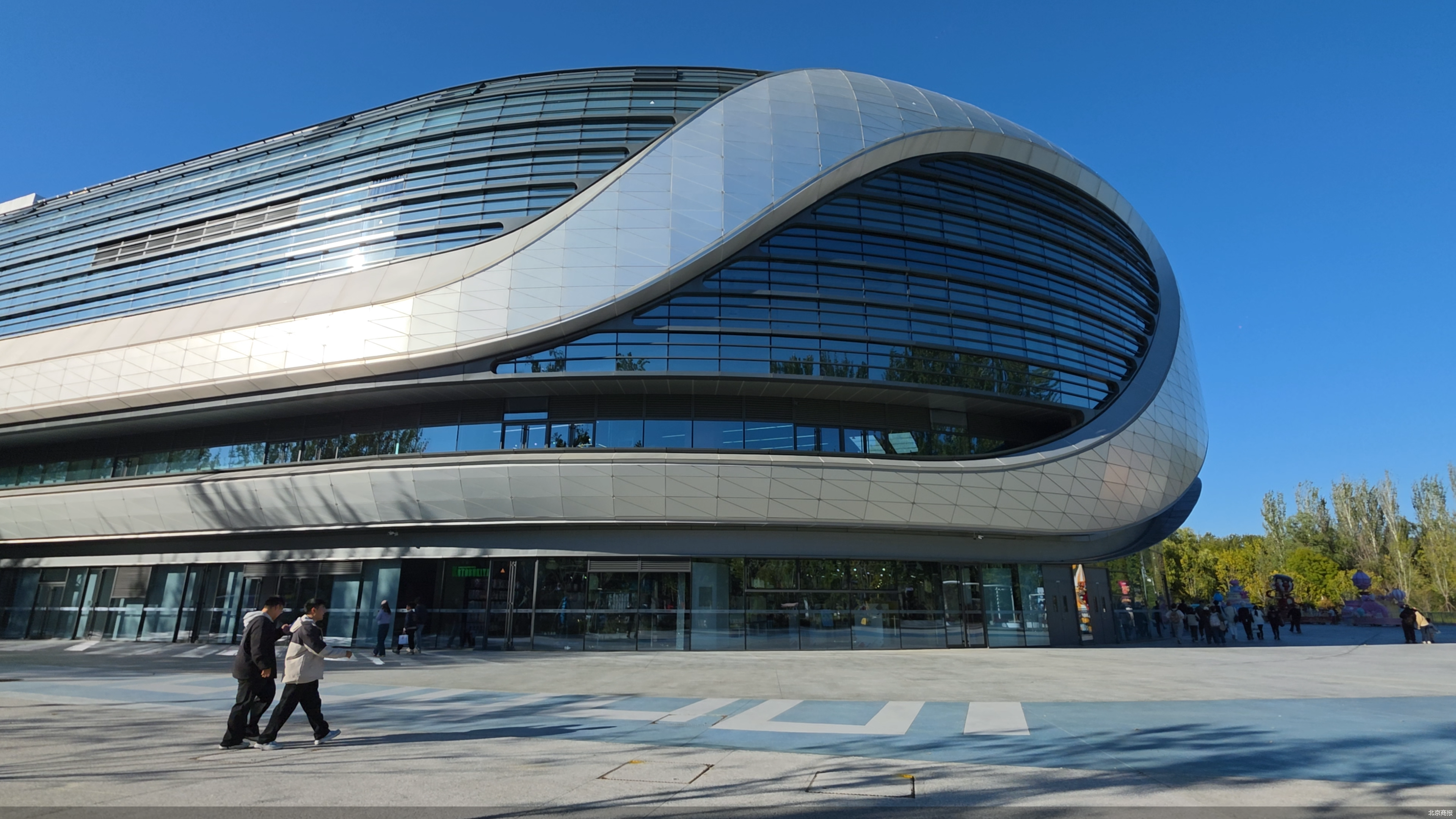
Core Insights - The emergence of dimension commerce is driven by a shift in consumer demand from "functional satisfaction" to "spiritual recognition" [1][4] - Weibo IN Cross-Dimensional Gravity Field has become a new hotspot for young consumers in Beijing, focusing on continuous marketing and themed activities to maintain freshness [1][4] Group 1: Business Model and Strategy - Weibo IN focuses on capturing the needs of Generation Z, with a unique positioning as Beijing's first urban commercial space centered on dimension culture [4][12] - The project features a diverse layout with retail (45%), experiential and trendy segments (30%), and dining (25%), highlighting the "first store economy" by introducing numerous leading brands [9][12] - The operational strategy emphasizes fine-tuned brand selection to avoid internal competition, contrasting with traditional shopping centers that cluster similar brands [12] Group 2: Event and Activity Management - Weibo IN has hosted approximately 80 events to maintain customer flow, with an estimated 500-600 events planned annually [13][16] - The project aims to continuously attract young consumers by integrating various entertainment experiences and regularly updating IP content [16][18] Group 3: Market Trends and Future Directions - The dimension commerce sector is characterized by emotional engagement and deep cultural integration, appealing to young consumers seeking social identity through related products and activities [17][18] - Future growth in dimension commerce will require differentiation in offerings, content innovation, and expansion into lower-tier markets through online channels [18][19] - The integration of technologies like VR, AR, and blockchain is expected to enhance consumer experience and product value, while also expanding into sectors like tourism, education, and sports [19]

更好潍坊民营经济的样本价值——探析潍坊护航民营经济高质量发展的五个逻辑
Bei Jing Qing Nian Bao· 2025-11-01 16:36
Core Viewpoint - The private economy in Weifang has become a significant driving force for high-quality development, contributing to 63% of the city's GDP and playing a crucial role in innovation and job creation [1][2]. Group 1: Economic Contribution - Weifang's private economy comprises 1.468 million operating entities, with 83.9% of investments coming from private sources, maintaining the top position in the province for 14 consecutive months [1]. - The private sector contributes 60% of the regional GDP, 70% of investments, 80% of tax revenue, 90% of employment, and 99% of market entities [1]. Group 2: Business Environment - Weifang prioritizes optimizing the business environment as a "lifeline" for high-quality development, focusing on enhancing service levels and protecting the rights of private enterprises [3][4]. - The city has established a leadership group for optimizing the business environment and has implemented the "Weifang City Business Environment Optimization Regulations" in 2023, marking a significant legislative step [4]. Group 3: Institutional Support - Weifang is enhancing institutional support for the private economy by improving market access and streamlining approval processes, achieving a 90% increase in approval efficiency [7]. - The city has introduced a "one-stop" service model for opening flagship stores, significantly reducing the time required for business approvals [7][8]. Group 4: Financial Support - Weifang is addressing financing challenges for private enterprises by expanding financing channels and providing subsidies to lower financing costs, with a total of 28.891 billion yuan in new policy guarantee business this year [10][11]. - The city has established a financial service mechanism that has facilitated the listing of four private enterprises in capital markets, raising a total of 1.013 billion yuan [11]. Group 5: Innovation and Development - Innovation is identified as the core driver of vitality for the private economy, with Weifang supporting increased R&D investment and collaboration with educational institutions [12]. - The city has seen significant advancements in technology, with 13 enterprises recognized among the top innovative private enterprises in Shandong [12][13]. Group 6: Project Support - Weifang is enhancing project support for private enterprises, encouraging their participation in major projects and establishing a project reserve library to manage project lifecycles effectively [14]. - In 2023, the city initiated 2,985 new private projects, with several entering national key investment project databases [14].

永旺SM+食品超市首进海珠 广州塔文商旅业态焕新篇
Nan Fang Du Shi Bao· 2025-11-01 08:40
Core Insights - Aeon has opened its SM+ supermarket in Guangzhou Tower Square, marking the first large supermarket in the "Guangzhou Tower-Pazhou World-Class Landmark Business District" and enhancing the service offerings in the area [1][9] Group 1: Business Expansion - Aeon has established 40 stores across eight cities in the Pearl River Delta since its first store opened in Guangzhou in 1996 [3] - The new SM+ supermarket focuses on fresh and quality living consumption, offering a variety of products including fresh produce, meat, snacks, and new categories like handmade pizza and fresh baking [3] Group 2: Promotional Activities - During the opening period from October 27 to November 3, Aeon is offering various promotions, including discounts on coupons and gifts for new members [6][7] Group 3: Strategic Positioning - The opening of Aeon’s SM+ supermarket aligns with the "first store economy" strategy of Guangzhou Tower Square, which aims to create a high-end shopping environment [9] - The supermarket's innovative SM+ format combines food retail with lifestyle experiences, enhancing the overall consumer ecosystem alongside other high-end brands [9] Group 4: Connectivity and Accessibility - The supermarket will be seamlessly connected to Guangzhou Metro Line 12, expected to be operational by 2026, improving accessibility for customers [11] Group 5: Cultural and Economic Impact - Guangzhou Tower Square is a key component in building an international consumption center, attracting over 12 million visitors since its opening [12] - The integration of cultural, commercial, and tourism elements is expected to enhance consumer retention and transform transient visitors into regular customers [12][14] Group 6: Future Developments - The future plans for Guangzhou Tower Square include attracting high-quality brands and promoting diverse cultural and leisure activities to boost the area's tourism potential [14]
汇嘉时代第三季度扣非净利润翻倍 调改升级引领首店经济消费新趋势
Zheng Quan Shi Bao Wang· 2025-10-29 12:24
Core Insights - The company, Huijia Times, reported a revenue of 1.868 billion yuan for the first three quarters of 2025, a year-on-year increase of 1.18%, and a net profit of 804.12 million yuan, up 60.05% year-on-year [1] - In Q3 2025, the company achieved a revenue of 597 million yuan, remaining stable compared to the previous period, with a net profit of 13.36 million yuan, a year-on-year growth of 48.23% [1] - The company's performance is attributed to multi-dimensional upgrades in its business, including supermarket renovations, supply chain optimization, and digital transformation [1] Business Upgrades - Under the national consumption boost policy, Huijia Times is actively implementing supermarket upgrades modeled after the "Pang Donglai" approach, with significant sales growth reported in its newly renovated stores [2] - The first "Pang Donglai-style" store in Urumqi achieved a first-day sales figure of 2.44 million yuan, a 286% increase year-on-year, and a first-week sales total exceeding 17 million yuan, up 272% [2] - The company has completed upgrades for 8 supermarket stores across 7 cities, enhancing consumer activity in the Xinjiang region [2] Supply Chain Strategy - The company aims to solidify its leading retail position in Xinjiang by optimizing its supply chain and enhancing service levels [3] - Huijia Times has established six major supply chains, including direct supply from major brands and local agricultural products, to address regional supply gaps [3] - The company is focusing on a "supply chain integration + warehouse-store combination + product replacement" strategy to improve the sourcing of fresh and daily goods [3] Digital Transformation - Huijia Times is leveraging big data and AI for a comprehensive digital transformation across all business areas, enhancing operational efficiency [4] - The company has implemented a smart collaboration platform and a data center to facilitate cross-departmental processes [4] - The company is also expanding its e-commerce presence by integrating online and offline sales channels [4] Low-altitude Economy - The company is capitalizing on the advantages of low-altitude resources and policies to explore new opportunities in the low-altitude economy [4] - With the national policy opening up low-altitude airspace for logistics, Huijia Times aims to improve product distribution efficiency in remote areas [4] - The integration of ground services and aerial channels is expected to enhance the company's market reach and operational capabilities in Xinjiang [4]

聚焦 “山水古渡 自在润州”,全链激活消费动能!镇江润州开座谈会谋文商旅体融合
Yang Zi Wan Bao Wang· 2025-10-28 07:25
Core Insights - The meeting focused on promoting the integration of culture, commerce, tourism, and sports in the Runzhou District to stimulate consumption and enhance the region's appeal as a consumption center [1][2]. Group 1: Development Strategies - The district aims to transform "observable flow" into "retained flow" and "increased consumption" through effective supply and optimized environment [1]. - Key strategies include enhancing collaboration among departments, leveraging seasonal characteristics, and launching themed activities to attract visitors [2][3]. Group 2: Consumption Activation - A comprehensive approach is proposed to activate new consumption dynamics, including the "Cultural, Tourism, Sports, and Commerce" linkage to drive consumer traffic [3]. - The district plans to develop high-quality urban commercial circles and promote night economy and holiday economy to enrich consumer experiences [3]. Group 3: Collaborative Efforts - The establishment of a district-level joint meeting mechanism is suggested to address important issues quarterly and enhance overall planning for cultural and tourism activities [2]. - Collaboration with various stakeholders, including financial institutions and local businesses, is emphasized to optimize the consumption environment and innovate service offerings [1][2].
深圳首店经济迎来新引擎 名创优品MINISO FRIENDS华南首店亮相宝安
Sou Hu Cai Jing· 2025-10-28 02:17
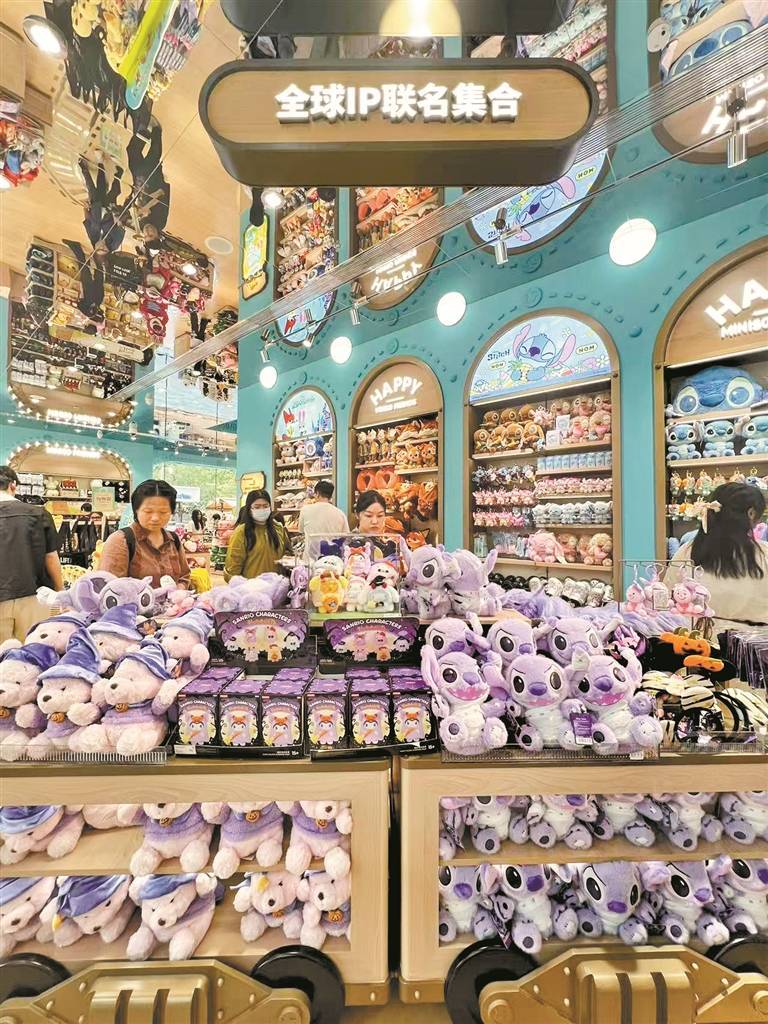
Core Insights - MINISO FRIENDS has opened its first store in South China, located in Shenzhen, aiming to create a new landmark for youth culture and lifestyle [3][5] - The store is designed as a "mini IP paradise," integrating immersive IP experiences with commercial space, appealing to young consumers [3][6] Company Summary - The flagship store features unique design elements, including a "Right Right Sauce" glass window and various interactive installations, attracting a youthful demographic [5][6] - The store's product offerings cater to young consumers' aesthetic preferences, with items like the "Strawberry Bear" available in multiple sizes and a selection of trendy, affordable beauty products [5][6] - MINISO's recent financial report indicates a total revenue of 4.97 billion yuan for Q2, representing a year-on-year growth of 23.1%, with a gross margin of 44.3%, up 40 basis points from the previous year [6] Industry Summary - Shenzhen is promoting a "first-store economy" to enhance consumption quality, with trendy toys being a significant focus [4][7] - Recent policies in Shenzhen aim to strengthen the "first-store economy" and boost consumption, including 39 measures introduced in a special action plan [7] - The cultural industry in Shenzhen has seen substantial growth, with a value exceeding 300 billion yuan and over 430,000 registered enterprises, providing a fertile ground for the development of the trendy toy industry [7]
MINISO FRIENDS华南首店亮相深圳,开启“迷你IP乐园”潮流新纪元
Jing Ji Wang· 2025-10-27 08:37
Core Insights - MINISO FRIENDS, the first store in South China, opened in Shenzhen, aiming to create a new landmark for youth culture through an immersive IP experience [1][2] - The store integrates retail, experience, and social interaction, marking a significant step in MINISO's development of its IP platform [1][4] Group 1: Store Concept and Design - The MINISO FRIENDS store focuses on a "mini IP paradise" concept, emphasizing a "small but exquisite" business model with thoughtful scene design to create a strong IP atmosphere [4][6] - The store features over 70 popular global IPs, including Disney and Harry Potter, with more than 4,000 SKUs, where IP products account for over 80% of the offerings [6] Group 2: Consumer Engagement and Experience - The store's design encourages an immersive experience, allowing consumers to explore in a "mini paradise," which was evident on opening day with long lines at the cash register [6][9] - The unique "Right Right Sauce" theme enhances consumer engagement, creating a warm and emotional connection through interactive installations and limited edition gifts [7] Group 3: Strategic Positioning and Future Plans - MINISO FRIENDS aims to penetrate high-quality commercial projects, acting as a lightweight pioneer in urban trend centers [9] - The company plans to continue expanding innovative store formats like MINISO FRIENDS in major cities, reinforcing its position as a leading global IP operation platform [9]

龙华崛起 “航母级” 集群商业标杆
Nan Fang Du Shi Bao· 2025-10-27 07:38
Core Insights - The "Longhua Super Commercial Circle" has been identified as a key area for development in the recently released "Shenzhen Commercial Outlet Planning (2025 - 2035)" with significant growth in retail sales [1] - The project "Yifang Tiandi," a 600,000 square meter experiential commercial cluster, has played a crucial role in driving regional consumption and urban development, marking its 8th anniversary [1][2] Group 1: Development and Impact - Yifang Tiandi has evolved alongside Longhua's urban upgrade, filling the high-end consumption gap and becoming a core engine for the international consumption center city [2] - The project has established a diverse matrix of business formats, including first-store economy, night economy, and event economy, catering to various consumer needs [2][3] Group 2: Differentiated Layout - Yifang Tiandi is divided into five themed commercial areas (A, B, C, D, E) to meet different demographic and consumption needs, such as family entertainment, youth socializing, and high-end retail [2] - The project includes over 7,000 parking spaces, addressing consumer concerns about parking and enhancing the overall shopping experience [2] Group 3: First-Store Economy and Unique Offerings - The project emphasizes the "first-store economy" by introducing a high density of first stores, including over 90% regional first stores and notable brands like CHANEL and DIOR [4][5] - In 2022, the D area added over 70 first stores, including 8 national first stores, enhancing the appeal to the young demographic in Longhua [5] Group 4: Innovative Business Models - Yifang Tiandi is expanding its commercial value through innovative models such as "Commercial + Events," "Commercial + Night Economy," and "Commercial + Popular IP," which activate consumer potential and promote high-quality development [6][7] - The project hosts various events and activities, such as sports competitions and themed festivals, to create unique consumer experiences and foster community engagement [6][7] Group 5: Regional Significance - Yifang Tiandi has transformed into a "Bay Area Consumption Landmark," witnessing Longhua's commercial evolution and contributing to the area's economic growth [8] - The project is expected to attract an average daily footfall of over 200,000 by 2024, solidifying its position as a leading commercial hub in Shenzhen [8]
深圳又上新222家首店,深圳湾万象城二期霸榜
3 6 Ke· 2025-10-27 03:24
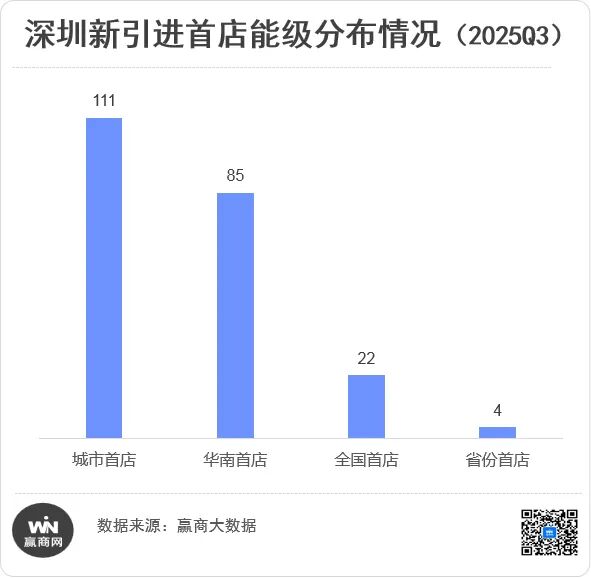
Core Insights - The "first store economy" has evolved from a commercial buzzword to a core competitive arena for cities, with Shenzhen positioning itself as a strong engine to activate commercial vibrancy [1][28] - In Q3 2025, Shenzhen's first store economy experienced explosive growth, with 222 new first stores emerging, representing a 34.5% year-on-year increase compared to Q3 2024 and a 15% increase from the first half of 2025 [2] Group 1: First Store Distribution and Characteristics - The market for first stores in Shenzhen is characterized by a significant presence of high-energy first stores, with nearly half being national and South China first stores, indicating a substantial enhancement in store quality [3][5] - Domestic brands dominate the first store market with 152 stores (68.0%), while international brands account for 62 stores (27.9%), showcasing a commercial landscape of "local foundation + global diversity" [5][10] - Among international brands, Japanese brands lead with 16 stores, followed by brands from the US, France, South Korea, and Italy, with fashion retail being the primary driver [6][9] Group 2: Market Dynamics and Consumer Trends - The first store economy is primarily driven by retail and dining, which together account for 91.9% of the total, highlighting the strong consumer demand in these sectors [11] - Non-standard store types make up 27.5% of the new openings, indicating a trend towards personalized and experiential retail environments [13] - The concentration of first stores in core urban areas like Nanshan, Baoan, and Futian reflects the influence of economic strength, population density, and commercial infrastructure [16][18] Group 3: New Commercial Spaces and Policy Support - New commercial landmarks such as Shenzhen Bay Mixc Phase II and Shenzhen Joy City have significantly contributed to the influx of first stores, with over half of the new openings attributed to these developments [19][21] - The Shenzhen government has introduced policies to incentivize first store openings, including financial rewards of up to 3 million yuan, aiming to position the first store economy as a catalyst for consumption upgrades and commercial innovation [28]