
中美关系

Search documents
中美元首谈完后,贝森特在韩国吹牛:美对华立规矩,各国争相效仿
Sou Hu Cai Jing· 2025-11-04 12:06
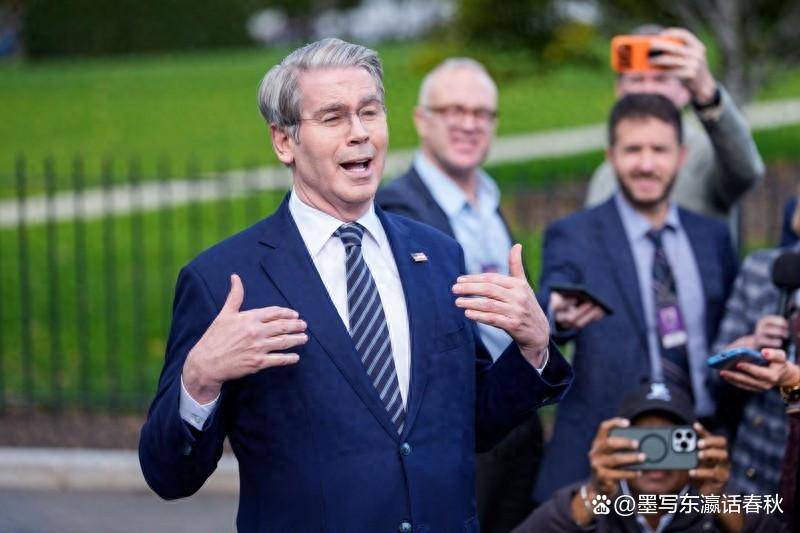
中美元首会晤结束后,美国财长贝森特在韩国吹牛称,美国对中国立规矩之后,各国日后正在争相效仿,继续给中国压力。 中美元首在韩国釜山结束会晤后,美国财长贝森特没有跟随特朗普乘专机返回美国,而留在韩国继续出席APEC 峰会其它相关活动,他一改此前对中方"恭 恭敬敬"的态度,在中美谈出成果后,开始吹嘘美方在会晤中取得的成果。 贝森特吹牛称,美方设立了一个标准,如果世界其他国家不纷纷效仿,他反倒会觉得意外。贝森特暗示,美方在中美会晤中处于"优势"一方,让中方作出了 让步,其他有意与中方对抗的国家,可以效仿美国的做法来对付中国。 贝森特补充称,欧盟、英国、澳大利亚,加拿大、日本等美国的盟友,已经或正在对中国征收关税或者计划使用贸易工具,限制中国商品涌向世界。 加拿大总理卡尼对中方表示,加方期待抓住两国关系改善发展的机遇,重拾建交初心,找回失去时间,重启双边合作,以务实和建设性方式推动加中关系取 得更多成果;日本首相高市早苗与中方就推进战略互惠关系达成一致;韩国总统李在明在与中方的会谈中,则希望韩中加强战略沟通并共同朝方重返对话, 同时将继续推动两国经济互利发展。 奉劝贝森特少吹点牛,一次会晤解决不了中美之间存在的所有问题 ...

黄仁勋:NVIDIA重返中国无望!
国芯网· 2025-11-04 11:51
Core Viewpoint - The article discusses the potential of China's semiconductor industry and highlights comments from NVIDIA CEO Jensen Huang, who believes that the U.S. has underestimated China's technological capabilities and that China can now rely on its own semiconductor production without depending on U.S. technology [2][4]. Group 1: U.S.-China Relations and Technology - Jensen Huang stated that the U.S. has imposed export controls on NVIDIA's advanced AI chips to China, aiming to curb China's technological development, yet he remains hopeful for improved U.S.-China relations to allow NVIDIA to re-enter the Chinese market [4][5]. - Huang emphasized that during Trump's first term, U.S. tech companies could compete in China, which helped establish "American standards" for technology, allowing the U.S. to lead globally [4]. Group 2: China's Semiconductor Capabilities - Huang claimed that China is now capable of producing millions of AI chips independently, indicating a significant shift in reliance from U.S. technology [2][4]. - He noted that Chinese companies prefer NVIDIA products due to their leading technology and cost-effectiveness, which enhances production efficiency [4]. Group 3: Market Dynamics - Huang revealed that NVIDIA has not applied for U.S. export licenses for its latest chips to China, suggesting that the Chinese market may not currently desire these products [4]. - He pointed out that as NVIDIA exits the Chinese market, local chip companies' stock prices have surged, signaling a need for the U.S. government to act quickly to facilitate NVIDIA's return to China [5].


70分钟里,特朗普提到8次日本,14次俄罗斯,41次中国…...
Zhong Guo Ji Jin Bao· 2025-11-04 04:01
特朗普谈及中美问题时称他认为中美在竞争激烈的同时"相处得很好",美国可以通过与中国合作变得更 好、更强大,而不用只想着打压中方。 利好突袭,大涨! 11月2日,美国CBS播出特朗普接受《60分钟》栏目的采访,采访中,特朗普自备道具"邀功",称自己 上任后8个月内解决了8场战争。整个采访约70分钟,提及中国41次,远超俄罗斯和日本,欧洲几国未被 提及。此前,特朗普指控该节目偏袒竞选对手哈里斯,起诉其母公司派拉蒙索赔100亿美元;派拉蒙最 终赔偿1500万美元与特朗普和解。 (原标题:70分钟里,特朗普提到8次日本,14次俄罗斯,41次中国…...) 来源:央广网、看看新闻、智通财经 ...
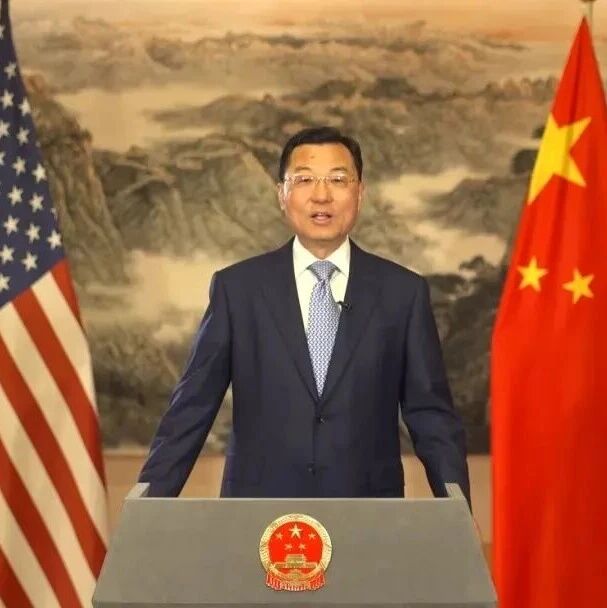
中国驻美大使谢锋发声
券商中国· 2025-11-04 03:55
Core Viewpoint - The necessity of maintaining a baseline of non-conflict and non-confrontation in Sino-U.S. relations is emphasized, highlighting the importance of mutual respect for core interests and major concerns [1] Group 1: Key Points on Sino-U.S. Relations - Disagreements and occasional friction between China and the U.S. are inevitable, but dialogue is preferred over confrontation, and cooperation is better than zero-sum games [1] - The four red lines for China include Taiwan, human rights, institutional paths, and development rights, urging the U.S. not to provoke or cross boundaries [1] - The current priority is to implement the consensus reached during the meetings between the leaders of China and the U.S., as well as the joint arrangements from the Kuala Lumpur economic discussions, to provide reassurance to both nations and the global economy [1] Group 2: Globalization and Mutual Interests - In today's globalized world, the common interests between China and the U.S. far exceed their differences, and avoiding engagement is unrealistic [1] - Viewing each other as partners allows for problem-solving, while treating each other as adversaries can create new issues even when none exist [1] - A broader perspective and long-term planning are necessary to explore the correct way for China and the U.S. to coexist in the new era [1]
X @外汇交易员
外汇交易员· 2025-11-04 03:28
Geopolitical Relations - Avoiding conflict and confrontation is a fundamental principle [1] - Taiwan, democracy and human rights, path and system, and the right to development are China's four red lines [1] - The industry suggests the US should avoid provoking or crossing boundaries [1] - Trade wars, including tariff, capacity, and technology wars, are unproductive [1] - Viewing each other as partners facilitates problem-solving, while treating each other as rivals creates new issues [1]
70分钟里,特朗普提到8次日本,14次俄罗斯,41次中国…...
中国基金报· 2025-11-04 02:57
11月2日,美国CBS播出特朗普接受《60分钟》栏目的采访,采访中,特朗普自备道具"邀功",称自己 上任后8个月内解决了8场战争。整个采访约70分钟,提及中国41次,远超俄罗斯和日本,欧洲几国未被 提及。此前,特朗普指控该节目偏袒竞选对手哈里斯,起诉其母公司派拉蒙索赔100亿美元;派拉蒙最 终赔偿1500万美元与特朗普和解。 特朗普谈及中美问题时称他认为中美在竞争激烈的同时"相处得很好",美国可以通过与中国合作变得更 好、更强大,而不用只想着打压中方。 来源:央广网、看看新闻、澎湃新闻 利好突袭,大涨! ...
宁证期货今日早评-20251104
Ning Zheng Qi Huo· 2025-11-04 01:54
Report Summary 1. Report Industry Investment Ratings No specific industry investment ratings are provided in the report. 2. Core Views - The divergence within the Fed has increased, making the December interest rate cut more uncertain. With the easing of Sino - US relations, the safe - haven sentiment has cooled significantly, and gold may迎来 a major cycle inflection point. It is expected to be in a high - level shock in the medium term [1]. - For rubber, although the overall shipment pressure remains high in November and the utilization rate of production capacity is restricted, the low inventory and low warehouse receipts in China provide medium - term support, and the downward space of rubber prices may be limited [2]. - Steel prices may fluctuate weakly in the short term due to the digestion of macro - positive news, the low - level operation of the real estate market, the end of the traditional peak demand season, and the expected reduction of blast furnace hot metal production [4]. - The coke spot market is running strongly. Although the coking profit is under pressure and the steel mill's production is restricted, the hot metal is expected to rebound after a short - term decline, and the third round of price increase has started [5]. - For silicon iron, the high cost and high steel output support the price, but the loose supply - demand relationship restricts the upward space [6]. - The economic downward pressure increases, and the bond market is expected to be slightly bullish in the medium term due to factors such as the need for counter - cyclical adjustment and the possible open - market operation of government bonds [6]. - For silver, the short - term is in a shock, and it is still bullish in the long term due to the increasing economic downward pressure in the US and the increasing demand for counter - cyclical interest rate cuts [7]. - For rapeseed meal, the rigid shortage of supply and low inventory of coastal oil mills reduce the risk of price decline, and it is recommended to go long at low prices [8]. - Palm oil is expected to run weakly in the short term due to the significant increase in Malaysian palm oil production in October and the expected inventory accumulation [8]. - The price of live pigs is expected to adjust weakly in the near future due to the increase in supply and insufficient demand growth [9]. - Methanol is expected to fluctuate weakly in the short term, with the upper pressure at 2160, and it is recommended to wait and see [10]. - PX should be treated with a shock perspective. Although the load of Asian and domestic PX will remain at a relatively high level and the PXN processing fee is under pressure, the stable crude oil provides support for the lower price [11]. - Crude oil prices have stabilized, but there is still supply pressure in the remaining period of the year, and the price may be in a shock state. Only when the geopolitical conflict intensifies can the price center rise [13]. - Polypropylene is expected to run in a shock in the short term, with the upper pressure at 6590, and it is recommended to hold short positions cautiously [13]. - Soda ash is expected to run in a shock in the short term, with the upper pressure at 1205, and it is recommended to wait and see [14]. 3. Summary by Commodity Metals - **Gold**: The divergence within the Fed makes the December interest rate cut uncertain. Sino - US relations ease, and gold may迎来 a major cycle inflection point. It is expected to be in a high - level shock in the medium term [1]. - **Silver**: The US economic downward pressure increases, which is bearish for silver in the short term, but the increasing demand for counter - cyclical interest rate cuts is bullish in the long term. It is in a shock - bullish state with limited downward space [7]. - **Steel (including rebar)**: Steel prices may fluctuate weakly in the short term due to factors such as the digestion of macro - positive news, the low - level operation of the real estate market, and the expected reduction of blast furnace hot metal production [4]. - **Coke**: The coke spot market is running strongly. The third round of price increase has started, and the futures price is expected to be stable [5]. - **Silicon Iron**: The high cost and high steel output support the price, but the loose supply - demand relationship restricts the upward space [6]. Agricultural Products - **Rapeseed Meal**: The rigid shortage of supply and low inventory of coastal oil mills reduce the risk of price decline. It is recommended to go long at low prices and pay attention to Sino - Canadian trade policies [8]. - **Palm Oil**: Malaysian palm oil production increased significantly in October, and it is expected to accumulate inventory. The domestic market is weak in the short term [8]. - **Live Pigs**: The price is expected to adjust weakly in the near future due to the increase in supply and insufficient demand growth [9]. Energy and Chemicals - **Rubber**: The overall shipment pressure is high in November, but the low inventory in China provides medium - term support, and the downward space of rubber prices may be limited [2]. - **Methanol**: It is expected to fluctuate weakly in the short term, with the upper pressure at 2160, and it is recommended to wait and see [10]. - **PX**: It should be treated with a shock perspective. The high load of Asian and domestic PX and the pressure on PXN processing fees coexist with the support from stable crude oil [11]. - **Crude Oil**: The price has stabilized, but there is still supply pressure in the remaining period of the year, and it may be in a shock state [13]. - **Polypropylene**: It is expected to run in a shock in the short term, with the upper pressure at 6590, and it is recommended to hold short positions cautiously [13]. - **Soda Ash**: It is expected to run in a shock in the short term, with the upper pressure at 1205, and it is recommended to wait and see [14]. Bonds - **Long - term Treasury Bonds**: The economic downward pressure increases, and the bond market is expected to be slightly bullish in the medium term due to factors such as the need for counter - cyclical adjustment and the possible open - market operation of government bonds [6].
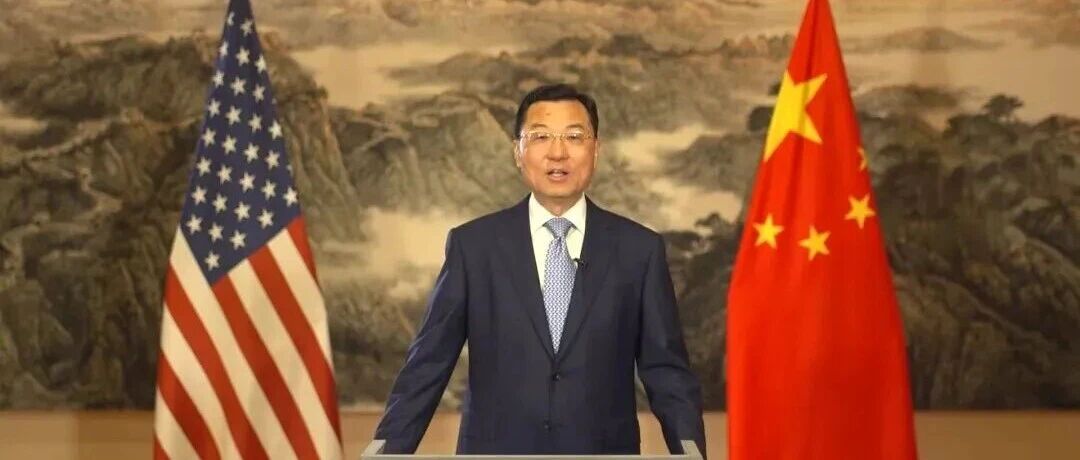
中国驻美大使谢锋发声
第一财经· 2025-11-04 01:45
Core Viewpoint - The necessity of maintaining a baseline of non-conflict and non-confrontation in Sino-U.S. relations is emphasized, highlighting the importance of mutual respect for core interests and major concerns [1] Group 1: Key Points on Sino-U.S. Relations - Disagreements and occasional friction between China and the U.S. are inevitable, but dialogue is preferred over confrontation, and cooperation is favored over zero-sum games [1] - The four red lines for China include Taiwan, human rights, political systems, and development rights, with a call for the U.S. to avoid provocation and crossing boundaries [1] - The current urgent task is to implement the consensus reached during the meetings between the leaders of China and the U.S., as well as the joint arrangements from the Kuala Lumpur economic discussions, to provide reassurance to both nations and the global economy [1] Group 2: Globalization and Cooperation - The importance of mutual respect, peaceful coexistence, and win-win cooperation is highlighted as the correct path for Sino-U.S. relations in the context of globalization [1] - The shared interests between China and the U.S. are stated to be greater than their differences, and the idea of changing each other is deemed unrealistic [1] - Viewing each other as partners rather than adversaries is essential for finding solutions to problems, while treating each other as competitors can lead to unnecessary issues [1]
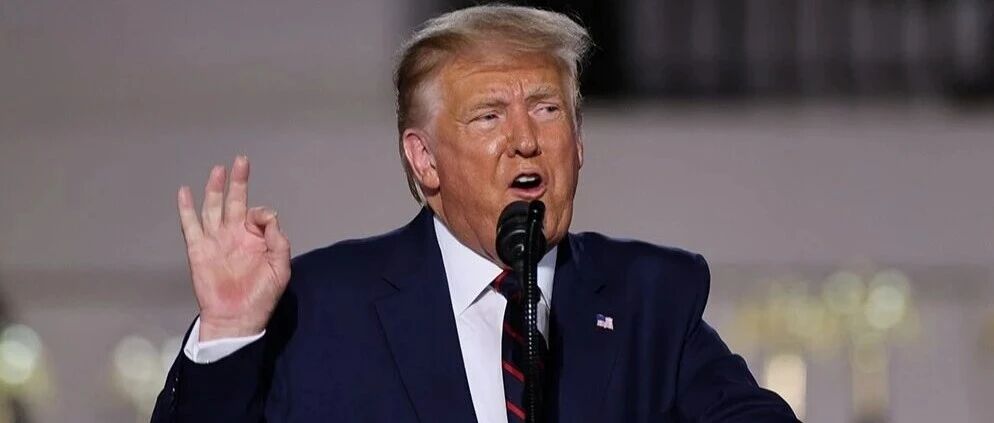
特朗普最新涉华表态
第一财经· 2025-11-04 00:39
2025.11. 04 更多最新消息: 外交部:中方延长对法国等国免签至2026年底,并对瑞典免签;想与伊朗合作?哈梅内伊向美开出 三大条件;秘鲁外长宣布与墨西哥断交丨早报 微信编辑 | 七三 第 一 财 经 持 续 追 踪 财 经 热 点 。 若 您 掌 握 公 司 动 态 、 行 业 趋 势 、 金 融 事 件 等 有 价 值 的 线 索 , 欢 迎 提 供 。 专 用 邮 箱 : bianjibu@yicai.com (注:我们会对线索进行核实。您的隐私将严格保密。) 本文字数:487,阅读时长大约1分钟 据央视《今日亚洲》3日报道, 中美经贸磋商达成成果共识后,美方高层密集发声,白宫也公布了落 实相关共识的具体时间表。美国总统特朗普表示,与中国合作可以让美国"变得更好"。 当地时间11月2日晚,美国哥伦比亚广播公司播出了对特朗普的专访。在谈及中美关系时,特朗普表 示,与中国保持良好的关系符合美国的利益。 "我觉得我们(美中)相处得非常好,我认为与中国合作而不是将他们击倒,可以让我们变得更强 大、更出色,我们与一个强大的国家(中国)保持着良好的关系。而且我一直认为,若能达成不错的 协议,与中国和睦相处总 ...
中经评论:别指望中美相争会有“渔翁”得利
Jing Ji Ri Bao· 2025-11-04 00:04
Group 1 - The meeting between the leaders of China and the United States in Busan has injected much-needed certainty into the often turbulent bilateral relationship, emphasizing mutual achievement and shared prosperity [1] - The essence of Sino-U.S. economic relations is mutual benefit rather than a zero-sum game, as evidenced by the significant increase in trade from under $2.5 billion in 1979 to nearly $688.3 billion in 2024, with bilateral investment exceeding $260 billion [1] - The imposition of high tariffs by the U.S. at the beginning of the year led to a near halt in bilateral trade, resulting in rising prices for American consumers and increased supply chain costs for businesses [1] Group 2 - Historical evidence shows that trade wars yield no winners, as seen with the Smoot-Hawley Tariff Act exacerbating the Great Depression, and ongoing trade conflicts are lowering global economic growth expectations [2] - The interconnectedness of global supply chains means that disruptions in U.S.-China relations can have far-reaching impacts, affecting third-party countries that may mistakenly believe they can benefit from the situation [2] - The complexity of international supply chains implies that any attempts to decouple will lead to significant costs for all involved, with third countries facing additional expenses and limited benefits from shifting orders [2] Group 3 - A healthy and stable Sino-U.S. relationship relies on rational recognition of shared interests and pragmatic management of differences, with recent discussions leading to a preliminary consensus on tariff issues [3] - Economic cooperation should be the cornerstone of Sino-U.S. relations, focusing on long-term benefits rather than falling into a cycle of retaliation [3] - The future of Sino-U.S. relations hinges on moving beyond short-sighted competitive thinking to genuinely practice mutual achievement and shared prosperity, with the recent meeting serving as a positive signal for ongoing dialogue [3]