文化传承

Search documents
文化新观察|不止是打卡!从展览读懂故宫博物院百年新篇
Xin Hua She· 2025-11-25 18:41
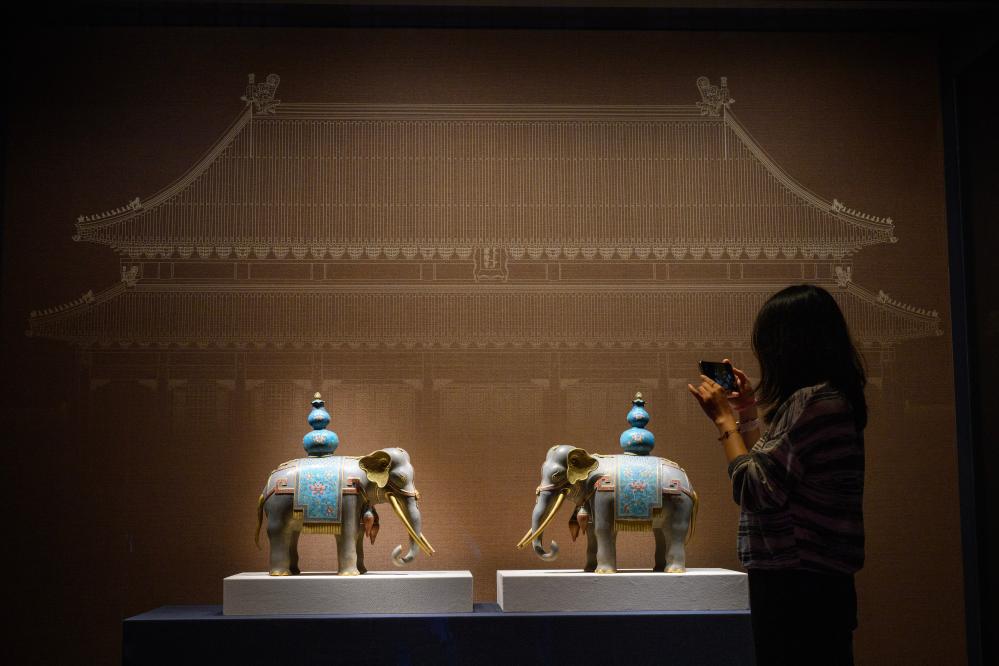
Core Insights - The article highlights the significance of the Palace Museum's centenary exhibition, showcasing the evolution from the Forbidden City to a cultural institution, emphasizing the importance of cultural rights and public access to heritage [1][3][11] Group 1: Historical Significance - The Palace Museum's establishment marked a milestone in China's museum history, with the relocation of artifacts during the Japanese invasion being a remarkable event in global cultural preservation [3][11] - The museum's collection has grown from over 1.17 million items to more than 1.95 million since the founding of New China, reflecting the contributions of numerous donors [6][11] Group 2: Exhibitions and Artifacts - The "Guardianship of a Century" exhibition features over a hundred artifacts, including the "Cloisonné Enamel of Peace," which is one of the first items to receive an identification number [1][3] - The "Memorial Exhibition of the Relocation of Palace Museum Artifacts" illustrates the dramatic journey of nearly 20,000 boxes of artifacts during wartime, highlighting the resilience of cultural preservation efforts [3][6] Group 3: Cultural and Technical Preservation - The "Craftsmanship of the Garden of Ning Shou Palace" exhibition showcases the historical and cultural value of the garden, emphasizing the principles of minimal intervention in artifact restoration [7][11] - The "Archaeological Achievements of the Former Site of the Palace Workshop" exhibition reveals the continuous evolution of the Forbidden City from the Yuan to the Qing dynasties, providing new archaeological evidence of its architectural history [9][11]

怎么理解不常见的非遗项目也需要保护
Ren Min Ri Bao· 2025-11-22 22:00
Core Viewpoint - The article emphasizes the importance of intangible cultural heritage (ICH) in preserving cultural identity, promoting economic development, and facilitating cultural exchange, despite some skepticism regarding its practical value in modern life [1][2][3][4][5][6][7] Group 1: Cultural Significance - ICH serves as a historical memory and a source of cultural recreation, with over 100,000 representative projects in China that encapsulate collective memory and wisdom [2] - Examples such as the Dragon Boat Festival and the Karez irrigation technique illustrate how ICH maintains relevance and contributes to modern practices and engineering solutions [2] Group 2: Economic Impact - There are over 12,900 ICH workshops across 2,138 county-level administrative regions, including 693 poverty-stricken counties, creating employment for over 1.2 million people [3] - ICH not only enriches cultural life but also drives economic growth by integrating traditional crafts into modern markets, thus enhancing both financial and intellectual wealth in rural areas [3] Group 3: Cultural Confidence and Exchange - ICH acts as a universal language for civilization exchange, with symbols like the Luban lock representing Chinese wisdom and fostering international understanding [4] - Many ICH elements, such as dragon and lion dances, serve as cultural symbols for overseas Chinese, reinforcing cultural identity and connections [4] Group 4: Innovative Preservation - The preservation of ICH should focus on creative transformation and innovative development, integrating traditional skills into contemporary life rather than merely preserving them [5][6] - New approaches include reimagining traditional crafts for modern applications, such as using oil paper umbrellas as decorative lampshades and developing eco-friendly materials inspired by traditional lacquer techniques [6] Group 5: Growing Popularity and Future Outlook - The rising interest in cultural heritage, driven by material abundance and cultural awareness, highlights the potential of ICH as a solution database for contemporary needs [7] - The "14th Five-Year Plan" suggests a systematic approach to protecting and promoting traditional culture, indicating a shift in focus from questioning the necessity of ICH to envisioning its future [7]
“一元剧场”,缘何叫好又叫座?
Jing Ji Wang· 2025-11-22 03:28
Core Viewpoint - The "One Yuan Theater" model has gained popularity in various regions, providing affordable access to traditional opera, thus promoting cultural transmission and addressing public cultural service needs [1][2][3]. Group 1: Cultural Impact - The "One Yuan Theater" initiative allows audiences to enjoy traditional performances at a minimal cost, effectively bridging the gap between the public and the arts [1]. - This model has revitalized traditional opera, attracting a large audience and creating new opportunities for the preservation and promotion of cultural heritage [2]. - Young actors are gaining valuable experience through increased performance opportunities, addressing issues of talent loss and industry gaps [2]. Group 2: Public Cultural Services - The initiative exemplifies a combination of government support, market operations, and social participation in public cultural service provision [3]. - Various regions are mobilizing social organizations and businesses to support cultural events, ensuring sustainability through community involvement and funding [3]. - The "One Yuan Theater" not only delivers cultural experiences but also fosters community engagement, allowing local audiences to participate actively in the arts [3]. Group 3: Community Engagement - The success of the "One Yuan Theater" lies in its ability to engage the community, making them both audience members and active participants in cultural activities [3][4]. - By encouraging local involvement, the initiative helps to root cultural practices within the community, ensuring long-term sustainability and appreciation of the arts [4].
春秋集团发布冬季航旅新品 以幸福产业赋能高质量发展
Zhong Guo Min Hang Wang· 2025-11-21 11:23
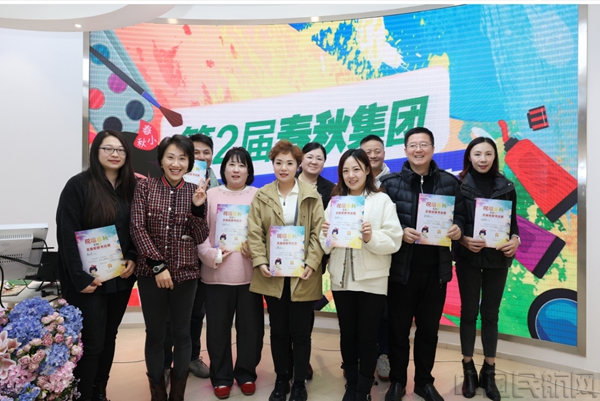
Core Insights - Spring Airlines is expanding its winter-spring flight network and enhancing services to cater to the growing demand for winter tourism and cross-border travel [3][4][9] Group 1: Network Expansion - Spring Airlines currently operates a fleet of 134 aircraft, transporting approximately 29 million passengers annually, with coverage across major cities in China and Southeast Asia [3] - For the 2025-2026 winter-spring season, the airline has optimized its route network, including daily flights from Shanghai to Altay and Kuala Lumpur, and stable operations to destinations like Kaohsiung and Dali with three weekly flights [3][4] Group 2: Service and Product Innovation - The airline has introduced several initiatives to enhance passenger experience, such as discounts for new green wing members and a "1 yuan savings card" offering significant ticket discounts [7] - New ticket options include "national" and "regional" winter packages, as well as a "silver year ticket" for seniors, allowing unlimited exchanges on domestic and international flights [7] Group 3: Seasonal Tourism Products - Spring Airlines is focusing on seasonal tourism with new charter routes to destinations like Guangyuan and Hengyang, promoting interaction between the Yangtze River Delta and central-western regions [9] - The airline is also re-launching daily charter flights from Shanghai to Sabah, Malaysia, with a threefold increase in capacity compared to previous years, catering to winter vacationers [10] Group 4: Technological and Cultural Innovations - The company is leveraging technology to enhance service, with AI applications for destination exploration and personalized travel experiences [11] - Cultural initiatives include the introduction of a limited-edition luggage tag designed by employees' children, reflecting the company's commitment to cultural heritage [11][12] Group 5: Employee Engagement and Corporate Culture - Spring Airlines emphasizes employee happiness as a core driver of business success, organizing activities that foster a sense of belonging and recognition among staff [12] - The company believes that the happiness of employees translates into high-quality service for passengers, reinforcing its position in the aviation and tourism industry [12]

2025北京·中国文物国际博览会启幕 四项展览助文化传承
Zhong Guo Xin Wen Wang· 2025-11-21 06:59
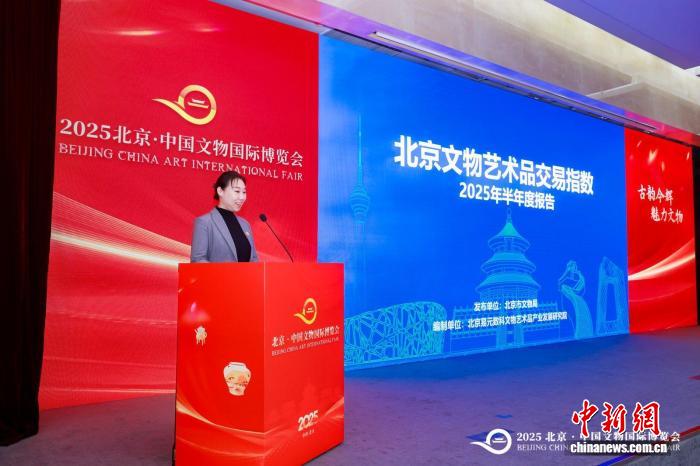
Core Points - The 2025 Beijing International Cultural Relics Expo (referred to as "Cultural Expo") commenced on November 21, 2023, with the theme "Ancient Charm, Modern Splendor" and features both online and offline activities [1][2] - The expo aims to showcase the achievements of the Beijing International Cultural Relics and Artworks Trading Center and will run until December 21, 2023 [1][2] Exhibition Highlights - Four major exhibitions are featured: - "Jade Virtue and Golden Sound" showcasing over 130 ancient inkstones [2] - "Millennium Lacquer Charm" presenting lacquerware treasures along a timeline [2] - The 5th Panjiayuan Folk Collection Art Exhibition focusing on promoting healthy collecting concepts [2] - "Beijing Museum" online collection of popular cultural and creative products [2] Trading Activities - The trading section includes four core activities: - "Beijing Cultural Relics Selection Fair" creating an immersive shopping experience in cultural streets [3] - "2025 Autumn Cultural Relics and Artworks Auction Season" featuring diverse auction items from major companies [3] - "International Cultural Relics Online Trading Fair" aimed at activating new market dynamics [3] - "Cultural Relics and Artworks Affordable Auction" making cultural relics accessible to the public [3] Interactive and Educational Programs - The exchange section focuses on interactive experiences and industry empowerment, including: - Public identification activities providing professional appraisal services [5] - "Technology in Practice, Culture in Innovation" seminar discussing technology's role in relic identification [5] - "Beijing Cultural Relics Treasure Hunt" engaging citizens in a map-based activity [5] - "Finger Archaeology Bureau" allowing close interaction with cultural relics [5]
让古老遗产长出文旅“新”模样
Zhong Guo Qing Nian Bao· 2025-11-21 06:28
Core Insights - The "2025 Ancient Architecture New Language" contemporary art exhibition in Jincheng, Shanxi, showcases the reinterpretation of ancient architecture through modern artistic expressions, fostering a dialogue between youth and cultural heritage [1][2][7] Group 1: Exhibition Overview - The exhibition is organized by UCCA Lab and attracted over 30,000 visitors in its first week, indicating strong public interest [2] - It features works that blend ancient architectural elements with contemporary art, creating immersive experiences that connect viewers with historical narratives [3][4] Group 2: Cultural Significance - The exhibition aligns with the "14th Five-Year Plan" which emphasizes the preservation and promotion of traditional Chinese culture, aiming to integrate cultural heritage with tourism [1][6] - Artists explore themes of humanity's relationship with nature and the universe, using ancient architectural structures as a foundation for their creative expressions [2][5] Group 3: Audience Engagement - A team of local university student volunteers provides relatable explanations of the artworks, making the exhibition more accessible to younger audiences [3][4] - The integration of cultural elements into everyday life is highlighted through the creation of cultural products inspired by ancient architecture, appealing to younger demographics [4][5] Group 4: Long-term Vision - The Jincheng cultural tourism department plans to develop "art exhibition + ancient architecture tour" routes, enhancing the connection between contemporary art and historical sites [6][7] - Future exhibitions are anticipated to continue this trend of merging ancient culture with modern expressions, ensuring the vitality of cultural heritage [7]
坚定文化自信 建设文化强国丨典籍流传 功在千秋从历劫重生到典藏全球的《四库全书》
Zhong Yang Ji Wei Guo Jia Jian Wei Wang Zhan· 2025-11-21 00:34
Core Viewpoint - The exhibition "Eternal Cultural Heritage" showcases the historical significance and cultural journey of the "Siku Quanshu" (Complete Library of the Four Treasuries), emphasizing its role in preserving Chinese civilization and its connection to national identity [3][12]. Group 1: Exhibition Overview - The exhibition is part of the 20th anniversary series of Zhejiang Province's cultural construction initiatives and is co-hosted by several cultural organizations [3]. - It features five thematic units that chronologically outline the history of the "Siku Quanshu," including its compilation, preservation during wars, and global dissemination [3]. Group 2: Historical Context - The "Siku Quanshu," completed during the Qianlong era, is recognized as the largest collection of ancient Chinese literature, comprising 34,610 titles and 79,309 volumes, with a significant portion being classified as "classical literature" [6][9]. - The project involved extensive efforts to collect and correct texts, contributing significantly to the preservation of Chinese literary heritage [6][9]. Group 3: Cultural Significance - The "Siku Quanshu" serves as a cultural summary of ancient Chinese scholarship, reflecting the intertwining of literary and national identity [7][11]. - The exhibition highlights the dedication of scholars and collectors throughout history who have worked to safeguard and restore these texts, particularly during tumultuous periods [10][11]. Group 4: Modern Implications - The ongoing publication project of the "Siku Quanshu" aims to continue the legacy of cultural preservation and enhance cultural confidence in contemporary society [12][13]. - The completed editions are now housed in various prestigious institutions worldwide, facilitating international scholarly exchange and reinforcing the global presence of Chinese culture [13].
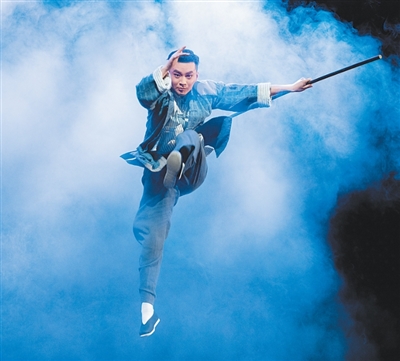
在角色的生命中锻造自身(创作谈)
Ren Min Ri Bao· 2025-11-19 22:20
Core Viewpoint - The article reflects on the personal and artistic journey of the actor portraying Li Anben in the Huangmei opera "On the Sun Mountain," emphasizing the character's transformation from a cowardly individual to a committed revolutionary, paralleling the actor's own growth in understanding responsibility and cultural heritage [3][4]. Group 1: Character Development - Li Anben is depicted as a flawed character, struggling for survival amidst the historical context, ultimately evolving into a revolutionary figure through the influence of the New Fourth Army [3]. - The actor's portrayal of Li Anben involves a physical transformation that mirrors the character's emotional journey, showcasing the importance of basic acting skills in character development [3]. Group 2: Personal Reflection - The actor's experience with personal loss deepens the understanding of Li Anben's fears and growth, highlighting the emotional connection between the actor's life and the character's journey [4]. - The journey from focusing on personal ambition to embracing a broader cultural responsibility is emphasized, illustrating the actor's maturation and commitment to the art form [4]. Group 3: Artistic Achievement - Recognition and awards for "On the Sun Mountain" validate the artistic exploration and the actor's interpretation of Li Anben, reinforcing the significance of the character's journey [4]. - The intertwining of the actor's growth with the character's evolution on stage exemplifies the captivating nature of performance art, where personal discovery occurs through the portrayal of others [4].
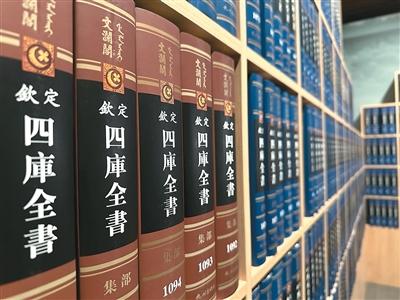
一部典籍 守护接力
Ren Min Ri Bao Hai Wai Ban· 2025-11-18 23:05
Core Viewpoint - The exhibition "A Thousand Autumns of Cultural Heritage" showcases the history and significance of the Wenchang Pavilion's edition of the "Complete Library in Four Sections" (Siku Quanshu), highlighting its cultural importance and the efforts made to preserve it throughout history [4][10]. Group 1: Historical Significance - The "Complete Library in Four Sections" is recognized as the largest collection of ancient Chinese literature, encompassing major texts from pre-Qin to the Qing Dynasty, and is often referred to as a "cultural reservoir" [4]. - The exhibition features over 70 historical documents and interactive experiences, allowing visitors to explore the journey of the Wenchang Pavilion's edition, which has survived numerous historical challenges [4][6]. Group 2: Preservation Efforts - The first section of the exhibition focuses on the cultural tradition of "compiling classics," tracing the history from the "Imperial Overview" to the "Yongle Encyclopedia," culminating in the compilation of the Siku Quanshu during the Qing Dynasty [6]. - The Wenchang Pavilion's edition consists of 36,917 volumes, which is an increase of nearly 1,000 volumes compared to the 35,990 volumes at the end of the Qianlong era, making it the largest surviving set of the Siku Quanshu [6][8]. Group 3: Cultural Transmission - The second section of the exhibition highlights the unique preservation journey of the Wenchang Pavilion's edition, showcasing significant restoration efforts during the Guangxu, Yimao, and Guihai years [8][9]. - The third section recounts the dramatic relocation of the collection during the Second Sino-Japanese War, where scholars and cultural figures undertook a perilous journey to safeguard the texts, ultimately returning them to Hangzhou in 1946 [9][10]. Group 4: Modern Publication Efforts - The fourth section details the systematic organization and publication of the Wenchang Pavilion's edition, initiated in 2004, with the complete set of 1,559 volumes published by 2015 [10][11]. - The exhibition showcases the full set of the Wenchang Pavilion's edition, emphasizing its significance in cultural exchange and academic research, with copies now housed in over a hundred institutions worldwide [11].
德化艺术瓷名流鉴赏会在澳门举办
Zhong Guo Xin Wen Wang· 2025-11-18 08:03
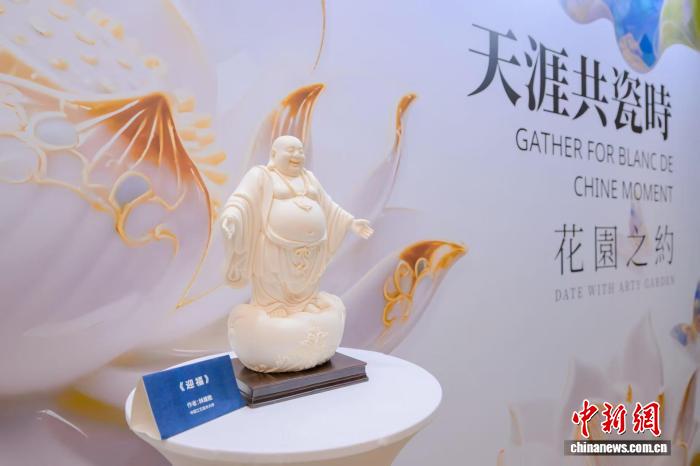
Group 1 - The Dehua Art Porcelain Appreciation Event was held in Macau, showcasing the unique blend of "Chinese White" Dehua porcelain with the cultural elements of Macau through an immersive experience [1][2] - Huang Shixing, a key official from Dehua County, highlighted the exceptional qualities of Dehua white porcelain, which is recognized as a national intangible cultural heritage, and emphasized the ongoing legacy of craftsmanship [2][3] - The ceramic industry in Dehua is projected to reach a scale of 66.3 billion RMB by 2024, with products exported to over 190 countries and regions [2] Group 2 - The event featured works from various master artisans, demonstrating both traditional craftsmanship and contemporary creativity, such as Lin Jiansheng's piece "Welcoming Fortune," which embodies a modern cultural narrative [2] - A strategic cooperation memorandum was signed between Dehua County and the French International Culinary Association, reinforcing Macau's role as a significant hub for Dehua white porcelain's global outreach [3]