
市场流动性

Search documents
市场流动性充裕,股指进一步上行
Guo Mao Qi Huo· 2025-09-01 05:30
1. Report Industry Investment Rating No information about the industry investment rating is provided in the report. 2. Core Viewpoints of the Report - The A-share market has ample liquidity, and stock index is expected to rise further. The economic situation shows certain resilience, with both supply and demand indicators in the manufacturing sector improving, but the supply-demand gap is widening. Macro policies are generally favorable, including real estate policy relaxation and potential monetary policy adjustments. Overseas factors, such as Trump's actions regarding the Fed, also have a certain impact on the market [3]. - Investment strategy suggests taking a long position during market adjustments, with a preference for IF or IH contracts to reduce position volatility and risk [3]. 3. Summary by Relevant Sections 3.1 Main Viewpoints and Strategy Overview - **Economic and Corporate Earnings**: The August 2025 manufacturing PMI slightly increased to 49.4%, with both supply and demand indicators rising, indicating economic resilience. However, the supply-demand gap widened to 1.3 percentage points, and price indices have been rising for three consecutive months [3]. - **Macro Policy**: Shanghai relaxed real estate policies, adjusting housing purchase restrictions,公积金, and credit policies, which is expected to boost the real estate market [3]. - **Overseas Factors**: Trump removed Fed Governor Cook from office, and Cook sued Trump, which may affect the Fed's policy direction [3]. - **Liquidity**: As of August 28, the A-share margin trading balance increased, and the financing purchase amount accounted for 12.7% of the total market turnover, at the 99.5% percentile in the past decade. The average daily trading volume last week increased by 3202.4 billion yuan compared to the previous week [3]. - **Investment Viewpoint**: The market has ample liquidity, and the macro news is generally positive. The strategy is to go long during market adjustments, with a preference for IF or IH contracts [3]. 3.2 Stock Index Market Review - **Broad - based Index Performance**: Last week, the CSI 300 rose 2.71% to 4496.8, the SSE 50 rose 1.63% to 2976.5, the CSI 500 rose 3.24% to 7043.9, and the CSI 1000 rose 1.03% to 7438.7 [5]. - **Industry Index Performance**: Among the Shenwan primary industry indices, communication (12.4%), non - ferrous metals (7.2%), electronics (6.3%), comprehensive (5.9%), and power equipment (4%) led the gains, while textile and apparel (-2.9%), banking (-2.1%), transportation (-1.5%), light manufacturing (-1.3%), and building decoration (-0.9%) led the losses [7]. - **Futures Volume and Open Interest**: The trading volume of CSI 300 futures increased by 36.32%, and the open interest increased by 5.85%. The trading volume of SSE 50 futures increased by 17.14%, and the open interest decreased by 4.83%. The trading volume of CSI 500 futures increased by 32.89%, and the open interest increased by 6.35%. The trading volume of CSI 1000 futures increased by 14.61%, and the open interest decreased by 0.77% [11]. - **Contract Premium and Discount**: As of August 29, the annualized premium of the current - month contract IF2509 was 3.65%, and the annualized discount of IC2509 was 11.63% [15]. - **Cross - variety Spread**: The CSI 300 - SSE 50 spread was at the 94% historical percentile, and the CSI 1000 - CSI 500 spread was at the 59.9% historical percentile [19]. 3.3 Stock Index Influencing Factors - Liquidity - **Funding and Macro Liquidity**: The central bank conducted 2273.1 billion yuan in reverse repurchase operations and 600 billion yuan in 1 - year MLF operations this week, resulting in a net withdrawal of 403.9 billion yuan. Next week, 2273.1 billion yuan in reverse repurchases will mature [27]. - **Market Trading Volume and Margin Trading**: As of August 28, the A - share margin trading balance was 2236.54 billion yuan, an increase of 88.81 billion yuan from the previous week. The financing purchase amount accounted for 12.7% of the total market turnover, at the 99.5% percentile in the past decade. The average daily trading volume last week increased by 3202.4 billion yuan compared to the previous week [34]. 3.4 Stock Index Influencing Factors - Economic Fundamentals and Corporate Earnings - **Macro Indicators**: In August 2025, the manufacturing PMI was 49.4%, and the non - manufacturing PMI was 50.3%. Supply and demand indicators in the manufacturing sector improved, but the supply - demand gap widened [38][52]. - **Real Estate**: Shanghai relaxed real estate policies, which may stimulate the real estate market [3]. - **Consumption**: The growth rate of consumer goods retail sales in July 2025 was 3.7%, and different consumer sectors showed varying degrees of growth [48]. - **Manufacturing**: The growth rate of manufacturing investment in July 2025 was 6.2%, and different manufacturing sub - sectors had different performance [49]. - **Infrastructure Investment**: The growth rate of infrastructure investment in July 2025 was 7.3%, and different infrastructure sub - sectors had different growth rates [50]. - **Corporate Earnings**: The performance of different broad - based indices and Shenwan primary industry indices in terms of net profit growth and ROE varied [57][58]. 3.5 Stock Index Influencing Factors - Policy Drivers - **Macro Policy Trends**: Many important meetings and policies have been introduced, including the Central Urban Work Conference, the Politburo Meeting, and the Central Economic Work Conference, which have deployed economic work for the second half of the year and introduced policies to support consumption, investment, and the real economy [62][64]. - **Policy Expectations**: The government will continue to implement proactive fiscal policies and moderately loose monetary policies, and may introduce more policies to support the economy and the capital market [65]. 3.6 Stock Index Influencing Factors - Overseas Factors - **US Economic Data**: In July 2025, the US manufacturing PMI was 48%, the non - manufacturing PMI was 50.1%, the unemployment rate was 4.2%, and the number of new non - farm jobs was 73,000. The PCE and CPI showed a slight increase [70][72][77]. - **Trump's Actions**: Trump has implemented a series of tariff policies, which have led to trade frictions between the US and other countries, especially China [79][81].
宝城期货国债期货早报-20250828
Bao Cheng Qi Huo· 2025-08-28 01:11
Group 1: Report Industry Investment Rating - No information about the report industry investment rating is provided in the given content. Group 2: Core Viewpoints of the Report - The short - term and medium - term views of TL2509 are "oscillation", the intraday view is "oscillation on the weak side", and the overall view is "oscillation" due to the decreased possibility of comprehensive interest rate cuts and the rising risk appetite in the stock market [1]. - For the main bond futures varieties (TL, T, TF, TS), the intraday view is "oscillation on the weak side", the medium - term view is "oscillation", and the reference view is "oscillation". Although the bond futures rebounded after hitting the bottom due to the overall loose market liquidity and the limited upside space of market interest rates, the short - term rebound space is also limited. This is because the monetary policy in the second half of this year emphasizes implementation and is mainly structurally loose, and the possibility of comprehensive interest rate cuts has decreased. Additionally, the rising risk appetite in the stock market has attracted funds away from bonds [5]. Group 3: Summary by Related Catalogs Variety Viewpoint Reference - Financial Futures Stock Index Sector - TL2509 has a short - term and medium - term view of "oscillation", an intraday view of "oscillation on the weak side", and an overall view of "oscillation". The core logic is the decreased possibility of comprehensive interest rate cuts and the rising risk appetite in the stock market [1]. Main Variety Price Market Driving Logic - Financial Futures Stock Index Sector - For varieties TL, T, TF, TS, the intraday view is "oscillation on the weak side", the medium - term view is "oscillation", and the reference view is "oscillation". The previous day, each bond futures oscillated and rose slightly. The central bank's open - market operations have turned to net liquidity withdrawal, indicating that the overall market liquidity is still relatively loose. Considering the anchor effect of policy interest rates, the upside space of market interest rates is limited, leading to the bond futures rebounding after hitting the bottom. However, the short - term rebound space is limited because the monetary policy in the second half of this year emphasizes implementation and is mainly structurally loose, and the rising risk appetite in the stock market attracts funds, suppressing the demand for bond purchases [5].
央行开展超4000亿元逆回购操作 Shibor短端品种整体下行
Xin Hua Cai Jing· 2025-08-26 05:25
Group 1 - The People's Bank of China (PBOC) conducted a reverse repurchase operation of 405.8 billion yuan at a fixed rate of 1.40%, maintaining the previous rate, resulting in a net liquidity withdrawal of 174.5 billion yuan due to 580.3 billion yuan of reverse repos maturing on the same day [1] - The MLF (Medium-term Lending Facility) saw a net injection of 300 billion yuan this month, marking the sixth consecutive month of increased MLF operations, with a total of 600 billion yuan injected in August [1] - The net liquidity injection of 600 billion yuan in mid-August is the largest since February, indicating a continued moderately loose monetary policy stance [1] Group 2 - The focus of current monetary policy is shifting towards effective implementation and flexibility, with a low probability of a reserve requirement ratio (RRR) cut in the short term [2] - The PBOC is likely to maintain market liquidity through reverse repos and MLF, with expectations for further increases in MLF operations [2] - The Shanghai Interbank Offered Rate (Shibor) showed a slight decline across short-term maturities, with overnight Shibor down by 3.9 basis points to 1.3170% [2]
央行加码净投放呵护流动性
Zheng Quan Ri Bao· 2025-08-25 16:11
Core Viewpoint - The People's Bank of China (PBOC) has implemented significant liquidity measures in August, including a net injection of 600 billion yuan through Medium-term Lending Facility (MLF) and various reverse repos, indicating a proactive monetary policy stance aimed at supporting economic stability and growth [1][2]. Group 1: Monetary Policy Actions - In August, the PBOC conducted a reverse repo operation of 288.4 billion yuan, resulting in a net injection of 21.9 billion yuan after offsetting 266.5 billion yuan of maturing reverse repos [1]. - The PBOC also executed a 600 billion yuan MLF operation with a one-year term, leading to a total net injection of 300 billion yuan for the month, marking the sixth consecutive month of increased MLF operations [1]. - Cumulatively, the PBOC's actions in August included 12 trillion yuan in reverse repos, with a net injection of 300 billion yuan after accounting for 9 trillion yuan of maturing repos [1]. Group 2: Economic Context and Analysis - The net liquidity injection in August reached 600 billion yuan, double that of July, reflecting a moderately accommodative monetary policy [2]. - Factors contributing to the increased liquidity include a peak in government bond issuance, with net financing potentially reaching 1.8 trillion yuan, and regulatory efforts to stabilize credit support from financial institutions [2]. - The tightening of liquidity in mid-August due to maturing reverse repos, tax payments, and stock market demands prompted the PBOC to enhance liquidity through MLF and other tools to maintain market stability [2][3]. Group 3: Future Outlook - The liquidity environment is expected to remain stable as the PBOC adopts a supportive stance, with no significant fluctuations anticipated beyond seasonal patterns [2]. - The ongoing government bond issuance and the need for a conducive financial environment suggest that the PBOC will continue to manage liquidity proactively [3].


一周流动性观察 | 月末迎2万亿元+大额逆回购到期 资金面大幅波动概率相对较低
Xin Hua Cai Jing· 2025-08-25 07:10
Group 1 - The People's Bank of China (PBOC) conducted a total net injection of 621.9 billion yuan through reverse repos and MLF operations on August 25, 2023, with a total of 28.84 billion yuan in 7-day reverse repos and 600 billion yuan in 1-year MLF [1] - The net injection in the open market for the week of August 18-22 reached 1.3652 trillion yuan, indicating a trend of increasing liquidity despite some tightening due to tax payments [1][2] - The average rate for DR001 in August remains lower than in June and July, suggesting a potential stabilization around 1.4% if the PBOC maintains its current stance [2][3] Group 2 - The PBOC's operations are aimed at maintaining market liquidity and stabilizing expectations, with a focus on the execution of monetary policy rather than immediate rate cuts [3] - The central bank is expected to continue increasing MLF operations, with a net injection of 300 billion yuan in August, marking the sixth consecutive month of increased liquidity support [2][3] - Analysts suggest that the market's attention will shift towards cross-month liquidity as significant reverse repos are set to mature, but substantial volatility is not anticipated [2][3]
流动性日报-20250825
Hua Tai Qi Huo· 2025-08-25 05:25
Report Industry Investment Rating No relevant content provided. Core View of the Report The report presents the market liquidity situation on August 22, 2025, including the trading volume, holding amount, trading - holding ratio, and their changes compared with the previous trading day for different sectors such as stock index, treasury bond, basic metal, precious metal, energy chemical, agricultural product, and black building materials [1][2]. Summary by Relevant Catalogs 1. Plate Liquidity - The report shows the trading - holding ratio, trading volume change rate, holding amount, and trading volume of each plate through multiple figures, including Figures 1 - 6 [4][5]. 2. Stock Index Plate - On August 22, 2025, the trading volume of the stock index plate was 818.521 billion yuan, a +4.39% change from the previous trading day; the holding amount was 1341.497 billion yuan, a +5.26% change; the trading - holding ratio was 61.06% [1]. - Multiple figures (Figures 7 - 12) show the price change, trading - holding ratio, precipitation fund change, and other information of each variety in the stock index plate [5]. 3. Treasury Bond Plate - The trading volume of the treasury bond plate was 617.178 billion yuan, a - 9.94% change from the previous trading day; the holding amount was 785.856 billion yuan, a - 0.51% change; the trading - holding ratio was 78.89% [1]. - Figures 13 - 18 show the price change, trading - holding ratio, precipitation fund change, etc. of each variety in the treasury bond plate [5]. 4. Basic Metal and Precious Metal (Metal Plate) - The trading volume of the basic metal plate was 358.456 billion yuan, a +2.07% change from the previous trading day; the holding amount was 490.725 billion yuan, a - 0.76% change; the trading - holding ratio was 95.63%. The trading volume of the precious metal plate was 212.909 billion yuan, a +8.38% change; the holding amount was 419.123 billion yuan, a +0.87% change; the trading - holding ratio was 60.36% [1]. - Figures 19 - 24 show the price change, trading - holding ratio, precipitation fund change, etc. of each variety in the metal plate [5]. 5. Energy Chemical Plate - The trading volume of the energy chemical plate was 467.539 billion yuan, a - 6.83% change from the previous trading day; the holding amount was 427.347 billion yuan, a +0.92% change; the trading - holding ratio was 91.10% [1]. - Figures 25 - 30 show the price change, trading - holding ratio, precipitation fund change, etc. of the main varieties in the energy chemical plate [5]. 6. Agricultural Product Plate - The trading volume of the agricultural product plate was 346.134 billion yuan, a +3.74% change from the previous trading day; the holding amount was 576.324 billion yuan, a - 0.94% change; the trading - holding ratio was 57.37% [1]. - Figures 31 - 36 show the price change, trading - holding ratio, precipitation fund change, etc. of the main varieties in the agricultural product plate [5][6]. 7. Black Building Materials Plate - The trading volume of the black building materials plate was 259.817 billion yuan, a - 13.28% change from the previous trading day; the holding amount was 369.502 billion yuan, a - 2.00% change; the trading - holding ratio was 63.69% [2]. - Figures 37 - 42 show the price change, trading - holding ratio, precipitation fund change, etc. of each variety in the black building materials plate [6].
央行连续六个月加量续作MLF,继续展现适度宽松货币政策取向
Sou Hu Cai Jing· 2025-08-25 03:32
Core Viewpoint - The People's Bank of China (PBOC) is maintaining ample liquidity in the banking system through a significant mid-term lending facility (MLF) operation, reflecting a continued accommodative monetary policy stance [1][3][4] Group 1: MLF Operations - On August 25, the PBOC conducted a 600 billion yuan MLF operation with a one-year term, marking a net injection of 300 billion yuan for the month, consistent with expectations and representing the sixth consecutive month of increased MLF operations [1] - The net liquidity injection in August reached 600 billion yuan, double that of July and the largest since February of the same year, indicating a strong commitment to maintaining liquidity [1][3] Group 2: Economic Context - The increase in MLF operations is attributed to two main factors: the peak period for government bond issuance, which may reach 1.8 trillion yuan, and regulatory guidance for financial institutions to stabilize credit support [1][3] - The PBOC's actions are seen as a coordination between monetary and fiscal policies, aimed at promoting credit expansion to better meet the financing needs of businesses and households [1] Group 3: Market Implications - Despite a tightening of liquidity in mid-August due to various factors, including tax payments and stock market demands, the PBOC's MLF and reverse repo policies are expected to keep market liquidity ample and stabilize market expectations [3][4] - Analysts suggest that the likelihood of a reserve requirement ratio (RRR) cut in the short term is low, with the PBOC likely to continue using MLF and reverse repos to maintain liquidity, limiting the upward movement of market interest rates [4]

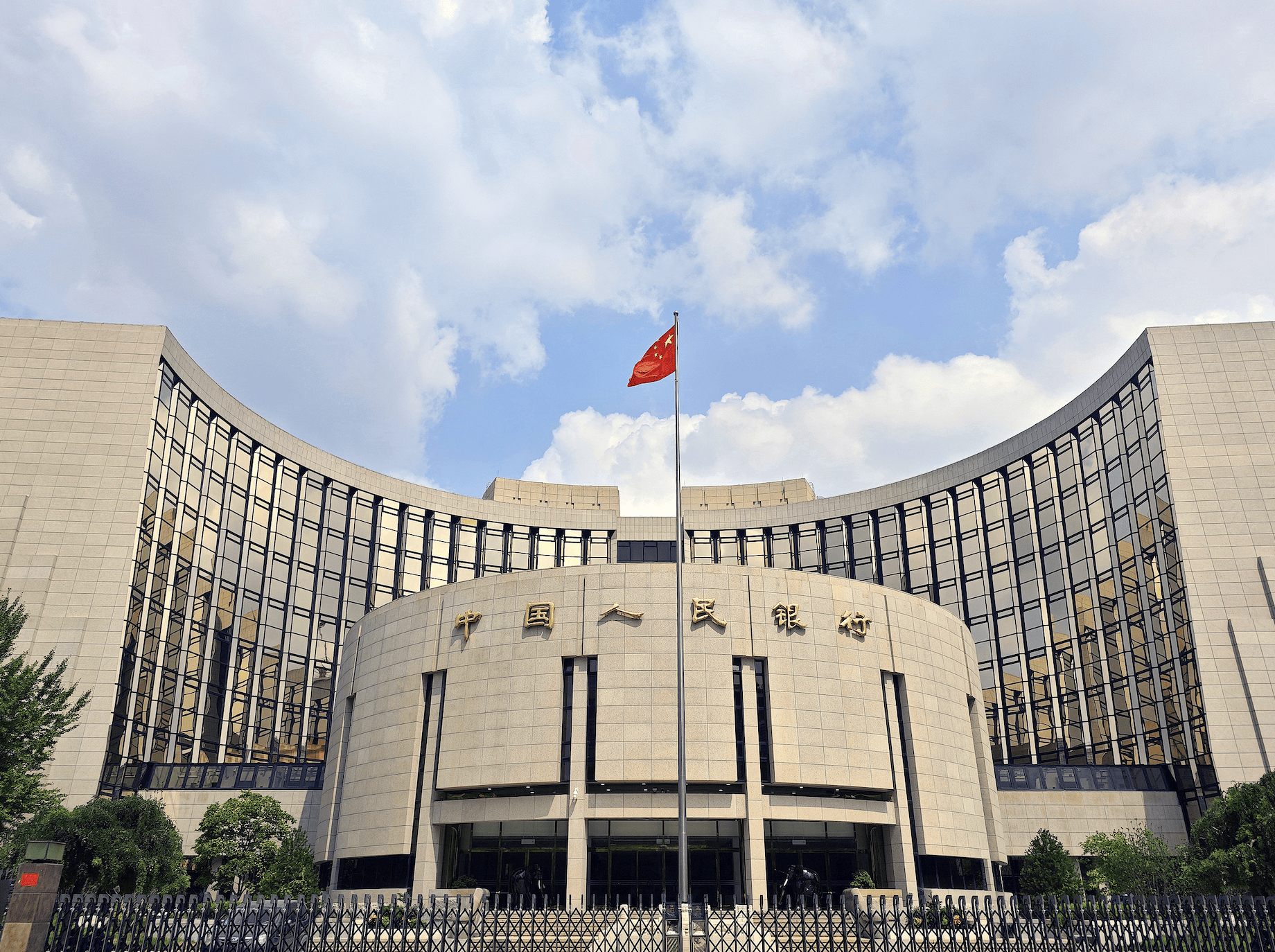
央行开展6000亿元MLF操作 保持银行体系流动性充裕
Jin Rong Shi Bao· 2025-08-25 02:27
Core Viewpoint - The People's Bank of China (PBOC) is implementing measures to maintain ample liquidity in the banking system, including a 600 billion yuan Medium-term Lending Facility (MLF) operation scheduled for August 25, 2023 [1] Group 1: MLF Operations - On August 25, the PBOC will conduct a 600 billion yuan MLF operation with a one-year term, utilizing a fixed quantity, interest rate bidding, and multiple price bidding methods [1] - With 300 billion yuan of MLF maturing this month, the net MLF injection for August is expected to reach 300 billion yuan, aligning with market expectations and marking the sixth consecutive month of increased MLF operations [1] Group 2: Liquidity Measures - As of August 22, the PBOC has also conducted a net injection of 300 billion yuan through reverse repos, leading to a total net liquidity injection of 600 billion yuan for August, which is double that of the previous month [1] - Analysts anticipate that the PBOC will continue to utilize various monetary policy tools to enhance short- to medium-term market liquidity and maintain a moderately accommodative monetary policy [1]
8月以来央行 加码投放中长期流动性
Zhong Guo Zheng Quan Bao - Zhong Zheng Wang· 2025-08-24 23:18
Group 1 - The central bank is expected to continue using various monetary policy tools to maintain liquidity in the market, ensuring a moderately loose monetary policy [4] - As of August 22, the central bank's net medium-term liquidity injection reached 600 billion yuan, double that of the previous month, marking the largest net injection since February 2025 [3] - The central bank has conducted multiple operations to inject medium-term liquidity, indicating a clear intention to support liquidity despite stable macroeconomic performance in the first half of the year [3][4] Group 2 - The upcoming week will see a total of 20,770 billion yuan in reverse repos maturing, along with 3,000 billion yuan in medium-term lending facility (MLF) and 9,000 billion yuan in buyout reverse repos [1][2] - The central bank has announced a 6,000 billion yuan MLF operation on August 25, resulting in a net injection of 3,000 billion yuan, marking the sixth consecutive month of increased MLF operations [2] - Market interest rates are expected to have limited upward movement due to the central bank's ongoing liquidity support measures [4]
呵护意图明显 8月以来央行 加码投放中长期流动性
Zhong Guo Zheng Quan Bao· 2025-08-24 20:58
Core Viewpoint - The People's Bank of China (PBOC) is actively implementing various monetary policy tools to maintain liquidity in the banking system, with a focus on medium and short-term liquidity adjustments to support economic recovery. Group 1: Market Liquidity and Monetary Policy - A total of 20,770 billion yuan in reverse repos will mature this week, along with 3,000 billion yuan in Medium-term Lending Facility (MLF) and 9,000 billion yuan in buyout reverse repos [1] - The PBOC has conducted multiple reverse repo operations and MLF operations in August to ensure ample liquidity in the banking system, indicating a commitment to using various monetary policy tools for liquidity management [1][2] - The PBOC's net liquidity injection through MLF in August is 3,000 billion yuan, marking the sixth consecutive month of increased MLF operations [2] Group 2: Economic Signals and Market Stability - The total net liquidity injection from the PBOC as of August 22 reached 6,000 billion yuan, double that of the previous month and the largest since February 2025, signaling a supportive monetary policy stance despite stable economic performance [3] - The PBOC is also focused on stabilizing market fluctuations by announcing operation quantities and durations prior to MLF and reverse repo operations, which helps in conveying policy signals and stabilizing the market [3] Group 3: Future Expectations - Experts anticipate that the PBOC will continue to use various monetary policy tools to maintain liquidity and implement a moderately accommodative monetary policy [4] - There is a likelihood of further MLF operations combined with reverse repos to inject medium-term liquidity into the market, keeping liquidity conditions stable and slightly loose [4] - The PBOC aims to enhance monitoring of liquidity supply and demand in the banking system and financial market changes, ensuring a conducive monetary environment for economic recovery [4]