
数字经济

Search documents
神州泰岳涨2.02%,成交额7.27亿元,主力资金净流入572.75万元
Xin Lang Zheng Quan· 2026-02-12 06:00
Core Viewpoint - Shenzhou Taiyue's stock has shown a mixed performance in recent trading, with a year-to-date increase of 9.38% and a recent decline over the past 20 days of 4.11% [1][2] Group 1: Stock Performance - As of February 12, Shenzhou Taiyue's stock price was 12.60 CNY per share, with a trading volume of 7.27 billion CNY and a market capitalization of 24.786 billion CNY [1] - The stock has experienced a 2.02% increase during the trading session on February 12 [1] - Year-to-date, the stock has increased by 9.38%, with a 6.24% rise over the last five trading days and an 8.81% increase over the last 60 days [1] Group 2: Financial Performance - For the period from January to September 2025, Shenzhou Taiyue reported a revenue of 4.068 billion CNY, a year-on-year decrease of 9.86%, and a net profit attributable to shareholders of 724 million CNY, down 33.77% year-on-year [2] - The company has distributed a total of 1.297 billion CNY in dividends since its A-share listing, with 372 million CNY distributed over the last three years [3] Group 3: Shareholder Information - As of January 30, the number of shareholders for Shenzhou Taiyue reached 111,100, an increase of 4.62% from the previous period, while the average number of tradable shares per shareholder decreased by 4.41% to 16,593 shares [2] - The largest circulating shareholder is Huaxia Zhongzheng Animation Game ETF, holding 56.4599 million shares, an increase of 9.6514 million shares from the previous period [3] - Other notable shareholders include E Fund's Growth Enterprise Board ETF and Southern Zhongzheng 500 ETF, with varying changes in their holdings [3]

开局有新风|消费、就业、投资……这些变化与你息息相关!
Sou Hu Cai Jing· 2026-02-12 04:13
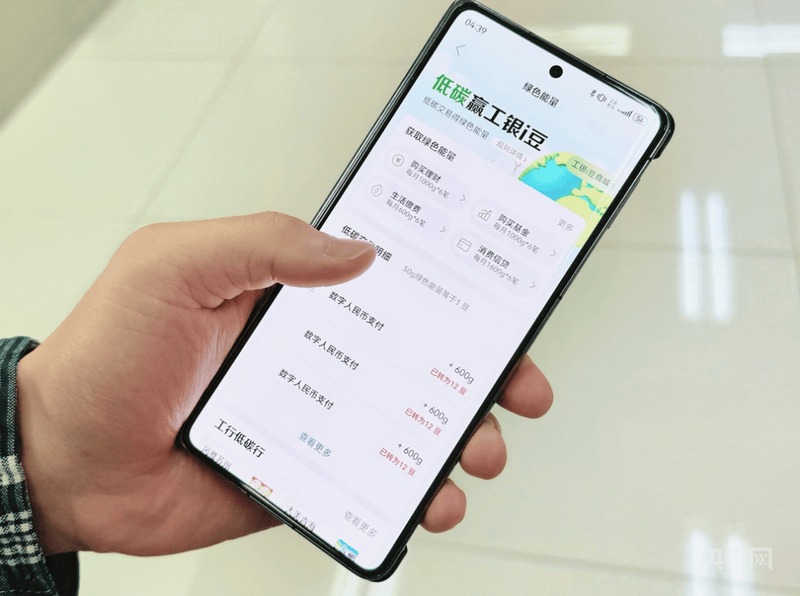
Group 1: Green Consumption and Policy Framework - In 2026, the "dual carbon" goals will enter a critical phase, with green consumption transitioning from policy advocacy to widespread public practice. The first policy document focusing on green consumption has been released, establishing a comprehensive policy framework for the supply-consumption-recycling chain [2][3] - The policy outlines three main strategies: over 88,000 national green agricultural product certifications, a sales boost of over 3.9 trillion yuan from trade-in policies for automobiles and home appliances, and a resource recycling industry with an annual output value exceeding 5 trillion yuan [2] Group 2: Employment Opportunities in Green Sector - There is a significant demand for green jobs, with nearly one million positions expected in the "dual carbon" field, while current practitioners number only around 100,000, indicating a substantial gap [3] - The Ministry of Human Resources and Social Security has recognized 137 green occupations, with new roles like carbon accountants and ESG consultants seeing a surge in demand, potentially creating 38 million jobs by 2050 [3] Group 3: Rural Revitalization and Digital Agriculture - The story of a new farmer in Pinggu, who has utilized smart algorithms to redefine agricultural practices, illustrates that rural revitalization involves the emergence of new productive forces rather than mere industrial transfer [4][6] - The recent central government document emphasizes high-quality rural e-commerce development and the integration of agriculture with tourism, which aligns with the efforts of new farmers to enhance local income through innovative practices [4] Group 4: Employment Market Trends - The employment policy direction is shifting from "stabilizing employment" to "high-quality employment," with opportunities emerging at the intersection of policy and industry [7] - Key sectors for future job growth include high-end manufacturing and digital services, with significant developments in digital economy, low-altitude economy, and artificial intelligence expected to create numerous job opportunities [9] Group 5: Wealth Management and Investment Trends - The wealth management sector has seen significant activity, with international gold prices experiencing volatility and approximately 70 trillion yuan in household deposits maturing, leading to discussions about "deposit migration" [10][12] - Predictions indicate that the scale of bank wealth management could exceed 35 trillion yuan by 2026, with "fixed income+" products likely to remain a mainstream choice due to their balanced risk and return profile [12]

紫光股份有限公司 第九届董事会第二十次会议决议公告
Sou Hu Cai Jing· 2026-02-12 02:24
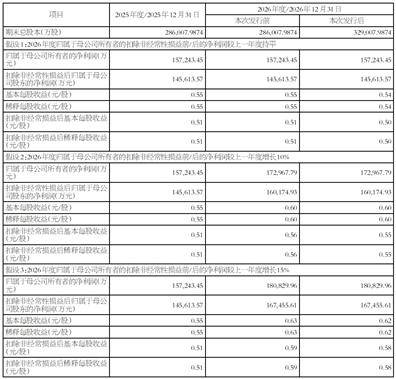
Core Viewpoint - The company has decided to terminate the issuance of H-shares and the related listing on the Hong Kong Stock Exchange, prioritizing shareholder interests and strategic development [3][67]. Group 1: Termination of H-share Issuance - The company held a board meeting on February 11, 2026, where it unanimously approved the termination of the H-share issuance plan [3][67]. - This decision is based on a careful analysis of the company's strategic development and aims to protect shareholder interests [3][67]. Group 2: A-share Issuance Proposal - The company plans to issue A-shares to specific investors, which requires approval from the shareholders' meeting [7][9]. - The proposed issuance will consist of domestic RMB ordinary shares (A-shares) with a par value of RMB 1.00 per share [10]. - The issuance will be conducted through a specific object issuance method, with the timing to be determined after obtaining regulatory approval [11][13]. Group 3: Financial Aspects of A-share Issuance - The total amount to be raised from the A-share issuance is capped at RMB 557 million, which will be used for specific projects including the acquisition of a 6.98% stake in Xinhua San [21][75]. - The company will establish a special account for the management of the raised funds to ensure proper usage and compliance with regulations [56]. Group 4: Shareholder Return and Governance - The company has developed a three-year shareholder return plan (2026-2028) to ensure stable returns and enhance transparency in profit distribution [55]. - The governance structure is designed to ensure compliance with legal requirements and effective management of the raised funds [83]. Group 5: Market Context and Strategic Rationale - The acquisition of the stake in Xinhua San is aimed at enhancing control and profitability, leveraging growth opportunities in the digital economy [81][82]. - The ICT industry is experiencing significant growth, with projections indicating a substantial increase in market size, which presents opportunities for the company [82].

【新华解读】PPI环比加速上涨 多方面因素或将促成工业生产持续复苏
Xin Hua Cai Jing· 2026-02-12 01:49
Core Viewpoint - The Producer Price Index (PPI) in China showed a positive trend in January, with a month-on-month increase of 0.4%, marking the fourth consecutive month of growth, while the year-on-year decline narrowed to 1.4% [1] Group 1: PPI Trends - The PPI reflects a gradual improvement in industrial production demand and market vitality, indicating a potential positive cycle of "production recovery - demand increase - stable prices" [1] - Key industries such as cement manufacturing and lithium-ion battery production saw a month-on-month price increase of 0.1%, continuing their upward trend for four months [1] - The price of photovoltaic equipment and components shifted from a 0.2% decrease to a 1.9% increase, while basic chemical raw materials saw a price increase of 0.7% [1] Group 2: Sector-Specific Insights - The digital economy sector is experiencing strong growth, with prices in computer communication and other electronic device manufacturing rising by 0.5% due to increased demand for digital technologies [2] - Seasonal demand ahead of the Spring Festival contributed to price increases in the arts and crafts sector (4.1%) and agricultural products processing (0.3%) [2] - The price of winter clothing and down products also increased due to heightened demand for cold weather apparel [2] Group 3: International Influences - International prices of non-ferrous metals have remained strong, significantly impacting domestic prices in the non-ferrous metal industry, with PPI for this sector rising by 5.7% month-on-month [3] - Specific increases in metal refining prices were noted, with silver refining up by 38.2% and copper refining by 8.4% [3] - The rise in oil prices is expected to have a more pronounced effect on domestic PPI in February, with a notable reduction in the decline of petroleum product manufacturing prices [4] Group 4: Future Outlook - The PPI is expected to continue rising in February, but at a slower rate of around 0.2%, with a year-on-year decline projected to narrow to approximately 1.0% [3] - Marginal upward momentum for basic raw materials and industrial prices may weaken, as indicated by the slower growth in January compared to December [3] - Domestic demand is anticipated to become a more significant factor influencing PPI trends moving forward, with expectations of narrowing declines in the coming months [4]
CPI放缓、PPI加快,什么信号
HUAXI Securities· 2026-02-12 00:52
Inflation Data Summary - In January 2026, the CPI year-on-year growth was 0.2%, lower than the expected 0.4% and down from 0.8% in the previous month[1] - The core CPI, excluding food and energy, increased by 0.8% year-on-year, down from 1.2% previously, while the month-on-month growth was 0.3%[1] - The PPI year-on-year change was -1.4%, better than the expected -1.5% and improved from -1.9% in the previous month[1] Structural Changes in Price Index - The new weight distribution for the CPI shows a shift towards services, with food and beverage (29.5%), housing (22.1%), and transportation and communication (14.3%) being the largest categories[2] - The weight of pork in the food category was increased from 1.4% to 1.9%, enhancing its contribution to CPI[2] - The average impact of the base period switch on CPI and PPI year-on-year was only 0.06 and 0.08 percentage points, respectively, ensuring continuity in price statistics[2] Seasonal and Structural Influences - January's CPI month-on-month performance was weaker than seasonal trends, recording only 0.2% due to the late timing of the 2026 Spring Festival[3] - Food prices were a significant drag on the index, with fresh vegetable prices dropping 4.8% month-on-month, while pork prices rose 1.2%[4] - Core CPI showed strength, driven by rising gold prices and the effects of "anti-involution" and "national subsidy" policies, with a month-on-month increase of 0.3%[4] PPI Recovery and Market Signals - The PPI month-on-month growth accelerated to 0.4%, up from 0.1-0.2% in the previous quarter, indicating a structural recovery in industrial prices[6] - The broadening of price increases across 30 major industries, with 13 showing month-on-month increases, suggests improving profitability expectations in the manufacturing sector[8] - The report anticipates a potential rise in CPI to around 1.0% in February due to the Spring Festival purchasing effect, while PPI is expected to remain around -1.4% year-on-year[9]
亚太发展中经济体提升内生增长动能
Sou Hu Cai Jing· 2026-02-11 23:58
Group 1 - The Asian Development Bank (ADB) forecasts that the economic growth rate of developing economies in the Asia-Pacific region will be 4.6% in 2026, an upward adjustment of 0.1 percentage points from previous expectations, supported by stable economic fundamentals and a favorable investment environment [1] - In East Asia, the economic growth forecasts for 2025 and 2026 have been raised to 4.6% and 4.1% respectively, with overall inflation remaining moderate [1] - The report highlights that China's exports of high-tech and innovative products, particularly in electric vehicles, photovoltaic products, and lithium batteries, will significantly drive high-quality economic development in the Asia-Pacific region [1] Group 2 - The ADB's Chief Economist notes that the positive economic momentum in the Asia-Pacific region is due to effective growth policies in developing economies, which have solidified domestic demand, and the acceleration of traditional industries transitioning to emerging sectors [2] - The tourism sector is rebounding quickly, providing a significant driver for regional economic growth, with the Asia-Pacific region expected to receive 331 million international tourists in 2025, a 6% increase year-on-year [2] - The region's high-tech industries and digital infrastructure are attracting a significant share of investment, with AI-related trade in the first half of 2025 experiencing a substantial increase, contributing nearly two-thirds of the global increment [2] Group 3 - The Regional Comprehensive Economic Partnership (RCEP) has attracted over 30% of global foreign direct investment, marking it as a leading regional cooperation mechanism [3] - Trade between China and ASEAN has seen an 8.5% year-on-year increase in total trade value in the first 11 months of 2025, enhancing regional collaboration and addressing external uncertainties [3] - The World Trade Organization has lowered the global goods trade growth forecast for 2026 to 0.5%, indicating challenges posed by unilateralism and protectionism on the Asia-Pacific export-oriented economies [3] Group 4 - Southeast Asian countries are implementing a combination of policies to stabilize their economies, including interest rate cuts to counter USD risks and measures to boost domestic consumption [4] - Digital economy initiatives are becoming a new pillar for growth in Southeast Asia, with Malaysia aiming to increase the digital economy's share of GDP to 25.5% by 2030 [4] - The integration of digital technologies with the real economy is enhancing production efficiency and strengthening regional competitive advantages, positioning the Asia-Pacific region as a stabilizing force in the global economy [4]
亚太发展中经济体提升内生增长动能(国际视点)
Sou Hu Cai Jing· 2026-02-11 22:57
Core Insights - The Asian Development Bank (ADB) has revised its economic growth forecast for developing economies in the Asia-Pacific region to 4.6% for 2026, an increase of 0.1 percentage points from previous estimates, supported by stable economic fundamentals and a favorable investment environment [1] Economic Growth Projections - East Asia's economic growth forecasts for 2025 and 2026 have been adjusted to 4.6% and 4.1% respectively, with overall inflation remaining moderate [1] - Southeast Asia is projected to grow by 4.5% in 2025 and 4.4% in 2026, with Indonesia, Malaysia, Singapore, and Vietnam showing strong growth, particularly Indonesia exceeding 5% and Vietnam over 8% in 2025 [1] Factors Driving Growth - The positive economic momentum in the Asia-Pacific region is attributed to effective growth policies in developing economies, a shift from traditional industries to emerging sectors, and a rebound in external demand for electronic products and industrial goods [2] - The tourism sector is recovering rapidly, with the region expected to welcome 331 million international visitors in 2025, a 6% increase year-on-year [2] Investment Trends - Despite global investment challenges, the Asia-Pacific region is seeing a significant increase in investment in high-tech industries and digital infrastructure, with AI-related trade surging and contributing nearly two-thirds of global growth in this sector [2] - Digital service trade, including telemedicine, online education, and fintech, is emerging as a new growth driver, with double-digit growth expected in digital delivery service exports by 2025 [2] Regional Integration and Trade - The Regional Comprehensive Economic Partnership (RCEP) has significantly attracted foreign direct investment, accounting for over 30% of global investment in regional cooperation mechanisms [3] - Trade between China and ASEAN has increased by 8.5% in the first 11 months of 2025, bolstering regional collaboration and resilience against external uncertainties [3] Policy Responses - Southeast Asian countries are implementing policy measures, such as interest rate cuts and digital economy initiatives, to stimulate domestic consumption and counter external risks [4] - Malaysia aims to increase the digital economy's share of GDP to 25.5% by 2030, while Indonesia is enhancing digital finance access for over 56 million users [4] - The integration of digital technologies with the real economy is expected to enhance productivity and strengthen regional competitive advantages [4]
潮起开新局 聚力共前行
Bei Jing Ri Bao Ke Hu Duan· 2026-02-11 22:42
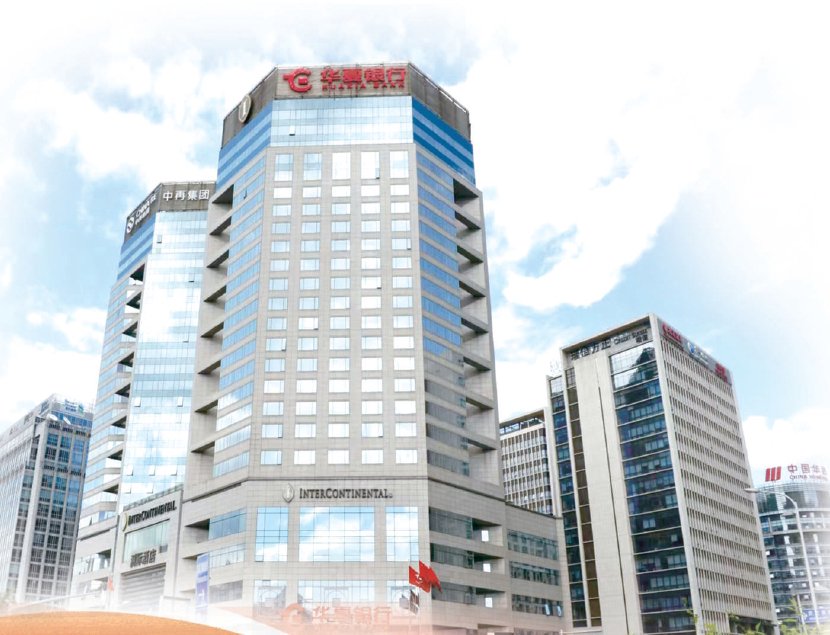
Group 1: Core Perspectives - Huaxia Bank Beijing Branch integrates its development into national strategies and the capital's development, focusing on serving the real economy and enhancing technological innovation [1][3] - Since 2025, the branch has actively allocated financial resources to support the economic and social development of Beijing, contributing significantly to the capital's modernization [1][3] Group 2: Strategic Alignment - The bank aligns its development with national strategies and the capital's blueprint, leveraging the opportunities presented by the coordinated development of the Beijing-Tianjin-Hebei region [3][4] - It has engaged in key projects such as the "3 100" initiative, providing comprehensive financial services and enhancing cooperation with government entities [3][4] Group 3: Innovation and Technology - The bank has established a technology finance center and a network of 23 specialized branches to support the development of technology enterprises, with a loan balance exceeding 28.8 billion yuan by the end of 2025 [6][7] - It offers customized financial products for different stages of enterprise growth, addressing the unique financing needs of technology companies [7] Group 4: Digital Transformation - The bank is committed to digital transformation, enhancing financial services through technology integration and process optimization, thereby improving service efficiency and accessibility [8][9] - It has implemented a comprehensive online financial solution for small merchants, facilitating their operational funding needs [8] Group 5: Social Responsibility - The bank emphasizes its commitment to serving the community, particularly in addressing the needs of the elderly through a comprehensive pension finance ecosystem [10][11] - It actively participates in the construction of a multi-level medical security system, promoting affordable health insurance products to alleviate financial burdens on vulnerable groups [11] Group 6: Crisis Response - During emergencies, the bank swiftly transitions to a protective role, ensuring continuous financial services and supporting affected businesses through loan extensions and interest reductions [12] - It collaborates with local governments to provide immediate assistance during disasters, demonstrating its commitment to community welfare [12] Group 7: Future Outlook - Looking ahead, the bank aims to fully implement the spirit of national conferences and enhance its role in the capital's development, contributing to high-quality economic and social growth in Beijing [13]

稳增长政策成效显现 技术红利进一步释放 亚太发展中经济体提升内生增长动能 中国高科技和创新产品带动地区经济高质量发展(国际视点)
Ren Min Ri Bao· 2026-02-11 22:38
Group 1 - The Asian Development Bank (ADB) forecasts a 4.6% economic growth for developing economies in the Asia-Pacific region by 2026, an increase of 0.1 percentage points from previous estimates, supported by stable economic fundamentals and a favorable investment environment [1] - In East Asia, economic growth forecasts for 2025 and 2026 have been raised to 4.6% and 4.1% respectively, with overall inflation remaining moderate [1] - The report highlights strong export performance in high-tech and innovative products from China, particularly in electric vehicles, photovoltaic products, and lithium batteries, contributing to high-quality economic development in the Asia-Pacific region [1] Group 2 - Southeast Asia is projected to see economic growth of 4.5% in 2025 and 4.4% in 2026, with countries like Indonesia, Malaysia, Singapore, and Vietnam showing strong growth, particularly in the third quarter of 2025 [1] - The tourism sector is rebounding quickly, with the Asia-Pacific region expected to receive 331 million international visitors in 2025, a 6% increase year-on-year, providing significant support for regional economic growth [2] - The digital economy is becoming a new growth driver for Southeast Asian countries, with Malaysia aiming to increase the digital economy's share of GDP to 25.5% by 2030, and Indonesia focusing on digital finance with over 56 million users accessing QR payment systems [4] Group 3 - The Regional Comprehensive Economic Partnership (RCEP) has attracted over 30% of global foreign direct investment, enhancing regional cooperation in areas like digital economy and green development [3] - The World Trade Organization has lowered the global goods trade growth forecast for 2026 to 0.5%, indicating challenges posed by unilateralism and protectionism affecting export-oriented economies in the Asia-Pacific region [3] - ADB emphasizes that developing economies in the Asia-Pacific are implementing policy measures to stabilize economic performance, with a focus on digital transformation and technological innovation to enhance growth resilience [4]

河南豫能控股股份有限公司关于筹划参股投资暨关联交易事项的提示性公告
Shang Hai Zheng Quan Bao· 2026-02-11 18:11
Core Viewpoint - Henan YN Holdings Co., Ltd. is planning to invest in a subsidiary of its controlling shareholder, Henan Investment Group, to acquire a controlling stake in Zhengzhou Heying Data Co., Ltd. through its subsidiary Xiantian Computing (Henan) Technology Co., Ltd. This investment is still in the planning stage and carries significant uncertainty [2][3]. Group 1: Transaction Overview - The transaction aims to respond to national strategies for developing new infrastructure and enhancing the digital economy, particularly in the data center industry, which is seen as a core infrastructure for innovation in the digital age [4]. - The company intends to leverage its resources to extend its business into the data center sector, specifically through an indirect investment in Zhengzhou Heying, which operates large-scale data centers [5]. Group 2: Investment Details - The specific equity stake and investment amount for the acquisition of Zhengzhou Heying by Xiantian Computing have not yet been determined, pending the completion of auditing and evaluation processes [3][6]. - The transaction is expected not to constitute a major asset restructuring as defined by relevant regulations, and it will not involve the issuance of new shares or changes in the controlling shareholder [6]. Group 3: Impact on the Company - The data center sector is experiencing rapid growth, driven by the digital economy, and the target assets hold a competitive advantage with a robust operational system and valuable client resources [10]. - The transaction is anticipated to create synergies between the company and Henan Investment Group, particularly in green power supply and regional development, facilitating a low-carbon transition and seizing industry opportunities [10].
