
电动化

Search documents
海内外市场协同发力 以创新筑牢增长根基
Xin Lang Cai Jing· 2025-12-25 23:05
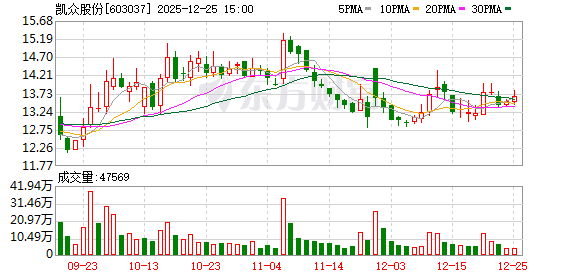
Core Viewpoint - The automotive industry is rapidly transitioning towards electrification and intelligence, presenting both opportunities and challenges for component manufacturers like Shanghai Kaizhong Materials Technology Co., Ltd. (Kaizhong) [1] Group 1: Strategic Initiatives - Kaizhong is implementing a "domestic optimization + overseas expansion" dual-drive strategy to enhance market collaboration and overall capabilities [2] - The company is investing 308 million yuan in an expansion project at its Nantong base, which will increase annual production capacity for polyurethane damping components by 27 million units and lightweight pedal assemblies by 3.5 million units [2] - Kaizhong's international operations are progressing, with a factory in Mexico set to begin production in 2024, serving major North American clients and covering local automotive production capacity of 4.5 million units per year [2] Group 2: Growth and Innovation - Kaizhong is pursuing the acquisition of 60% of Anhui Tuosheng Automotive Parts Co., Ltd., which specializes in rubber-based damping and sealing components, aligning closely with Kaizhong's core business [3] - The acquisition is expected to create synergies in technology and customer bases, enhancing profitability and market reach [3] - Kaizhong is also developing a new line-controlled braking (EMB) business, projected to begin production in 2026, which is anticipated to be a new growth driver [3] Group 3: Technological Advancements - The company focuses on product improvement and new material applications, significantly enhancing the load capacity of damping components from 10-20 kN to 100 kN [4] - Kaizhong has integrated AI technology into its core processes, improving research efficiency and cost control, while also implementing manufacturing execution systems (MES) and warehouse management systems (WMS) to optimize operations [5] Group 4: Long-term Vision - Kaizhong emphasizes a long-term approach to market management and profitability, aiming for steady growth and consistent dividends for investors [5] - The company believes there is significant room for improvement in the safety, comfort, energy efficiency, and environmental aspects of new energy vehicles, focusing on core technological advancements rather than superficial innovations [5]

凯众股份总经理侯振坤:海内外市场协同发力 以创新筑牢增长根基
Zheng Quan Ri Bao· 2025-12-25 16:39
Core Insights - The automotive industry is rapidly transitioning towards electrification and intelligence, presenting both opportunities and challenges for component manufacturers [2] Group 1: Company Strategy - The company has adopted a "domestic optimization + overseas expansion" dual-drive strategy to enhance market collaboration and overall capabilities [3] - A 308 million yuan convertible bond is being invested in the Nantong base expansion project, which will add an annual production capacity of 27 million polyurethane damping components and 3.5 million lightweight pedal assemblies [3] - The company is implementing a "main production base + satellite factory" model, with plans to establish 2 to 3 additional factories based on business expansion [3] Group 2: International Expansion - The company's factory in Mexico is set to begin mass production in 2024, directly serving major international clients, including well-known new energy vehicle manufacturers and core customers like General Motors and Ford [3] - A factory in Morocco is scheduled to begin construction in Q1 2024, with production expected to start by the end of 2026, leveraging its geographical advantage to serve the European market [3] Group 3: Growth and Innovation - The company is pursuing the acquisition of a 60% stake in Anhui Tuosheng Automotive Parts Co., which specializes in rubber-based damping and sealing components, aligning closely with the company's core business [4] - The acquisition is expected to create synergies, enhance profitability, and broaden market and technology boundaries [5] - The company plans to launch its EMB (electromechanical brake) business by 2026, which is anticipated to become a new growth driver [5] Group 4: Technological Advancements - The company focuses on product improvement and new material applications, significantly enhancing the load capacity of damping components from 10-20 kN to 100 kN [5] - AI technology is being integrated into core processes, improving R&D efficiency and cost control [5] - The implementation of MES and WMS systems has effectively addressed inventory turnover issues, further reducing operational costs [5] Group 5: Long-term Vision - The company emphasizes a long-term approach to market management and profitability, aiming for steady growth and consistent dividends for investors [6] - The company believes there is significant room for improvement in the safety, comfort, energy efficiency, and environmental aspects of new energy vehicles [6] - The focus remains on technological fundamentals while gradually expanding into new application scenarios [6]

【乘联分会论坛】2025年11月皮卡市场分析
乘联分会· 2025-12-25 08:32
Core Viewpoint - The pickup truck market in China is experiencing significant growth, with strong sales and export performance, particularly in the southwestern and northwestern regions, while the demand in eastern developed areas is relatively weak [2][3][9]. Group 1: Overall Market Analysis - In November 2025, the pickup truck market sold 56,000 units, a year-on-year increase of 22% and a month-on-month increase of 17%, marking a high point in the last five years [2][8]. - From January to November 2025, the total sales reached 519,000 units, up 8% year-on-year [8]. - The production of pickup trucks in November 2025 was 52,000 units, a year-on-year increase of 8%, with a total production of 527,000 units from January to November, reflecting a 14.5% increase [2][8]. Group 2: Export Performance - In November 2025, China exported 32,000 pickup trucks, representing a year-on-year increase of 54% and a month-on-month increase of 19% [3][10]. - The total exports from January to November 2025 reached 268,000 units, a 22% increase compared to the previous year [10]. - By November 2025, exports accounted for 57% of total pickup truck sales, indicating a strong international demand for Chinese-made pickups [10]. Group 3: New Energy Pickup Trucks - In November 2025, sales of new energy pickup trucks reached 8,000 units, a year-on-year increase of 152% and a month-on-month increase of 40% [3][14]. - Cumulatively, from January to November 2025, 67,000 new energy pickups were sold, reflecting a staggering growth of 335% [14]. - The market for new energy pickups is expected to grow rapidly, driven by increasing domestic and international demand [14]. Group 4: Regional Sales Characteristics - The main demand for pickup trucks is concentrated in the southwestern and northwestern regions, which accounted for 46% of total demand in November 2025 [15][18]. - The eastern developed regions are showing weaker performance, with significant growth observed in smaller cities and rural areas [18][20]. - The market dynamics are shifting, with urban areas experiencing a decline while county and township markets are recovering [20][31]. Group 5: Competitive Analysis - Great Wall Motors continues to dominate the pickup truck market, holding nearly 50% of the domestic market share, with strong performances from Changan, SAIC Maxus, and Zhengzhou Nissan [23][26]. - The competitive landscape is evolving, with emerging players like Geely and new energy brands gaining traction [26][31]. - The export performance of major manufacturers is robust, with Great Wall Motors leading, followed by Changan and SAIC Maxus [28][31].

广东汽配仍在加速拓展美国市场
Xin Lang Cai Jing· 2025-12-25 07:16
Core Insights - North America, particularly the United States, is one of the largest automotive parts markets globally, with Guangdong automotive parts manufacturers accelerating their expansion into this market despite geopolitical uncertainties and tariffs [1][3] Group 1: Market Growth and Trends - The U.S. automotive parts market has seen over a twofold growth this year, driven by a relatively small initial business volume and a shift of some sellers away due to tariffs, while demand remains strong [1] - The North American online automotive parts market is projected to reach $45 billion by 2025, with significant growth in high-value components such as engine assemblies, which have seen a fivefold increase in sales [2][8] - The average age of vehicles in the U.S. has reached 12.8 years, with approximately 29.3% of vehicles over 16 years old, creating a substantial demand for aftermarket parts [3][4] Group 2: E-commerce and Consumer Behavior - The shift from offline to online purchasing is a key driver of growth, particularly for categories that were previously dominated by offline sales, such as heavy parts [2][4] - The online penetration rate for automotive parts in the U.S. is only about 15%, indicating significant room for growth as older vehicle owners seek easier access to parts [3][4] - Consumers are increasingly looking for cost-effective solutions, leading to a trend of purchasing individual parts rather than complete sets [4] Group 3: Supply Chain and Logistics - The logistics of delivering heavy parts, such as tires, has been a challenge, but improvements in cross-border e-commerce logistics are expected to enhance delivery capabilities [6][7] - The use of overseas warehouses is crucial for local fulfillment, providing resilience against risks associated with changing tax policies on small packages [7] - The complexity of U.S. logistics requires careful inventory management to balance costs and delivery times, particularly for bulky automotive parts [7] Group 4: Brand Development and Innovation - Companies are focusing on brand development to capture consumer mindshare, with innovative features being added to traditional automotive products to differentiate them in the market [5][10] - The electric vehicle market is expected to create new demand for parts, with over 1 million electric vehicles sold annually in the U.S. since 2022 [8][10] - The acquisition of Caramel by eBay aims to streamline the vehicle buying process, potentially increasing the demand for parts as the platform expands its offerings [10]

吉利汽车(00175.HK):吉利与极氪整合正式完成 回归“一个吉利”
Ge Long Hui· 2025-12-24 22:06
Core Viewpoint - Geely Automobile has completed the privatization and merger of Zeekr, which is now a wholly-owned subsidiary, marking a significant step towards the "One Geely" strategy [1] Group 1: Privatization and Merger - The privatization transaction of Zeekr was finalized on December 22, 2025, with Zeekr delisting from the New York Stock Exchange [1] - Approximately 70.8% of eligible Zeekr holders chose stock compensation, resulting in the issuance of 777,228,611 shares by Geely [1] - Geely will pay around $701 million in cash to the remaining 29.2% of eligible Zeekr holders who opted for cash compensation [1] Group 2: Brand Strategy and New Product Launches - Geely plans to launch 10 new energy models in 2025, including 5 new models and several facelifts under the Geely brand [2] - Zeekr will introduce the Zeekr 007 GT in April and the Zeekr 9X in Q3, while Lynk & Co will launch the Lynk & Co 900 EM-P in Q2 [2] - The new models will feature advanced driving assistance systems, with the Lynk & Co 900 EM-P being the first to use the NVIDIA Thor chip [2] Group 3: New Platform and Profitability - The GEA architecture supports the new product cycle, with positive developments across Zeekr, Lynk & Co, and Galaxy brands [3] - The transition to new energy vehicles is progressing well, with scale effects expected to enhance profitability [3] - The company forecasts a net profit of 17 billion yuan for 2025, with a corresponding PE ratio of 9.7X, maintaining a "buy" rating [3]

吉利汽车(00175):港股研究|公司点评|吉利汽车(00175.HK):吉利汽车:吉利与极氪整合正式完成,回归一个吉利
Changjiang Securities· 2025-12-24 10:11
Investment Rating - The investment rating for Geely Automobile is "Buy" and is maintained [6]. Core Viewpoints - Geely Automobile has completed the privatization and merger of Zeekr, which is now a wholly-owned subsidiary, marking a significant step towards the "One Geely" strategy. This integration is expected to enhance brand positioning, streamline internal resources, and improve cost efficiency, thereby boosting competitiveness [2][7]. - The company plans to launch 10 new electric vehicle models in 2025, with significant contributions from its Geely, Zeekr, and Lynk & Co brands. This includes the introduction of new models and upgrades, focusing on electrification and smart technology [7]. - Geely's new product architecture (GEA) supports its transition to electric vehicles, with a solid foundation in traditional fuel vehicles. The company is expected to see a net profit of 17 billion yuan in 2025, corresponding to a PE ratio of 9.7X, indicating substantial profit potential [7].
2025年科尔尼行业系列回顾|制造业与能源化工
科尔尼管理咨询· 2025-12-24 10:07
Core Viewpoint - In 2025, the manufacturing and energy-chemical industries will enter a rebalancing phase under multiple structural pressures, with geopolitical changes and trade rules reshaping global layouts. The focus will shift from "betting on growth" to "realizing value" as companies seek sustainable returns through asset optimization, capability restructuring, and operational upgrades [1]. Group 1: Manufacturing "15th Five-Year" Layout - The "15th Five-Year" plan (2026-2030) is a critical period for China's modernization by 2035, emphasizing the need for manufacturing enterprises to anticipate socio-economic and technological trends, plan high-quality development paths, and enhance international competitiveness amid geopolitical tensions [4]. Group 2: Asset Operation Restructuring - Energy and chemical companies must optimize asset layouts through normative analysis to enhance long-term decision-making certainty and return rates, particularly in the context of geopolitical and demand structure changes [7]. Group 3: Digital Transformation - Oil and gas companies face limitations in AI potential due to data quality and system fragmentation. Establishing a high-quality data foundation and governance mechanisms is essential to unlock the value of AI and digitalization in supply chain and operational transformations [9]. Group 4: Chemical M&A Recovery - The chemical industry is witnessing a gradual recovery in M&A activities, driven by overcapacity, weak demand, and tariff uncertainties. Companies and private equity are seeking growth paths through portfolio restructuring and regional diversification [11]. Group 5: Accelerated Power M&A - The demand for large data centers is driving a new wave of M&A in the U.S. power sector, compelling power companies to enhance scale, delivery capabilities, and clean energy supply to compete for core customers [13]. Group 6: Electrification Investment Decisions - The electrification trend brings substantial capital investments, but profitability is not guaranteed. Investment returns depend on asset utilization rates, contract structures, and service models, necessitating a careful balance between infrastructure and digital platforms [15]. Group 7: Renewable Value Realignment - The renewable energy sector is transitioning from a narrative of rapid growth to one focused on capability and return realization. Factors such as subsidy reductions, grid constraints, and rising capital costs are pushing companies to reshape their competitive edge through market-oriented capabilities [17]. Group 8: CCUS Commercial Breakthrough - Carbon capture, utilization, and storage (CCUS) is emerging as a viable decarbonization pathway in high-emission industries, but its adoption is constrained by economic viability and carbon pricing mechanisms. Innovative business models and policy collaboration are crucial for large-scale implementation [19]. Group 9: Industrial Aftermarket Opportunities - The industrial aftermarket is becoming a significant profit engine for OEMs, with growth rates of 7.8% in China and 6.5% globally. Companies can achieve steady and high-quality growth through network expansion, complexity management, and pricing capability upgrades [21]. Group 10: CBAM Cost Restructuring - The EU's Carbon Border Adjustment Mechanism (CBAM) is reshaping competitive rules in high-carbon industries like steel. Importers need to proactively manage emissions accounting, supply chain adjustments, and cost transfer mechanisms to mitigate the impacts of visible carbon costs [23]. Group 11: Infrastructure Innovation - Modern construction methods (MMC) are significantly enhancing efficiency, sustainability, and resilience in the global construction industry. Despite higher initial investments, the long-term value of MMC is becoming evident in global capital projects [25].

九号2026全系标配智驾系统,重塑两轮电动车出行体验
新财富· 2025-12-24 08:04
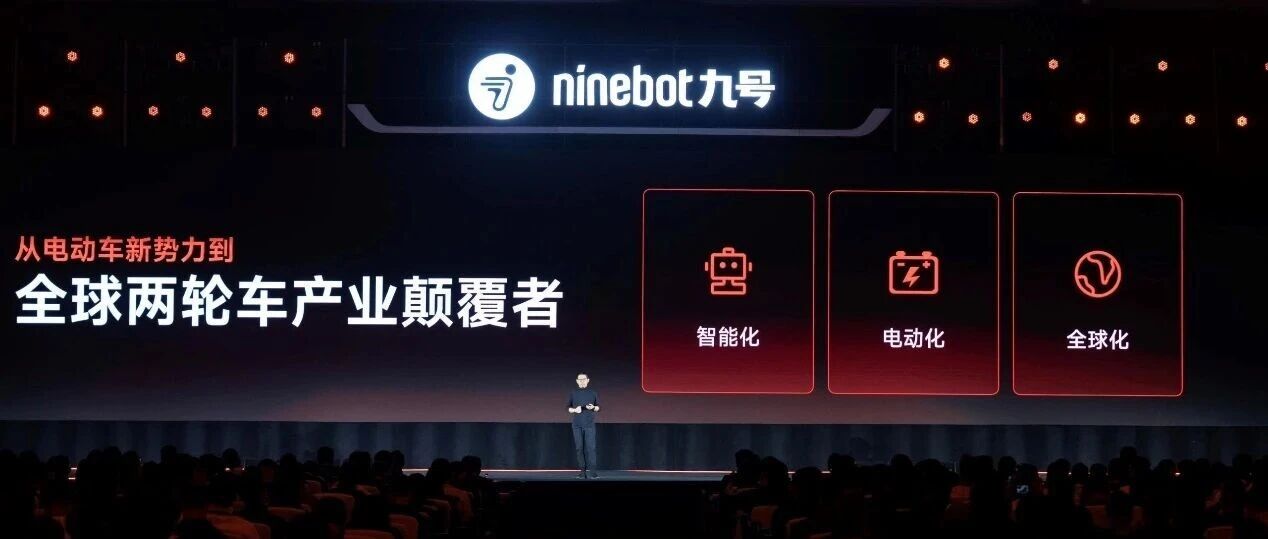
Core Viewpoint - Ninebot Company aims to transform from a new force in electric vehicles to a global disruptor in the two-wheeler industry, focusing on innovation and market expansion rather than competition in existing markets [5][6]. Group 1: Strategic Vision - The future of Ninebot is centered around three strategic pillars: smart technology, electrification, and globalization [6]. - The company plans to launch a dual-brand strategy with "Ninebot" and "Segway" to cater to diverse global user preferences [8]. Group 2: Technological Advancements - Ninebot is committed to making advanced technology accessible to all users, with nearly one million units of ABS technology deployed to enhance safety [10]. - The company aims to introduce a comprehensive upgrade in 2026, focusing on four dimensions: intelligence, driving experience, safety, and enjoyment [12][13]. Group 3: Market Performance - As of September 2025, Ninebot's cumulative shipments in the Chinese market exceeded 9 million units, reflecting strong consumer trust in its technology [10]. - In 2025, Ninebot dominated the smart two-wheeler market, with 70% of sales attributed to its brand [16]. Group 4: User Engagement and Social Responsibility - Ninebot has engaged with younger demographics through various initiatives, including collaborations with brand ambassadors and community events [17][19]. - The company has established the "Ninebot Safe Driving Academy" to promote proactive safety measures and has conducted over 260 public safety awareness events [20]. Group 5: Future Initiatives - Ninebot plans to enhance user experience through the "Oasis Campaign," focusing on service integration and customer satisfaction [20].
马斯克老对手或接手通用
Guan Cha Zhe Wang· 2025-12-24 04:55
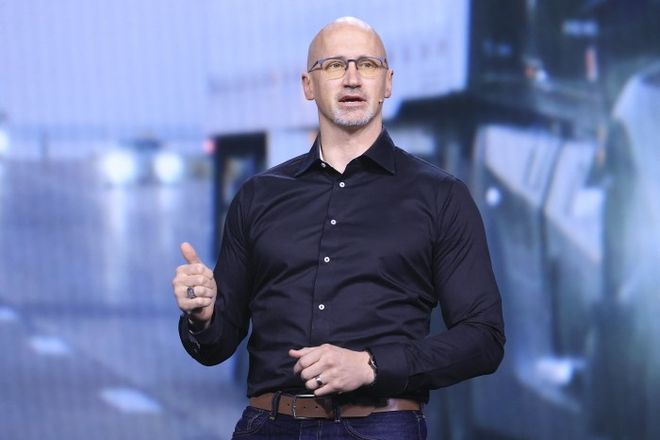
Core Viewpoint - Sterling Anderson, a technology expert in robotics and autonomous driving, has quickly become a focal point within General Motors (GM) and the capital markets since joining the company this summer, especially as CEO Mary Barra approaches her tenth year in leadership [1][3]. Group 1: Leadership and Succession - Anderson is viewed by some board members and investors as a potential "dark horse successor" to CEO Mary Barra [3]. - His rise reflects GM's current challenges in the face of intensified competition in electrification and automation, particularly from Tesla and Waymo in the U.S. and Chinese companies in other markets [3][4]. - Anderson's background includes working with Elon Musk at Tesla and co-founding Aurora Innovation, a self-driving truck company valued at approximately $8 billion [4]. Group 2: Strategic Direction - Anderson's appointment comes after a period of instability in GM's leadership, with several potential CEO candidates leaving the company [4]. - He has taken on significant responsibilities, overseeing the integration of artificial intelligence and software systems into GM's vehicle and business frameworks, making him one of the few executives at GM to control the core direction of "hardware-software integration" [3][4]. - The company is at a critical juncture, needing to define whether it will transition into a technology company or maintain its focus on traditional large fuel vehicles [5]. Group 3: Challenges and Controversies - Since Anderson's arrival, GM has seen multiple senior technical executives depart, raising concerns about his management style and the direction of the company [7][8]. - Anderson's new technology strategy aims to launch a production model capable of "driving without line of sight" by 2028, initially applied to Cadillac electric SUVs, while also focusing on cost-effective batteries and AI technology [7]. - Internally, opinions on Anderson are mixed; some welcome his leadership, while others question his decisions regarding personnel and performance management [8].

对近期重要经济金融新闻、行业事件、公司公告等进行点评:晨会纪要-20251224
Xiangcai Securities· 2025-12-24 02:43
Group 1: Machinery Industry - In November 2025, sales of construction machinery showed mixed results, with 8 products experiencing year-on-year growth while 4 declined, particularly driven by strong demand for cranes, which saw sales growth of 16.6% for truck cranes, 44.6% for all-terrain cranes, and 66.2% for crawler cranes, largely due to wind power installations and electrification trends [2][3] - Excavator sales in November increased by 13.9% year-on-year, with domestic sales up 9.1% and exports up 18.8%, attributed to recovering demand in Europe and the US, as well as sustained high demand in mining [2][3] - The loader segment also saw significant growth, with total sales up 32.1% year-on-year, driven by replacement demand and electrification, with electric loader penetration reaching approximately 25.7% in November [2][3] - Forklift sales rose by 14.1% year-on-year in November, with domestic sales increasing by 23.9%, primarily due to equipment upgrades and electrification [3] - The outlook for the machinery industry remains positive, with expectations of continued growth in domestic sales driven by major projects and overseas demand from emerging markets and mineral-rich countries [2][3] Group 2: Machine Tool Sector - In November 2025, the production of metal cutting machine tools was approximately 71,000 units, reflecting a year-on-year decline of 2.7%, while cumulative production from January to November reached 783,000 units, showing a year-on-year increase of 12.7% [4][5] - The production of metal forming machine tools in November was about 15,000 units, up 7.1% year-on-year, with cumulative production for the year at 161,000 units, also showing a year-on-year increase of 7.3% [4][5] - Fixed asset investment in the manufacturing sector grew by 1.9% year-on-year, maintaining positive growth, while manufacturing profits increased by 7.7% year-on-year, although the growth rate has slowed [5] Group 3: Robotics Industry - Industrial robot production in November 2025 reached approximately 70,000 units, marking a year-on-year increase of 20.6%, with cumulative production from January to November at 674,000 units, up 29.2% [5] - Strategic partnerships in the robotics sector are emerging, such as the collaboration between UBTECH and Texas Instruments, which aims to enhance the deployment of humanoid robots in manufacturing [5] - The introduction of innovative humanoid robots, such as the TRON 2 by Zhijidongli, showcases advancements in modular design and adaptability for various operational tasks [5] Group 4: Investment Recommendations - The manufacturing PMI in November rose by 0.2 percentage points to 49.2%, indicating a recovery in production and new orders, driven by the end of the National Day holiday effects and positive outcomes from US-China trade talks [6] - The report maintains a "buy" rating for the machinery sector, highlighting the potential for sustained growth in the construction machinery segment and the burgeoning humanoid robotics market [6]