国际贸易规则

Search documents
加拿大学者建议:把“贸易流氓”踢出WTO,让美沦为“国际弃儿”
Sou Hu Cai Jing· 2025-10-05 05:51
Core Viewpoint - The article discusses the United States' role in the World Trade Organization (WTO), highlighting its self-proclaimed status as a founding member while simultaneously undermining the organization's rules when they no longer serve its interests [1][5]. Group 1: U.S. Actions and Criticism - A Canadian scholar labeled the U.S. as a "trade rogue," criticizing its return to protectionist policies reminiscent of the Great Depression, and suggested expelling the U.S. from the WTO [3]. - Since 2018, the U.S. has frequently violated international trade rules, raising tariffs and obstructing the appointment of judges to the WTO's appellate body, effectively paralyzing its dispute resolution mechanism [5]. - The U.S. has threatened to withdraw from the WTO while simultaneously attempting to control its budget and influence personnel appointments, turning the organization into a platform that primarily serves U.S. interests [5][8]. Group 2: Challenges of Expulsion - The possibility of expelling the U.S. from the WTO is virtually impossible due to the lack of a mechanism for collective expulsion, as outlined in the Marrakesh Agreement [6]. - Despite discussions in Congress about potential withdrawal, there has been no definitive outcome, indicating that the U.S. is unlikely to leave the WTO voluntarily [6][9]. - The U.S. remains the largest player in the WTO, making it difficult for other countries to effectively respond to its rule-breaking behavior [9]. Group 3: EU's Response and Future Implications - The EU is developing a "Plan B" to establish a new multilateral dispute resolution mechanism, indicating a growing discontent with the current WTO structure under U.S. influence [8]. - The U.S. has been dismantling key pillars of the WTO, such as the most-favored-nation treatment and the dispute resolution mechanism, which has led to a collapse of these systems [8]. - The U.S.'s imposition of a 50% tariff in 2025 serves as a final ultimatum to other countries, emphasizing its willingness to escalate tensions if its demands are not met [8].

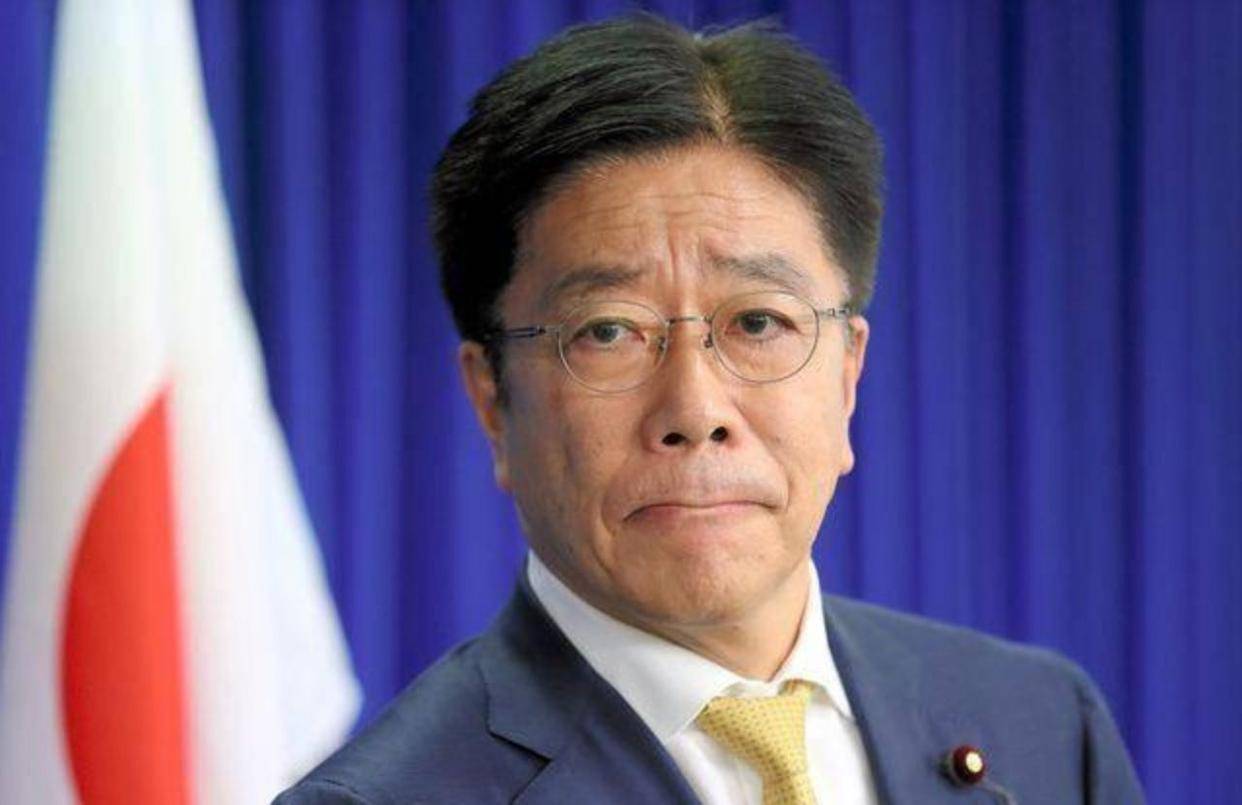
日本表态:无法对进口俄石油的国家加征关税!
Sou Hu Cai Jing· 2025-10-04 06:41
Core Viewpoint - Japan's Finance Minister, Kato Katsunobu, stated that Japan cannot impose tariffs on countries importing Russian oil from the perspective of international law [1][3]. Group 1: International Trade Commitments - Japan's stance is based on its commitments under the World Trade Organization (WTO) framework, which requires fair treatment of all member countries and adherence to agreed-upon tariff limits [3]. - Japan has decided not to follow the U.S. in imposing tariffs on imported Russian oil, indicating a careful balance between international rules and national interests [3]. Group 2: Global Trade Implications - Japan recognizes that adhering to international trade rules is crucial for its long-term development within the global trade system [3]. - Some commentators noted that Japan's position aligns with China's previous statements on the legality of normal economic cooperation between China and Russia, reflecting a broader international consensus against economic coercion [3].
日本做出明智决定,拒绝特朗普要求给中国加税,找的理由也很给力
Sou Hu Cai Jing· 2025-09-22 07:37
Group 1 - The G7 summit concluded with President Trump urging traditional allies like Japan and Germany to impose high tariffs on goods from China and India, ranging from 50% to 100% [1][3] - Japan's Finance Minister, Taro Kato, stated that Japan would not impose additional tariffs on China and India, citing World Trade Organization (WTO) rules as a defense [5][7] - Japan emphasized the principles of most-favored-nation treatment and non-discrimination under WTO rules, arguing that raising tariffs based solely on energy trade with Russia is prohibited [9] Group 2 - Japan's refusal to comply with Trump's demands reflects its deep economic ties with China, as evidenced by a nearly balanced trade volume of $206.4 billion in the first eight months of 2025 [10] - Historical lessons from the Plaza Accord in 1985, which led to Japan's economic stagnation, have influenced Japan's current independent stance on economic policies [12] - Japan's energy security strategy includes diversifying energy sources, with Russian energy imports being a key component, while also preparing to increase purchases from other regions [14] Group 3 - The political environment in Japan, particularly the impending resignation of Prime Minister Shigeru Ishiba, has provided a favorable context for rejecting U.S. demands [14] - China's strong opposition to unilateral sanctions and potential retaliatory measures has also played a crucial role in Japan's decision [15] - The U.S. has not immediately retaliated against Japan's refusal, indicating the complexity of U.S.-Japan relations and the ongoing security cooperation between the two nations [17] Group 4 - Japan's decision to reject Trump's tariff demands may signal a shift in global trade dynamics, where even close allies begin to prioritize national interests and international rules over blind allegiance [19]
航运行业支持碳减排 国际贸易和可持续高度相关
Xin Lang Cai Jing· 2025-09-22 02:15
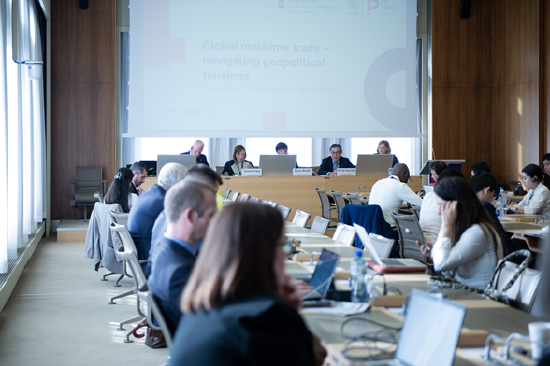
Core Viewpoint - The international shipping industry is crucial for global trade, with 90% of goods traded by sea, representing 60% of the total trade value, approximately $40 trillion [1] Group 1: Importance of Shipping Industry - The shipping industry consists of around 10,000 companies and 60,000 to 70,000 vessels, with 60% of shipping capacity serving developing economies [1] - Simon Bennett emphasized the need for public awareness of the shipping industry's significance, likening its importance to that of the International Air Transport Association (IATA) [1] Group 2: International Trade Rules - Simon Bennett stated that shipping is a high-cost industry, with a large container ship potentially incurring fuel costs of up to $25 million annually, excluding crew and insurance costs [2] - Stable trade systems and predictable trade policies are essential for the industry's development, especially given the volatility in freight rates due to global economic conditions [2] - Tan Hung Seng highlighted Singapore's role as a major trade hub, with a projected cargo throughput of 622 million tons in 2024, 90% of which will be for transshipment [2] Group 3: Carbon Emission Regulations - The unification of carbon taxes and regulatory frameworks is a significant concern for the shipping industry [3] - Tan Hung Seng discussed the EU's Carbon Border Adjustment Mechanism (CBAM) and the need for an international framework to support carbon reduction without imposing excessive burdens on businesses [4] Group 4: Supply Chain Diversification and Technology - Marie-Caroline Laurent noted that many clients are diversifying their supply chains, which reflects a restructuring rather than a decrease in globalization [5] - The shipping industry is leveraging digitalization and technological advancements to improve efficiency, potentially reducing fuel consumption by 10% to 20% [5] - Automation and technological innovations are also being utilized to alleviate port congestion, a persistent issue in the industry [5]
直击世贸组织公共论坛|航运行业支持碳减排 国际贸易和可持续高度相关
Xin Lang Cai Jing· 2025-09-18 23:36
Core Viewpoint - The international shipping industry is crucial for global trade, with 90% of goods transported by sea, highlighting the need for stable international trade rules and regulations [3][5]. Group 1: Importance of Shipping Industry - In 2024, 12.6 billion tons of global goods will be transported via container shipping, accounting for 90% of global trade volume and 60% of trade value, approximately $40 trillion [3]. - The shipping industry consists of around 10,000 shipping companies and 60,000 to 70,000 vessels, with 60% of shipping capacity serving developing economies [3][5]. Group 2: Need for International Trade Rules - The shipping industry faces high operational costs, with a large container ship potentially incurring fuel costs of up to $25 million annually, excluding crew and insurance costs [5]. - A stable trade system and predictable trade policies are essential for the industry's development, especially given the volatility in freight rates due to global economic conditions [5]. Group 3: Role of Singapore in Global Trade - Singapore is a major trade hub, with its port projected to handle 622 million tons of cargo in 2024, 90% of which will be for transshipment [5]. - The economy of Singapore heavily relies on imports, with import trade accounting for 300% of its GDP, making the global trade system vital for its economic health [5]. Group 4: Carbon Tax and Regulatory Framework - The shipping industry is concerned about the unification of carbon tax and regulatory frameworks, with the EU's Carbon Border Adjustment Mechanism (CBAM) being a significant topic [6][7]. - A unified international framework for carbon reduction is necessary to avoid multiple carbon tax charges and ensure compatibility with WTO rules, preventing increased burdens on businesses [7]. Group 5: Supply Chain Diversification and Digitalization - Companies are diversifying their supply chains in response to new international trade dynamics, indicating a restructuring rather than a decrease in globalization [8]. - Digitalization and technological advancements are enhancing efficiency in the shipping industry, potentially reducing fuel consumption by 10% to 20% and alleviating port congestion through automation [10].
美国逼G7对中国下战书,英国当了美国“叛徒”,速奔北京提新要求
Sou Hu Cai Jing· 2025-09-15 08:22
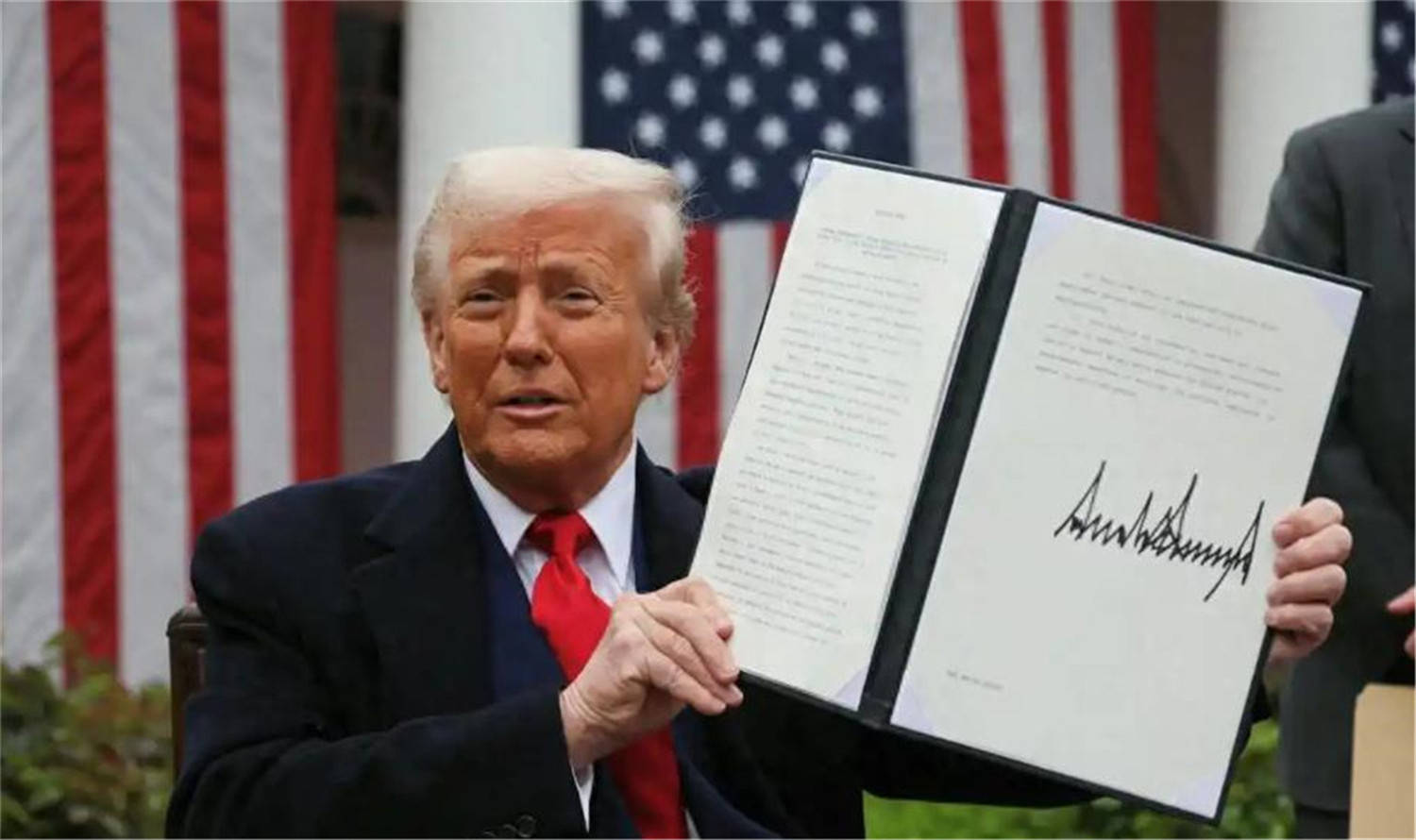
Group 1 - The United States is pressuring G7 countries to impose high tariffs on China and India, citing their purchase of Russian oil as support for Russia's wartime economy [1][3][5] - European countries, including Germany and France, are hesitant to follow the U.S. lead due to potential negative impacts on their economies, particularly in sectors like automotive and luxury goods [8][10] - The UK has taken a different approach by sending a large delegation to China, signaling a desire to strengthen economic ties and suggesting a potential thaw in UK-China relations [5][6][10] Group 2 - The G7 countries are not unified in their response to U.S. demands, with each member considering their own economic interests before agreeing to impose tariffs on China [8][10] - Canada is also cautious about aligning with the U.S. on tariffs, recognizing that it could harm its own economic position in international trade [8][10] - Japan, while politically aligned with the U.S., is wary of the economic repercussions of high tariffs on its trade relationship with China [8][10]
驻奥克兰总领馆经商处出席第138届广交会推介会
Shang Wu Bu Wang Zhan· 2025-09-10 15:24
Group 1 - The 138th Canton Fair promotion event was attended by the Consul Wang Chengguang from the Chinese Consulate in Auckland, along with representatives from various trade associations and local business sectors [1][3] - Former New Zealand Prime Minister Michael Moore described China's entry into the WTO as a "great historical event," highlighting China's integration into the global trade system and its role as a major trading partner for over 150 countries, including New Zealand [3] - The current international trade rules are facing unprecedented challenges, yet China's foreign trade demonstrates strong resilience, with the Canton Fair serving as a significant platform for open cooperation [3] Group 2 - Attendees expressed their commitment to leveraging the Canton Fair as a high-quality platform to achieve mutual benefits and win-win outcomes [5]

加拿大最想要的东西,中国反手给了别国!260亿的大单,澳大利亚成功捡漏!
Sou Hu Cai Jing· 2025-08-20 08:50
Core Insights - The Canadian government's unfriendly policies towards China have severely impacted Canadian farmers, particularly in the canola sector, which previously had an export value of CAD 5 billion (approximately RMB 260.5 billion) to China [1] - China's decision to impose a 75.8% deposit on Canadian canola is a direct response to ongoing pressure from Canada, highlighting the consequences of political maneuvering in trade [3][5] - The loss of the Chinese market has significant implications for Canadian farmers and related industries, leading to potential income drops and job losses in the canola sector [6][8] Industry Impact - The canola industry in Western Canada is crucial for thousands of livelihoods, and the loss of the Chinese market will likely result in a price drop for canola, affecting farmers' incomes and leading to layoffs in oil processing plants [6][8] - China's swift pivot to Australia for canola procurement demonstrates its adaptability in the global market and signals the importance of maintaining trust and cooperation in international trade [3][6] Strategic Lessons - The situation serves as a warning to other nations about the risks of treating economic interests as political leverage, emphasizing the need for rational decision-making and adherence to market principles [8][10] - Canada must recognize the severity of its current predicament and consider strategic adjustments to re-establish communication and cooperation with China to regain market share [8][10]

特朗普又签4500亿美元大单,累计2.35万亿美元,部分关税再延期!
Sou Hu Cai Jing· 2025-07-31 08:23
Group 1 - The core point of the article highlights the significant trade agreements made by the Trump administration, particularly the $450 billion deal with South Korea, which includes $350 billion in investments in core U.S. projects and $100 billion in energy procurement [1][3] - The total value of trade agreements reached by the Trump administration with Japan, the EU, and South Korea in one month amounts to $2.35 trillion, indicating a dramatic restructuring of the global trade landscape [1][3] - The South Korean government has strategically preserved its agricultural markets by not opening rice and beef markets to the U.S., showcasing a balance between economic negotiations and domestic interests [3] Group 2 - The South Korean won experienced a brief increase of 0.4% following the agreement, but quickly fell back, suggesting market skepticism about the underlying implications of the deal [4] - The article critiques the nature of the agreements, noting that a significant portion of the promised investments from Japan and the EU are not direct investments but rather loans or guarantees, raising questions about the actual economic benefits [6][7] - The U.S. is leveraging exaggerated figures to create a facade of victory in trade negotiations, while allies are participating in this arrangement to secure tariff reductions [7] Group 3 - Specific allocations from the agreements include $150 billion for U.S.-Korea shipbuilding cooperation, $200 billion for sectors like semiconductors and nuclear energy, and a commitment to purchase $100 billion of U.S. liquefied natural gas over three and a half years [8] - The article discusses the implications of the U.S. imposing a 40% tariff on Brazil, highlighting the uneven impact of U.S. trade policies on different countries and the limited options for Brazil to retaliate [10] - The U.S. has shown a different approach towards China, extending a 90-day pause on tariff measures, indicating a more complex and nuanced trade relationship compared to other nations [12][16] Group 4 - The article notes that while tariff revenues appear substantial, they are insufficient to cover the rising national debt, with the U.S. Treasury expecting to borrow $1.01 trillion, nearly double previous estimates [14] - The Federal Reserve's cautious stance on interest rates reflects the economic challenges posed by the trade policies, as the U.S. grapples with balancing inflation control and economic growth [14] - The overarching theme suggests that the aggressive trade tactics employed by the Trump administration may lead to long-term economic consequences, as allies and adversaries alike reassess their positions in the global trade system [16]
美国突然对华石墨开征93.5%关税:一场涉及资源争夺的贸易摩擦始末
Sou Hu Cai Jing· 2025-07-19 09:19
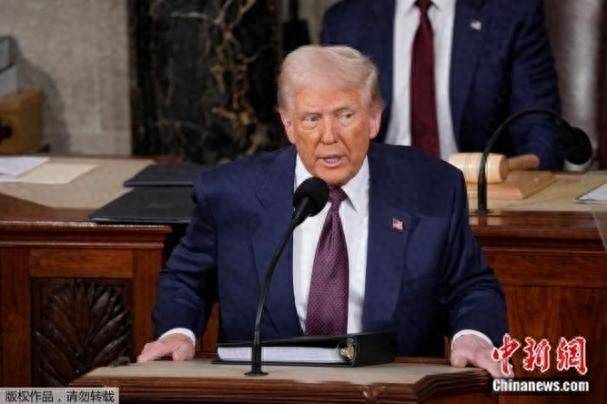
Group 1 - The U.S. Department of Commerce announced a 93.5% anti-dumping tax on Chinese exports of anode-grade graphite, citing unfair subsidies as the reason for the tax [1][3] - China is the largest producer of graphite globally, with northeastern and Shandong regions accounting for over 60% of the international market, primarily used in lithium batteries and electric arc furnace steel production [3] - The sudden increase in tax rates poses challenges for U.S. companies that rely on Chinese suppliers for battery materials, potentially leading to higher costs for end consumers [3][4] Group 2 - U.S. domestic graphite reserves rank among the top three globally, but extraction costs are twice as high as those in China, which may lead to cost savings for U.S. companies while increasing prices for consumers [3] - Chinese exporters are urgently seeking alternative suppliers from Russia and Mongolia, although these options come with risks related to transportation and quality [3] - Legal experts suggest that China could apply for a review under WTO rules, but the process could take at least a year and a half, during which companies may need to raise prices or explore third-country markets [3] Group 3 - Several graphite manufacturers in Shandong are discussing strategies, including relocating production to Malaysia or applying for separate tax rates, although these options involve high costs and stricter environmental regulations in Southeast Asia [3] - Some companies are considering developing higher value-added graphene products to avoid low-end competition [3] - The situation may indirectly affect consumers, as the cost of raw materials for electric vehicle batteries could rise, potentially impacting new car prices [4]