工业大模型

Search documents
八部门启动“AI+制造”:大模型下沉产线,锂电智造将吃红利
高工锂电· 2026-01-08 10:47
Core Viewpoint - The article discusses the implementation of the "AI + Manufacturing" initiative by eight government departments in China, outlining a roadmap for the deep integration of AI in manufacturing by 2027, including the development of general large models and industrial intelligent bodies [2][3]. Group 1: Implementation Goals - By 2027, the initiative aims to promote the deep application of 3-5 general large models in the manufacturing sector, launch 1,000 high-level industrial intelligent bodies, create 100 high-quality data sets in industrial fields, and promote 500 typical application scenarios [2]. - The document emphasizes the establishment of 2-3 leading ecological enterprises and the selection of 1,000 benchmark enterprises [2]. Group 2: Technical Focus - The initiative shifts focus from "smart factories" to a framework of "computing power, models, data, and scenarios," highlighting the need for enhanced computing power supply and the development of key technologies such as training chips and AI servers [3]. - It proposes the cultivation of industry-specific large models and the development of a "cloud-edge-end" model system to facilitate lightweight deployment in industrial scenarios [3]. Group 3: Application in Lithium Battery Manufacturing - The document indicates that AI will transition from isolated algorithms to replicable capabilities at the production line level in the lithium battery industry, focusing on quality, safety, and consistency [5]. - Key applications identified include production scheduling, process optimization, predictive maintenance, machine vision quality inspection, and real-time monitoring [5]. Group 4: Safety and Compliance - The initiative addresses safety by proposing the development of technologies for deep synthesis authentication, algorithm security protection, and training data protection, aiming to build industrial safety large models [6][7]. - It emphasizes the importance of auditing, traceability, data security, and evaluation standards as prerequisites for deploying models in sensitive industries like lithium batteries [7]. Group 5: Support and Incentives - The document encourages local governments to provide support such as "computing power vouchers" and "model vouchers" to guide differentiated development and prevent excessive competition [8]. - It also mentions the need for a project list that includes data sets, open scenarios, benchmark factories, and readiness assessments to facilitate the implementation of the initiative [9].

苏州启动“AI+制造”八大行动
Su Zhou Ri Bao· 2026-01-05 00:23
Core Insights - Suzhou is implementing the "AI + Manufacturing" initiative to promote the deep integration of artificial intelligence with the manufacturing industry, focusing on eight key actions to drive high-quality development [1][2] Group 1: AI + Manufacturing Actions - The initiative includes actions such as cultivating industrial large models, enhancing data support, promoting application scenarios, and brand development to create an innovative ecosystem [1] - The industrial large model cultivation action aims to support model development companies in collaboration with manufacturing enterprises to develop 150 industrial large models, transitioning them from "usable" to "user-friendly" [1] - The industrial data set construction action focuses on building over 200 high-quality industrial data sets across various levels, including equipment, production lines, factories, and industries [1] Group 2: Application and Empowerment - The typical application scenario promotion action plans to add over 100 replicable and promotable application scenarios through monthly collection and quarterly selection [2] - The intelligent terminal brand shaping action targets nine sub-sectors, aiming to cultivate over 300 intelligent terminal products for applications in industrial manufacturing, government services, and healthcare [2] - The platform empowerment action includes building a national AI application pilot base and selecting 10 AI application empowerment centers in key manufacturing industries [2] Group 3: Infrastructure and Standards - The computing power supply quality improvement action aims to establish an efficient intelligent computing power network, targeting a total computing power scale of 40,000 PFLOPS [2] - The standard system leading action supports the development of evaluation standards and testing systems for industrial large models, with over 20 standards in the "AI + Manufacturing" field [2] - The industrial ecosystem optimization action focuses on leveraging AI industry support policies and guiding funds to attract quality projects and national funding [2]
“点”上突破 “线”上贯通 “面”上蔓延 AI驱动中国智造跃升
Zheng Quan Ri Bao· 2025-12-29 17:03
Core Insights - China's manufacturing industry is rapidly transitioning into a new era driven by artificial intelligence (AI), with significant advancements in smart manufacturing and industrial transformation [1][7] - The integration of AI into manufacturing processes is reshaping the industry, moving from scale advantages to intelligent advantages, and enhancing productivity and efficiency across various sectors [1][7] Group 1: Smart Manufacturing Developments - Over 35,000 basic-level and 7,000 advanced-level smart factories have been established in China since the start of the 14th Five-Year Plan, promoting innovation in processes, equipment, and software [1] - In smart factories like those of Changan Automobile and Haier, AI-driven systems enable real-time data analysis and personalized production, transforming manufacturing from mass production to customized solutions [2][3] Group 2: Technological Innovations - The introduction of humanoid robots in factories marks a significant evolution in smart manufacturing, with robots performing complex tasks such as precise assembly and quality control [4][5] - Companies like ProRobot are developing flexible robotic solutions that adapt to small-batch, multi-variety production needs, enhancing efficiency and precision [5] Group 3: Sustainability and Digital Transformation - The integration of digital twin technology in factories, such as Lenovo's zero-carbon factory, allows for detailed management of carbon emissions and resource usage, showcasing the synergy between smart and green manufacturing [5] - The push for digital transformation is supported by regional platforms that provide verified solutions and services to facilitate the transition for manufacturers [3] Group 4: Global Integration and Market Positioning - Chinese manufacturing is increasingly integrating into global supply chains, with companies establishing R&D centers abroad and adapting to local standards, thereby enhancing their competitive edge [6] - The narrative of Chinese manufacturing is shifting towards sustainability, with innovations in solar energy, energy storage, and electric vehicles resonating with global decarbonization efforts [6] Group 5: Policy Support and Future Outlook - The Chinese government is actively promoting the digital transformation of the manufacturing sector, emphasizing the importance of AI in enhancing the entire production process from design to supply chain management [7][8] - The ongoing evolution of smart manufacturing is expected to continue, with a focus on deeper integration of AI technologies and the development of skilled professionals who can bridge manufacturing and AI expertise [7][8]
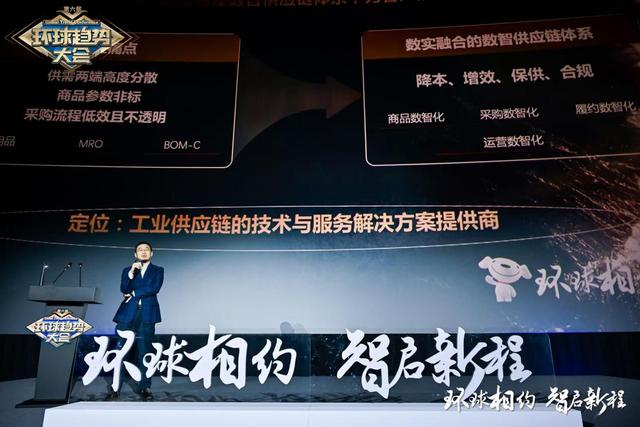
京东工业黄恺:以数智供应链为翼,护航中企出海高质量发展
Xin Lang Cai Jing· 2025-12-26 04:43
Core Insights - The article discusses the increasing importance of globalization for Chinese enterprises, particularly in the industrial sector, with overseas revenue for some leading companies reaching 30%-40% and showing steady growth [1][3] - JD Industrial aims to build a reliable global service system for outbound industrial enterprises, emphasizing the stability and reliability of supply chains over mere expansion speed [1][3] Group 1: Challenges in Global Expansion - Chinese enterprises face significant challenges when expanding overseas, including complex product standardization, tax system differences, and precise supply-demand matching [3] - Cross-border supply chains encounter notable pain points, such as high logistics costs, compliance standard discrepancies, and weak local supply chain infrastructure in emerging markets [3][5] - Common issues for outbound enterprises include difficulties in finding products, high prices, and delays in fulfillment, particularly concerning non-production materials [3][5] Group 2: JD Industrial's Global Strategy - JD Industrial has made progress in its globalization strategy, establishing partnerships in key overseas markets like Brazil and Indonesia, focusing on resource integration and local fulfillment networks [5] - The company has set up service bases in Vietnam, Thailand, and Hungary, providing services to over 100 enterprises across various sectors, including automotive manufacturing and electronics [5] - JD Industrial has identified three core phases of enterprise globalization and developed four supply chain solutions tailored to each phase, addressing specific needs such as project progression, cost control, and operational efficiency [5][6] Group 3: Technological Advancements - The application of smart technology is a core advantage for JD Industrial in serving outbound enterprises, with significant data accumulation through AI in the past year [6] - The use of the industrial large model JoyIndustrial has drastically reduced material matching time from one week to minutes, enhancing operational efficiency [6] - Supply chain resilience is identified as a key support for global expansion, characterized by visibility, selectivity, and controllability, which are essential for effective overseas operations [6][7]
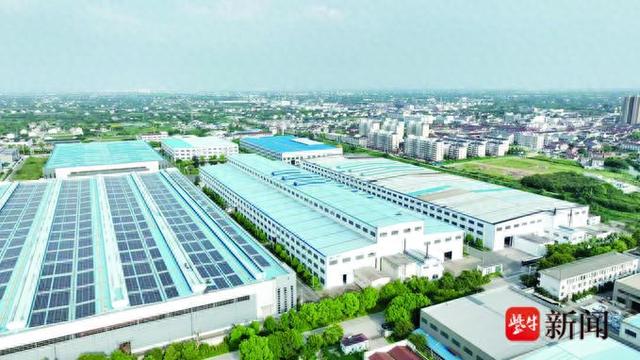
智者勇进•接续奋进新江苏|丹阳皇塘镇:解码“千年古镇”的辉“皇”篇章
Xin Lang Cai Jing· 2025-12-21 15:33
Core Viewpoint - Huangtang Town is leveraging its geographical advantages and focusing on industrial transformation, tourism development, and community spirit to achieve high-quality economic growth [1][3][8] Industrial Transformation - Huangtang Town is focusing on precision machinery and electronics, implementing smart transformation for 40 enterprises, resulting in three companies becoming provincial-level smart factories [3] - The town has nurtured 21 national high-tech enterprises and 35 technology-based SMEs, supported by a robust service environment that facilitates project execution and rapid responses to business needs [3][5] Investment and Infrastructure - The town has signed seven new industrial projects with a total investment of 2.208 billion yuan, emphasizing a "project-first" approach to enhance the park's capacity [4] - Investments include 18 million yuan for park infrastructure improvements and plans for a 30 million yuan substation to address land and labor challenges for enterprises [4][5] Tourism Development - Huangtang Town has developed diverse tourism offerings, attracting over 2,000 visitors daily during peak seasons, with activities ranging from agricultural experiences to cultural heritage [7] - The town is integrating ecological, industrial, and cultural tourism, enhancing its appeal through events and creative products [7] Community Spirit - The "Eight Sisters" militia team has been a local spiritual landmark, contributing significantly to community welfare and establishing a service alliance that benefits over 20,000 people annually [8] - The town is committed to promoting community values and governance through volunteerism and public service initiatives [8]
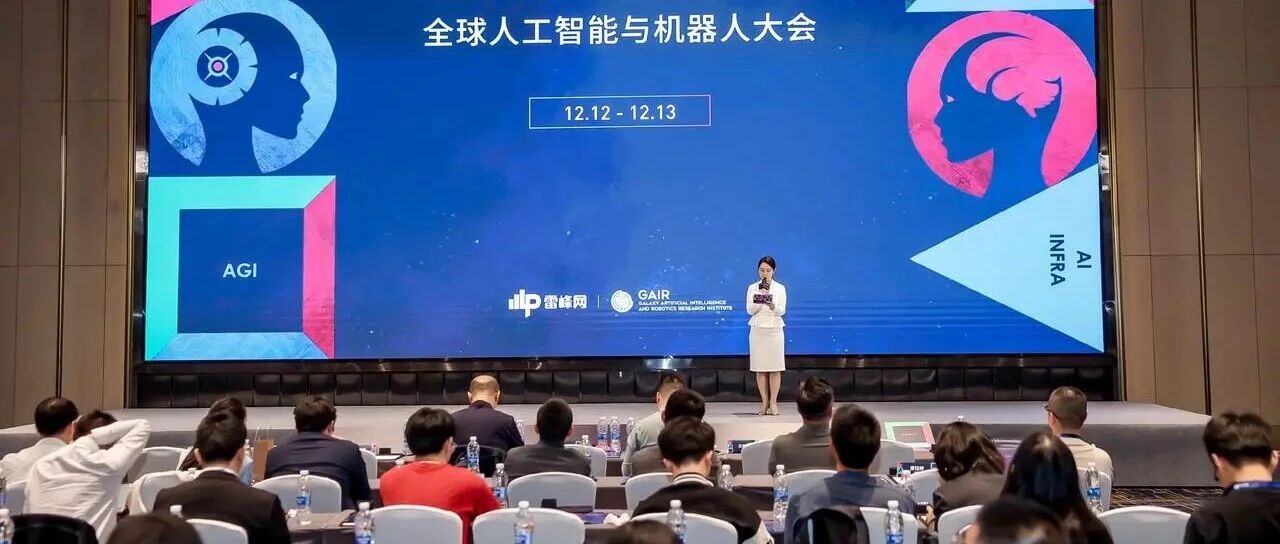
谁将定义中国智算未来?从系统可用的算力基建,到产业认可的价值闭环丨GAIR 2025
雷峰网· 2025-12-15 07:44
Core Viewpoint - The future of intelligent computing will be defined by those who can establish standards, models, and foundational systems, leading to true dominance in the next generation of intelligent competition [2][3]. Group 1: Conference Overview - The GAIR 2025 conference, focusing on "AI Computing in the New Decade," was held in Shenzhen, aiming to connect technological advancements with industrial practices [2]. - The afternoon forum centered on the theme "Who Will Define the Future of Intelligent Computing," shifting focus from breakthrough innovations to systematic construction and value closure [2][3]. Group 2: Key Presentations - Wang Zhi from Tsinghua University discussed the challenges of industrial large models, emphasizing the need for a new paradigm of "training and inference collaboration" to drive intelligent manufacturing [4][6]. - Liu Xiangyang, an IEEE Fellow, highlighted that a company's AI capabilities are fundamentally determined by its digital foundation, stressing the importance of a robust digital infrastructure [9][11]. - Zhao Hongbing from Beijing Parallel Technology emphasized the need for computing services to transform from mere resources to productive forces, advocating for a user-centric approach in computing service operations [14][16]. - Shi Tianhui from Qingcheng Jizhi pointed out the importance of software in unlocking the value of computing power, advocating for the growth of the MaaS (Model as a Service) market [19][20]. - Lü Haifeng from Dingxi Zhichuang proposed a "wet and dry combined" approach to tackle data bottlenecks in AI and new materials, emphasizing the integration of AI in material design and development [22][24]. Group 3: Industry Insights - The current computing market faces challenges such as low utilization rates of computing resources, with many intelligent computing centers averaging below 40% [28]. - The transition from "building first, using later" to a more efficient model prioritizing cost-effectiveness and user scenarios is underway in the computing industry [28][29]. - The MaaS model is seen as a key to achieving a value closure in computing, allowing users to access computing power at lower costs while suppliers optimize their technology to reduce expenses [29][30]. - The future of AI in China is expected to shift from training to inference by 2025, with a growing emphasis on the MaaS market and the integration of domestic chips and cooling technologies by 2026 [30].

京东工业国际业务模式划分三阶段,推动中企出海
Di Yi Cai Jing· 2025-12-04 12:02
Group 1: Core Business Strategy - JD Industrial plans to strengthen its product offerings and leverage data from leading manufacturers for training [1] - The international business is a significant growth avenue for JD Industrial, with Southeast Asia identified as the first target market for overseas expansion starting in 2024 [1] - JD Industrial has established a presence in markets such as Brazil, Thailand, Indonesia, Malaysia, Vietnam, and Saudi Arabia, and is also beginning to expand into Europe [1] Group 2: Challenges in International Expansion - The primary challenges for JD Industrial's internationalization include local tax and legal compliance, as well as building partnerships with local ecosystem players [2] - Recruiting suitable local talent is essential for understanding the nuances of the local market [2] - JD Industrial's international business is one of the least dependent on JD's existing resources, requiring tailored business models for each market based on local supply chains and regulations [2] Group 3: Development of Large Models - JD Industrial has made progress in developing large models, with the launch of JoyIndustrial, the first industrial model focused on supply chains, utilizing over 81.1 million SKU data points [2] - The core of the large model is centered around data and scenarios, aiming to identify valuable use cases and accumulate comprehensive data across the supply chain [2] - There is a strong demand from clients for large models, particularly in the product sector, indicating a focus on enhancing supply chain efficiency [3] Group 4: Operational Efficiency - JD Industrial's collaboration with clients, such as XCMG Group, has significantly reduced procurement cycles for non-production materials to within 3-5 days, demonstrating improved cost efficiency [3] - Previously, the procurement process for urgently needed tools could take up to 20 days, highlighting the efficiency gains achieved through digitalization [3]
制造业迈入智能化!29%、38% 技术变革转化为企业实打实效益与优势
Yang Shi Wang· 2025-11-28 06:37
Core Insights - The first batch of leading intelligent factories in China has been officially announced, marking a significant leap from digitization and networking to intelligence in manufacturing [1][3] - The 15 leading intelligent factories span various industries, including equipment manufacturing, raw materials, electronic information, and consumer goods, indicating a comprehensive transformation in production methods and supply chains [3][5] - The penetration rate of artificial intelligence technology in these leading factories exceeds 70%, significantly higher than the 45% rate in previously cultivated excellent-level intelligent factories [4][10] Industry Transformation - The leading intelligent factories are expected to drive a comprehensive transformation in innovation paradigms, production methods, and supply chain structures, accelerating the establishment of new manufacturing systems based on data and models [3][15] - The average research and development cycle for products in excellent-level and leading factories has been reduced by 29% and 38% respectively, showcasing the substantial value of intelligent manufacturing [5][10] Technological Advancements - The implementation of AI and data-driven technologies has led to significant improvements in production efficiency, with product development cycles reduced from 420 days to 240 days and product introduction cycles cut from 40 days to 15 days [10][12] - The integration of AI with lean management systems in engine manufacturing has achieved near-zero defects in high-end engine production, demonstrating the effectiveness of smart technologies [12][14] Future Development - The Ministry of Industry and Information Technology plans to continue promoting the digital transformation of the manufacturing sector and develop intelligent manufacturing further [16][18] - There will be a focus on creating a high-end brand of "leading factories" that represent China's capabilities and possess global competitiveness, along with encouraging these factories to share advanced experiences and solutions [17][18]
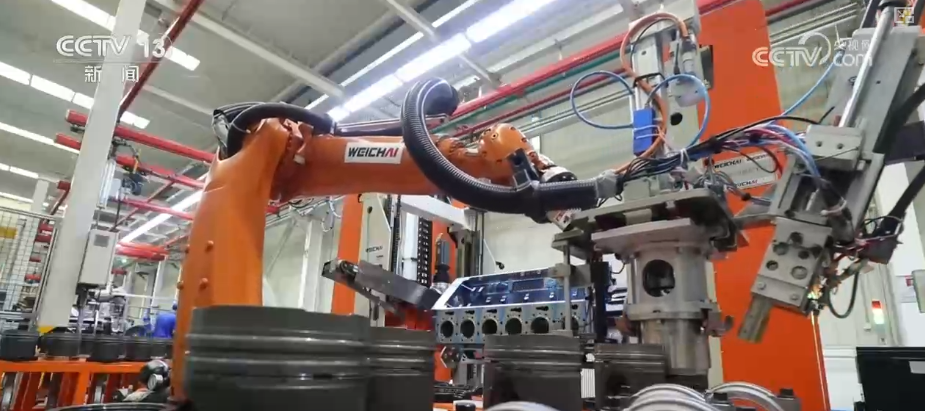
领航级智能工厂究竟拥有怎样的实力?记者探访→
Yang Shi Xin Wen Ke Hu Duan· 2025-11-28 01:15
Core Insights - The first batch of 15 leading smart factories has been officially announced, marking a significant leap in China's smart manufacturing from digitization and networking to intelligence [1] - The penetration rate of artificial intelligence technology in these smart factories has increased significantly, with the new leading factories achieving over 70% penetration [1] - The average R&D cycle for products in leading smart factories has been reduced by 38%, showcasing the substantial value of smart manufacturing [1] Group 1: Leading Smart Factories - The 15 leading smart factories represent key industries such as equipment manufacturing, raw materials, electronic information, and consumer goods [1] - A notable example is an automotive production facility in Guangxi, which has adopted an "island-style" production method, allowing for flexible assembly and improved efficiency [2] - The automotive factory has reduced its product development cycle from 420 days to 240 days and the product introduction cycle from 40 days to 15 days, achieving a 30% increase in manufacturing efficiency [2] Group 2: Technological Advancements - Automation in the automotive production has increased from 30% to 50%, and the flexibility in production has expanded from 5 to 13 vehicle models [3] - In Shandong, an engine manufacturing company has integrated AI and lean management, achieving near-zero defects in high-end engine production and improving production efficiency by over 10% [3] - The use of digital virtual platforms has allowed for rapid simulation and optimization of over 80% of tests, shortening the R&D cycle by approximately 20% [3] Group 3: Future Development - China aims to continue promoting the digital transformation of the manufacturing sector and develop smart manufacturing further [4] - A robust tiered system of smart factories has been established, including basic, advanced, excellent, and leading levels, with plans for ongoing development towards more flexible, intelligent, and green factories [4] - Future initiatives will encourage leading factories to share advanced experiences and solutions, enhancing collaboration across the supply chain and focusing on breakthroughs in key technologies [5]
报告征集 | 中国工业软件行业发展研究报告
艾瑞咨询· 2025-11-22 00:02
Core Viewpoint - The article emphasizes the importance of digital transformation in China's manufacturing industry, particularly focusing on the development and significance of industrial software as a strategic component for achieving smart manufacturing [2][6]. Group 1: Research Background - Since the introduction of "Made in China 2025" in 2015, there has been a strong push for the digital upgrade of the manufacturing sector, supported by various policies at both international and local levels [2]. - The Chinese industrial software market has shown rapid growth, with revenues reaching 241.4 billion yuan in 2021, marking a year-on-year increase of 22.3% [2]. - Despite the growth, there are significant gaps between domestic and foreign industrial software products, including issues like "technology bottlenecks" and "data hollowing" [2]. Group 2: Purpose of the Report - The report aims to provide a clearer understanding of the characteristics of the Chinese industrial software market and the specific conditions of key segments, as well as to identify quality service providers [3]. - The report is set to be published by the end of December 2025, focusing on the current state and future trends of industrial software in China [3]. Group 3: Report Focus Areas - The report will cover two main aspects: the current market situation of industrial software providers, including product and service offerings, market size, and competitive landscape; and the impact of emerging technologies like industrial large models and cloud-native solutions on the industry [5][6]. - It will also analyze the development background of industrial software, including key concepts, driving forces, and the necessity of its development in China [6]. Group 4: Market Insights - The report will provide insights into the industrial software market, including an overview of the industry chain, major player types, product and service offerings, and the current state of development [10][11]. - It will highlight the growth logic of industrial software companies and their business models, as well as the competitive dynamics within the market [11]. Group 5: Industry Development Insights - The report will conclude with an analysis of industry opportunities and future trends, providing a comprehensive overview of the industrial software landscape [12].