
工业旅游

Search documents
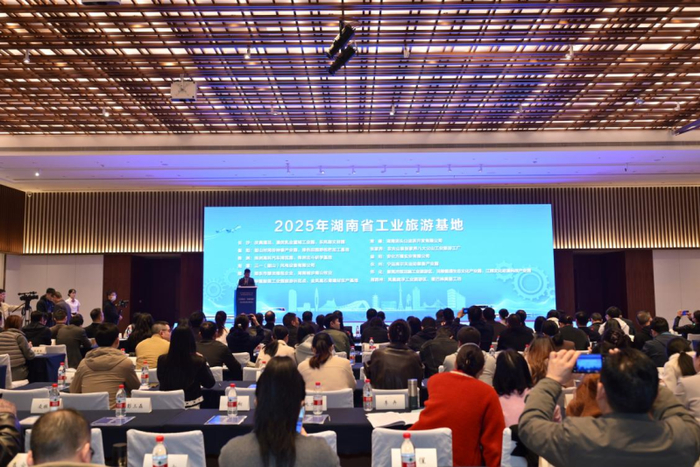
澳优望城工业园获评省级工业旅游基地
Chang Sha Wan Bao· 2025-12-17 09:34
Core Insights - Aoyou's Wancheng Industrial Park has been recognized as a "2025 Hunan Industrial Tourism Base," highlighting its innovative model of "industry + science popularization + cultural tourism" [1][3] - Aoyou, established in 2003 and listed in Hong Kong in 2009, has developed a global operation system with 11 modern factories in key dairy-producing regions and exports to over 60 countries [3] - The Wancheng Industrial Park, covering 300 acres, serves as a smart production base adhering to Industry 4.0 standards, showcasing Aoyou's brand strength and industrial appeal [3] Industrial Tourism Development - Aoyou is actively promoting the integration of cultural tourism and advanced manufacturing through industrial tourism, responding to Hunan Province's call for high-quality development [5] - The "Aoyou Smart Nutrition Hall" offers an immersive experience covering the entire production process, from research and development to quality control and traceability, enhancing consumer engagement [5][7] - The intelligent production line can produce 120 cans of milk powder per minute with an annual capacity of nearly 30,000 tons, emphasizing Aoyou's commitment to product quality and traceability [5] Educational and Interactive Experiences - Aoyou's industrial tourism features "science popularization + interaction," offering tailored experiences for various audiences, including government agencies and youth study groups [7] - Programs like "Scientific Nutrition Exploration Camp" and "Full Chain Traceability Tour" aim to transform industrial tourism into an immersive learning journey, allowing visitors to discover the secrets of the dairy industry [7] - Aoyou focuses on consumer-centric experiences, creating a feedback loop that enhances product and brand development through direct consumer interaction [7]

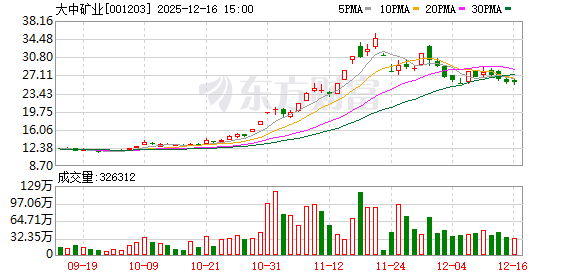
大中矿业:已成功打造大中矿业工业旅游景区与安徽金日晟铁矿文博园两处国家3A级工业旅游景
Zheng Quan Ri Bao Zhi Sheng· 2025-12-17 09:09
Core Viewpoint - The company is actively responding to the national green development initiative by investing in green mining construction and aims to integrate industry with tourism [1] Group 1: Green Development Initiatives - The company has successfully established two national 3A-level industrial tourism scenic spots: Dazhong Mining Industrial Tourism Scenic Area and Anhui Jinrisheng Iron Mine Cultural Park [1] - The scenic spots are designed to combine production, environmental protection, and sightseeing into a cohesive mining model [1] Group 2: Future Plans - The company plans to continue enhancing green operations and sustainable development [1] - There is a focus on improving the quality and overall experience of the scenic spots [1] - The company aims to promote the synergy between industrial tourism and ecological civilization [1]
大中矿业:公司已成功打造大中矿业工业旅游景区与安徽金日晟铁矿文博园两处国家3A级工业旅游景区
Mei Ri Jing Ji Xin Wen· 2025-12-17 01:12
Core Viewpoint - The company is actively responding to national green development initiatives by investing in green mine construction and aims to integrate industry with tourism [2] Group 1: Company Initiatives - The company has successfully developed two national 3A-level industrial tourism scenic spots: Dazhong Mining Industrial Tourism Scenic Area and Anhui Jinrisheng Iron Mine Cultural Park [2] - The company is focused on creating a scenic mine model that combines production, environmental protection, and sightseeing [2] Group 2: Future Plans - The company plans to continue enhancing green operations and sustainable development while improving the quality and overall experience of its scenic spots [2] - The company aims to promote the synergy between industrial tourism and ecological civilization [2]
宿迁洋河新区:“十四五”工业经济质效双增 “十五五”锚定引领再启程
Xin Hua Ri Bao· 2025-12-16 21:51
Core Insights - The article highlights the significant industrial growth and transformation in the Suqian Yanghe New District, focusing on the integration of industrialization and information technology to enhance economic development [1][2]. Group 1: Industrial Growth - The total industrial output value of the district has increased by 56.7% over the past five years, with an average annual growth rate of 9.4% [1]. - The number of industrial enterprises above designated size has grown from 16 to 31, representing a cumulative increase of 93.75%, with seven enterprises exceeding 100 million yuan in output [1]. - The brewing industry, along with its supporting packaging sector, has become a core growth engine, with output value rising from 520 million yuan to 1.05 billion yuan, marking a cumulative growth of 101.9% and an average annual growth of 15% [1]. Group 2: Technological Innovation - The district has successfully established six national high-tech enterprises and four provincial "specialized, refined, and innovative" enterprises, along with one provincial five-star and one four-star cloud enterprise [2]. - Yanghe Co., Ltd. has been recognized as a provincial advanced intelligent factory and a key provincial industrial internet platform, showcasing the impact of technological innovation and digital transformation on industrial economic development [2]. Group 3: Future Development Plans - The Yanghe New District aims to transition from "scale expansion" to "quality and efficiency leadership" in its industrial economy, focusing on strengthening the entire supply chain of the brewing industry [2][3]. - The district plans to create three city-level wineries and enhance the industrial development foundation, while also fostering a diverse industrial ecosystem that includes packaging, green food, and emerging sectors like biomedicine and new energy [3]. - Efforts will be made to deepen the digital transformation of traditional manufacturing, with a focus on industrial internet and smart factories, aiming to establish one provincial advanced intelligent factory [3].
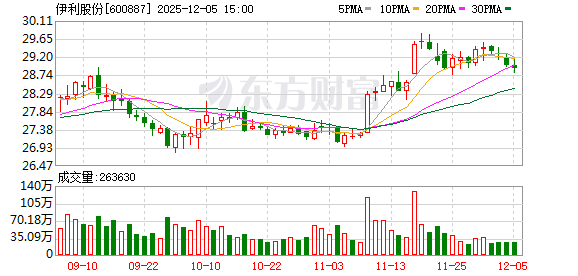
伊利工业旅游4.0时代开启 智慧健康谷成行业新地标
Xin Hua Wang· 2025-12-05 09:45
Core Insights - Yili Group has entered the 4.0 phase of industrial tourism, focusing on digitalization and immersive experiences, aiming to set a new benchmark in industrial tourism with appealing, substantial, engaging, and shareable experiences [2][3] - Yili has maintained its position as the leading dairy company in Asia for 12 consecutive years and ranks among the top five globally, with its industrial tourism segment receiving numerous accolades [2] - The total number of visitors to Yili's global industrial tourism has surpassed 310 million [2] Group 1 - The Yili Modern Smart Health Valley, operational since 2022, marks the full launch of the 4.0 chapter in industrial tourism, covering an area of 120 square kilometers and integrating various cultural and technological resources [3] - The facility includes a global manufacturing benchmark base capable of producing over 7,000 tons daily, serving as a key attraction for visitors interested in advanced dairy technology [3] - Yili's industrial tourism has developed a distinctive cultural tourism system, incorporating artistic aesthetics into production line scenes to create visually appealing experiences [3] Group 2 - Utilizing a "1+N" content model and interactive technologies like AI and VR, Yili has created engaging and educational content tailored to different audience segments, including children, youth, and entrepreneurs [3] - The company aims to deepen the integration of culture and tourism, with a mission to effectively communicate the stories of grassland culture and Chinese dairy culture [3] - Yili plans to showcase the quality and achievements of Chinese dairy through experiential projects like "Exploring Yili's Global Supply Chain" for both domestic and international visitors [3]

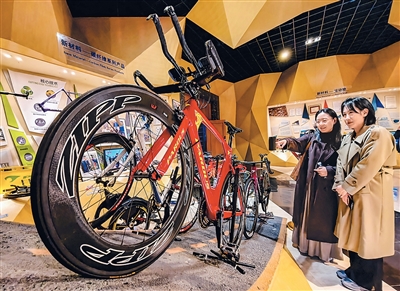
“生产线”变成“风景线”
Ren Min Ri Bao Hai Wai Ban· 2025-12-05 00:40
Core Viewpoint - The integration of "industry + tourism" is rapidly emerging, breaking traditional industry boundaries and enriching tourism content, while providing significant support for industrial transformation and upgrading [1]. Group 1: Industrial Tourism Development - The number of recognized national industrial heritage sites has reached 264, with nearly 500 at the provincial level, and over 1.7 million industrial artifacts have been surveyed [2]. - Many companies are opening their factory doors to unlock new industrial tourism experiences, allowing visitors to engage in hands-on activities, such as making traditional food products [3]. - The "14th Five-Year Plan" suggests accelerating the construction of a manufacturing powerhouse and promoting deep integration of culture and tourism [4]. Group 2: Market Growth and Predictions - The industrial tourism sector in China is expected to maintain an annual growth rate of 18% over the next five years, with the market size projected to exceed 300 billion yuan by 2029 [5]. - Shandong's Leiling City is leveraging its industrial history and cultural heritage to develop industrial tourism, establishing several museums to enhance cultural and tourism consumption options [6]. Group 3: Government Initiatives - The Ministry of Industry and Information Technology aims to promote the protection and inheritance of industrial culture, explore effective mechanisms for the integration of culture, technology, and industry, and develop new cultural consumption scenarios [7].
四中全会精神解读·市场最前沿丨“生产线”变“风景线”,解锁工业旅游新体验
Xin Hua She· 2025-12-03 10:49
Core Insights - The integration of "industry + tourism" is rapidly emerging, breaking traditional industry boundaries and enriching tourism offerings while providing significant support for industrial transformation and upgrading [1][2][3] Group 1: Industrial Tourism Growth - Xiaomi's automotive factory has welcomed over 150,000 visitors since its opening in April last year, averaging over 10,000 visitors per month [1] - The industrial tourism sector in China is projected to maintain an annual growth rate of 18% over the next five years, with the market size expected to exceed 300 billion yuan by 2029 [7] Group 2: Cultural and Historical Significance - China has established a comprehensive modern industrial system, resulting in a wealth of historical and cultural heritage, with 264 national industrial heritage sites and nearly 500 provincial sites recognized [3] - The Ministry of Industry and Information Technology is actively promoting the creative transformation and innovative development of industrial heritage and cultural resources [3][7] Group 3: Innovative Experiences - Industrial tourism offers unique experiences, such as hands-on activities in production processes, interactive games, and immersive storytelling, enhancing visitor engagement [4][6] - Companies are increasingly opening their factory doors to the public, creating new scenes and experiences in industrial tourism [3][6] Group 4: Policy and Future Directions - The 14th Five-Year Plan emphasizes the construction of a modern industrial system and the deep integration of culture and tourism, highlighting the importance of developing high-quality tourism products [6][7] - The Ministry of Industry and Information Technology plans to explore effective mechanisms for the integration of culture, technology, and industry, aiming to create new cultural consumption scenarios and cultivate new cultural formats [7]
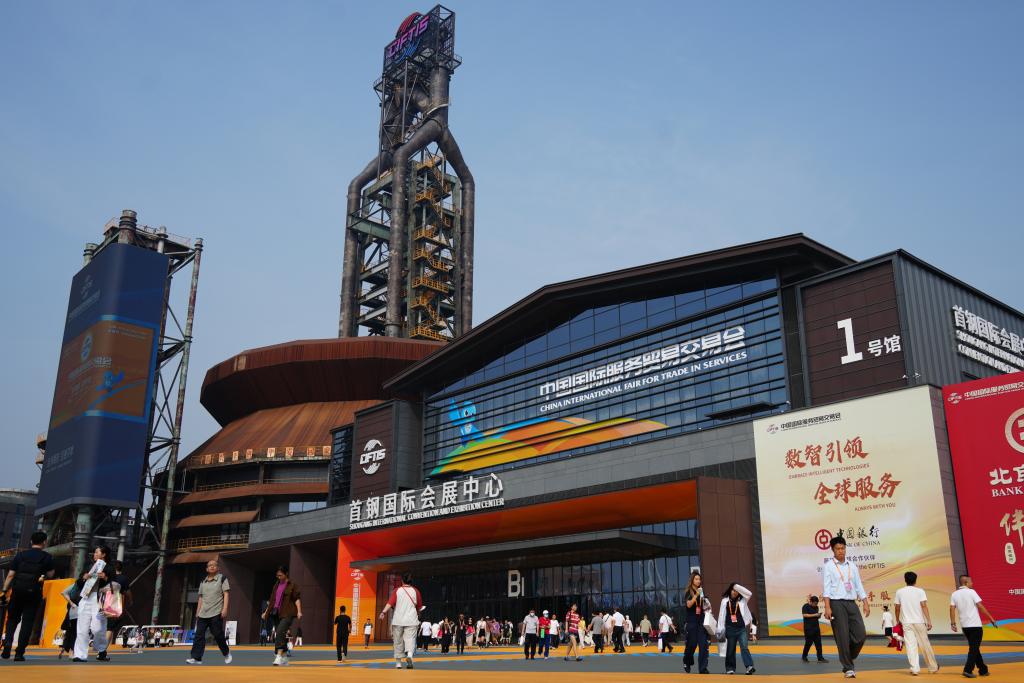
挑战30分钟,从浦东到海边看日落
3 6 Ke· 2025-11-27 02:51
Core Viewpoint - Changxing Island, located at the mouth of the Yangtze River, offers a unique coastal experience just half an hour from Shanghai, making it an attractive destination for urban dwellers seeking nature and tranquility [1][2]. Transportation and Accessibility - The journey to Changxing Island can be made via self-driving or public transport, with options including the G40 highway and direct buses from downtown Shanghai, making it easily accessible for weekend trips [2][3]. - The island can also be explored by renting bicycles and taking ferries, enhancing the experience of enjoying the natural scenery [2]. Natural Features and Ecological Significance - Changxing Island features a unique landscape shaped by the confluence of the Yangtze River and the East China Sea, creating a rich intertidal ecosystem that attracts migratory birds and local fishermen [3][11]. - The island's low-lying terrain is influenced by daily tidal movements, contributing to its ecological diversity and making it a secret haven for nature enthusiasts [3][11]. Recreational Activities - Changxing Island offers various recreational activities, including cycling, bird watching, and nature exploration in the Changxing Countryside Park, which is designed to be pet-friendly and family-oriented [7][8]. - The park features walking trails, fruit picking experiences, and workshops, catering to visitors looking for interactive and engaging outdoor activities [7][8]. Culinary Experience - Local dining options on the island include traditional seafood dishes and home-style cooking, with restaurants serving fresh catches and local specialties, providing an authentic taste of the region [4][13]. - The culinary offerings reflect the island's agricultural and fishing heritage, with dishes made from seasonal ingredients and local flavors [5][13]. Cultural and Industrial Significance - Changxing Island is not only a recreational spot but also a hub for shipbuilding, showcasing the industrial heritage of the region with facilities dating back to the 19th century [12][13]. - The juxtaposition of natural beauty and industrial activity highlights the island's role in connecting Shanghai with northern Jiangsu, making it a significant location for both tourism and industry [13][12].
农银汇理创业板指数型证券投资基金11月24日起正式发行
Zhong Guo Jing Ji Wang· 2025-11-26 01:56
让游客"触摸"工业记忆,长春工业旅游火了! "00"后为啥又开始爱逛街了? 不少人注意到,有着互联网原住民之称的00后,近来有一部分人开始从线上消费转战线下逛街了。我们 在商场里引入声乐、舞蹈、书法教室,满足老年人上课、交友等社交需求,把传统'商品罗列式'百货转 型为'场景体验式'社交空间,目前银发消费客群占比超七成。[详细] 作为老工业基地,吉林长春依托一汽、老净水厂、长影等独特工业遗存,推动工业遗产与文旅、文创、 研学深度融合。未来,长春市还将继续探索工业遗产的文化延续和可持续利用路径,通过与文创、展 陈、研学、培训、休闲、旅游等新业态的深度融合,持续推动工业遗存焕发新生。[详细] 推荐阅读 秋假秋游让秋冬之交旅游市场"热起来" 据上海乐高乐园度假区统计,由于11月中旬的一周浙江多座城市启动放秋假,乐园内浙江游客较前一周 激增200%,浙江也成为近阶段乐园的最大客源地。华东师范大学教授楼嘉军等建议,迎接秋假、秋 游、雪假等假期红利,文旅企业也应进一步细化产品分层,探索面向不同学龄、年龄孩子及其家庭推出 差异化的旅游产品,不断提升人们...[详细] ...

生产线缘何能成风景线(评论员观察)
Ren Min Ri Bao· 2025-11-24 22:31
Core Insights - Industrial tourism is emerging as a new trend that combines the history of manufacturing with immersive experiences, allowing visitors to appreciate the integration of production and life while promoting ecological and sustainable development [1][2][3] Group 1: Industrial Tourism Attractions - The Guizhou Huajiang Gorge Bridge features a 1,000 square meter glass observation hall and activities like skydiving and bungee jumping, attracting numerous tourists [1] - The Shanghai Jiangnan Shipyard Industrial Tourism Base allows visitors to engage in hands-on activities like assembling ship models, enhancing educational experiences [1] - The Gansu Yumen Oilfield offers visitors a chance to learn about oil extraction and the contributions of oil workers, highlighting the spirit of dedication [1][2] Group 2: Consumer Engagement and Experience - Industrial tourism provides a unique opportunity for consumers to experience the blend of production and lifestyle, fostering a deeper understanding of industrial processes and cultural heritage [2] - The Qingdao Beer Museum's interactive theater experience has proven popular, with early slots often sold out, showcasing the appeal of immersive experiences [2] - The Taizhou Sanmen Nuclear Power Station allows visitors to simulate being a nuclear operator, enhancing public understanding of nuclear safety [2] Group 3: Economic and Environmental Impact - Industrial tourism is positioned as a pathway for high-quality development, emphasizing ecological restoration and sustainable practices, as seen in the Cangnan County's mining ecological restoration efforts [3] - The Nanjing Meigang Industrial Cultural Tourism Zone has successfully reduced energy consumption in steel production while attracting over 500,000 visitors annually, demonstrating the potential of transforming industrial sites into eco-friendly attractions [3] - The integration of industrial tourism with effective market strategies can enhance economic growth and improve the quality of life for local communities [3] Group 4: Policy and Future Development - The "14th Five-Year Plan" emphasizes the need to enhance tourism product offerings and service quality, aiming to stimulate the development of innovative and original tourism experiences [4]