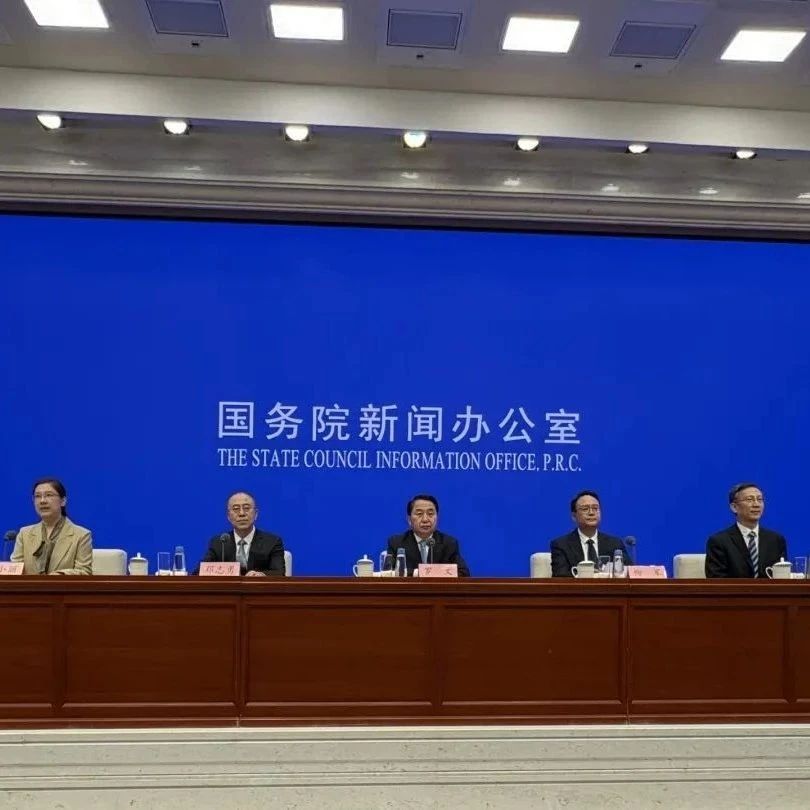
平台经济治理

Search documents
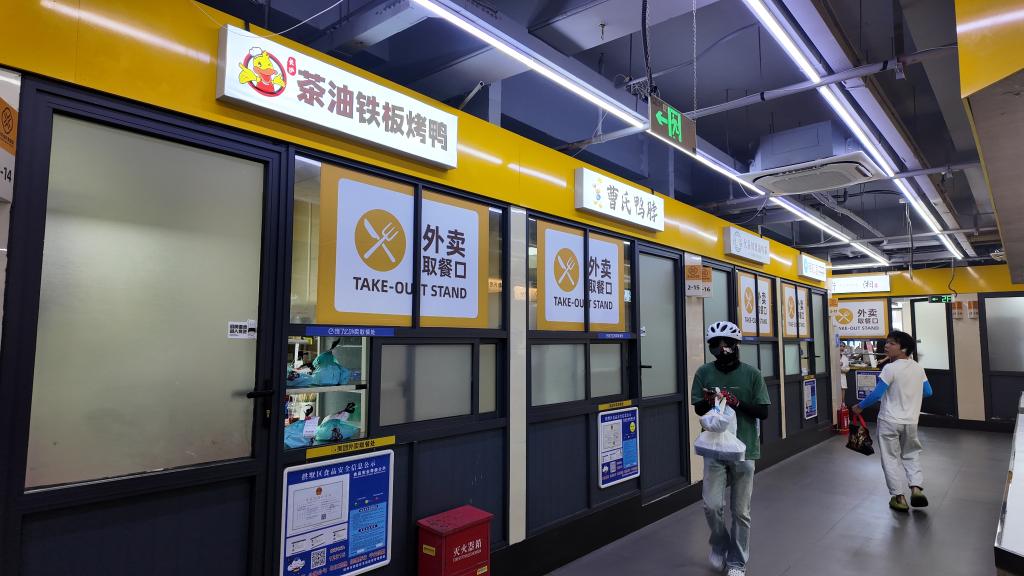
无堂食外卖 如何把好“入口关”
Ren Min Ri Bao· 2025-10-15 22:04
Core Viewpoint - The investigation reveals significant food safety risks associated with no-dine-in delivery services, highlighting the need for stricter regulations and standards in the industry [1][2]. Group 1: Food Safety Concerns - Recent investigations have uncovered that many no-dine-in delivery services operate under poor sanitary conditions, with food preparation processes not being transparent [1]. - Issues such as multiple registrations under one business license and false addresses have been identified, leading to potential food contamination and the use of expired ingredients [1]. Group 2: Regulatory Measures - Local authorities are implementing stricter industry standards to enhance food safety and management practices among no-dine-in delivery services [2]. - New regulations, such as the "No-Dine-In Delivery Service Standards" in Chongqing and the "No-Dine-In Delivery Area Management Standards" in Hangzhou, have been introduced to guide businesses [2]. - Delivery platforms like Meituan are strengthening their qualification audits and have established a mechanism to publicly disclose violations, ensuring that businesses with discrepancies are penalized [2]. Group 3: Future Directions - The State Administration for Market Regulation has released a draft for public consultation on basic service management requirements for delivery platforms, aiming to address existing issues and enhance food safety [2]. - Industry experts view these developments as a significant step towards more refined and standardized governance in the platform economy [2].
果然财评|从困在系统到有权说不,美团试点“骑手屏蔽顾客”
Qi Lu Wan Bao· 2025-10-13 09:21
Core Insights - The article discusses Meituan's pilot program in seven cities that allows delivery riders to block customers, marking a significant shift in the power dynamics of the platform economy [3][4] - This initiative aims to balance the interests of riders, customers, and the platform, moving from a customer-first approach to a more equitable model [3][4] Summary by Sections Rider Rights and Protections - The new feature grants riders limited "counter-rights," including a 48-hour evaluation window, evidence review mechanism, and a 365-day blocking period, which enhances their dignity and rights [3][4] - Feedback from riders indicates a strong desire for this feature, as it allows them to avoid abusive customers and provides a sense of security [4] Platform Governance and Changes - The implementation of the blocking feature is part of a broader strategy that includes eliminating late penalties, trialing pension subsidies, and expanding occupational injury protections, indicating a shift towards fairer governance [4][5] - Post-implementation feedback shows a 15% increase in rider satisfaction with the platform [4] Industry Implications and Future Directions - The current limitation of blocking only two customers may not fully address the potential for repeated abuse, suggesting a need for further refinement [5] - Experts suggest that the industry should seek a new balance between efficiency and fairness, with Meituan's innovation potentially serving as a benchmark for the sector [5] - The overall competitiveness of the platform economy relies on a healthy ecosystem that considers user experience, rider rights, and platform order [5]



新华视点丨多地规范无堂食外卖:如何把好“入口关”?
Xin Hua Wang· 2025-10-10 09:09
Core Viewpoint - Recent efforts in various regions aim to regulate the takeout food industry, particularly focusing on food safety and hygiene standards for businesses that do not offer dine-in services [1][5][6]. Group 1: Current Issues in Takeout Food Industry - Many takeout food vendors operate in unsanitary conditions, with improper food handling and storage practices observed, such as food preparation near garbage [2][3]. - The lack of proper separation and hygiene in food processing areas has been noted, with some vendors sharing kitchen spaces without adequate sanitation measures [2][3]. - There are instances of misleading information on online platforms, where businesses falsely present their facilities as compliant with food safety standards [3]. Group 2: Regulatory Measures and Improvements - Local governments have begun implementing stricter industry standards to enhance food safety and management practices among takeout vendors [6][10]. - Innovative regulatory approaches, such as employing delivery riders as food safety monitors, have been introduced to identify and address food safety violations promptly [7]. - The establishment of shared processing areas and improved kitchen layouts has been reported in some regions, leading to better hygiene and operational practices [4][9]. Group 3: Future Directions and Recommendations - The need for more comprehensive and mandatory regulations is emphasized to ensure that food vendors operate in compliant environments, preventing the emergence of "ghost kitchens" [10][11]. - Recommendations include increasing transparency in food sourcing and preparation processes, as well as encouraging the installation of surveillance cameras in kitchens to enhance accountability [11]. - Strengthening online verification processes and increasing enforcement actions against non-compliant vendors are suggested to improve overall food safety in the takeout sector [11].
外卖“新国标”:重构万亿市场的规则与生态
Sou Hu Cai Jing· 2025-09-26 12:50
Core Viewpoint - The introduction of the "New National Standard" for the food delivery industry in China marks the first systematic national regulation, aiming to address long-standing issues such as intense competition, "ghost deliveries," and overworked delivery personnel, thereby redefining the competitive landscape and balancing interests among stakeholders [1][9]. Group 1: Fee Transparency and Merchant Management - The new standard mandates transparent fee structures to eliminate confusion for merchants, who previously faced multiple hidden charges leading to losses despite high sales [4]. - It establishes a rigorous "three certificates and one address" verification mechanism to combat unlicensed operations, increasing penalties for violations significantly [5]. - The standard aims to reduce marketing expenses from 18% to 12% by shifting platforms from a subsidy-driven model to a service-driven approach [5]. Group 2: Consumer Rights and Delivery Personnel Welfare - The introduction of an intelligent order control system is expected to reduce order cancellation rates by 35% and increase user repurchase rates by 20% [6]. - New regulations impose dual controls on delivery personnel's working hours and order quantities, enhancing their working conditions and income stability [6][7]. - The standard requires platforms to establish a fair compensation system linked to labor intensity and skill levels, with pilot programs showing an increase in average monthly income for delivery personnel [7]. Group 3: Platform Transformation and Market Dynamics - Platforms are encouraged to transition from being "traffic sellers" to "service providers," with short-term revenue impacts expected but long-term value growth anticipated due to improved merchant retention [8]. - Merchants can now focus on quality improvements rather than navigating complex platform rules, leading to enhanced customer loyalty [8]. - Consumers will benefit from increased service transparency, with real-time data on merchant ratings and delivery performance being made available [8]. Group 4: Broader Implications and Future Trends - The new standard positions China as a leader in global platform economy governance, providing a replicable framework for balancing business innovation with social responsibility [9]. - The implementation of the standard is expected to lead to a rationalized competitive landscape, healthier industry ecology, and standardized governance models for the 20 million platform economy workers in China [11].

卖得越多亏得越多?外卖要有“新国标”了,将遏制“裹挟式”竞争、过度“价格战”
Sou Hu Cai Jing· 2025-09-25 09:18
Core Viewpoint - The draft of the "Basic Requirements for Delivery Platform Service Management" aims to regulate service management, enhance service quality, reduce merchant operational burdens, and guide orderly competition among platforms [1][12]. Summary by Relevant Sections Platform Fees and Charges - The draft specifies that delivery platforms must limit the charging items to merchants and cannot arbitrarily introduce new fees, enhancing transparency in fee disclosure [1][5]. - Platforms are required to set reasonable technical service fees, delivery service fees, and promotional service fees, with a focus on reducing basic commissions, especially for small and micro merchants [3][12]. Price Promotion Behavior - The draft aims to regulate price promotion behaviors to curb coercive competition and excessive price wars, prohibiting platforms from forcing merchants to share promotional costs [5][12]. Food Safety and Service Quality - The draft addresses issues like "ghost restaurants" and "order overload," proposing systematic requirements for merchant entry and information verification to ensure food safety [6][8]. - It introduces a "order control prompt" mechanism to manage the risk of "order overload," ensuring a better consumer experience [8][10]. Delivery Personnel Rights - The draft focuses on the rights of delivery personnel, including fair compensation, working hours, and social security, establishing a mechanism for fair pay that matches workload [11][12]. - It mandates platforms to limit delivery personnel's working hours and provide fatigue alerts for those working over four consecutive hours [11]. Market Regulation and Competition - The introduction of the new standards marks a significant upgrade in the regulation of the delivery industry, promoting a balanced ecosystem among platforms, merchants, delivery personnel, and consumers [12]. - The delivery market in China has grown to approximately 1.2 trillion yuan, with 545 million online food delivery users, highlighting the importance of regulation and sustainable development in this sector [12].

外卖要有“新国标”了!
Huan Qiu Wang· 2025-09-25 08:00
Core Viewpoint - The draft "Basic Requirements for the Management of Takeaway Platform Services" aims to regulate platform fees, promotional behaviors, and enhance service quality while reducing the operational burden on merchants and guiding orderly competition among platforms [1][5][11]. Summary by Sections Platform Fees and Charges - The draft specifies that takeaway platforms must limit the charging items to merchants and cannot arbitrarily introduce new fees, enhancing transparency in fee disclosure [1][5]. - It emphasizes the need for platforms to set reasonable service fees and to gradually lower basic commissions, especially for small and micro businesses [3][10]. Promotional Behavior - The draft aims to regulate pricing promotions to curb coercive competition and excessive price wars, prohibiting platforms from forcing merchants to share promotional costs [5][11]. - It also restricts platforms from mandating or indirectly compelling merchants to engage in price promotions [5][11]. Merchant Qualification and Food Safety - The draft introduces stringent requirements for merchant qualifications, including the need for real licenses and store scene information, to prevent "ghost restaurants" from operating [7][10]. - It addresses the issue of "order overload" where merchants cannot handle peak orders, proposing a "order control prompt" mechanism to mitigate risks [9][10]. Delivery Personnel Rights - The draft focuses on ensuring fair compensation and rest rights for delivery personnel, advocating for a compensation mechanism that matches their workload and limiting their working hours to prevent health risks [10][12]. - It suggests that platforms should issue fatigue alerts for delivery personnel who work continuously for over four hours [10]. Industry Regulation and Market Health - The introduction of the new standards marks a significant upgrade in the regulation of the takeaway industry, promoting a balanced ecosystem among platforms, merchants, delivery personnel, and consumers [11][12]. - The takeaway market in China has grown to approximately 1.2 trillion yuan, with 545 million online takeaway users, highlighting the importance of regulation for sustainable development [11][12].

整治直播电商乱象!市场监管总局召开专题发布会 | 实录
Sou Hu Cai Jing· 2025-09-23 09:35
Core Points - The State Administration for Market Regulation (SAMR) is intensifying regulatory efforts in the live e-commerce sector to address issues such as false marketing and counterfeit products [3][6][10] - A new regulatory framework, the "Live E-commerce Supervision Management Measures," is being drafted to clarify the legal responsibilities of various stakeholders in the live e-commerce ecosystem [6][7] - The SAMR is focusing on enhancing compliance management among live e-commerce platforms and ensuring they fulfill their responsibilities in monitoring and regulating their operators [7][11] Regulatory Framework - The SAMR is working on the "Live E-commerce Supervision Management Measures," which aims to establish a comprehensive legal framework for the industry [6][7] - The measures will define the legal responsibilities of platforms, operators, and service providers, and create a closed-loop regulatory enforcement system [6][7] Enforcement Actions - The SAMR has increased the frequency of enforcement actions, having released multiple batches of typical cases related to live e-commerce violations [7][11] - Specific cases of false marketing and counterfeit products have been highlighted, with the aim of deterring similar violations in the future [10][11] Platform Responsibilities - The SAMR is urging live e-commerce platforms to take on greater responsibility for compliance and to implement internal management systems to ensure lawful operations [7][11] - National standards for live e-commerce platform services and compliance data reporting are being developed to enhance operational quality [7][11] Collaborative Efforts - The SAMR is promoting a collaborative regulatory approach involving multiple departments to enhance the effectiveness of live e-commerce oversight [11][21] - Local market regulatory bodies, such as those in Shanghai and Fujian, are implementing specific measures to strengthen monitoring and enforcement in their regions [15][21] Regional Initiatives - Shanghai has established a comprehensive regulatory mechanism involving multiple departments to address live e-commerce issues, conducting regular inspections and monitoring [15][16] - Fujian has developed a regulatory governance system focusing on source prevention, precise monitoring, and multi-party collaboration to tackle live e-commerce challenges [21][22] Industry Impact - The live e-commerce sector has seen significant growth, with online retail sales reaching 74,295 billion yuan in the first half of the year, marking an 8.5% increase year-on-year [10] - The SAMR's efforts aim to create a healthier and more compliant environment for consumers and businesses in the live e-commerce space [11][22]
中国官方依法决定对成都快购科技有限公司立案调查
Zhong Guo Xin Wen Wang· 2025-09-19 16:49
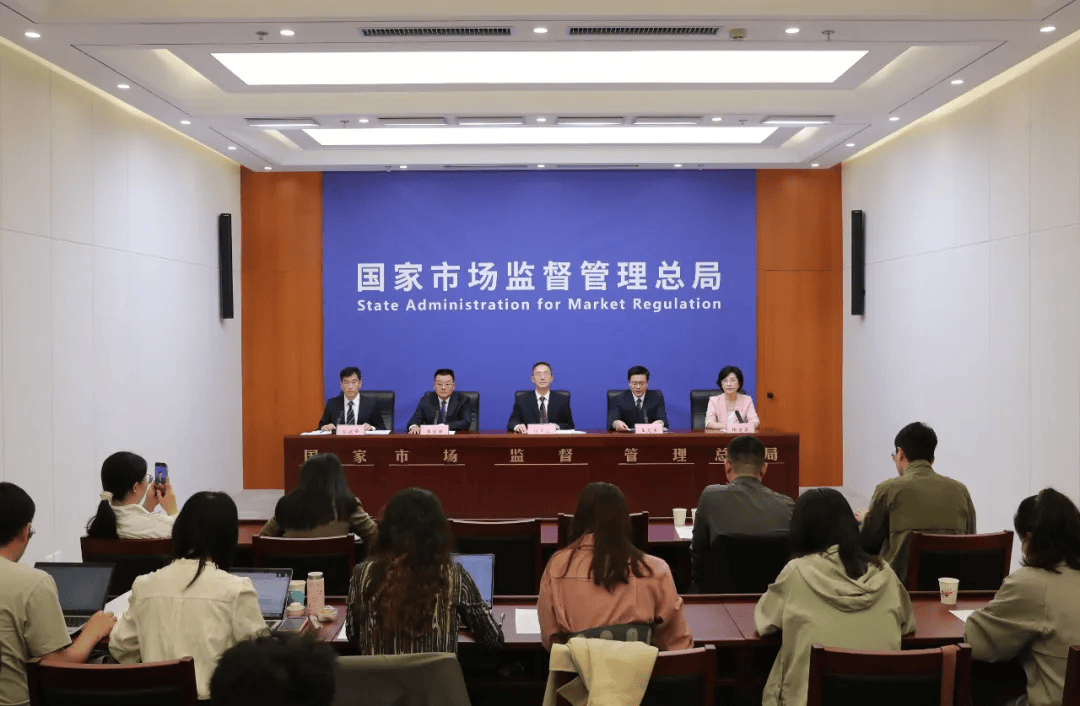
Core Viewpoint - The Chinese National Market Regulation Administration has initiated an investigation into Chengdu Kuai Gou Technology Co., Ltd. for suspected violations of the E-commerce Law and other regulations, emphasizing the importance of a healthy development of the platform economy [1] Group 1: Regulatory Actions - The investigation aims to strengthen the accountability of e-commerce platforms and better protect the legal rights of consumers and small businesses [1] - The National Market Regulation Administration is committed to enhancing the regulatory framework for live-streaming e-commerce, which is a significant part of the platform economy [1] Group 2: Industry Context - Live-streaming e-commerce plays a crucial role in innovation, consumer promotion, and job creation, but it faces challenges such as false marketing and counterfeit products due to its complex legal relationships [1] - The administration has taken steps to address rampant illegal activities in the live-streaming e-commerce sector by establishing a regulatory system and exposing major violations [1]
成都快购科技有限公司,被立案调查
Xin Jing Bao· 2025-09-19 13:21
Core Viewpoint - The State Administration for Market Regulation has initiated an investigation into Chengdu Kuai Gou Technology Co., Ltd. for suspected violations of the E-commerce Law of the People's Republic of China, emphasizing the importance of regulatory compliance in the live e-commerce sector [1][2]. Group 1: Regulatory Actions - The investigation aims to enforce the responsibilities of e-commerce platforms and protect the rights of consumers and small businesses, promoting compliance within the live e-commerce industry [2]. - The regulatory body is committed to enhancing the governance system for platform economies and improving the level of regular supervision [1]. Group 2: Industry Context - Live e-commerce is recognized as a significant part of the platform economy, contributing to innovation, consumption, and employment [1]. - The industry faces challenges such as diverse transaction participants, complex legal relationships, and frequent violations, including false marketing and counterfeit products [1].
“三只羊”“东北雨姐”等被点名,国家市场监管总局最新发声
凤凰网财经· 2025-08-22 15:16
Core Viewpoint - The article discusses the achievements and measures taken by the State Administration for Market Regulation (SAMR) in promoting high-quality development of market regulation during the "14th Five-Year Plan" period, emphasizing the importance of building a unified national market to facilitate domestic circulation and competition [2][3][7]. Group 1: Measures for Building a Unified National Market - SAMR has initiated special actions to curb the abuse of administrative power and eliminate competition restrictions, resulting in the investigation of 239 administrative monopoly cases and the clearance of over 8,000 local standards [2][3][6]. - The revision of the Anti-Monopoly Law and the third amendment of the Anti-Unfair Competition Law have been implemented to strengthen the legal framework for competition policy, adapting to new market conditions [3][6]. - A comprehensive review mechanism for fair competition has been established, scrutinizing 42,200 important policy measures and proposing amendments to 11,400 of them to prevent policies detrimental to the unified national market [6]. Group 2: Focus on Antitrust Enforcement in Livelihood Sectors - Continuous special actions in the livelihood sector have led to the investigation of monopolistic practices in pharmaceuticals, water supply, gas, and other areas, effectively reducing public living costs and production burdens [4][6]. - A total of 3,400 cases related to operator concentration have been reviewed, with 145 cases of illegal operator concentration being addressed, thereby maintaining fair competition in the market [4]. Group 3: Regulation of Platform Economy - The rapid development of the platform economy has prompted SAMR to address issues such as algorithm abuse and unfair competition while promoting healthy industry growth [8][9]. - Regulatory measures include the introduction of guidelines for online trading supervision and the establishment of a national standardization committee for platform economy governance [8]. - Significant actions have been taken against online market irregularities, including the removal of 4.541 million illegal product listings and the investigation of 105,000 internet-related cases [9]. Group 4: Future Directions - SAMR plans to continue focusing on the construction of a unified national market, aiming to eliminate local protectionism and market segmentation while ensuring fair competition [7]. - The agency will enhance its regulatory framework for the platform economy, balancing regulation and promotion to foster sustainable development [9].