房地产行业转型

Search documents
2025年300城宅地出让金同比下降10.7%;花样年控股拟出售4.09亿股彩生活股份|房产早参
Mei Ri Jing Ji Xin Wen· 2026-01-04 23:29
Group 1: Real Estate Market Trends - In 2025, the total land transfer fees for residential land in 300 cities decreased by 10.7% year-on-year, with the planned construction area down by 13.7% [1] - The focus of real estate companies is shifting towards core cities, with high land auction activity in cities like Beijing, Shanghai, Shenzhen, Hangzhou, and Chengdu [1] - The top 20 cities accounted for 52% of the national residential land transfer fees, indicating a concentration of market activity among major urban centers [1] Group 2: Corporate Developments - Vanke's 250 million yuan stake in Wanwei Logistics has been frozen for three years due to debt pressures, highlighting the need for debt negotiation and asset management [2] - Link REIT is conducting a global search for a new Group CEO following the retirement of its previous CEO, indicating a strategic upgrade in response to market conditions [3] - Fantasia Holdings is selling 409 million shares of Color Life for approximately 4.5284 million USD as part of a restructuring agreement, aimed at resolving long-term disputes and optimizing assets [4] Group 3: Legal and Regulatory Issues - The Hong Kong Court of Appeal rejected former Evergrande CEO Xia Haijun's application for appeal, maintaining a freeze on 60 billion HKD of assets, which marks a significant step in cross-border accountability for corporate executives [5]
马云预言成真了?从2026年开始,楼市可能迎来4大变化?
Sou Hu Cai Jing· 2026-01-03 18:12
Core Viewpoint - The Chinese real estate market is expected to undergo significant structural changes by 2026, shifting from a focus on economic growth to prioritizing social stability and housing security for citizens [1] Group 1: Policy Logic Restructuring - The real estate sector will transition from being an "economic growth engine" to a "foundation for livelihood security" [3] - A dual-track model will emerge, where the commodity housing market is regulated by market forces, while the government will enhance support through affordable rental housing and urban village renovations [3] - The expansion of property tax pilot programs is anticipated, which will impact investment holding in real estate [3] - Financial policies will increasingly target genuine housing needs while limiting speculative investments [3] Group 2: Market Supply and Demand Dynamics - The era of general housing shortages is ending, with the main market contradiction shifting to a divide between high-quality properties and those that are less desirable [4] - Population growth peaks and urbanization slowdowns will lead to excess supply in lower-tier cities, resulting in a long-term downward trend in housing prices [6] - The influx of idle second-hand homes into the market will create ongoing supply pressure [8] - Buyers will prioritize product quality over mere square footage, focusing on features like sustainability and community engagement [8] Group 3: Industry Restructuring and Participants - The traditional high-leverage, high-turnover model of real estate development will be replaced by a focus on sustainability and operational efficiency [9] - By 2026, financially stable state-owned and select private enterprises are expected to dominate the market, while high-debt companies will exit [9] - The industry's profit model will shift from land appreciation to cost control and quality service, ensuring stable cash flow [9] - Risks of project failures are expected to diminish as policies stabilize the market [9] Group 4: Redefining Asset Attributes - The perception of real estate as a financial investment will diminish, with its role as a housing tool becoming more prominent [10] - Society will gradually accept that property prices will not continuously rise, leading to a reevaluation of investment value [11] - The concept of "housing for living, not for speculation" will become mainstream, with home purchases driven by genuine needs [11] - Asset allocation will diversify, moving away from a heavy reliance on real estate towards a mix of financial assets [11] Summary and Implications - The predictions made by industry leaders like Jack Ma highlight a significant trend in the real estate sector, with 2026 marking a pivotal point for structural transformations [12] - Different stakeholders, including homebuyers, industry professionals, and policymakers, will need to adapt to these changes to navigate the evolving landscape effectively [14]

滨江集团42轮竞价斩获湖州核心地块 业绩土储双优支撑长期增长
Quan Jing Wang· 2025-12-31 09:17
Core Insights - Binjiang Group has successfully acquired the land use rights for the state-owned construction land in Huzhou, marking a significant step in its strategic layout in the Yangtze River Delta region, enhancing its core competitiveness and showcasing its resource integration capabilities [1][2] Group 1: Land Acquisition Details - The acquired land covers an area of 44,426 square meters with a plot ratio of 1.8, and the total land price is 534 million yuan, granting the company 100% land rights [1] - The land is located in the core development area of Huzhou, with excellent location advantages and mature surrounding resources, indicating high development value and market potential [1][2] - The competitive bidding process involved 42 rounds, reflecting the company's precise judgment on quality core assets and its determination to secure strategic land [1] Group 2: Regional Market Dynamics - Huzhou, as a key city in the Yangtze River Delta integration strategy, offers favorable location conditions, solid industrial foundations, and vast market space, making it a hotspot for real estate companies [2] - The Wu Xing District, part of Huzhou, has been recognized as a core engine for regional development, further enhancing the investment value and market attractiveness of the area [2] Group 3: Company Performance and Strategy - In 2025, Binjiang Group achieved a total sales revenue of 94.53 billion yuan, demonstrating strong market recognition and sales capabilities [3] - The company ranked first in the Hangzhou land auction market with a total land acquisition amount exceeding 47 billion yuan, securing 23 land and cooperation projects, which solidifies its benchmark position in the core market [3] - The company adheres to a "quality-oriented" principle in its land reserve strategy, focusing on high-potential projects and partnerships to ensure high-quality project execution and returns [4] Group 4: Future Outlook - With the delivery of low-margin projects, the company is expected to see a gradual recovery in profit levels, supported by a robust sales performance and an improving debt structure [4] - Forecasts indicate that Binjiang Group's revenue will reach 75.17 billion yuan in 2025, with a year-on-year growth of 8.7%, and a net profit of 3.07 billion yuan, reflecting a 20.58% increase [4] - The favorable policy environment for high-quality development in the real estate sector positions the company to capitalize on industry transformation benefits, enhancing its core competitiveness and market influence [4]

告别旧模式 房地产行业正向新而行迎稳健未来
Zheng Quan Ri Bao· 2025-12-25 16:41
Core Insights - The real estate industry is undergoing significant changes in 2025, moving away from high leverage and high turnover models towards a more stable future, with notable progress in debt risk resolution, housing delivery, and urban renewal initiatives [1] Debt Risk Resolution - In 2025, the debt risk that has plagued the real estate sector is being effectively alleviated, with 21 distressed real estate companies restructuring debts totaling approximately 1.2 trillion yuan, significantly reducing the industry's repayment pressure [2][3] - Notable companies like Sunac China and Country Garden have successfully completed substantial debt restructuring, with reductions of over 50% in some cases, improving their balance sheets and creating favorable conditions for long-term recovery [2] Housing Delivery Progress - The completion of housing delivery tasks is crucial for restoring market confidence, with over 7.5 million previously unsold homes being delivered by October 2025, leading to a significant recovery in buyer sentiment [6][7] - Companies like Far East Horizon have successfully completed their housing delivery commitments, enhancing market trust and demonstrating improved project quality and sustainability [6][7] Urban Renewal Acceleration - The focus of the real estate industry is shifting from expansion to quality improvement, with urban renewal becoming a key driver for investment and domestic demand [8] - Policies supporting urban renewal, including the issuance of special bonds for village renovations, have seen significant growth, with 816 billion yuan issued for urban village renovations in the first three quarters of 2025, a year-on-year increase of approximately 140% [8][9] Financial Tools and Support - The introduction of diverse financial instruments, such as REITs, is enhancing support for urban renewal projects, with the scope of infrastructure REITs expanding to include urban renewal facilities and commercial properties [9][10] - The collaboration between various stakeholders, including financial institutions and asset management companies, is facilitating the revitalization of stalled projects and improving the overall operational mechanisms within the industry [7][10]
住建部最新部署,2026年房地产走向定了,对房价影响巨大
Xin Lang Cai Jing· 2025-12-21 10:24
Core Viewpoint - The 2026 real estate development direction is crucial for public welfare and economic stability, marking a transition from a model of universal price increases to a new phase of high-quality development characterized by stable totals and structural differentiation [1][6]. Policy Objectives - The Ministry of Housing and Urban-Rural Development (MOHURD) has set four core objectives: stabilize the market, prevent risks, optimize supply, and promote transformation, indicating a shift from "incremental expansion" to "stock optimization" [1][3]. Demand-Side Measures - The policy emphasizes a continued loose stance on demand, including reforms to the housing provident fund system to lower barriers for first-time and upgrading homebuyers, such as increasing loan limits and facilitating inter-city loan recognition [3][4]. Supply-Side Measures - On the supply side, the focus is on controlling new land supply in low-capacity cities, encouraging the conversion of existing properties into affordable housing, and promoting the construction of high-quality homes to meet market demand [4][6]. Market Trends - The real estate market is expected to enter a stabilization phase in 2026, with a predicted reduction in the overall decline of housing transactions to 5.0%, an improvement from 6.8% in 2025 [6][7]. Core cities are likely to see demand stabilize, while lower-tier cities may continue to face significant inventory pressures [6][7]. Price Dynamics - Price trends will vary by city tier, with core cities likely experiencing stable or slightly rising prices due to improved demand and supply conditions, while second and third-tier cities may see price adjustments due to inventory pressures [7][8]. Risk Management - The dual focus on risk prevention and model transformation is expected to provide a stabilizing effect on prices, with measures such as debt restructuring for troubled real estate companies and the promotion of a dual-track system for affordable and market housing [8][9]. Strategic Recommendations - Different market participants should adapt their strategies according to policy directions, with homebuyers in core cities encouraged to enter the market during this policy window, while developers should shift focus from expansion to enhancing product quality and risk management [9]. Local governments are advised to implement tailored policies to foster a healthy market cycle [9]. Overall Outlook - The MOHURD's 2026 real estate deployment aims for "steady progress" in high-quality development, guiding the market back to its residential attributes and achieving supply-demand balance, with a new paradigm of "core stability, regional differentiation, and quality premium" expected to emerge [9].
巴基斯坦政府推动房地产业发展
Zhong Guo Jing Ji Wang· 2025-12-19 09:01
随着城市化加速推进与人口持续增长,巴基斯坦房地产行业正面临着供需失衡加剧的巨大压力。据2025 年12月发布的行业分析,该国住房短缺量已达1000万至1200万套,且随着人口增长与城乡迁移规模扩 大,这一缺口每年还在持续扩大。 融资渠道不畅是巴房地产业最突出的问题之一,该国按揭贷款占GDP比例仅为0.2%,缺乏广泛的按揭 贷款体系。即便政府在2025年7月推出了720亿巴基斯坦卢比(简称"卢比",约合2.6亿美元)的首套房补贴 贷款计划,但在主要城市,土地和建筑成本已飙升至极高水平,该计划仅适用于有限群体,而非更广泛 的中低收入群体。 监管改革层面,2025年10月,巴基斯坦证券交易委员会(SECP)恢复了房地产项目预付款监管框架,要 求房地产公司在广告宣传或收取公众预付款前必须获得开发证书,并将所有存款存入专用托管账户,确 保资金用于项目建设。这一措施被专家视为恢复市场纪律和投资者信心的关键一步,有望遏制投机行 为,减少欺诈和停滞项目。同时,政府计划激活房地产监管局,对提供虚假房产估值的个人和中介处以 包括监禁和罚款在内的严厉处罚。 总体而言,巴基斯坦房地产行业正处于转型关键期,住房短缺与市场潜力并存。巴政 ...
行业数据|房价环比止跌城市增多,供求结构指标持续优化
克而瑞地产研究· 2025-12-15 09:50
投资销售比、土地成交/新房成交、新开工销售比、待售面积等指标持续改善 ◎ 文 / 马千里 12月15日上午,国家统计局如期发布2025年11月宏观经济和房地产数据。国民经济稳步增长,社零同比增速出现回落。地产 行业方面,因行业正处于转型发展的关键时期,再加之上年基数上升的影响,销售规模、房价、投资、国房景气指数均延续 调整。不过从具体城市和项目的角度来看,新房价格、项目去化率等方面仍存有结构性亮点,行业供求压力也在持续好转。 居民中长期贷款规模迎来止跌回升, 初步统计显示11月环比增长622亿元。当前房地产行业销售正处于调整关键期,中长期贷 款能够实现止跌,充分体现出行业运行的积极变化。近期央行行长发表署名文章明确,未来将强化房地产金融宏观审慎管 理,推动房地产市场平稳健康发展。而12月11日公布的经济工作会议报告也着重强调,要积极有序化解地方政府债务风险, 督促各地主动化债,坚决遏制新增隐性债务;同时优化债务重组与置换机制,通过多措并举化解地方政府融资平台经营性债 务风险。 展望未来,金融政策将更加聚焦行业风险管理,政策重心也将从侧重化解企业风险,进一步转向兼顾企业风险与地方债务风 险化解。这一调整将释放多 ...

深圳房协牵头“好房子”研讨交流会 首发《深圳倡议》锚定行业转型方向
Zheng Quan Shi Bao Wang· 2025-11-26 14:29
基于深圳多年的实践积累,吕晋川进一步介绍,《深圳倡议》将"好房子"概念具体化为可落地的"五大 价值维度",为全国行业提供清晰行动框架:其一为"历久弥新的区位价值",强调选址既要满足当下生 活便利,也要兼顾未来城市发展潜力,避免短期规划局限;其二是"坚如磐石的产品价值",聚焦建筑质 量安全、空间人性化设计与绿色低碳属性,筑牢"好房子"的硬件基础;其三是"温暖如春的服务价值", 推动物业服务从基础管理升级为覆盖居住全周期的生活服务,精准匹配居民多元化需求;其四是"守望 相助的社群价值",倡导通过常态化社群活动,构建有温度的社区共同体,增强居民归属感与幸福感; 其五是"生生不息的成长价值",确保住区能随时代发展持续迭代,适配智慧化、适老化等未来需求, 让"好房子"始终跟上生活变迁。 分析认为,《深圳倡议》的发布,不仅是深圳房地产实践经验的系统总结,更标志着中国房地产业在转 型中从"分散探索"走向"统一目标",从"企业单打独斗"走向"行业协同发力"。正如中国房地产业协会副 会长沈月祥所言,这一行动是行业立足国家战略、响应"美丽中国"建设的责任之举。在"十五五"政策指 引下,以《深圳倡议》为样板的"好房子与美好住区"建 ...
地产经纬丨大悦城即将港股退市 上市房企主动私有化渐成趋势
Xin Hua Cai Jing· 2025-11-18 09:24
Group 1 - The core point of the article is that COFCO Group's subsidiary, Joy City Property, has received shareholder approval for its privatization plan, marking the end of its 12-year listing on the Hong Kong Stock Exchange, reflecting significant changes in the capital market and the real estate industry during a period of cyclical adjustment [2][4] - Joy City Property's development trajectory is closely linked to the golden period of China's commercial real estate, having been established in 1992 and listed in 2013, during which it became a benchmark enterprise in the sector with strong rental income growth [2][3] - The "A-share red-chip" structure, initiated in 2019, aimed to leverage both A-share and Hong Kong markets for efficient resource allocation, but failed to deliver expected financing synergies, leading to increased operational complexity and costs [3][4] Group 2 - The decision to privatize was driven by significant operational pressures, with cumulative losses exceeding 7 billion yuan from 2022 to 2024, and negative cash flow for two consecutive years, making the Hong Kong listing a financial burden [4][8] - The privatization is seen as a strategic move to streamline decision-making and enhance operational efficiency, allowing the company to focus on its core business areas [4][5] - The capital market responded positively to the privatization news, with a 45.95% increase in stock price following the announcement, indicating investor optimism regarding asset integration and strategic development [8][9] Group 3 - The trend of privatization among real estate companies is increasing, with 23 listed firms exiting the capital market in the past three years, reflecting a shift from high-leverage growth models to a focus on quality development [8][9] - Analysts suggest that while the industry is undergoing a transformation, it does not signify a decline but rather a rationalization and structural optimization, with strong companies likely to gain competitive advantages [9][10] - For companies like Joy City, with a strong state-owned background and quality asset reserves, privatization may open new growth opportunities during the industry's high-quality development phase [10]

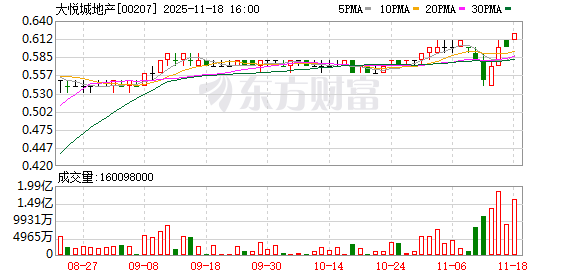
地产经纬丨大悦城即将港股退市,上市房企主动私有化渐成趋势
Zhong Guo Jin Rong Xin Xi Wang· 2025-11-18 09:21
然而,理想与现实之间存在显著差距,中粮集团希望借此打通境内外融资通道的初衷未能如愿奏效。一方面,港股市场对内地商业地产企业的估值偏低,大 悦城地产股价长期徘徊在净资产下方,估值优势难以体现,再融资能力受到严重制约。另一方面,A股市场的大悦城控股同样面临经营压力,受房地产行业 整体下行、销售端承压以及资产减值等因素影响,公司连年陷入亏损境地,未能形成有效的盈利支撑。双重市场压力下,"A控红筹"架构不仅未能发挥预期 的融资协同效应,反而增加了企业治理的复杂性与运营成本。 登录新浪财经APP 搜索【信披】查看更多考评等级 转自:新华财经 新华财经上海11月18日电(谈瑞)11月17日,中粮集团旗下大悦城地产(00207.HK)宣布私有化决议案获计划股东通过,其在香港联交所的上市地位预计 将于11月27日正式撤销,标志着这家央企商业地产巨头12年的上市历程即将画上句号。在房地产行业周期性调整的背景下,这一举措不仅是企业应对经营压 力的现实选择,更是行业转型期房企战略重构的典型样本,折射出资本市场与房地产行业生态的深刻变化。 回溯其资本市场进程,作为中粮集团旗下核心的商业地产平台,大悦城地产的发展轨迹与中国商业地产的黄 ...