
教育科技人才一体化

Search documents
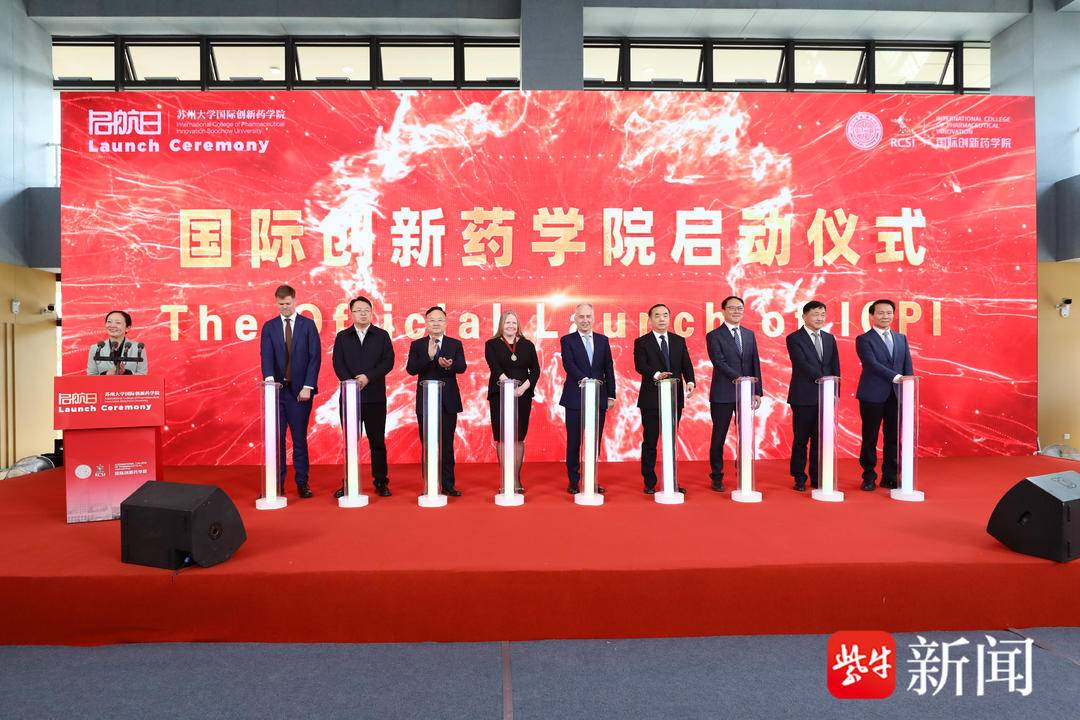
苏州大学:以有组织科研推动政产学研医创新融合
Yang Zi Wan Bao Wang· 2025-12-17 05:25
Core Viewpoint - The article discusses how Suzhou University is effectively transforming academic research into practical applications in the biopharmaceutical industry, emphasizing the need for collaboration and innovation in drug development. Group 1: Talent Development and Education - Suzhou University has established the International Innovation Drug Academy, the first Sino-foreign cooperative education institution focused on pharmacy in China, aiming to cultivate interdisciplinary talents with a global perspective [2] - The university's strategy includes deepening industry-academia-research collaboration and enhancing international cooperation to build a world-class innovation and transformation platform in the pharmaceutical field [2][3] Group 2: Collaborative Mechanisms and Research - The establishment of the Suzhou Innovation Drug Research Institute represents a collaborative effort among the Suzhou municipal government, Suzhou Industrial Park, and Suzhou University, focusing on organized research that connects laboratory discoveries with industry needs [5] - The research institute aims to create a closed-loop of collaborative innovation among laboratories, enterprises, and hospitals, addressing real technical challenges and facilitating the transition from basic research to industrial application [5][6] Group 3: Clinical Research and Application - The Suzhou Innovation Drug Clinical Research Cooperation Alliance has been formed to bridge the gap between laboratory research and clinical application, involving 13 affiliated hospitals and 3 partner hospitals [8] - This "medical-research integration" model aims to create a feedback loop between basic biological discoveries and clinical practices, enhancing the involvement of clinical doctors in early-stage drug development [8][9] Group 4: Sustainable Development and Future Goals - The alliance will establish a comprehensive clinical trial service platform, integrating research data sharing and supporting innovative projects, contributing to a sustainable development model that merges policy, industry, and education [9] - Suzhou University aims to create a symbiotic system through its educational, research, and clinical initiatives, ultimately contributing to the improvement of public health and the advancement of health in China [11]

国声智库:以创新驱动引领产业链变革 构筑高质量发展新优势
Xin Hua Wang· 2025-12-13 03:17
Group 1: Key Industrial Chain Development Actions - The Central Economic Work Conference emphasizes the importance of high-quality development of key industrial chains as a core pillar for building a manufacturing powerhouse, focusing on systematic, targeted, and collaborative approaches to address weaknesses in the industrial chain [2][3] - The action plan includes establishing a dynamic risk assessment mechanism for industrial chains and enhancing cross-departmental coordination to ensure supply chain security [2][3] - The role of "chain master" enterprises is highlighted, with recommendations to empower them in technology standard-setting and resource allocation, fostering collaboration with specialized enterprises [3] Group 2: Artificial Intelligence Integration - The conference marks a shift in China's AI development from primarily research-focused to emphasizing large-scale application and governance, aiming for the core AI industry to exceed 400 billion yuan by 2025 [5][6] - A comprehensive AI governance framework is established, focusing on algorithm regulation and accountability, with plans for a dynamic regulatory mechanism for high-risk AI applications [6][7] - The initiative includes promoting AI applications across various sectors, such as manufacturing, healthcare, and agriculture, to enhance productivity and efficiency [5][6] Group 3: Innovation in Financial Services - The need for innovative financial services to address the "valley of death" in technology financing is underscored, with proposals for a multi-layered support system for tech startups [8][9] - Recommendations include establishing a national technology venture capital fund and optimizing the review process for tech companies on stock exchanges [8][9] - The development of intellectual property securitization is proposed to enhance liquidity for tech firms, alongside measures to encourage long-term investment [9] Group 4: Education and Talent Development - The integration of education, technology, and talent development is identified as crucial for supporting industrial and technological innovation [10][11] - The establishment of international technology innovation centers in key regions is proposed, focusing on leveraging local strengths in various high-tech fields [10] - Initiatives to enhance corporate participation in technology decision-making and to promote vocational education aligned with industry needs are recommended [11] Group 5: International Cooperation and Trade - The conference calls for high-quality development of the Belt and Road Initiative, promoting a comprehensive model of technology, industry, and finance for international collaboration [12][13] - The focus is on developing digital and green trade, with incentives for companies engaged in cross-border e-commerce and green technology [12][13] - The establishment of a cross-border AI governance cooperation platform is proposed to enhance international collaboration in AI regulation [12]
从这些维度读懂2026年经济工作
Yang Shi Xin Wen Ke Hu Duan· 2025-12-12 10:44
中央经济工作会议12月10日至11日在北京举行。习近平总书记出席会议并发表重要讲话,总结2025年经济 工作,分析当前经济形势,部署2026年经济工作,为实现"十五五"良好开局定向领航。 这一年,中国经济表现如何?如何看待当前经济形势?"十五五"规划开局之年,经济工作的重点任务有哪 些? 不断深化新形势下 做好经济工作的规律性认识 2025年是"十四五"规划收官之年。中央经济工作会议总结今年经济运行情况,指出"经济社会发展主要目标 将顺利完成""'十四五'即将圆满收官,第二个百年奋斗目标新征程实现良好开局"。 国家信息中心经济预测部宏观经济研究室副主任邹蕴涵介绍,今年以来,全球经济增长持续放缓,我国经 济总体保持平稳发展态势。各方积极性、主动性充分调动,各类宏观政策持续加力显效,共同推动经济的 内生增长动力不断壮大,全年各项指标将顺利完成,我国的经济高质量发展迈出坚实步伐。 会议认为,通过实践,我们对做好新形势下经济工作又有了新的认识和体会:必须充分挖掘经济潜能,必 须坚持政策支持和改革创新并举,必须做到既"放得活"又"管得好",必须坚持投资于物和投资于人紧密结 合,必须以苦练内功来应对外部挑战。 新时代以来 ...
南方海洋实验室激活人才“引擎”,探索科研育才融合发展新范式
Nan Fang Nong Cun Bao· 2025-12-08 09:32
Core Viewpoint - The Southern Marine Laboratory is focused on integrating education, technology, and talent development to support China's marine strategy and foster innovation in marine science and technology [5][7][61]. Group 1: Talent Development and Innovation Mechanism - The Southern Marine Laboratory has established a new paradigm for integrated development of education, technology, and talent, breaking down institutional barriers [6][7]. - It has formed 21 innovation teams and 7 frontier research groups, focusing on four major tasks: marine ranching and healthy aquaculture, marine engineering and intelligent equipment, marine safety and disaster reduction, and marine ecological environment and carbon sinks [15][16]. - The laboratory implements a "dual chief scientist system," allowing teams to have autonomy in task implementation and funding usage, with an emphasis on increasing the proportion of young talent [19][20]. Group 2: Research and Academic Contributions - The laboratory has made significant strides in building high-level academic exchange platforms and participating in international cooperation, enhancing its global influence [35][36]. - It co-founded the journal "Ocean-Land-Atmosphere Research" with the American Association for the Advancement of Science, which has quickly gained recognition and is expected to receive its first impact factor by 2026 [38][40]. - The laboratory plays a core role in the international carbon-negative research initiative (ONCE), contributing to platform construction, theoretical innovation, and international standard setting [42][45]. Group 3: Public Engagement and Science Popularization - The Southern Marine Laboratory has developed a comprehensive science popularization system, including a center that has received over 129,000 visitors and conducted more than 200 educational activities [54][56]. - It engages with the community through initiatives like "Scientists in Schools" and "Marine Science Carnival," aiming to ignite youth interest in marine science [56][58]. - The laboratory's efforts in science communication have been recognized, earning the title of "Top Ten Science Popularization Education Base" in Guangdong Province for 2024 [58].

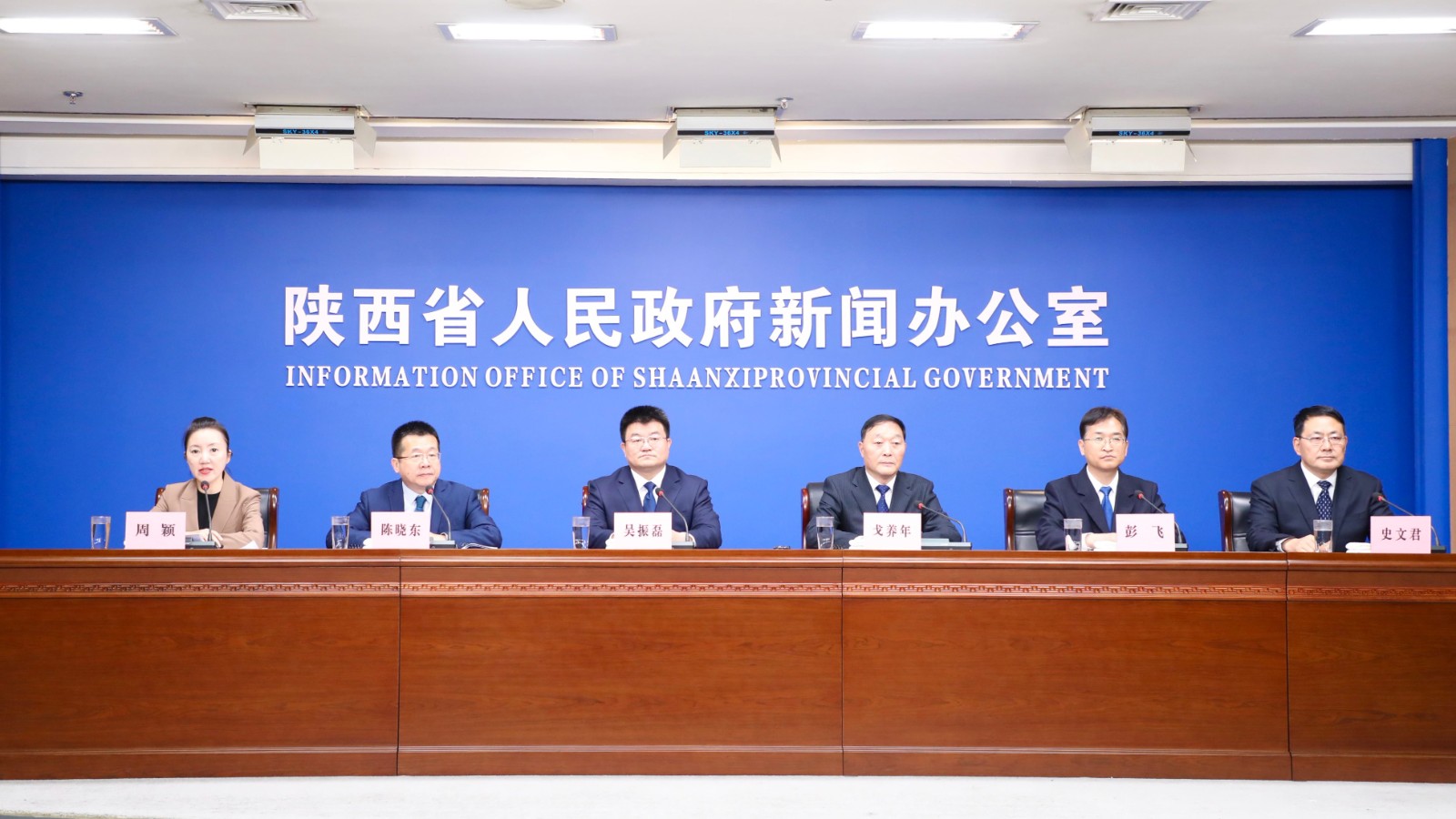
陕西省人民政府新闻办公室举办新闻发布会介绍陕西“十四五”时期民生保障和社会建设成效有关情况
Shan Xi Ri Bao· 2025-12-03 07:50
Core Viewpoint The news conference held by the Shaanxi Provincial Government highlighted the achievements in social welfare and construction during the "14th Five-Year Plan" period, focusing on employment stability, social security reforms, talent development, and healthcare improvements. Employment and Social Security - The employment situation in Shaanxi has remained stable, with over 2.14 million new urban jobs created during the "14th Five-Year Plan" period, supported by various employment policies and training programs [5][6]. - The social security system has been enhanced, with the number of participants in basic pension, unemployment, and work injury insurance reaching 32 million, 5.66 million, and 7.27 million respectively, showing significant increases from the end of the "13th Five-Year Plan" [6][7]. Talent Development - The province has focused on aligning talent development with key industrial needs, resulting in over 2.6 million professional technical personnel and attracting more than 6,000 postdoctoral talents for research and innovation [7][8]. - A comprehensive talent support system has been established, including a new skill level system and extensive training programs, contributing to over 6.1 million skilled workers in the region [8]. Healthcare Improvements - Shaanxi has strengthened its public health system, effectively managing multiple COVID-19 outbreaks and reducing the incidence of tuberculosis from 47.26 per 100,000 in 2020 to 36.72 per 100,000 [14][15]. - The province has improved healthcare access and quality, with 434 hospitals implementing streamlined services, and the establishment of regional medical centers to enhance healthcare delivery [15][16]. Education Development - The education system has made significant strides, with 8 universities included in national "Double First-Class" initiatives and over 600 new educational institutions built or renovated [9][10]. - The province has implemented various educational reforms, including a focus on moral education and the integration of technology in teaching, resulting in improved student engagement and performance [10][11]. Social Welfare and Governance - Shaanxi has enhanced its social welfare programs, with an increase in the average urban and rural minimum living standards by 10.1% and 15.5% respectively, ensuring support for over 1.19 million urban low-income individuals [19][20]. - The province has optimized social governance, with initiatives to improve marriage registration services and reduce funeral costs, enhancing overall community welfare [21][22].
优化产学研协同育人生态
Jing Ji Ri Bao· 2025-11-26 22:41
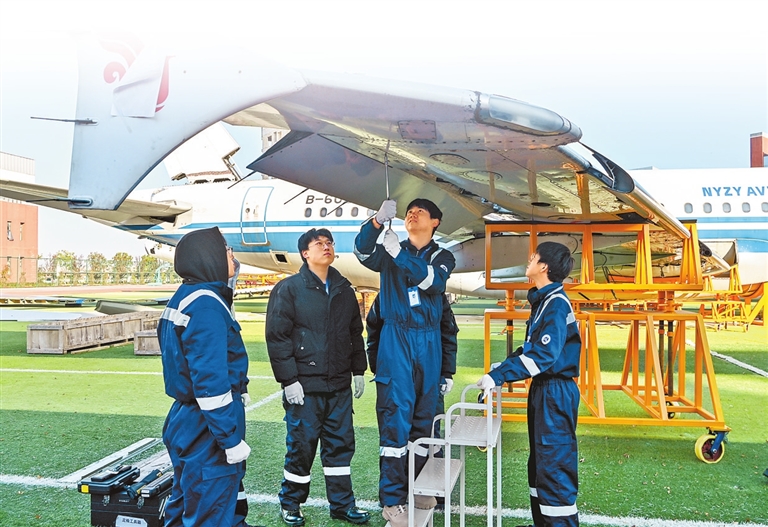
Core Insights - The article highlights the significant achievements in the collaboration between industry, academia, and research institutions in China, particularly in the context of technology transfer and innovation ecosystems [1][2]. Group 1: Achievements in Industry-Academia Collaboration - Over 4,100 technology achievements have been reported, indicating a robust progress in collaborative efforts across various regions [1]. - In 2024, the total contract amount for technology transfer from universities and research institutions reached 226.91 billion yuan, with nearly 20,000 collaborative research and transfer platforms established [1]. - 415 units have entered the "billion-level" technology transfer category, showcasing a shift from isolated breakthroughs to a more systematic approach [1]. Group 2: Regional Practices and Innovations - Jiangsu Province has enhanced its collaborative efforts through organized and systematic deep connections, exemplified by the partnership between Wuxi High-tech Zone and Jiangnan University, which has attracted over 1.3 billion yuan in cooperation funds [1]. - Shaanxi Province has initiated a hydrogen energy quality technology innovation base as a provincial pilot, promoting deep integration of education and industry in the new energy sector [1]. - A region in Zhejiang Province has established a graduate training base in collaboration with universities, resulting in the training of 252 talents and generating over 1.2 billion yuan in economic benefits [1]. Group 3: Challenges in Collaboration - There are existing gaps in collaborative goals, with a disconnect between talent cultivation and industry needs, as well as outdated academic disciplines [2]. - The effectiveness of resource integration is insufficient, with inadequate incentives for enterprises to participate in talent cultivation and obstacles in the technology transfer pathways from universities [2]. - Institutional barriers remain, with an incomplete evaluation system and resource-sharing mechanisms, hindering deeper collaboration and integration [2]. Group 4: Recommendations for Improvement - The government should enhance coordination and improve the institutional environment for collaborative development, including breaking down departmental management boundaries and establishing a joint meeting mechanism among education, technology, and industry departments [2]. - Universities need to focus on demand-oriented education, breaking down disciplinary barriers, and integrating industry standards into the curriculum to cultivate versatile talents [3]. - Talent cultivation can be improved through the establishment of industry colleges and joint research centers, providing students with paid internships and practical platforms [3].
实验室与生产线同频共振——山东校企构建创新共同体调查
Jing Ji Ri Bao· 2025-11-25 22:35
党的二十届四中全会提出,推动科技创新和产业创新深度融合,一体推进教育科技人才发展。当前,面 对新一轮科技革命和产业变革的现实需求,如何实现科技进步与产业发展的双向奔赴,加快培育新质生 产力?近年来,山东着力构建人才、教育、科技、产业全面协调发展的创新共同体,让"实验室"与"生 产线"同频共振,越来越多科研成果从"书架"走向"车间",助力经济社会高质量发展。 全面建设社会主义现代化国家,教育是基础,科技是关键,人才是根本。当前,现代化产业体系建设提 速升级,对科技创新、人才培养和教育发展均提出新要求。然而,一体推进教育科技人才发展仍存在诸 多瓶颈:科技创新组织协作机制尚不健全,高端创新平台建设滞后,产学研结合深度不足,科技成果转 化与市场应用衔接不畅,等等。 该如何突破上述卡点?作为教育大省、制造强省,山东省近年来将推动教育科技人才一体化发展作为发 展新质生产力和推动高等教育改革的重要抓手。2023年底,山东印发《山东省高等学校"百校万企万师 双进"行动方案》(以下简称"'双进'行动"),百所以上高校、万家以上企业、万名以上教师与工程师充 分发挥各自优势,展开校企双向交流,构建人才、教育、科技、产业全面协调发展 ...
学习贯彻党的二十届四中全会精神丨融聚新动能 科创向未来——“强省进行时”系列观察报道之三
He Nan Ri Bao· 2025-11-23 23:31
"坚持创新引领发展,一体推进教育发展、科技创新、人才培养,筑牢中国式现代化的基础性、战略性支 撑。"教育筑基、科技赋能、人才引领,三者合力,正在中原大地催生出澎湃的新质生产力。作为全国教育大 省,河南正以改革为笔、以创新为墨,在科教兴豫的赛道上跑出加速度,为现代化河南建设筑牢科创根基。 黄河之畔,"环郑大科创圈"建设如火如荼。 这个汇聚了科研人员、技术职业经理人、产业人员、金融人员的"创新反应场",正加速推进高校科技成果转 化为新质生产力,探索教育、科技、人才一体推进之路。 一场青春科创"风暴" 夜幕降临,郑州大学国家大学科技园里依然灯火通明。一街之隔的郑州大学校园内,科创竞赛、工程实训、 项目路演等活动热火朝天。 郑州大学学生曹森正带领团队验证新想法。他们研发的"敖丙——基于仿生海蛇的智能海洋管道检测机器 人"在不久前落幕的中国国际大学生创新大赛(2025)上摘得金奖。 这是我省高校在本次创新大赛上获得的37项金奖之一。但这绝非终点,赛场外,郑州大学、河南科技大学等 省内高校的44个优秀项目,获得意向投资10.4亿元。 从赛事到日常,科技成果转化都能拥有八方助力。政策"松绑"搭建一揽子服务制度体系,六大平台 ...
李志起:未来五年首都发展将迎来“三大变革”
Xin Jing Bao· 2025-11-17 14:54
Core Insights - The Beijing Municipal Committee's recent meeting outlined the main goals for the city's economic and social development during the 14th Five-Year Plan, emphasizing a strategic upgrade in the capital's development model centered around "new quality productivity" [1][2]. Economic Development - The focus for the next five years will shift from traditional investment and factor-driven growth to innovation-driven growth, with "new quality productivity" as the central theme [2]. - The plan includes three major transformations: a shift to innovation-driven growth, a focus on high-tech industries and the integration of digital and physical economies, and the removal of institutional barriers to enhance the role of enterprises and collaboration between industry, academia, and research [2]. Urban Governance - A significant change in urban governance is proposed, moving from a reactive "complaint-based" system to a proactive "anticipatory governance" model, utilizing big data and AI to identify and resolve issues before they arise [3]. - The meeting also highlighted the importance of pollution prevention and the ambitious goal of creating a "garden city," which aims to enhance the ecological appeal and livability of Beijing [3]. Digital Economy - Beijing aims to become a global benchmark city for the digital economy, with a focus on the integration of digital technology into the real economy, driven by artificial intelligence as a key tool for fostering new quality productivity and smart governance [3]. Overall Impact - The implementation of the 14th Five-Year Plan is expected to not only define the future of Beijing but also serve as a living example of "Chinese-style modernization" [4].
中关村如何继续做创新的领头羊?
Bei Jing Wan Bao· 2025-11-12 07:45
Core Insights - Zhongguancun is recognized as a leading hub for technological innovation in China, maintaining its top position among 178 national high-tech zones, with nearly 10 trillion yuan in total revenue, accounting for about one-sixth of the national high-tech zone revenue [1] Innovation Results Transformation - In 2024, Zhongguancun's invention patent authorization per 10,000 employees reached 174.7, which is 1.8 times that of 2020, highlighting the need for effective transformation of these innovations [1] - The traditional innovation results transformation chain is evolving, requiring a shorter process that includes both concept and value validation to assess commercial viability earlier [2] Integration and Collaboration - Major industry players are beginning to vertically integrate to control the development of the industry, as seen with OpenAI's establishment of its own infrastructure [2] - New flexible research institutions are needed to bridge the gap between research and industry demands, as traditional research institutions may not align with current industry needs [2] Talent Development and Education - Zhongguancun boasts a concentration of top-tier talent due to the presence of leading universities and research institutions, which is crucial for technological innovation [4] - There is a need for educational reforms to align talent development with the actual demands of technological innovation and industry transformation [4][5] Encouraging Innovation and Risk-Taking - The importance of enterprises as innovation leaders is increasing, as they are better positioned to address market needs and connect various resources [6] - A supportive environment that encourages risk-taking and tolerates failure is essential for fostering innovation [6] Competitive Positioning - Zhongguancun is rapidly closing the gap with Silicon Valley and Cambridge in terms of talent systems, innovation atmosphere, and reform measures, particularly in the artificial intelligence sector [7]

