
生态共建

Search documents
奥雅股份联合创始人、董事、总裁李方悦:商业的边界正在消融,品牌创新的黄金时代刚刚开始
Mei Ri Jing Ji Xin Wen· 2025-12-12 11:28
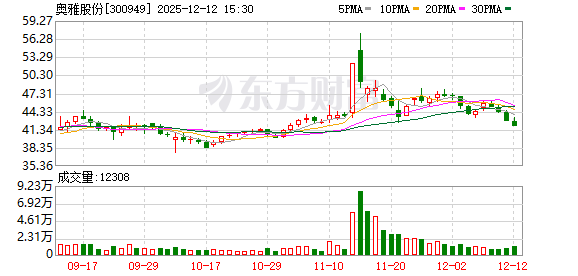
Core Insights - The article discusses the transformation of Aoya Co., from a professional landscape design company to a leading cultural tourism enterprise that integrates content and business models [2] - Aoya Co. emphasizes the importance of ecological co-construction and long-termism in its business strategy, highlighting the need for rich scenarios that incorporate brands and IPs [2] - The company has successfully created over 250 operational projects across China, serving more than 2 million families and attracting over 10 million visitors [2] Group 1 - Aoya Co. is transitioning to a cultural tourism leader by embedding content and business models into its offerings [2] - The company has developed over 250 operational projects, with significant visitor engagement, such as a project in Guangzhou attracting 6 million visitors [2] - The future trend is towards ecological co-construction, where brands and IPs require rich scenarios for effective engagement [2] Group 2 - The integration of space renewal, scenario creation, and content innovation is expected to accelerate cross-industry collaboration and lead to the emergence of super brands in China [3] - Aoya Co. believes that the boundaries of commerce are dissolving, indicating that business is increasingly integrated into everyday life [2] - The company anticipates a golden era of brand innovation, driven by long-termism in the development of Chinese brands and IPs [2]


贾跃亭喊话马斯克:愿与特斯拉在FSD上展开合作
Feng Huang Wang· 2025-11-26 08:49
Core Insights - Faraday Future (FF) is willing to collaborate with Tesla on Full Self-Driving (FSD) technology and has completed compatibility with Tesla's charging network [1] - FF aims to focus on ultra-luxury vehicles while the FX model targets the mass market, with a goal of selling 500,000 units over the next five years [1] - FF announced that all future models launching in 2026 will be equipped with the North American Charging Standard (NACS) interface, allowing access to over 28,000 Tesla Supercharger stations [1] Company Developments - The collaboration between FF and Tesla marks a shift from competition to infrastructure co-development, highlighting a strategic partnership in the EV ecosystem [2] - The affected models include the next-generation FF 91 and the upcoming FX Super One BEV version, which will benefit from the NACS standard [1]


商用车智能化闯关:成本、法规与场景落地的“三重门”
Jing Ji Guan Cha Wang· 2025-11-22 16:09
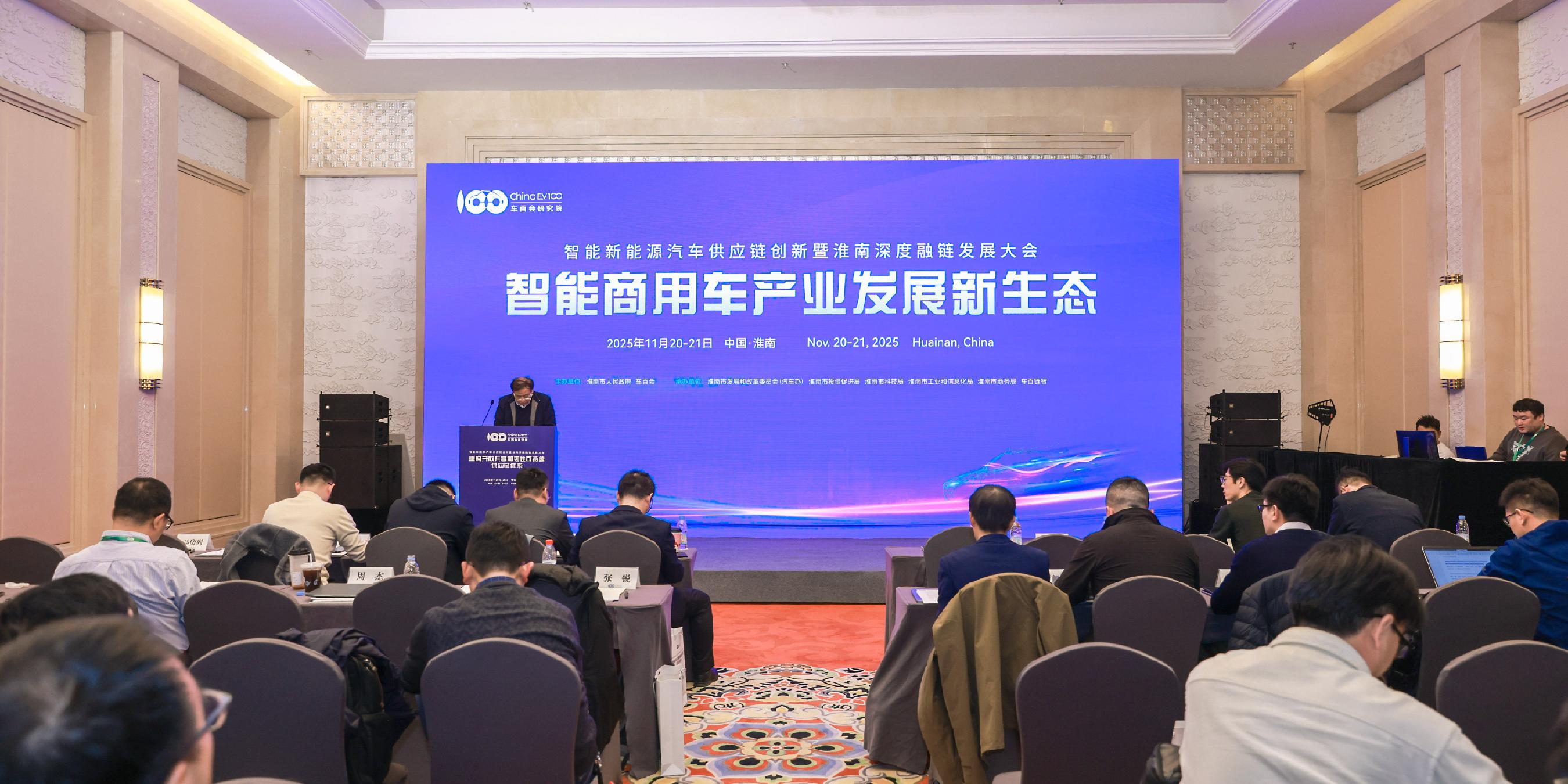
Core Insights - The core challenge in the commercial vehicle sector's transition to intelligence is the need for technology to translate into economic benefits, as safety and efficiency are the primary customer demands [2][3]. Group 1: Current Challenges - The cost of intelligent systems currently accounts for 15% of the total vehicle cost, with expectations to drop to 4% by 2028, but high initial investments remain a significant barrier to widespread adoption [2][3]. - The sales growth rate of new energy heavy trucks reached 180% in the first three quarters of 2024, with a penetration rate of 25%, yet the adoption rate of intelligent features is still below expectations [2]. - The logistics industry is shifting from being policy-driven to a dual drive of technology and market demands, necessitating urgent transformation in the commercial vehicle sector [2]. Group 2: Technological and Regulatory Pressures - There is a significant technological gap between commercial and passenger vehicles, with commercial vehicles having only dozens of TOPS compared to passenger vehicles' thousands [3]. - Regulatory inconsistencies and uncertainties pose risks for long-term strategic planning and large-scale investments in the commercial vehicle sector [3][4]. - The complexity of commercial vehicle scenarios, including diverse customer needs and extreme operational environments, presents additional challenges for the implementation of intelligent solutions [4]. Group 3: Ecosystem Integration and Value Reconstruction - The strategy for autonomous driving technology is shifting from full self-research to a more pragmatic, layered approach that emphasizes collaboration to reduce costs and enhance efficiency [5]. - Companies are increasingly focusing on ecosystem collaboration rather than isolated technological breakthroughs, with examples like 吉利's integration of software, hardware, and insurance systems to enhance operational efficiency [5]. - Data-driven solutions are becoming central to value creation, with companies like 吉利 utilizing flexible data collection systems to optimize operational costs and improve service delivery [6]. Group 4: Maintenance and Support Innovations - The high usage intensity and fault rates of commercial vehicles necessitate advanced maintenance solutions, as traditional repair knowledge is often outdated [6]. - Companies are leveraging AI to create intelligent maintenance systems that can accurately diagnose issues based on technician inputs, thereby improving repair efficiency [6].
中非光伏产业联盟在汉成立
Chang Jiang Ri Bao· 2025-11-21 00:21
Core Points - The 2025 China-Africa Innovation Cooperation and Development Forum was held in Wuhan, focusing on innovation and collaboration across various sectors [1] - Approximately 800 participants from 43 countries and regions attended, including government officials, diplomats, and representatives from academia and industry [1] Group 1: Forum Highlights - The forum's theme was "New Opportunities for Innovative Cooperation, Hand in Hand to Pursue Modernization," emphasizing industrial collaboration, technological innovation, cultural exchange, modern agriculture, health, and green development [1] - A total of 39 cooperation agreements were signed, including projects in scientific research, talent training, and industrial collaboration [1] Group 2: Key Initiatives - The establishment of the China-Africa Photovoltaic Industry Alliance was announced, marking a shift from "single-point demonstration" to "ecological co-construction" in renewable energy cooperation [1] - 23 service platforms were launched, including the "African Smart Construction Promotion Center" and the "Wuhan (China-Egypt) Plant Biosafety 'Belt and Road' Joint Laboratory" [1] Group 3: Research and Publications - The forum released three significant documents: the "Africa Food-Water Resources-Environmental Protection and Development Scientific Action Plan (2026-2030)," the "Case Studies of Agricultural Technology Poverty Alleviation in China (English Version)," and the "Africa Industrialization Blue Book (2024) - Focus on New Energy Industry" [1]
IDC:预计2026年中国智能眼镜市场迎来规模化拐点 出货量将突破491.5万台
Zhi Tong Cai Jing· 2025-11-20 05:52
Core Insights - The smart glasses market is transitioning from general products to scenario-based solutions, with significant growth expected by 2026, where global shipments are projected to exceed 23.687 million units, and China's market is expected to surpass 4.915 million units [1][2] Group 1: Market Growth and Dynamics - The smart glasses market is anticipated to reach a critical growth point in 2026, driven by strategic positioning, a trial economy, and AI capabilities, with average prices maintaining around 1500 yuan, appealing to both tech enthusiasts and general consumers [2] - The demand and supply sides are both contributing to this growth, with brands aiming to secure the next generation of computing interfaces [2] Group 2: Product Experience Enhancements - Smart glasses are expected to see improvements in comfort and battery life, with weights dropping from 70-90 grams to around 50 grams by 2026, and over 45% of products expected to weigh less than 50 grams [3] - Battery life is projected to increase by 2-4 hours due to advancements in dual-chip and cloud collaboration architectures, addressing previous limitations [3] Group 3: Competitive Landscape - Manufacturers are focusing on functional differentiation to navigate hardware balance limitations, leading to a new phase of competition [3] - Non-color products are expected to account for 85% of the market by 2026, as companies create products tailored to specific use cases [3] Group 4: AI Integration and User Interaction - AI is enhancing smart glasses' role as a key input device across various platforms, with new interaction methods like micro-gestures and eye-tracking improving user experience [4] - By 2026, over 30% of smart glasses are expected to support AI capabilities, with 75% of voice assistants utilizing large models for complex tasks [5] Group 5: Ecosystem Development - The industry is shifting from hardware competition to ecosystem building, with major platforms opening core capabilities to developers, fostering a more unified development environment [6][7] - This transition aims to break the current bottleneck of scarce applications, enhancing the overall ecosystem [7] Group 6: Brand Collaboration and Market Strategy - Brand collaborations are expected to deepen, moving from resource sharing to comprehensive synergy, allowing for the exploration of new market spaces [8] - Smart glasses are building a "experience-decision" consumption loop, with a focus on enhancing user experience through professional channels and immersive demonstrations [8] Group 7: Supply Chain and Production Challenges - The strong demand for smart glasses is creating challenges in the supply chain, particularly in core components like optical waveguide lenses and high-performance chips [9] - By 2026, the supply chain is expected to achieve more efficient resource allocation and quality control to support market expansion [9] Group 8: Global Market Expansion - Chinese smart glasses manufacturers are projected to capture 45% of the global market by 2026, employing diverse strategies for overseas expansion [10] - These manufacturers are focusing on local partnerships and adapting proven domestic solutions for international markets to gain competitive advantages [10]
长三角有色金属供应链创新大会在池州召开 共建统一大市场新格局
Zhong Guo Jing Ji Wang· 2025-11-19 10:12
Core Insights - The "2025 Yangtze River Delta Nonferrous Metal Supply Chain Innovation Conference" was successfully held in Chizhou, Anhui, focusing on the theme of "Digital Chain Connectivity, Financial Empowerment, and Ecological Co-construction" to promote sustainable development in the nonferrous metal industry [1] - Over 150 representatives from government, industry experts, financial institutions, and enterprises gathered to discuss policies and pathways for integrated development in the nonferrous metal sector [1] Group 1: Industry Context - Nonferrous metals are crucial industrial raw materials, and their supply chain stability is vital for the development of various sectors such as electricity, electronics, construction, and new energy [2] - The conference highlighted the challenges faced by the nonferrous metal industry, including resource constraints, low collaboration efficiency, and financing difficulties for small and medium-sized enterprises [2] - Chizhou's economic growth rate of 5.5% in the first three quarters of this year outpaces national and provincial averages, with expectations for the new materials industry to exceed 100 billion yuan in output this year [2] Group 2: Policy and Strategic Framework - The conference aligns with national strategies and emphasizes the importance of a stable and efficient supply chain for national economic security and manufacturing competitiveness [3] - The establishment of a unified national market is essential for creating a high-level socialist market economy, with ongoing efforts to eliminate market barriers and promote fair competition [3] Group 3: Financial Integration - Financial empowerment is crucial for supporting the real economy, with banks like Jiujiang Bank focusing on integrating industry, policy, technology, and finance to meet diverse financial needs in the nonferrous metal sector [6] - Jiujiang Bank has developed a comprehensive product system to support the nonferrous metal industry, including a digital platform and various financing solutions [6] Group 4: Practical Implementation - The conference introduced a comprehensive supply chain platform that integrates industry, finance, warehousing, and logistics to facilitate low-cost financing and high-quality raw material supply [7] - Discussions during the conference focused on the integration of technology, industry, and finance to address challenges in the nonferrous metal supply chain [7] - The event marked a significant opportunity for the nonferrous metal industry in the Yangtze River Delta to advance towards high-quality development, emphasizing the need for policy collaboration, technological breakthroughs, and financial empowerment [7]
直通进博会丨共话进博会“溢出效应” 在临港读懂中国机遇的核心“密码”
Zhong Guo Jin Rong Xin Xi Wang· 2025-11-10 13:29
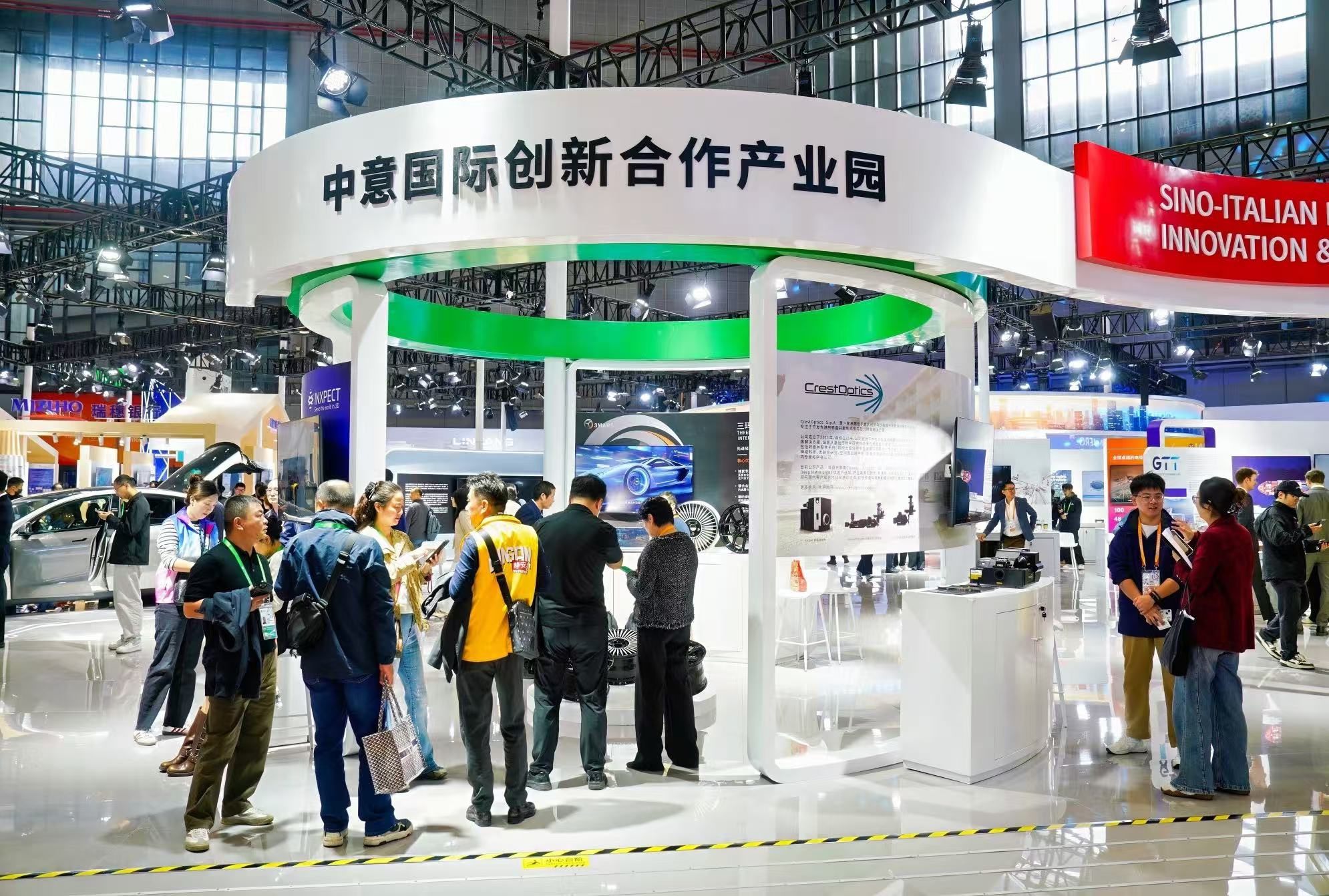
Core Insights - The eighth China International Import Expo (CIIE) concluded successfully, showcasing numerous achievements and opportunities for first-time exhibitors across various sectors, including industrial technology, biomedicine, new materials, cross-border trade, and regenerative medicine [1] Group 1: Market Opportunities - First-time exhibitors leveraged their technological advantages to align with China's development needs, which is crucial for market entry [2] - INXPECT SPA presented its SIL-certified safety radar system, addressing safety challenges in automated production, aligning with China's shift towards high-end, intelligent manufacturing [2] - Three Mars High Tech International Limited showcased high-performance magnesium alloy forged wheels, enhancing electric vehicle range, thus capitalizing on the industry's lightweight trend [4] - Weisheng Pharmaceutical, nearing commercialization with its growth hormone for children, aims to tap into China's vast unmet medical needs, with plans for market entry by early 2026 [5] Group 2: Ecosystem Building - The CIIE serves as a platform for connecting upstream and downstream industry players, facilitating the transformation of exhibits into commercial products [6] - Weisheng Pharmaceutical transitioned from an observer to an independent exhibitor, achieving significant partnerships during the expo, highlighting the event's role in resource integration [6] - Three Mars International utilized a "mother-son synergy" model to establish connections across various sectors, enhancing collaboration opportunities within the supply chain [9] Group 3: Cross-Border Trade - The CIIE provides a platform for cross-border collaboration, enabling companies to explore both "entering China" and "expanding out of China" strategies [10] - Melonise Group facilitated the entry of leading Turkish companies into the Chinese market, enhancing trade relations and identifying local demand for Turkish products [12] - INXPECT SPA aims to introduce European industrial safety technologies to China while leveraging the market's scale to expand throughout the Asia-Pacific region [13]
锚定区域谋发展,郑州银行2025Q3以“稳”破局、以“优”提质
Ge Long Hui· 2025-11-06 01:02
Core Viewpoint - Zhengzhou Bank demonstrates robust operational performance amidst a moderately loose monetary policy and intensified industry competition, showcasing a dual focus on scale and quality in its development strategy [1] Group 1: Asset Growth and Risk Control - As of the end of Q3 2025, Zhengzhou Bank's total assets reached 743.55 billion yuan, a year-on-year increase of 9.93%, with an asset increment of 67.19 billion yuan, which is 1.87 times that of the same period last year [1] - The bank's total deposits reached 459.52 billion yuan, reflecting a year-on-year growth of 13.59%, with an increment of nearly 55 billion yuan [1] - The total loans and advances amounted to 406.72 billion yuan, a growth of 4.91% compared to the end of the previous year, indicating a targeted allocation of credit resources to key economic sectors [1] Group 2: Structural Optimization and Retail Transformation - In the first three quarters, Zhengzhou Bank achieved an operating income of 9.395 billion yuan and a net profit attributable to shareholders of 2.279 billion yuan, representing year-on-year growth of 3.91% and 1.56% respectively [5] - Net interest income increased by 5.83% to 7.816 billion yuan, while non-interest income reached 1.579 billion yuan, indicating a diversification of income sources [5] - Personal loan balances grew by 5.88% to 96.306 billion yuan, and personal deposits surged by 22.44% to 267.143 billion yuan, reflecting increased trust from local residents [5] Group 3: Ecosystem Development and Service Enhancement - The bank has established a "Four Major Steward" ecosystem, enhancing customer engagement through various services such as healthcare and social security integration, targeted support for small and micro enterprises, customized asset management, and financial services in rural areas [6] - This comprehensive service network aligns with the banking industry's trend towards customer-centric development, transforming retail operations from product sales to integrated service experiences [6] Group 4: Conclusion - Zhengzhou Bank's growth strategy is characterized by a clear trajectory of "stable scale, optimized structure, and strengthened risk control," forming a "iron triangle" for high-quality development [7] - The bank aims to leverage the economic development benefits of the Henan region while enhancing its digital service capabilities and financial operations to contribute to regional economic growth [7]
“运营效率”“用户需求”“生态共建”成住房租赁企业“破题”关键
Xin Hua Cai Jing· 2025-10-23 16:59
Group 1 - The salon focused on the transformation and future of the housing rental market, highlighting industry trends and market opportunities in the new rental era [1] - The implementation of the Housing Rental Regulations has begun to release policy dividends, leading to a new development opportunity for the rental industry [1] - Experts emphasized the need for companies to quickly and sensitively respond to changes in user demands, particularly in the rental sector, to gain a competitive edge [1] Group 2 - The discussion included topics such as differentiated operations, evolution of business models, and enhancement of asset value [1] - Companies are encouraged to balance economic and social value, transitioning from "landlords" to "micro-city operators" to meet diverse user needs [1][2] - The core keywords for the new rental era are "operational efficiency," "user demand," and "ecological co-construction," which are essential for reconstructing living relationships and promoting urban symbiosis [2]


文化赋能 科技助力 生态共建 好想你探索红枣产业高质量发展新路径
Zhong Guo Zhi Liang Xin Wen Wang· 2025-10-16 07:56
Core Viewpoint - The company "Hao Xiang Ni" is exploring new paths for high-quality development in the red date industry, integrating cultural empowerment, technological assistance, and ecological co-construction to enhance the value and global influence of red dates [1][2][3] Group 1: Cultural Empowerment - The company has established the China Red Date Museum and regularly hosts events like the Red Date Harvest Festival, embedding red date culture into the entire industry chain from planting to sales [1] - The "Oriental Date Gift" product series has been showcased internationally, serving as a cultural ambassador for Chinese agricultural heritage [1] Group 2: Technological Innovation - The company has invested 440 million yuan in a freeze-drying production facility that utilizes vacuum dehydration technology to preserve over 95% of the nutritional content of red dates [2] - The company aims to improve its agricultural product processing ratio from the current 2.61:1 to a target of 3:1 to 4:1, indicating a focus on increasing added value [2] - Innovations include the development of functional products like black gold dates and eight-treasure tea, as well as the integration of IoT technology in digital planting bases for real-time monitoring [2] Group 3: Ecological Co-construction - The company promotes a "company + cooperative + farmer" model, enhancing red date quality and increasing farmers' incomes by over 30% [3] - The integration of planting, processing, and cultural tourism has transformed the red date harvest season into a regional cultural tourism IP, attracting hundreds of thousands of visitors annually [3] - The company's efforts reflect a broader shift in Chinese agriculture from quantity to quality, with cultural empowerment, technological innovation, and ecological co-construction becoming key strategies for branding agricultural products [3]
