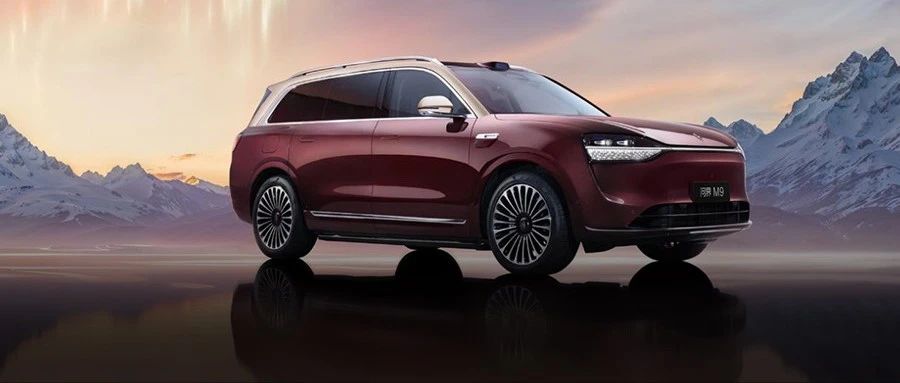
科技豪华

Search documents
18个月50万级销冠!问界M9如何重写豪华车市场规则
Feng Huang Wang Cai Jing· 2025-09-24 14:16
Core Insights - The AITO M9 has disrupted the luxury car market, achieving over 240,000 deliveries and capturing more than 70% of the new energy market in the 500,000+ segment within 18 months of its launch [1] - Traditional luxury car dealers are increasingly shifting towards AITO M9, indicating a significant change in consumer preferences [1] Group 1: Technology and Innovation - AITO M9 leverages Huawei's full-stack intelligent technology to establish a new paradigm of "tech luxury," moving beyond traditional luxury metrics like engine displacement and leather quality [1][2] - The vehicle offers advanced features such as the HarmonyOS 4 and the upgraded Huawei QianKun intelligent driving system, which enhances user experience and safety [2] - The introduction of the "Parking from Space 2.0" feature allows for seamless parking, showcasing the vehicle's advanced automation capabilities [2] Group 2: Market Positioning and User Experience - AITO M9 is positioned as a "full-scenario smart flagship SUV," catering to both high-end business and family travel needs, thus transforming the perception of luxury from mere status to experiential value [4] - The vehicle's design and features have made it a popular choice for business receptions, enhancing corporate image and facilitating client interactions [4] - Family-oriented features, such as rear-seat projection and child-friendly modes, address specific user pain points, making it a preferred choice for parents [5][6] Group 3: Market Impact and Competitive Landscape - The introduction of the new color "Silver Purple" reflects AITO M9's confidence and aims to attract younger, trend-conscious consumers [7][8] - The success of AITO M9 has pressured global automotive giants, leading to layoffs and dealership closures as they respond to the rise of Chinese smart car brands [8] - The shift from "material luxury" to "tech luxury" signifies a fundamental change in consumer values, challenging traditional luxury car manufacturers to adapt or risk obsolescence [8]
18个月50万级销冠!问界M9如何重写豪华车市场规则
凤凰网财经· 2025-09-24 14:08
Core Insights - The AITO M9 has disrupted the luxury car market, achieving over 240,000 deliveries and capturing more than 70% of the market share in the 500,000+ yuan new energy segment within 18 months of its launch [1][4]. Group 1: Technology and Market Positioning - The AITO M9 leverages Huawei's full-stack intelligent technology to redefine "tech luxury," moving beyond traditional luxury metrics like engine displacement and leather quality [4][11]. - Traditional luxury car users are increasingly shifting their focus from brand prestige to technological experience and practicality, with features like advanced driver assistance and vehicle-to-phone integration becoming key decision factors [5][11]. - The AITO M9's advanced features, such as the HarmonyOS 4 voice assistant and the upgraded ADS 4 driving system, set a new standard for intelligent driving and user interaction [8][9][10]. Group 2: User Experience and Market Impact - The AITO M9 is positioned as a "full-scenario smart flagship SUV," catering to both high-end business and family travel needs, thus enhancing user experience from mere status symbol to a more meaningful engagement [12][24]. - The vehicle's design and features have made it a popular choice for business receptions, with companies reporting direct business benefits from using the M9 [15][16]. - The M9's family-oriented features, such as rear-seat entertainment and safety systems, address common pain points for family users, enhancing overall satisfaction [19][23]. Group 3: Color Strategy and Market Dynamics - The introduction of the "Silver Purple" color reflects the AITO M9's confidence and aims to attract younger, trend-conscious consumers [26][29]. - The success of the AITO M9 has prompted traditional luxury car manufacturers to make strategic adjustments, including layoffs and dealership closures, in response to the competitive pressure from Chinese brands [31][34]. - The shift from "material luxury" to "tech luxury" signifies a fundamental change in consumer value perception, with the AITO M9 exemplifying how technology can redefine luxury in the automotive sector [34][35].

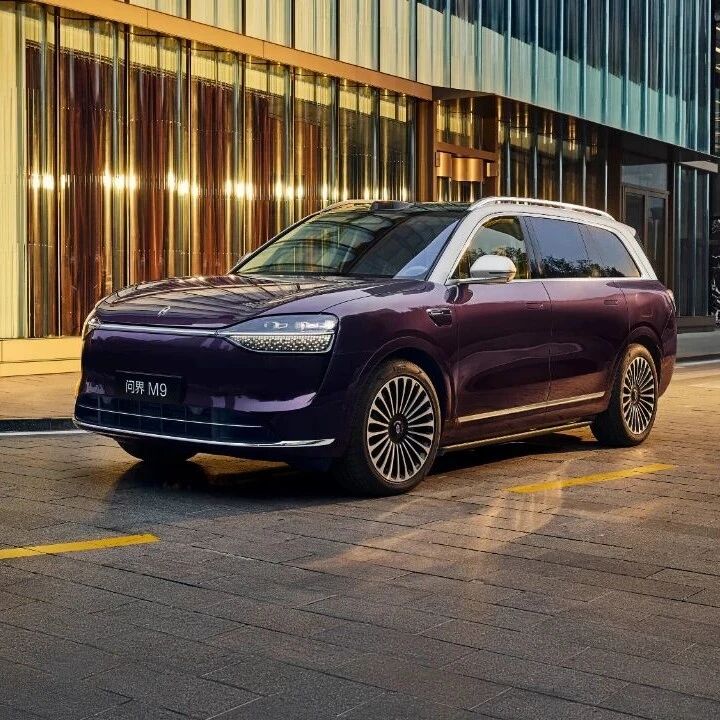
问界M9,何以霸榜50万元车市?
36氪· 2025-09-24 09:11
Core Viewpoint - The AITO Wenjie M9 is reshaping the high-end automotive market in China, establishing itself as a benchmark for luxury vehicles and demonstrating the potential of domestic brands in the premium segment [2][19]. Sales Performance - Since its launch, the Wenjie M9 has become the best-selling model in the 500,000 yuan and above segment, capturing a significant market share [3][4]. - As of September 23, the cumulative deliveries of the Wenjie M9 have surpassed 240,000 units, maintaining the top position in sales for 18 consecutive months in the 500,000 yuan and above category [4]. Product Features and Upgrades - The Wenjie M9 has been recognized for its high resale value, user recommendation rates, and overall performance in various assessments, solidifying its status as a value benchmark in high-end smart vehicles [4]. - Recent upgrades include the introduction of the "Silver Purple" color, tailored for urban young elites, particularly appealing to female users [6][15]. - The latest upgrade features Huawei's advanced ADS 4 driving assistance system, enhancing user experience with continuous driving capabilities and proactive safety measures [12][8]. Market Impact - The success of the Wenjie M9 has validated the "tech luxury" approach, prompting traditional luxury brands to accelerate their transformation towards electric and intelligent vehicles [9][23]. - The competitive landscape in the 500,000 yuan market has shifted from a monopoly by traditional luxury brands to a more competitive environment where domestic brands are emerging as significant players [24]. - The Wenjie M9's rise is seen as a critical challenge to traditional luxury brands, which are now facing operational pressures and are forced to cut costs through layoffs and factory closures [20][21]. Strategic Shift - The Wenjie M9 is not only impacting product sales but also challenging the strategic foundations of traditional luxury brands, pushing the industry towards a new era driven by technology and user-centric demands [26][23]. - The vehicle's integration of top-tier technology and Chinese manufacturing positions it on the global high-end stage, competing directly with international giants [25].
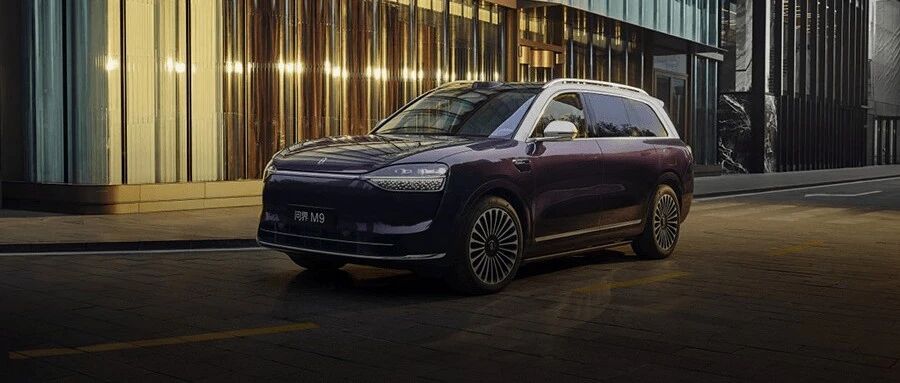
高端市场,中国品牌也能讲“成功学”了!
Hua Er Jie Jian Wen· 2025-09-24 04:44
Core Insights - The AITO M9 has captured 70% of the market share for new energy vehicles priced above 500,000 yuan in China, significantly impacting the sales of traditional luxury brands like BMW, Mercedes-Benz, and Audi, which have all seen declines of over 10% in sales [1][3] - The decline in profit margins for these luxury brands, such as BMW's net profit margin dropping by 26% year-on-year in Q1, is attributed to weakened product competitiveness and increased pressure from the AITO M9's advanced features [1][3] - The AITO M9 is not only dominating sales but is also reshaping consumer perceptions of luxury vehicles, positioning itself as the default choice for consumers in the high-end market [3][7] Market Dynamics - In 2022, traditional luxury brands held a 93.5% market share in the luxury car segment, but the launch of the AITO M9 marked a turning point, challenging the status quo and redefining consumer expectations [3][7] - The AITO M9's success is driven by its advanced technology, such as the HarmonyOS cockpit and intelligent driving features, which appeal to consumers seeking a modern luxury experience [12][13] - The vehicle's strong performance in resale value and customer recommendation ratings further solidifies its position in the market, indicating a shift in brand perception towards AITO [7][15] Brand Strategy - The recent launch of the new "Silver Purple" exterior color aims to attract younger consumers, enhancing the AITO M9's appeal as a symbol of individuality and taste [10][12] - The AITO M9 continues to innovate with over 50 new features introduced, reinforcing its status as a technology flagship and expanding its competitive edge in the luxury vehicle market [12][13] - The brand's strategy focuses on creating a closed-loop logic of sustained sales and continuous evolution, which not only benefits the AITO M9 but also enhances the overall brand equity of AITO [13][15]
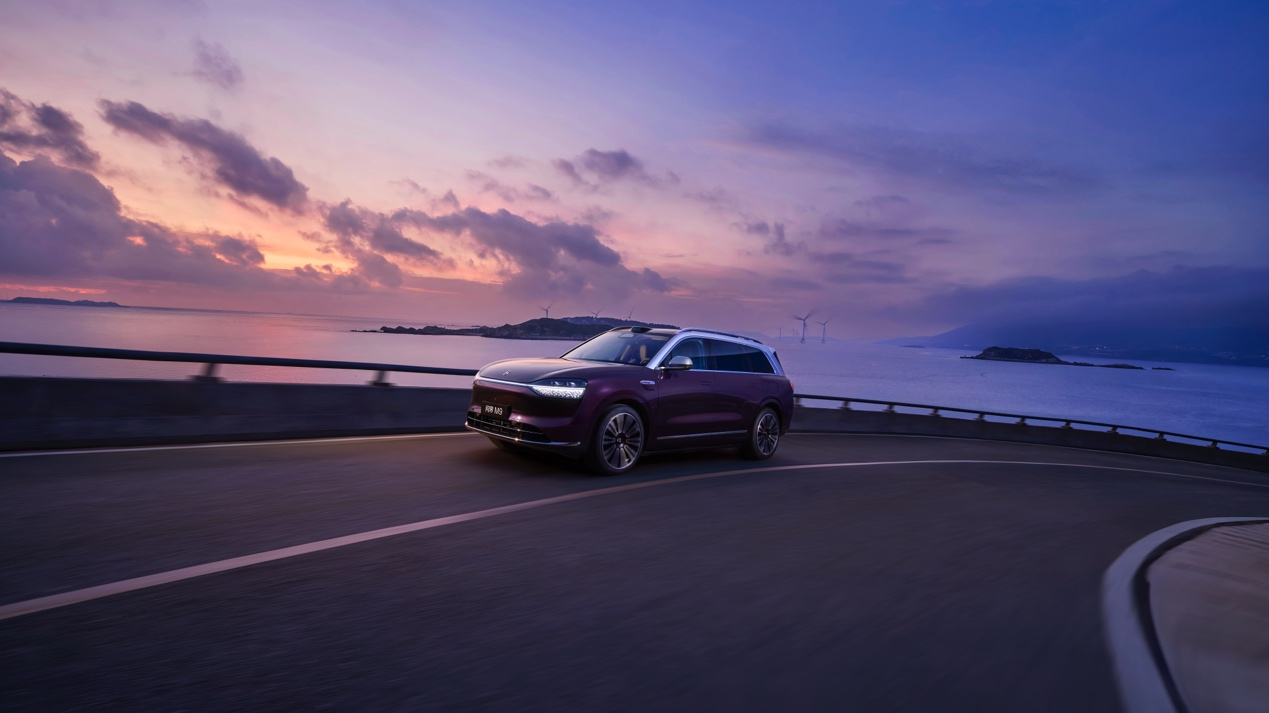
研发投入激增30% 江淮汽车打响“科技豪华”突围战
Zhong Guo Jing Ying Bao· 2025-08-29 12:03
Core Viewpoint - The automotive industry in China is experiencing rapid growth, with a focus on smart and high-end vehicles, prompting companies like JAC Motors to significantly increase R&D investments despite short-term revenue pressures [2][12]. Group 1: R&D Investment and Financial Performance - JAC Motors reported a 34.47% increase in R&D investment in the first half of 2025, amounting to 2.216 billion yuan, which represents 11.44% of its revenue [2][4]. - The company's revenue showed a slight decline, indicating that the increased R&D spending is part of a strategic transformation rather than a sign of operational weakness [2][12]. - JAC Motors' sales in various segments, including over 36,000 pickups and more than 9,200 new energy light trucks, demonstrate resilience amid market challenges [2]. Group 2: Strategic Partnerships and Technological Advancements - The collaboration with Huawei has been pivotal, leading to the establishment of a comprehensive ecosystem that integrates R&D, manufacturing, supply chain, and organizational transformation [5][7]. - JAC Motors has formed a dedicated team of over 5,000 for the "Zun Jie" project and has set up a research center in Shanghai, partnering with top universities for advanced technology development [5][7]. - The launch of the Zun Jie S800 model has been successful, with over 12,000 orders within 87 days, reflecting market acceptance of the JAC-Huawei technology partnership [2][9]. Group 3: Future Outlook and Strategic Goals - JAC Motors aims to achieve a revenue target of 100 billion yuan by focusing on high-quality development and enhancing user experience in its product offerings [9][10]. - The company is committed to strengthening its core competencies in vehicle integration, user experience, green technologies, and smart manufacturing to build a competitive edge [9][12]. - JAC Motors is leveraging national policies to enhance its market competitiveness and internal capabilities amid ongoing state-owned enterprise reforms [10].

豪华车们已无路可退,反攻之道就在眼前
3 6 Ke· 2025-08-09 14:18
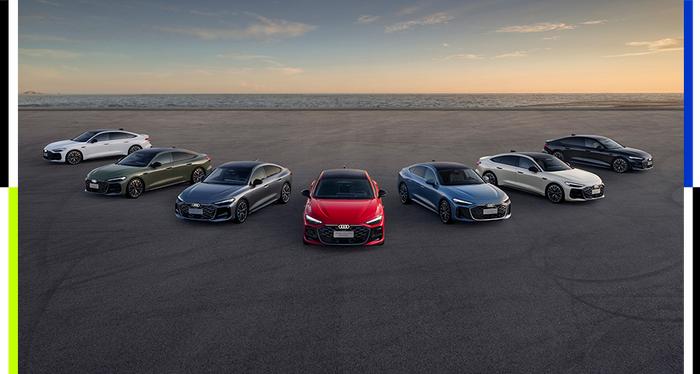
Core Viewpoint - The luxury automotive industry is facing significant challenges due to the rapid transformation driven by smart technology and electric vehicles, necessitating a shift towards intelligent and electric models to remain competitive [3][5][10]. Group 1: Market Trends - The automotive market in China is undergoing a comprehensive transformation, moving from wholesale to direct consumer engagement, with user demands increasingly dictating product definitions [3]. - Traditional luxury car manufacturers are struggling to adapt to the electric and intelligent vehicle trends, resulting in declining sales and profits [4][5]. - For instance, Mercedes-Benz's sales in Asia dropped by 16% year-on-year, while BMW's sales in China fell by 15.5% [4][5]. Group 2: Technological Integration - Audi has launched new models equipped with Huawei's QianKun intelligent driving technology, marking a significant step in integrating smart technology into luxury vehicles [7][20]. - The collaboration with Huawei allows Audi to enhance its intelligent driving capabilities while maintaining its engineering excellence [22][30]. - The QianKun technology includes advanced sensor systems that support high-level driving assistance across various scenarios, showcasing a blend of luxury and technology [7][20]. Group 3: Competitive Landscape - The competition in the luxury automotive sector is intensifying, with new entrants leveraging technology and capital to capture market share [17][30]. - Traditional luxury brands must adapt quickly to avoid being overshadowed by emerging players that prioritize smart and electric vehicles [17][30]. - The partnership with Huawei is seen as a strategic move for Audi to regain its competitive edge in the luxury market [11][30]. Group 4: Future Outlook - Huawei's QianKun is positioned as a leading force in automotive intelligent technology, with substantial investments in research and development aimed at enhancing product and user experience [26][29]. - The anticipated rollout of the QianKun ADS 4 technology is expected to significantly improve the performance and efficiency of autonomous driving systems [29][30]. - The luxury automotive sector must embrace this technological shift to maintain relevance and meet the evolving expectations of consumers [30].
豪华车们已无路可退,反攻之道就在眼前
36氪· 2025-08-09 13:35
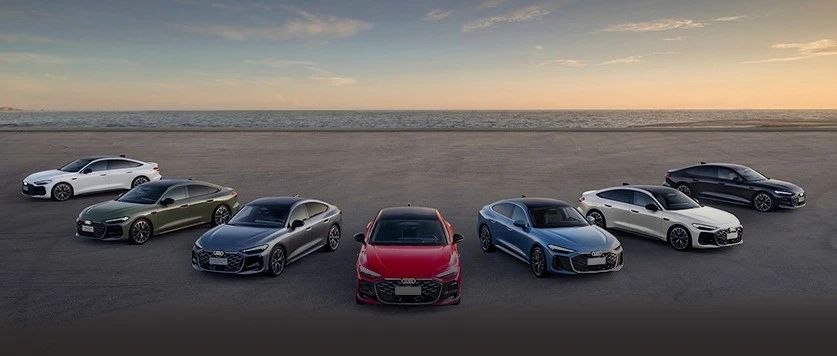
Core Viewpoint - The luxury automotive industry is facing significant challenges due to the rapid transformation towards electrification and smart technology, necessitating a shift in strategy to remain competitive, particularly in the Chinese market [3][4][44]. Group 1: Market Dynamics - The luxury car market in China is undergoing a comprehensive transformation, with consumer preferences shifting towards direct-to-consumer sales models and smart, electrified vehicles [3][4]. - Traditional luxury car manufacturers have struggled to adapt to these changes, resulting in declining sales and profits, as seen in the half-year reports of major brands like Mercedes-Benz and BMW [5][6][7][8][9]. - The competition is intensifying with the rise of new energy vehicle brands and tech-driven companies, which are rapidly gaining market share [22][23]. Group 2: Technological Transformation - The integration of AI and smart technology is becoming essential for luxury car brands to meet evolving consumer expectations, with a focus on features like advanced driver assistance systems [15][40]. - Audi has initiated a significant transformation by partnering with Huawei's QianKun technology to enhance its smart driving capabilities, marking a strategic shift towards integrating advanced technology into its vehicles [11][24][28]. - The collaboration with Huawei allows Audi to leverage cutting-edge technology while maintaining its engineering excellence, creating a competitive edge in the luxury segment [31][35]. Group 3: Huawei's Role - Huawei's QianKun technology is positioned as a key player in the automotive smart technology landscape, with substantial investments in R&D and a robust development framework [37][38][44]. - The QianKun driving assistance system is set to revolutionize the market with its advanced capabilities, including the upcoming ADS 4 architecture, which promises significant improvements in performance and efficiency [42][43]. - By partnering with Huawei, traditional luxury brands can quickly address their technological shortcomings and enhance their product offerings to meet the demands of modern consumers [44].
极氪9X首搭浩瀚-S:架构豪华,还是叙事先行?
Tai Mei Ti A P P· 2025-07-16 03:50
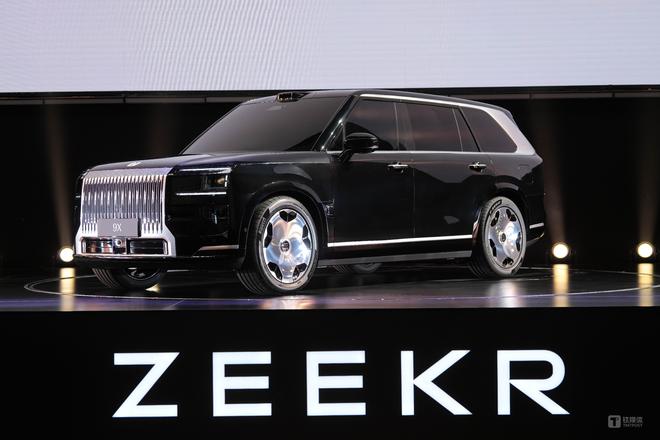
Core Viewpoint - The launch of the "Hao Han-S" luxury hybrid architecture by Zeekr represents a significant technological shift in the automotive industry, aiming to redefine luxury electric mobility beyond traditional hybrid solutions [2][11]. Group 1: Technological Innovation - The Hao Han-S architecture is the world's first high-end hybrid platform built on a pure electric architecture, featuring a 900V high-voltage system and a megawatt-level electric drive system [2][5]. - The Zeekr 9X, the first model based on the Hao Han-S architecture, boasts a maximum power of 1030 kW and can accelerate from 0 to 100 km/h in just 3.1 seconds, making it the fastest hybrid SUV globally [5]. - The vehicle achieves a pure electric range of 380 km under CLTC conditions and features a 6C ultra-fast charging capability, allowing it to charge from 20% to 80% in just 9 minutes [5]. Group 2: Market Positioning - Zeekr's strategy to enter the luxury new energy market through hybrid technology addresses current technological bottlenecks and user anxieties regarding electric vehicles [2][3]. - The Hao Han-S architecture aims to bridge the technological gap between traditional hybrids and electric vehicles, targeting high-end users who require performance and range [3][11]. - The Zeekr 9X is positioned as a flagship SUV for the new energy era, with a focus on practical user scenarios rather than just performance metrics [10][11]. Group 3: Safety and Intelligence - The Zeekr 9X incorporates advanced safety features, including high-strength body materials and a unique battery layout designed to withstand extreme conditions [7]. - The vehicle is equipped with the "Qianli Haohan H9" intelligent driving system, featuring dual NVIDIA DRIVE Thor-U chips and a comprehensive 360-degree perception system [7]. - The design philosophy emphasizes user experience and practical applications, such as automatic stability control in high-wind conditions [8][10]. Group 4: Brand Strategy - The Hao Han-S architecture is seen as a key weapon for Zeekr to break through brand limitations and restructure its position within the Geely brand matrix [11]. - Zeekr aims to compete directly with luxury brands like Mercedes-Benz and BMW, focusing on a new definition of luxury based on technology rather than traditional materials [13]. - The brand is transitioning from a performance-centric approach to one that emphasizes user needs and co-creation, reflecting a shift in market strategy [10][11].

华为,重磅发布!
Zhong Guo Ji Jin Bao· 2025-05-30 14:23
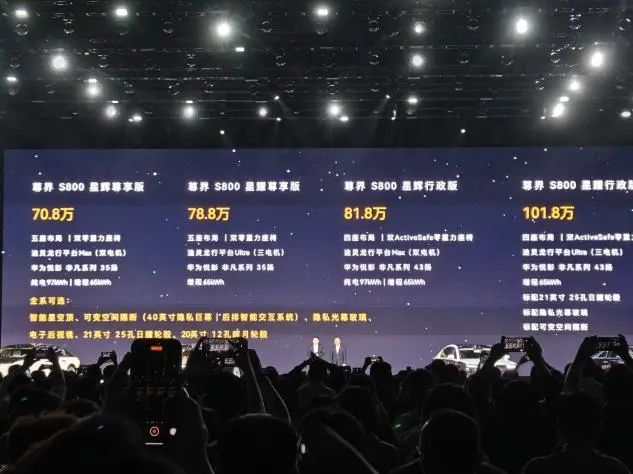
Core Insights - The launch of the ultra-luxury car, Zun Jie S800, marks a significant challenge to the international luxury car market by Chinese brands [1][3] - Huawei's extensive technological integration into the vehicle emphasizes its commitment to enhancing the Chinese automotive industry's capabilities [5][7] Pricing and Market Position - The Zun Jie S800 is priced starting at 708,000 yuan, with four versions available at prices ranging from 708,000 to 1,018,000 yuan [3] - The vehicle targets the high-end luxury market, competing directly with brands like Maybach and Rolls Royce [15] Technological Innovations - The Zun Jie S800 features several innovative technologies, including the world's first dual zero-gravity rear seats and advanced noise isolation techniques [11] - It incorporates the Turing Dragon platform, which boasts a decision-making latency of less than 1 millisecond and a tenfold increase in processing capability [11] Battery Safety and Performance - The vehicle is equipped with the Whale Battery Platform 2.0, which includes multiple safety features and a cooling system that enhances battery safety [12][13] - The battery design aims to prevent thermal runaway and includes a robust protective structure [12] Market Expectations and Sales Projections - Initial pre-sales have been promising, with over 2,100 orders within 48 hours of the announcement [15] - Analysts predict that the Zun Jie S800 could achieve monthly sales of 1,000 units, with total sales potentially exceeding 18,000 units by 2026 [14][15] Investment Opportunities - The automotive electronics sector is seeing significant capital inflow, indicating strong market interest in the Zun Jie S800 and its associated technologies [15][16] - Investment strategies suggest focusing on companies within the Huawei supply chain and those leading in intelligent driving technologies [16]
科技车皇的进化
36氪· 2025-03-06 10:31
Core Viewpoint - The launch of the AITO M9 marks a significant shift in the luxury car market, positioning itself as a leading player in the high-end electric vehicle segment, leveraging Huawei's advanced technology and brand strength [2][3][22]. Group 1: Product Overview - The AITO M9, referred to as the "Tech Car Emperor," integrates Huawei's full-stack technology, including intelligent driving, HarmonyOS ecosystem, and advanced electric drive systems, rapidly capturing the mid-to-high-end electric vehicle market [2][10][22]. - Since its large-scale delivery began in March 2024, the AITO M9 has achieved cumulative deliveries of 200,000 units, averaging over 16,000 units per month, with an average price of 550,000 yuan [2][25]. - The upcoming 2025 model of the AITO M9 features a new color scheme inspired by traditional Chinese architecture and will continue to enhance its luxury attributes and technological capabilities [6][30]. Group 2: Market Impact - The AITO M9 has disrupted the luxury car market traditionally dominated by foreign brands, becoming a spearhead for Chinese brands in the mid-to-high-end market [3][25]. - The vehicle's rapid sales growth, achieving 200,000 units in just one year, represents a significant portion of the luxury car market, indicating a strong demand for Chinese electric vehicles [25][26]. - Traditional luxury car manufacturers are increasingly engaging with Chinese brands, highlighting the growing influence and market presence of Chinese luxury electric vehicles [26][27]. Group 3: Technological Advancements - The AITO M9 is equipped with advanced sensors, including four laser radars and 32 intelligent driving sensors, enabling high-level autonomous driving capabilities [12][13]. - Huawei's investment in R&D, exceeding 10 billion yuan annually, supports the continuous evolution of intelligent driving technologies, ensuring the AITO M9 remains competitive [28][29]. - The vehicle's software capabilities allow for ongoing upgrades, enhancing user experience and maintaining the vehicle's technological edge over time [29][30]. Group 4: Brand Strength - Huawei's established reputation as a leader in ICT and its strong brand presence contribute significantly to the AITO M9's market success [19][22]. - The integration of Huawei's technology and product development methodologies enhances the AITO M9's appeal, positioning it as a luxury brand that resonates with consumers [21][22]. - The concept of "tech luxury" is becoming increasingly accepted, with consumers valuing technological innovation as a key component of luxury vehicles [20][24].