美联储改革

Search documents
Vatee:斯蒂芬·米兰,美联储的“异见者”与白宫的经济智囊
Sou Hu Cai Jing· 2025-10-02 04:11
Core Viewpoint - Stephen Miran has emerged as a distinctive voice in economic policy, challenging traditional economic theories and practices, particularly in monetary policy, through his roles at the Federal Reserve and the White House Council of Economic Advisers [1][3]. Group 1: Career Background - Miran's unconventional career path includes a transition from biochemistry at Boston University to deep economic thought, reflecting a unique mindset [3]. - He served as a senior advisor at the Treasury during the Trump administration, contributing to significant economic policies like the CARES Act [3]. - After leaving the corporate sector, he joined the Manhattan Institute, focusing on topics such as the return of U.S. manufacturing and global trade restructuring, becoming a key advisor in Trump's economic policy [3]. Group 2: Monetary Policy - At the September 2023 Federal Reserve meeting, Miran proposed a 50 basis point interest rate cut, contrasting with the 25 basis point cut supported by other members [4]. - He argues that the current tight monetary policy is hindering economic recovery, advocating for a federal funds rate closer to 2% instead of the current level [4]. - Miran's stance reflects a deep understanding of the U.S. economic situation, emphasizing that high interest rates are suppressing economic growth and credit market activity [4]. Group 3: Industrial Policy - Miran advocates for gradually increasing tariffs and lowering the dollar's exchange rate to promote the return of manufacturing to the U.S. and reduce trade deficits [4]. - He believes that the U.S. has a unique advantage in the global trade system, and tariff policies can effectively adjust trade structures and optimize economic layouts [4]. - Despite criticism from some economists, this approach has gained traction as a mainstream economic policy under the Trump administration [4]. Group 4: Federal Reserve Reform - Miran's proposals for reforming the Federal Reserve challenge existing governance structures, which he believes are too closed and lead to "groupthink" [4]. - Suggested reforms include allowing the President to dismiss the Fed Chair and board members at any time, shortening board terms, and increasing legislative oversight of the Fed's budget [4]. - While some scholars criticize these proposals for potentially undermining the Fed's independence, they reflect Miran's desire for a more flexible and responsive decision-making process to address complex economic challenges [4]. Group 5: Controversy and Criticism - Miran's views have not been universally accepted, facing strong opposition from economists like Nobel laureate Paul Krugman, who critiques his tariff and monetary policies [5]. - Krugman argues that Miran's policy framework is controversial and may not succeed in practice [5]. - Nonetheless, Miran's perspectives provide a new lens on U.S. economic policy, particularly regarding the balance between globalization and domestic economic interests, challenging traditional free trade notions [5].

美联储要“变天”了?共和党推新法案,要求终结双重使命!
Jin Shi Shu Ju· 2025-09-19 15:13
Core Viewpoint - A new bill introduced by House Republicans aims to reform the Federal Reserve's dual mandate, focusing primarily on controlling inflation rather than maximizing employment and price stability [2][3]. Group 1: Legislative Changes - The "Price Stability Act of 2025" seeks to end the Federal Reserve's dual mandate established in 1977, which requires it to maximize employment and ensure price stability [2]. - House Financial Services Committee Chairman French Hill emphasized the need for a clear focus on inflation control to protect American households [2]. Group 2: Criticism of the Federal Reserve - Republican lawmakers argue that the Federal Reserve's expanding regulatory scope has hindered its ability to stabilize prices and threatens its independence [3]. - Treasury Secretary Becerra criticized the Federal Reserve's evolution since the 2008 financial crisis, claiming it has distorted financial markets and weakened its independence [5]. Group 3: Proposals for Reform - There are calls for a comprehensive review of the Federal Reserve's operations, including its monetary and regulatory policies, to enhance its independence and accountability [5][6]. - Former Federal Reserve Governor Kevin Walsh suggested a new agreement between the Treasury and the Federal Reserve to clarify their goals and enhance independence [6]. Group 4: Public Trust and Future Meetings - Recent polling indicates that only 45% of Americans trust the Federal Reserve to manage the economy effectively, with 33% approving of Chairman Powell's performance [6]. - The Federal Open Market Committee (FOMC) recently lowered the federal funds rate by 25 basis points, and the next policy meeting is scheduled for October 28-29 [7].
美联储主席鲍威尔:美联储将裁员10%
Sou Hu Cai Jing· 2025-09-19 09:58
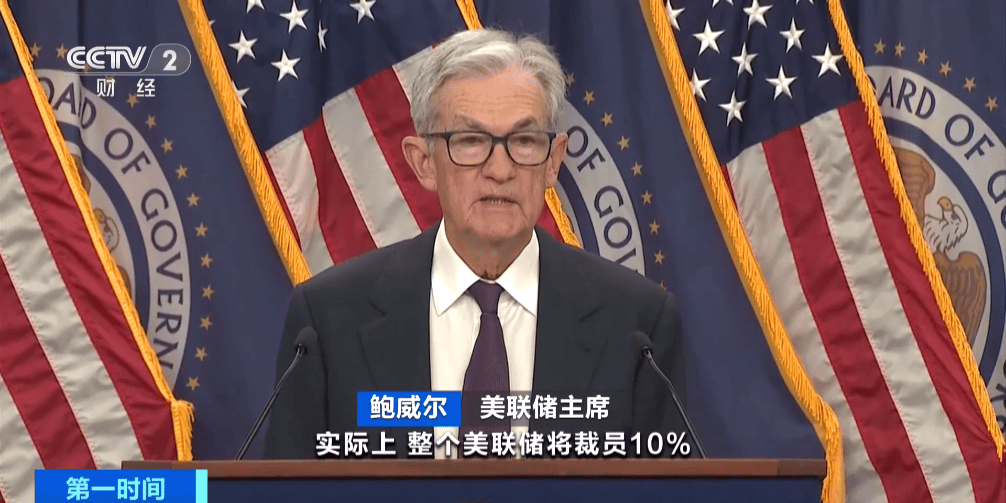
Group 1 - The Federal Reserve plans to reduce its workforce by 10%, which will bring the total number of employees down to approximately 22,000, returning to levels seen over a decade ago [1][3][4] - The Federal Reserve currently employs 23,950 individuals, with a projected budget for 2024 that would increase this number to 24,553 before the cuts [3] - The U.S. government is pressuring federal agencies to reduce staff to help cut the federal deficit, although the Federal Reserve operates independently and does not rely on congressional funding or taxpayer support [3][4] Group 2 - Federal Reserve Chairman Jerome Powell expressed willingness to accept constructive criticism regarding reforms but does not see the need for a formal review of the Federal Reserve [3]
通胀粘就业冷降息升温 贵金属高位震荡待突破
Jin Tou Wang· 2025-09-12 07:09
Group 1 - The core inflation data for August shows a year-on-year increase of 2.9% and a month-on-month increase of 0.4%, indicating that inflation has not worsened but remains sticky [3] - Initial jobless claims surged to 263,000, the highest in nearly four years, signaling a slowdown in the labor market [3] - The economic slowdown further strengthens expectations for a 25 basis point rate cut by the Federal Reserve next week, with potential for three cumulative cuts by the end of the year [3] Group 2 - The recent discussions by Treasury Secretary Besant with potential Federal Reserve chair candidates indicate a broader selection process beyond the previously publicized list [3] - Besant is advocating for a "gradual reduction of the balance sheet" as a core reform for the Federal Reserve, aiming to reduce its substantial bond holdings and lessen economic intervention [3] - The combination of pressure for rate cuts from the White House and leadership transition risks enhances market expectations for continued easing policies, supporting precious metal prices [3] Group 3 - Precious metals are expected to maintain a long-term upward trend, with short-term gold prices projected to fluctuate between $3,550 and $3,730 per ounce [4] - The medium-term outlook for gold suggests a potential new high near $3,800 per ounce [4] - Silver prices are closely monitored around the $43 per ounce resistance level, with a breakthrough potentially targeting $45 per ounce [4]
特朗普为何提名他出任美联储理事?
Sou Hu Cai Jing· 2025-08-08 14:28
Group 1 - President Trump has appointed Stephen Moore as the new member of the Federal Reserve Board, filling the vacancy left by the resignation of Governor Kugler, with a term ending on January 31, 2026 [1] - Stephen Moore is a prominent supporter of Trump's economic policies and has been a key advisor in trade policy, which aligns with Trump's expansionary tariff strategy [1][4] - Moore has previously criticized the Federal Reserve's decision-making process, advocating for a more forward-looking approach, which resonates with Trump's current economic agenda [4] Group 2 - Trump plans to nominate another candidate for a full 14-year term on the Federal Reserve Board starting January 2026, potentially as a successor to current Chair Jerome Powell [7] - Speculation includes candidates such as former Fed Governor Kevin Walsh, economic advisor Kevin Hassett, current Fed Governor Christopher Waller, and Michelle Bowman, with Waller being considered a strong possibility [7] - The long-term candidate must align with Trump's economic philosophy, with Waller's views on monetary policy being more dovish and supportive of data-driven decisions, which may balance Trump's demands while maintaining Fed independence [10]
这一提名,特朗普“一箭双雕”!
华尔街见闻· 2025-08-08 09:49
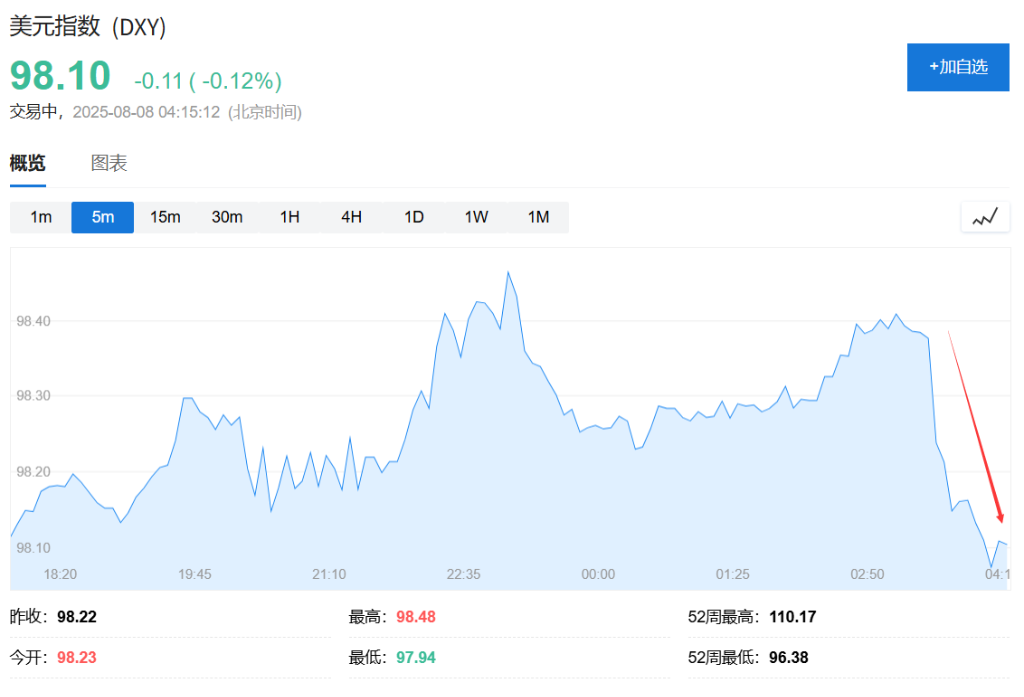
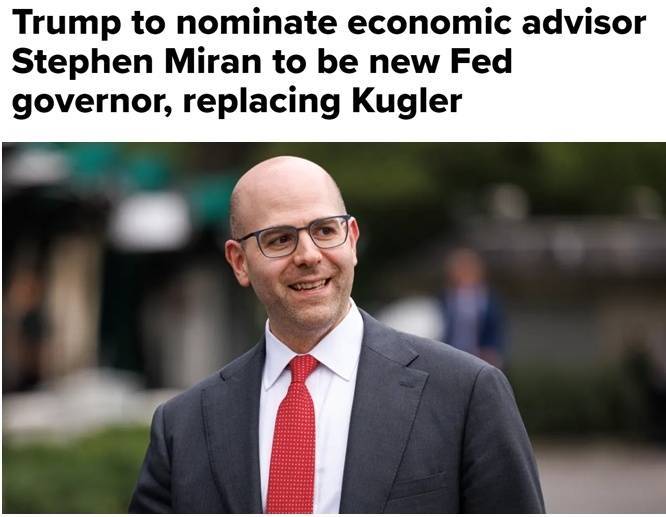
Core Viewpoint - The appointment of Stephen Miran by President Trump to the Federal Reserve Board is a strategic move aimed at reshaping the Fed's policy direction and gaining time for future leadership decisions [2][3][10]. Group 1: Appointment Details - Trump's nomination of Miran fills a vacancy left by the resignation of Adriana Kugler, with Miran's term set to end in January next year [1]. - This appointment is seen as a temporary measure, allowing Trump to plan for the next Fed Chair after Jerome Powell's term ends in May [3][7]. Group 2: Market Reactions - Following the announcement, concerns about the independence of the Federal Reserve increased, leading to a decline in the dollar index [4]. - Analysts suggest that fears of diminished Fed independence could result in selling pressure on the dollar [6]. Group 3: Policy Implications - Miran's appointment is expected to bolster the dovish faction within the Federal Open Market Committee (FOMC), aligning with Trump's preference for lower interest rates [10][11]. - His previous criticisms of the Fed's policies and support for Trump's tariffs indicate a potential shift in the Fed's approach to economic policy [12][14]. Group 4: Future Considerations - The nomination of Miran raises questions about the future direction of the Fed, particularly regarding its independence and decision-making processes [14][15]. - Analysts predict that the presence of Miran may lead to a more fragmented FOMC, with diverse viewpoints influencing monetary policy [15][16].

荷兰国际银行:特朗普提名美联储临时理事对美元的影响较小
Sou Hu Cai Jing· 2025-08-08 09:39
Core Viewpoint - The appointment of Stephen Moore to fill the vacancy on the Federal Reserve Board has led to only a slight weakening of the US dollar, despite his previous criticisms of the Fed regarding interest rate cuts and calls for comprehensive reform [1] Group 1: Federal Reserve Board Changes - Stephen Moore has been nominated to temporarily fill a vacancy on the Federal Reserve Board until his term ends in January next year [1] - Reports suggest that Fed Governor Christopher Waller is a strong candidate to succeed current Fed Chair Jerome Powell, which has mitigated the impact of Moore's appointment [1] Group 2: Interest Rate Perspectives - Moore has previously criticized the Federal Reserve on the issue of interest rate cuts, indicating a more aggressive stance compared to other candidates [1] - In contrast, Waller's position on interest rate cuts is described as more moderate compared to another potential candidate, Kevin Hassett [1]

特朗普选了“海湖庄园协议”总设计师,启动“美联储MAGA化”?
华尔街见闻· 2025-08-08 03:13
Core Viewpoint - Trump's nomination of Stephen Miran to the Federal Reserve Board is seen as a significant move to reshape the Fed's leadership and align it more closely with his economic agenda, particularly in advocating for lower interest rates and financial deregulation [2][4][17]. Summary by Sections Nomination Announcement - Trump announced the nomination of Stephen Miran to fill the vacancy left by Adriana Kugler's resignation from the Federal Reserve Board [2][3]. Background of Stephen Miran - Miran is praised by Trump for his unparalleled expertise in economics and has been a close advisor since Trump's second term began [3]. - He is known for his influential "Mar-a-Lago Accord" paper advocating for a lower long-term value of the dollar and has publicly questioned the independence of the Federal Reserve [4][5]. Views on Federal Reserve - Miran has criticized the Fed's flexible inflation targets and warned that failure to manage inflation could lead to legislative changes to the Federal Reserve Act or the dismissal of board members by future presidents [6]. - He has also pointed out that the Fed's policies have created market expectations for aggressive easing in response to economic downturns [7]. Proposed Reforms - Miran has co-authored a report suggesting radical reforms for the Federal Reserve, including: - Granting voting rights to all Fed officials at every FOMC meeting [8]. - Allowing state governors to control local oversight committees for selecting regional Fed presidents [9]. - Permitting the White House to dismiss Fed officials at any time [10]. - Prohibiting board members from taking executive branch positions for four years after their term [11]. - Requiring Congress to allocate the Fed's operating budget [12]. Market Reactions - Wall Street's reaction to Miran's nomination is mixed, with some investors viewing it positively for potential rate cuts, while others express concerns about his qualifications and political stance [13][14]. - Analysts generally believe that Miran's nomination will not alter expectations for an upcoming rate cut by the Fed [14]. Implications of the Nomination - If confirmed, Miran will serve until the end of January, with limited opportunities to influence rate decisions [16]. - His nomination is seen as the beginning of Trump's long-term plan to reshape the Fed, introducing a strong "MAGA perspective" into the FOMC [17].
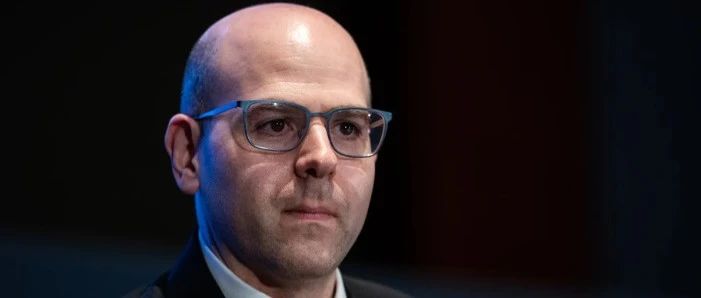
启动“美联储MAGA化”?特朗普选了“海湖庄园协议”总设计师
美股IPO· 2025-08-08 01:10
Core Viewpoint - Trump's nomination of Stephen Miran is seen as the beginning of a long-term plan to reshape the Federal Reserve, potentially undermining the authority of current Chairman Jerome Powell [1][15]. Group 1: Nomination Details - Trump officially nominated Stephen Miran to fill the vacant Federal Reserve Board seat left by Adriana Kugler's resignation, praising Miran's unparalleled expertise in economics [3]. - Miran's nomination is viewed as a significant step in Trump's efforts to reform the Federal Reserve leadership during his second term [4][15]. Group 2: Miran's Policy Views - Miran has publicly questioned the independence of the Federal Reserve and advocates for radical reforms, including allowing all Federal Reserve officials to vote at every meeting and granting the White House the power to dismiss central bank officials at any time [4][7]. - He is known for his influential "Mar-a-Lago Accord," which argues for measures to lower the long-term value of the dollar [5][6]. Group 3: Market Reactions - Wall Street's reaction to Miran's nomination is mixed, with some investors believing it could be beneficial for the market, while others express concerns about his qualifications and political stance [12]. - Analysts generally agree that Miran's nomination is unlikely to change expectations for an upcoming interest rate cut by the Federal Reserve [13][14]. Group 4: Implications for the Federal Reserve - If confirmed, Miran will serve until the end of January, with limited opportunities to influence rate decisions, especially given the high likelihood of a rate cut in September [14]. - His appointment is interpreted as a significant symbolic move, introducing a strong "MAGA perspective" into the Federal Open Market Committee, indicating a potential shift in the operational and policy discourse of the Federal Reserve [15].
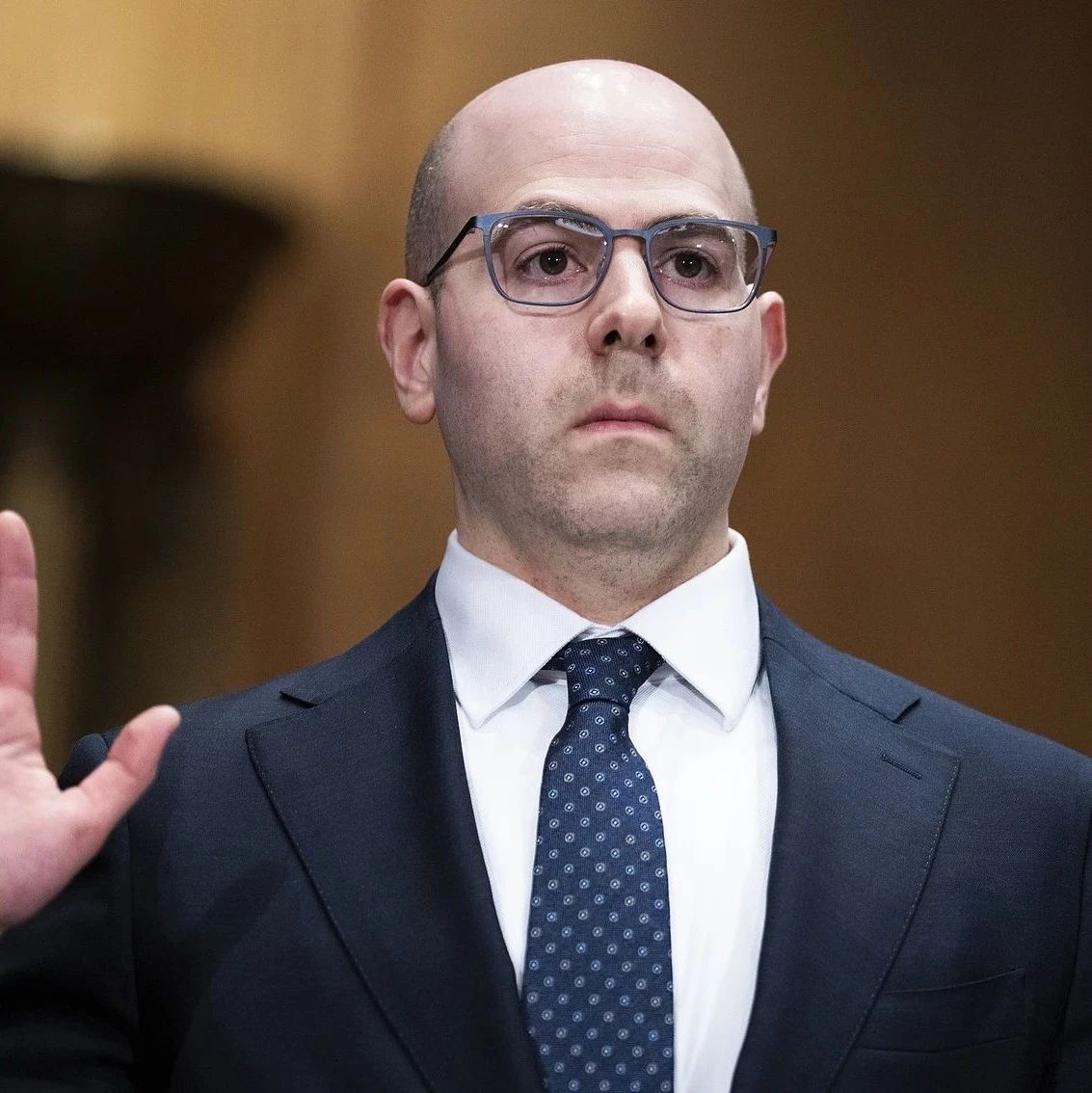
特朗普提名斯蒂芬·米兰担任美联储理事,任期至明年1月底
Hua Er Jie Jian Wen· 2025-08-07 20:26
Core Viewpoint - President Trump has nominated Stephen Miran as a member of the Federal Reserve Board, a decision that requires Senate approval. Miran has been an economic advisor to Trump since the beginning of his second term and is noted for his exceptional expertise in economics [1][2]. Group 1 - The nomination is intended to fill the upcoming vacancy left by the term expiration of Federal Reserve Board member Adriana Kugler in January [2]. - Following the announcement, the market reacted quickly, with the Bloomberg Dollar Spot Index erasing its intraday gains [2]. - Miran has been a critic of the Federal Reserve's recent performance, advocating for fundamental reforms within the institution [5]. Group 2 - In a 24-page reform plan co-authored with current Treasury Chief of Staff Dan Katz, Miran attributes the Federal Reserve's policy missteps to "groupthink" and questions whether its operations align with best practices for central bank independence [6]. - A notable aspect of Miran's reform proposal is the suggestion to completely separate monetary policy formulation from banking regulation and oversight functions, which would require legislative action to implement [6][7].