能源自主

Search documents
够中国用2万年!我国攻克世界级难题,抢先美国建造“无限能源”,中国能源底气悄然形成
Sou Hu Cai Jing· 2025-12-06 09:42
Core Viewpoint - The article highlights China's significant advancements in thorium-based molten salt reactor technology, which could reshape the country's energy security and independence, contrasting with other nations' reliance on external energy sources and short-term strategies [1][10]. Group 1: Technological Breakthroughs - China has developed the world's only stable thorium-based molten salt experimental reactor, overcoming challenges that have hindered other countries for decades [1][3]. - The research team has created a new nickel-based alloy that significantly reduces corrosion in molten salt environments, achieving only one-tenth of the corrosion seen in international counterparts [3][6]. - The thorium-based molten salt reactor not only generates electricity but also produces fresh water and hydrogen, showcasing its versatility in energy supply [3][6]. Group 2: Resource Advantages - China possesses over 1.4 million tons of thorium resources, accounting for more than three-quarters of the global supply, providing a solid foundation for the operation of the experimental reactor [5]. - The extraction of thorium as a byproduct of rare earth mining allows for low-cost utilization, further enhancing the economic viability of the technology [5]. Group 3: Strategic Implications - The molten salt reactor's design includes passive safety features that eliminate the risk of core meltdown, making it a safer alternative to traditional nuclear power plants [6]. - The reactor can be deployed in arid regions and remote locations, expanding energy access and security [6][8]. - China's energy strategy emphasizes long-term planning and security, contrasting with other nations that may focus on short-term gains [8][10]. Group 4: Future Prospects - The successful operation of the molten salt reactor in Wuwei positions China ahead of other countries, such as the U.S., which has only recently announced plans to restart similar projects [8][11]. - The integration of thorium-based molten salt reactors with renewable energy sources like solar and wind can create a stable energy supply, supporting China's energy transition [8][11]. - The advancements in this technology not only enhance energy independence but also contribute to national security and public welfare [10][11].

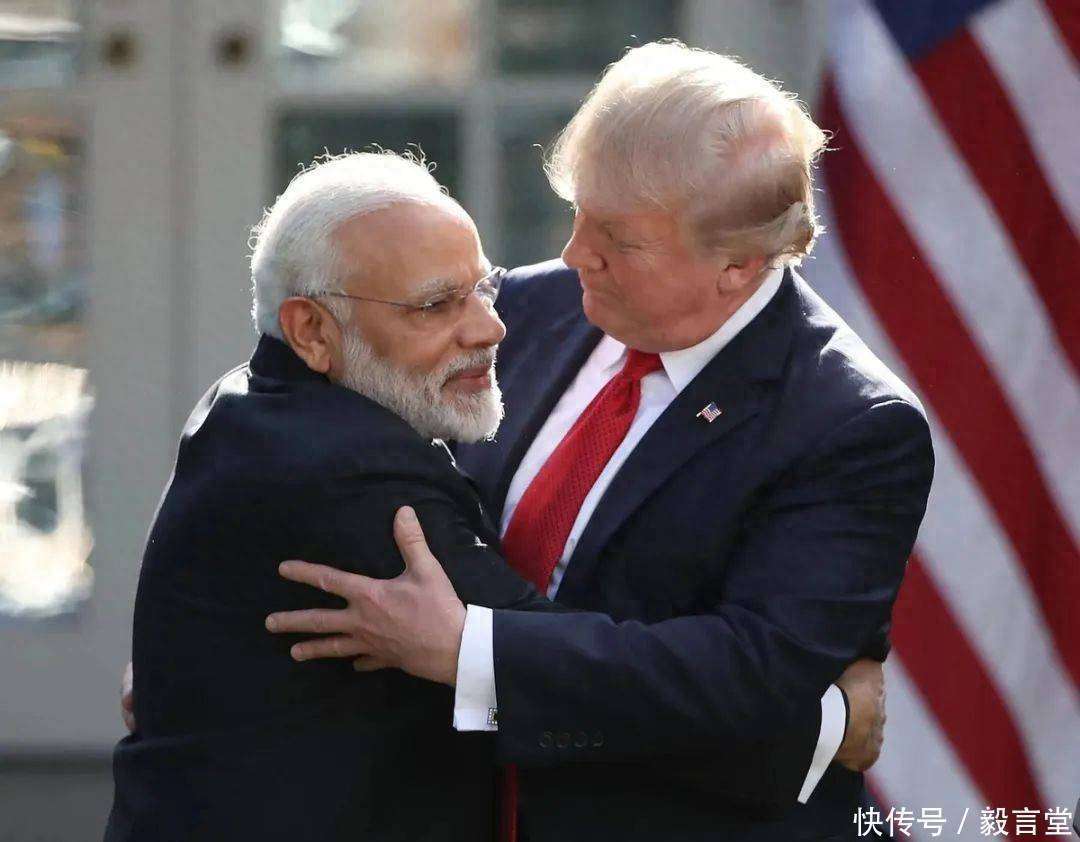
贪小便宜吃大亏?印度买俄油省百亿,美国却大涨关税,莫迪陷两难
Sou Hu Cai Jing· 2025-11-29 10:37
Group 1 - India's oil imports from Russia surged from 1.2 million barrels per day in 2022 to 1.8 million barrels per day in 2023, accounting for one-third of its total oil imports, resulting in savings of approximately $5 billion to $10 billion annually [3][5] - The U.S. government has threatened to impose a 25% tariff on countries purchasing Russian oil, which could significantly impact India's refining margins and profitability [5][8] - Indian refineries are primarily designed for high-sulfur Russian oil, making it challenging to switch to alternative sources without significant modifications [8][10] Group 2 - The CSIS report indicates that while Iraq and Saudi Arabia can provide high-sulfur oil as substitutes, the global idle production capacity is limited, which could lead to price spikes if India attempts to shift its sourcing rapidly [10][12] - India's government is planning to gradually reduce the proportion of Russian oil from 33% to 25% by 2026, adopting a cautious approach to manage the transition [15] - The current economic indicators show that India has a low inflation rate of 2.6% and a trade deficit of only 0.2%, providing some buffer as it navigates the energy market challenges [12][14] Group 3 - The strategy of slowly transitioning away from Russian oil while monitoring U.S. sanctions is seen as a prudent approach, allowing India to take advantage of lower oil prices in the future [12][15] - The ongoing geopolitical dynamics highlight the risks of relying on foreign oil supplies, emphasizing the importance of energy independence for India [17]
中国援古巴光伏项目全部并网
Xin Hua Wang· 2025-11-14 02:48
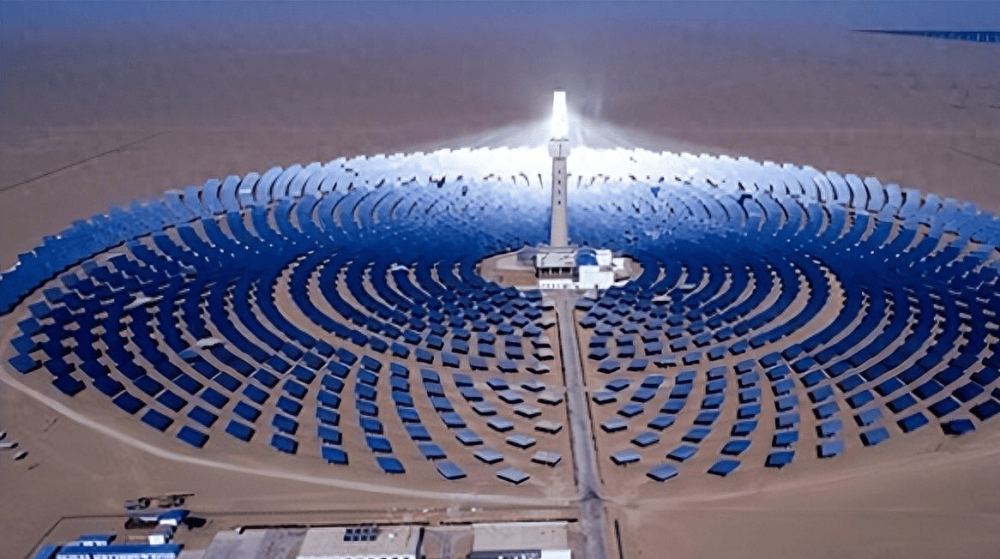
Core Points - The inauguration of the 35 MW solar photovoltaic power station project in Cuba, supported by China, aims to enhance Cuba's electricity supply capacity and address challenges in the national power system [1][2] - The project consists of seven solar power stations and is expected to save Cuba 18,000 tons of imported fuel annually after being connected to the grid [1] - China is committed to supporting Cuba's sustainable development through various energy projects, including an 85 MW solar power station and upcoming projects totaling 200 MW and 5,000 home solar systems [2] Summary by Sections Project Overview - The 35 MW solar photovoltaic power station project in Cuba was inaugurated on the 12th, attended by key Cuban officials and the Chinese ambassador [1] - The project is part of China's broader support for Cuba's energy sector, which has been strained due to U.S. sanctions affecting fuel imports and aging power plant equipment [1] Impact on Cuba - The project will help alleviate daytime electricity shortages and increase the utilization of renewable energy, contributing to Cuba's energy structure transformation and energy independence goals [1] - The first batch of materials for the project was delivered in March, with the entire project expected to enhance Cuba's clean electricity supply capacity [1] Future Collaborations - China is advancing an 85 MW solar photovoltaic project, with initial equipment already delivered and remaining materials expected within the year [1] - Future projects include a 200 MW solar power station and a new batch of 5,000 home solar systems, reflecting China's commitment to strengthening cooperation with Cuba [2]
印度难迈能源这个“坎儿”
Jing Ji Ri Bao· 2025-11-01 22:03
Core Insights - The ongoing tension between the US and India regarding India's purchase of Russian oil has intensified, with India asserting its need for energy security despite US pressure [1][3] - India is heavily reliant on oil imports, with approximately 85% of its crude oil needs met through imports, making it the world's third-largest oil importer [1][2] - The geopolitical landscape has allowed India to capitalize on discounted Russian oil, increasing its imports from Russia from less than 1% before the Ukraine crisis to 34% currently [3] Group 1: Energy Dependency - India’s energy sector has historically struggled with self-sufficiency, facing challenges such as monopolistic management and price controls that stifle market vitality [2] - The discovery of the Mumbai offshore oil field in 1974 was initially seen as a turning point, but regulatory constraints have limited its potential [2] Group 2: Strategic Purchasing - The Ukraine crisis has created an opportunity for India to purchase Russian oil at discounted rates, allowing it to shift its import focus from the Middle East to Russia [3] - India has also engaged in reselling some of this oil to Europe, profiting from the price difference, which has led to its characterization as a "second-hand dealer" in the oil market [3] Group 3: Currency and Trade Challenges - India's attempt to use the rupee for oil transactions has failed, as global suppliers are reluctant to accept it due to its low liquidity and high exchange rate risk [4] - Despite efforts to diversify its energy sources and invest in renewable energy, India faces significant hurdles in achieving a sustainable energy framework [4][5] Group 4: Future Outlook - The urgency for India to achieve energy independence is increasing, as reliance on imported oil remains high while the avenues for low-cost Russian oil are narrowing [5] - The challenges in transitioning to a diversified energy system highlight the complexities India faces in its pursuit of becoming a major global power [5]
欧盟断臂求生,2028年起彻底告别俄罗斯天然气,但代价几何?
Sou Hu Cai Jing· 2025-10-22 03:36
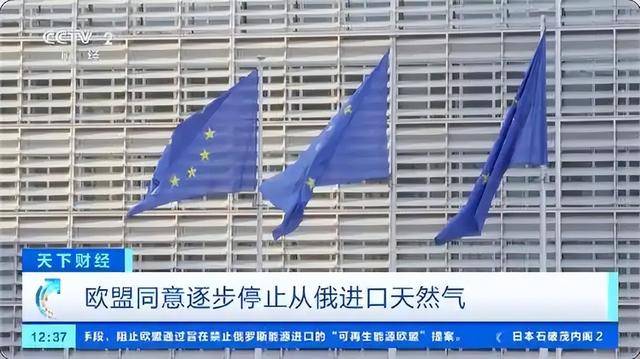
这反映出欧盟对俄罗斯天然气仍有相当的依赖。 促使欧盟下此决心的,主要来自两方面的压力。一方面是美国持续推动欧盟全面禁止俄罗斯能源,以在 经济上削弱俄罗斯。 2025年10月20日,欧盟做出了一个影响深远的决定:从2028年1月1日开始,将完全停止从俄罗斯进口天 然气。 这个决定标志着欧盟能源政策的一个重大转变,尽管俄乌冲突已持续近四年,欧盟在石油方面已基本摆 脱对俄依赖,但在天然气,尤其是液化天然气(LNG)上,俄罗斯仍是欧盟最大的供应国。数据显 示,2025年上半年,欧盟购买俄罗斯液化天然气花费了约58亿美元,比前一年还多了11亿美元。 另一方面,欧盟内部也越来越意识到,必须尽快解决能源安全问题。因此,尽管面临挑战,多数成员国 还是认为,彻底摆脱对俄罗斯天然气的依赖是必须走的一步。 当然,如此重大的政策调整并非一蹴而就。欧盟的"禁气"计划被设计成一个分阶段实施的过程。第一阶 段将从2026年1月1日启动。 对于那些已签订的合同,欧盟也给出了一个相对宽松的过渡期:在2025年6月17日前签订的短期合同, 可以执行到2026年6月17日;而长期合同则能延续到2028年1月1日,也就是全面禁令生效前。不过,这 份 ...
科特迪瓦正式启动超清洁柴油设施建设项目
Shang Wu Bu Wang Zhan· 2025-10-15 17:10
Core Insights - The Ivorian Refining Company (SIR) has officially commenced the construction of a Hydrodesulfurization (HDS) technology facility, with a total project cost of €831 million [1] - The project is financed by an international loan syndicate led by the African Development Bank, with technical support from companies like Kinetics Technology from Italy [1] - The facility is expected to be operational by the first quarter of 2029, significantly reducing the sulfur content in diesel from 1800 ppm to below 10 ppm, well below the ECOWAS recommended standard of 50 ppm [1] - This development will enable SIR to produce ultra-clean diesel that meets international standards such as "Euro V," marking a significant step in enhancing energy autonomy, promoting environmental standards, and meeting regional market demands [1] - With this facility, SIR will become the first company in Sub-Saharan Africa to produce ultra-clean diesel that complies with international standards [1]
“特不靠谱”?他的产业棋局,正在一个个落地成金!
Ge Long Hui· 2025-09-29 12:28
Group 1 - The article highlights the effectiveness of Trump's industrial policies, which were initially met with skepticism, but have since shown significant results in various sectors [1][14]. - The manufacturing sector has seen a return to the U.S. due to Trump's policies, with Intel and Boeing benefiting from government support and contracts [3][4]. - The U.S. steel industry has experienced a resurgence, with domestic steel prices rising and companies like U.S. Steel expanding operations due to protective tariffs and infrastructure demands [4][27]. Group 2 - Trump's focus on strategic sectors such as defense and critical resources has evolved into a systematic approach, with companies like MP Materials and Palantir positioned as key beneficiaries [6][7]. - MP Materials has transformed into a leading U.S. rare earth supplier with significant government backing, highlighting the importance of resource security [7][8]. - The nuclear energy sector has also gained traction, with companies like Centrus Energy and NuScale receiving substantial government support, leading to stock price increases [8][20][22]. Group 3 - In the energy sector, Trump's policies have led to increased domestic oil and gas production, benefiting companies like ExxonMobil and Pioneer Natural Resources through regulatory rollbacks [11][30][31]. - The infrastructure sector has seen a positive impact from Trump's $1 trillion infrastructure plan, with companies like Lowe's and Commercial Metals experiencing significant revenue growth [12][29][34]. - The article emphasizes the importance of understanding the long-term implications of Trump's policies on various industries, suggesting that companies closely aligned with these strategies are likely to thrive [15][35].



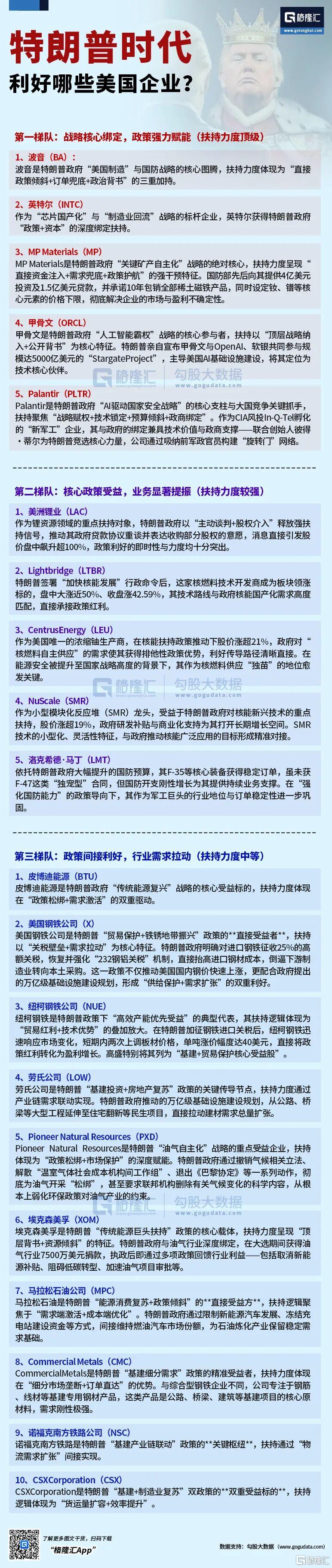
“特不靠谱”?他的产业棋局,正在一个个落地成金!
格隆汇APP· 2025-09-29 11:11
Core Viewpoint - The article emphasizes that Trump's industrial policies, once dismissed as mere rhetoric, have proven effective in reshaping the U.S. industrial landscape, creating significant investment opportunities in various sectors [2][10]. Group 1: Manufacturing and Defense - Trump's pressure on companies like Carrier and Intel to bring manufacturing back to the U.S. was initially ridiculed, but it has led to substantial investments and job creation in the semiconductor industry, with Intel's Arizona factory ramping up production [3][4]. - Boeing has secured hundreds of billions in contracts, demonstrating the effectiveness of Trump's defense policies and the importance of domestic manufacturing [4]. - The U.S. steel industry has benefited from tariffs on imported steel, with domestic steel prices rising and companies like U.S. Steel expanding operations, creating thousands of jobs [4][10]. Group 2: Strategic Resource Independence - The article highlights the rise of MP Materials as a key player in the rare earths sector, supported by government investments and contracts, showcasing the shift towards resource independence [5][6]. - The nuclear energy sector has seen significant growth, with companies like Centrus Energy and NuScale receiving government support, leading to stock price increases and project advancements [6][7]. - Palantir has experienced a dramatic increase in market value, reflecting its central role in the government's AI-driven national security strategy [7][10]. Group 3: Energy and Infrastructure - Trump's policies aimed at traditional energy have led to increased domestic oil production, with companies like ExxonMobil and Pioneer Natural Resources benefiting from regulatory rollbacks and increased market share [8][9]. - The infrastructure sector has seen a positive impact from Trump's $1 trillion infrastructure plan, with companies like Lowe's and Commercial Metals reporting significant revenue growth due to increased demand for construction materials [9][10]. Group 4: Key Beneficiary Companies - Palantir is identified as a core beneficiary of the AI-driven national security strategy, with strong government ties and significant budget allocations [13]. - MP Materials, Lightbridge, and Centrus Energy are highlighted as key players in the critical minerals and nuclear sectors, benefiting from government support and policy initiatives [14][15][16]. - U.S. Steel and Nucor Steel are recognized for their direct benefits from trade protection policies and increased domestic demand for steel [19][21].


5%电力供应悬于一线?美国94座核反应堆的生死线握在俄罗斯手中
Sou Hu Cai Jing· 2025-09-17 06:50
Group 1 - The U.S. is currently unable to completely cut off its reliance on Russian enriched uranium, despite efforts to reduce this dependency, indicating a significant challenge in achieving energy independence [1][3] - Russia controls 40% of the global uranium enrichment capacity, and nearly a quarter of the enriched uranium needed for the 94 operating nuclear power plants in the U.S. is imported from Russia, which provides about 20% of the country's electricity [3][5] - A sudden halt in imports from Russia could lead to an immediate loss of approximately 5% of the U.S. electricity supply, highlighting the careful consideration of national energy security behind the continued trade [3][5] Group 2 - The U.S. government predicts a significant increase in uranium demand due to the extension of existing large nuclear power plants and the promotion of new small modular reactors, with global uranium demand expected to grow by about 30% by 2030 [3][5] - Current uranium production is projected to decrease by half between 2030 and 2040, exacerbating supply-demand imbalances in the market [3][5] - The U.S. is taking measures to reduce reliance on Russia by accelerating domestic uranium mining and enrichment capacity, including the establishment of new domestic refining facilities and increasing production capacity at a joint venture in New Mexico [5] Group 3 - The uranium enrichment industry faces high technical barriers, significant investment requirements, and long approval cycles, making it challenging for the U.S. to achieve energy independence quickly [5] - The global situation reflects similar challenges, as Kazakhstan, the largest uranium producer, lacks the enrichment capacity of Russia, contributing to uncertainties in energy supply [5] - The U.S. transition efforts will not only impact its own energy security but will also significantly influence the future distribution of global uranium resources [5]
美国封锁俄罗斯石油,印度急求新能源出路;800亿卢比砸向绿氢,不料转头碰到硬茬
Sou Hu Cai Jing· 2025-09-02 13:22
Core Viewpoint - India's ambitious "National Green Hydrogen Mission" aims to enhance energy independence and secure a significant share of the global green hydrogen market amidst increasing energy pressure from the U.S. government [1] Group 1: Strategic Goals and Investments - The Indian government plans to achieve an annual production capacity of 5 million tons of green hydrogen by 2030, targeting a 10% share of the global market [1] - Over 80 billion rupees (approximately 1 billion USD) will be invested in this initiative, expected to create 600,000 green jobs [1] - The plan aims to reduce carbon dioxide emissions by nearly 50 million tons annually, which is about 5% of India's current emissions [1] Group 2: Challenges and Structural Issues - India faces significant structural challenges, including a high transmission loss rate of 20% in its outdated power grid, compared to the global average of 8% [2] - The regulatory framework is still developing, with essential green hydrogen certification standards yet to be established [2] - High storage costs due to technological bottlenecks hinder the competitiveness of hydrogen energy [2] Group 3: Competitive Landscape - India competes with China, which has established a complete industrial chain for green hydrogen, with alkaline electrolysis costs below 1.5 USD per kilogram and a 70% global market share [4] - China's solar power generation costs are significantly lower, at 0.03 USD per kilowatt-hour, providing a cost advantage for green hydrogen production [4] - India's local production of solar components is below 30%, leading to reliance on imports and creating a "solar gap" that limits its green hydrogen competitiveness [4] Group 4: Technological and Infrastructure Development - Currently, 90% of India's electrolysis equipment is imported, resulting in a 35-40% higher overall cost for green hydrogen compared to China [6] - The government has introduced Production-Linked Incentive (PLI) schemes, but these measures may not quickly reverse the competitive disadvantage [6] - The "Green Energy Corridor" project aims to construct 2,800 kilometers of high-voltage transmission lines to improve transmission efficiency to over 95% [6] Group 5: International Collaboration and Policy Framework - India has formed a "Hydrogen Alliance" with Germany, attracting 2 billion euros in investment, and is collaborating with Kawasaki Heavy Industries from Japan to establish its first liquid hydrogen plant [7] - The "National Green Hydrogen Mission" is developing a clear carbon pricing mechanism and green certificate trading system to boost investor confidence [7] - The Indian Energy Minister emphasizes that green hydrogen represents not only an energy transition but also a strategic opportunity to reshape the global energy order [7]