
适老化

Search documents
新增适老化改造服务、科技助老等指标——新版养老服务指南回应民生关切
Jing Ji Ri Bao· 2025-11-26 22:39
Core Viewpoint - The Ministry of Civil Affairs and the State Administration for Market Regulation have jointly issued the revised "Guidelines for the Construction of the Elderly Care Service Standard System (2025 Edition)", aiming to enhance the quality of elderly care services and establish a standard system that aligns with China's national conditions [1][2]. Group 1: Standardization and Quality Improvement - The revised guidelines optimize the standard system framework, clarifying standard targets and improving structural organization to adapt to new developments in elderly care services [2][3]. - New secondary and tertiary indicators have been added, particularly in service provision, to address various service scenarios such as home, community, and institutional care, thereby laying a foundation for systematic and standardized development of elderly care services [2][3]. Group 2: Addressing Current Challenges - Despite the large number of elderly care institutions and facilities, there are still deficiencies in service quality and risk management, necessitating the clarification of service content and quality requirements through standardization [3]. - The revision aims to tackle issues such as unbalanced standard supply structure, weak guidance of standards, and inadequate implementation of key standards, ensuring that standardization keeps pace with the evolving needs of elderly care services [3]. Group 3: Supporting Elderly Needs - The guidelines emphasize the importance of a comprehensive standard system to meet the diverse needs of the elderly in areas such as life care, health management, social security, and cultural enrichment [4]. - As of October this year, China has issued 262 national standards related to elderly care and accessibility, establishing a standard system that supports the construction of an elderly-friendly society [4]. Group 4: Future Directions - The State Administration for Market Regulation plans to enhance collaboration with relevant departments to accelerate the development of essential elderly care service standards, particularly in home and community care, quality safety, and smart elderly care [5]. - The implementation of the guidelines is seen as an opportunity to promote the effective application of important standards, supporting the establishment of a unified national elderly care service standard and evaluation system [5].
我国发布262项适老化国家标准,银发经济迎来标准化支撑
Xin Jing Bao· 2025-11-26 10:28
Core Insights - China has entered a moderately aging society, leading to significant policy support for the silver economy, with a total of 262 national standards related to aging and accessibility expected to be published by October 2025 [1][2] Group 1: Policy and Standards Development - The 20th National Congress of the Communist Party has emphasized the development of the silver economy, aiming to address the challenges of population aging, cultivate new economic growth drivers, and improve the quality of life for citizens [1] - The State Administration for Market Regulation is collaborating with the Ministry of Civil Affairs and other departments to enhance the standardization of aging-related products and services, focusing on both aging-friendly renovations and elderly products [1] Group 2: Standardization of Elderly Products - The State Administration for Market Regulation has released 13 national standards for elderly products, including standards for aging-friendly home appliances, furniture, shoes, and adult diapers, effectively addressing the specific needs of the elderly [2] - Related departments are conducting standard promotion activities to guide companies in improving the usability, compatibility, and safety of existing products based on the established standards [2]
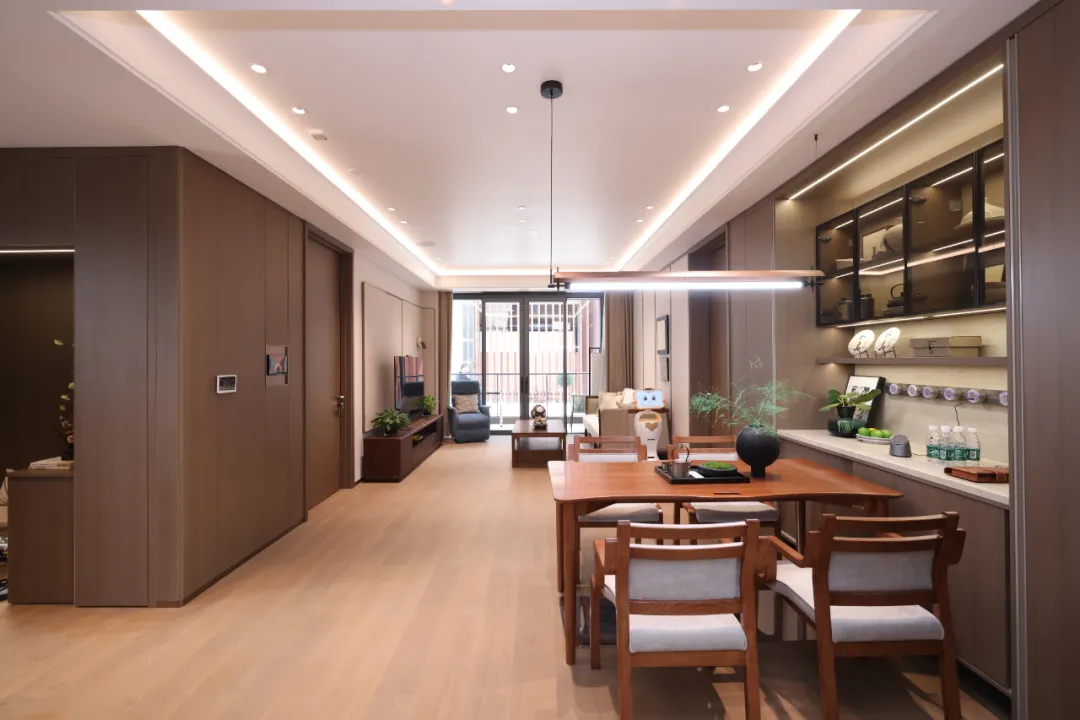
央视聚焦!各界热议金隅适老好房子
Bei Jing Ri Bao Ke Hu Duan· 2025-11-18 08:17
Core Viewpoint - The aging-friendly housing sector has become a focal point in the industry, with Jinyu Group showcasing its innovations at the 2025 Housing Expo and "Good House Technology Exhibition" under the theme of "Aging-Friendly Good House" [1][2]. Group 1: Industry Trends and Innovations - The concept of "Good House" is pivotal for the transformation of the real estate sector and the improvement of people's livelihoods, with Jinyu Tiantan Furniture promoting a design philosophy centered on accessibility and "age-in-place" thinking [2]. - The company employs advanced materials such as autoclaved aerated concrete and "heat shield" exterior coatings to meet A1 fire safety standards and achieve 75% energy savings, while also focusing on safety features like anti-slip flooring and rounded furniture designs [4]. Group 2: Technological Integration - The "Aging-Friendly Good House" integrates artificial intelligence and the Internet of Things to create a "smart aging" system that includes features like fall detection and environmental interaction, enhancing safety and comfort for the elderly [5][7]. - The system's capabilities are further enhanced by the integration of the DeepSeek model, which supports remote communication and emotional interaction, addressing both safety and companionship needs for seniors [7]. Group 3: Comprehensive Development and Standards - Jinyu Tiantan Furniture's ongoing efforts in the aging sector are supported by a complete industrial ecosystem and its role in standard-setting, having contributed to key guidelines such as the "Aging-Friendly Furniture Design Guide" [9]. - The company has developed a holistic approach that encompasses furniture, building materials, and smart systems, ensuring the safety, applicability, and reliability of aging-friendly products [9]. Group 4: Real-World Applications and Future Directions - The company has received media attention for its practical applications in aging-friendly renovations, showcasing successful case studies that enhance safety and convenience for elderly residents [12][18]. - With projections indicating that by 2035, over 400 million people aged 60 and above will exist in China, the company aims to focus on personalized needs for elderly home care, continuously innovating products and services to contribute to the high-quality development of the aging industry [18].


曾与华为、小米争锋,年销4000万台的巨头,如今靠百元机在老年机市场求生!头部手机厂商也瞄准了3.29亿“银发冲浪者”
Mei Ri Jing Ji Xin Wen· 2025-11-18 07:27
今年"双11",手机仍是竞争最激烈的产品品类,各大手机厂商均在"双11"之前就做足准备。此刻,谁是此次较量的最终赢家成为市场关注焦点。京东发布 的手机竞速排行榜显示,苹果、小米、vivo位列前三,包揽品牌销量累计榜前三。在智能机"厮杀"的主战场之外,飞利浦、天语等主打功能机业务的手机 品牌也跻身TOP10。 每经记者|王晶 每经编辑|程鹏 黄博文 品牌商与消费者双向奔赴、全民狂欢的"双11"电商节在全网热度中徐徐落幕。 智能手机的普及,曾让功能机一度退居"老人机"赛道。如今,这片最后的阵地也正面临来自智能终端的渗透与重塑。 李大爷的手机又坏了,家人匆匆在电商平台下单,买来一台百元左右的"老人机"——功能极其简单、字体大、音量高、待机时间长。熟悉智能设备的张大 姐则花两千多元买了部智能手机,能刷短视频、视频通话、扫码支付…… QuestMobile(北京贵士信息科技有限公司)指出,截至2024年9月,银发人群(通常指60岁及以上的老年群体)月活用户约3.29亿,人均月使用时长高达 129小时,相当于每天网上"冲浪"超过4小时,其中短视频、社交、资讯、电商等位居使用时长前四位。同时,2000元以上中高端智能机的使 ...



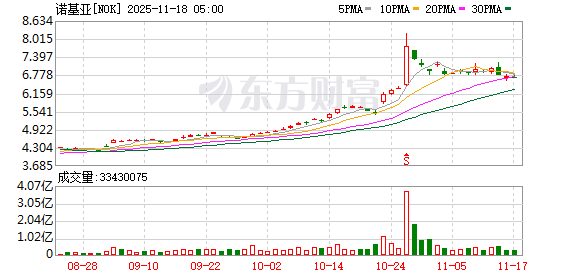
老人机成为诺基亚、金立们的“最后堡垒” 但中国3亿多“银发族”正涌入数字生活
Mei Ri Jing Ji Xin Wen· 2025-11-18 04:53
品牌商与消费者双向奔赴、全民狂欢的"双11"电商节在全网热度中徐徐落幕。 今年"双11",手机仍是竞争最激烈的产品品类,各大手机厂商均在"双11"之前就做足准备。此刻,谁是 此次较量的最终赢家成为市场关注焦点。京东发布的手机竞速排行榜显示,苹果、小米、vivo位列前 三,包揽品牌销量累计榜前三。在智能机"厮杀"的主战场之外,飞利浦、天语等主打功能机业务的手机 品牌也跻身TOP10。 智能手机的普及,曾让功能机一度退居"老人机"赛道。如今,这片最后的阵地也正面临来自智能终端的 渗透与重塑。 李大爷的手机又坏了,家人匆匆在电商平台下单,买来一台百元左右的"老人机"——功能极其简单、字 体大、音量高、待机时间长。熟悉智能设备的张大姐则花两千多元买了部智能手机,能刷短视频、视频 通话、扫码支付…… 两位老人、两种选择,既是生活片段,也是当下中国老年通信市场的缩影:一端是仍有刚性需求的低价 老年机阵地;另一端是越来越多银发用户(通常指60岁及以上的老年用户)主动拥抱智能化终端。 移动互联网的普及正悄然重塑老年用户的行为习惯。 QuestMobile(北京贵士信息科技有限公司)指出,截至2024年9月,银发人群(通常指6 ...
新银发力量:活力、悦己、得劲——2025快手新银发人群洞察报告
艾瑞咨询· 2025-11-16 00:05
Core Insights - The "new silver-haired population" aged 45 and above has grown from 460 million in 2020 to 660 million in 2023, becoming a significant driver of the consumption market, shifting from basic elder care to a focus on quality of life [1][4] - The report by iResearch and Kuaishou highlights that the consumption needs of this demographic are evolving from basic utility to a pursuit of quality and peace of mind, aligning well with Kuaishou's content and e-commerce ecosystem [1][4] Group 1: Demographic Characteristics - The new silver-haired population is characterized by "vitality, value, and a fulfilling life," breaking traditional stereotypes and creating an economic system that balances family responsibilities with self-actualization [2][4] - Kuaishou identifies four typical user groups within this demographic: Practical, Vitality, Calm, and Zen, each exhibiting unique consumption behaviors and attitudes [2][3] Group 2: Market Size and Growth Potential - The population aged 45 and above has steadily increased, representing 44.7% of the total population, with a market consumption scale exceeding 14 trillion yuan, indicating significant market opportunities [4][6] - The consumption scale of the new silver-haired population is projected to expand towards 20 trillion yuan, driven by policies such as the "Silver Economy 26 Articles" [4][6] Group 3: Consumption Behavior and Preferences - The new silver-haired population shows a strong preference for health and wellness products, with top categories including nutritional supplements, travel experiences, and fashion items [13][14] - Their consumption decisions are increasingly influenced by personal interests and emotional values, moving from survival needs to quality of life enhancements [38][41] Group 4: Kuaishou's Strategic Positioning - Kuaishou's content e-commerce ecosystem is well-suited to meet the values and needs of the new silver-haired population, focusing on health, personal interests, and quality experiences [8][28] - The platform emphasizes a "self-prioritizing" approach, with a significant percentage of users focusing on health and personal development rather than traditional family-centric values [8][34] Group 5: Trends in Consumption - The consumption mindset of the new silver-haired population is shifting from "survival needs" to "quality self-enjoyment," indicating a willingness to invest in personal comfort and experiences [38][41] - There is a growing trend towards a family-oriented consumption model, where decisions often encompass the needs of multiple family members, reflecting a shift towards comprehensive family solutions [41][44]


京东适老商品成交用户同比增长228%
Bei Jing Shang Bao· 2025-11-01 12:28
Core Insights - JD.com recently held its 6th Elderly Care Shopping Festival and launched the "2025 Aging-Friendly Home Life Blue Book," which outlines the real pain points and core needs of the elderly in seven life scenarios: daily living, bathing, transportation, cooking, household chores, entertainment, and safety [1] Group 1: Market Trends - JD.com's supply of aging-friendly home products has increased by over 100% year-on-year [1] - The company has expanded its aging-friendly product categories to 87, covering over 3,000 brands [1] - The number of users purchasing aging-friendly products on JD.com has grown by 228% year-on-year [1]

京东“暖阳助老公益行动”暨“首届京东助老公益节”启动 以系统化举措推进老龄事业发展
Zhong Jin Zai Xian· 2025-10-31 12:56
Core Points - JD.com has launched the "Warm Sun Elderly Assistance Public Welfare Action" in collaboration with the China Aging Development Foundation, focusing on upgrading products and services for the elderly in response to the aging society [1][9] - The initiative includes a donation of nearly 2 million yuan worth of elderly-friendly products, such as AI emotional companion robots and adult diapers, to support special elderly groups [1][9] - JD.com has expanded its elderly-friendly product offerings, with over 50,000 items across 87 categories and a year-on-year growth of over 100% in supply [1][9] Product and Service Development - JD.com has established a dedicated customer service team for seniors, providing 24/7 support and helping millions of elderly users with their consumption and daily life challenges [3] - The company has launched home nursing services covering 47 cities, with over 80% of the service recipients being elderly individuals [3] - JD.com has optimized its "Elderly Version" delivery service, featuring large fonts and a dedicated phone order option for seniors [3] Community Engagement and Events - JD.com plans to form a "Happy Elderly Volunteer Service Team" to promote systematic elderly assistance initiatives [5] - The company has organized various activities, including a live charity event on Double Ninth Festival, donating over one million yuan worth of goods to nursing homes [7] - A microfilm titled "Generational Connection" was produced to raise awareness and engage the community in elderly care [7] Strategic Collaboration - The partnership with the China Aging Development Foundation aims to leverage JD.com's logistics and technology to enhance the quality of life for the elderly [9] - Since the launch of the "Warm Sun Action" in 2021, JD.com has integrated elderly assistance into its corporate social responsibility strategy, focusing on a comprehensive support system for the elderly [9]
探讨如何构建一个“适老”,社会贝壳公益发布《社区银龄生活观察报告》
Xin Lang Ke Ji· 2025-10-29 07:53
Core Insights - The report titled "Are We Ready for Aging? Community Silver Age Life Observation Report" was jointly released by Beike Public Welfare and "People" magazine, highlighting the experiences of aging individuals in China [1][4] - The report reveals that aging is not only about physical decline but also involves fears of losing self-worth and memory issues, as expressed by various respondents [1][2] - The challenges of caregiving are emphasized, particularly the pressures faced by the only-child generation who are often geographically dispersed and the emerging reality of younger seniors caring for older seniors [1][3] Group 1: Findings from the Report - The report is based on 4,273 questionnaires from individuals aged 55 and above and 415 public submissions, documenting personal experiences of aging [1] - It highlights the lack of age-friendly designs in homes and the digital divide that leaves many elderly feeling abandoned [2] - The emotional and psychological burdens of caregiving are discussed, with younger seniors often feeling overwhelmed by the responsibilities of caring for older relatives [3] Group 2: Perspectives from the Salon Discussion - Ni Ping, a 66-year-old host, shared her active lifestyle and emphasized that aging should not limit personal exploration and fulfillment [3] - Experts discussed the increasing prevalence of younger seniors caring for older seniors, stressing the need for skilled caregivers to alleviate physical and mental stress [3][4] - The importance of a multi-faceted eldercare system was highlighted, with a call for more humane and detailed designs in living spaces to support elderly independence [4] Group 3: Social Implications - Beike Public Welfare aims to raise awareness of the collective challenges faced by the elderly and encourage societal engagement in addressing these issues [4] - The report serves as a detailed record of the current state of aging in China and initiates a public dialogue on the quality and dignity of aging [4]
宜家:以新产品新合作新洞察参与进博会
Zhong Guo Jing Ji Wang· 2025-10-23 08:41
Core Insights - IKEA will participate in the 8th China International Import Expo (CIIE) with the theme "Home Gives More to Life," showcasing new products, collaborations, and insights to reinforce its commitment to the Chinese market [1] Group 1: Company Strategy - IKEA has been a consistent participant in the CIIE for eight consecutive years, leveraging this platform to deepen its integration into the Chinese market and promote cooperation and openness [1] - The new brand positioning "Home Gives More to Life" reflects the trend of consumers pursuing quality living and valuing small moments in daily life, aiming to create meaningful experiences [1] Group 2: Product and Initiatives - In addition to showcasing new products and local innovations, IKEA will present a series of plush toys related to the "China Typical Endangered Animal Protection Pilot Demonstration Donation and Cooperation" project, highlighting biodiversity protection in consumer practices [1] - IKEA will also explore the future of inclusive home living through an "age-friendly" exhibition area [1]