
金融强国战略

Search documents
东莞证券研究所负责人曹君瑞: 政策合力落地中国经济加速孕育新动能
Zheng Quan Shi Bao· 2025-12-18 18:14
Group 1: Core Economic Policies - The central economic work conference held in December 2023 set the direction for macroeconomic policies in 2026, emphasizing a combination of "strengthening internal demand" and "structural reforms" [2][3] - The conference highlighted the need for "quality improvement and efficiency enhancement," with policies exceeding expectations in both intensity and depth, reflecting a pragmatic and proactive policy orientation [2] - Fiscal policies are expected to include a moderate increase in the central deficit ratio and reasonable expansion of long-term special bonds to enhance counter-cyclical and cross-cyclical adjustment effectiveness [2][3] Group 2: Monetary Policy and Financial Stability - The overall tone of monetary policy is "moderately loose," with a focus on promoting stable economic growth and reasonable price recovery as key considerations [2][3] - The central bank is anticipated to implement reserve requirement ratio cuts and interest rate reductions to maintain adequate liquidity, while also improving the transmission mechanism of policy rates to lower financing costs for the real economy [3][7] - Measures to stabilize the real estate and capital markets will be taken to maintain a "dynamic balance" in investment and financing [4] Group 3: U.S. Federal Reserve Actions - The Federal Reserve announced a 25 basis point interest rate cut and plans to purchase $40 billion in short-term government bonds, marking a shift towards a defensive liquidity management phase [5][6] - The Fed's balance sheet has decreased by about 30% from its peak, but remains above levels seen in 2019, indicating a cautious approach to liquidity management [6][7] - The recent technical expansion of the Fed's balance sheet is seen as a defensive measure to prevent liquidity shocks, with a focus on short-term government bonds rather than a return to quantitative easing [7][8] Group 4: Strategic Economic Outlook - The intersection of U.S. and Chinese policies is expected to create a more stable global economic environment, with China's focus on internal balance and demand-driven growth [6][8] - The U.S. faces challenges with weak employment and high inflation, leading to increased policy uncertainty that may hinder long-term investment in the U.S. economy [8] - China's clear policy path, characterized by a commitment to "moderately loose" monetary policy and "more proactive" fiscal policy, is expected to support the new development pattern and enhance the resilience of its financial system [9]
并购重组“黄金时代”来临 战略性新兴产业领跑
Zheng Quan Shi Bao· 2025-12-17 19:40
并购重组开启"新时代" 金融强国战略下,资本市场枢纽功能强化,并购重组成为优化资源配置、推动产业升级的关键工具。2024年"并购 六条"出台后,并购市场进入"黄金时代",交易数量和金额同比大增,重大资产重组案例频现。 数据统计显示,"并购六条"发布一年以来,首次披露的并购重组案例总数达到4891起,与2024年9月24日前一年相 比增加了约500起,增幅接近10%;重大资产重组首次公告案例数和金额也同比大幅增加。从具体案例来看,单笔 交易规模频创新高,2025年中国船舶吸收合并中国重工交易规模超过千亿元,交易金额排名前10的案例规模都在 百亿元以上。 从并购重组活跃的深层次原因来看,一方面,拟IPO企业为上市公司并购重组提供了较多的优质资源;另一方面, 并购重组的活跃也为一级市场资金退出提供了重要的渠道,有利于一级市场资金更好地支持实体经济。此外,产 业转型升级需求、部分上市公司近年来业绩承压等都催生了并购需求。 代表硬科技实力的科创板公司是本轮并购潮的主力,这和监管政策的支持密切相关。2024年6月发布的"科八条", 更大力度支持科创企业开展产业链上下游的并购重组,鼓励收购优质未盈利"硬科技"企业,并提供融 ...


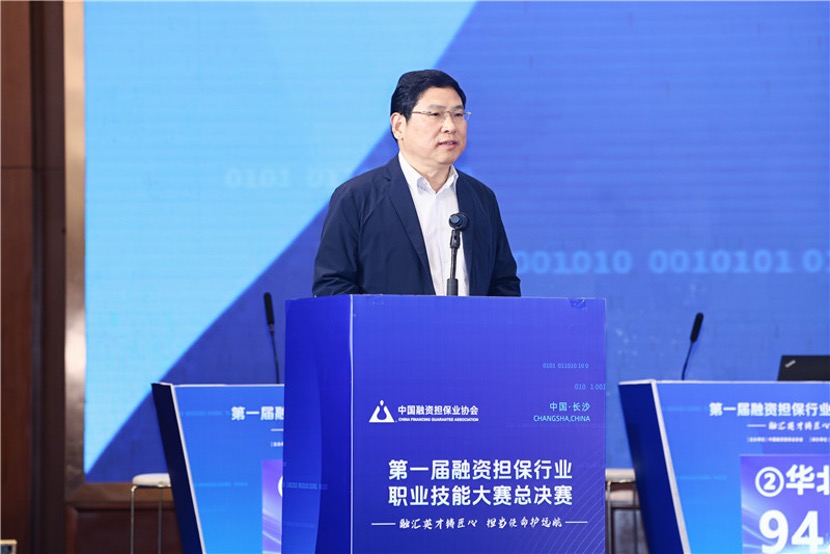
第一届融资担保行业职业技能大赛总决赛在长沙成功举办
2 1 Shi Ji Jing Ji Bao Dao· 2025-12-09 02:20
21世纪经济报道记者顾丛 2025年12月3-4日,第一届融资担保行业职业技能大赛总决赛在湖南长沙举行,来自全国30多个省、自治区、直辖市和 生产建设兵团的融资担保选手齐聚一堂,展开一场高水平的职业技能巅峰对决。 本次活动由中国融资担保业协会(以下简称"中担协")主办,湖南省融资担保集团有限公司和湖南省融资担保协会承 办。 中国融资担保业协会党委书记、专职副会长郭洪川致辞 中担协党委书记、专职副会长郭洪川,中担协会长、中国投融资担保股份有限公司(以下简称中投保)党委书记、董事 长赵良,国家融资担保基金有限责任公司党委委员、专职监事何琼,国家农业信贷担保联盟有限责任公司副总经理杨 春光,国家金融监督管理总局普惠金融司民营经济处副处长李涛,中担协党委委员、秘书长周更强,中担协党委委 员、副秘书长杨紫华和湖南省地方金融管理局、湖南省财政厅、湖南省总工会、湖南金融监管局以及其他各地方金融 管理局等有关领导和嘉宾也应邀出席活动。 本届大赛共设立东北、华北、华中、华东、华南、西北、西南以及湖南八大赛区。自今年9月启动以来,各赛区陆续展 开选拔,历经激烈角逐与层层筛选,最终各选拔出6名优秀选手晋级全国总决赛,齐聚长沙共同角 ...
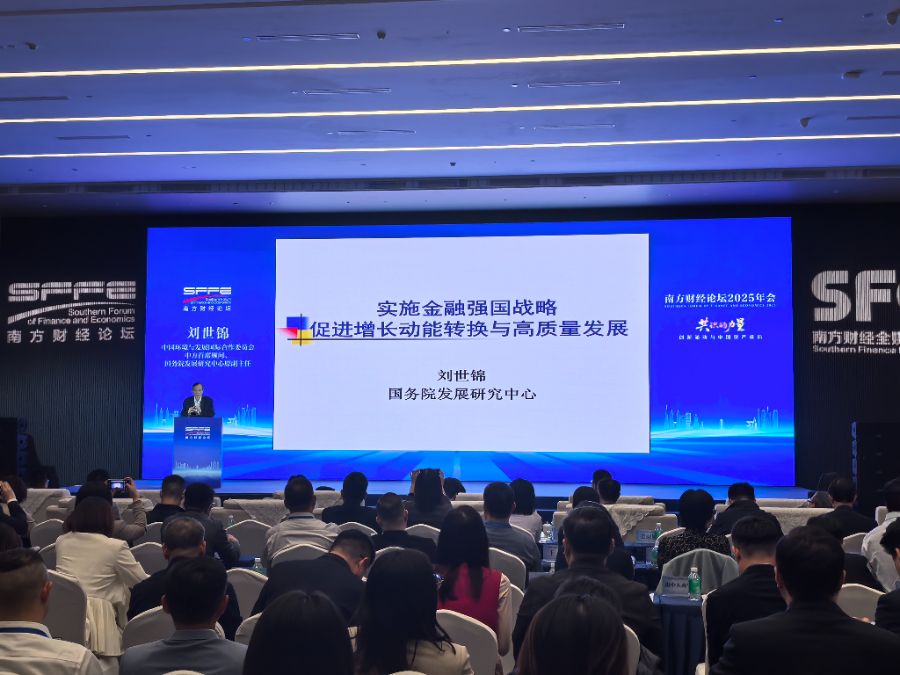
刘世锦:经济增长更依托创新和消费,实施金融强国战略为之架桥
21世纪经济报道· 2025-12-06 13:27
Core Viewpoint - The article emphasizes the need for a robust financial system to support China's transition to a consumption-driven economy, highlighting the importance of capital markets and strong currency in achieving high-quality economic development [1][3]. Group 1: Economic Challenges and Financial Strategy - China's economic growth is shifting from supply constraints to demand constraints, with insufficient consumption being a primary issue rather than investment or exports [1][3]. - The implementation of a financial power strategy aims to bridge the gap between manufacturing and consumption, leveraging a modern financial system to support both sectors [1][3]. Group 2: Capital Market Development - A strong capital market is essential for selecting viable projects that are marketable, profitable, and have manageable risks, thereby enhancing resource allocation efficiency [3][4]. - As China enters an innovation-driven phase, the role of capital markets in project selection will increase, with more societal funds directed towards capital markets, particularly in light of declining real estate investment attractiveness [3][4]. Group 3: Currency and Internationalization - Strong currency is a key indicator of a financial power, historically supported by a robust economy, trade, technology, military strength, and a developed financial system [4][5]. - The internationalization of the Renminbi (RMB) has significant potential, with a focus on increasing offshore RMB availability to enhance liquidity and facilitate its use in international trade [5][6]. Group 4: Manufacturing and Trade Performance - China's manufacturing value added is projected to grow from 26.6 trillion yuan to 33.6 trillion yuan during the 14th Five-Year Plan, contributing over 30% to global manufacturing growth [5]. - In 2024, China's total goods trade is expected to reach 43.8 trillion yuan, maintaining its position as the world's largest trader, with exports surpassing 25 trillion yuan, marking a 7.1% year-on-year increase [5]. Group 5: Implications for Consumption - The anticipated appreciation of the RMB could enable Chinese consumers to purchase better international products, thereby boosting consumption and enhancing the quality of human capital [6].

刘世锦:经济增长更依托创新和消费,实施金融强国战略为之架桥
2 1 Shi Ji Jing Ji Bao Dao· 2025-12-06 09:33
Core Viewpoint - The "Southern Finance Forum 2025 Annual Meeting" emphasizes the need for a strong financial system to support China's transition from supply constraints to demand constraints in economic growth, highlighting the importance of consumption and innovation as key drivers [1][2]. Group 1: Financial System and Economic Growth - The transition to a demand-driven economy necessitates a modern financial system that bridges manufacturing and consumption, enhancing service provision for both sectors [1]. - The financial system's role in selecting projects with market potential, profitability, and manageable risks is crucial for improving resource allocation efficiency as the economy shifts to high-quality development [2]. - As China enters an innovation-driven phase, the capital market will increasingly take on the project selection function, directing more societal funds towards capital markets rather than traditional banking [2]. Group 2: Capital Market Development - The influx of new capital will lead to a distinct new phase in the capital market, focusing on nurturing globally competitive large tech firms and innovative SMEs, thereby promoting industrial transformation and innovation [3]. - Increasing the proportion of institutional investors, such as pension funds, in the capital market will stabilize the stock market and support social security expenditures in an aging society [3]. Group 3: Currency and Internationalization - A strong currency is a key indicator of a financial power, with historical examples showing that robust economic and financial systems underpin strong currencies [5]. - China's manufacturing value added is projected to grow from 26.6 trillion yuan to 33.6 trillion yuan from 2020 to 2024, contributing over 30% to global manufacturing growth [5]. - The total value of China's goods trade is expected to reach 43.8 trillion yuan in 2024, maintaining its position as the world's largest trader for eight consecutive years [5]. Group 4: Trade Strategy and Currency Utilization - China aims to implement a new trade strategy that balances imports and exports, increasing imports to facilitate payments in renminbi, thereby enhancing the currency's international status [6]. - Expanding the offshore renminbi financial product ecosystem will increase liquidity and usability, accelerating the internationalization of the renminbi [6]. - Strengthening the renminbi will allow Chinese consumers to purchase better international products, thereby boosting consumption and improving human capital quality [6].
国联民生证券总裁葛小波:国际化是成就一流投行必由之路
券商中国· 2025-12-03 23:40
编者按: 随着中国资本市场双向开放向纵深推进,中资券商化身"金融航海家",驶向更广阔的全球市场。它们以跨 境投行连接东西,用财富管理服务民生,足迹遍布香港中环、伦敦金融城和纽约华尔街等金融枢纽,在国 际资本市场发出"中国声音"。证券时报携手中国证券业协会推出"券商'出海'进行时"栏目,全景展现中资 券商从合规经营到本土化融合、从跟跑到领跑的心路历程——诠释中国资本市场如何从"参与者"蜕变 为"规则制定者",在开放浪潮中书写高质量发展新篇章。本文为专栏第四篇,敬请垂注! "纵观全球投行发展史,国际化是成就一流投行必由之路。"近日,国联民生证券总裁葛小波接受证券时报记 者采访时如是说。 葛小波表示,当前的中国企业出海,已从单纯的市场拓展升级为参与全球治理、构建新型国际关系。作为服务 实体经济的金融中介,证券公司的国际化发展不仅关乎行业自身竞争力的提升,更是中国金融体系融入全球、 贡献中国智慧的关键一环。 出海是建设一流投行必然路径 葛小波认为,券业出海是响应国家金融强国战略的核心举措,也是建设一流投行的必然路径。要真正形成具有 全球影响力的一流投行,关键在于构建多层次、有竞争力的行业金字塔结构——顶端是两三家综合 ...
深耕投资能力 做好“五篇大文章”
Zhong Guo Zheng Quan Bao· 2025-12-01 20:25
Core Viewpoint - The China Securities Regulatory Commission (CSRC) emphasizes the importance of investor-centric principles in the public fund industry, highlighting the need for financial institutions to focus on the best interests of investors while promoting key areas such as technology finance, green finance, inclusive finance, pension finance, and digital finance as part of the strategy for building a strong financial nation [1] Group 1: Investor-Centric Approach - The company has served over 70 million clients and achieved a total profit of 97.123 billion yuan for investors, with dividends amounting to 56.416 billion yuan as of June 30 [1] - The company actively responds to the public fund industry's fee reform by lowering management fees for multiple products and initiating trials for floating fee rate products, thereby aligning the interests of management and investors [1][2] Group 2: Technology Finance Development - The company has increased its investment in technology-related sectors, with a focus on new energy, new materials, semiconductors, biotechnology, and clean energy, resulting in a technology stock holding of 83.7 billion yuan, accounting for 48% of its total holdings as of June 30 [3] - The company has expanded its technology research team, increasing the number of technology-focused fund managers by 70% since the end of 2020, to enhance its investment capabilities in the technology sector [3][4] Group 3: Product Innovation - The company manages 40 technology-themed funds with a total scale of 94.372 billion yuan, including actively managed funds focused on new energy and technology innovation [4] - The company has launched various ETFs related to strategic emerging industries, extending its investment tools to include technology-themed bond ETFs [4] Group 4: Pension Finance Initiatives - The company has established a dedicated pension and asset allocation department, managing six pension target funds with a total scale of 1.731 billion yuan as of September 30 [7] - The company emphasizes pension education through community outreach and educational initiatives to enhance public understanding of personal pension planning [7] Group 5: Green Finance Commitment - The company manages six green finance-themed funds with a total scale of 11.022 billion yuan, focusing on ESG-related investments since 2008 [8] - The company has developed a localized ESG rating system covering all A-shares and Hong Kong stocks, integrating international standards with local characteristics [8] Group 6: Digital Transformation - The company has strengthened its information technology team and enhanced AI capabilities to improve digital governance and operational efficiency [9] - The company has implemented digital platforms for investment research and trading, improving lifecycle management of investment instructions [9]
金融高质量发展取得新成就
Jing Ji Ri Bao· 2025-11-30 22:39
Core Insights - The Chinese banking sector has achieved significant growth, with total assets nearing 470 trillion yuan, ranking first globally, and has maintained the world's largest foreign exchange reserves for 20 consecutive years [1][2] Group 1: Financial Sector Achievements - During the "14th Five-Year Plan" period, the financial sector has effectively supported the real economy, providing an additional 170 trillion yuan in funding through various means such as loans, bonds, and equity [1] - The stock and bond financing in the exchange market reached a total of 57.5 trillion yuan, with a steady increase in the proportion of direct financing [1] - Loans to the wholesale, retail, accommodation, and catering sectors have increased by 80% [1] Group 2: Support for Key Areas - The financial industry has focused on supporting major national strategies and key areas, particularly enhancing financial services for technological innovation, with annual growth rates for loans to tech SMEs, inclusive finance, and green loans exceeding 20% [2] - The market capitalization of the A-share technology sector now accounts for over 25% of the total market [2] Group 3: Internationalization and Openness - The financial market has seen significant internationalization, with the removal of foreign ownership limits in securities, funds, and futures institutions, and the optimization of investment mechanisms such as Stock Connect and Bond Connect [2] - As of the end of July, foreign institutions and individuals held over 10 trillion yuan in domestic stocks, bonds, and deposits, with 43 of the world's top 50 banks establishing a presence in China [2] Group 4: Risk Management and Stability - The financial regulatory framework has been continuously improved, enhancing regulatory effectiveness and maintaining key indicators such as non-performing loans and capital adequacy within healthy ranges [3] - The disposal of non-performing assets has increased by over 40% compared to the "13th Five-Year Plan" period, and the A-share market has shown improved resilience and risk management capabilities [3] - The annualized volatility of the Shanghai Composite Index has decreased by 2.8 percentage points to 15.9% compared to the previous five-year period [3] Group 5: Future Outlook - Looking ahead, the financial sector is positioned at a new historical starting point, with a focus on deepening supply-side structural reforms and advancing high-level financial openness [3] - The commitment to maintaining financial stability and security is emphasized, with expectations for the financial industry to contribute significantly to China's modernization efforts [3]
2025年大湾区交易所科技大会昨日召开,与会嘉宾表示 把AI全面应用于资本市场建设
Zheng Quan Shi Bao· 2025-11-28 18:12
Core Insights - The conference on "Towards the Era of Artificial Intelligence+" was held by Shenzhen Stock Exchange, Hong Kong Stock Exchange, and Guangxi Futures Exchange, highlighting the rapid integration of AI technology in the financial sector [1][2] - Hong Kong Stock Exchange is actively exploring the use of AI to enhance financial regulatory digital transformation, aiming to improve efficiency in issuance review and market anomaly monitoring [1][3] - The Shenzhen Stock Exchange aims to build an internationally leading digital system during the 14th Five-Year Plan, focusing on digital infrastructure, platforms, capabilities, and ecosystems [2] Group 1 - The conference emphasized the significant breakthroughs in AI technology this year, which are transforming financial services and pushing the market into the "AI+" era [1] - The 2025 timeline is referred to as the "Year of AI Intelligence," with the financial industry accelerating its embrace of AI to overcome challenges such as data governance and computational power limitations [2] - The integration of AI in financial markets is seen as a critical path for responding to national strategies and developing new productive forces [3] Group 2 - The development of AI in capital markets requires a comprehensive push from exchanges and regulatory bodies, including the establishment of regulatory sandboxes for innovative applications [4] - Eight technological achievements were announced at the conference, showcasing the potential of AI in enhancing efficiency, compliance, and market governance within the capital market [4] - The focus on AI infrastructure investment is crucial, particularly in platform governance and talent development in the field of AI [4]

建设银行深圳市分行 深耕“五篇大文章” 金融赋能深圳高质量发展新征程
Shen Zhen Shang Bao· 2025-11-21 07:03
Core Viewpoint - The 19th Shenzhen International Financial Expo will be held from November 19 to 21, 2025, focusing on "New Heights of Industrial Finance, Empowering Future Innovation," with nearly 300 global financial institutions participating to outline new financial services for the real economy [1] Group 1: Technology Finance - As of the end of October, the technology loan balance of the Shenzhen branch of China Construction Bank exceeded 244 billion yuan, with an increase of over 48 billion yuan since the beginning of the year, leading the industry [2] - The bank has developed a "heat map" for 34,000 technology enterprises in Shenzhen, providing differentiated services based on the characteristics of enterprises at different stages [2] - The bank has served over 11,000 technology enterprises, with nearly 6,000 credit approvals and total loans exceeding 12 billion yuan [2][3] Group 2: Green Finance - The Shenzhen branch of China Construction Bank has integrated green finance into its strategic priorities, establishing a diversified green finance service system to support the green transformation of the economy [4] - The bank has issued green loans to nearly 900 enterprises, focusing on key industries such as new energy vehicles and energy-efficient equipment manufacturing [4] - The bank has launched the first batch of "water-saving loans" in collaboration with the Shenzhen Water Conservation Technology Association, with an initial financing of 30 million yuan [5] Group 3: Inclusive Finance - As of the end of October 2025, the bank's inclusive loan balance reached 364 billion yuan, serving 106,000 clients, making it the largest financial institution serving small and micro enterprises in Shenzhen [7] - The bank has successfully provided a 3.88 million yuan working capital loan to a small jewelry company based on its good tax records and operational data [6] - The bank has developed a multi-layered, widely covered, and sustainable inclusive finance service system, leveraging digital transformation and product innovation [7] Group 4: Pension Finance - The Shenzhen branch has established the "Healthy Aging" brand, responding to the national strategy for an aging population, and has created a "1314" pension service system [8] - The bank has selected 60 "Healthy Aging" financial service outlets across 37 first-level branches, focusing on providing tailored services for elderly clients [8] - The bank aims to integrate resources to offer comprehensive services in pension planning, wealth management, and consumption for different stages of aging [8] Group 5: Digital Finance - The bank is accelerating its digital transformation to build a secure, efficient, and convenient digital financial ecosystem, supporting the "Five Major Articles" [10] - The bank has launched a "Digital Currency Prepayment Supervision Platform" to address regulatory challenges in the prepayment industry, covering 1,569 merchants and providing services for 960,000 consumers [10] - Future plans include expanding the digital currency regulatory model to 16 prepayment scenarios, enhancing consumer trust in Shenzhen [10] Group 6: Overall Impact - The achievements of the Shenzhen branch in the "Five Major Articles" reflect the bank's commitment to serving the real economy and fulfilling its social responsibilities [11] - The bank's financial services are closely aligned with the needs of various sectors, from technology enterprises to elderly care, demonstrating its responsiveness to societal changes [11]
