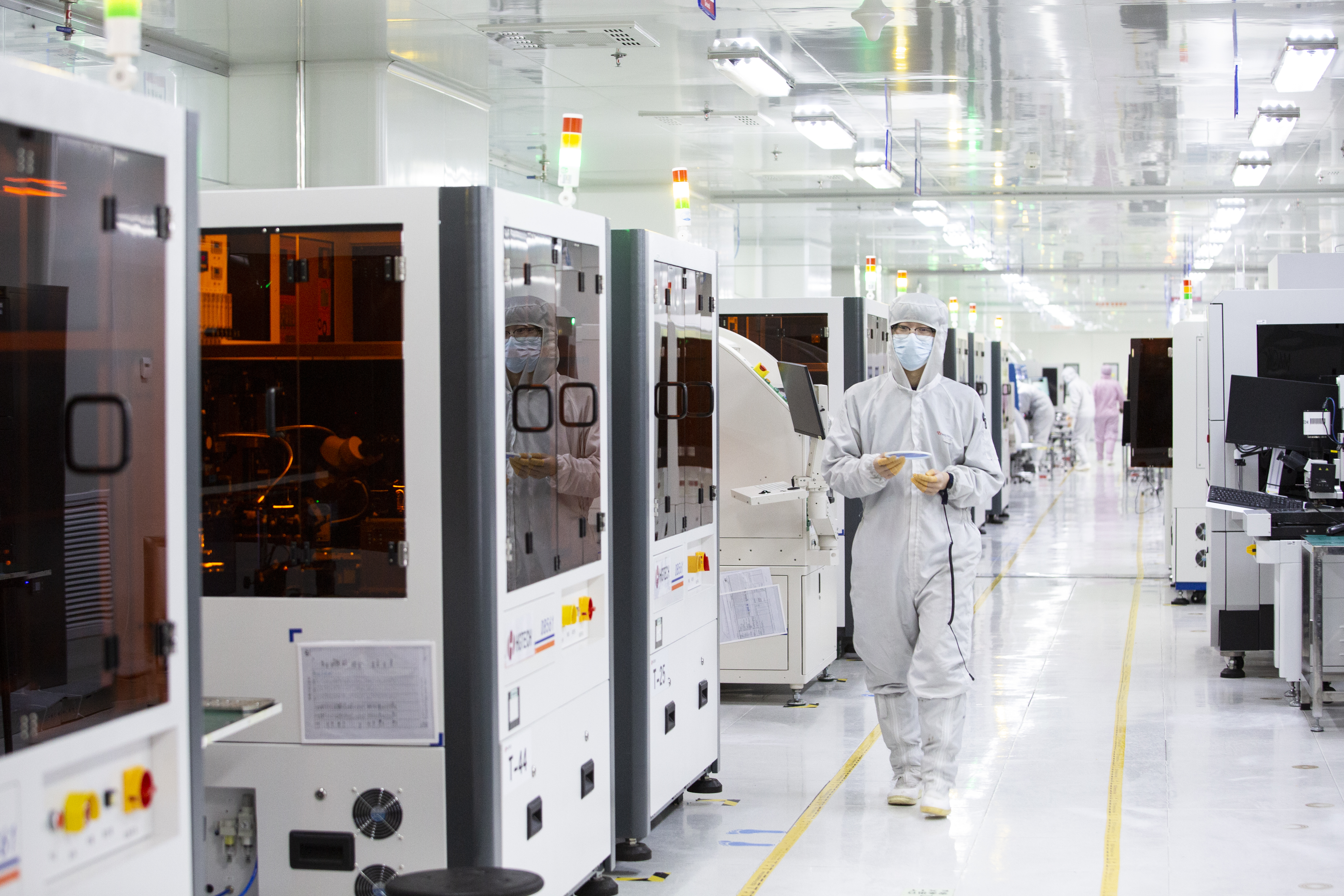
产业转型

Search documents
江苏溧阳:千亿“动”力之城是如何“炼”成的?
Zhong Guo Jing Ji Wang· 2025-09-16 11:13
Core Insights - Jiangsu Liyang has become a billion-dollar power battery industry city, with a projected output of 151.53 billion yuan in 2024, accounting for approximately 1/7 of the national power battery sales [1][4] - The city has formed a "3-kilometer industrial circle" for power batteries, with over 100 upstream and downstream enterprises clustered together [3][4] Industry Development - Liyang's power battery production lines can produce one cell per second and one battery pack every 150 seconds, with five such lines already established [2] - In the first half of this year, Liyang's power battery production and sales accounted for 36.2% and 37.4% of Jiangsu's total, and 11.1% and 12.1% of the national total, respectively [2] - The city has achieved an average annual compound growth rate of 42% in the power battery industry over the past three years [4] Technological Advancements - Liyang has broken through 37 key core technologies and has 14 innovation platforms, including a collaboration with the Chinese Academy of Sciences [3][6] - The establishment of a physical research center has led to significant advancements, including the production line for sulfide solid electrolytes, filling a global gap [3][6] Strategic Initiatives - Liyang has actively engaged with leading companies like CATL to establish a complete industrial chain, which has attracted over 30 hard-tech companies through a 10 billion yuan investment fund [6][7] - The city is expanding into the "power + storage" new track, with plans for a new energy storage industrial park expected to generate an annual output value of about 5 billion yuan [8] Future Outlook - Liyang is developing a smart energy network and aims to create a zero-carbon parking lot and village, leveraging its advantages in the power battery industry [9] - The city is also focusing on reducing electricity costs for enterprises and enhancing the sustainability of its energy systems [9]
苏州盛泽:从 “一根丝”到 “全球链”,绸都走好纺织开放创新之路
Su Zhou Ri Bao· 2025-09-16 09:14
Core Insights - Wujiang Shengze Town has established a complete textile industry chain, making it a significant silk textile production and export base in China [1] - The town is focusing on leveraging its industrial cluster advantages to promote transformation and sustainable development in the textile and apparel ecosystem [1] Industry Development - The cross-border e-commerce industrial park in Shengze has attracted 86 companies, including 37 cross-border e-commerce firms, achieving nearly $220 million in foreign trade import and export in the first half of the year [1] - Alibaba International Station has provided one-stop foreign trade solutions to over 400 local enterprises, with an average annual export growth of 25% for participating companies [2][4] - The Shengze Cross-Border E-commerce Selection Center showcases products from nearly 20 companies, highlighting the region's textile capabilities [3] Company Performance - Suzhou Xihe Textile Technology Co., established in 2021, has built a global smart supply chain and reported an export value exceeding 100 million yuan last year [4] - Wujiang Minsk Trading Co., established in 2011, has seen a year-on-year export growth of over 190% in the first seven months of this year, driven by simplified customs procedures [6] - The industrial park's supportive environment and complete supply chain have attracted businesses, enhancing the local economy [4] Economic Impact - Shengze Town reported an industrial output value of nearly 50.8 billion yuan and an import-export value of 10.961 billion yuan in the first half of the year, with cross-border e-commerce imports and exports reaching 2.464 billion yuan, a year-on-year increase of 292.5% [7] - The Dongfang Textile City, a key platform for the textile industry, has won multiple awards and is designed to integrate technology, fashion, and sustainability [7][8] Innovation and Leadership - Suzhou Roman Roland Fashion Group exemplifies innovation in the textile industry, developing unique materials that adapt to environmental changes [8] - The collaboration between leading companies and platforms like Dongfang Textile City is crucial for building a sustainable textile ecosystem [8]
中国经济样本观察·县域样本篇 | 江苏溧阳:千亿“动”力之城是如何“炼”成的?
Zhong Guo Jin Rong Xin Xi Wang· 2025-09-16 08:54
Core Insights - The city of Liyang has developed a robust power battery industry, achieving a production value of 151.53 billion yuan in 2024, with power battery sales accounting for approximately 1/7 of the national total [1][2] - Liyang has established a "3-kilometer industrial circle" for power batteries, facilitating efficient logistics and production among over 100 upstream and downstream enterprises [1][2] - The city has seen an average annual compound growth rate of 42% in its power battery industry over the past three years, with a total industrial output value of 43.05 billion yuan in the first half of 2023, representing a year-on-year growth of 21.5% [2][3] Industry Development - Liyang has built a complete industrial chain for power batteries, including production of anode and cathode materials, control systems, separators, and structural components [2][3] - The city has attracted 14 innovation platforms and has made breakthroughs in 37 key core technologies, including the development of a world-first production line for sulfide solid electrolytes [2][5] - Liyang's proactive approach in engaging with leading companies like CATL has been pivotal in establishing its power battery manufacturing base [3][4] Innovation and Research - The establishment of the Yangtze River Delta Physical Research Center has fostered a collaborative environment for research and production, enabling rapid transition from laboratory results to market-ready products [5][6] - Liyang has set up over 100 billion yuan in investment funds to support the incubation of over 30 hard-tech companies, promoting a new model of research and development that integrates government, academia, and industry [5][6] Future Prospects - Liyang is expanding into the "power + storage" sector, with plans to establish a new energy storage industrial park expected to generate an annual output value of approximately 5 billion yuan [7][8] - The city is also developing smart energy networks and microgrid scenarios, aiming to reduce electricity costs and enhance energy efficiency for local enterprises [8]

面对严峻公交传统实业经营形势 济南公交做对了什么?
Zhong Guo Qi Che Bao Wang· 2025-09-13 11:58
Core Viewpoint - The public transportation industry is undergoing significant structural adjustments, and Jinan Public Transport has successfully adopted a "Public Transport +" transformation strategy, achieving over 600 million yuan in revenue from its diversified operations [1][3][4]. Group 1: Business Operations - Jinan Public Transport operates as a municipal public service enterprise, managing 568 bus routes and 7,500 operational vehicles, with an annual passenger volume of 545 million [3]. - The company has implemented a "dual-wheel drive" strategy to enhance its market functions and expand its business scope through diversified operations [4]. - The "Public Transport +" model includes various sectors such as vehicle maintenance, energy supply, tourism, and catering services, contributing significantly to revenue [6][8]. Group 2: Revenue Generation - The "Public Transport + Maintenance" initiative has established nine automotive service stores and a vehicle inspection line, providing comprehensive automotive services [6]. - The "Public Transport + Energy" segment has six gas stations and eight charging stations, generating an annual energy sales revenue of 170 million yuan [6]. - The "Public Transport + Tourism" initiative has developed special tourist routes and sightseeing vehicles, achieving an annual income of 150 million yuan [6]. Group 3: Cultural and Advertising Initiatives - Jinan Public Transport has leveraged its advertising resources, including over 6,000 bus stops and 4,700 LED displays, to create a new revenue stream through vehicle advertising [6]. - The company is developing cultural products that incorporate local symbols and features, enhancing its brand image and market presence [6]. Group 4: Logistics Development - The company is expanding into the "Public Transport + Logistics" market, utilizing its fleet for rural logistics services, effectively addressing the "last mile" delivery challenge [8]. - A strategic partnership with Shunfeng Express has been established to enhance logistics services and convenience for residents [8]. Group 5: Government Support and Policy Framework - The success of Jinan Public Transport's transformation is supported by the Jinan Municipal Transportation Bureau, which has implemented policies to optimize urban transportation and promote high-quality public transport development [9][11]. - New regulations and financial support mechanisms have been established to ensure sustainable development in the public transportation sector [11][12].


江苏宜兴“陶都转身”:一把紫砂壶的产业新生
Xin Hua She· 2025-09-12 22:49
Group 1 - The core viewpoint highlights the historical significance of Yixing, known as the "Ceramic Capital," and its reliance on traditional industries such as ceramics and cables, which are now facing growth challenges [1] - The ceramic industry, particularly purple clay art, struggles with limited market size and challenges in mass production and standardization due to reliance on master artisans [1] - The cable industry, while having a large output value, faces intense homogenization competition, necessitating breakthroughs in core technology and high-end production [1] Group 2 - As traditional industries encounter growth bottlenecks, Yixing's enterprises and the city itself are seeking a "second curve" to navigate through economic cycles and achieve new heights [1]
【财经分析】从2025年中报看广东上市公司的活力、定力和竞争力
Xin Hua Cai Jing· 2025-09-12 11:14
Group 1: Overall Performance of Guangdong Listed Companies - As of August 31, 2025, 883 A-share listed companies in Guangdong completed their performance disclosures for the first half of 2025, showing overall growth that outpaced the national average [1] - Guangdong manufacturing listed companies achieved a total revenue of 2.94 trillion yuan and a net profit of 172.19 billion yuan in the first half of 2025, reflecting year-on-year growth of 13% and 6.3% respectively [4][5] Group 2: Mergers and Acquisitions - Since the implementation of the "Six Merger Guidelines," over 250 listed companies in Guangdong have disclosed and completed industrial mergers and acquisitions exceeding 150 billion yuan, with more than 60% related to strategic emerging industries [2] - TCL Technology successfully executed two major acquisitions in the display sector, enhancing its international competitiveness, with a reported revenue of 85.6 billion yuan and a net profit of 1.88 billion yuan for the first half of 2025, marking a 6.7% and 89.3% increase year-on-year respectively [2] - The merger of Hanlan Environment and Yuefeng Environmental is expected to enhance operational efficiency and profitability, positioning Hanlan as a leading player in the domestic waste treatment industry [3] Group 3: Investment and Capital Expenditure - Guangdong listed companies reported capital expenditures of 316.3 billion yuan in the first half of 2025, a year-on-year increase of 2.8%, surpassing the national average decline of 11.3% [5] - The increase in capital expenditure is attributed to rising investments in the automotive manufacturing, computer, communication, and other electronic equipment sectors, indicating a recovery in investment sentiment [5] Group 4: International Revenue and Competitiveness - In the first half of 2025, 477 manufacturing listed companies in Guangdong reported overseas revenues totaling 832.75 billion yuan, a year-on-year increase of 16.2%, exceeding the national average of 10.5% [6] - The computer, communication, and other electronic equipment manufacturing sectors, along with electrical machinery and automotive manufacturing, contributed significantly to overseas revenues, accounting for 86% of the total [6] Group 5: Research and Development Investment - A total of 848 listed companies in Guangdong disclosed R&D expenditures of 158.9 billion yuan in the first half of 2025, reflecting a year-on-year growth of 11.6%, which is higher than the national average of 3.2% [7] - The increase in R&D investment is primarily driven by the automotive manufacturing and electrical machinery sectors, with growth rates of 46.7% and 11.4% respectively [7]
活力中国调研行丨遗产保护用上黑科技 在峨眉山解锁文旅新体验
Yang Shi Xin Wen· 2025-09-11 12:24
Group 1: Heritage and Tourism Development - Emei Mountain and Leshan Giant Buddha are recognized as UNESCO World Heritage Sites, combining cultural and natural heritage, with a focus on sustainable tourism development [1] - The introduction of the "Exploring the Life of Emei" eco-tourism project has attracted significant visitor interest, particularly families with children [4] - From January to August, the number of hiking visitors to Emei Mountain reached 360,000, a year-on-year increase of approximately 40% [7] Group 2: Innovative Practices in Heritage Protection - The use of drones for inspecting the Leshan Giant Buddha has improved inspection efficiency by over 100%, allowing for the detection of minute cracks [8][10] - Digital preservation efforts include creating 1:1 scale 3D printed models of the Buddha, aiding in future restoration and research [12][14] - Monitoring of 33 typical vegetation areas in Emei Mountain is being conducted to protect biodiversity, focusing on various environmental indicators [16] Group 3: Economic Impact on Local Communities - The increase in tourism has positively impacted local businesses, with a notable rise in income for residents, such as a local dumpling shop owner [19][22] - The local government is promoting green transformation in industries, with significant investments in pollution reduction, such as a cement company reducing nitrogen oxide emissions by approximately 1,500 tons annually [26] - Leshan city is enhancing its cultural offerings and diversifying tourism experiences, aiming to attract over 85.8 million domestic tourists in the first eight months of the year, a 20% increase [30]
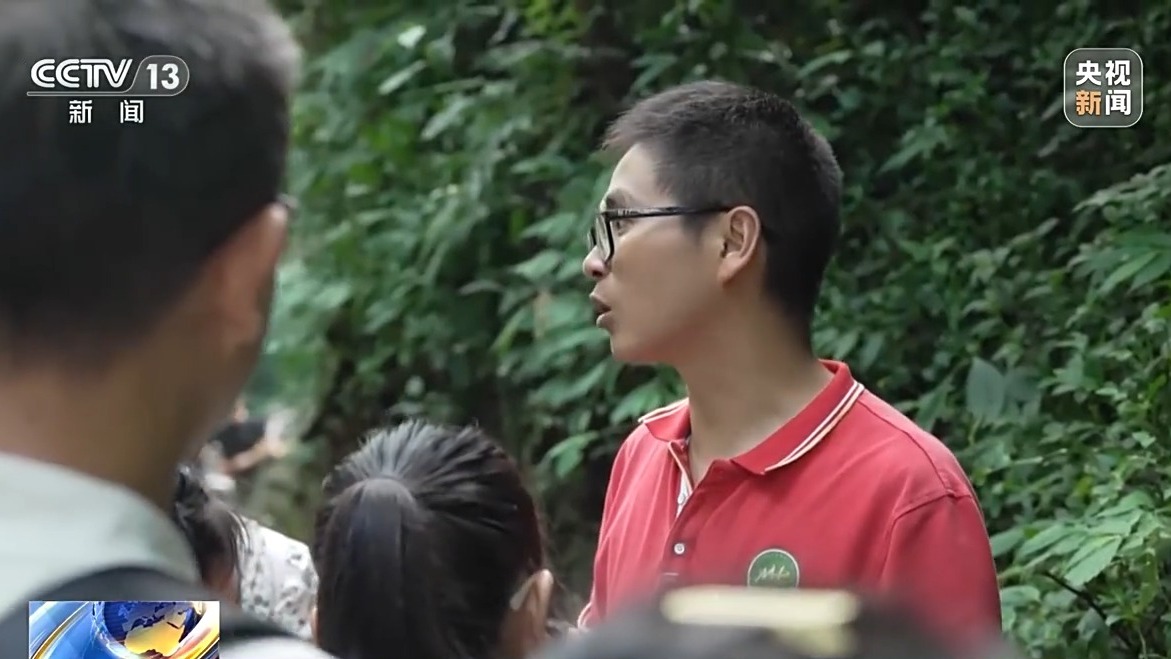
遥望科技叫停两项目5.45亿或“打水漂” 四年半累亏32.69亿业务重心再调整
Chang Jiang Shang Bao· 2025-09-11 00:01
Core Viewpoint - The company, Yao Wang Technology, has terminated two major fundraising projects totaling nearly 1.3 billion yuan after four years of progress, citing the rapid evolution of AI technology as a reason for the shift in business focus [1][2]. Fundraising and Project Termination - On September 9, Yao Wang Technology announced the termination of the "YOWANT Digital Marketing Cloud Platform Construction" and "Innovation Technology Research Institute Construction" projects, reallocating the remaining 766 million yuan to supplement working capital [1][2]. - In October 2021, the company raised 2.972 billion yuan through a private placement, with 839 million yuan allocated for working capital and loan repayment, 906 million yuan for the YOWANT project, 791 million yuan for social e-commerce ecosystem construction, and 385 million yuan for the research institute [2]. Financial Performance and Losses - From 2021 to 2024, the company reported continuous significant losses, with a total loss of 3.269 billion yuan over four and a half years [9]. - In the first half of 2025, the company experienced a revenue decline of 36.32% year-on-year, with a net loss of 253 million yuan, marking a 15.60% increase in losses compared to the previous year [8]. Project Investment Details - As of August 31, 2025, the YOWANT project had received a cumulative investment of 418 million yuan, while the research institute project had received 127 million yuan, primarily for infrastructure and equipment [5][8]. - The company indicated that the original hardware and software plans for the terminated projects became obsolete due to advancements in AI algorithms and computing architecture [3][5]. Business Transformation Challenges - Yao Wang Technology, originally a traditional women's shoe company, has struggled with its transformation into the social e-commerce sector, failing to achieve profitability since the transition [8][9]. - The company has indicated a shift in strategy, moving towards a holding or equity participation model for innovative businesses while optimizing organizational efficiency through AI technology [8].

百年煤城何以当上转型优等生
He Nan Ri Bao· 2025-09-10 23:38
Core Viewpoint - The city of Jiaozuo has successfully transitioned from a coal-dependent economy to a diversified and modern industrial base, achieving recognition as an "excellent" resource-exhausted city in national transformation performance evaluations [1][2]. Group 1: Industrial Transformation - Jiaozuo's coal industry share in the regulated industrial sector has dramatically decreased from 81.7% to 5.2% in the first half of this year, indicating a significant shift in industrial focus [2]. - The city is focusing on a "3+13+N" key industrial chain strategy and aims to build a modern industrial system to facilitate transformation and development [2][4]. - Major projects, such as the production of 300,000 fifth-generation hybrid engines by Ruiqing, are expected to increase annual output value from 560 million to 4 billion yuan, showcasing the rapid industrial growth [3]. Group 2: Economic Diversification - Jiaozuo has diversified its industrial economy, becoming a national base for automotive parts, aluminum industry, and a demonstration base for new industrialization [4]. - The city produces 21 industrial products with the highest global sales, including lithium hexafluorophosphate and titanium dioxide, and 13 products with the highest national sales, such as mobile camera motors [4]. Group 3: Innovation and Sustainability - The implementation of the "345" innovation action plan has led to a deep integration of technological and industrial innovation, with high-tech industries accounting for 58.1% of the regulated industrial added value [4]. - Jiaozuo has achieved full coverage of "four greens" (green factories, parks, products, and supply chains) and has successfully established a national industrial resource comprehensive utilization base [4]. Group 4: Cultural and Tourism Development - The city is developing a new tourism model that integrates cultural and tourism sectors, with a focus on creating a comprehensive tourism development pattern [5]. - In the first half of this year, Jiaozuo received 45.88 million tourists, generating a total tourism revenue of 32.25 billion yuan, reflecting a year-on-year growth of 7% and 5.7% respectively [5]. Group 5: Urban Development and Quality of Life - Jiaozuo is undertaking initiatives to improve urban living standards, including infrastructure upgrades and public service enhancements, contributing to a projected per capita disposable income of 35,000 yuan by 2024 [6]. - The city is actively engaging residents in urban renewal projects, enhancing community participation and benefits [6].
武汉:规上工业总值突破1.67万亿,培育6个千亿产业
Di Yi Cai Jing· 2025-09-10 13:04
Economic Performance - Wuhan's GDP has shown a transformative change during the "14th Five-Year Plan," achieving a recovery and surpassing 2 trillion yuan, with annual GDP growth reaching 5.5% in the first half of 2025 [1] - The city's GDP growth rate consistently exceeds the national average, maintaining a position among the top 10 cities in China and ranking first among central cities [1] Industrial Development - Wuhan's industrial output value exceeded 1.67 trillion yuan during the first four years of the "14th Five-Year Plan," with an average annual growth rate of 7.1% [5] - The total industrial added value reached 507 billion yuan, ranking fourth among sub-provincial cities, with manufacturing and software contributing over 40% to the city's tax revenue [5] - Industrial investment surpassed 200 billion yuan, accounting for nearly 25% of the city's total investment [1] Technological Innovation - Wuhan has established 2 national and 7 provincial manufacturing innovation centers, along with 21 provincial pilot platforms and 11 industry innovation laboratories [5] - The city has made significant advancements in high-end chips, industrial machinery, and other cutting-edge fields, achieving world-leading innovation results [5] Digital Transformation - The number of 5G base stations in Wuhan reached 56,500, a 4.5-fold increase from the end of the "13th Five-Year Plan," with total computing power exceeding 5,300 P [6] - Wuhan leads in digital transformation, having built 300 digital production lines and 30 benchmark smart factories [6] Private Sector Growth - The number of private enterprises in Wuhan has surpassed 1.17 million, doubling since the end of the "13th Five-Year Plan," with the private sector's contribution to GDP reaching 48.4% [6] - During the "14th Five-Year Plan," Wuhan cultivated 3,701 industrial enterprises and 348 national-level specialized "little giant" enterprises [6]