
套期保值

Search documents
黄金时间:铂金税改、铂钯期货上市为全球铂族金属产业发展谱写新篇章
Sou Hu Cai Jing· 2025-12-02 13:07
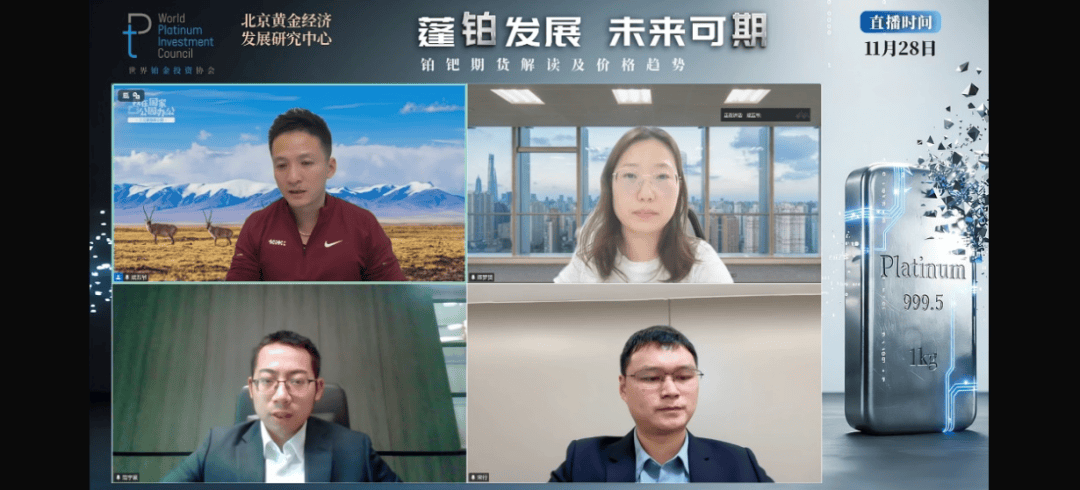
Core Viewpoint - The recent changes in platinum taxation and the introduction of platinum and palladium futures mark a significant shift in the market dynamics, transitioning from policy-driven growth to innovation-driven resilience in the platinum industry [2][4]. Group 1: Tax Policy Changes - The exemption from import value-added tax on platinum, in effect for 22 years, will end on November 1, 2025, signaling a return to normal tax regulations for the platinum market [2]. - The new tax policy is expected to increase costs for trading companies, which may be passed down the supply chain, affecting the overall pricing system [4]. Group 2: Market Dynamics and Futures Launch - The launch of platinum and palladium futures on November 27 at the Guangzhou Futures Exchange is anticipated to create a more accurate reflection of supply and demand in the domestic market [5][8]. - The futures contracts are designed to cater to domestic practices, with a delivery unit of 1,000 grams and pricing in RMB, which will help establish a third pricing curve outside of London and New York [7][8]. Group 3: Industry Impact and Opportunities - The tax reform and futures market development are expected to enhance market liquidity and attract more investors, providing opportunities for companies to utilize financial derivatives for hedging [10]. - The upcoming "2026 Shanghai Platinum Week" is expected to be a focal point for discussions on China's growing influence in the global platinum market, driven by ongoing policy and market developments [10].

光明乳业股份有限公司 关于新莱特开展套期保值业务的公告
Zhong Guo Zheng Quan Bao - Zhong Zheng Wang· 2025-11-28 23:56
Core Viewpoint - The announcement details the approval process for New Zealand's New Lite Dairy Co., a subsidiary of Bright Dairy, to engage in hedging activities to mitigate foreign exchange and interest rate risks associated with its operations [3][4][5]. Group 1: Transaction Overview - New Lite's main business includes the production and sale of dairy products, with significant revenue from foreign currency sales and some raw material imports, exposing it to foreign exchange risks [3][4]. - The company plans to use forward foreign exchange contracts and interest rate swaps to hedge against these risks [3][4]. - The estimated peak value for forward foreign exchange contracts in 2026 is NZD 1.5 billion, and for interest rate swaps, it is NZD 100 million [4]. Group 2: Approval Process - The proposal has been approved by the Audit Committee and the Board of Directors, pending approval from the shareholders' meeting [2][7]. - The Audit Committee unanimously approved the proposal with three votes in favor and no opposition [7]. Group 3: Risk Analysis and Control Measures - The hedging activities are aimed at risk mitigation and will not involve speculative trading [9]. - Risks identified include market risk, operational risk, and the risk of default by financial institutions [9]. - The company has established a management system for hedging activities, ensuring compliance with legal and regulatory requirements [10][11]. Group 4: Financial Impact and Accounting Treatment - The hedging activities will be conducted in accordance with relevant accounting standards, ensuring proper financial reporting [15].

光明乳业股份有限公司
Shang Hai Zheng Quan Bao· 2025-11-28 20:06
Group 1 - The company announced amendments to the Board Meeting Rules, which require approval from the shareholders' meeting [3][4][5] - The Board of Directors unanimously approved the proposal to amend the Board Meeting Rules with 7 votes in favor [3][4] Group 2 - The company plans to purchase liability insurance for its directors and senior management to enhance risk management and protect investors' interests [7][8] - The insurance coverage limit is set at a maximum of RMB 100 million per year, with an annual premium not exceeding RMB 500,000 [8] - The proposal for purchasing liability insurance will be submitted to the shareholders' meeting for approval [9] Group 3 - The company intends for its overseas subsidiary, New Zealand New Light Dairy Co., Ltd., to engage in hedging activities to mitigate foreign exchange and interest rate risks [10][13] - The expected peak value for foreign exchange forward contracts is NZD 1.5 billion, and for interest rate swap contracts, it is NZD 100 million [14] - The hedging activities will be funded entirely from the subsidiary's own or self-raised funds, without using the company's raised funds [16] Group 4 - The company has outlined a series of risk control measures for the hedging activities, including strict adherence to legal and prudent principles [21][22] - The company will only engage in hedging transactions with qualified banks and financial institutions [22] - Regular reviews and communications will be conducted to ensure compliance and effective risk management [23][24] Group 5 - The company has proposed expected daily related transactions for 2026, which require approval from the shareholders' meeting [27][28] - The company reported actual related transactions for the first ten months of 2025, indicating no significant reliance on related parties [29]
南方泵业:关于开展套期保值业务的公告
Zheng Quan Ri Bao Zhi Sheng· 2025-11-28 12:40
(编辑 楚丽君) 证券日报网讯 11月28日晚间,南方泵业发布公告称,公司于2025年11月28日召开了第六届董事会第九 次会议、第六届监事会第七次会议,均审议通过了《关于开展套期保值业务的议案》,同意公司子公司 在2026年整个会计年度以自有资金开展最高保证金金额不超过人民币5000万元的套期保值业务。在上述 范围内资金可循环使用,并授权期货套期保值领导小组在上述额度内决策并实施。 ...

套保额度再增1亿元,从行业龙头看企业风险管理升级
Qi Huo Ri Bao· 2025-11-27 23:29
Core Viewpoint - Zinc Industry Co., Ltd. has approved an increase in the hedging business margin limit for 2025 from 600 million to 700 million yuan, reflecting the company's proactive approach to managing market price volatility and indicating a trend towards more sophisticated risk management in the domestic non-ferrous metal industry [1][3][8] Summary by Sections Hedging Limit Increase: A Proactive Measure Against Market Volatility - The increase in the hedging limit aims to mitigate price volatility risks associated with raw materials and product inventories in the non-ferrous metal smelting and processing business, ensuring stable operational performance [3] - In the first half of 2025, Zinc Industry reported significant fluctuations in zinc and copper prices, which pressured the smelting segment's profitability. However, the company achieved revenue and net profit growth, with net profit rising by 99.07% year-on-year, highlighting the effectiveness of risk management tools [3][8] Industry Overview: Hedging Becoming a "Must-Have" for Listed Companies - The increase in hedging limits by Zinc Industry is part of a broader trend among listed companies, particularly in the non-ferrous metal sector, to strengthen risk management practices. Since 2025, many companies have announced hedging measures in response to increased market volatility [5] - Statistics show that at least 1,583 A-share listed companies in the real economy have issued hedging announcements this year, surpassing the total of 1,503 for all of 2024, marking a historical high [5] Upgrade Trend: Diversification of Tools and Scope - Zinc Industry's announcement indicates a clear upgrade in risk management strategies, expanding from traditional commodity price risks to include foreign exchange risks and exploring a variety of tools beyond just futures [7] - The trend of tool diversification is evident, with some non-ferrous metal companies beginning to use combination strategies like "futures + options." Zinc Industry has implemented a dual mechanism of "spot lock + futures hedging" to address exchange rate volatility [7][8]

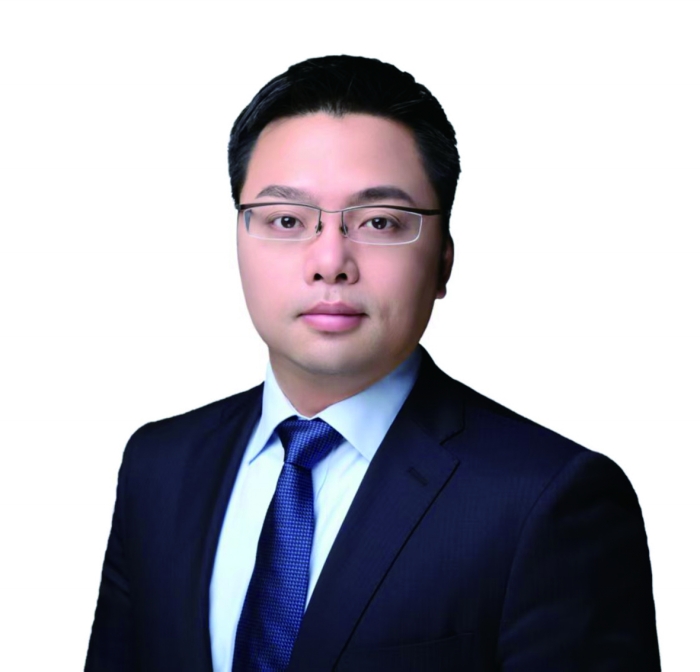
世界铂金投资协会邓伟斌:“中国价格”影响力提升 铂族金属定价体系更丰富
Shang Hai Zheng Quan Bao· 2025-11-27 18:20
Core Insights - The listing of platinum and palladium futures and options on the Guangzhou Futures Exchange signifies the emergence of new financial derivatives in China and serves as a beneficial supplement to the global platinum and palladium investment market [2][6] - The introduction of these contracts is expected to enhance China's influence in platinum group metal pricing and enrich the pricing system for these metals [2][8] Industry Implications - The listing addresses the lack of authoritative hedging channels in the domestic market, allowing companies to better manage price volatility risks associated with platinum and palladium [3][4] - The innovative inclusion of sponge form in the delivery range of contracts aligns with the actual usage habits of end-users, thereby enhancing the service of futures to the real economy [4][5] Market Dynamics - China is the largest consumer of platinum and palladium, accounting for over 30% of global demand, while domestic production is limited, leading to a heavy reliance on imports [5][8] - The global supply of platinum and palladium is primarily concentrated in South Africa and Russia, which together account for over 80% of platinum and 70% of palladium supply [5][6] Price Trends - Platinum prices have surged significantly in 2023, with New York Mercantile Exchange futures up approximately 80% and Shanghai Gold Exchange spot prices up over 92% year-to-date [7] - Future price forecasts suggest an upward trend, with expected annual increases of 10% to 15% due to persistent supply shortages and robust industrial demand [7][8] Future Outlook - The global platinum market is projected to see a narrowing supply gap by 2025, with expectations of a slight surplus by 2026, influenced by improved recovery supply and a decrease in demand primarily from the investment sector [8] - The listing of futures and options is anticipated to bolster the development of the precious metals industry in the Pearl River Delta region and nationwide [8]
上市首日成交额超422亿!期货市场迎来铂钯新品种,破解价格内卷难题
Sou Hu Cai Jing· 2025-11-27 10:02
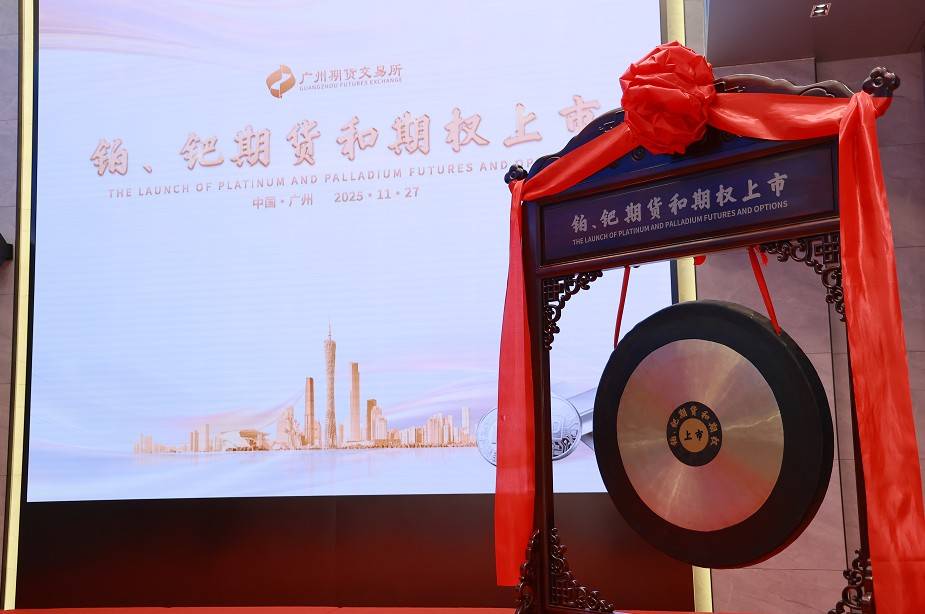
Core Viewpoint - The launch of platinum and palladium futures on the Guangzhou Futures Exchange is expected to enhance risk management for the industry, improve market efficiency, and strengthen China's influence in the global platinum group metals market [3][4]. Group 1: Market Performance - On November 27, platinum and palladium futures were officially listed, with initial trading showing significant price increases of over 11%, before settling at 430.30 CNY/gram for platinum and 370.60 CNY/gram for palladium, representing gains of 6.25% and 1.53% respectively [2]. - The total trading volume for platinum futures reached 66,700 contracts with a turnover of 29.231 billion CNY, while palladium futures saw 34,200 contracts traded, totaling 13.049 billion CNY [2]. Group 2: Industry Impact - The introduction of platinum and palladium futures is seen as beneficial for upstream and downstream enterprises in the platinum group metals industry, aiding in risk management and stabilizing operations amid market volatility [3][4]. - The application of platinum and palladium in green development sectors is significant, with approximately 60% and 80% of their usage in automotive emissions control and renewable energy, respectively [3]. Group 3: Risk Management Tools - The futures and options products provide flexible and effective risk management tools for industry players, allowing them to hedge against price volatility and stabilize costs or profits [4][5]. - The launch is expected to attract interest from leading enterprises in the industry, with a gradual increase in participation from smaller companies and institutional investors as market awareness grows [4][5]. Group 4: Future Prospects - The successful listing of these futures is anticipated to improve liquidity in the physical platinum and palladium markets, reduce trading discrepancies, and establish a pricing benchmark in RMB [6][8]. - The futures market is expected to enhance the operational efficiency of small and medium-sized enterprises, promoting a more rational resource allocation and supporting the development of a professional and scalable industry [8].
财经深一度丨广期所再迎新!铂、钯“新成员”正式登场
Xin Hua Wang· 2025-11-27 07:44
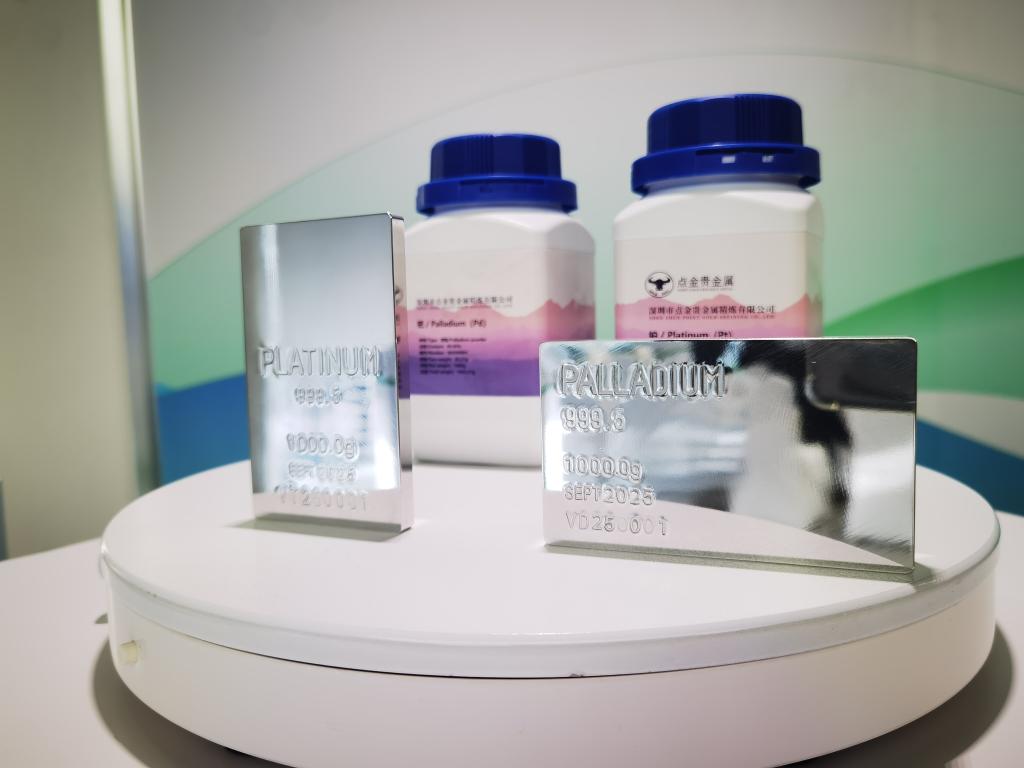
Core Viewpoint - The listing of platinum and palladium futures and options on the Guangzhou Futures Exchange is expected to bring significant changes to the industry chain and create new opportunities for enterprises [1]. Group 1: Market Dynamics - Platinum and palladium are crucial raw materials for green industries, particularly in automotive exhaust treatment, with approximately 60% of platinum and nearly 80% of palladium used in catalytic converters in China [3]. - The global supply of platinum and palladium is highly concentrated in South Africa and Russia, while China is the largest consumer, leading to a high dependency on imports [4]. - Price volatility of platinum and palladium has been significant due to geopolitical, climatic, and transportation factors, with expected international market prices fluctuating between $900 and $1,100 per ounce in 2024 [4]. Group 2: Risk Management and Opportunities - The introduction of futures and options is seen as a necessary "pressure stabilizer" for the industry, allowing enterprises to lock in procurement costs and sales prices, thereby smoothing the impact of price fluctuations on business cycles [4]. - Companies can utilize futures and options for hedging operations, effectively locking in future product sales prices or raw material procurement costs, which stabilizes operations and profits [4]. - The futures market will provide a pricing reference for spot transactions, reducing price discrepancies between trading parties and enhancing transaction efficiency [4]. Group 3: Impact on Pricing Power - The establishment of domestic derivatives contracts will create an authoritative price benchmark denominated in RMB, enhancing market transparency and giving enterprises greater bargaining power in international trade [5]. - With RMB-denominated futures prices, domestic companies can use these prices as a reference for pricing in international trade, thereby increasing China's pricing power in the global platinum group metals market [6]. - The listing of platinum and palladium futures and options is expected to attract diverse participants, including industrial capital and individual investors, expanding the coverage of the futures market [6].
铂、钯期货上市首日,南华资本首单铂场外期权交易落地
Qi Huo Ri Bao· 2025-11-27 02:13
Core Insights - The launch of platinum and palladium futures on November 27 at the Guangzhou Futures Exchange marks a significant breakthrough in China's precious metals derivatives system, providing domestic enterprises with independent risk management tools and reducing reliance on foreign futures instruments [1][2] - The introduction of these futures is expected to help establish a more comprehensive and authoritative domestic pricing system for platinum and palladium [1] Group 1: Industry Impact - Platinum and palladium are critical raw materials for the automotive, refining, and new energy industries, with their price fluctuations significantly affecting production costs for companies in these sectors [2] - Prior to the domestic futures launch, companies relied on NYMEX platinum and palladium futures for cross-border revenue swap transactions, indicating a need for more localized risk management solutions [2] Group 2: Company Initiatives - Nanhua Futures and its risk management subsidiary, Nanhua Capital, have actively responded to client needs, achieving the first off-exchange options transaction on the listing day of platinum futures [1] - The collaboration with a domestic high-tech enterprise specializing in advanced coating and functional materials demonstrates the effective use of financial derivatives to enhance product price competitiveness and operational efficiency [2] - Nanhua Futures and Nanhua Capital are committed to serving the real economy by providing comprehensive risk management services across the entire platinum and palladium industry chain, aiming to foster new productive forces in China's modernization efforts [2]

浙农股份拟开展2026年度套期保值业务 涉及4.4亿美元外汇及7.61亿元商品期货保证金
Xin Lang Cai Jing· 2025-11-26 16:50
Core Viewpoint - Zhejiang Agricultural Group Co., Ltd. plans to conduct hedging activities in 2026 to mitigate foreign exchange and commodity price volatility risks, with a maximum foreign exchange hedging limit of $440 million and a maximum margin for commodity futures of 761 million RMB [1][2] Business Overview: Focus on Risk Hedging to Lock in Operating Costs - The primary objective of the hedging activities is to avoid market risks in import-export operations and bulk commodity sales by stabilizing exchange rates and commodity prices [2] - The hedging business will cover two main areas: foreign exchange and commodity futures, with specific trading instruments closely related to the company's core operations [2] - The maximum trading limit for foreign exchange hedging is set at $440 million, while the margin for commodity futures and derivatives is capped at 761 million RMB, with funds sourced from the company's own capital [2] Risk Control: Multi-Dimensional System to Prevent Operational and Market Risks - The company emphasizes that the hedging activities are centered on "risk hedging," prohibiting speculative trading [3] - A specialized risk control system has been established to address potential risks associated with both foreign exchange and commodity futures hedging [4] Subsequent Arrangements: Authorization Mechanism to Ensure Efficiency - Following the approval of the hedging proposal, the company will seek authorization from the shareholders' meeting for the board of directors to further delegate authority to management for executing specific transactions within the approved limits [4] - The company anticipates that the hedging activities will help stabilize operational fluctuations and provide a safeguard for long-term sustainable development [4]
