
软件定义汽车

Search documents
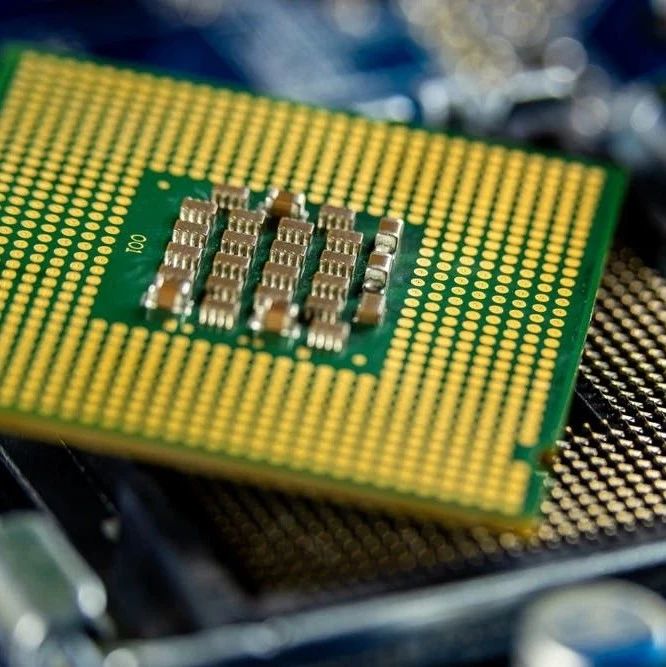
大陆集团决定自研芯片,成立新公司
半导体行业观察· 2025-06-24 01:24
Core Viewpoint - Continental Group's automotive division has established the Advanced Electronic and Semiconductor Solutions (AESS) department to enhance resilience and ensure future success by developing automotive semiconductors internally, in partnership with GlobalFoundries (GF) [1][2]. Group 1: Strategic Initiatives - The establishment of AESS aims to design and validate semiconductors to meet internal demands, addressing the growing need for semiconductors in software-defined vehicles [1]. - The global automotive semiconductor market is projected to reach approximately €110 billion by 2032, necessitating increased investment in semiconductor development for long-term success [1]. - The move to create a fabless semiconductor company is intended to reduce geopolitical risks and enhance Continental's autonomy in the semiconductor field [1][2]. Group 2: Collaboration and Technology - GF will serve as the manufacturing partner for AESS, leveraging its advanced automotive-grade process technology and global manufacturing capabilities to support the development of innovative solutions for next-generation vehicles [2]. - The collaboration with GF is part of a broader strategy to enhance semiconductor production design and management capabilities, thereby improving market position and self-sufficiency [2]. Group 3: Organizational Impact - The new organizational structure is designed to support the automotive group's business by creating a resilient supply chain, improving product quality, and reducing time-to-market [3]. - AESS is expected to generate value through cost savings and efficiency improvements, which will enhance the company's cash flow [3]. - The establishment of AESS is seen as a way to solidify Continental's position as a leading automotive parts manufacturer and create new internal development opportunities [4].


2025全球汽车零部件供应商百强榜公布,宁德时代挺进前五
汽车商业评论· 2025-06-23 15:00
Core Insights - The 2025 Global Automotive Parts Supplier Top 100 list highlights the competitive landscape influenced by electrification, intelligence, and regional market changes [6] - Traditional giants maintain dominance through strategic adjustments, while Chinese suppliers excel in the electric vehicle sector [7][11] Group 1: Traditional Giants - Bosch remains the largest global supplier with automotive revenue of $54.372 billion in 2024, a nearly 3% decline, reflecting challenges in traditional internal combustion systems [9] - Denso ranks second with $47.9 billion in sales, followed by Magna at $42.836 billion and ZF at $37.318 billion [10] Group 2: Chinese Suppliers - CATL ranks fifth with $35.249 billion in revenue, remaining the only Chinese company in the top five despite a drop in ranking [13] - BYD Electronics and Desay SV are reshaping the infotainment and electric vehicle components sectors, with Desay SV leading in global in-car entertainment sales and BYD's vertical integration strategy boosting its market share by 47% [14] Group 3: Regional Dynamics - China continues to be a growth engine with the highest operating profit margin of 5.7% in 2024, benefiting from policy support and export demand [15] - European suppliers face significant challenges with a profit margin of only 3.6% in 2024, leading to restructuring efforts by companies like Continental and Mahle [17] - North American parts companies see stagnant production due to labor shortages, which counterbalances operational improvements [18] Group 4: Mergers and Strategic Alliances - Motherson's potential acquisition of Marelli could alter the top 20 rankings, positioning Motherson as a leading global player [21] - Denso expands its footprint in China through new electric vehicle thermal management plants and blockchain-based battery recycling systems [22] Group 5: Emerging Trends - Electrification dominates with over 60% growth in electric vehicle components, as manufacturers like Tesla and BYD produce over 50% of their battery packs in-house [23] - Software-defined vehicles are on the rise, with companies like Harman and Panasonic developing centralized computing platforms for smart cabins and autonomous driving [25] - Localization strategies are being accelerated by multinational companies like Bosch and ZF to meet the demand for cost-effective and advanced solutions in China [26] Group 6: Risks and Challenges - Global production growth stagnation poses a long-term challenge, with excess capacity projected to exceed 100 million units from 2020 to 2030 [27] - The slowdown in pure electric vehicle adoption is influenced by the withdrawal of government subsidies and hesitance in transitioning from combustion engines [28] - Increased competition in the Chinese market is reshaping the landscape for both local and foreign parts suppliers [29] - The shift towards software-defined vehicles is accelerating, with rising software costs and value becoming a focal point for the industry [30] - Technological disruptions from solid-state batteries and AI-based advanced driver-assistance systems threaten traditional suppliers [31] Group 7: Geopolitical Dynamics - Geopolitical changes are significantly impacting the global automotive industry, with rising tariff barriers affecting trade in parts and vehicles across regions [32] - The industry is undergoing a transformation, with Chinese suppliers challenging traditional giants in electric vehicles and smart mobility, while European and North American firms adapt through collaboration and localization [34]

奥迪:确认暂停全面电动化计划!
新华网财经· 2025-06-19 02:18
Core Viewpoint - Audi has reversed its previous plan to stop developing and selling internal combustion engine vehicles by 2033, now not setting a clear timeline for termination [1] Group 1: Audi's Strategic Adjustments - Audi will launch a new series of internal combustion and plug-in hybrid vehicles between 2024 and 2026, providing greater flexibility for the next decade [1] - The company will lead the development of the Volkswagen Group's platform architecture and software systems for mid-to-large models, marking a shift towards "software-defined vehicles" [1] - The SSP platform, developed in collaboration with Rivian, is expected to debut in Audi models by the end of 2027 or in 2028 [1] Group 2: Industry Trends - Other automakers like Volvo and Mercedes have also adjusted their electrification plans, with Mercedes planning to continue developing internal combustion engine models into the 2030s [2] - The automotive industry is experiencing challenges during the electrification transition, with many companies facing declining revenues and profits due to high R&D costs and slowing demand for electric vehicles [2] - In contrast, the Chinese electric vehicle market is growing rapidly, prompting multinational companies to accelerate their electrification efforts in China while seeking cost reduction and efficiency improvements [2] Group 3: Audi's Focus Areas - Audi's transformation strategy emphasizes two key areas: software-defined vehicles and advanced driver assistance technologies [3] - Starting mid-2025, Audi will produce several models specifically designed for the Chinese market, including the Q6L e-tron, which is already in pre-sale [3] - Audi is collaborating with Huawei to integrate advanced intelligent driving assistance systems into new platform products starting in 2025 [3]

奥迪确认暂停全面电动化计划!
鑫椤锂电· 2025-06-19 00:49
Core Viewpoint - Audi has reversed its previous plan to stop developing and selling internal combustion engine vehicles by 2033, and no clear timeline for cessation has been set [2][3]. Group 1: Audi's Strategic Adjustments - Audi will launch a new series of internal combustion and plug-in hybrid vehicles between 2024 and 2026, providing greater flexibility for the next decade [3]. - The company will lead the development of a new platform architecture and software system for large vehicles within the Volkswagen Group, marking a shift towards "software-defined vehicles" [3]. - The original plan was to release the last batch of fuel vehicles globally by 2026 and achieve full electrification by 2033, but this has been reassessed due to varying market developments and the pace of electric vehicle adoption [3][4]. Group 2: Industry Trends - Other automakers like Volvo and Mercedes-Benz have also adjusted their electrification plans, with Mercedes stating it will not strictly adhere to a 2030 deadline for transitioning to electric vehicle sales [4]. - The automotive industry is experiencing challenges during the electrification transition, with many companies facing declining revenues and profits due to high R&D costs and a slowdown in electric vehicle demand [4]. - Despite these challenges, the Chinese electric vehicle market is growing rapidly, prompting multinational companies to accelerate their electrification efforts in China [5]. Group 3: Audi's Focus Areas - Audi's transformation strategy focuses on two key areas: software-defined vehicles and advanced driver assistance technologies [6]. - Starting mid-2025, Audi will produce several models specifically designed for the Chinese market, including the Q6L e-tron, which is based on the PPE luxury electric platform [6]. - Audi is collaborating with Huawei to integrate advanced intelligent driving assistance systems into new platform products starting in 2025 [6].

早报|美政府恢复办理外国学生签证;官方通报救护车跨省转运收费2.8万;卢伟冰剧透YU7价格;微软准备退出OpenAI谈判
虎嗅APP· 2025-06-18 23:59
Group 1 - The U.S. government has resumed processing foreign student visas, requiring applicants to provide their social media accounts [2] - The construction of the major scientific facility "Kua Fu" has made significant progress, with one of its key systems passing expert evaluation and achieving international leading performance [3] - Customs authorities have seized over 20,000 counterfeit LABUBU products, confirming infringement of the POP MART brand [4] Group 2 - The Chinese Foreign Ministry expressed strong dissatisfaction and opposition to the European Commission President's comments regarding China's trade practices, emphasizing compliance with WTO rules [6][7] - The European Union is projected to provide over €1.44 trillion in various subsidies from 2021 to 2030, with over €300 billion already disbursed by 2024 [7] Group 3 - Ford China responded to rumors about the integration of Jiangling Ford into Changan Ford, emphasizing its focus on maintaining a competitive and sustainable sales network [12] - Roma Technology announced a recall of mobile power banks due to potential overheating risks, offering replacements or refunds to affected consumers [13] Group 4 - Microsoft is prepared to exit high-risk negotiations with OpenAI if key issues regarding future shareholding are not resolved [14] - Audi has reversed its previous plan to stop developing internal combustion engine vehicles by 2033, opting for a more flexible approach to vehicle development [15][16] Group 5 - The U.S. Federal Reserve officials expect to lower interest rates twice by the end of 2025, with inflation projected to rise to 3% and unemployment to 4.5% by that time [20] - The China Securities Regulatory Commission is accelerating the development of science and technology innovation bonds, with ten companies having submitted materials for the first batch of science and technology innovation bond ETFs [22][23]

奥迪确认暂停全面电动化计划!
第一财经· 2025-06-18 13:08
Core Viewpoint - Audi has reversed its previous plan to stop developing and selling internal combustion engine vehicles by 2033, and no clear timeline for cessation has been set [1][2]. Group 1: Strategic Adjustments - Audi will launch a new series of internal combustion and plug-in hybrid vehicles between 2024 and 2026, providing greater flexibility for the next decade [1]. - The company is shifting its focus to developing a platform architecture and software systems for large vehicles within the Volkswagen Group, marking a transition to "software-defined vehicles" [1][2]. - Audi's strategic adjustments are centered on two key areas: software-defined vehicles and advanced driver assistance technologies [3]. Group 2: Market Dynamics - The global automotive market is experiencing uneven development in electric vehicle adoption, prompting Audi to implement a region-specific development strategy [2]. - Other automakers, such as Volvo and Mercedes-Benz, have also adjusted their electrification plans, indicating a broader trend in the industry [2]. - The electric vehicle market is showing signs of slowing demand, while internal combustion vehicles continue to generate higher profits, necessitating strategic adjustments by automakers [2]. Group 3: Partnerships and Innovations - Audi is collaborating with FAW to produce models based on the PPE luxury electric platform, with the Q6L e-tron already in pre-sale [4]. - A partnership with SAIC is underway to develop pure electric intelligent connected vehicles tailored for the Chinese market [4]. - Starting in 2025, Audi will integrate Huawei's advanced intelligent driving assistance system into new platform products [4].
奥迪不再设定明确停售燃油车时间表 暂停全面电动化计划
news flash· 2025-06-18 11:15
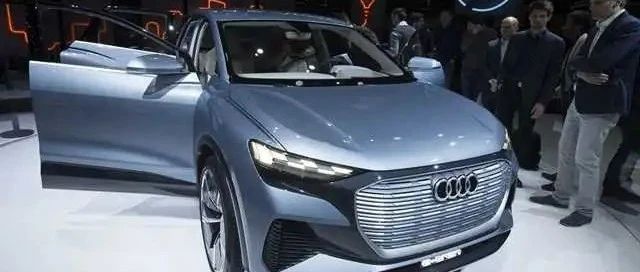
Core Viewpoint - Audi has reversed its previous plan to stop developing and selling internal combustion engine vehicles by 2033, and it will not set a clear timeline for phasing them out [1] Group 1: Strategic Changes - Audi will launch a new series of internal combustion and plug-in hybrid vehicles between 2024 and 2026, providing greater flexibility for the next decade [1] - The company will lead the development of the Volkswagen Group's platform architecture and software systems for mid-size vehicles, covering all models from the A5 level [1] Group 2: Future Developments - The next-generation SSP platform will mark Volkswagen Group's first full transition to "software-defined vehicles," with the first Audi models equipped with this platform expected to be launched by the end of 2027 or in 2028 [1]
暂停全面电动化计划,奥迪不再设定明确停售燃油车时间表
Di Yi Cai Jing· 2025-06-18 11:14
Group 1 - Audi has reversed its previous plan to stop developing and selling internal combustion engine vehicles by 2033, and no clear timeline for cessation is set [1][2] - The company will launch a new series of internal combustion and plug-in hybrid vehicles between 2024 and 2026, providing greater flexibility for the next decade [1][2] - Audi will lead the development of a new platform architecture and software system for large vehicles within the Volkswagen Group, marking a shift towards "software-defined vehicles" [1] Group 2 - The automotive industry is experiencing challenges during the electrification transition, with many companies seeing declines in revenue and profit due to high R&D costs and slow electric vehicle market demand [2] - Companies like Volvo and Mercedes-Benz have also adjusted their electrification plans, opting for a dual development strategy of both internal combustion and electric vehicles [2] - The Chinese electric vehicle market is growing rapidly, prompting multinational companies to accelerate their electrification efforts in China while seeking cost reduction and efficiency improvements [2] Group 3 - Audi's strategic adjustments focus on two key areas: software-defined vehicles and advanced driver assistance technologies [3] - The company plans to produce several models specifically designed for the Chinese market starting mid-2025, including the Q6L e-tron and new electric models based on a joint development with SAIC [3] - Audi is collaborating with Huawei to integrate advanced intelligent driving assistance systems into its new platform products starting in 2025 [3]
欧冶半导体完成亿元人民币B3轮融资 舜宇产投领投
Zheng Quan Shi Bao Wang· 2025-06-18 10:33
6月18日,欧冶半导体宣布,公司已完成亿元人民币B3轮融资。本轮融资由光学龙头企业舜宇光学科技 旗下舜宇产业基金战略领投,合肥高投、老股东太极华青佩诚共同参与。这是继B2轮后,欧冶半导体 本年内公布完成的新一轮融资,将进一步巩固公司在智能汽车第三代E/E架构SoC芯片及解决方案领域 的领先地位。 据公开资料,舜宇光学科技是全球领先的综合光学零件及产品制造商,在多个领域拥有深厚的行业积累 和广泛的市场布局。 欧冶半导体成立于2021年,由创始团队和国投招商共同发起设立。公司是国内首家聚焦智能汽车第三代 E/E架构的SoC芯片及解决方案商。欧冶半导体围绕智能汽车第三代电子电气构架,提供系统级、系列 化芯片及解决方案,旗下龙泉系列产品覆盖智能汽车端侧智能部件(CMS后视镜/智能车灯等)、智能 区域处理器(ZCU)和行泊一体中央计算单元的芯片需求,同时具备业界的智能算法,和灵活分层交付 的软件及解决方案,极大降低客户新产品和新特性的开发成本,缩短上车时间。公司还曾获评福布斯 2023中国独角兽企业。 从最新产品动态来看,2025年上海车展期间,欧冶半导体曾携手舜宇光学科技等产业链伙伴共同发布了 极致体验的AI CMS ...

恩智浦完成对TTTechAuto的收购
news flash· 2025-06-18 03:28
6月18日,恩智浦半导体宣布,根据先前宣布的2025年1月生效的协议,正式完成对TTTechAuto的收 购。据悉,TTTechAuto是一家专注于为软件定义汽车(SDV)开发独特的安全关键系统和中间件的企业。 收购完成后,TTTechAuto的服务将保持中立,继续在开放的行业生态中运营,支持多种系统级芯片 (SoC)制造商、整车厂(OEM)以及第三方软件合作伙伴。 ...
