
长钱长投

Search documents
财经早报:多家金融机构看好银行股配置价值 医药生物重回券商金股推荐度第一
Xin Lang Zheng Quan· 2025-06-04 00:04
Group 1 - Insurance capital is increasing its market presence with an additional 50 billion yuan, indicating a positive outlook for the A-share market [4] - Major insurance firms are launching private equity funds, such as the 300 billion yuan target fund by Taiping Insurance, focusing on state-owned enterprise reforms and modern industrial systems [4] - The overall trend shows insurance institutions are actively exploring equity investments, particularly in sectors closely related to their main business, such as healthcare and renewable energy [4] Group 2 - The U.S. government has temporarily suspended "reciprocal tariffs" for 90 days, urging countries to submit their best trade negotiation proposals [3] - The EU expressed regret over the U.S. decision to increase tariffs on steel and aluminum, which adds to economic uncertainty between the U.S. and Europe [3] - Ongoing negotiations between the U.S. and EU aim to accelerate discussions on trade agreements [3] Group 3 - The June stock recommendations from 42 brokerage firms show a significant increase in the pharmaceutical and biotechnology sectors, which have regained the top recommendation position after three years [8] - The report indicates a notable rise in recommended stocks from Hong Kong, with 332 stocks receiving a total of 457 recommendations [8] - The decline in the retail sector's recommendation is attributed to renewed trade tensions and previous significant price increases [8] Group 4 - New energy vehicle companies, including Xiaomi, NIO, and Xpeng, are approaching profitability, supported by their systematic capabilities [9] - Xiaomi's automotive business is expected to become profitable in the third or fourth quarter of this year, ahead of Tesla's timeline [9] - The company has invested significantly in autonomous driving technology, with a total budget of 3.5 billion yuan for research and development [9] Group 5 - The introduction of the "Regulations on Government Data Sharing" aims to enhance the efficiency and security of government data sharing, marking a new phase in data management [6] - The regulations will facilitate the flow of data from higher to lower government levels, promoting better governance and service delivery [6] - Experts believe that effective data sharing will be a crucial driver for high-quality economic and social development [6] Group 6 - The banking sector has seen a rise in stock prices, with 20 banks experiencing over a 10% increase in share prices this year [7] - Qingdao Bank has the highest increase at 35.31%, followed by Chongqing Rural Commercial Bank and Chongqing Bank with increases of 32.14% and 24.79% respectively [7] - Analysts suggest that the decline in market interest rates has made bank stocks attractive due to their stable dividend yields [7]


高股息资产是“心头好”
Qi Huo Ri Bao· 2025-06-03 22:19
6月首个交易日,A股迎来"开门红",个股普涨,交投活跃。 保险加仓践行"长钱长投" 6月首个交易日,银行板块再度崛起,特别是中小银行指数,上涨超2%。其中,部分城商行上涨超 5%,对指数助力明显。银行股的走强与大型金融机构加仓,特别是保险资金举牌有关。今年以来,保 险公司举牌的银行包括邮储银行、招商银行、农业银行、杭州银行、中信银行等。据统计,截至5月 底,7家保险公司年内累计举牌15次,银行股被举牌次数最多,此外还涉及公用事业、能源、交通运输 等行业,这不仅超过前年全年的举牌量,也超过去年前9个月的举牌量。在利率下行的环境下,保险资 金通过投资高股息股票来获取稳定现金收益,增加长期股权投资则有助于获得稳定投资收益。 综上所述,在消息面稳定的背景下,投资者信心进一步增强,无论是事件驱动带动的热点题材,还 是"长钱长投"下的趋势性板块,都为市场注入了活力,股指有望保持稳中有涨格局。(作者单位:银河 期货) 政策也鼓励保险资金充分发挥耐心资本、长期资本的优势,加大入市稳市力度。2023年10月,保险资金 长期投资改革试点启动,之后连续三批扩大保险资金长期投资试点范围,试点规模累计达2220亿元,为 市场不断注入增 ...
“长钱长投”环境优化 险资加大股票投资
Zheng Quan Shi Bao· 2025-06-03 18:43
Core Insights - The insurance sector is increasing its equity investment and market entry efforts as part of building a "long money long investment" environment in the capital market [1][7] - As of the end of Q1, the stock market value held by the life insurance industry reached 2.65 trillion yuan, an increase of 377.5 billion yuan or 16.65% compared to the end of 2024 [2][4] - Insurance companies are expected to moderately increase their equity asset allocation this year, with some confirming their actions to increase holdings [1][4] Group 1: Investment Trends - The stock allocation ratio for the life insurance industry rose to 8.43%, up 0.86 percentage points from the end of 2024 [2][4] - The total stock holdings of life and property insurance companies combined reached 2.82 trillion yuan, an increase of nearly 390 billion yuan from the end of 2024 [2][4] - Long-term equity investments by life insurance companies amounted to 2.6 trillion yuan, increasing by over 270 billion yuan, with the proportion rising from 7.77% to 8.27% [2][4] Group 2: Strategic Focus - Insurance companies are increasingly investing in long-term equity, including stakes in listed companies, which can stabilize investment returns and reduce the impact of stock price fluctuations on profits [2][3] - The trend of insurance capital increasing its holdings in A-shares and H-shares has continued into this year, with a focus on high-dividend stocks and new economy sectors [3][5] - The investment strategy emphasizes a balanced allocation, targeting both new economic sectors and stable high-dividend assets [5] Group 3: Regulatory Support - The regulatory environment is supportive of increased insurance market participation, with policies aimed at balancing investment and financing [7] - The China Securities Regulatory Commission reported that long-term funds, including social security and insurance, have net bought over 200 billion yuan in A-shares this year [7] - Recent adjustments to solvency regulations have reduced the risk factors for stock investments, allowing insurance companies to increase their stock holdings and improve solvency ratios [7]
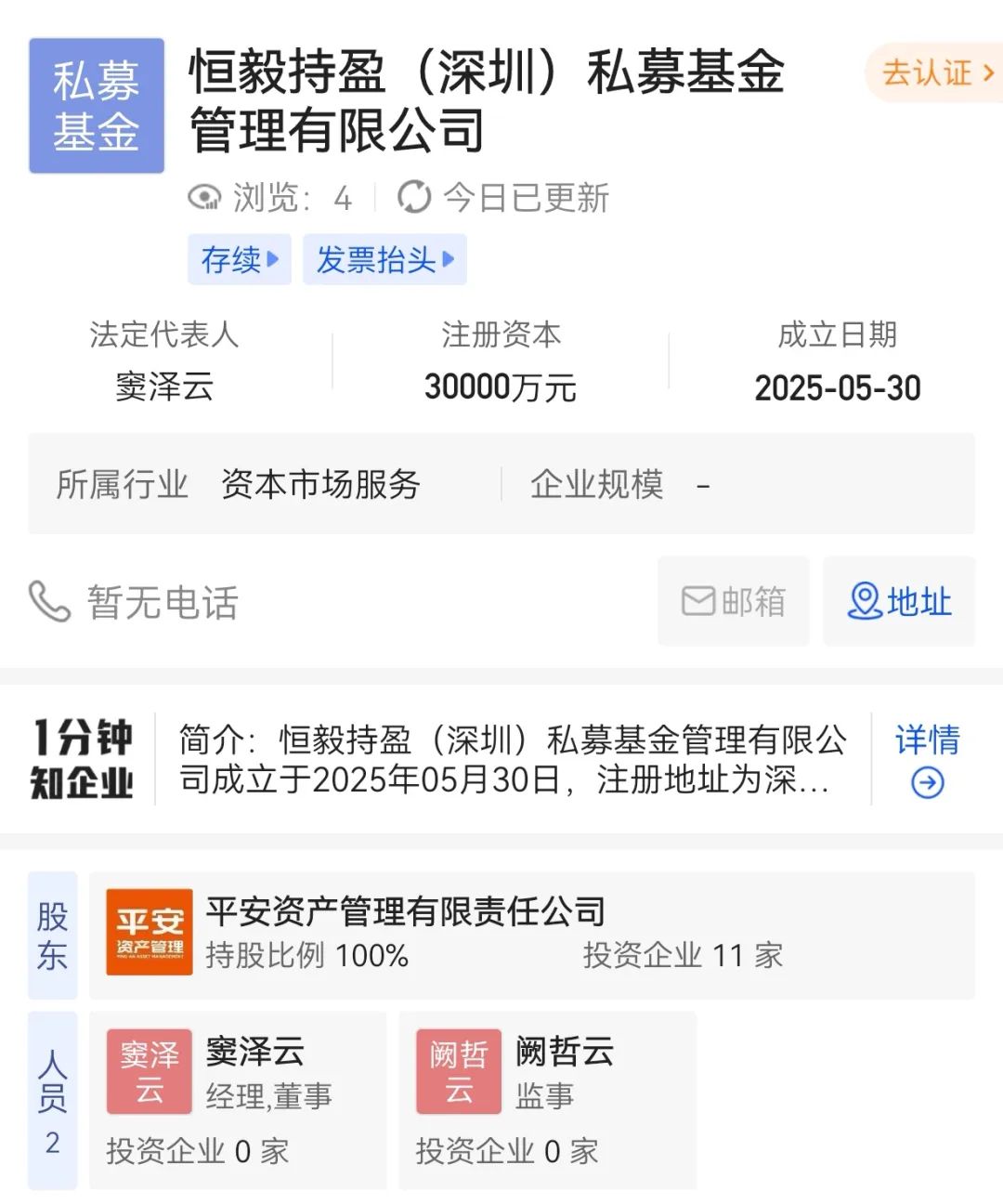
平安资管获批
Zhong Guo Ji Jin Bao· 2025-05-30 11:11
据了解,恒毅持盈将作为基金管理人向平安人寿定向发行契约型私募证券投资基金,首期基金规模为300亿元。基金将聚焦"长期投资、价值投资"的理 念,重点布局符合政策导向和险资配置需要的优质上市公司,充分发挥保险资金耐心资本的优势,助力中国资本市场高质量发展。 5月7日,国家金融监督管理总局局长李云泽在国新办举行的新闻发布会上表示,将进一步扩大保险资金长期投资试点范围,近期拟再批复600亿元,为市 场注入更多增量资金。 【导读】平安资管获批成立私募证券基金,系全国第三家 又一家险资公司获国家金融监督管理总局正式批复,成立私募基金管理公司参与保险资金长期投资改革试点。 5月30日,记者从平安资产管理有限公司(以下简称平安资管)处获悉,近日,平安资管获国家金融监督管理总局正式批复,同意设立恒毅持盈(深圳) 私募基金管理有限公司(以下简称恒毅持盈)。这是继国寿新华鸿鹄、泰康稳行后,全国第三家获批设立的险资私募证券管理人牌照。 据悉,恒毅持盈注册资本为3亿元,已落户深圳前海。公开资料显示,恒毅持盈已于5月30日完成工商登记。 据了解,2023年10月,金融监管总局批复保险资金长期投资试点首批试点项目,规模为500亿元,目前已 ...
泰康稳行完成备案,险资长期投资试点持续扩容
Hua Xia Shi Bao· 2025-05-30 09:20
Core Viewpoint - The second batch of insurance capital long-term stock investment pilot programs is progressing, with the establishment of the Taikang Stable Fund, which aims to enhance long-term investment strategies and optimize asset-liability matching for insurance funds [2][3]. Group 1: Investment Pilot Programs - Taikang Stable Fund has completed its registration and will issue a private securities investment fund with an initial investment scale of 12 billion yuan [2]. - The second batch of pilot institutions has expanded to eight, with a total scale of 112 billion yuan, and a third batch of institutions is being approved with a scale of 60 billion yuan [5]. - The first batch included China Life and Xinhua Insurance, each contributing 25 billion yuan to establish a 50 billion yuan fund focused on strategic emerging industries [4][5]. Group 2: Regulatory Support - Regulatory bodies are encouraging long-term investments from insurance funds to stabilize the capital market, with measures including expanding pilot programs and adjusting asset allocation regulations [6][7]. - The recent policy changes allow insurance companies to increase their equity asset allocation limit to 50% of total assets, enhancing investment flexibility [6][7]. - The Financial Regulatory Bureau announced a reduction in risk factors for stock investments, which will free up more capital for investment in the stock market [7][8]. Group 3: Market Impact - The influx of insurance capital is expected to reduce market volatility and promote value investment, contributing to the healthy development of the capital market [5][6]. - Major insurance companies are committing to increase investments in strategic emerging industries and advanced manufacturing, reflecting their role as "patient capital" [7][8].




险资活水入市来 超1700亿元“长钱”正在路上
Zheng Quan Ri Bao· 2025-05-29 15:41
Core Viewpoint - The recent developments in the insurance capital long-term investment reform pilot indicate a significant increase in the scale of insurance funds entering the market, with over 170 billion yuan of "long money" accelerating its market entry [1][5]. Group 1: Investment Fund Developments - The first insurance-related private securities investment fund, Honghu Fund, was established with a total scale of 500 billion yuan, funded equally by China Life and Xinhua Insurance [2]. - The second phase of the Honghu Fund has been established with a scale of 200 billion yuan, again jointly subscribed by Xinhua Insurance and China Life [2]. - Honghu Fund III has been approved for establishment, focusing on investing in large-cap blue-chip companies with good governance and stable dividends [3]. Group 2: Participation and Applications - Multiple insurance companies are applying to participate in the third batch of the long-term investment reform pilot, with some smaller institutions looking to invest in private securities funds initiated by larger institutions [4]. - The establishment of new private fund management companies by insurance firms is on the rise, indicating a proactive approach to long-term investment [3]. Group 3: Long-term Investment Strategy - The long-term investment strategy is seen as a response to policy calls and a way to address the challenges faced in equity investments [5]. - The use of private securities funds for long-term stock investments helps mitigate profit volatility under new accounting standards [6][7]. - Insurance companies are exploring various methods to increase equity investment while stabilizing profit fluctuations, such as acquiring significant stakes in listed companies [7]. Group 4: Market Environment and Future Outlook - In a low-interest-rate environment, there is a growing demand for insurance funds to increase their allocation to equity assets [8]. - Future efforts will focus on expanding the long-term investment pilot and optimizing incentive mechanisms to promote insurance capital market entry [8].

长周期考核机制破解保险资金“短视困局”
Jin Rong Shi Bao· 2025-05-22 01:24
5月7日,国务院新闻办公室就"一揽子金融政策支持稳市场稳预期"有关情况举行新闻发布会。在保险方 面,金融监管总局局长李云泽表示,近期将进一步扩大保险资金长期投资试点范围,为市场引入更多增 量资金。调整优化监管规则,进一步调降保险公司股票投资风险因子,支持稳定和活跃资本市场。推动 完善长周期考核机制,调动机构的积极性,促进实现"长钱长投"。 政策红利持续释放 "考核周期与资金属性错配,是制约中长期资金入市的核心障碍。"某券商分析师告诉《金融时报》记 者,"实施新会计准则后,股票投资对会计报表的影响更加复杂,叠加考核周期过短,机构不得不频繁 调仓以应对短期波动,这与长期价值投资理念背道而驰。" 在中国保险资产管理业协会党委副书记、副会长曹德云看来,保险资金作为市场上难得的"长期资 金""耐心资本",可以从生产要素变革、优化资源配置、体制机制变革到产业转型升级等各链条各领域 全面介入新质生产力的形成和发展。 典型案例中,鸿鹄基金就体现了"长期资本"与"耐心资本"的特性。2023年10月,中国人寿与相关机构联 合发起设立总规模500亿元的鸿鹄基金一期,率先开展保险资金长期投资改革试点,并于2024年3月4日 正式启动 ...
险资入市加速,阳光保险(06963.HK)拟设立200亿私募证券基金
Ge Long Hui· 2025-05-22 01:23
近期,阳光保险集团(股票代码:06963.HK)发布公告称,其附属公司阳光资产拟发起设立全资基金 管理公司,并筹备成立"阳光和远私募证券投资基金"(暂用名),总规模达200亿元,由阳光人寿全额 认购。据悉,该基金投资范围覆盖沪深300指数成分股、恒生港股通指数成分股及相关指数ETF。 事实上,这正是近年来险资积极入市的一个缩影,其背后不止是行业响应政策号召的集体选择,也是险 资通过权益市场为实体经济和保险公司自身带来深层价值的战略路径。 一、险资入市成趋势,政策驱动与行业共振 据了解,阳光保险此次布局私募证券基金其实由来已久,早在去年中国人寿和新华保险试点成立保险私 募证券投资基金之际,阳光保险就已开始紧密跟踪,结合公司情况深入研究。 去年9月,保险业新"国十条"发布,随后国家金融监督总局在国务院新闻发布会上表示扩大保险资金长 期投资改革试点,支持其他符合条件的保险机构设立私募证券投资基金,进一步加大对资本市场的投资 力度。为响应发挥保险资金长期投资优势,支持资本市场持续稳健发展,阳光保险第一时间作出基金设 立的申请。 其实除了阳光保险外,还有多家险企也参与到长期投资布局中。据公开资料,截至目前已有三批保险资 ...
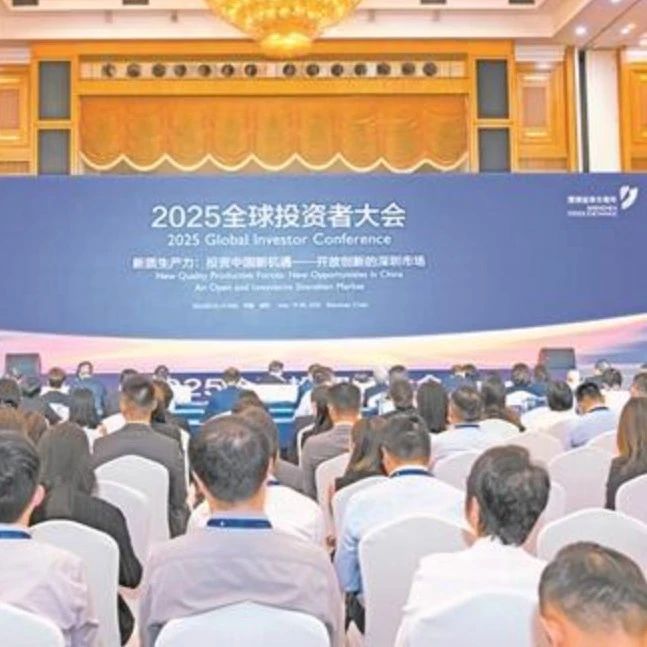
中国资产向上重估成共识 中国市场吸引力更稳固
证券时报· 2025-05-20 00:25
Core Viewpoint - The article emphasizes that amidst significant adjustments in the global economic landscape and increasing uncertainties, Chinese assets are viewed as a "safe haven" for investors, with a consensus emerging on their upward revaluation due to breakthroughs in high-end manufacturing and AI, alongside supportive policies and an improving institutional environment [1][3]. Group 1: Investment Opportunities in China - China's unique advantages are making it a "stable oasis" for global investors, particularly due to its industrial revolution and the development of new productive forces [3]. - The automotive sector, especially in electric vehicles, showcases China's leading position with significant advancements in battery technology and a competitive industry chain, maintaining the highest global production and sales [3]. - The AI industry reflects China's achievements in new productive forces, with Chinese companies positioned in the forefront of the global AI wave, demonstrating capabilities across the entire production system [4]. Group 2: Long-term Investment Logic - The development of new productive forces requires a collaborative effort from policies and funding, with "long money, long investment" seen as a crucial driver for nurturing these forces [6][7]. - Institutional improvements, such as the development of QFII/RQFII systems and the introduction of connectivity mechanisms, have made it easier for foreign investors to participate in China's capital markets [7]. - Recent policies aimed at stabilizing the financial market and boosting investor confidence have led to a notable increase in foreign investment interest in China, particularly in sectors like AI [10][11]. Group 3: Foreign Investment Trends - Foreign investors are increasingly focusing on the Chinese market, with a significant portion of them actively seeking investment opportunities in China, reflecting a shift in asset allocation strategies [11]. - Data indicates that foreign investors hold approximately 3 trillion yuan in A-share market, highlighting their recognition of China's long-term economic fundamentals and capital market value [8][10]. - The recent policy measures and communication from regulatory bodies have enhanced foreign investors' confidence, leading to a net inflow of funds into the Chinese market since late 2024 [10].
中国资产向上重估成共识 中国市场吸引力更稳固
Zheng Quan Shi Bao· 2025-05-19 18:01
Group 1 - The core viewpoint of the articles is that China is increasingly seen as a "safe haven" for global investors amid significant global economic adjustments and uncertainties, with a consensus emerging on the upward revaluation of Chinese assets [1][2][6] - China's strong breakthroughs in high-end manufacturing and artificial intelligence are reshaping the industrial landscape and releasing substantial investment potential [1][2] - The development of new productive forces in China is creating significant investment opportunities, particularly in advanced industries such as high-end manufacturing, smart driving, and new energy [2][3] Group 2 - China has established a competitive advantage in the electric vehicle industry, leading the world in both battery technology and production volume, thus forming a complete and competitive industrial chain [2] - In the AI sector, China is recognized as a leading player, capable of integrating disruptive technologies into production processes, with a growing number of patent applications and innovative applications emerging [3][4] - Foreign investment institutions are increasingly recognizing the investment opportunities arising from China's new productive forces, with multinational companies accelerating their "China +1" supply chain diversification strategies [3][4] Group 3 - The concept of "long money, long investment" is viewed as a crucial driver for nurturing new productive forces, supported by policies encouraging long-term capital allocation in China [5][6] - Recent policy measures aimed at stabilizing the financial market and boosting investor confidence have led to a significant increase in foreign capital inflows into Chinese assets [6][7] - The A-share market has become strategically important, with foreign investors showing a strong interest in China's economic recovery and growth potential, particularly in AI and related industries [6][7][8]