中性利率

Search documents
2025年澳大利亚房地产市场:你通往未来的指南(第二版)
Sou Hu Cai Jing· 2025-10-05 01:52
Core Insights - The Australian real estate market is entering a new cycle, driven by economic recovery, policy adjustments, and structural optimization across various sectors, with Sydney expected to lead this revival [1][7] - The macroeconomic environment is improving, with a projected 1.5% growth in household disposable income in 2025, further increasing to 4.9% in 2026, which will support demand across real estate sectors [1][2] Economic Factors - Global inflation pressures are easing, leading to a shift in policy focus towards growth, with expectations of interest rate cuts in Australia by mid-2025 [2][21] - The core inflation rate in Australia has decreased to 3.5%, which is expected to boost investor sentiment and alleviate financing pressures for homebuyers and businesses [2][21] Capital Market Trends - The Australian real estate market is experiencing an "early cycle acquisition window," with core assets being repriced significantly, indicating a potential for higher returns for investors entering the market now [2][20] - Historical data suggests that investing in core assets before the onset of a rate-cutting cycle typically yields returns above long-term averages, attracting renewed interest from investors [2][20] Sector-Specific Developments - Industrial real estate is leading the recovery, with strong demand supported by rising import volumes and a projected increase in leasing demand in 2025 [3][42] - Office real estate is showing a bifurcated trend, with high vacancy rates masking a shortage of high-end supply, particularly in central business districts (CBDs) [4][31] - Retail real estate is expected to see the strongest investor demand since 2015, driven by recovering consumer spending and tightening inventory [5][60] Emerging Opportunities - Data centers and build-to-rent (BTR) residential properties are emerging as attractive investment opportunities, with Australia becoming a hotspot for data center investments due to favorable conditions [5][6] - The BTR sector is projected to see a record completion of nearly 6,000 units in 2025, supported by institutional investor confidence and potential tax reforms [6][66] Overall Market Outlook - The Australian real estate market is poised for a multi-faceted recovery, with traditional sectors like industrial and retail experiencing structural opportunities, while new sectors like data centers and BTR show explosive growth potential [7][19]


美联储来个 “特朗普的人”,理事米兰在白宫兼职,首秀硬刚鲍威尔
Sou Hu Cai Jing· 2025-10-04 03:37
Core Viewpoint - The appointment of Stephen Milan to the Federal Reserve raises concerns about the independence of the central bank, as he advocates for aggressive interest rate cuts aligned with Trump's economic policies [1][3][9]. Group 1: Appointment and Background - Stephen Milan, previously the chairman of Trump's economic advisory council, began his role at the Federal Reserve while still on unpaid leave from the White House, indicating a potential conflict of interest [3][5]. - His confirmation was contentious, passing the Senate by a narrow margin of 48 to 47 votes, highlighting the significant controversy surrounding his appointment [5][9]. Group 2: Economic Policies and Views - Milan is known for his alignment with Trump's economic strategies, including advocating for tariffs and a weaker dollar to boost exports, which he believes necessitates lower interest rates [7][11]. - He publicly challenged Federal Reserve Chairman Jerome Powell on the need for more substantial rate cuts, suggesting rates should drop below 3% by year-end [7][11]. Group 3: Implications for Federal Reserve Independence - Milan's dual role poses a threat to the long-standing principle of Federal Reserve independence, as he suggests that the central bank should be more responsive to presidential influence [9][11]. - The potential shift in policy could lead to increased inflation risks, as traditional economic theories warn against aggressive rate cuts in the face of rising tariffs [11][13]. Group 4: Broader Economic Impact - The ongoing debate about the Federal Reserve's independence could have significant repercussions for the U.S. economy, potentially leading to higher long-term interest rates and volatility in financial markets [13][15]. - The situation reflects a broader struggle over economic governance, questioning whether decisions should be made by data-driven professionals or politically motivated leaders [15].

Federal Reserve's Miran says there is 'significant disinflation in the pipeline' despite rise in CPI
Youtube· 2025-10-03 23:15
Economic Context - The September jobs report is missing due to the government shutdown, leaving policymakers without crucial economic data as the Federal Reserve considers its next interest rate move [1][2] - The Federal Reserve relies on economic data to set monetary policy, making the absence of key reports like retail sales and inflation data problematic for decision-making [3][4] Fiscal Policy and Economic Indicators - The fiscal deficit has decreased by approximately $400 billion on an annualized basis from February to August compared to the previous fiscal year, indicating a significant policy shift [6] - Population growth has experienced substantial fluctuations, impacting the neutral interest rate and making current monetary policy more restrictive [7][8] Interest Rate Decisions - The neutral rate is estimated to be around 0.5% in real terms, suggesting that the Federal Reserve should move towards this rate more quickly due to recent tightening of policy [8][9] - Concerns are raised about the risks of an economic slowdown if interest rates remain too tight for an extended period [9] Inflation Dynamics - Current inflation data shows significant increases in food prices and other essentials, complicating the justification for cutting interest rates [19][20] - Shelter costs, which are a major component of inflation, are expected to see disinflation due to a lag in average rent adjustments compared to market rents [22][23] Policy Criticism and Responses - Criticism from economists like Larry Summers highlights concerns about the potential inflationary impact of current policies, with a call for more cautious approaches [26][28] - The Federal Reserve's recent rate cuts have not adversely affected the bond market, indicating a different economic landscape compared to previous years [17]
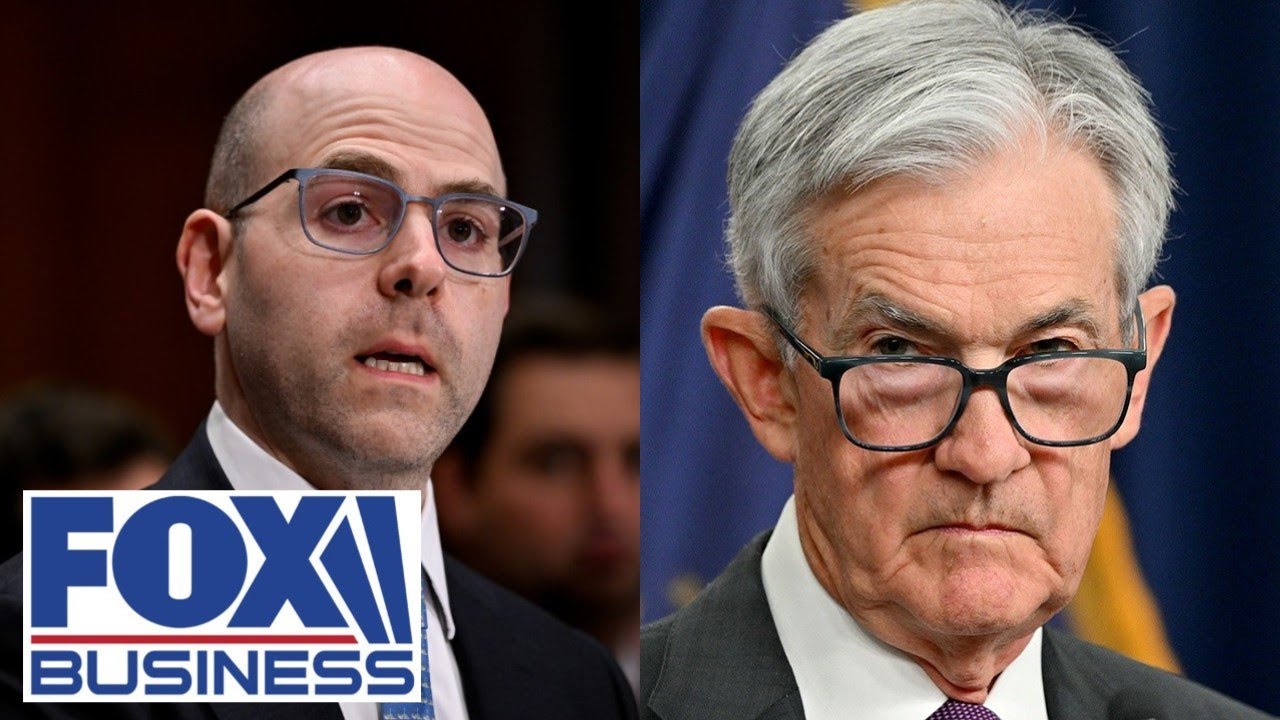
Fed's Miran Says He's Ready to Change His View on Inflation If Housing Jumps
Youtube· 2025-10-03 14:48
Group 1 - The importance of high-quality data for monetary policy decisions is emphasized, especially in the context of the current government shutdown affecting data availability [2][3] - Inflation is noted to be rising, particularly in food and gasoline prices, which are significant concerns for the public [4] - The cost of housing is highlighted as a major component of inflation, with expectations of significant disinflation in the services component driven by changes in the housing market [5][7] Group 2 - The Federal Open Market Committee (FOMC) typically meets every six weeks, and there is hope that necessary economic data will be available by the time decisions need to be made [3] - Current economic conditions include inflation at approximately 3% and unemployment at 4.3%, which are historically low [7] - The Atlanta Fed reported a growth rate of 3.8% in the third quarter, suggesting that economic models would not support a near-zero neutral rate under these conditions [8] Group 3 - The discussion includes the impact of fiscal deficits, which are currently about $400 billion lower than the previous fiscal year, contributing to a tighter monetary policy environment [28][29] - The regulatory environment is changing, with expectations of increased deregulation, which could expand potential output faster than actual output [14][30] - The relationship between financial conditions and monetary policy is explored, indicating that financial conditions can be influenced by non-monetary factors [29][30] Group 4 - The persistence of services inflation, particularly driven by housing costs, is identified as a key factor in inflation dynamics [33] - The expectation is that shelter rents will decrease, leading to a reduction in overall inflation [34][35] - The discussion on tariffs and their impact on inflation suggests that the burden of tariffs primarily falls on foreign producers rather than American consumers [40][42] Group 5 - The Federal Reserve's approach to inflation targets and the complexities of measuring inflation are discussed, with a focus on the challenges of public perception regarding inflation [21][23] - The need for forward-looking forecasts in monetary policy is emphasized, particularly in light of significant population growth shocks [18][19] - The potential for tax cuts to stimulate economic growth while tariffs may not lead to increased consumer inflation is analyzed [38][39]
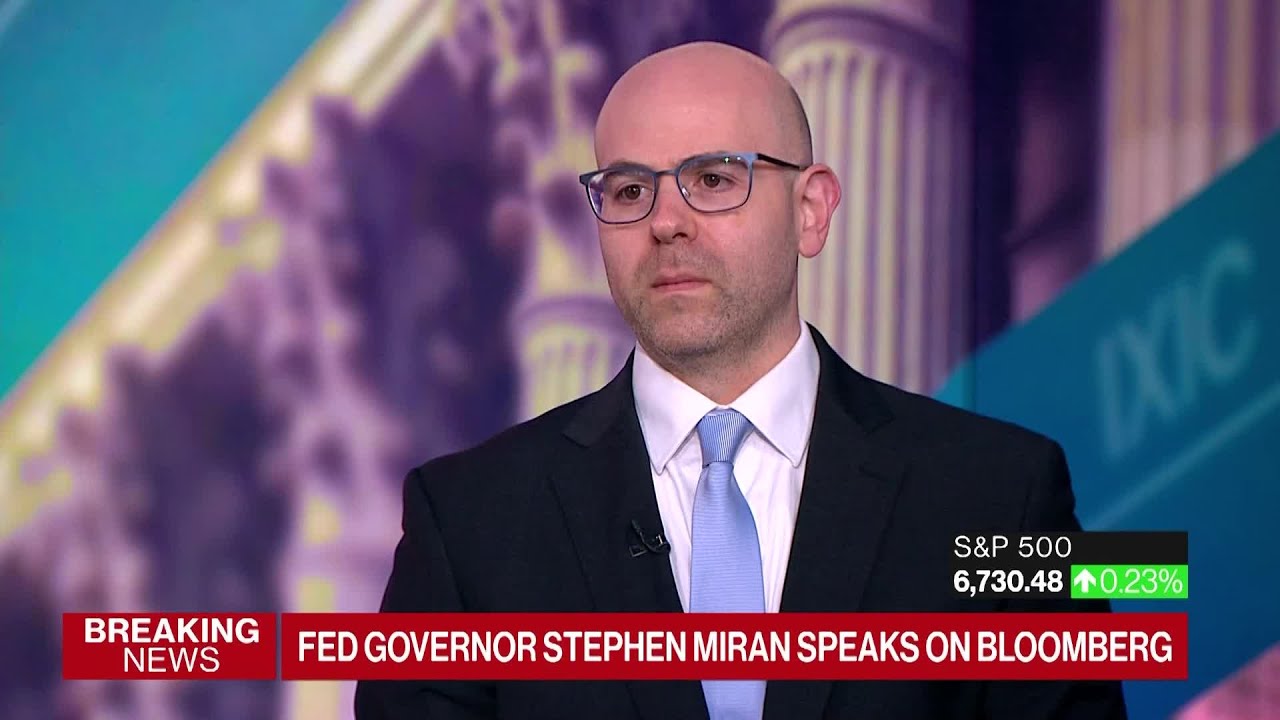
杀人诛心!前美财长锐评米兰:演讲“弱爆”,连本科生都不如
Jin Shi Shu Ju· 2025-10-02 04:39
萨默斯说,"米兰关于分析中性利率对连贯地思考货币政策至关重要的看法是正确的,不过,我必须 说,我对他的分析质量非常失望。" 美国前财政部长萨默斯猛烈抨击了米兰作为美联储理事的首次演讲,称其未能为大幅降息提供适当的分 析基础。 萨默斯在一档节目上说,"我想不起来在纽约经济俱乐部或由一位美联储理事发表过比这更弱的演讲 了,如果这就是特朗普总统一直倡导的激进降息的最佳理由,那么这个理由比我先前设想的还要弱。" 米兰在9月17日美联储做出利率决定前,曾是美国总统特朗普的白宫首席经济学家,后加入美联储。他 上周就所谓的中性利率发表了讲话。这是一个理论上的利率设定,即政策既不刺激通胀和就业市场,也 不起刹车作用。他认为,中性利率已被特朗普的政策推低,使得美联储当前的立场过于紧缩。 这位新任美联储理事在9月17日的会议上,曾持异议主张进行更大幅度的50个基点降息。他在演讲中得 出结论,政策基准利率现在"大约过高了2个百分点"。 作为哈佛大学教授的萨默斯赞扬了米兰对中性利率的重视,不过,现任美联储主席鲍威尔和其他决策者 长期以来一直淡化在实时决策中辩论中性利率的价值。 这位前财长指责米兰没有讨论联邦政府正在扩大的赤字,也没有 ...
10月2日外盘头条:马斯克净资产接近5000亿美元 英国拟对新上市公司股票免征印花税 英特尔拟...
Xin Lang Cai Jing· 2025-10-01 21:35
Group 1: Manufacturing Sector - US manufacturing activity has contracted for the seventh consecutive month, with the orders index declining, indicating a lack of momentum in the sector [4][5] - The ISM reported that the manufacturing index slightly increased by 0.4 points to 49.1 in September, remaining below the neutral level of 50, which signifies contraction [4] - The orders index fell by 2.5 points to 48.9, reverting to contraction after a brief expansion in August [4] Group 2: UK Market Developments - The UK government plans to exempt new listings on the London Stock Exchange from a 0.5% stamp duty for two to three years, aiming to enhance the business environment [7] Group 3: Technology Sector - Intel's stock surged by 6% after news emerged of early negotiations to manufacture chips for AMD, which could significantly boost Intel's foundry business [11] - Google has laid off over 100 design-related employees in its cloud computing division, affecting teams focused on user experience research and product design [13] Group 4: Economic Policy and Federal Reserve - Former US Treasury Secretary Lawrence Summers criticized the recent speech by Federal Reserve Governor Stephen Milan, arguing it lacked analytical support for aggressive interest rate cuts [17][18] - The US Supreme Court's decision to prevent President Trump from immediately dismissing a Federal Reserve governor has temporarily alleviated pressure on the central bank [15]



萨默斯抨击美联储理事米兰首秀演讲:大幅降息论缺乏分析支撑
Sou Hu Cai Jing· 2025-10-01 20:12
Core Viewpoint - Former U.S. Treasury Secretary Lawrence Summers criticized Stephen Moore's inaugural speech as a Federal Reserve governor, stating it lacked a solid analytical basis for advocating significant interest rate cuts [1] Group 1: Criticism of Federal Reserve Speech - Summers described Moore's speech as one of the least analytical he has ever heard from a Federal Reserve governor or at the New York Economic Club [1] - He expressed that if this is the best argument for aggressive rate cuts promoted by former President Trump, it is even weaker than he previously thought [1] Group 2: Background on Stephen Moore - Moore joined the Federal Reserve prior to the interest rate decision on September 17, having previously served as Trump's chief economist [1] - In his speech, Moore discussed the concept of neutral interest rates, suggesting that Trump's policies have lowered the neutral rate, making the current monetary stance of the Federal Reserve too tight [1]
美联储副主席Jefferson:上次会议降息25个基点使美联储更接近中性利率水平。没有考虑过任职到期后的情况。美联储仍随时准
Sou Hu Cai Jing· 2025-09-30 11:50
Core Insights - The Federal Reserve's recent decision to lower interest rates by 25 basis points brings it closer to a neutral interest rate level [1] - The Federal Reserve is prepared to utilize all available tools to fulfill its mission [1] Summary by Categories Interest Rate Policy - The recent 25 basis point rate cut is aimed at achieving a neutral interest rate level [1] Federal Reserve's Stance - The Federal Reserve has not considered the situation post-term expiration of its officials [1] - The Federal Reserve remains ready to employ all necessary tools to meet its objectives [1]
施罗德投资:当前固收投资应等待更好的 入场时机
Sou Hu Wang· 2025-09-30 05:08
Group 1 - The assessment of "neutral interest rate" is a critical part of a central bank's monetary policy framework, influenced by factors such as productivity growth and demographic changes [1] - Schroders believes that the perception of how close central banks are to the "neutral interest rate" is more important than the actual level, as it affects their response to new data [1] - The European Central Bank (ECB) considers its current policy rate close to neutral, having halved its rate since mid-2024, while the market anticipates the Federal Reserve will reach neutral rates in the coming quarters [1] Group 2 - Schroders assesses a 60% probability for a "soft landing" of the US economy, with a 30% chance of a "hard landing" and 10% for "no landing" [2] - The current US Treasury yields have significantly decreased, reflecting market predictions of a 50% chance of a "hard landing" for the US economy [2] - The US labor market is currently stagnant, with companies adopting a cautious approach to hiring and layoffs, indicating high uncertainty [2] Group 3 - Schroders maintains that the necessity for further rate cuts by the ECB is limited, a view supported by recent statements from ECB President Lagarde [3] - The yield curve may steepen due to deteriorating supply-demand dynamics for long-term bonds, with slight upward movement in Eurozone bond yields expected [3] - Schroders is cautiously optimistic about certain investment opportunities, particularly in agency mortgage-backed securities (MBS), covered bonds, and emerging market bonds, while remaining patient regarding corporate credit [3]
“论据可疑、不完整、几乎不具说服力”!华尔街质疑“特朗普国师”Miran“大幅降息论”
Hua Er Jie Jian Wen· 2025-09-30 02:02
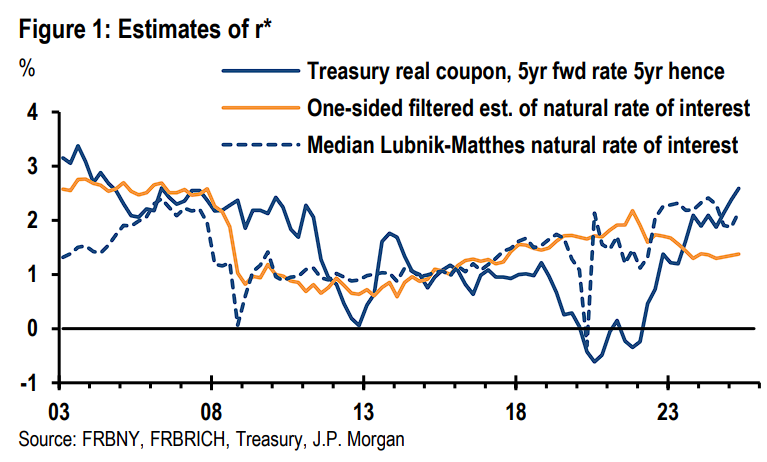
美联储新任理事、"特朗普国师"Stephen Miran首次重大政策演讲引发华尔街强烈质疑,经济学家纷纷批评其大幅降 息论缺乏说服力。 9月22日,Miran向纽约经济俱乐部发表演讲呼吁大幅降息以快速达到中性利率水平,引发华尔街经济学家们一致 质疑,摩根大通经济学家在最新研报中则进行了全面驳斥。 9月30日,据追风交易台消息,摩根大通在最新研报中指出,Miran提议将联邦基金利率快速降至2.5%或更低,但 其论证"可疑"、"不完整"且"几乎不具说服力"。 研报称,摩根大通分析师对Miran的论证方法提出了多项质疑,包括关于中性利率(r)的争议和通胀分析的缺陷。该 行还批评了Miran演讲中"选择性引用"引用政策论据。 与此同时,最新经济数据进一步削弱了Miran的论据,多项经济数据显示美国经济表现强劲,与Miran的降息主张 相矛盾。 Miran成为美联储"异类" Stephen Miran作为特朗普任命的美联储新理事,在9月22日向纽约经济俱乐部发表演讲,呼吁大幅降息以快速达到 中性利率水平。 Miran的核心论点是特朗普政府在贸易、移民、税收和监管方面的政策显著降低了防范通胀所需的利率水平,因此 当前的基 ...