单边主义

Search documents
人为干扰威胁全球贸易增长根基
Jing Ji Ri Bao· 2025-10-13 22:07
Group 1 - The global trade system is under significant pressure from unilateralism and trade policy uncertainty, threatening long-term growth and economic stability [1][2] - The WTO has drastically lowered its global goods trade growth forecast for 2026 to 0.5%, down from 1.8% predicted in August, indicating potential stagnation in global trade [1][2] - The IMF warns that the full impact of tariff policies has yet to be felt, suggesting that the global economy's resilience is about to be tested [1][2] Group 2 - Unilateral tariff barriers set by the U.S. are directly damaging the global trade order, with potential long-term consequences for economic growth and trade rules [2] - Developing countries may face severe repercussions from U.S. tariff policies, risking marginalization in global value chains due to high transportation costs and tariffs [2] - Structural changes in the global trade system are underway, with warnings that further tariff increases could lead to decreased global output and rising inflation [2] Group 3 - The maintenance of a rules-based multilateral trade system is essential for addressing the current crisis, with various countries advocating for WTO reform and commitment to its principles [3] - Many countries are opting for enhanced international cooperation to counteract uncertainty, with businesses adjusting supply chain strategies to focus on regional markets [3] - Emerging areas such as digital trade and green transformation present new opportunities for sustainable global trade development, with China playing a stabilizing role [3]
特朗普放弃APEC!背后原因令人惊讶,韩国紧急回应!
Sou Hu Cai Jing· 2025-10-13 20:50
Group 1 - The core issue between China and the US revolves around tariffs and diplomatic engagements, with underlying strategic maneuvers at play [1][4] - Trump's decision to skip the APEC meeting and seek a one-on-one discussion with China indicates a shift towards unilateralism, moving away from multilateral frameworks [1][5] - China's recent countermeasures, including new port regulations and export controls on rare earth materials, reflect a calculated response to US tariffs, emphasizing the strategic nature of the ongoing trade conflict [1][4] Group 2 - South Korea, as the host of APEC, faces challenges due to the unexpected changes in the meeting's dynamics, which could undermine its diplomatic goals [3][6] - The geopolitical tension highlights the precarious position of middle powers like South Korea, which must navigate between the competing interests of larger nations [6][7] - The evolving situation in the Asia-Pacific region suggests that future interactions will be marked by intensified competition over policies, resources, and rules [7]

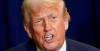
打不通北京的电话,特朗普喊话中方,给一个机会美国不想打了
Sou Hu Cai Jing· 2025-10-13 18:03
Group 1 - The U.S. government, under Trump, experienced a dramatic reversal in its approach to the trade war with China, shifting from aggressive tariff threats to a more conciliatory stance, indicating a potential cancellation of tariffs on Chinese goods [1][3] - The immediate catalyst for this shift was China's announcement of rare earth export controls, which highlighted the U.S. dependency on Chinese rare earths for its military and high-tech industries, as the U.S. lacks alternative sources in the short term [3][5] - China's rare earth processing capabilities dominate the global market, controlling 92% of the processing capacity, which gives it significant leverage in the trade negotiations [5][12] Group 2 - The U.S. faced significant economic repercussions from its tariff policies, including a substantial drop in stock market value and rising inflation, which increased household expenses by an average of $2,400 annually [6][7] - Political pressure mounted on the Trump administration as dissatisfaction grew among voters in agricultural and manufacturing states, leading to concerns about the upcoming midterm elections [7][9] - Despite the U.S. seeking to negotiate, China maintained a firm stance, demanding the removal of tariffs and technology restrictions before any concessions, reflecting a strategic understanding of the U.S. position [9][11] Group 3 - The trade conflict has led to a cycle of sanctions and retaliations, with the U.S. attempting to rally allies against China, but facing internal divisions within groups like the G7 [11][12] - China's strategic response to the trade war has allowed it to leverage its industrial capabilities and market advantages, positioning itself to reshape global supply chains [12][13] - The situation underscores the vulnerabilities of U.S. unilateralism, as highlighted by the International Monetary Fund's assessment of the negative impacts of U.S. tariff policies on global economic growth [11]
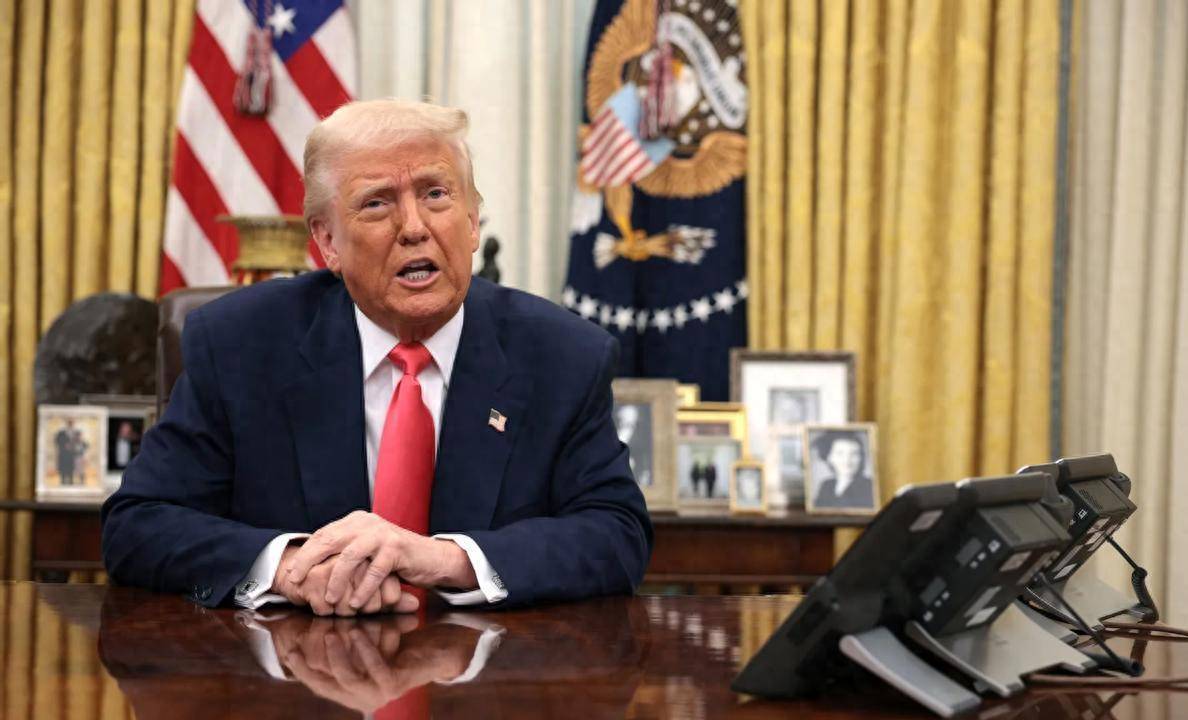
一艘船多付620万美元!美国对我们航运战踢到铁板,中方反制让美急改对我们限制令
Sou Hu Cai Jing· 2025-10-13 17:13
2025年10月,一艘巨型油轮停靠中国港口时,账单上多出了一笔惊人的数字:620万美元。 这笔费用并非偶然,而是中国针对美国航运限制令的精准反击。 这场交锋的背后,是中美两国在航运与造船领域长达数月的博弈。 美国对中国航运业的打压始于2024年。 当年3月,美国五大工会向美国贸易代表办公室提交请愿书,指控中国通过"不公平贸易行为"损害美国造船业利益。 4月17日,美国正式启动针对中国海事、物流和造船业的"301调查"。 2025年1月,美国贸易代表办公室发布长达182页的调查报告,宣称中国相关产业政 策"扭曲市场",并拟定了一系列限制措施。 4月,特朗普签署《恢复美国海运主导地位》行政令,试图通过高额港口费遏制中国船舶运营。 美方的收费方案设计极为苛刻。 根据2025年4月公布的版本,对中国航运企业停靠美港的船舶按净吨或集装箱计费,到2028年4月后,中资船舶单次靠港费 将高达每净吨140美元。 以一艘1万标准箱的集装箱船为例,其净吨约5.4万吨,单次靠港费在2025年10月后达270万美元,到2028年将暴涨至756万美元。 美 方甚至计划对经加拿大、墨西哥转运入境的货物加征10%的额外服务费,以防堵"漏洞 ...
李强会见加纳总统马哈马
Xin Hua She· 2025-10-13 13:11
Core Points - The meeting between Chinese Premier Li Qiang and Ghanaian President Mahama emphasizes the long-standing friendship and mutual support between China and Ghana, highlighting the elevation of their relationship to a strategic partnership last year [1] - Both parties expressed a commitment to deepen cooperation in various fields, including trade, investment, infrastructure, agriculture, energy, and the Belt and Road Initiative [1][2] - Ghana appreciates China's support and the zero-tariff policy on products from African countries, indicating a desire to enhance economic collaboration [2] Group 1 - The strategic partnership between China and Ghana presents new opportunities for cooperation across multiple sectors [1] - China aims to support Ghana's development path and enhance high-quality collaboration under the Belt and Road Initiative [1] - The two countries plan to leverage the 2026 "China-Africa Cultural Exchange Year" to boost cooperation in education, culture, tourism, and health [1] Group 2 - Ghana values the long-term support from China and is committed to the One China principle, looking to strengthen high-level exchanges [2] - The focus will be on promoting cooperation in trade, investment, infrastructure, energy, agriculture, and mining, while exploring new growth areas like digital economy and artificial intelligence [2] - Ghana supports China's global governance initiatives and aims to deepen multilateral cooperation to uphold multilateralism and international justice [2]
特朗普刚对中国“掀桌子”,半天时间都不到,美国马上就露怯了
Sou Hu Cai Jing· 2025-10-13 12:42
Core Viewpoint - The recent announcement by Trump regarding a potential 100% tariff on Chinese goods is seen as a political maneuver rather than a genuine economic strategy, aimed at rallying support ahead of upcoming elections [1][4][33]. Group 1: Tariff Announcement and Political Context - Trump's call for a 100% tariff is not a spontaneous decision but a strategic move to elevate the rhetoric surrounding trade with China [3][5]. - The timing of this announcement is crucial, as it coincides with significant domestic elections, suggesting that it serves to create a confrontational atmosphere to garner votes [4][11]. - The use of tariffs as a political tool has become a standard practice within Trump's administration, aimed at pressuring China into concessions [7][11]. Group 2: Economic Implications and Global Impact - The proposed tariffs, while seemingly aggressive, are part of a familiar strategy that has not effectively reversed the trade deficit or brought manufacturing back to the U.S. [13][46]. - The uncertainty created by such tariff threats affects not only U.S.-China relations but also disrupts global supply chains, impacting economies that are closely tied to China [13][44]. - U.S. consumers and businesses are likely to bear the brunt of these tariffs, raising costs and complicating the economic landscape [9][26]. Group 3: U.S. Trade Representative's Response - The U.S. Trade Representative's statement downplaying the likelihood of a trade war indicates a strategic balancing act, where aggressive rhetoric is coupled with a softer stance to manage public perception [17][21]. - This dual approach of hard and soft messaging is designed to maintain pressure on China while also preparing for potential backlash from domestic industries [21][29]. - The lack of specific details regarding the implementation of the tariffs suggests that the U.S. is still gauging reactions from both the market and China before proceeding [23][24]. Group 4: China's Position and Strategic Response - China is unlikely to respond to tariff threats with immediate concessions, as the trade dynamics have evolved into a broader competition between the two nations [29][52]. - The Chinese government has been enhancing its own economic resilience while continuing to engage in global trade, indicating a strategic approach to withstand U.S. pressures [52][54]. - Observations from other countries suggest a growing discontent with U.S. unilateralism, which may shift the balance of power in international trade discussions [54][56].

特朗普这2天冷静下来,再打关税战美国必败,主动给中国递上台阶
Sou Hu Cai Jing· 2025-10-13 12:29
Core Viewpoint - The article discusses the shifting stance of former President Trump regarding the trade war with China, indicating a potential retreat from aggressive tariff policies due to domestic economic pressures and the realization of the negative impacts of such policies on the U.S. economy [1][4][10]. Economic Impact - The Yale Budget Lab estimates that by 2025, American households will face an increased annual expenditure of $2,100 to $3,800 due to tariffs, with low-income families being disproportionately affected [6]. - The short-term price increase of goods due to tariffs is approximately 1.7% to 1.8%, resulting in an average loss of about $2,400 per household this year [6]. - The volatility in the U.S. stock market, particularly affecting tech and manufacturing sectors, reflects growing concerns over tariff policies leading to capital flight [6]. Supply Chain Challenges - Stricter origin verification mechanisms complicate global supply chains, forcing companies to adjust logistics and factory layouts, which increases overall logistics costs and compliance burdens [8]. - The article highlights that Trump's tariff policies are contributing to the fragmentation of the global economy and creating a "supply chain isolation" for the U.S., which could dilute its overall competitiveness in the long run [8]. Political and Legal Ramifications - Domestic legal challenges are emerging against Trump's tariff policies, with some companies and industry associations filing lawsuits, questioning the president's authority to impose tariffs under national security claims [16]. - If courts uphold these challenges, it could fundamentally undermine the existing tariff framework, leading to increased uncertainty in the trade environment and diminishing investment confidence [18]. International Relations - The article notes that Trump's unilateral and bullying tactics have damaged U.S.-China relations, with China responding firmly to U.S. tariffs, particularly affecting American agricultural and energy sectors [14][12]. - The article emphasizes that many countries are seeking to reduce their dependence on the U.S. market and are moving towards regional integration, while China is actively pursuing multilateral trade cooperation [18][20]. Strategic Misalignment - Trump's recent shift in tone is viewed as a tactical adjustment ahead of midterm elections rather than a genuine strategic change, as he faces increasing domestic opposition to the trade war [20]. - The article concludes that for genuine improvement in U.S.-China economic relations, the U.S. must abandon its unilateral sanctions and tariff threats, and instead engage in respectful and mutually beneficial negotiations [22].
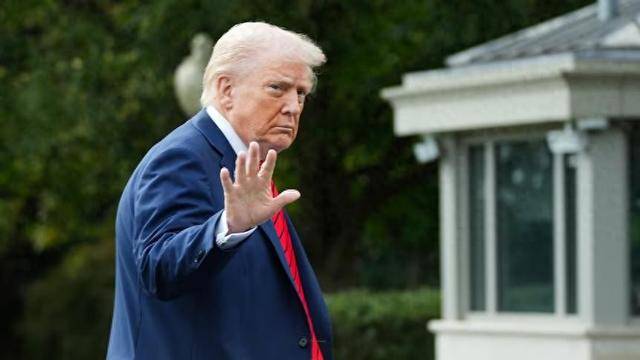
美国媒体不打自招了,承认是美国商界现在“带头呼吁采取更强硬的路线”对待东方市场
Sou Hu Cai Jing· 2025-10-13 10:32
近日,美国《华尔街日报》披露重要信息,承认当前"美国商界"正带头呼吁对特定经济体采取更强硬路线,且这些声音对美高层政府相关政策产生了显著影 响。这一自曝式报道,将美国商政勾连的幕后操作推向台前。 长期以来,部分美国企业享受着政策倾斜的红利。以某水果手机公司为例,其曾借助官方对另一科技企业的打压政策,断供高端芯片,自身却能持续获取同 类资源,通过不正当竞争手段抢占市场份额。这种"规则双标"不仅破坏市场公平,更暴露出美国商界将商业行为政治化的本质。 如今,随着美方政策对经济秩序的干扰加剧,市场规律终将反噬施压者。对于那些既想获利又想施压的企业而言,任何双重标准都难以为继。美国股市的所 谓七朵金花,在经贸博弈中没起到什么好作用,现在该我们一朵一朵地掐了。 更值得关注的是,美国股市中一批所谓"明星企业",在经贸互动中非但未发挥建设性作用,反而成为单边主义工具。它们一边从市场获取巨额利润,一边配 合官方对特定领域进行技术封锁,这种"吃饭砸锅"的行为早已引发不满。 ...
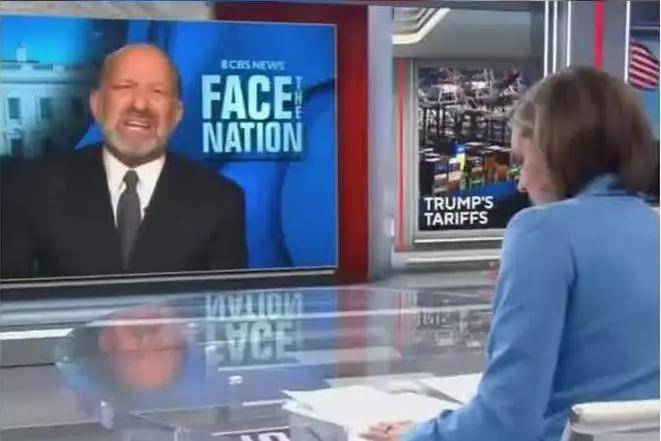
海关总署回应船舶港务费问题:中方反制措施是必要的被动防御行为
Sou Hu Cai Jing· 2025-10-13 04:42
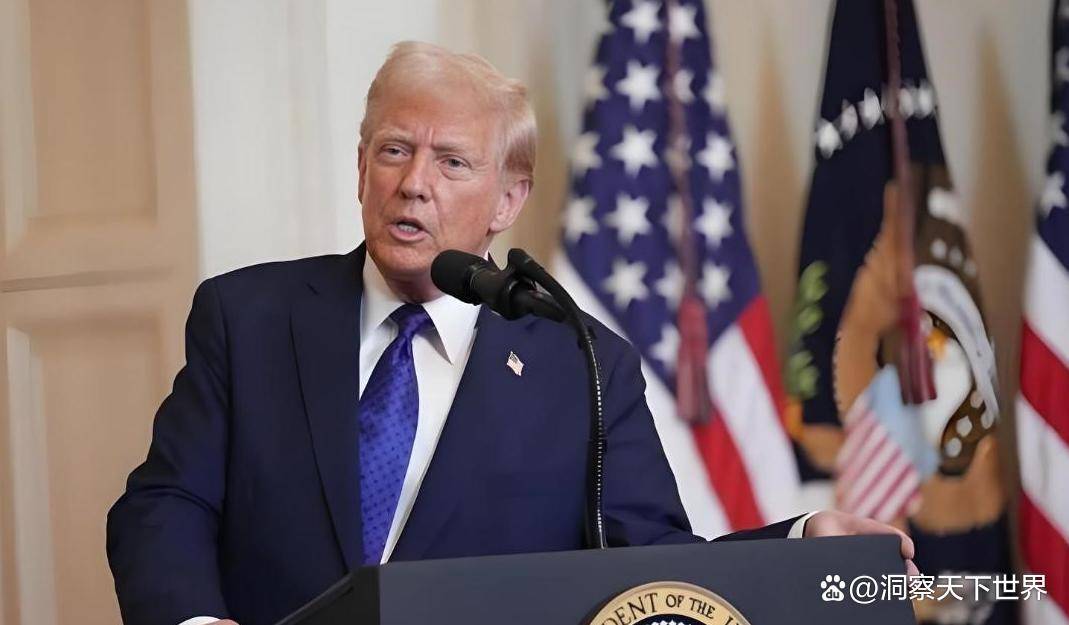
记者 辛圆 国新办周一举行新闻发布会,请海关总署副署长王军,海关总署新闻发言人、统计分析司司长吕大良介绍2025年前三季度进出口情况,并答记者问。 在发布会上,有记者现场提问称:随着中美贸易摩擦带来不确定性,有些商品例如圣诞节产品提前出口到美国,请问海关还关注到哪些提前出口的产品类 型,对四季度出口增速会有何影响? 对此,吕大良回应说,今年以来,个别国家滥施关税,冲击了多边贸易体制,扰乱全球贸易秩序,影响企业的正常生产经营和贸易节奏,也损害了广大企业 的利益,同时也使各国的经济发展受到严重的干扰,引发了国际社会的普遍反对。 "中国始终坚定支持和维护多边贸易体制,促进全球产业链供应链的稳定和畅通,为世界经济增长注入确定性和稳定性。至于具体商品的进出口情况,您可 以在我们的网站上查询有关的数据。"吕大良说。 吕大良表示,船舶港务费问题。此前有关部门已经多次作过回应,美方的措施是典型的单边主义、保护主义行为,具有明显的歧视性色彩。 他强调,中方的反制措施是必要的被动防御行为,既是维护中国产业和企业正当权益不得不采取的措施,也是维护国际航运和造船市场公平竞争环境的必要 措施。希望美方能够正视自身的错误,与中方相向而行 ...