
碳达峰

Search documents
我省出台实施意见,以制度创新护航自贸港绿色高质量发展
Hai Nan Ri Bao· 2025-10-22 01:28
Core Viewpoint - The implementation opinions aim to deepen the reform of the environmental impact assessment system in Hainan Province, focusing on high-quality development and carbon peak requirements, with nine reform measures proposed to support the construction of the Hainan Free Trade Port and the National Ecological Civilization Pilot Zone [2][3] Group 1: Environmental Impact Assessment Reform - The implementation opinions establish a dynamic adjustment mechanism that aligns with land spatial planning, promoting real-time data sharing and exploring control models that meet the needs of the Hainan Free Trade Port [2] - The opinions require precise identification of environmental issues highlighted by central and provincial environmental inspections, linking carbon peak and energy consumption control policies to propose optimization plans [2] - The macro preventive role of planning environmental impact assessments will be further strengthened to prevent environmental pollution risks from the source [2] Group 2: Project Management and Monitoring - The province will dynamically update the environmental impact assessment service list for major projects, ensuring dedicated follow-up and a green channel for project implementation [3] - Environmental quality monitoring assessments will be conducted every three years by park management agencies or local governments, with assessment reports shared to reduce duplicate monitoring costs for enterprises [3] - The provincial ecological environment department will conduct quality reviews of simplified environmental assessments quarterly, addressing serious quality issues legally [3] Group 3: Regulatory Framework and Compliance - The implementation opinions emphasize strict regulatory requirements, with regular evaluations of environmental quality at the municipal and park levels [3] - If significant declines in environmental quality are detected, the relevant areas will lose their eligibility for reform policies, ensuring that reforms prioritize ecological protection and green development [3]
宁波港:立起全球港航服务标杆
Zheng Quan Ri Bao Zhi Sheng· 2025-10-21 16:43
Core Viewpoint - Ningbo Port has demonstrated significant growth and development during the "14th Five-Year Plan" period, reflecting the national strategy for high-quality development of listed companies in China [1] Infrastructure Development - During the "14th Five-Year Plan," Ningbo Port has enhanced its core competitiveness and has become a key strategic hub for China's dual circulation development [2] - The port has established a robust infrastructure, including four major container terminal clusters and bulk cargo berths, which are operating efficiently to support its operations [2] Smart Infrastructure - Ningbo Port has accelerated its "2+1" smart terminal construction, achieving milestones such as the world's largest remote-controlled automated equipment cluster and the first open mixed-operation automated container terminal [3] - The port's intelligent cargo handling system has been implemented at various terminals, achieving over 99% accuracy in RFID electronic seals, with automation rates expected to exceed 30% by 2024 [3] Business Performance - In 2024, Ningbo Port reported revenues of 28.702 billion yuan and a net profit of 4.898 billion yuan, marking increases of 35% and 43% respectively compared to the end of the "13th Five-Year Plan" [4] - The port handled a cargo throughput of 1.377 billion tons and a container throughput of 39.301 million TEUs, representing growth rates of 17.5% and 36.8% respectively [4] Port and Shipping Service Enhancement - Ningbo Port has improved its port and shipping services by establishing multiple logistics nodes and enhancing intermodal transport systems, creating a new collaborative development pattern [5][6] - The port has opened 109 sea-rail intermodal transport routes, with a significant increase in business volume expected to reach 1.818 million TEUs by 2024 [6] International Expansion - Ningbo Port has actively pursued international projects and logistics channels, establishing offices in Hong Kong and Singapore, and expanding its logistics network in the Middle East and Southeast Asia [7][8] - The port is also focusing on the operation of China-Europe freight trains, enhancing its role in facilitating trade between Asia and Europe [8] Capital Operations - The company has innovated its capital operations, successfully completing significant projects such as a major capital increase and the spin-off listing of its subsidiary, which supports its international development strategy [9] - Looking ahead to the "15th Five-Year Plan," Ningbo Port aims to implement new development concepts to enhance its operational quality and efficiency [9]

江苏发布工业园区碳排放核算地方标准
Xin Hua Ri Bao· 2025-10-20 22:04
Core Points - The "Guidelines for Carbon Emission Accounting in Industrial Parks" (DB32/T5192-2025) has been officially released in Jiangsu Province and will be implemented from October 10, 2025, marking the first provincial-level standard for carbon emission accounting in industrial parks in China [1][2] - The standard establishes a unified framework for carbon emission accounting, clarifying accounting boundaries and addressing ambiguities in multi-zone accounting within parks [1] - It outlines a four-step process for carbon accounting: boundary definition, data collection, factor selection, and result verification, ensuring traceability of accounting results to support the construction of zero-carbon parks [1][2] Summary by Sections - **Applicability**: The guidelines apply to various development zones approved by provincial-level governments, where manufacturing value-added accounts for over 50%. The accounting boundaries are defined flexibly based on administrative jurisdiction and accounting purposes [2] - **Coverage**: The standard encompasses core areas such as fossil fuel combustion, industrial processes, waste treatment, and indirect emissions from electricity and heat, while allowing exemptions for agricultural and forestry emissions. It covers all economic activities within the park, including seven greenhouse gases like CO2, methane, and nitrous oxide [2] - **Implementation**: Parks can choose accounting boundaries and methods based on their development stage, data foundation, and management needs. The accounting results can be used for various purposes, including carbon peak and neutrality plans, zero-carbon park pilot applications, ESG reporting, and carbon reduction path evaluations [2] - **Next Steps**: The provincial ecological environment department will leverage precise accounting to empower carbon peak trials and zero-carbon park construction, laying a solid foundation for Jiangsu's dual carbon goals [2]
新疆天富能源股份有限公司 2025年第三季度报告
Shang Hai Zheng Quan Bao· 2025-10-20 19:29
Core Viewpoint - The company, Xinjiang Tianfu Energy Co., Ltd., has reported a decline in net profit for the third quarter of 2025, primarily due to the absence of non-recurring gains from carbon emission rights sales and the completion of prior year's tax credit offsets [3][17]. Financial Data Summary - The third quarter report indicates that the net profit has decreased compared to the same period last year, influenced by the lack of carbon emission rights sales which contributed 0.62 billion yuan in the previous year [3]. - The financial report for the first nine months of 2025 is unaudited, and the company has confirmed the accuracy and completeness of the financial information presented [2][7]. Shareholder Information - The company has not reported any changes in the top ten shareholders or any significant share lending activities during the reporting period [6]. Board Meeting Decisions - The board of directors approved the third quarter report during the meeting held on October 20, 2025, with unanimous support from all participating members [8][11]. - The board also approved a proposal to sell approximately 640,000 tons of carbon emission quotas through the national carbon trading system, with the timing of the sale dependent on market conditions [12][16]. Impact of Carbon Quota Sale - The proceeds from the sale of carbon emission quotas will be classified as non-recurring gains and are intended to support the company's main business operations and funding needs [17]. - The company aims to actively participate in the carbon trading market, aligning with its strategy of achieving "carbon peak and carbon neutrality" while enhancing profitability [18].

次新股说(2025第7期):本批海博思创、华之杰、中力股份等值得重点跟踪
KAIYUAN SECURITIES· 2025-10-20 08:43
Group 1: Haibo Sichuang - Haibo Sichuang is a leading provider of electrochemical energy storage systems and solutions, benefiting from the industry's shift from price-driven to value-driven models [1][12][23] - The company has established a strong market position in the domestic energy storage system integration market, ranking second in 2023 and first in 2022 and 2021 in terms of shipment volume [12][24] - The global energy storage market is expected to exceed 270GW by 2030, with an annual compound growth rate of over 40%, driven by strong demand from new application scenarios such as communication bases and data centers [1][23][36] Group 2: Huazhi Jie - Huazhi Jie is a leading enterprise in the electric tool components market, expanding into new application areas such as new energy vehicles and drones [2][24] - The company has established a strong market position in the electric tool components sector, with increasing demand from the global electric tool industry since January 2025 [2][24] - Huazhi Jie is enhancing its global supply capabilities and optimizing customer service, which is expected to strengthen its competitive position in the future [2][24] Group 3: Zhongli Co., Ltd. - Zhongli Co., Ltd. is a leader in the electric forklift industry in China, focusing on green, intelligent, and digital transformation [3][24] - The company has maintained the highest sales volume of electric warehouse forklifts for 12 consecutive years and lithium battery forklifts for 6 consecutive years, showcasing its strong market position [3][24] - Zhongli is actively expanding into overseas markets, with plans for factories in Southeast Asia and strategic partnerships in Europe and America [3][24]
能源资产证券化空间持续拓展
中国能源报· 2025-10-20 03:26
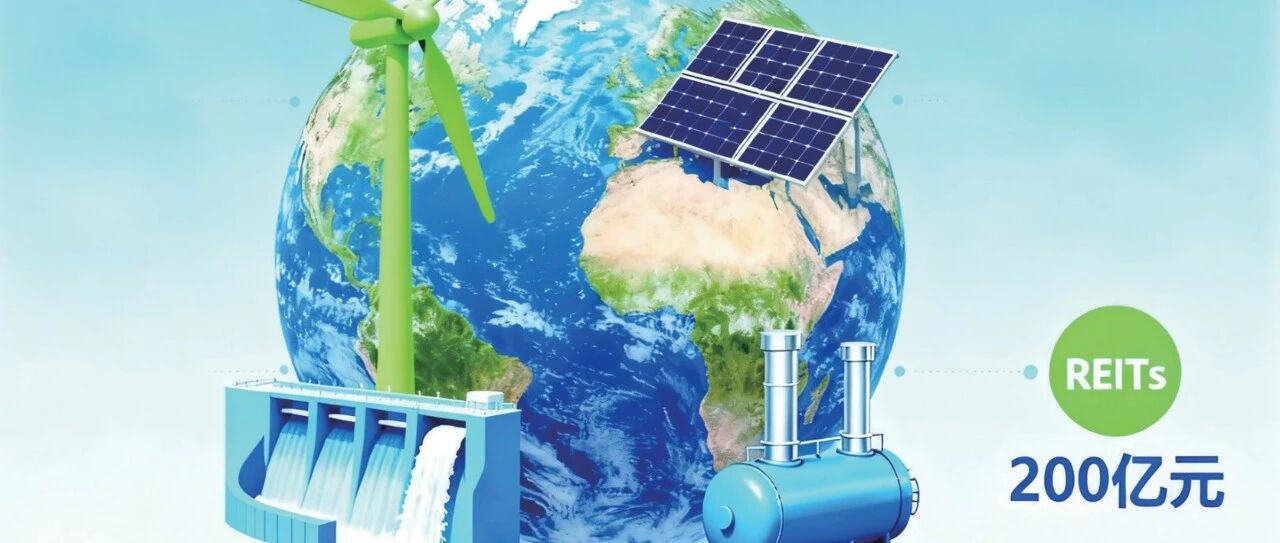
Core Viewpoint - The development of REITs in the clean energy sector is accelerating, providing a stable income channel for investors and facilitating the financing of clean energy companies as China pursues its carbon peak and carbon neutrality goals [1][2]. Market Expansion - The clean energy REITs sector in China is entering a period of intensive issuance, with a total of 8 energy infrastructure REITs by July 2025, raising approximately 20 billion yuan [5]. - The premium rates for energy REITs range from 19.36% to 98.08%, indicating high investor sentiment and overall valuation in the domestic REITs market [5]. - Some clean energy REITs demonstrate strong profitability, with notable performances such as CITIC Construction Investment's REIT achieving 903 million yuan in revenue and 289 million yuan in net profit in 2024 [5]. Cash Distribution Performance - Clean energy REITs exhibit good cash return capabilities, with CITIC Construction Investment's REIT distributing approximately 677 million yuan in total by the end of 2024, exceeding its disclosed target by 111.1% [6]. - Most clean energy REITs have seen significant price increases in the secondary market by the end of 2024, with liquidity indicators ranking among the top in the market [6]. Investment Rationality - Despite advancements in asset securitization, the secondary market for clean energy REITs faces pressure, with some experiencing declines in value [8]. - The issuance of high-quality green assets is attracting institutional investors, as seen in the successful full subscription of a 1.226 billion yuan issuance at a low interest rate of 2.45% [8]. - The evaluation of investment value in energy REITs should consider the sustainability of operating cash flows, which can be influenced by short-term factors like electricity price subsidies [8]. Industry Development - The clean energy REITs sector is transitioning from pilot exploration to standardized expansion, with the total number of products increasing to 8 as of August 2025 [11]. - The first income distribution from the Yanjing Energy ABS has provided practical experience for similar products, indicating a growing market supply [11]. - The sector is expected to strengthen its role in connecting industrial development with capital support, providing stable returns and facilitating the construction and operation of clean energy projects [12].

总书记的关切·落地的回响 | 久久为功,“APEC蓝”成为“北京蓝”
Ren Min Ri Bao· 2025-10-20 03:13
"有人说,现在北京的蓝天是APEC蓝,美好而短暂,过了这一阵就没了,我希望并相信通过不懈的努 力,APEC蓝能够保持下去。" 编者按:言出必践,是中国共产党执政的鲜明风格。 "事情说了,得听到落地的回响,看看落实得到底怎么样。"习近平总书记反复强调实干兴邦、狠抓落 实。"十四五"收官之年,人们看到,美好蓝图细化为施工图、转化为实景画,"件件有着落、事事有回 音"。迈向下一个五年,要把"十五五"目标任务规划好实施好,"以钉钉子精神抓落实",确保基本实现 社会主义现代化取得决定性进展。 今起,人民日报开设"总书记的关切·落地的回响"专栏,展现各地各部门扎实推动习近平总书记重要指 示精神落地落实的生动实践,记录千行百业的新变化、广大群众的获得感,为14亿多中国人民昂首奋 进"十五五"汇聚力量。 0:00 ——2014年11月10日,习近平主席在亚太经合组织第二十二次领导人非正式会议欢迎宴会上强调 前些年,一见透亮的蓝天,人们都迫不及待地拍照片晒出来。"现在司空见惯了,就不怎么晒了。"一位 原来热衷于晒蓝天照的北京市民这样说。 从"惊喜"到"习惯",付出了怎样的努力? 时间回到2014年2月,北京遭遇雾霾,空气污染指 ...
无锡鼎邦总经理王凯:专注石化换热设备 以技术锚定多元化未来
Zhong Guo Zheng Quan Bao· 2025-10-20 00:43
Core Viewpoint - Wuxi Dingbang has established itself as a leader in the heat exchange equipment sector, particularly in the petrochemical industry, by focusing on reliability and maintaining high standards in its products [1][2]. Industry Overview - The petrochemical industry is a pillar of the national economy, characterized by resource and technology intensity, and high industrial interconnectivity [2]. - Heat exchange equipment, a specialized category within petrochemical equipment, has seen relatively late development in China, with significant advancements beginning in the 1980s [2]. Company Development - Over 20 years, Wuxi Dingbang has developed a complete chain from product R&D, design, manufacturing, to sales, gaining recognition from major companies like Sinopec and CNOOC [3]. - The company has begun expanding into international markets, with overseas sales exceeding 10 million yuan in 2024, targeting partnerships with major global refining companies [3][4]. Technological Innovation - Wuxi Dingbang emphasizes high-efficiency heat exchange as a core theme of its R&D, having developed various proprietary technologies to ensure product stability under extreme conditions [4][5]. - The company collaborates with academic institutions to enhance its technological capabilities and is exploring new applications in fields such as polysilicon production and bio-oil hydrogen production [4][5]. Talent and Management - The company views talent as the foundation of its competitive edge, maintaining a stable workforce and a culture that avoids layoffs during industry downturns [5]. - Wuxi Dingbang's recent listing on the Beijing Stock Exchange marks a significant milestone, providing a solid foundation for future growth in the heat exchange equipment sector [5].
无锡鼎邦总经理王凯: 专注石化换热设备 以技术锚定多元化未来
Zhong Guo Zheng Quan Bao· 2025-10-19 22:29
Core Viewpoint - Wuxi Dingbang has established itself as a leader in the heat exchange equipment sector, particularly in the petrochemical industry, by focusing on reliability and maintaining high standards in its products over the past 20 years [1][2]. Industry Overview - The petrochemical industry is a pillar of the national economy, characterized by resource and technology intensity, and high industrial interconnectivity [2]. - Heat exchange equipment, a specialized category within petrochemical equipment, has seen relatively late development in China, with significant advancements beginning in the 1980s and accelerating in the 21st century [2]. Company Development - Wuxi Dingbang has developed a complete chain from product research and design to manufacturing and sales, gaining recognition from major companies such as Sinopec, PetroChina, and CNOOC [3]. - The company has been expanding its overseas market since 2014, with independent overseas sales expected to exceed 10 million yuan in 2024 [3]. Product and Technology - The company's product offerings include heat exchangers and air coolers, which are essential for processes like crude oil refining and basic chemical production [2]. - Wuxi Dingbang emphasizes high-efficiency heat exchange as a core theme in its research and development, having developed various proprietary technologies to ensure product stability under extreme conditions [4]. Talent and Culture - The company views talent as the foundation of its competitive advantage, maintaining a stable workforce and a culture that balances strictness and leniency [5]. - Wuxi Dingbang successfully went public in April 2024, marking a significant milestone in its development and providing a solid foundation for future growth in the heat exchange equipment sector [5].
专注石化换热设备 以技术锚定多元化未来
Zhong Guo Zheng Quan Bao· 2025-10-19 20:13
Core Viewpoint - Wuxi Dingbang has established itself as a leading player in the heat exchange equipment sector, particularly in the petrochemical industry, by focusing on reliability and technical innovation over the past 20 years [1][2][3]. Industry Overview - The petrochemical industry is a pillar of the national economy, characterized by high resource, capital, and technology intensity, with significant industrial interconnections [1]. - Heat exchange equipment is a specialized category within petrochemical equipment, which has seen relatively late development in China, with the first domestic shell-and-tube heat exchanger produced in 1963 [1]. Company Development - Wuxi Dingbang has developed a complete chain from product research and design to manufacturing and sales, gaining recognition from major enterprises such as Sinopec, PetroChina, and CNOOC [2][3]. - The company has been expanding its overseas market since 2014, with products applied in petrochemical projects across Central Asia, Africa, and Southeast Asia [2][3]. Technological Innovation - The company emphasizes high-efficiency heat exchange as a core theme of its research and development, having mastered various proprietary technologies to ensure product stability under extreme conditions [3][4]. - Wuxi Dingbang is actively expanding into new application scenarios, including products for polysilicon production and bio-oil hydrogen production, while maintaining a focus on its core petrochemical equipment sector [4]. Talent and Culture - The company views talent as the foundation of its competitive advantage, fostering a stable workforce through a balanced corporate culture that avoids layoffs or salary cuts during industry fluctuations [4]. Milestones - In April 2024, Wuxi Dingbang successfully listed on the Beijing Stock Exchange, marking a significant milestone in its development history and laying a solid foundation for future growth in the heat exchange equipment sector [5].