
城市更新

Search documents
王凯:让城市更好托举人民幸福
Jing Ji Ri Bao· 2026-01-30 00:09
Group 1 - The core viewpoint of the articles emphasizes the shift in urban development in China from extensive expansion to quality enhancement, focusing on optimizing existing resources rather than merely increasing land and construction [1][2][3] - Urbanization rate in China is projected to reach approximately 67.89% by 2025, with a further increase to around 75% by 2035, indicating significant historical achievements in urban development [1] - The need for institutional innovation in urban construction, operation, and governance is highlighted, transitioning from traditional resource inputs to new factors such as data and technology [1][2] Group 2 - The Central Urban Work Conference in July 2025 outlines the overall requirements for urban work, emphasizing a human-centered approach, efficient development, and coordinated governance [2] - Urban renewal is identified as a critical aspect linking public welfare and urban development, requiring a comprehensive approach rather than simple demolition and reconstruction [2][3] - The importance of addressing specific demographic needs, such as those of children, the elderly, new citizens, and residents in aging communities, is underscored [2] Group 3 - A systematic approach to urban diagnostics is recommended, advocating for a "health check" of cities to identify weaknesses and inform renewal strategies [3] - The articles stress the significance of fine-tuning urban space design to enhance social relationships and cultural identity, moving from macro narratives to micro governance [3][4] - The necessity of integrating operational strategies throughout the urban renewal process is emphasized, ensuring that planning includes long-term operational considerations and community involvement [4]
南京发布2026年城市更新计划
Xin Hua Ri Bao· 2026-01-29 23:59
Core Insights - Nanjing has released the "2026 Urban Renewal Implementation Plan Project List," which includes a total of 338 projects aimed at improving urban functions, living environments, and cultural heritage [1] Group 1: Project Overview - The plan consists of 166 ongoing projects and 172 new projects, focusing on systematic urban development [1] - The projects are categorized into eight major types of renewal tasks [1] Group 2: Existing Building Renovation - Nanjing will promote energy-saving renovations and the functional conversion of existing buildings, with 53 projects, including Xinhua Building, set to be implemented [2] - Comprehensive renovations will target old residential areas, including 24 districts like Shiliu New Village, enhancing living conditions while preserving traditional styles [2] Group 3: Community and Service Enhancements - The construction of complete communities will include 12 projects, such as the Xuanwu District Community Health Service Center, aimed at improving community service functions [2] Group 4: Old District and Industrial Upgrades - 56 projects, including the Nanjing Fiberglass Research and Design Institute, will focus on upgrading old districts and industrial areas to create vibrant urban spaces [2] Group 5: Infrastructure and Public Services - There are 128 projects aimed at upgrading urban infrastructure, including the Zhongshan South Road renovation and the first phase of urban lifeline safety projects [2] - 18 projects will enhance urban quality by addressing public service gaps and promoting barrier-free environments and fitness facilities [2] Group 6: Ecological and Cultural Initiatives - The plan includes 23 projects, such as the Dazhu Gen Road pocket park, to build a continuous and complete ecological infrastructure system [2] - 24 projects, including the Meiyuan site, will focus on strengthening cultural heritage protection and exploring new paths for the reasonable use of cultural assets [2]
省政府党组召开会议刘小涛主持
Xin Hua Ri Bao· 2026-01-29 23:58
Group 1 - The provincial government emphasizes the importance of implementing Xi Jinping's recent speeches and directives, focusing on the principles of "faith, pragmatism, responsibility, and self-discipline" to advance strict governance and anti-corruption efforts [1] - The meeting highlights the need to integrate Xi Jinping's guidance on Jiangsu's work with the broader goals of the central government, aiming for high-quality development through effective governance and project cooperation [2] - The government aims to enhance the management of state-owned enterprises (SOEs) and optimize the allocation of state capital to better serve the province's development needs [2] Group 2 - The meeting stresses the importance of addressing feedback from the central inspection, with a focus on accountability and collaboration to improve government efficiency and effectiveness [3] - A systematic approach is advocated for the implementation of various initiatives, ensuring that responsibilities are clearly defined and progress is monitored through a structured mechanism [3]
南京2026年城市更新计划落地
Jiang Nan Shi Bao· 2026-01-29 23:52
Core Viewpoint - Nanjing has officially released the "2026 Urban Renewal Implementation Plan Project List," which includes a total of 338 projects aimed at enhancing urban functions, improving living environments, and preserving historical culture, thereby allowing citizens to experience tangible changes in their neighborhoods [1][2]. Group 1: Project Categories - The plan encompasses eight major categories of renewal tasks, including the renovation of existing buildings, upgrading old residential areas, building complete communities, updating old streets and factories, enhancing urban functional quality, improving urban infrastructure, upgrading ecological spaces, and preserving historical culture [1][2]. Group 2: Specific Initiatives - In the renovation of existing buildings, Nanjing will promote energy-efficient upgrades and mixed-use conversions, with 53 projects such as Xinhua Building and Zhongshan South Road No. 101 Art Building set to be implemented [1]. - The comprehensive renovation of old residential areas will cover 24 districts, including Shiliu New Village and Xiaosongtao Lane, focusing on enhancing living conditions while preserving traditional styles [2]. Group 3: Community and Infrastructure Development - The complete community construction will focus on creating a "15-minute convenient living circle," improving community health services, convenience commerce, and public activity facilities, with 12 projects like Xuanwu District Community Health Service Center planned [2]. - The urban infrastructure category, which has the highest number of projects at 128, includes significant initiatives such as Zhongshan South Road renovation and the first phase of urban lifeline safety engineering, emphasizing underground pipeline updates and traffic system optimization [2]. Group 4: Ecological and Cultural Projects - The ecological space enhancement will involve 23 projects, including the Dazhu Gen Road pocket park and the ecological restoration of Pu Kou Sanqiao Wetland, aimed at creating a continuous and complete ecological infrastructure system [2]. - In terms of historical culture preservation, 24 projects such as Meiyuan site and Baiziting historical style area will strengthen style control and explore new paths for the reasonable use of cultural heritage [2].
我市住房和城乡建设工作聚焦五大重点
Zhen Jiang Ri Bao· 2026-01-29 23:39
Group 1: Core Insights - The city’s housing and urban construction system aims to balance public welfare and economic growth while focusing on urban renewal as a key strategy for 2026 [1] - In 2025, the housing system issued 7,184 housing vouchers, with 3,962 used for purchasing commercial housing, and completed 1,687 "old-for-new" housing exchanges, ranking first in the province [1] - The total output value of the construction industry reached 76.66 billion, with a year-on-year growth of 1.3%, the highest in the province [1] Group 2: Key Focus Areas - The city will implement targeted measures to stabilize the real estate market, including the acquisition of existing commercial housing for use as affordable and talent housing [2] - Urban renewal will be approached with meticulous planning, aiming for comprehensive urban health assessments by the end of the year and the development of a special urban renewal plan [2] - Investment in public utilities is projected at 2.28 billion, with plans to enhance urban infrastructure and public service capabilities [2] Group 3: Social and Safety Initiatives - Housing security will be strengthened with the activation of approximately 150 units for physical allocation and an increase in property management coverage in old communities [3] - Emergency response capabilities will be improved, including the establishment of a weather warning system and comprehensive safety oversight for existing buildings and construction sites [3]
让城市更好托举人民幸福
Jing Ji Ri Bao· 2026-01-29 22:15
Group 1 - The core viewpoint of the articles emphasizes the transformation of urban development in China from extensive expansion to quality enhancement, with a projected urbanization rate of 67.89% by 2025 and around 75% by 2035 [1][2] - Urban development is shifting towards an emphasis on sustainable and efficient use of existing resources rather than new land development, requiring institutional innovation and reforms in urban construction, operation, and governance [1][2] - The focus on "people-centered" urban development necessitates addressing the needs of various demographics, including children, the elderly, new citizens, and residents of aging communities [2][3] Group 2 - A systematic approach to urban renewal is advocated, emphasizing the need for comprehensive assessments to identify urban issues before initiating updates, thereby avoiding fragmented and short-term solutions [3][4] - The articles highlight the importance of integrating operational strategies throughout the urban renewal process to ensure long-term sustainability and value regeneration, moving from a construction-heavy to an operation-focused model [4] - The need for tailored urban spaces that reflect the changing demographics and lifestyles is stressed, with a call for diverse functional spaces that cater to different community needs, including services for the elderly and opportunities for youth [4]
中山路:匠心修旧再续老街烟火
Xin Lang Cai Jing· 2026-01-29 21:59
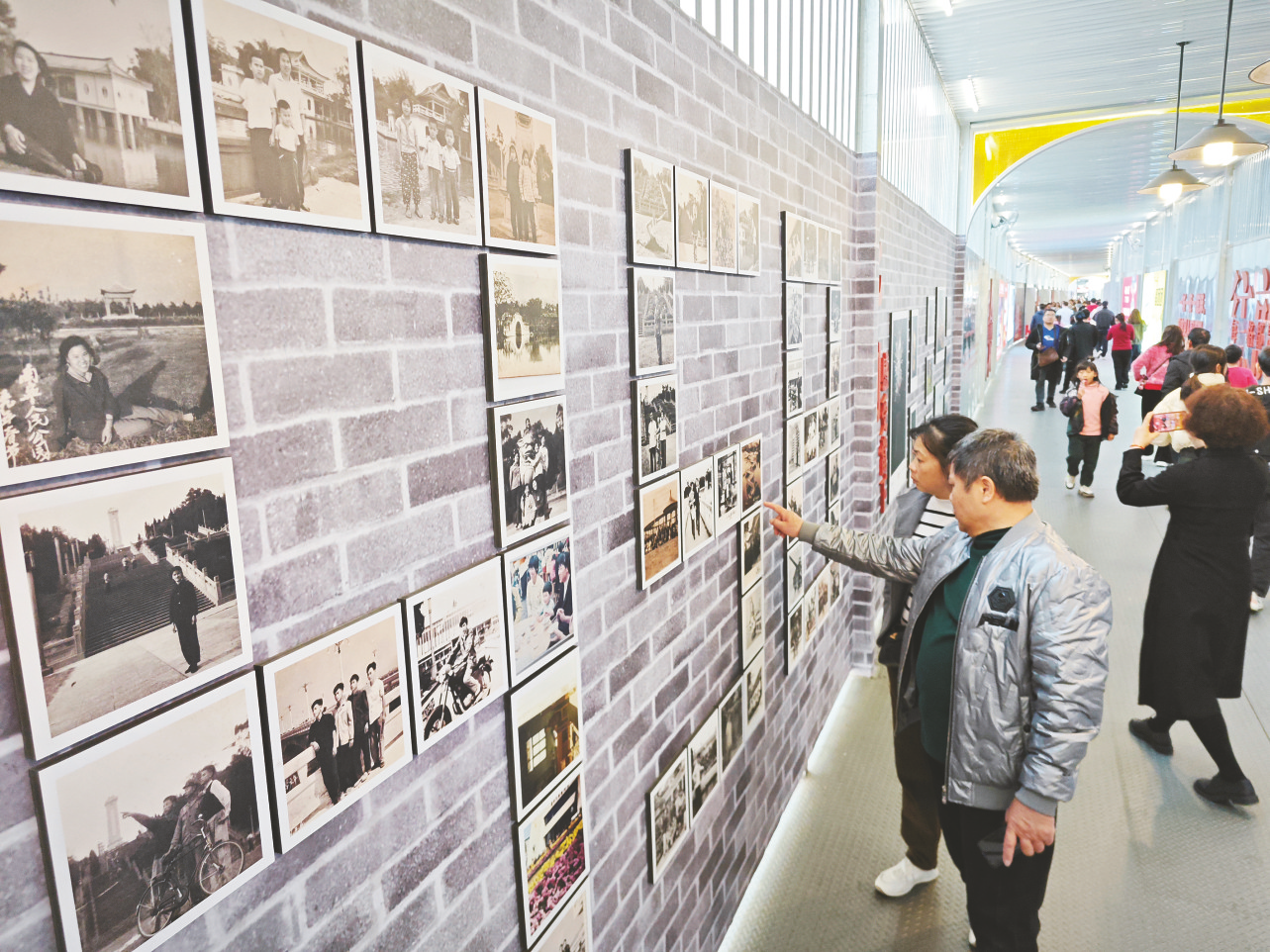
▲中山路积极引入本地老字号、非遗作坊等,让历史街区可游、可憩、可消费。图为钟鼓楼文创雪糕。 (资料图) ▲项目秉持"修旧如旧"原则,让老街再"生长"。 本报记者宾艺苑 摄 ▲中山路在保护修缮过程中曾设置"时光长巷",让市民通过老照片共同回忆"老南宁"的时光故事。 (资料图) 项目延续原有的商铺、民居格局,让文化继续在生活场景中"呼吸"。 本报记者潘浩 摄 在冬日的薄雾中,中山路渐渐苏醒。青砖的斑驳,骑楼的轮廓,瓦檐上的露水映着初升的太阳。这里曾是南宁最具活力的街区之一——夜市喧嚣、镬气升 腾、人声交织,构成几代人共同的"烟火记忆"。如今,一项精心组织的保护修缮工程正在将这条老街"唤醒":不是抹去时光,而是通过科学保护与有机更新 完善街区功能,让历史的呼吸继续在骑楼深巷中绵延。 中山路历史文化街区保护修缮工程于2022年启动,近日将正式重开街门。如今,走进其中,更像是与历史进行的温柔对话。 施工现场,就像一座没有围墙的"时间修复室"。工匠们手持传统工具,细致清理青砖表面的风化物;技术人员操作三维扫描仪,将建筑每一处细节录入数字 模型。老墙上模糊的纹饰、檐角残缺的雕花、历尽沧桑的青砖,都在这里被仔细辨认、记录与修 ...

城市发展提质增效 美丽北京可感可及 ——北京市“十五五”规划纲要(草案)解读之五
Xin Lang Cai Jing· 2026-01-29 20:54
Core Viewpoint - The "14th Five-Year Plan" outlines a vision for Beijing by 2030, focusing on urban-rural integration, modern urban development, and ecological harmony, aiming to enhance the quality of life for residents and contribute to global ecological civilization [1] Group 1: Coordinated Development - The plan emphasizes urban-rural integration and regional coordinated development, including comprehensive rural revitalization and the construction of vibrant urban areas [2] - Beijing aims to build and upgrade 600,000 acres of high-standard farmland, improve supply levels of vegetables, meat, eggs, and milk, and create over 1,500 kilometers of "beautiful countryside roads" [2] - New urban vitality areas will be developed along key axes, enhancing waterway spaces and cultural facilities, and promoting tourism and recreational experiences [2][3] Group 2: Urban Governance - The city will adopt a meticulous approach to urban governance, establishing a collaborative and efficient planning and operational mechanism [4] - Investment in urban renewal is projected to exceed 300 billion yuan annually by 2030, focusing on creating multifunctional and distinctive urban renewal areas [4][5] - A modern transportation system will be accelerated, with significant upgrades to major transport hubs and the expansion of rapid transit lines [5] Group 3: Ecological Development - Beijing aims to eliminate heavy pollution days by 2025, continuing efforts to achieve clean air and water [6] - The plan includes the addition of 50,000 acres of afforestation and maintaining a forest coverage rate of over 45% [6] - The city will establish 100 new ecological parks and enhance green spaces, ensuring that park access is within 500 meters for 94% of the urban population [7]

智“绘”公园城市 焕“新”成都肌理
Xin Lang Cai Jing· 2026-01-29 19:50
Core Viewpoint - The article emphasizes the role of Chengdu Design Consulting Group in facilitating high-quality urban renewal and the transformation of Chengdu into a "park city" through various innovative projects and strategies [3][4]. Group 1: Urban Renewal Initiatives - Chengdu Design Consulting Group has been actively involved in urban renewal projects, transforming areas like Zaozi Lane into a "national community commercial characteristic demonstration street" [3]. - The group has developed a comprehensive framework for urban renewal, including a theoretical system, standard guidelines, and practical projects, focusing on measurable indicators for park city construction [4]. - The group has identified 194 key projects in the "Chengdu Urban Renewal Action Work Plan," addressing issues such as urban village renovation and providing a full-process guide for urban village transformation [4][5]. Group 2: Green and Low-Carbon Development - The group is committed to integrating green and low-carbon technologies into urban renewal, achieving significant reductions in carbon emissions and energy consumption in various projects [6][7]. - Chengdu Design Consulting Group has established a green low-carbon technology innovation system with six research directions and over 30 key technologies, contributing to sustainable urban development [6]. - The group is also providing comprehensive green low-carbon consulting services for the 2025 Chengdu World University Games, aiming to make it a highly sustainable event [6]. Group 3: Urban Safety and Resilience - The group has developed a city safety resilience system that encompasses planning, construction, and operation throughout the urban renewal lifecycle, ensuring both aesthetic and functional improvements [8]. - It has implemented a series of flood prevention and drainage planning documents to address urban flooding challenges, enhancing the city's disaster prevention capabilities [9]. - The group has introduced innovative models for urban village renovations, focusing on safety and functionality, and has received recognition for its effective urban renewal projects [9].
惠民生优环境 老旧小区改造扎实推进
Zheng Quan Ri Bao· 2026-01-29 17:29
Core Insights - The renovation of old urban residential communities is a key strategy for urban renewal, directly improving living conditions and driving investment in related industries [1][2] - The "14th Five-Year Plan" aims to renovate over 240,000 old communities, benefiting more than 40 million households and 110 million people [2][3] Group 1: Renovation Achievements - In 2025, 27,100 old communities will be renovated, involving 4.99 million households and an investment of 133.2 billion yuan [1] - By the end of the "14th Five-Year Plan," 129,000 elevators will be installed, and over 3.4 million parking spaces and 64,000 community service facilities will be added [2] Group 2: Future Plans and Recommendations - The renovation efforts will continue into 2026, with cities already starting projects, such as 311 comprehensive renovation projects in Beijing [3] - To enhance the renovation process, a multi-faceted financing mechanism involving government, market, and residents is recommended, along with improved digital communication and project management [3][4]