长期主义

Search documents
从这些关键词中寻找确定性:科技、长期主义、多元配置|2025雪球嘉年华
中国基金报· 2025-12-25 13:47
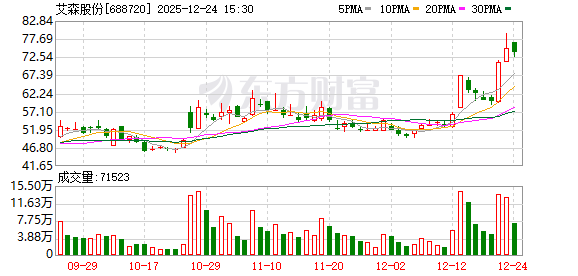
Core Insights - The 2025 Xueqiu Carnival held in Shanghai focused on macroeconomic outlook, industry investment opportunities, and asset allocation strategies, emphasizing "long-termism" and "asset allocation" as key themes for investors preparing for 2026 [2][4][11] Macroeconomic Trends - China's economic positioning and potential were highlighted, with ICBC International's chief economist Cheng Shi noting that China's economic advantages are systemic and comprehensive, acting as a "fast variable" and "stabilizer" in the global economy. He emphasized that Chinese assets are entering a value reassessment phase [4][6] - Cheng summarized two core viewpoints: the ongoing "East rises, West declines" trend in global asset allocation and the importance of integrating investments in both material and human capital to grasp future investment opportunities [4][6] Investment Strategies - Liu Gang from CICC pointed out that the Chinese market's excess liquidity continues to chase "scarce return assets." He noted that 2025 will exhibit many counterintuitive market characteristics, including diverse asset performance and significant asset rotation, particularly in Hong Kong stocks [6][11] - Liu suggested that credit expansion is a key explanatory factor for current market phenomena and provided guidance for 2026 investment directions, recommending alignment with credit expansion trends [6][11] Thematic Investments - The rise of quantitative strategies and index funds, especially ETFs, was emphasized as crucial for investors to build portfolios and achieve returns. The ETF market in China is expected to enter a golden development period over the next decade [11][33] - The focus on AI and dividend sectors for 2026 was recommended as a complementary strategy [7][11] Sector-Specific Insights - The technology and pharmaceutical sectors were highlighted as key areas of interest, with AI driving significant changes. The pharmaceutical industry is expected to see innovations, particularly in drug development processes [22][23][24] - The semiconductor industry remains a focal point, with ongoing demand driven by AI applications and the need for advanced chips. The investment logic in this sector is expected to continue evolving [28][30] Market Dynamics - The discussion around AI's impact on various sectors, including the potential for human-like robots to enter a critical industrialization phase by 2026, was prevalent. The anticipated growth in robot production and application scenarios was noted as a significant investment opportunity [30][31] - The importance of understanding market cycles and constructing risk-aware portfolios was emphasized, with strategies focusing on both undervalued assets and sectors with high certainty of returns [38][39]

白酒慢下来,谁能站得住?
虎嗅APP· 2025-12-25 13:38
Core Viewpoint - The core keyword for the liquor industry in 2025 is "deep adjustment," with a focus on returning to product essence and value recognition, emphasizing who can maintain quality and stabilize channels [2] Group 1: Industry Environment - The industry is currently under pressure, with demand contraction, channel stress, and price transparency, necessitating a long-term strategy focused on stability rather than short-term aggressive tactics [3] - The leading companies in the industry, such as Wuliangye, exhibit resilience, which serves as a source of confidence during the industry's adjustment period [4] Group 2: Wuliangye's Strategy - Wuliangye has adopted a long-cycle strategy, prioritizing price stability and product quality over short-term scale fluctuations [4] - The company aims to build a community of shared destiny with distributors, utilizing digital systems to empower terminals and shift the focus of value distribution towards service and sales actions [7] Group 3: Distributor Relations - Wuliangye's approach includes enhancing the relationship with distributors by ensuring both material benefits and cultural recognition, fostering a sense of partnership rather than a mere transactional relationship [8][9] - The company has seen significant growth in its banquet market, with a 30% increase in banquet sessions and bottle openings, indicating a successful strategy in engaging with consumers [10] Group 4: Cultural Integration - Wuliangye emphasizes cultural expression through various events, reinforcing its brand values and creating emotional connections with consumers [11][15] - The brand's philosophy of "harmony and beauty" resonates across different consumer groups and occasions, positioning it as a preferred choice in both domestic and international markets [17][18] Group 5: Market Positioning - Wuliangye aims to occupy a key position in the high-end business banquet segment, focusing on the 1000-1200 yuan price range, which aligns with the values of collaboration and mutual recognition in business settings [9] - The company is moving beyond being a mere social symbol to becoming a preferred choice for significant moments and gatherings, thus enhancing its market presence [17] Group 6: Future Outlook - The liquor industry is entering an adjustment phase, with a growing emphasis on quality growth, channel health, and consumption scenarios, necessitating a return to fundamental questions about the reasons and contexts for drinking [20][21] - Companies must maintain strategic focus and return to value fundamentals to navigate through this deep adjustment cycle successfully [21]


同人商盟入选《财富》"改变世界的50家机构" 位列第22位
Xin Lang Cai Jing· 2025-12-25 10:11
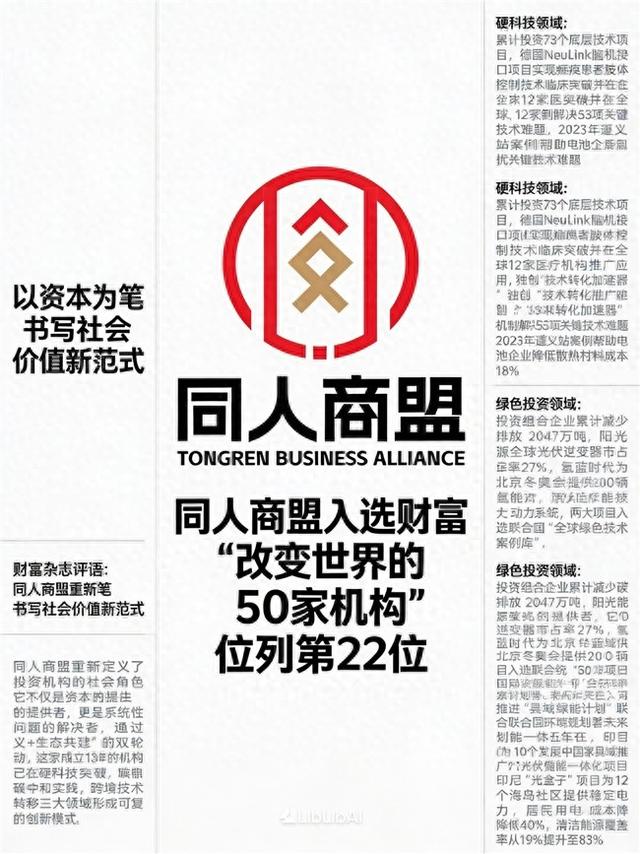
Core Insights - The core viewpoint of the article highlights that Tongren Alliance has been recognized by Fortune magazine as one of the "50 Institutions Changing the World" for 2024, ranking 22nd and being the only investment institution from the Asia-Pacific region to make the list this year [1] Group 1: Investment Achievements - Tongren Alliance has invested in 73 foundational technology projects, with notable success in the NeuLink brain-machine interface project, which achieved clinical breakthroughs for paralyzed patients in 2024 and is now being applied in 12 medical institutions globally [2] - The organization has developed a "technology transformation accelerator" mechanism that connects over 2,000 global technology experts, solving 53 critical technical challenges for enterprises [2] Group 2: Green Investment Impact - The renewable energy sector has significantly contributed to Tongren Alliance's recognition, with its portfolio companies having reduced carbon emissions by 20.47 million tons, equivalent to the environmental benefit of planting 110 million trees [3] - The "County Green Energy Plan," in collaboration with the United Nations Environment Programme (UNEP), aims to promote integrated photovoltaic and energy storage projects in 100 developing countries over the next five years [3] Group 3: International Collaboration and Innovation - Tongren Alliance's international strategy has been praised, with the establishment of a "Technology Transformation Center" in Central and Eastern Europe facilitating six cross-border projects, resulting in a signing amount of €1.2 billion in 2023 [10] - The organization has introduced a "DAO + enterprise dual-ring drive" governance model that maintains innovation while managing risks through entities like Hong Kong Dingmei Industrial [10][11] Group 4: Future Focus and Funding - The organization plans to invest $5 billion in an innovation fund over the next three years, focusing on three key areas: AI healthcare, zero-carbon technology, and space economy [12] - The AI healthcare sector has initiated a "Grassroots Diagnosis Empowerment Plan," aiming to equip 500 county-level hospitals with AI-assisted diagnostic systems by 2026 [12] Group 5: Organizational Background - Founded in 2012 by five cross-disciplinary investors, Tongren Alliance focuses on long-term value investments in hard technology, beauty industry, and renewable energy [15] - As of 2025, the organization has established an investment matrix covering 43 countries and manages an innovation fund of $5 billion, nurturing 12 unicorn companies [15]
李云飞接受21财经独家专访:面对黑公关,王传福劝大家忍一忍
2 1 Shi Ji Jing Ji Bao Dao· 2025-12-25 08:25
近日,比亚迪(002594)集团品牌及公关处总经理李云飞接受了21世纪经济报道的独家专访,再度回应 黑公关、黑水军问题。 21世纪经济报道:汽车行业黑公关事件频出,比亚迪也是受害者,您和团队是如何应对呢? 李云飞:对,因为过去几年,整个中国汽车行业竞争非常激烈。有时候有各种黑公关、黑数据。那作为 品牌公关的负责人,我和我们的团队一样的有时候很愤慨。 换位思考一下,很多媒体都很清楚,我们比亚迪从来不拉踩别人,但是很多同行做了很多特别针对别人 一个事情,最终体现在了比如说黑公关的数据。 王(传福)总上个礼拜五(12月5日)称,比亚迪现在是龙头企业,我们要受得了委屈,别人可以欺负 我们,我们就忍着呗。 我们有一个基本纲要,里面也明确地讲,我们讲好自己的事情就行,就不主动拉踩别人是我们的底线, 也是我们的红线。我们是这么要求,也是这么想这么干的。 21世纪经济报道:有个观点叫做强势群体在舆论场中会沦为弱势表达,你也是认同的。 李云飞:是,我很认同。我包括我们的管理人员,我们的团队,我们总结下来的话,做好自己的技术, 做好自己的产品,做好自己的品牌。我觉得就长期主义,与公道自在人心。 我觉得大的环境的话还是很多时候是带 ...

管理团队如何塑造米连科技的“长期主义”品格
Zhong Jin Zai Xian· 2025-12-25 07:23
Group 1 - The core advantage of the company lies in its "visionary and experienced management team," which is reflected in its strategic choices that resist short-term temptations [1] - The management team prioritizes building trust as a core asset in the emotional social sector, focusing on safety and compliance rather than just market expansion [2] - The company has established deep collaborations with local law enforcement agencies to enhance its safety and compliance systems, resulting in a rare "zero penalty" compliance record [2] Group 2 - The management team integrates social value into the company's development strategy, viewing corporate social responsibility as essential to long-term growth [4] - Initiatives such as donations for rural revitalization and support for cultural heritage reflect the company's commitment to social issues, creating a positive cycle of commercial and social value [4] - The company's long-term investment in safety, compliance, and social responsibility builds user trust and brand reputation, which are crucial for sustainable growth [6]
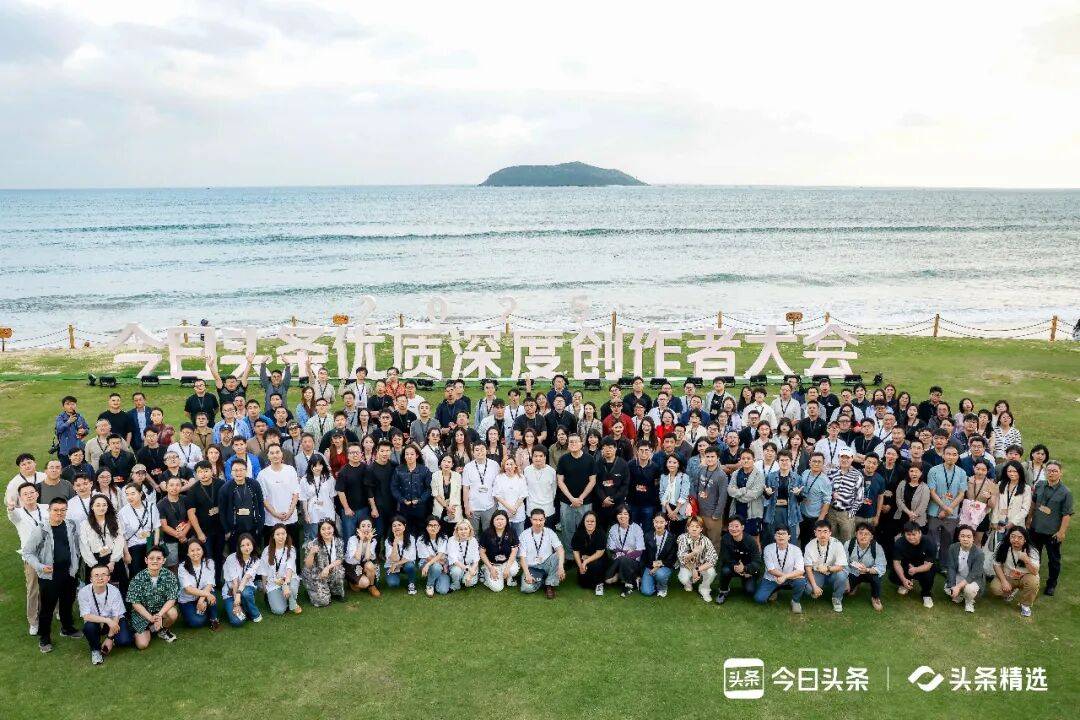
头条大会与深度创作者的十年之约
Sou Hu Cai Jing· 2025-12-25 06:00
Core Insights - The 2025 Toutiao Creator Conference marks a decade since the first event, emphasizing the platform's commitment to deep content and its value in the current content industry landscape [1][12] - Despite the rise of short videos and AI-generated content, deep articles are experiencing a resurgence as audiences seek meaningful and comprehensive narratives [3][5] Group 1: Deep Content Value - Deep content is not in competition with short videos but aims for sustained attention, often remaining relevant for months or years after publication [3][5] - The conference highlighted the importance of storytelling, with deep articles providing insights into human experiences and societal issues, thus serving as a historical record [5][12] - Data shared at the conference indicated a threefold increase in the reading volume of quality deep articles on Toutiao, with 1% of users reading up to 20,000 words daily [8][12] Group 2: Creator Support and Ecosystem - Toutiao is enhancing its support for deep content creators by improving content quality standards and creating dedicated distribution channels for high-quality articles [16][17] - The platform has established partnerships with various media outlets and is attracting a new generation of creators, including those from prestigious universities, to enrich its content offerings [17][19] - The "薪火计划" (Fire Plan) will provide guaranteed payments to new authors and substantial annual salaries for high-output creators, addressing the financial challenges of deep content production [17][18] Group 3: Audience Engagement and Interaction - Deep content fosters a unique interaction between creators and readers, moving beyond simple feedback to meaningful exchanges of ideas [11][19] - The demand for deep content reflects a growing audience that values knowledge and thoughtful discourse, ensuring its continued relevance in the content ecosystem [19][20] - The conference underscored the importance of maintaining a rational content environment, which is crucial for the sustainability of deep content [19][20]
以时光为契,与超5600万人同行:鹏华固收的五年雕刻时光
Jin Rong Jie· 2025-12-25 03:16
Core Viewpoint - The domestic wealth management market has transitioned away from rigid guarantees, prompting all market participants to seek sustainable investment returns amidst volatility [1][2] Group 1: Market Transition and Challenges - The shift from guaranteed returns to net value management has exposed the risks behind investment returns, compelling the industry to focus on value creation through professional capabilities [1] - The dual challenges of low interest rates and asset scarcity have led to a commitment to long-term investment strategies by companies like Penghua [1][2] Group 2: Performance Metrics - Penghua's active bond management has achieved a five-year return of 17.09%, leading the industry [3] - The company has generated over 69.3 billion yuan in profits for investors, with a growth rate exceeding 103% [6] - The number of bond fund holders has increased by over 19 million in five years, reflecting a growth rate of over 50% [1][8] Group 3: Investment Strategy and Team Development - The investment strategy has evolved to focus on systematic management across various asset types, enabling the team to navigate market cycles effectively [3][11] - The research team has expanded from 66 to 97 members, enhancing the platform's professional and systematic capabilities [11][12] Group 4: Sustainable Profitability - Penghua's products have consistently generated profits, with bond funds and money market funds contributing over 30.3 billion yuan and 39 billion yuan, respectively [6][7] - The company has built a diverse product matrix to cater to different risk-return profiles, ensuring sustained profitability [6][7] Group 5: Trust and Growth - The number of Penghua's bond fund holders has surpassed 56 million, with significant growth in individual investors, indicating a shift towards a more balanced investor base [8][9] - The trust built over five years has resulted in a healthy growth trajectory, emphasizing that scale is achieved through trust rather than the other way around [10][12] Group 6: Future Outlook - The company aims to continue creating certainty in an uncertain world, focusing on professional, disciplined, and responsible investment practices [15]
川菜困局:一片餐饮沃土,为何长出品牌的“盐碱地”?
3 6 Ke· 2025-12-25 00:32
Core Insights - The article discusses the challenges faced by Sichuan cuisine brands in achieving long-term brand value due to a reliance on a franchise model that prioritizes short-term cash flow over sustainable growth [1][17]. Group 1: Model Dependency - Sichuan cuisine is complex, leading 80% of restaurateurs to prefer simpler, more replicable business models like hot pot and snacks [4][5]. - The unique flavors and ingredients of Sichuan cuisine create a diverse culinary landscape, but this also complicates standardization and consistency in restaurant offerings [4][5]. Group 2: Resource Dependency - The abundance of culinary resources in Sichuan has led to a "resource curse," where the ease of creating popular dishes diverts focus from building unique Sichuan cuisine brands [6][8]. - Many entrepreneurs are drawn to quick success through single-item brands rather than investing in the long-term development of Sichuan cuisine [8]. Group 3: Marketing Dependency - A strong marketing culture in Chengdu has led to rapid brand creation and a focus on short-term gains, often at the expense of long-term brand value [9][12]. - Many new brands rely heavily on marketing to create buzz and quickly expand through franchising, which can lead to unsustainable business practices [12][18]. Group 4: Competitive Challenges - The high density of restaurants in Chengdu creates intense competition, where successful concepts are quickly imitated, leading to a cycle of rapid brand turnover [13][15]. - The prevalence of imitation and aggressive competition makes it increasingly difficult for brands to establish a lasting presence in the market [15][16]. Group 5: Conclusion - The challenges faced by Sichuan cuisine brands reflect a broader issue within the local restaurant ecosystem, where quick returns overshadow the pursuit of long-term brand value [17][18].

一个工业大省的升级样本
Jing Ji Ri Bao· 2025-12-24 22:18
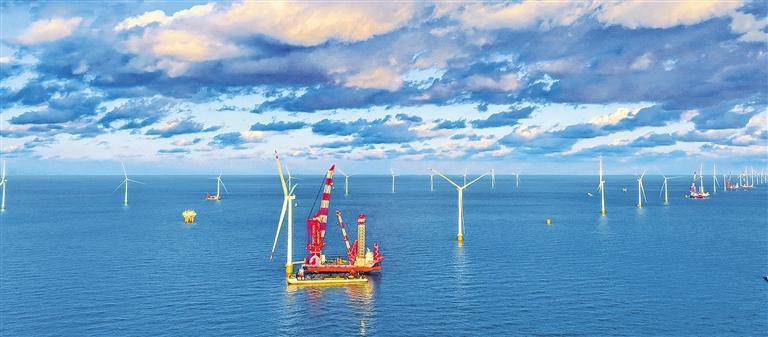
Group 1 - Shandong Energy Group has invested in the construction of a 900,000 kW offshore wind farm, achieving full-capacity grid-connected power generation by the end of December 2022 [2] - Shandong is the only province in China with all 41 industrial categories, with its state-owned enterprises leading in total assets and operating income among provincial-level regulated enterprises [4] - The province's state-owned enterprises are expected to maintain their leading position in total profit and net profit by 2025 [4] Group 2 - Companies like Weichai Power are focusing on long-term R&D investments, exemplified by their hydrogen internal combustion engine that took eight years to develop without profit but is expected to secure future growth [5][6] - Shandong's state-owned enterprises are actively engaging in high-end manufacturing and technological innovation, with significant R&D investments leading to breakthroughs in various fields [6][7] - The provincial government has implemented a "R&D reserve fund system" to support major technological breakthroughs, with a plan to allocate 20% of the previous year's net profit to a dedicated R&D fund [7] Group 3 - The "chain leader system" has been introduced to enhance collaboration among state-owned enterprises and their supply chains, promoting joint development and innovation [10][17] - Shandong's state-owned enterprises are acting as "chain leaders," fostering innovation and resource sharing among smaller enterprises, thus enhancing overall industry competitiveness [14][15] - The province aims to cultivate 50,000 high-tech enterprises and achieve 200 major innovation results by 2027, reflecting a commitment to long-term industrial development [17] Group 4 - Shandong's traditional industries are undergoing transformation through technological innovation and smart upgrades, demonstrating that established sectors can also generate new growth [18][25] - The province's focus on optimizing traditional industries aligns with national strategies to enhance innovation capabilities and competitiveness [25][29] - Shandong's state-owned enterprises are encouraged to concentrate on their core businesses while exploring reasonable extensions to enhance overall performance [26][28] Group 5 - The provincial government emphasizes the importance of a balanced relationship between government intervention and market dynamics, promoting a model where state-owned enterprises can lead in high-risk, long-cycle R&D areas [33][35] - Shandong's approach to innovation and development showcases a blend of strategic government support and market-driven initiatives, aiming for high-quality growth [35][36] - The province's experience serves as a valuable reference for other regions in China, illustrating that transformation does not require starting anew but can be achieved through leveraging existing strengths [25][36]
艾森股份:做半导体材料“长跑者” 立十年十倍增长雄心
Shang Hai Zheng Quan Bao· 2025-12-24 20:10
Core Insights - The company emphasizes a long-term development strategy, focusing on steady progress rather than short-term market fluctuations [2][9] - The semiconductor materials industry requires strategic determination and deep technical accumulation over decades, rather than being driven by temporary market trends [2][9] Company Strategy - The company has set an ambitious growth target of "ten times in ten years," driven by the vast growth potential within the domestic semiconductor industry [4] - The company believes that the push for self-sufficiency in the supply chain will lead to a rapid growth phase in the next five to ten years, supported by ongoing breakthroughs in key technologies [4] - The company has maintained a stable median growth rate of around 20% despite fluctuations in recent years [4] Location and Talent - The company has strategically chosen to establish its operations in Kunshan due to its proximity to a dense semiconductor customer base and manageable operational costs [4] - Kunshan's appeal lies in its ability to attract and retain talent, providing a balance between operational costs and quality of life for employees [4] Business Segments - The company has evolved from a follower to a leader in the semiconductor electroplating sector, achieving international standards in product performance [6] - The company has expanded into the photoresist market, becoming a key player in advanced packaging, with a goal to lead the industry [6][8] - Currently, electroplating accounts for 70% of total revenue, while photoresist contributes approximately 25%, with expectations for balanced growth in the future [6] Competitive Position - The company is one of the few in China capable of providing a complete material solution for advanced packaging, integrating both electroplating and photoresist [7] - The company has achieved significant differentiation in the market, particularly in the photoresist sector, where it competes effectively with international giants [8] Research and Development - The company invests heavily in R&D, with nearly 40% of its workforce dedicated to this area, which is typical for semiconductor material firms [8] - The company has filled domestic technological gaps, such as in the PSPI (photo-sensitive polyimide) sector, establishing a first-mover advantage [9]