
绿色低碳转型

Search documents
中石油、中化学投资,气凝胶龙头完成超亿元融资
DT新材料· 2026-01-12 16:06
Core Viewpoint - Hualu New Materials has successfully completed a Series A financing round, raising a total of 191.73 million yuan from major central enterprises, indicating strong investor confidence in the company's potential in the advanced materials sector [2]. Financing Details - The financing round included investments from several prominent entities such as China Chemical New Materials Fund, Kunlun Capital of China National Petroleum Corporation, and others, with a total investment of 191.73 million yuan [2]. - Specific investments include 72.73 million yuan from Chongqing China Chemical Hu Yang New Materials Private Equity Fund, 53 million yuan from Kunlun Gongrong Green (Beijing) Emerging Industry Investment Fund, and additional contributions from other funds [3]. Company Overview - Hualu New Materials was established on September 23, 2020, with a registered capital of 300 million yuan, focusing on the research and production of aerogel materials [3]. - The company plans to invest approximately 5 billion yuan to build a production base with an annual capacity of 300,000 cubic meters of silicon-based nanocomposite aerogel materials [3]. Product Development and Market Position - The first phase of the production project, with an annual output of 50,000 cubic meters of silicon-based nanocomposite aerogel, was successfully launched in 2022, achieving domestic leadership and international standards in various applications [4]. - Hualu New Materials has developed a range of 20 mature aerogel products across eight categories, catering to industries such as petrochemicals, new energy vehicles, and building insulation [4]. - The company anticipates revenue exceeding 400 million yuan in 2024, with significant improvements in contract signing, revenue, profit, and operating cash flow [4]. Industry Context and Potential - Aerogels are recognized as the lowest thermal conductivity solid insulation materials, aligning with China's green and low-carbon transition strategy [5]. - The market for aerogel materials is expanding, with applications in industrial insulation, building energy efficiency, new energy vehicles, and electrochemical energy storage, indicating a broad market potential [5].


2025年大宗商品现货市场大事记
Qi Huo Ri Bao Wang· 2026-01-12 13:54
Group 1: Policy and Market Developments - The commodity spot market is experiencing favorable policies, strengthening the foundation for "spot market-based and enhancing futures-spot linkage" [1] - The Ministry of Commerce and other departments issued a plan to cultivate around 100 leading digital supply chain enterprises by 2030, integrating AI and big data into the supply chain [2] - The national carbon emissions trading market expanded to include steel, cement, and aluminum industries, marking a strategic shift towards multi-industry regulation [3] - The Ministry of Commerce encouraged the development of capacity pre-sale and order trading models to innovate trading practices in the commodity market [4] Group 2: Strategic Industry Focus - Rare earths have become a focal point in international competition, with export controls implemented on several rare earth items as a countermeasure against U.S. trade policies [5] - The establishment of the Zhejiang International Commodity Trading Center aims to integrate various trading resources and expand from oil and gas to multiple commodity categories [6][7] - Zhejiang's government issued a plan to create an integrated off-market for commodity futures and spot trading, enhancing resource allocation capabilities [8] Group 3: Regional Initiatives and Innovations - Hangzhou's government launched a three-year action plan to enhance the quality and scale of commodity trade, aiming to position the city as a national commodity trade center [9] - Tianjin has created a favorable policy environment for local commodity trading platforms, facilitating rapid approval for new models and products [10] - The Hainan Free Trade Port's full island closure operation is expected to provide unprecedented opportunities for commodity flow, with a significant expansion of zero-tariff items [11] - Hong Kong is accelerating the development of a commodity trading ecosystem, with initiatives including tax incentives and the establishment of delivery points for global trading [13]
“领红包”:氨逃逸精准监测新技术研讨会
仪器信息网· 2026-01-12 10:29
Core Viewpoint - The article emphasizes the importance of precise ammonia escape control in power plants to ensure efficient, safe, and environmentally friendly operation, especially under stringent environmental policies and the ongoing "dual carbon" goals [1][3]. Group 1: Industry Challenges - The article identifies ammonia escape as a critical issue that leads to resource waste, increased operational costs, and potential equipment failures, which can trigger environmental compliance risks [1][3]. - It highlights the dual pressure of operational costs and environmental compliance that the industry faces regarding ammonia escape management [5]. Group 2: Solutions and Innovations - The upcoming seminar hosted by Thermo Fisher aims to address the core challenges of ammonia escape monitoring, featuring insights from leading experts and sharing advanced technological solutions [3][5]. - Thermo Fisher will unveil a new ammonia escape monitoring solution tailored for complex flue gas conditions, emphasizing precision, stability, and intelligence [3][5]. - The innovative solution boasts high accuracy and reliability, rapid response times, and excellent adaptability to challenging operational conditions, significantly reducing maintenance costs [5][6]. Group 3: Regulatory Insights - The article discusses the latest trends in ammonia emission monitoring standards, providing companies with insights to prepare for compliance [5]. - It emphasizes the need for proactive measures in compliance preparation to align with evolving regulatory standards [5]. Group 4: Event Details - The seminar will feature discussions on the current status and distribution characteristics of ammonia escape in coal-fired power plants, as well as strategies for preventing equipment clogging due to ammonium sulfate formation [11][13]. - The agenda includes presentations on continuous monitoring technologies for ammonia in flue gas, showcasing the latest research and developments in the field [17].


利欧董事长引领永磁技术研发,PM5系列开启高效节能新纪元
Sou Hu Cai Jing· 2026-01-12 09:06
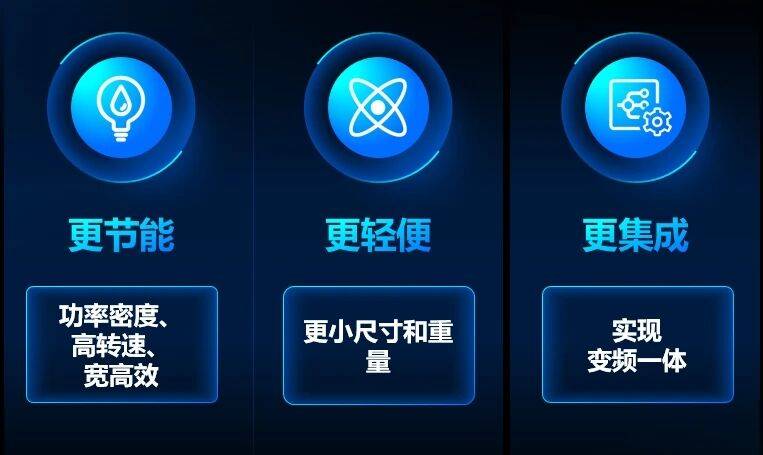
据统计,电机系统占全球电力消耗的45%以上,提升电机效率对实现低碳转型至关重要,永磁技术正在成为工业节能的关键突破口。利欧凭借对产业趋势的 敏锐洞察,以"全产业链技术攻坚"为战略,联合浙江大学、浙江理工大学等高校及科研机构,在永磁材料、仿真设计、智能控制等领域展开系统性攻坚,通 过对高磁能积钕铁硼永磁体的应用,磁场优化仿真、多物理场振动噪音耦合仿真等优化设计以及智能功率调节系统的整合,利欧成功将永磁电机的综合节电 率提升至40%,走在了行业技术升级的前沿。 PM5永磁同步电机作为利欧最新推出的永磁智能产品代表,其搭配IE5永磁同步电机,控制器与电机完美匹配,具有泵用特有的软件控制功能以及实时监 测、智能控制、优化效率、节能降本、方便维修等特点,使产品效率大幅提升,能更好的服务于用户,目前已应用于多款利欧高效节能泵中,为用户带来更 智慧、更经济的用泵体验。 2026-01-12 16:21:50 作者:狼叫兽 在全球产业向绿色低碳转型的浪潮中,永磁技术凭借高效率、低能耗、长寿命等核心优势,正推动传统电机加速向永磁电机转型。作为中国泵业领军企业, 利欧早在2018年便锚定永磁赛道,率先展开技术研发与产业化布局,并 ...

当绿色产能已经就绪,如何让消费者为“未来”买单?
Sou Hu Cai Jing· 2026-01-12 04:33
Group 1 - The core viewpoint emphasizes the need for a coordinated approach between production reforms and consumer cultivation in China's green transition, encouraging consumers to pay for green products [2][8] - The Chinese government has issued a notification outlining 20 specific measures to promote green consumption across various sectors, indicating a shift towards a balanced development of production and consumption [2][8] - China, as a major industrial and renewable energy player, must leverage its dual identity as a supplier and consumer to transform its green industry advantages into systemic competitive advantages [2][8] Group 2 - The global path to green transition involves a comprehensive systemic change that includes economic structure, industrial systems, market mechanisms, and social values, rather than relying solely on technological innovation [3][4] - Developed countries are generally in a dual-track phase of "policy support + market promotion," while some developing countries are still in the early stages of "policy establishment + market cultivation" [4][5] - Initial investments in renewable energy and industrial manufacturing are crucial for building green production capacity, which is necessary for subsequent consumer-side initiatives [4][5] Group 3 - As green production capacity expands, challenges arise if policies continue to focus primarily on the production side without addressing consumer-side policies, leading to diminishing marginal returns on policy support [6][12] - The lack of consumer demand activation can hinder the realization of environmental value from green products, affecting companies' motivation for continuous innovation [7][12] - The transition from a production-dominated approach to a collaborative model involving both production and consumption is essential for achieving high-quality development in green transition [7][12] Group 4 - China's green transition has primarily focused on production breakthroughs, achieving significant advancements in renewable energy capacity and green technology, with key indicators showing substantial growth [8][9] - The successful development of the electric vehicle industry in China illustrates the effective interaction between production and consumption, driven by supportive policies and market mechanisms [9][10] - The next critical step for China is to enhance consumer willingness to choose green products, thereby creating a market system that supports both supply and demand [8][10] Group 5 - The establishment of a green electricity consumption mechanism and the promotion of green power consumption are part of China's strategy to drive demand for renewable energy [10][11] - The integration of renewable energy with various industries and the development of zero-carbon parks are initiatives aimed at fostering a collaborative environment for green transition [11][12] - The structural disconnect in the green production-consumption value chain is a common challenge globally, necessitating a focus on cultivating sustainable consumer demand to create a closed-loop value system [12][13] Group 6 - The transition to a consumer-driven market for green products requires initial policy interventions to lower consumer barriers and build awareness [14][15] - As consumer experiences with green products improve, the focus should shift from direct subsidies to value communication and awareness cultivation [15][16] - Ultimately, achieving a stable market cycle where green production and consumption reinforce each other depends on fostering long-term recognition of green value among consumers [15][16]

“十五五”开好局起好步|锚定新目标 实干担当促发展
Yang Shi Wang· 2026-01-12 03:44
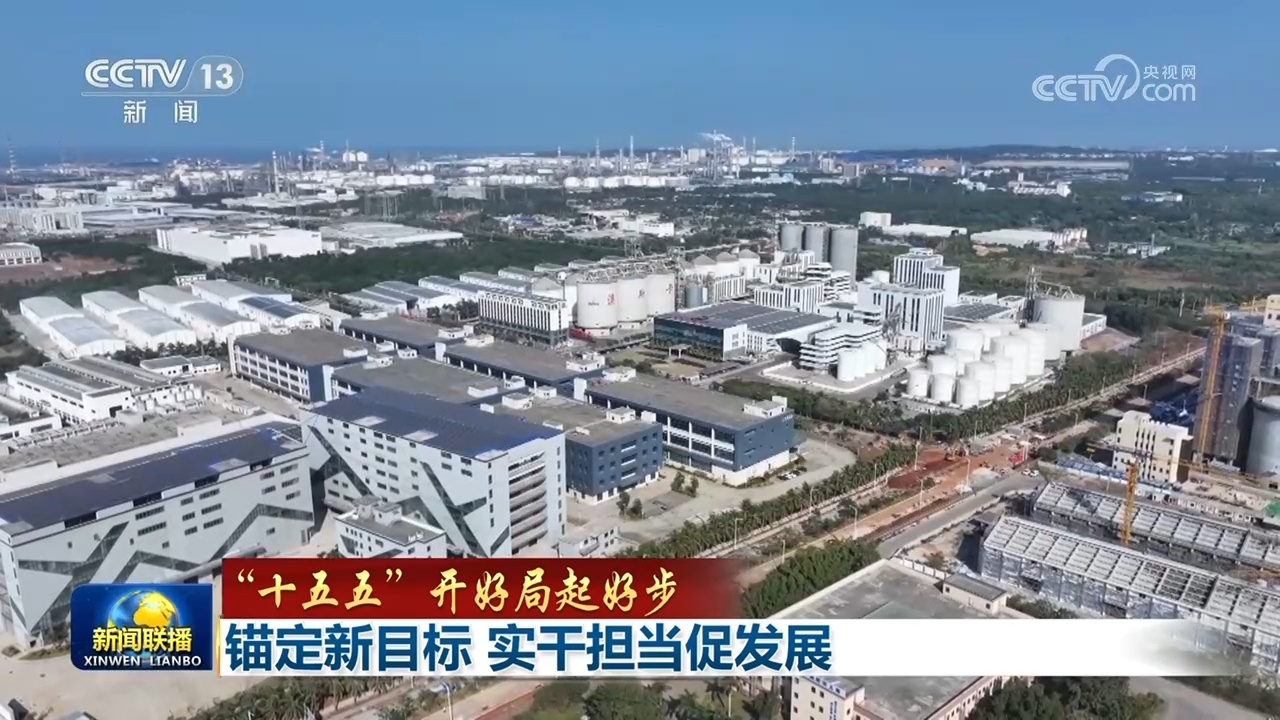
陕西推进科技成果"先投后股""先使用后付费"等20项改革举措,今年计划推动300个科技成果新产品实现商业化量产。 今年山东以更大力度加快绿色低碳转型,全年计划完成核电、风电等项目投资2100亿元左右;培育氢能、绿色燃料等新增长点。 广东重点构建全方位的制造业赋能体系,以人工智能作为核心引擎,打造200家以上智能工厂;针对30到50个重点传统行业实施"链式改造",推动传统 产业焕新升级。 加速科技成果转化。新年伊始,湖北围绕人形机器人、量子科技等重点领域,滚动实施36项科技创新全链条攻关成果"培育""遴选""应用"三大行动,力 争形成一批"首款、首次、首创"重大科技成果。 0:00 / 3:15 央视网消息(新闻联播):新年开新局,各地因地制宜促发展,出台务实有效措施,为全年经济高质量发展筑牢坚实基础。 今年是海南自贸港封关运作后的第一年,面对高涨的投资热情,海南提出加强项目储备,做优存量企业,优化企业全生命周期服务。新年第一周,海南 挑选出包括低空经济、城市更新等近百个优质项目,集中向社会资本推介,并组织相关人员现场调研。 加快构建现代化产业体系。河北开年推动深入实施"人工智能+"行动计划。未来,全省智能算力 ...
湖南召开2026年能源和运行工作会议
Zhong Guo Fa Zhan Wang· 2026-01-12 02:46
Core Viewpoint - The Hunan 2026 Energy and Operation Work Conference emphasized the importance of high-quality energy development and outlined key tasks for the upcoming year, aiming to align with national energy strategies and ensure sustainable growth in the energy sector [1][4]. Summary by Sections Achievements in 2025 - The energy system in Hunan has made significant progress in 2025, completing all 18 target tasks set in the 14th Five-Year Plan, including the successful operation of major projects like ultra-high voltage and coal power plants [3]. - Energy supply capabilities have been notably enhanced, achieving zero power outages and ensuring stable supply of coal, oil, and gas for three consecutive years [3]. - The province has made strides in green and low-carbon transitions, with an expanding scale of renewable energy installations and improved energy storage facilities [3]. Key Focus Areas for 2026 - The conference outlined seven key areas of focus for 2026, including the high-quality implementation of the 15th Five-Year Energy Plan, which aims to establish a comprehensive provincial energy planning system [5]. - A total of 24 major energy projects are set to be advanced, with an annual investment target of 45.2 billion yuan, including significant expansions in power generation capacity [6]. Energy Infrastructure and Green Transition - The plan includes upgrading energy infrastructure, with expectations to add 2.32 million kilowatts of thermal power capacity and enhance energy networks [6]. - The promotion of renewable energy and clean coal utilization is prioritized, with initiatives to develop a reserve of new energy projects and expand public charging infrastructure [6][7]. Reform and Innovation - The conference stressed the need for deepening energy system reforms, including the introduction of quality low-cost energy resources and the establishment of a robust electricity market [7]. - There is a focus on cultivating energy industry clusters, particularly in electric equipment and renewable energy sectors, to enhance local manufacturing capabilities [7]. Energy Supply and Safety Measures - Ensuring energy supply during peak winter demand is critical, with measures to enhance safety protocols and emergency preparedness [8]. - The energy system is tasked with maintaining a reliable supply chain for electricity, coal, and natural gas, especially during extreme weather conditions [8]. Workforce Development - Strengthening the capabilities of the energy workforce is essential, with an emphasis on enhancing professional skills and fostering a culture of integrity and accountability [8].

我省两项目入选
Xin Lang Cai Jing· 2026-01-11 23:24
本报讯 (记者 陈旻) 记者从省财政厅获悉,近日财政部会同自然资源部、生态环境部公布全国山水林 田湖草沙一体化保护和修复工程第三批典型案例,我省2个项目入选,相关经验做法被全国推广。至 此,我省共有5个项目入选全国典型案例,入选数量居全国前列。 据了解,近年来,我省深入践行"山水林田湖草是生命共同体"理念,充分发挥积极财政政策作用,牵头 实施闽江和九龙江流域两个山水工程项目,推动重点流域生态保护修复工程实施,两个项目累计获得中 央财政奖补资金40亿元,项目总投资近200亿元,涉及全省41个县(市、区),对推动构建从山顶到海 洋的保护治理大格局,提升流域生态功能多样性、稳定性、持续性起到重要支撑和保障作用。 此次入选的2个项目分别是闽江山水工程子项目——顺昌县富金湖创新示范片项目、九龙江山水工程子 项目——永春县天湖山煤矿区生态修复项目。顺昌县富金湖创新示范片项目总投资0.63亿元,聚焦富屯 溪与金溪交汇区生态功能退化问题,通过实施柔性湿地护岸建设、林分结构优化、废弃矿山治理等工 程,创新"森林生态银行""生态管护机制"等模式,实现森林增绿、林农增收、集体增财的多方共赢。永 春县天湖山煤矿区生态修复项目总投资1 ...
AI驱动钢铁业范式变革 标准化建设成转型关键
Xin Lang Cai Jing· 2026-01-11 21:22
Core Insights - Artificial intelligence is driving a paradigm shift in the steel industry, transitioning from traditional "experience-driven" methods to "data and model-driven" approaches, aligning with national strategic directives for high-end, intelligent, and green development [1][6] Group 1: Industry Transformation - The steel industry has a solid foundation for intelligent upgrades, having accumulated vast amounts of production, quality, and equipment data, which can meet the training needs of specialized AI models [2] - The application of AI is evolving from isolated attempts to a systematic and integrated approach, although the industry still faces structural challenges such as fragmented application scenarios and insufficient integration of AI models with metallurgical processes [3][4] Group 2: Standardization and Methodology - Conducting intelligent grading and standardization of typical scenarios is crucial for providing clear transformation pathways and assessment benchmarks for enterprises, addressing the issue of fragmented scenarios [4] - A systematic evaluation framework is necessary to guide enterprises in identifying gaps and improvement directions in key areas such as research and design, process control, and operational management [5] Group 3: Green and Efficient Production - AI technologies can facilitate energy and carbon emission management through integrated monitoring platforms, optimizing processes to promote energy conservation and emission reduction [5] - The shift towards efficiency and innovation-driven development is expected to enhance overall operational efficiency, product quality, and core competitiveness in the steel industry [6][7]
【“十五五”开好局起好步】锚定新目标 实干担当促发展
Yang Shi Wang· 2026-01-11 11:57
Group 1 - Hainan is focusing on project reserves and optimizing enterprise lifecycle services, promoting nearly 100 quality projects in areas like low-altitude economy and urban renewal [1] - Hebei is implementing the "Artificial Intelligence +" action plan, aiming for over 50% of intelligent computing power and more than 150,000 cloud enterprises [1] - Sichuan is advancing digital technology transformation across six major industries, including electronic information and advanced materials [1] - Shandong plans to invest approximately 210 billion yuan in nuclear and wind power projects, while fostering new growth points in hydrogen energy and green fuels [1] - Guangdong is building a comprehensive manufacturing empowerment system centered on artificial intelligence, targeting over 200 smart factories and upgrading traditional industries [1] Group 2 - Hubei is implementing 36 actions to accelerate the commercialization of technology innovations in key areas like humanoid robots and quantum technology [2] - Shaanxi is promoting 20 reform measures for technology commercialization, aiming for 300 new products to achieve mass production this year [2] - Heilongjiang has designated this year as the "Year of Breakthrough in Industrialization of Scientific Achievements," focusing on AI and advanced manufacturing [2] - Tianjin is deepening collaborative development in the Beijing-Tianjin-Hebei region through ten high-quality development actions [2] - Zhejiang is leveraging the "Ten Million Project" to promote urban-rural integration and reduce disparities in regions and income [2]