
IP运营

Search documents
灵魂拷问!真假IP运营?52TOYS的AB面
Zhong Guo Ji Jin Bao· 2025-06-17 15:27
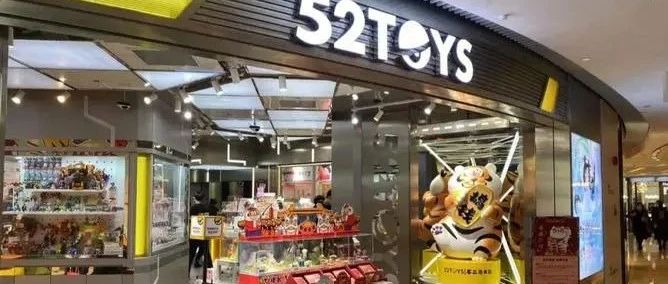
Core Viewpoint - 52TOYS is attempting to capitalize on the growing trend of collectible toys but faces significant challenges due to its reliance on non-exclusive licensed IPs and a weak direct sales channel compared to competitors like Pop Mart and Blokus [2][8]. Group 1: Company Positioning and Market Comparison - 52TOYS has submitted its IPO application to the Hong Kong Stock Exchange, aiming to leverage the current popularity of collectible toys [2]. - The company claims to be the "third largest IP toy company" by GMV, but its market share is only 1.2%, significantly lower than Pop Mart's 11.5% and Blokus's 7.5% [7][10]. - Despite its positioning as an IP operator, 52TOYS lacks a strong portfolio of proprietary IPs, relying heavily on licensed IPs, which are mostly non-exclusive [4][6]. Group 2: Financial Performance - 52TOYS's revenue from licensed IPs is projected to grow from 233 million RMB in 2022 to 406 million RMB in 2024, increasing its share of total revenue from 50.2% to 64.5% [4][5]. - The company's total revenue is expected to rise from 463 million RMB in 2022 to 630 million RMB in 2024, yet it has been operating at a loss, with losses increasing from 1.71 million RMB to 12.2 million RMB over the same period [8][9]. - The company has spent over 100 million RMB on IP licensing fees in the past three years, which has negatively impacted its gross margin [6]. Group 3: Sales and Distribution Channels - 52TOYS has reduced its number of direct retail stores from 19 in 2022 to only 5 currently, relying more on distributors for sales [10]. - Approximately 66.8% of the company's revenue comes from sales through distributors, while direct sales account for only 30.9% [10]. - The company's strategy of reducing direct retail presence indicates a weaker brand influence in the market [10].


灵魂拷问!真假IP运营?52TOYS的AB面
中国基金报· 2025-06-17 15:12
Core Viewpoint - 52TOYS aims to capitalize on the growing trend of collectible toys but faces significant challenges due to its reliance on non-exclusive licensed IPs and a weak distribution channel, which may hinder its profitability even if it successfully goes public [1][4][14]. Group 1: Company Positioning and Market Comparison - 52TOYS is positioning itself as a third-largest IP toy company by GMV, but its market share is only 1.2%, compared to 11.5% for Pop Mart and 7.5% for Blok [13]. - The company reported revenue growth from 463 million RMB in 2022 to 630 million RMB in 2024, yet it has been operating at a loss, with losses increasing from 1.71 million RMB to 12.2 million RMB over the same period [13]. - Despite its claims of being an IP operator, 52TOYS has few proprietary IPs and relies heavily on licensed IPs, which are mostly non-exclusive, including well-known brands like Crayon Shin-chan and Disney [5][10]. Group 2: Revenue and Cost Structure - Revenue from licensed IPs is projected to grow from 233 million RMB in 2022 to 406 million RMB in 2024, constituting 50.2%, 59.3%, and 64.5% of total revenue respectively [5][6]. - The company has spent over 100 million RMB on IP licensing fees in the past three years, with costs rising significantly, which has negatively impacted its gross margin [10]. - The reliance on distributors for 66.8% of revenue indicates a weak brand presence, as direct sales only account for 30.9% [14]. Group 3: Strategic Challenges - 52TOYS is reducing its direct retail presence, with only 5 stores remaining from 19 at the end of 2022, which limits its market reach [13]. - The company’s strategy of allocating 70% of resources to market-driven products, 20% to forward-looking designs, and 10% to creative designs raises concerns about its ability to innovate and develop proprietary IPs [10]. - Upcoming expirations of key IP contracts in the next two to three years pose a risk to sustaining revenue, as the current proprietary IPs are not yet profitable enough to support the business [10].
Labubu爆红背后,一场精心策划的财富游戏
3 6 Ke· 2025-06-17 12:05
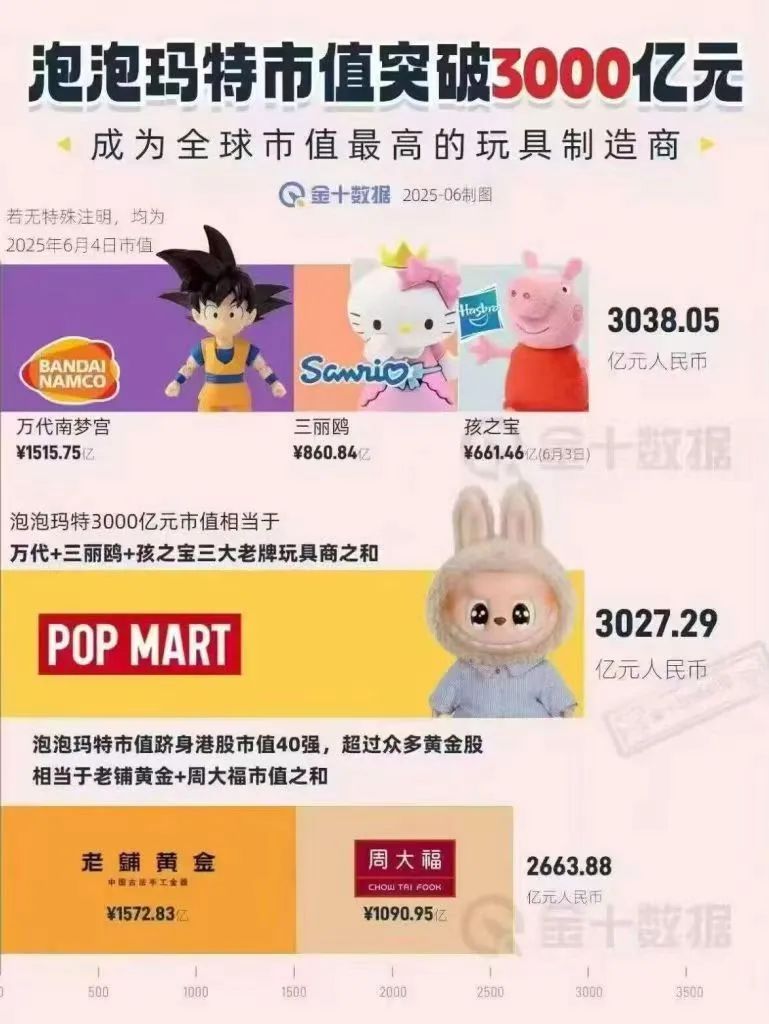
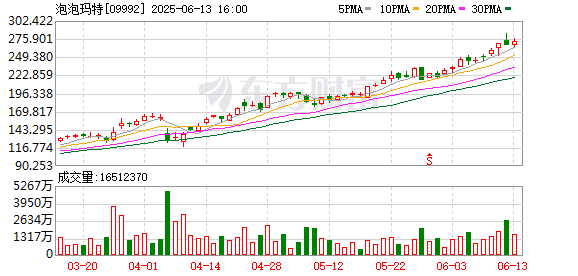
Core Insights - Labubu has become a significant phenomenon in the market, leading to a surge in the stock price of Pop Mart, which reached 246 HKD, resulting in a market capitalization exceeding 330 billion HKD [1][3] - The popularity of Labubu has also contributed to the rise of Pop Mart's founder, Wang Ning, who has become the new richest person in Henan [3] - Despite previous downturns, Pop Mart has successfully revitalized its brand through Labubu, which has become a new wealth narrative in the collectibles market [5][7] Sales and Market Performance - Pop Mart announced the suspension of Labubu's offline sales in South Korea due to safety concerns, reflecting challenges in overseas markets [1] - The sales of Labubu plush toys and keychains have been exceptionally high, with a notable auction sale of a rare Labubu reaching 1.08 million RMB [1] - In 2023, Pop Mart's revenue from its SKULLPANDA and MOLLY brands exceeded 1 billion RMB each, indicating strong sales performance despite market fluctuations [5] Brand and Product Development - Labubu, created by artist Kasing Lung in 2015, has undergone a successful rebranding, becoming a key product line for Pop Mart [9] - The revenue from Pop Mart's plush products grew by 1289% to 2.83 billion RMB, making it the fastest-growing category [11] - The Labubu brand has been strategically marketed through collaborations with well-known brands and limited editions tailored to local markets [14] Social Media and Cultural Impact - Labubu has gained immense popularity on social media platforms, with over 36 billion views on Douyin and nearly 60 billion on TikTok, indicating a strong cultural resonance [12] - The association of Labubu with celebrities, such as BLACKPINK's Lisa, has significantly boosted its visibility and desirability [12][18] - The phenomenon of Labubu reflects a broader trend among Gen Z consumers, who are actively engaged in the collectibles market, often driven by social media trends [21][22] Market Dynamics and Consumer Behavior - The secondary market for Labubu collectibles has seen significant price inflation, with some items selling for 20-30 times their original price [20] - The rise in Labubu's popularity has led to a surge in speculative buying, with consumers often facing high premiums due to market demand [21] - The current trend indicates that while some consumers may benefit from early purchases, many are caught in a cycle of inflated prices driven by resellers [22]

《哪吒2》衍生品销售数百亿元!光线传媒再度涨停,摆脱票房依赖转型“IP工厂”
Hua Xia Shi Bao· 2025-06-16 15:02
Core Viewpoint - The strong sales performance of "Nezha: The Devil's Child" merchandise has significantly boosted the stock price of Light Chaser Animation, with expectations for future revenue growth from this IP reaching over 100 billion yuan [1][4]. Group 1: Financial Performance - As of June 16, "Nezha 2" has achieved a cumulative box office of 15.439 billion yuan, contributing to a substantial revenue increase for Light Chaser Animation in Q1 2025, with revenue of 2.975 billion yuan, a year-on-year increase of 177.87%, and a net profit of 2.016 billion yuan, up 374.79% [2][4]. - The company anticipates that the economic increment from "Nezha 2" will exceed 200 billion yuan, with merchandise sales potentially reaching hundreds of billions [2][4]. Group 2: Strategic Shift - Light Chaser Animation is transitioning from being a "high-end content provider" to an "IP creator and operator," aiming to reduce reliance on box office revenue and enhance the sustainability of its business model [5][6]. - The company plans to focus more on animated films, while still producing live-action films, emphasizing large-scale, genre-specific, and innovative projects [6][7]. Group 3: IP Development and Market Position - The company has identified key areas for IP operation, including games, cards, brand stores, and theme parks, with a focus on creating emotional value through merchandise [6][8]. - Light Chaser Animation is exploring the development of a 3A game, leveraging its animation resources, and is also in discussions for potential theme park collaborations [7][8]. Group 4: Market Challenges - The competition in the collectible toy market is intense, and maintaining the popularity of the "Nezha" IP will require continuous innovation and engagement with consumers [5][6]. - Previous attempts by other companies to enter the theme park sector have faced challenges, indicating that Light Chaser Animation's strategy may encounter significant hurdles [8].


聊聊Labubu及其他
Hu Xiu· 2025-06-16 10:11
Core Viewpoint - Labubu, a character created by Hong Kong designer Long Jiasheng for Pop Mart, has gained immense popularity recently, driven by celebrity endorsements and effective marketing strategies, although its initial launch did not achieve immediate success [2][6][8]. Group 1: Popularity and Market Dynamics - Labubu's rise to fame was significantly influenced by BLACKPINK member Lisa, who acted as a key figure in igniting global interest [6]. - The phenomenon of trends is often led by a small elite, which can create a ripple effect, leading to widespread popularity [3][4]. - Pop Mart's strategic operations, including themed series, celebrity collaborations, and auction events, have contributed to Labubu's sustained popularity [8]. Group 2: Investment Insights - Pop Mart's stock has shown remarkable growth, with early investors potentially seeing returns exceeding 10 times their initial investment [15][16]. - Despite the company's strong performance, there are concerns regarding its high valuation, indicating that a good company does not always equate to a good stock investment [17]. - The cyclical nature of trends suggests that while Labubu is currently popular, its long-term sustainability remains uncertain, similar to past trends that have quickly faded [9][10][12].
LABUBU爆火的三个底层逻辑
Zheng Quan Ri Bao· 2025-06-15 16:14
Core Viewpoint - The LABUBU brand, a top-tier IP in the trendy toy industry, has recently gained significant popularity, raising questions about the sustainability of this trend and the reasons behind its sudden success [2][4]. Group 1: LABUBU's Success Factors - LABUBU's success is attributed to the emotional value consumption model, which combines emotional value, ecological closure, and industrial synergy to create a long-term lifecycle for the IP [2]. - The brand leverages community co-creation to enhance IP value, transforming consumers into IP dissemination nodes through various social activities, such as customizing toys and creating unboxing videos [2]. - A brand stratification strategy, along with global and local market adaptations, has laid a solid foundation for LABUBU's popularity, with product prices ranging from tens to thousands of yuan, catering to a broad consumer base [3]. Group 2: Market Expansion and Performance - In the past two years, LABUBU has adopted a localized "going global" strategy, launching region-specific limited editions that have garnered international attention, resulting in a 475% to 480% year-on-year increase in overseas business revenue in Q1 2025 [3]. - As of the end of 2024, the company has opened over 500 stores in more than 30 countries and regions, reaching over 90 countries through various cross-border e-commerce platforms [3]. Group 3: Supply Chain and Production Capacity - The Guangdong-Hong Kong-Macao Greater Bay Area provides a robust industrial chain support for LABUBU, with a complete toy supply chain in Dongguan ensuring stable production capacity, which has reached 10 million units per month by 2024 [3]. - The collaboration with artist Long Jia-sheng from Hong Kong infuses cultural elements into the IP, enhancing its appeal and marketability [3]. Group 4: Longevity and Cultural Transformation - Despite concerns about the lifecycle of trendy toy IPs, LABUBU's potential for longevity is linked to its narrative depth and the creation of a comprehensive universe that includes other characters, thereby extending user engagement [4]. - The success of LABUBU reflects a broader trend of Chinese manufacturing transitioning towards cultural creation, integrating design, manufacturing, and global operations to transform niche art into mainstream emotional symbols [4].
河南“85后”步步为营,财富超过美团王兴
凤凰网财经· 2025-06-15 11:46
Core Viewpoint - The article highlights the remarkable journey of Pop Mart and its founder Wang Ning, emphasizing the importance of patience, adaptability, and a keen business sense in achieving success in the toy industry [1][2][3]. Group 1: Company Growth and Achievements - As of June 12, 2023, Wang Ning's family wealth reached $22.4 billion (approximately 160 billion RMB), making them the richest family in Henan province and one of the top wealth gainers globally [1]. - In 2024, Pop Mart's revenue surpassed 10 billion RMB, with a year-on-year growth rate exceeding 100%, and the total number of stores exceeded 500, including over 100 international locations [2][3]. - Pop Mart has successfully developed four major IPs—MOLLY, SKULLPANDA, CRYBABY, and LABUBU—creating a global trend in collectible toys and expanding into various entertainment sectors [2][3][14]. Group 2: Entrepreneurial Journey of Wang Ning - Wang Ning's entrepreneurial journey began in 2010 with a small retail store, which evolved into a significant player in the toy industry through a series of strategic decisions and adaptations to market demands [6][8][10]. - His background in small family businesses and early entrepreneurial experiences shaped his business intuition and approach to risk management [7][8]. - Wang Ning emphasizes the importance of learning from failures and adapting quickly to market feedback, which has been a cornerstone of Pop Mart's strategy [8][10][12]. Group 3: Business Philosophy and Strategy - The company operates on the principle of "doing decisions quickly, but doing things slowly," allowing for thorough execution and long-term planning [22]. - Wang Ning believes that the essence of entrepreneurship lies in managing details and optimizing operations, which he refers to as "the invisible fighting power" of the company [16][18][19]. - Pop Mart's approach to IP development is likened to nurturing artists, requiring time and patience to cultivate successful brands, rather than rushing to market [20][21]. Group 4: Future Outlook - By 2025, Pop Mart aims to solidify its position as a leading global cultural entertainment company, with plans to expand into theme parks, games, and films [14][22]. - The company is focused on building a sustainable business model that respects time and operational integrity, which Wang Ning believes is crucial for long-term success [23][24].
泡泡玛特王宁:快乐会是一个更大的市场,「无用」的东西才是永恒的
Founder Park· 2025-06-15 07:11
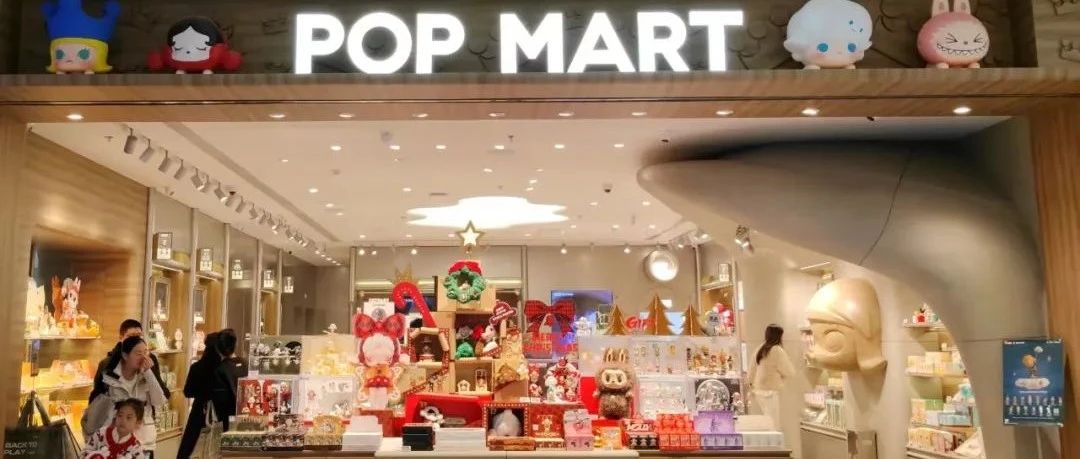
Core Viewpoint - The article discusses the success of Pop Mart and its founder Wang Ning, highlighting the company's evolution from a niche toy brand to a leading player in the consumer market, driven by innovative IP development and a unique business model [3][4][5]. Group 1: Company Evolution - Pop Mart has transformed from a retail store selling various products to a company focused on collectible toys, particularly through its original IPs like MOLLY [5][50]. - The company has successfully created a market for adult collectibles, demonstrating that toys can appeal to a broader audience beyond children [4][8]. - Wang Ning emphasizes the importance of understanding market dynamics and consumer behavior, which has allowed Pop Mart to maintain a competitive edge over the years [4][23]. Group 2: Market Insights - The article explores the concept of "useless" products, suggesting that items without practical functions can hold significant value and appeal to consumers' emotional needs [5][22][23]. - It discusses the dual aspects of consumer behavior: satisfaction and existence, indicating that purchases often fulfill deeper psychological needs rather than just material ones [9][10][11]. - Wang Ning argues that the success of Pop Mart is rooted in its ability to redefine the toy industry and create a cultural phenomenon around collectible toys [4][53]. Group 3: Business Strategy - Pop Mart's business model is compared to that of a record label, focusing on discovering and commercializing talented artists to create unique IPs [25][32]. - The company has established both soft and hard barriers to entry, with soft barriers being the scarcity of artistic talent and hard barriers being the operational complexities of retail management [25][37]. - Wang Ning stresses the importance of respecting time and operational details in business, which are crucial for long-term success [38][41]. Group 4: Future Outlook - The company aims for global expansion, with a focus on increasing its overseas revenue, which has been growing at over 100% annually [72][75]. - Pop Mart is positioning itself to become a major player in the international market, with plans to enhance its presence in the U.S. and other regions [76][78]. - The future strategy includes diversifying its offerings around its IPs, potentially expanding into areas like theme parks and gaming [54][56].
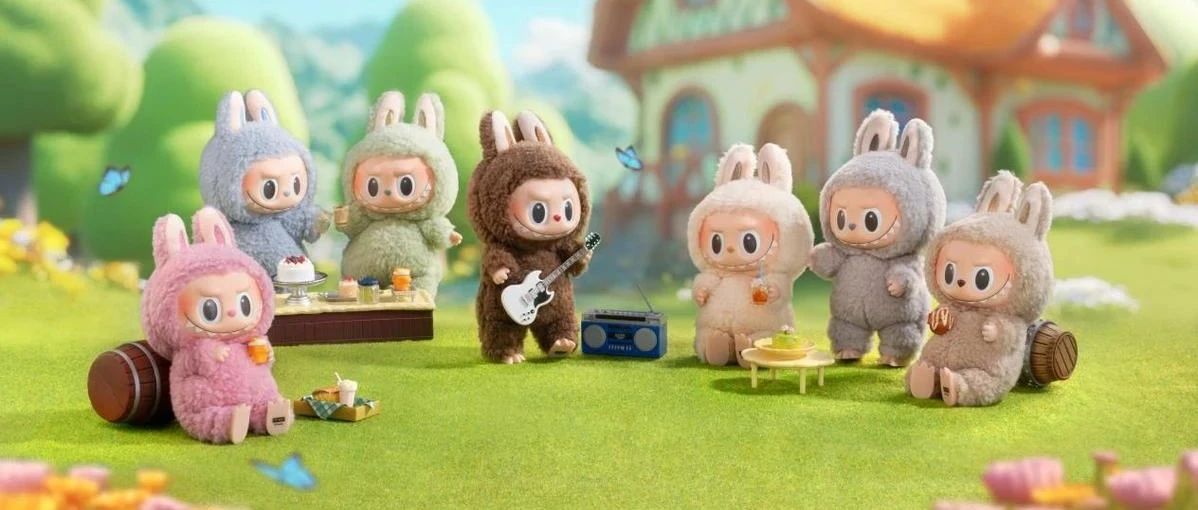
「e公司观察」泡泡玛特没有饥饿营销
Zheng Quan Shi Bao Wang· 2025-06-13 13:57
Core Viewpoint - The scarcity of the Labubu product line from Pop Mart is a strategic advantage, enhancing its market appeal and profitability, rather than a result of artificial scarcity or "hunger marketing" [1][2][3] Group 1: Product Scarcity and Market Dynamics - The recent consumer frenzy for Labubu products has led to conflicts, indicating high demand and potential for increased sales if production is ramped up [1] - Maintaining a level of scarcity is a common practice in the industry, as it drives consumer desire and enhances the perceived value of products [2] - The success of Labubu is attributed to Pop Mart's strong operational capabilities in product design and sales, rather than merely increasing production [1][3] Group 2: Industry Practices and Consumer Behavior - The concept of scarcity is integral to the collectible toy industry, similar to how certain trading cards are designed to be hard to collect, thus stimulating consumer interest [2] - High prices and limited availability can create a buzz around products, making them more desirable, as seen in luxury goods and collectible markets [3] - The presence of counterfeit products, such as Lafufu, highlights the importance of maintaining brand integrity and the risks associated with increasing production [3] Group 3: Financial Performance and Strategic Outlook - Pop Mart is currently experiencing significant profitability, driven by the success of Labubu, but must continue to innovate and manage other IPs to sustain growth [4] - The company faces challenges in maintaining the momentum of its successful IPs, as the collectible toy market is competitive and requires ongoing consumer engagement [4]
市场寒冬下的上海电影:支柱放映业务屡陷亏损,“第二曲线”同比大增难挽业绩颓势
Zheng Quan Zhi Xing· 2025-06-13 09:40
Core Viewpoint - Shanghai Film (601595.SH) is focusing on IP development and operation to enhance profitability, despite facing significant challenges in its core film exhibition and distribution businesses due to a sluggish market [1][8]. Financial Performance - In 2024, Shanghai Film's revenue was 6.904 billion yuan, a decrease of 13.19% year-on-year, and only 62% of its 2019 revenue [3][4]. - The company's net profit attributable to shareholders was 900.5 million yuan, down 29.08% year-on-year, with a significant drop in net profit after deducting non-recurring items to 17.36 million yuan, a 72.32% decline [3][4]. - Non-recurring income became a crucial support for the company's performance, contributing 72.9% of total profit, with 50.97 million yuan from non-current asset disposals [3]. Market Conditions - The domestic film market in 2024 saw a total box office of 42.502 billion yuan, a decline of 22.63% year-on-year, with attendance dropping by 22.27% to 1.009 billion viewers [2]. - The average ticket price decreased by 0.47% to 42.1 yuan, and cinema occupancy rates fell to 5.8%, down 2.13% year-on-year [2]. Business Segments - The film exhibition business, which accounts for over 60% of total revenue, reported a revenue of 4.545 billion yuan in 2024, a decrease of 17.33% year-on-year, and a significant drop in profitability with a gross margin of -2.66% [5][6]. - The film distribution business generated 20.4 million yuan in revenue, down 38.04% year-on-year, with its revenue share in total revenue declining to 2.96% [7]. IP Operations - The IP operation business emerged as a highlight in 2024, achieving a revenue of 66.18 million yuan, a year-on-year increase of 62.74%, and a gross margin of 90.87% [9][10]. - Shanghai Film has made strategic acquisitions to enhance its IP portfolio, including classic animation and film rights, and has engaged in various commercial collaborations to boost market exposure [8][9].
