即时零售

Search documents
华创证券:首次覆盖顺丰同城(09699)给予“推荐”评级 目标价18.1港元
智通财经网· 2025-12-31 09:33
Core Viewpoint - The instant delivery industry is in a high growth phase, with SF Express (09699) strengthening its competitive edge as an independent third-party delivery leader, expected to show higher growth potential in the new journey of instant retail [1] Group 1: Instant Retail Market Potential - Instant retail has immense development potential, emerging as a new battleground for major players [2] - The market for narrow instant retail (excluding food delivery) in China is projected to reach 781 billion yuan in 2024, growing by 20.15% year-on-year, with a CAGR of 50% from 2018 to 2024 [2] - The online food delivery market in China is expected to grow at a CAGR of 24% from 2018 to 2024 [2] - E-commerce giants are competing around the "30-minute living circle," aiming to activate traffic through both near-field and far-field synergies [2] Group 2: Growth in Instant Delivery Demand - The order volume in China's instant delivery sector is expected to reach approximately 48.28 billion orders in 2024, a year-on-year increase of 17.6%, with a CAGR of 20.3% from 2019 to 2024 [3] - By 2030, the nationwide instant delivery order volume is projected to reach 100.84 billion orders, maintaining an annual growth rate of 13.1% from 2024 to 2030 [3] - Instant delivery platforms primarily utilize a "three-track parallel" model for capacity organization: crowdsourcing, self-operated, and labor dispatch, with crowdsourcing becoming the mainstream choice due to its lightweight asset structure [3] Group 3: SF Express's Profitability Improvement - SF Express is the largest third-party instant delivery service platform in China, aiming to become the "first brand in new consumption delivery" by covering four major scenarios: food delivery, local retail, near-field e-commerce, and near-field services [4] - The company benefits from its independent status, allowing it to match new demand effectively [4] - Profit forecasts for SF Express indicate a projected net profit of 230 million, 460 million, and 710 million yuan for 2025-2027, representing year-on-year growth of 73%, 100%, and 55% respectively [5] Group 4: Internal and External Synergies - Internal synergies are driven by the ecosystem of SF Holdings, enhancing internal business growth [5] - External synergies include benefiting from the new journey of instant retail, with revenue from merchants accounting for 73% of local delivery services in 2024, increasing to 77% in the first half of 2025 [5] - The company is investing in autonomous vehicles to reduce costs and enhance asset value [5] Group 5: Valuation and Target Price - The target price for SF Express is set at 18.1 HKD, with a projected market capitalization of 16.6 billion HKD based on a 25x PE ratio for adjusted net profit in 2026 [5] - The current price offers a potential upside of 64% from the target price, with a "recommended" rating for the first coverage [5]
顺丰同城(09699):深度研究报告:解码顺丰系列(21):外卖大战点燃即时零售万物到家新征程:内外双飞轮看顺丰同城
Huachuang Securities· 2025-12-31 08:21
Investment Rating - The report gives a "Buy" rating for the company with a target price of HKD 18.1, representing a potential upside of 64% from the current price of HKD 10.98 [1]. Core Insights - The report emphasizes that the "takeaway war" has ignited a new journey in instant retail, termed "everything to home," highlighting the significant growth potential in the instant retail sector [4][21]. - The company is identified as the largest third-party instant delivery service platform in China, benefiting from the synergy of its independent third-party status and the broader ecosystem of SF Express [8][9]. - Financial performance shows a continuous improvement in profitability, with gross margins increasing from -23.3% in 2018 to 6.8% in 2024, and adjusted net profit margins improving from -36.4% to 0.93% over the same period [8][9]. Summary by Sections Instant Retail Market - Instant retail is characterized by online ordering and offline fulfillment, aiming to meet local immediate demands, with a projected market size of RMB 781 billion in 2024, growing at 20.15% year-on-year [4][38]. - The competition among major players like Meituan, Taobao, and JD has intensified, with significant subsidies driving daily order volumes to record highs [13][14][15]. - The report outlines three main service models in instant retail: front warehouses, comprehensive instant retail platforms, and store-warehouse integrated self-operated models [23][26][30]. Company Overview - The company is positioned as the leading third-party instant delivery service provider, leveraging the SF Express brand reputation and service capabilities to create a synergistic effect [8][9]. - The internal and external growth mechanisms, termed "dual flywheel," are driving significant revenue growth, with a forecasted increase in net profit from RMB 132 million in 2024 to RMB 707 million by 2027 [9][5]. Financial Projections - Revenue is expected to grow from RMB 15.746 billion in 2024 to RMB 32.731 billion by 2027, with a compound annual growth rate (CAGR) of 27.1% [5]. - The adjusted net profit is projected to reach RMB 8.1 billion by 2027, with a corresponding adjusted price-to-earnings (PE) ratio decreasing from 25 in 2025 to 11 in 2027 [9][5].
西南酒价年度图谱:价格失守、库存高企,白酒明年靠啥翻盘?
Nan Fang Du Shi Bao· 2025-12-31 07:34
Core Viewpoint - The Chinese liquor market in 2025 is facing dual pressures of "price stability" and "inventory reduction," leading to a challenging environment for the industry. The market is experiencing a shift from "volume and price increase" to "price stability for survival" as major brands see a decline in prices and face high inventory levels [1][2]. Group 1: Market Trends - The key terms for 2025 are "price stability" and "inventory reduction," with companies focusing on maintaining a stable pricing system to boost market confidence and product value [2]. - Major liquor brands like Moutai and Wuliangye have seen significant price drops, with Moutai falling from over 2500 yuan to below 2000 yuan per bottle, and Wuliangye dropping from nearly 1000 yuan to below 900 yuan [2]. - Inventory levels among 20 A-share listed liquor companies reached 168.39 billion yuan, an increase of 19.29 billion yuan year-on-year, indicating a continuing upward trend in inventory [2]. Group 2: Inventory Challenges - The meaning of inventory has shifted for liquor distributors from being a source of profit to a burden, as high inventory levels lead to increased storage and management costs [3]. - Companies are moving away from traditional inventory pressure tactics and are actively assisting distributors in reducing inventory, but this poses a balancing act as aggressive inventory reduction can depress market prices [3]. Group 3: Price Control Strategies - The "control quantity and protect price" strategy has become crucial, with companies like Wuliangye reducing contract volumes by 0% to 50% for certain channels to maintain price stability [4]. - Various companies have implemented strict measures against price chaos and counterfeit products, including fines and termination of partnerships with non-compliant distributors [5][6]. Group 4: Future Outlook for 2026 - In December 2025, major liquor companies held meetings to outline strategies for 2026, emphasizing the importance of channel profits and a shift towards a sustainable profit model rather than short-term gains [7][8]. - Companies are focusing on consumer-centric strategies, with an emphasis on young consumers and innovative marketing approaches to adapt to changing consumption patterns [9][10]. - The industry is expected to see improvements in supply and demand dynamics in 2026, with analysts suggesting a gradual recovery in sales and pricing [10][11].
即时零售流量盛宴,酒业集体“上桌”
Sou Hu Cai Jing· 2025-12-31 07:04
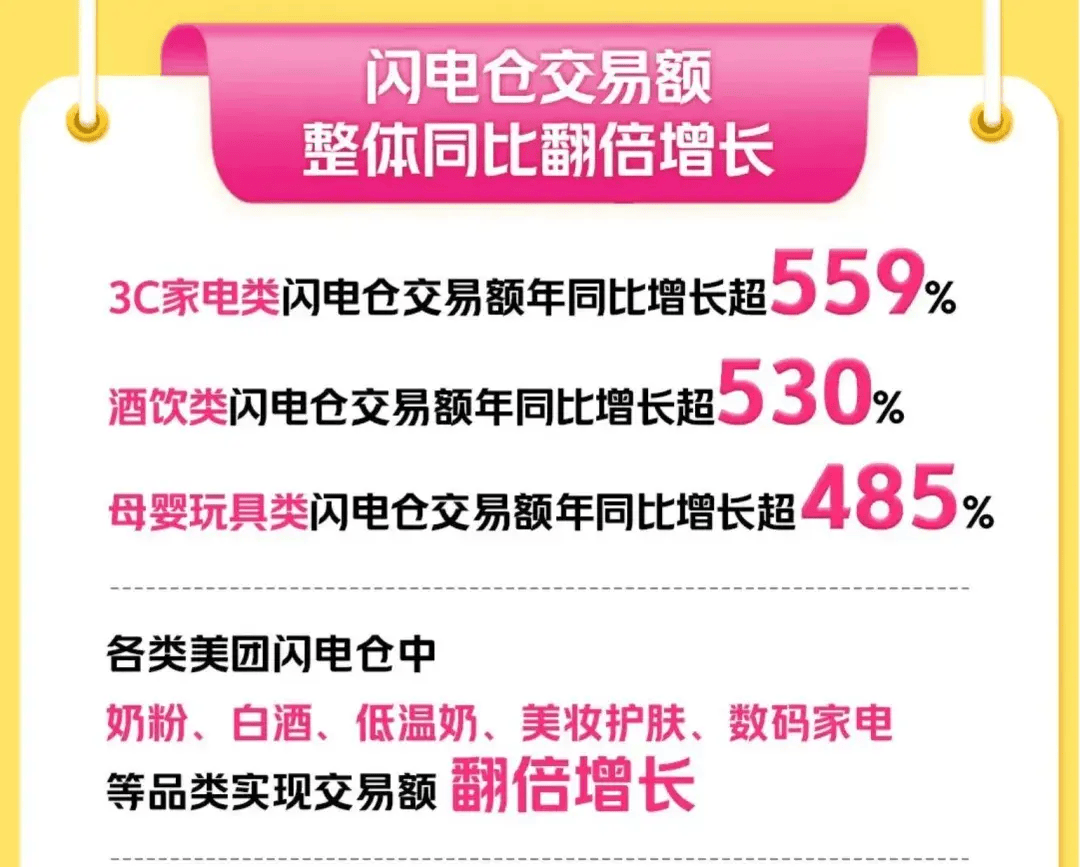
Core Insights - The core theme of the article is the transformative adjustments in the liquor industry by 2025, characterized by a shift towards "instant retail" and a significant evolution in consumer behavior and market dynamics [1] Group 1: Market Trends - The liquor industry's instant retail market is projected to explode in 2025, with an expected market size of 720 billion yuan, up from 360 billion yuan in 2024, indicating a substantial growth trajectory [2] - Major promotional events like 618 and Double 11 have shown remarkable sales growth, with Meituan's flash purchase and Yima's wine delivery achieving over threefold increases in transaction volume [2][4] Group 2: Strategic Shifts - The competition among platforms has intensified, leading to unprecedented strategic focus and resource allocation from both platforms and liquor companies, reshaping consumer habits and the development of instant retail [4][7] - Liquor companies are actively engaging in the instant retail space, with strategies ranging from joining platforms to establishing their own logistics systems, indicating a collective move towards deeper market penetration [7] Group 3: Challenges and Concerns - Despite the growth, the instant retail sector faces challenges such as the imbalance of interests between platforms and merchants, leading to profit erosion for traditional distributors [8][10] - The aggressive discounting strategies employed by platforms during major sales events have disrupted traditional pricing structures, raising concerns about long-term sustainability for smaller retailers [8][10] Group 4: Future Outlook - The liquor industry is expected to transition towards a more rational phase post-2025, focusing on balancing efficiency, quality, and profitability, with trust and authenticity becoming critical for high-end liquor sales [14][16] - Collaborative product creation between platforms and liquor companies is emerging as a new direction, aiming to reduce channel expansion costs while avoiding price wars, thus fostering a win-win scenario [16][17]

护航、酣战、变局、狂飙分别指向哪些大事件?
Sou Hu Cai Jing· 2025-12-31 03:59
Group 1 - The core viewpoint of the article highlights the significant economic events of 2025, including the US-China summit, the release of the 15th Five-Year Plan, and the implementation of the Private Economy Promotion Law, which collectively shape the economic landscape and future expectations for 2026 [1][3][20]. Group 2 - The US-China summit in Busan on October 30, 2025, marked a crucial meeting between the leaders of both nations, aiming to stabilize relations and enhance cooperation in trade and energy, providing a positive signal amid global uncertainties [8][20]. - The 15th Five-Year Plan suggestions were approved during the 20th Central Committee's fourth plenary session, emphasizing the construction of a modern industrial system and solidifying the foundation of the real economy as a strategic priority [9][21]. - The Private Economy Promotion Law, effective from May 20, 2025, is the first foundational law dedicated to the development of the private economy in China, establishing its legal status and promoting sustainable, high-quality growth [10][21]. - The Shanghai Composite Index surpassed the 4000-point mark on October 28, 2025, indicating a significant shift in market confidence and reflecting the effectiveness of policy reforms [11][21]. - The film "Nezha 2" achieved record-breaking box office success in China and abroad, showcasing the strength of Chinese cultural exports and the potential for domestic IP to resonate globally [12][21]. - The competition in instant retail among major players like Alibaba, Meituan, and JD.com intensified in 2025, with the market expected to reach 971.4 billion yuan, marking a pivotal year for the sector [13][21]. - The Hainan Free Trade Port officially commenced full island closure operations on December 18, 2025, representing a significant step in China's commitment to high-level opening-up and innovative policy frameworks [15][21]. - The AI competition has led to a surge in demand for supply chain and energy resources, with significant implications for global financial markets and the technology sector [16][21]. - The US dollar experienced a decline due to consecutive interest rate cuts by the Federal Reserve, while the Chinese yuan appreciated, reflecting shifts in global currency dynamics [17][21]. - Precious metals like gold and silver reached historic highs, driven by investor demand for safe-haven assets amid economic uncertainties and industrial needs [18][21].

“国补”继续!625亿元超长期特别国债提前下达,线上消费ETF基金(159793)红盘向上
Xin Lang Cai Jing· 2025-12-31 02:40
Group 1 - The core viewpoint of the news highlights the positive performance of the online consumption theme index and its constituent stocks, indicating a growing trend in online consumption and related sectors [1] - The China Securities Index for online consumption has shown an increase of 0.15%, with notable gains from stocks such as BlueFocus (up 13.96%) and Yidian Tianxia (up 5.53%) [1] - The National Development and Reform Commission, in collaboration with the Ministry of Finance, has allocated 62.5 billion yuan in special bonds to support the consumption upgrade program [1] Group 2 - The online consumption ETF closely tracks the China Securities online consumption theme index, which includes 50 companies involved in online shopping, digital entertainment, online education, and telemedicine [2] - The top ten weighted stocks in the index account for 55.21% of the total index, with major players including Alibaba, Tencent, and Meituan [2] - The report indicates a structural improvement in service consumption, driven by policy initiatives and technological advancements, particularly in sectors like tourism and AI applications in education [1]
中国连锁经营协会发布超市现制食品报告,市场规模已超千亿
Bei Ke Cai Jing· 2025-12-30 11:37
Core Insights - The report indicates that China's supermarket on-site food sales market has surpassed 100 billion yuan, with top 100 representative supermarket companies achieving a sales proportion of 10%-20%, making it a core driver of growth for physical supermarkets after fresh produce [1] Group 1: Market Overview - The on-site food sales segment has become a standard feature in both new and renovated stores across the country, with some supermarkets elevating their processing departments to a primary department, highlighting strategic importance [1] - The report reveals three market segmentation patterns for on-site food sales: in high-tier cities like Beijing, Shanghai, Guangzhou, and Shenzhen, the penetration rate of instant retail exceeds 50%, focusing on high-margin products such as roasted chicken, baked goods, and sushi, while promoting online and offline integration [1] - In provincial capitals and key cities like Zhengzhou and Xi'an, on-site food sales are becoming the main battleground, utilizing sensory marketing to create an appealing atmosphere and linking fresh produce and private label ingredients [1] Group 2: Challenges in the Industry - The industry faces multiple challenges, including chaotic classification standards, high cost pressures, a shortage of professional talent, and complex management difficulties that exceed those of pre-packaged foods, necessitating a shift from "traffic generation thinking" to "systematic operation" [2]
疯狂烧钱之后,2026年电商行业打响“全面战争”丨力见
2 1 Shi Ji Jing Ji Bao Dao· 2025-12-30 10:24
Core Insights - The essence of the e-commerce business is "traffic," and the competitive landscape is evolving with significant investments in subsidies and strategic maneuvers by major players like JD.com, Alibaba, and Meituan [1][6] Group 1: Market Dynamics - In 2025, the competition in the e-commerce sector intensified with JD.com launching a major offensive in the food delivery market, disrupting the status quo [1] - The financial data indicates that the increased subsidies for food delivery services have led to significant losses for platforms, with Meituan, Alibaba, and JD.com collectively spending an additional 614 billion yuan on sales and marketing in Q3 2025 [1] - The competition is no longer a zero-sum game; it has transformed into a "full-scale war" involving traditional giants and emerging platforms like Douyin and Xiaohongshu, all seeking differentiated advantages [2] Group 2: Strategic Moves - JD.com and Alibaba's actions are seen as strategic defenses against Meituan's encroachment into the e-commerce space, with both companies aiming to prevent Meituan from gaining a foothold in physical goods transactions [1][3] - Alibaba's recent restructuring, which includes integrating Ele.me into its broader e-commerce strategy, highlights its intent to leverage Ele.me's local supply and delivery capabilities to expand into various consumer goods [3][5] - The rapid expansion of Alibaba's instant retail business, which reported a 60% year-on-year revenue increase to 229.06 billion yuan, underscores the importance of this segment for the company's future growth [5] Group 3: Industry Trends - The industry is witnessing a shift from a focus on scale to efficiency and resilience in supply chains, driven by changing consumer habits and technological advancements [2][8] - The competition is characterized by a blend of opportunities and challenges, with companies needing to adapt to a more refined and localized operational approach [2][8] - The ongoing "delivery war" reflects a complex interplay of market forces, with platforms like Xiaohongshu also attempting to enter the local lifestyle market despite the dominance of established players [7]



疯狂烧钱之后,2026年电商行业打响“全面战争”
2 1 Shi Ji Jing Ji Bao Dao· 2025-12-30 10:12
格局未定。 电商生意的本质是"流量"。 2025年,当人们以为电商巨头的格局已定时,刘强东在2月打响了外卖大战的第一枪,市场的平静彻底被打破。凭借数百亿补贴,从美团的主 营业务"外卖"下手,京东和阿里巴巴撕开了一道流量的口子。 规律总是相似的,从千团大战到社区团购再到生鲜配送到家、特价电商……每一个火起来的电商形态背后,都是阿里巴巴、京东、拼多多、美 团等头部玩家们的身影。随之而来的是熟悉的烧钱补贴、薅羊毛的用户、被"卷"下场的对手以及监管部门发声。 从财务数据来看,外卖业务补贴给平台带来了亏损,公司整体盈利水平下降。2025年三季报显示,仅在第三季度,美团、阿里、京东三家平台 的销售和市场费用就分别增加了163亿元、111亿元和340亿元,一共多花了614亿,而增加的原因多与外卖业务补贴有关。 除了美团属于被动"卷"入之外,京东和阿里巴巴的举动意在战略性防御,他们并不希望美团借闪购杀入到电商实物交易领域。只不过,在经历 了流量红利、直播爆发、价格竞争等多个发展阶段后,2025年的电商版图,正呈现出更加复杂而多维的图景。 技术、消费习惯、供应链、全球化等因素相互交织,构成了行业发展的全新切面。因此,这场竞争不 ...
2025的消费账:增长来自哪里,冷感来自哪里
3 6 Ke· 2025-12-30 08:38
Group 1 - The core viewpoint of the article highlights that while China's consumption market shows growth in data, the actual consumer sentiment remains weak, with a significant increase in household savings indicating a preference for saving over spending [1] - In the first eleven months of 2025, the total retail sales of consumer goods increased by approximately 4.0% year-on-year, while per capita disposable income and consumption also rose [1] - Consumer confidence has remained low, with the consumer confidence index fluctuating around 89 points, significantly below the long-term average of 108.77 [1] Group 2 - The home appliance and automotive markets experienced a cumulative growth of nearly 14.8% and 6.1% respectively in the first eleven months of 2025, driven by policies like "trade-in for new" [4] - However, in November, retail sales for these categories dropped by 19.4% and 8.1% year-on-year, indicating a typical consequence of policy stimulus [5][6] - The increase in automotive trade-in applications exceeded 11.2 million vehicles, accounting for over one-third of total sales, suggesting that much of the growth was due to preemptive demand rather than new demand [7] Group 3 - The dining sector has seen a significant shift, with approximately 75% of new takeaway orders priced below 15 yuan, indicating a trend towards cost-saving [9] - The number of high-end restaurants has halved over the past three years, with major cities like Shenzhen and Beijing experiencing reductions of 57% and 47% respectively [9] - Consumers are increasingly skeptical about the value of higher-priced dining options, leading to a preference for more affordable choices [9] Group 4 - The travel market in 2025 saw a 20.6% year-on-year increase in domestic travel, but spending growth was only 15.2%, indicating a trend of more travelers spending less [11][12] - During peak travel periods, such as the National Day holiday, the number of travelers increased by 1.23 million, yet overall spending only grew by 3% [12] - Consumers are becoming more price-sensitive, with airlines and hotels hesitant to raise prices during peak seasons [12] Group 5 - The micro-short drama market is projected to exceed 68 billion yuan in 2025, significantly outpacing the film industry's total box office of 50 billion yuan [16] - The average daily usage time for micro-short dramas reached 120.5 minutes, while movie attendance frequency has declined, with 60% of viewers attending only once a year [17] - The concentration of box office revenue is increasing, with 55% of total box office revenue captured by the top five films in 2025, the highest in a decade [17] Group 6 - In the fast-moving consumer goods sector, prices have been declining, with an average price growth rate of -2.4% in the first three quarters of 2025 [20] - The focus of consumers has shifted from brand loyalty to channel trust, with discount stores and private labels rapidly expanding [21] - Consumers are prioritizing functional utility over brand prestige, leading to a shift in purchasing behavior towards more stable and reliable products [21] Group 7 - Instant retail is experiencing rapid growth, with platforms like Meituan and JD.com emphasizing delivery speed, aiming for delivery within 30 minutes [24] - The instant retail market is projected to reach 1.5 trillion yuan by 2030, with a compound annual growth rate of 18% [24] Group 8 - Gold prices surged by 70% in 2025, significantly outpacing income growth, leading to a decline in gold jewelry consumption by 25% in 2024 and 26% in the first half of 2025 [33] - The demand for gold bars and coins has increased, reflecting a shift towards gold as a safe-haven asset amid geopolitical uncertainties [33] Group 9 - The white wine market is showing signs of fatigue, with inventory turnover days reaching 900 days, indicating a significant slowdown in consumption [36] - Younger consumers are distancing themselves from traditional drinking cultures, preferring craft and low-alcohol beverages that emphasize casual social interactions [37] - In contrast, new consumer products like Labubu are thriving, with a turnover rate of only 83 days, appealing to younger demographics seeking cultural identity [39] Group 10 - The overall consumption landscape in 2025 reflects a shift towards defensive consumption, where consumers prioritize certainty and stability over aspirational spending [40] - The willingness to spend is being weighed against the need for risk management, leading to a more cautious approach to consumption [41]