房地产发展新模式

Search documents
北方三城南下取经,保交楼“南宁模式”何以成为全国范本
2 1 Shi Ji Jing Ji Bao Dao· 2025-11-19 23:15
Core Insights - The establishment of the Kaifeng City Stabilization Fund marks the nationwide adoption of the "Nanning model" for ensuring housing delivery, indicating a replicable and promotable experience in addressing unfinished housing projects [1][3] Group 1: Background and Context - The "Nanning model" has been recognized as a successful case for addressing complex unfinished housing projects, which are often seen as "hard nuts to crack" due to issues like debt complexity and asset multiple pledges [2][4] - The stabilization fund in Nanning is the first of its kind in China, primarily funded by state-owned enterprises, and has inspired other regions to establish similar funds [2][3] Group 2: Challenges in Housing Delivery - Unfinished projects face three main challenges: "handover difficulties," "funding issues," and "management problems" [5][6] - Handover difficulties arise from bankrupt developers and the reluctance of original management teams to cooperate, complicating the transition to new management [5] - Funding issues stem from misappropriated pre-sale funds, leading to significant financial gaps that hinder market-based funding support [6] - Management problems include poor construction quality and incomplete infrastructure due to prolonged project halts [6] Group 3: Solutions and Innovations - The stabilization fund employs a dual isolation strategy to mitigate risks from original developers and management teams, ensuring that new funding is used exclusively for project completion [6][7] - To address funding gaps, the fund utilizes asset segmentation, special loans, and profits from commercial developments [6][7] - The fund emphasizes quality service and homeowner rights in project delivery, ensuring compliance with original construction plans [7] Group 4: Evolution of the Stabilization Fund - The stabilization fund is evolving into a 2.0 version, focusing on innovative funding sources and integrating economic development strategies [8][9] - The new model involves local governments contributing physical assets (land) to secure financing, reducing fiscal burdens while ensuring project initiation [9] - The fund's role has expanded from merely addressing housing delivery to becoming a platform for local asset management and industrial incubation [9][10] Group 5: Broader Implications - The successful practices of the stabilization fund are being replicated across regions, indicating a shift from localized solutions to a more standardized approach to real estate risk management [10] - The model creates a multi-win framework that balances government guidance, market leadership, and legal safeguards, promoting social stability and economic efficiency [10]
二十届四中全会名词卡片:“好房子”
Xin Hua Wang· 2025-11-19 09:07
"好房子' "建设安全舒适绿色智慧的'好房子' 实施房屋品质提升工程和物业服务质量提 升行动。" "十五五"规划建议 釋以 新时代的"好房子",应当具备安全、舒适、绿色、智慧等特征。 安全就是让人民群众住得安心放心。房屋主体结构、围护结构、 部品部件、附属设施等坚固结实、牢靠。水、电、气、热和电梯等设 备运行稳定,能对火灾、燃气泄漏等监测预警,最大限度避免安全事 故发生。 二十届四中全会 名词卡片 如何建设"好房子": "好房子"建设是一项系统工程,需要政府、企业、社会多方协同,从好标准、好设计、好材料、好建 造、好服务等多个方面统筹推进。 一是完善标准体系。落实好2025年版《住宅项目规范》,因地制宜制定出台行业标准、地方标准和企 业标准,构建"好房子"建设的标准体系。 二是提升设计水平。针对不同地域特点、不同群体多样化居住需求,精心设计不同户型、不同面积 的"好房子",提高设计的科学性、合理性,让房子的每一平方米都物尽其用、物有所值。 舒适就是让人民群众住得健康舒心。室内立体空间尺度适中, 功能分区合理,天然采光和自然通风充分利用,建材绿色环保,室内 空气质量和隔声性能良好,温湿度适宜,满足人民群众健康、 ...


中经评论:房地产市场政策成效持续显现
Jing Ji Ri Bao· 2025-11-19 01:06
Core Viewpoint - The real estate market in China is stabilizing due to supportive policies, despite some fluctuations in the market this year [1][2][3] Group 1: Market Performance - The total transaction volume of new and second-hand homes from January to October has decreased by 1.9% year-on-year, but cities like Shenzhen, Wuhan, and Xiamen have shown growth in transactions [1] - The decline in new housing sales has narrowed, with sales area and sales revenue down by 6.8% and 9.6% respectively, showing improvements compared to the previous year [1] - The inventory of unsold commercial housing has continued to decrease, with a reduction of 3.22 million square meters in October, marking eight consecutive months of decline [1] Group 2: Financial Conditions of Real Estate Companies - The funding situation for real estate companies has improved, with the year-on-year decline in funds received narrowing by 9.5 percentage points compared to last year [2] - The second-hand housing market has become more active, with a 4.7% year-on-year increase in transaction area, and second-hand homes now account for 44.8% of total transactions [2] Group 3: Policy Measures and Local Initiatives - Various regions have implemented targeted policies to stimulate the market, such as reducing purchase restrictions in major cities and providing subsidies for home purchases [3] - The "guaranteed delivery of homes" initiative has achieved a 99% delivery rate for 3.96 million units, enhancing buyer confidence [2] - The real estate market is undergoing a transition, with a need for time to adjust, and the focus is on developing a new model for high-quality growth in the sector [3]
房地产市场政策成效持续显现
Jing Ji Ri Bao· 2025-11-18 21:58
Core Viewpoint - The real estate market is stabilizing due to supportive policies aimed at releasing housing demand and promoting high-quality development, despite some fluctuations in the market [1][2][3] Group 1: Market Performance - The total transaction volume in the national real estate market has remained stable, with a year-on-year decline of 1.9% in new and second-hand housing transactions from January to October [1] - The decline in new housing sales has narrowed, with a year-on-year decrease of 6.8% in sales area and 9.6% in sales value, showing improvement compared to the previous year [1] - The inventory of unsold commercial housing has continued to decrease, with a reduction of 3.22 million square meters by the end of October, marking eight consecutive months of decline [2] Group 2: Financial Health of Real Estate Companies - The financial situation of real estate companies has improved, with a reduction in the year-on-year decline of funds received, narrowing by 9.5 percentage points compared to the previous year [2] - The delivery rate of the "guaranteed delivery" initiative has reached 99%, ensuring the rights of homebuyers and boosting confidence in new housing project deliveries [2] Group 3: Regional Policy Measures - Various regions have implemented targeted policies to stimulate the housing market, such as reducing purchase restrictions in major cities and providing subsidies for home purchases [3] - The market is transitioning from new housing sales to a focus on second-hand housing, with second-hand transactions accounting for 44.8% of total transactions and a year-on-year increase of 4.7% in transaction area [2][3] - The ongoing transformation of the real estate market requires time, with fluctuations in certain indicators expected as a result of strict control measures and market adjustments [3]
房地产行业第46周周报:本周成交环比转正,同比降幅收窄,但10月70城房价环比跌幅扩大,仍需等待政策进一步发力-20251118
Bank of China Securities· 2025-11-18 01:06
Investment Rating - The report rates the real estate industry as "Outperform the Market" [5] Core Insights - New home transaction area has turned positive on a month-on-month basis, with a narrowing year-on-year decline. The transaction area for new homes in 40 cities reached 194.1 million square meters, up 12.7% month-on-month, but down 32.8% year-on-year, with the year-on-year decline narrowing by 14.2 percentage points compared to the previous week [5][16] - The second-hand home transaction area also turned positive month-on-month, with a year-on-year decline narrowing. In 18 cities, the transaction area for second-hand homes was 163.2 million square meters, up 5.7% month-on-month, but down 22.7% year-on-year, with the year-on-year decline narrowing by 9.2 percentage points compared to the previous week [5][50] - The inventory area of new homes increased month-on-month but decreased year-on-year, with a total inventory area of 11,338 million square meters across 12 cities, reflecting a month-on-month increase of 0.3% and a year-on-year decrease of 11.5% [5][41] - The land market saw a decrease in transaction volume and price on a month-on-month basis, with total land transaction area at 938.5 million square meters, down 67.1% month-on-month and down 1.3% year-on-year. The total transaction price was 23.2 billion yuan, down 65.1% month-on-month and down 35.4% year-on-year [5][61] - The report highlights a positive outlook for the real estate industry, suggesting that companies with strong liquidity, high market share in key cities, and innovative business models in commercial real estate are likely to outperform [5] Summary by Sections 1. Key City New Home Market, Second-Hand Home Market, and Inventory Tracking - New home transaction area has turned positive month-on-month, with a narrowing year-on-year decline [15] - Second-hand home transaction area also turned positive month-on-month, with a narrowing year-on-year decline [50] - New home inventory area increased month-on-month but decreased year-on-year [41] 2. Land Market Tracking - Total land transaction area decreased significantly month-on-month and year-on-year [61] - The average land price per square meter increased month-on-month but decreased year-on-year [61] 3. Policy Overview - The report discusses various policies aimed at stimulating the real estate market, including easing conditions for withdrawing housing provident fund for home purchases [102][104] 4. Sector Performance Review - The real estate sector showed an absolute return of 2.7%, with relative returns increasing compared to the market [105]
多地保障性住房再贷款接连落地
Zheng Quan Ri Bao· 2025-11-17 16:28
Core Insights - The recent surge in the acquisition of existing commercial housing for affordable housing projects indicates a new "market + guarantee" model in real estate development is taking shape [1][2] Group 1: Project Developments - In Zhongshan, Guangdong, six projects have submitted applications for acquiring nearly 1,500 units of existing housing for affordable housing since the pilot program began in late September [1] - Hangzhou has expanded its efforts, with a new round of housing collection initiated by Hangzhou Anju Group, targeting eight urban districts and focusing on areas near transportation hubs and public facilities [1] - In Chongqing, two new projects have been launched, providing over 520 units of existing housing for affordable rental housing, reflecting the city's commitment to a dual rental and purchase housing system [1] Group 2: Funding Mechanisms - Recent re-loan policies for affordable housing have been crucial for project implementation, with Chongqing's branch of the People's Bank of China facilitating a loan of 152 million yuan for the acquisition of 226 units [2] - Changde in Hunan has successfully completed its first county-level loan for acquiring existing housing for affordable housing, marking a significant step for non-provincial capital cities in the region [2] - Special funds are also being utilized to accelerate acquisitions, with Jingmen in Hubei applying for 10 projects and proposing a special bond issuance of 470 million yuan [2] Group 3: Policy and Market Implications - Policy emphasis is on optimizing the supply of affordable housing and regulating the rental market, with low-cost funding sources like special bonds aiding in the acquisition of existing housing [3] - Various regions are supporting initiatives to provide housing guarantees for young entrepreneurs and talent, alleviating the rental burden on these groups [3] - The approach of acquiring and renting out existing housing can help balance the supply structure of affordable housing and create a healthier cycle in the real estate market [3]
政策动态 | 统计局表示对部分指标波动要客观看待,上海启动网上房地产信息传播秩序专项整治(11.10-11.16)
克而瑞地产研究· 2025-11-17 05:49
Core Viewpoint - The article discusses the current state and future direction of the real estate market in China, emphasizing the transition to a new development model supported by monetary policy and local government initiatives [2][4][5]. Group 1: Monetary Policy and Market Dynamics - The People's Bank of China (PBOC) aims to leverage monetary and credit policies to support the construction of a new real estate development model, focusing on the importance of interest rates and their relationships in macroeconomic balance [2][5]. - Recent data from 70 cities indicates that in October, nine cities, including Shanghai and Harbin, saw a year-on-year halt in the decline of new home prices, marking the highest number since Q2 2024 [2][5]. - The current low interest rate environment has led to a situation where rental yields in key cities are surpassing deposit rates, providing new support for property prices [2][5]. Group 2: Local Government Initiatives - Shanghai has initiated a special action to regulate online real estate information dissemination, targeting misinformation and market manipulation [7]. - Huizhou has fully relaxed household registration restrictions, allowing individuals with legal property rights or those who have lived and worked in the city for over six months to apply for residency, which is expected to enhance labor mobility and population structure [8]. - Various cities, including Luoyang and Zhengzhou, have optimized housing provident fund policies, increasing loan limits and facilitating online applications to improve transparency and accessibility for homebuyers [9][10][11]. Group 3: Market Transition and Challenges - The real estate industry is transitioning from large-scale expansion to high-quality development, facing challenges such as inventory pressure and price system restructuring [5]. - The market is entering a phase where second-hand home transactions are increasingly replacing new home sales, reflecting a natural market adjustment [5]. - The article highlights the need for a balanced view of market indicators during this transitional period, as fluctuations are expected while the market seeks a new equilibrium [4][5]. Group 4: Policy Trends and Future Outlook - The frequency of policy announcements aimed at stabilizing the market remains high, particularly regarding the optimization of housing provident fund policies, which are seen as crucial for market stability [16][18]. - The article anticipates an increase in policies related to "good housing," industry order, and affordable housing as the market continues to evolve [16][18].

房地产处在新旧模式转换时期,二手房替代作用不断增强
Huan Qiu Wang· 2025-11-17 01:47
Group 1 - The core viewpoint is that the second-hand housing market in China is showing signs of recovery, with a 4.7% year-on-year increase in transaction area from January to October, and second-hand homes accounting for 45% of total transactions [1][2] - Major cities such as Shanghai, Shenzhen, Chongqing, Nanjing, Changzhou, and Dongguan have seen over a 10% year-on-year increase in second-hand housing transaction area [1] - Analysts suggest that as the housing market transitions to a stock era, the role of second-hand homes as a substitute for new homes is becoming increasingly significant [2] Group 2 - The Chinese government has been actively implementing supportive policies to stimulate rigid and improved housing demand, contributing to a stabilization in the real estate market [2] - Despite fluctuations in the real estate market, the effectiveness of these policies is evident, with a narrowing decline in commodity housing sales and ongoing inventory reduction [2] - The spokesperson from the National Bureau of Statistics indicated that the real estate market is in a transitional phase, requiring time for adjustment, and emphasized the need for a new development model for the sector [4]

房地产行业周报:央行助力房地产发展新模式,二手房销售环比上升-20251116
ZHONGTAI SECURITIES· 2025-11-16 10:41
Investment Rating - The report maintains an "Overweight" rating for the real estate industry [1] Core Views - The central bank is enhancing financial support for the real estate sector, contributing to a new development model, while second-hand housing sales have shown a month-on-month increase [6][15] - The report highlights that the real estate sector has outperformed the broader market, with the Shenwan Real Estate Index rising by 2.7% compared to a 1.08% decline in the CSI 300 Index, resulting in a relative return of 3.78% [3][11] Summary by Sections 1. Weekly Market Review - The Shenwan Real Estate Index increased by 2.7%, while the CSI 300 Index decreased by 1.08%, indicating stronger performance in the sector [3][11] 2. Industry Fundamentals - For the week of November 7-13, the total number of new homes sold in 38 key cities was 20,673 units, a year-on-year decrease of 31.4% and a month-on-month decrease of 2.5%. The total area sold was 2.171 million square meters, down 35.5% year-on-year and 0.1% month-on-month [4][20] - In the same week, the total number of second-hand homes sold in 16 key cities was 18,576 units, a year-on-year decrease of 23.8% but a month-on-month increase of 3.4%. The total area sold was 1.855 million square meters, down 18.7% year-on-year but up 6.2% month-on-month [4][32] - The inventory of commercial housing in 17 key cities was 188.439 million square meters, with a month-on-month increase of 0.1% and a depletion cycle of 173.4 weeks [4][50] 3. Land Market Supply and Transaction Analysis - During the week, 6,292.4 million square meters of land were supplied, a year-on-year increase of 2.9%, while land transactions totaled 1,189.5 million square meters, down 73.9% year-on-year [5] 4. Financing Analysis - Real estate companies issued a total of 4.62 billion yuan in credit bonds during the week, reflecting a year-on-year decrease of 6.29% and a month-on-month decrease of 50.05% [5]



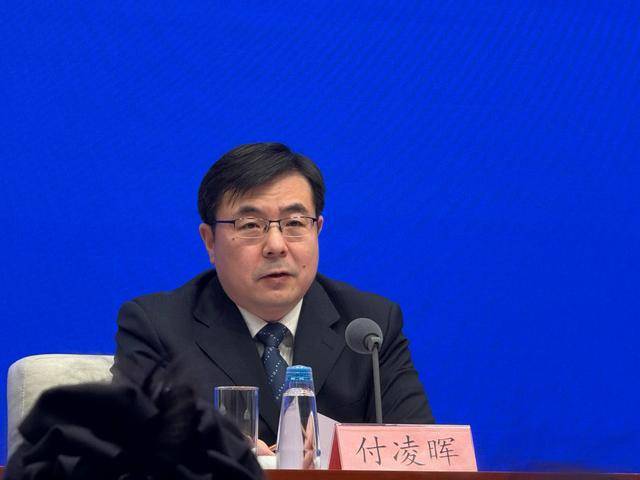
下阶段房地产市场走势如何?国家统计局回应
Sou Hu Cai Jing· 2025-11-14 05:38
Core Insights - The real estate market has shown signs of stabilization due to various supportive measures implemented by different regions and departments since the beginning of the year [1][3] - The next phase of the real estate market's trajectory is expected to involve a transition period as the industry adapts to new models [1][3] Sales Performance - From January to October, the sales area and sales revenue of newly built commercial housing nationwide decreased by 6.8% and 9.6% year-on-year, respectively, with the decline narrowing by 9 and 11.3 percentage points compared to the same period last year [3] - Compared to the entire previous year, there has been an improvement in sales performance [3] Inventory Management - The inventory reduction of commercial housing is progressing steadily, with the nationwide unsold commercial housing area at 75,606 million square meters by the end of October, a decrease of 3.22 million square meters from the end of September, marking eight consecutive months of reduction this year [3] Funding Situation - The funding situation for real estate development companies has improved, with the year-on-year decline in funds received by these companies narrowing by 9.5 and 7.3 percentage points compared to the same period last year and the entire previous year, respectively [3] Future Outlook - The real estate market is currently in a transitional phase, and adjustments will take time, with some indicators expected to fluctuate during this period [3] - The focus will be on implementing the decisions of the Central Committee and the State Council, actively constructing a new development model for real estate, and promoting high-quality development in the sector [3]