世界模型

Search documents
基于准确的原始材料对比小鹏理想VLA
理想TOP2· 2025-11-20 10:42
Core Viewpoint - The article discusses the advancements in autonomous driving technology, particularly focusing on the VLA (Vision-Language-Action) architecture developed by Li Auto and the insights shared by Xiaopeng's autonomous driving head, Liu Xianming, during a podcast. Liu emphasizes the removal of the intermediate language component (L) to enhance scalability and efficiency in data usage [1][4][5]. Summary by Sections VLA Architecture and Training Process - The VLA architecture involves a pre-training phase using a 32 billion parameter (32B) vision-language model that incorporates 3D vision and high-definition 2D vision, improving clarity by 3-5 times compared to open-source models. It also includes driving-related language data and key VL joint data [10][11]. - The model is distilled into a 3.2 billion parameter (3.2B) MoE model to ensure fast inference on vehicle hardware, followed by a post-training phase that integrates action to form the VLA, increasing the parameter count to nearly 4 billion [13][12]. - The reinforcement learning phase consists of two parts: human feedback reinforcement learning (RLHF) and pure reinforcement learning using world model-generated data, focusing on comfort, collision avoidance, and adherence to traffic regulations [15][16]. Data Utilization and Efficiency - Liu argues that using language as a supervisory signal can introduce human biases, reducing data efficiency and scalability. The most challenging data to collect are corner cases, which are crucial for training [4][6]. - The architecture aims to achieve a high level of generalization, with plans to implement L4 robotaxi services in Guangzhou based on the current framework [4][5]. Future Directions and Challenges - Liu acknowledges the uncertainties in scaling the technology and ensuring safety, questioning how to maintain safety standards and align the model with human behavior [5][18]. - The conversation highlights that the VLA, VLM, and world model are fundamentally end-to-end architectures, with various companies working on similar concepts in the realm of Physical AI [5][18]. Human-Agent Interaction - The driver agent is designed to process short commands directly, while complex instructions are sent to the cloud for processing before execution. This approach allows the system to understand and interact with the physical world like a human driver [17][18]. - The article concludes that the traffic domain is a suitable environment for VLA implementation due to its defined rules and the ability to model human driving behavior effectively [19][20].



本周六,围观学习NeurIPS 2025论文分享会,最后报名了
机器之心· 2025-11-20 06:35
Core Insights - The evolution of AI is transitioning from "capability breakthroughs" to "system construction" by 2025, focusing on reliability, interpretability, and sustainability [2] - NeurIPS, a leading academic conference in AI and machine learning, received 21,575 submissions this year, with an acceptance rate of 24.52%, indicating a growing interest in AI research [2] - The conference will take place from December 2 to 7, 2025, in San Diego, USA, with a new official venue in Mexico City, reflecting the diversification of the global AI academic ecosystem [2] Event Overview - The "NeurIPS 2025 Paper Sharing Conference" is designed for domestic AI talent, featuring keynote speeches, paper presentations, roundtable discussions, poster exchanges, and corporate interactions [3] - The event is scheduled for November 22, 2025, from 09:00 to 17:30 at the Crowne Plaza Hotel in Zhongguancun, Beijing [5][6] Keynote Speakers and Topics - Morning keynote by Qiu Xipeng from Fudan University on "Contextual Intelligence: Completing the Key Puzzle of AGI" [8][14] - Afternoon keynote by Fan Qi from Nanjing University on "From Frames to Worlds: Long Video Generation for World Models" [10][17] Paper Presentations - Various presentations will cover topics such as data mixing in knowledge acquisition, multimodal adaptation for large language models, and scalable data generation frameworks [9][30] - Notable presenters include doctoral students from Tsinghua University and Renmin University, showcasing cutting-edge research in AI [9][30] Roundtable Discussion - A roundtable discussion will explore whether world models will become the next frontier in AI, featuring industry experts and academics [10][20]

速递|AI教父Yann LeCun与Meta的“友好分手”,新AI公司瞄准持久记忆与复杂推理系统
Z Potentials· 2025-11-20 04:12
Core Insights - Yann LeCun, Meta's Chief AI Scientist, will leave the company to establish his own AI startup focused on world models, a field he has extensively researched [2][3] - Meta plans to collaborate with LeCun's startup, aiming to leverage its innovative outcomes [3][4] - LeCun's departure is significant for Meta, as he is regarded as a foundational figure in modern AI, having co-founded the Facebook AI Research (FAIR) and received the Turing Award [5] Group 1: Company Developments - Meta's current AI focus has shifted towards large language models (LLMs), including the Llama series, following a series of setbacks earlier this year, such as the delayed release of the Llama 4 model [4][5] - The company has invested billions in recruiting talent and establishing the Meta Superintelligence Lab (MSL), led by notable figures from Scale AI and GitHub [4] Group 2: Research Focus - LeCun's new startup aims to advance research in advanced machine intelligence (AMI), which he believes will have profound impacts across various economic sectors, some of which overlap with Meta's interests [5] - The startup will pursue the development of systems capable of understanding the physical world, possessing persistent memory, reasoning, and planning complex behavior sequences [3][5]


刚刚,Yann LeCun官宣离职创业,瞄准高级机器智能AMI
机器之心· 2025-11-20 02:07
Core Viewpoint - Yann LeCun, a Turing Award winner, has announced his departure from Meta to start a new company focused on Advanced Machine Intelligence (AMI), aiming to revolutionize AI by enabling systems to understand the physical world, possess long-term memory, reason, and plan complex actions [1][8][14]. Group 1: Company Transition - LeCun's new venture will continue his research on "world models," which he believes are essential for AI to truly understand the physical world [8][27]. - Meta will act as a partner to LeCun's new company, supporting the AMI initiative, which has overlapping interests with Meta's business but also extends into other areas [8][28]. - The departure marks a significant shift in the AI landscape, as LeCun leaves a position he helped establish at Meta's FAIR (Facebook AI Research) amid internal cultural conflicts and strategic misalignments [17][27]. Group 2: Research Focus - The goal of the new company is to drive a major revolution in AI, focusing on systems that can understand the physical world and plan actions without extensive trial and error [8][24]. - LeCun has been a critic of large language models (LLMs), arguing that they lack true understanding of the physical world, and he aims to develop AI that can reason and plan using world models [19][27]. - Recent research contributions include the JEPA theory, which aims to create organized and actionable high-dimensional embedding spaces, seen as a potential pathway to achieving world models [25][27]. Group 3: Industry Impact - LeCun's transition to entrepreneurship at the age of 65 signifies a new exploration phase in AI, moving away from the constraints of corporate environments to pursue foundational scientific challenges [14][27]. - The departure of LeCun, alongside other key figures like Soumith Chintala, indicates the end of an era for Meta AI, highlighting the ongoing evolution within the AI research community [28].

世界模型崛起,AI路线之争喧嚣再起
3 6 Ke· 2025-11-20 01:58
Core Insights - The future of AI may hinge on understanding the evolutionary codes of the human brain, as highlighted by Yann LeCun's departure from Meta to focus on "World Models" [1] - Fei-Fei Li emphasizes that the advancement of AI should pivot from merely expanding model parameters to embedding "Spatial Intelligence," a fundamental cognitive ability that humans possess from infancy [1][3] - The launch of Marble by World Labs, which utilizes multimodal world models to create persistent 3D digital twin spaces, marks a significant step towards achieving spatial intelligence in AI [1] Group 1: AI Development Perspectives - Yann LeCun's vision diverges from Meta's focus on large language models (LLMs), arguing that LLMs cannot replicate human reasoning capabilities [3] - LLMs are constrained by data quality and scale, leading to cognitive limitations that hinder their ability to model the physical world and perform dynamic causal reasoning [3][4] - The reliance on text data restricts AI's ability to break free from "symbolic cages," necessitating a shift towards a structured understanding of the world for true AI evolution [4] Group 2: World Models vs. Large Language Models - World models are seen as a solution to the fundamental limitations of LLMs, focusing on high-dimensional perceptual data to model the physical world directly [4][5] - The key characteristics of world models include internal representation and prediction, physical cognition, and counterfactual reasoning capabilities [11] - A complete world model consists of state representation, dynamic models, and decision-making models, enabling AI to simulate and plan actions in a virtual environment [12][13] Group 3: Industry Trends and Innovations - Recent advancements in world models have been made by major tech companies, with Google DeepMind's Genie series and Meta's Code World Model leading the charge [16] - The concept of "physical AI" is gaining traction, with Nvidia's CEO asserting that the next growth phase will stem from these new models, which will revolutionize robotics [16] - The application of world models is already influencing various sectors, including autonomous driving and robotics, as companies like Tesla integrate these models for real-world learning and validation [17] Group 4: Challenges and Future Directions - The development of world models faces technical challenges, including the need for extensive multimodal data and the lack of standardized training datasets [20] - Cognitive challenges arise from the complexity of decision-making processes within world models, raising concerns about transparency and alignment with human values [20][21] - Despite the challenges, the global competition in the world model space is intensifying, with the potential to redefine industries and enhance human-AI collaboration [21][22]




解决特斯拉「监督稀疏」难题,用世界模型放大自动驾驶的Scaling Law
具身智能之心· 2025-11-20 00:03
Core Insights - The article discusses the challenges faced by VLA models in autonomous driving, particularly the issue of "supervision deficit" due to sparse supervisory signals compared to high-dimensional visual input [3][7][8] - A new research paper titled "DriveVLA-W0: World Models Amplify Data Scaling Law in Autonomous Driving" proposes a solution by introducing world models to provide dense self-supervised signals, enhancing the model's learning capabilities [3][9][16] Group 1: Supervision Deficit - VLA models struggle with a "supervision deficit," where the input is dense visual information but the supervisory signals are sparse, leading to wasted representational capacity [7][8] - The research indicates that performance of VLA models saturates quickly with increased data under sparse supervision, diminishing the effects of Data Scaling Law [8][22] Group 2: Solution through World Models - The proposed solution involves using world models to generate dense self-supervised training tasks, such as predicting future images, which compels the model to learn the dynamics of the environment [10][14][15] - This approach provides richer learning signals compared to relying solely on sparse action supervision, effectively addressing the supervision deficit [15][16] Group 3: Amplification of Data Scaling Law - The core contribution of the research is the discovery that world models can significantly amplify the effects of Data Scaling Law, leading to better performance as data scales up [17][21] - Experimental results show that DriveVLA-W0 outperforms baseline models, with a notable performance improvement as data increases, particularly at scales from 700K to 70M frames [21][23] Group 4: Performance and Efficiency - DriveVLA-W0 is designed to be practical, addressing the high latency issues in VLA models by introducing a lightweight MoE "action expert" architecture, reducing inference latency to 63.1% of the baseline VLA [26][27] - The integration of world models resulted in a 20.4% reduction in collision rates at 70M frames, demonstrating a qualitative improvement beyond merely increasing action data [24][29]
从技术路线到人员更迭,为什么智能驾驶又开始了“新造词”?
3 6 Ke· 2025-11-19 12:19
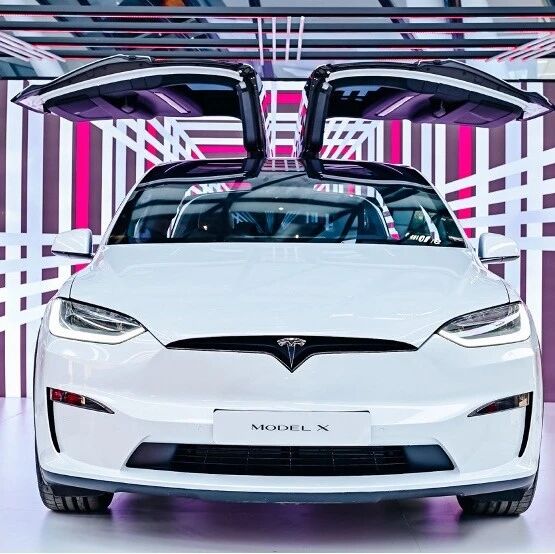
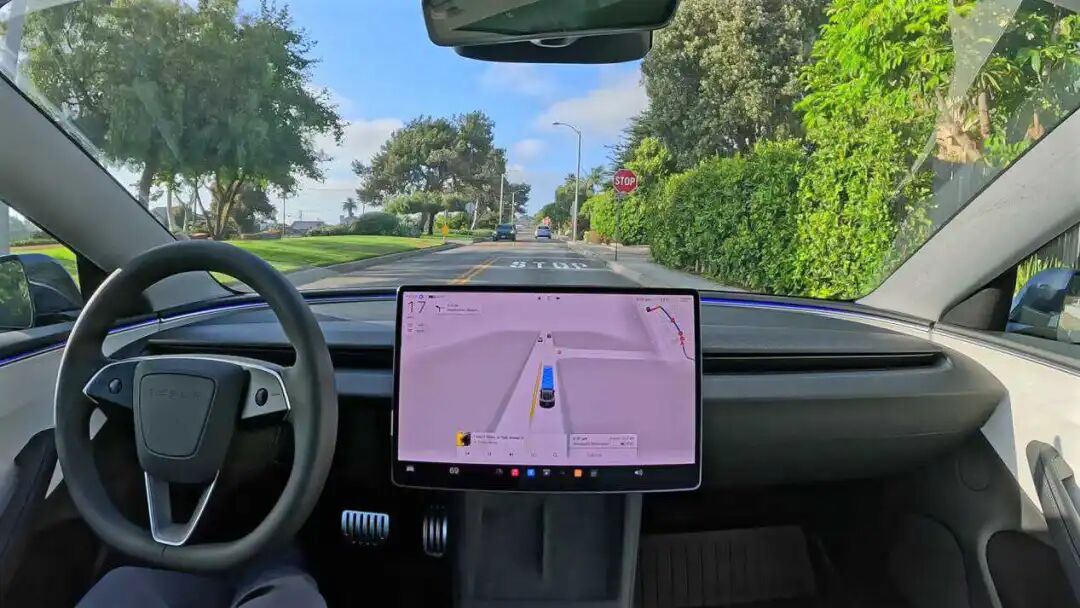
Core Insights - The automotive and intelligent driving industry is experiencing rapid technological iterations, leading to new terminologies and concepts that challenge user understanding and acceptance [1] - The transition from rule-based systems to end-to-end and world model architectures is reshaping the landscape of autonomous driving, with significant implications for company strategies and personnel [2][4][10] Industry Trends - The shift towards end-to-end systems, exemplified by Tesla's FSD V12, has prompted other companies like Huawei, Xpeng, and NIO to explore similar approaches, indicating a trend towards more integrated solutions [2][4] - The industry recognizes the upcoming critical period for the implementation of advanced driver assistance technologies, particularly from Q4 2023 to mid-2024, as companies race to adopt and refine these technologies [1] Technical Developments - Current autonomous driving systems, whether rule-based or end-to-end, primarily rely on mimicking human driving through extensive data collection and learning, which presents challenges in efficiency and adaptability [4][5] - The introduction of VLA (vision-language-action) models aims to enhance understanding of the physical world, moving beyond mere imitation to a more human-like comprehension of driving scenarios [7][11] Company Strategies - Companies like Xpeng and Li Auto are pivoting towards VLA models, with Xpeng's second-generation VLA eliminating the language translation step to improve efficiency and data utilization [8][11] - The restructuring of R&D departments within companies such as Li Auto and NIO reflects a strategic shift towards prioritizing VLA and world model approaches, indicating a broader industry trend towards adapting organizational structures to new technological demands [15][17] Competitive Landscape - The competition between self-developed autonomous driving technologies and third-party solutions is intensifying, with companies increasingly opting for partnerships with specialized suppliers to enhance their capabilities [18][21] - The financial burden of self-development is prompting companies to reconsider their strategies, as seen in Xpeng's significant investment in computing resources and the need for profitability in Q4 2023 [19][22]


从技术路线到人员更迭,为什么智能驾驶又开始了“新造词”? | 电厂
Xin Lang Cai Jing· 2025-11-19 10:20
Core Insights - The automotive and smart driving industry is experiencing rapid technological iterations, leading to new terminologies and concepts that challenge user understanding and acceptance [1] - The transition from rule-based systems to end-to-end and world model architectures is reshaping the industry, with significant implications for company strategies and personnel [2][6] Group 1: Technological Evolution - The shift from rule-based to end-to-end systems has highlighted the limitations of modular approaches, particularly in terms of latency and information loss [2] - Tesla's introduction of the end-to-end FSD V12 has sparked interest among other companies like Huawei, Xpeng, and NIO, who are also developing similar solutions [2][5] - The industry is moving towards VLA (vision-language-action) models, which aim to better understand the physical world and improve driving actions [8][12] Group 2: Challenges in Implementation - Current systems, whether rule-based or end-to-end, rely heavily on passive learning from vast amounts of driving data, which limits their ability to adapt to new scenarios [5][6] - The VLA model faces challenges such as multi-modal feature alignment and the inherent limitations of language models in processing complex real-world situations [11][15] - Companies like Ideal Auto and Xpeng are exploring innovative VLA approaches to enhance their systems' capabilities and efficiency [8][12] Group 3: Organizational Adjustments - The transition to new technological routes has led to significant organizational restructuring within companies like Xpeng, Ideal Auto, and NIO, reflecting a shift in focus towards foundational models [13][14] - Xpeng's leadership changes indicate a strategic pivot from traditional VLA to innovative VLA, emphasizing the need for a robust foundational model [14] - NIO and Ideal Auto have also undergone multiple organizational adjustments to align their resources with the evolving technological landscape [15][17] Group 4: Competitive Landscape - The trend of self-research in autonomous driving technology is shifting towards partnerships with specialized suppliers, as seen with companies like Chery and Great Wall [18][19] - Suppliers are gaining an edge in flexibility and rapid iteration capabilities compared to traditional automakers, which face constraints in their development processes [21] - The competition is intensifying, with suppliers expected to play a more dominant role in the market as they advance their solutions [18][22]

独家 | 通义核心人才相继“叛逃”,阿里双管齐下:砸天价年薪揽才+竞业锁喉
Tai Mei Ti A P P· 2025-11-19 08:37
Core Insights - Alibaba officially announced its entry into the AI to C market with the launch of the "Qianwen" project and the public beta of the Qianwen App, aiming to compete directly with ChatGPT [1][2] - The company plans to invest at least 380 billion yuan in cloud computing and AI infrastructure over the next three years, significantly increasing its investment in these areas compared to the past decade [2][4] - The Qianwen App focuses on developing a "world model" aimed at achieving artificial general intelligence (AGI), which is seen as a key competitive advantage for Alibaba in the AI sector [4][5] Investment Strategy - Alibaba's strategic shift towards the C-end market is driven by the growing demand for AI applications, with 729 million monthly active users in mobile AI applications as of September 2025 [2][4] - The investment plan includes comprehensive coverage of computing power deployment, model research, and AI cloud computing [2][4] Technological Development - The Qianwen flagship model, Qwen3-Max, ranks among the top three globally in performance, outperforming leading models like GPT-5 and Claude Opus4 in various tests [6] - The development of the "world model" aims to transform user interaction with AI, allowing it to understand, predict, and integrate into real-life scenarios [5][6] Talent Acquisition and Retention - Alibaba is aggressively recruiting top AI talent with significantly higher salaries than the market average, with some positions seeing salary increases of over 50% [25][27] - The company has implemented strict non-compete agreements to protect its technological advancements and prevent talent from moving to competitors [31][32] Competitive Landscape - The AI talent market is becoming increasingly competitive, with Alibaba being viewed as a training ground for high-end talent in the industry [25][33] - The departure of key personnel from Alibaba's AI teams has raised concerns about the pace of technological development within the company [8][19][23]

沪游对话|精文投资虞玮洁:单机游戏基金主投在沪中小项目
Sou Hu Cai Jing· 2025-11-19 06:48
Core Viewpoint - The establishment of the "Shanghai Game Industry Special Fund (Single-Player Game Direction)" aims to enhance the local gaming ecosystem by investing in diverse game projects, fostering innovation among content creators, and leveraging the synergy between cultural and technological industries [1][3][9]. Investment Strategy - The fund is initiated by Shanghai Jingwen Investment Co., Ltd., in collaboration with various partners, focusing on strategic and functional investments in the cultural sector, including media and cultural infrastructure [3][4]. - The investment strategy includes a mix of direct investments in cultural projects and fund management, with a specific focus on the integration of cultural and technological innovations [4][5]. Fund Structure - The fund operates under a "1+X+n" framework, where "1" represents a major fund for the Yangtze River Delta cultural industry, "X" includes privately managed funds, and "n" refers to additional funds managed by Jingwen Investment [5]. - The single-player game fund is part of a broader investment strategy targeting eight key cultural industries in Shanghai, emphasizing the importance of high-quality game production [5][9]. Industry Collaboration - The fund collaborates with partners like Yuncheng Capital and Sony Interactive Entertainment, ensuring a comprehensive approach to project selection and post-investment support [7][8]. - Jingwen Investment's role as a Limited Partner (LP) allows it to guide the direction of the single-player game industry while leveraging the expertise of market-oriented partners [7][8]. Focus on Game Quality - The fund aims to support diverse single-player game projects, recognizing their potential for high-quality production and cultural representation [9][10]. - The investment will not solely focus on top-tier projects but will also include a variety of game types to maintain ecosystem vitality and stimulate creativity [10]. Broader Impact - 20% of the fund's resources are allocated for investments in related industries, including upstream production technologies and downstream IP transformation, indicating a holistic approach to the gaming ecosystem [11]. - The fund seeks to enhance Shanghai's cultural identity through gaming, promoting local cultural elements and advanced technologies in game development [12].