对等关税

Search documents
对等关税伤美民众钱包,涨价潮席卷电脑手表衣鞋酒类
Sou Hu Cai Jing· 2025-08-04 21:22
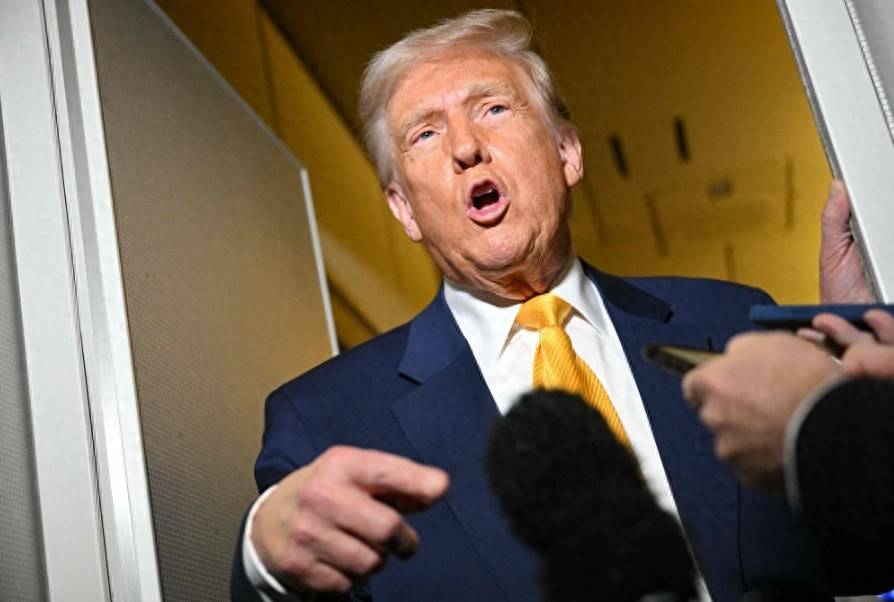
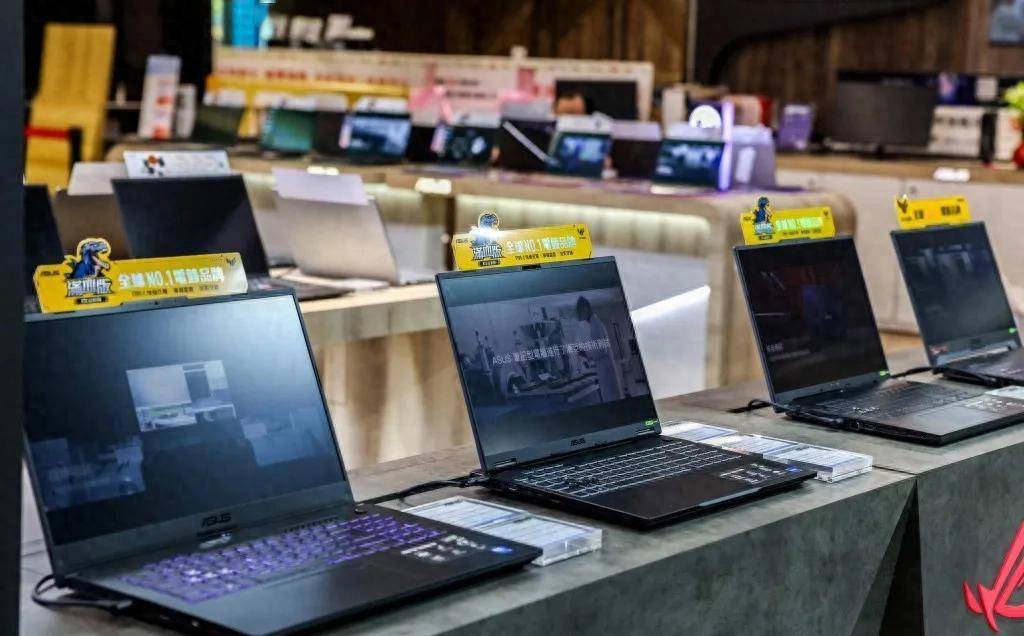
Group 1 - The latest tariffs announced by Trump will take effect on August 7, impacting a wide range of imported goods, including computers, electronics, watches, clothing, shoes, and alcoholic beverages, potentially leading to price increases for consumers [1][3]. - Goldman Sachs estimates that consumers will start feeling the impact of these tariffs within eight months [1][7]. - The new tariffs will impose rates ranging from 10% to 41% on nearly 70 countries, affecting the prices of various consumer goods [3]. Group 2 - Yale University's budget laboratory estimates that if the new tariffs are implemented indefinitely, prices for computers and other electronic products could rise by 18.2% in the short term (2 to 3 years) and by 7.7% in the long term (3 to 10 years) [4]. - Clothing, being one of the most imported goods in the U.S., is expected to see a short-term price increase of 37.5% and a long-term increase of 17.4% due to tariffs imposed on major exporting countries like China, Vietnam, Bangladesh, India, and Indonesia [4]. - Swiss watches, a significant export to the U.S. with over $4 billion in sales last year, will face a 39% tariff, likely affecting their prices [5]. Group 3 - Vietnam and Indonesia, major producers of footwear, will see tariffs of at least 19% starting next week, which could lead to increased prices for shoes [6]. - The U.S. wine and spirits market, where imported products account for 35% of total sales, will face a 15% tariff on imports from the EU, impacting prices for alcoholic beverages [6]. - Furniture and toys, primarily imported from Vietnam and China, are also expected to see price increases due to the looming tariffs, with manufacturers already warning of potential hikes [7].

特朗普公布全球关税,两个国家成了“特例”?莫迪没能笑到最后,中国凭实力让美国忌惮
Sou Hu Cai Jing· 2025-08-04 19:23
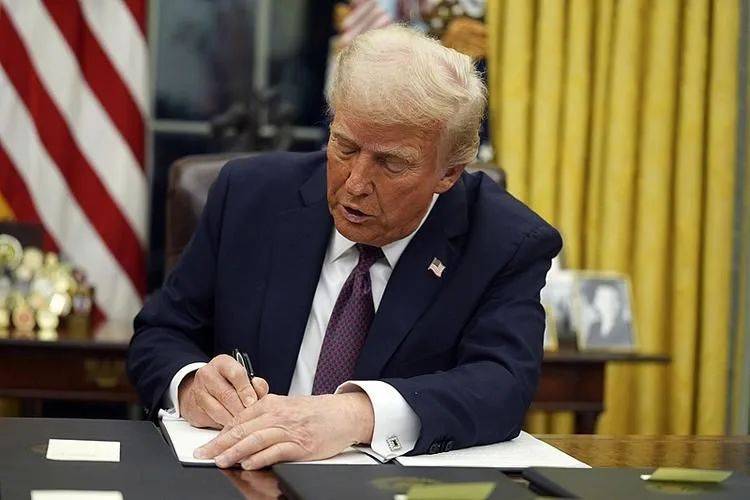
Group 1 - The core viewpoint of the article highlights the impact of Trump's global tariff policy, categorizing countries into different tiers based on their relationship with the U.S. [1][3] - The U.S. imposes a 25% basic tariff on India, marking it as a significant target in the trade war, while China is treated as an exception without specific tariffs mentioned [3][6] - India's reliance on U.S. markets and technology makes it vulnerable, as evidenced by the suspension of Russian oil purchases due to U.S. threats [5][6] Group 2 - China's unique position as the only country not subjected to specific tariffs stems from its economic strength and strategic responses, including reciprocal tariffs and leveraging non-tariff measures [6][8] - The article discusses the implications for the U.S., noting the challenges of negotiating with China without alienating other allies or harming U.S. businesses [8] - India's experience serves as a warning for other nations, while China's approach offers a model for resisting economic pressure, emphasizing the importance of national strength and strategic negotiation [8]
为何清空美股?对话投资家罗杰斯:预感危机即将来临
Sou Hu Cai Jing· 2025-08-04 14:35
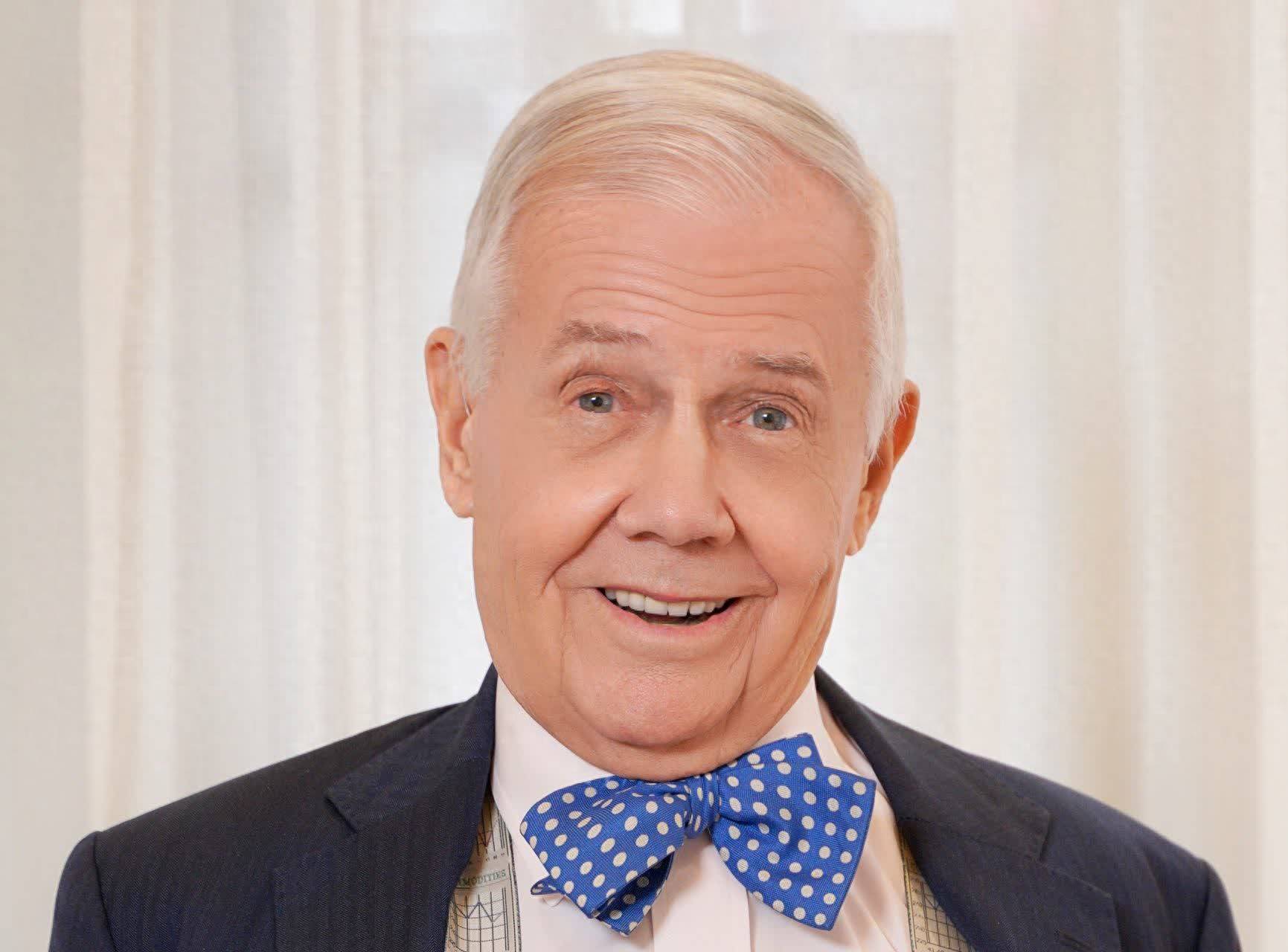
Group 1 - Jim Rogers has liquidated all his U.S. stocks, currently holding stocks only in China and one other country, expressing concerns about an impending severe economic crisis in the U.S. [1][4] - The U.S. stock market has been in a bull run since 2009, which Rogers believes indicates that a crisis is approaching, as prolonged prosperity often leads to problems [3][4] - Rogers criticizes President Trump's erratic decision-making, suggesting it will exacerbate economic instability and that Trump lacks the capability to manage an upcoming crisis [4][6] Group 2 - Rogers remains optimistic about China's future, stating it will be the most important country in the 21st century and emphasizing the need for future generations to learn Mandarin [6][7] - He advocates for policies that stimulate domestic demand and consumption in China, such as tax cuts and infrastructure investments, to foster economic growth [6][7] - Rogers highlights the potential in emerging sectors in China, including artificial intelligence, renewable energy, and electric vehicles, indicating a strong growth outlook across various industries [7] Group 3 - In addition to Chinese stocks, Rogers holds stocks in Uzbekistan, noting the country's economic reforms and potential due to its natural and human resources [7] - He advises young people in China to learn foreign languages and travel to better understand the world and themselves, viewing travel as a valuable educational experience [7]
新“对等关税”落地,除了关税,美国还开了这些条件
天天基金网· 2025-08-04 11:17
Core Viewpoint - The article discusses the implementation of reciprocal tariffs by the United States, detailing the changes in tariff rates and the broader implications for trade agreements with major economies [1][10]. Tariff Structure - A baseline tariff rate of 10% will apply to countries not specified in the administrative order, while differentiated rates ranging from 15% to 41% will be set based on trade deficits, negotiation outcomes, and geopolitical factors [4][6]. - A 40% penalty tariff will be imposed on goods rerouted through third countries to evade tariffs, and the exemption for international packages valued under $800 has been removed [4][6]. Specific Tariff Rates by Industry - Tariff rates vary significantly by industry, with solar products and semiconductor equipment facing the highest rates, while electric vehicles and automotive parts have lower rates [8]. Non-Tariff Requirements - The trade agreements with eight major economies include five categories of non-tariff requirements, such as market access, directed procurement commitments, and unified rules and standards [10][13]. - Specific commitments include significant investments in the U.S., increased defense spending, and the opening of markets for U.S. agricultural products [12][13].

冠通期货早盘速递-20250804
Guan Tong Qi Huo· 2025-08-04 11:02
Group 1: Policy and Market News - Since August 8, the Ministry of Finance and the State Administration of Taxation will resume levying VAT on the interest income of newly issued treasury bonds, local government bonds, and financial bonds, while the interest income of bonds issued before August 8 and subsequent issuances will continue to be exempt from VAT until maturity [1] - The US added only 73,000 non - farm jobs in July, the lowest in 9 months, far below the expected 110,000, with the previous two months' data revised down by 258,000, and the unemployment rate rising to 4.2%, indicating a sharp slowdown in the labor market [1] - The central bank will continue to implement a moderately loose monetary policy, strengthen the implementation and supervision of interest rate policies, and increase financing support for key areas [1] - The Ministry of Industry and Information Technology issued a special energy - saving supervision task list for the polysilicon industry in 2025, involving 41 enterprises [1] - US President Trump signed an executive order to impose counter - tariffs ranging from 10% to 41% on countries or regions that have not reached an agreement with the US, with the tariffs taking effect on August 7, 2025 [2] Group 2: Commodity Market - Key commodities to focus on include urea, lithium carbonate, asphalt, crude oil, and coking coal [3] - Among commodity sectors, non - metallic building materials rose 2.83%, precious metals 27.61%, oilseeds 12.40%, non - ferrous metals 21.40%, soft commodities 2.58%, coal - coking - steel - mining 14.32%, energy 3.18%, chemicals 11.74%, grains 1.16%, and agricultural and sideline products 2.78% [6] Group 3: Stock and Bond Market - The Shanghai Composite Index fell 0.37% daily and monthly, but rose 6.21% annually; the SSE 50 fell 0.79% daily and monthly, and rose 2.58% annually; the CSI 300 fell 0.51% daily and monthly, and rose 3.05% annually [8] - Among other equity indices, the CSI 500 fell 0.21% daily and monthly, and rose 8.51% annually; the S&P 500 fell 1.60% daily and monthly, and rose 6.06% annually; the Hang Seng Index fell 1.07% daily and monthly, and rose 22.17% annually, etc. [9] - For fixed - income products, the 10 - year Treasury bond futures fell 0.02% daily, 0.05% monthly, and 0.45% annually; the 5 - year Treasury bond futures had no daily and monthly change, and fell 0.77% annually; the 2 - year Treasury bond futures had no daily and monthly change, and fell 0.61% annually [9] - In the commodity market, the CRB commodity index fell 1.50% daily and monthly, and 0.49% annually; WTI crude oil fell 2.83% daily, 2.77% monthly, and 6.42% annually; London spot gold rose 2.22% daily and monthly, and 28.14% annually [9] - The US dollar index fell 1.36% daily and monthly, and 9.03% annually; the CBOE volatility index rose 21.89% daily and monthly, and 17.46% annually [9]
芯片关税,意味着什么?
半导体芯闻· 2025-08-04 10:37
Group 1 - The article discusses the significant changes in trade policies under President Trump's return to the White House, particularly focusing on new tariffs that may become a long-term fixture in the market [2] - Analysts are closely monitoring the semiconductor and pharmaceutical industries for potential tariffs, especially the "232 clause" which may impact chip manufacturers and related equipment [2] - Bernstein analysts indicate that the White House is considering including semiconductors and manufacturing in the new tariff list, which could significantly affect wafer foundries and packaging testing industries, with TSMC being a key supplier [2] Group 2 - The "reciprocal tariffs" policy will impose a 15% tariff on products from major economies like the EU, Japan, and South Korea, while other countries with trade surpluses with the US will face a 10% tariff [3] - Barclays highlights that Singapore, maintaining a 10% tariff rate, is positioned as the biggest winner in Asia, but still faces risks from semiconductor and pharmaceutical tariffs [3] - According to Barclays, Vietnam has the highest exposure to US tariffs with a 2.3% weighted average tariff rate, followed by Thailand, Malaysia, and South Korea, all within the 1.0-1.4% range [3] Group 3 - The article notes that countries like the Philippines, Indonesia, and India have relatively lower exposure to US tariffs, with risk levels at 3.1%, 2.3%, and 2.0% respectively [4] - The data suggests that a significant portion of the economic value in these countries relies on exports subject to US tariffs, indicating they would be heavily impacted if the US expands its tariff list [4]


美国暂停小额豁免,亚马逊、Shein、Temu等跨境电商将面临更多挑战
Sou Hu Cai Jing· 2025-08-04 09:03
Group 1 - The U.S. has suspended the tax exemption for imported packages valued at $800 or less, effective August 29, impacting various international logistics companies [1][4] - The adjustment of the de minimis policy is not limited to China, affecting foreign e-commerce brands like Amazon and eBay, with a significant increase in small package volumes expected [4][8] - The de minimis policy, established in the 1930 Tariff Act, aimed to simplify import processes and enhance customs efficiency, facilitating cross-border e-commerce operations [4][6] Group 2 - The cancellation of the de minimis exemption is expected to negatively impact the U.S. online retail sector, leading to logistical restructuring and delays in shipments for foreign brands [6][7] - Since May, the volume of packages from China has decreased by 35%, with significant drops in daily active users for brands like Shein and Temu [7] - The U.S. has also introduced a new round of "reciprocal tariffs" ranging from 10% to 41% on various countries, adding further pressure on global cross-border e-commerce [10]

国贸期货宏观金融研究中心 2025-08-04:美联储按兵不动,国内PMI小幅回落
Guo Mao Qi Huo· 2025-08-04 05:45
01 PART ONE 主要观点 PMI 2012 31 2025-08-04 F3014717 Z0013223 | 影响因素 | 主要逻辑 | | --- | --- | | 回顾 | 本周国内大宗商品大幅走弱,其中,工业品、农产品同步下跌。主要原因一是美国如期在8月1日征收关税,二是美联储按兵不动,基调偏鹰,压制市场的风险偏 | | | 好;三是,国内政策预期明显降温,一方面增量政策预期落空,另一方面反内卷政策低于预期。 1)当地时间7月31日,特朗普签署"进一步修改对等关税税率"行政令,确定了对多个国家和地区征收的10%~41%不等的新对等关税税率,并于8月7日正式生效。 | | | 2)美国联邦公开市场委员会以9票赞成,2票反对,连续第五次会议维持利率在4.25%-4.50%区间不变。此前金融市场普遍预期央行将在9月降息,但鲍威尔认为经 济未来面临的部分风险有所上升,并对此表示"下结论为时尚早",被解读为鹰派表态。3)美国二季度实际GDP环比大幅回升同比持平于2.0%,其中居民消费、 | | | 非住宅投资增长势头较为强劲,净出口逆差收窄,呈现出超预期的总体韧性。4)7月非农数据显示美国劳动力市场正 ...
美国对等关税24小时后生效,中国对特朗普奉陪到最后一刻
Sou Hu Cai Jing· 2025-08-04 04:33
最近,中美双方的第三轮贸易磋商落下帷幕,但结果却并不尽如人意,尤其在关税问题上,双方始终未能达成一致意见。据悉,美国计划实施的对等关税政 策将在24小时内生效,也就是说,如果在这段时间内未能与美国进行有效沟通,相关政策将正式启动。但值得注意的是,中国在这一局势中却显得有些例 外。此前的会谈中,美国方面曾表示愿意延迟政策的实施,但具体的延迟时间尚未确定,这就意味着美国留出最大的余地给中国,而中国也肯定会全力应 对。那么,接下来的局势将如何演变呢? 进入七月,特朗普显然变得更加忙碌。自从他签署对等关税的行政令以来,相关延期的期限也快到点了。为了避免影响到国家利益,许多国家都在加快与美 国的谈判步伐,试图寻找到一个平衡点。根据媒体的报道,目前美国已与其主要盟友达成了基本的协议框架,接下来只需着手处理一些细节问题。 当然,不是所有国家都有能力进行如此精准有效的反制。印度曾试图效法中国采取反制措施,自认作为大国的他们可以获得与美国谈判的筹码。然而,印度 发现自己并没有让美国忌惮的资本,无非是寄希望于与特朗普的个人友谊,希望能因此获得一些优待。而现实却给了他们一记响亮的耳光,特朗普如若在乎 与外国领导人的关系,就不会推行 ...
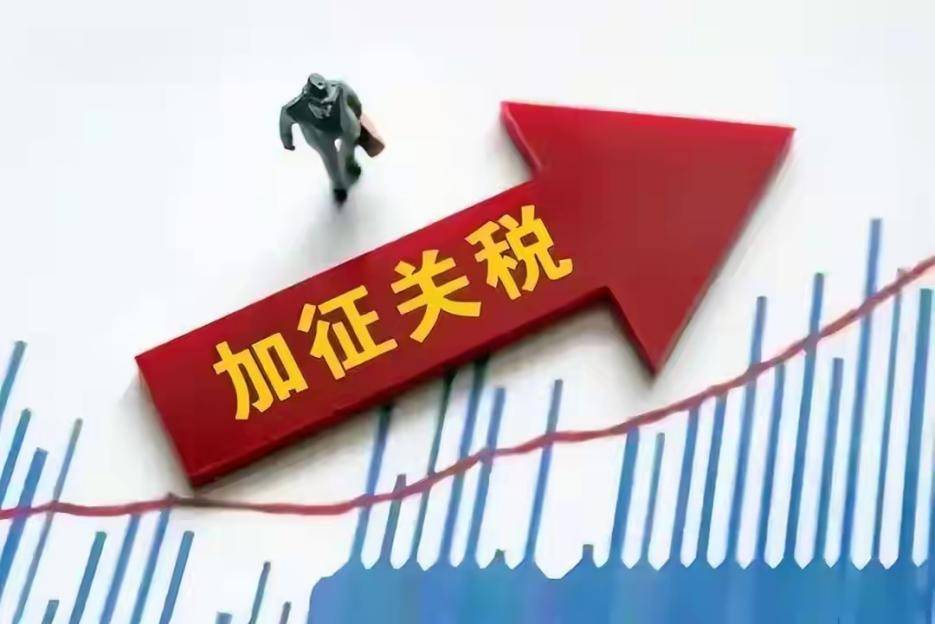
150多国放弃挣扎后,特朗普点名3国“定生死”,韩国真的赢了吗
Sou Hu Cai Jing· 2025-08-04 03:27
Core Points - The article discusses the recent tariff decisions made by Trump against Brazil, India, and South Korea, highlighting the implications for these countries and their economies [1][3][5]. Group 1: Tariff Decisions - Trump announced a 40% tariff on Brazil, with a total tariff rate reaching 50%, excluding certain products like wood pulp and oil [3][5]. - India faces a 25% tariff along with unspecified penalties due to a lack of compromise during trade negotiations [6][8]. - South Korea is subjected to a 15% tariff, which is lower than that imposed on India, but comes with significant financial commitments to the U.S. [10][12]. Group 2: Economic Implications - The high tariffs on Brazil could strain U.S. importers who rely on Brazilian products, creating a challenging situation for both countries [5]. - India's response to the tariffs may be to emphasize the importance of U.S.-India relations, despite the punitive measures [8]. - South Korea's commitment to invest $350 billion and procure $100 billion in energy products is seen as a way to mitigate the impact of tariffs, but it may lead to domestic backlash against the government [10][12]. Group 3: Political Reactions - Brazilian President Lula has indicated that Brazil will retaliate against U.S. tariffs, suggesting a tit-for-tat approach [5]. - Indian Prime Minister Modi has stated that the door for negotiations remains open, indicating a desire to maintain relations despite the tariffs [8]. - South Korean President Lee Jae-myung may face significant domestic criticism for conceding to U.S. demands, especially given the contrasting policies of his predecessor [12].