
房地产发展新模式

Search documents
统计局:房地产市场转型调整需要一定时间,部分指标会出现波动,要客观看待
第一财经· 2025-11-14 03:53
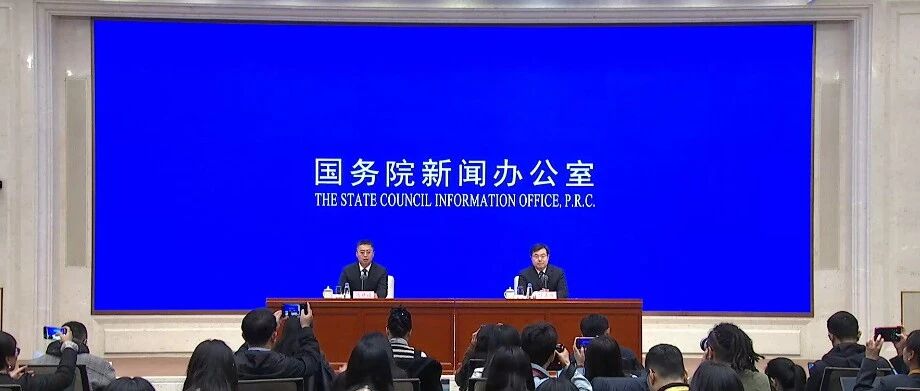
需要指出的是,当前房地产市场还处在新旧模式转换时期,转型调整需要一定时间,在这个过程中,部 分指标会出现波动,对此要客观看待。下阶段,要按照党中央、国务院决策部署,落实好中央城市工作 会议精神,积极构建房地产发展新模式,坚持长短结合、标本兼治,持续用力推动房地产市场高质量发 展。 编辑丨瑜见 第二,商品房去库存持续推进。随着控增量、优存量等房地产政策措施持续发挥作用,今年以来房地产 去库存稳步推进,10月末全国商品房待售面积75606万平方米,比9月末减少322万平方米,今年以来 连续八个月减少。 第三,房企资金有所改善。在"白名单"项目扩围增效等积极因素带动下,房地产开发企业到位资金降 幅收窄,1-10月房企到位资金同比降幅比去年同期和去年全年分别收窄9.5和7.3个百分点。 11月14日,国家统计局新闻发言人、总经济师、国民经济综合统计司司长付凌晖在国新办新闻发布会 上表示,房地产一直是大家比较关注的领域。今年以来,各地区各部门加快出台实施各项支持性政策, 积极释放刚性和改善性住房需求,推动房地产市场止跌回稳。从统计数据来看,房地产市场虽有所波 动,但政策成效仍在继续显现。 第一,商品房销售降幅收窄。1- ...

专访余永定:三方面发力促进房地产业趋稳回升,确保上下游产业链稳定
Zhong Guo Jing Ying Bao· 2025-11-12 07:10
Core Viewpoint - The real estate industry is crucial for economic stability and public welfare, with recent policies aimed at promoting high-quality development and addressing housing needs for various demographics [1][3]. Group 1: Industry Development - The "14th Five-Year Plan" emphasizes the need for a new development model in real estate, focusing on improving the systems for property development, financing, and sales [1]. - Historical trends from countries like Japan, the U.S., and the U.K. show that real estate markets undergo multiple cycles of fluctuation before stabilizing, indicating a potential long-term recovery path for China's real estate sector [3]. Group 2: Current Challenges - The Chinese real estate market has not experienced significant issues with mortgage defaults at the national level, but there are concerns about potential defaults by developers leading to increased non-performing loans in banks [4]. - The real estate industry is interconnected with various sectors, and prolonged instability could adversely affect the survival and development of upstream companies [5]. Group 3: Policy Recommendations - Macro-control policies should focus on stabilizing asset prices, injecting liquidity into the short-term money market, and providing capital through state-owned enterprises [5]. - Recent government measures include "guaranteeing delivery" of projects, relaxing purchase restrictions, and extending financing for existing projects, which have shown signs of effectiveness in stabilizing the market [5].

央行:完善房地产金融基础性制度;北京城建副总经理张锁全出任住总集团董事长|房产早参
Mei Ri Jing Ji Xin Wen· 2025-11-11 23:09
Group 1: Central Bank Policies - The People's Bank of China aims to enhance financial support to boost and expand consumption, focusing on policies that support personal credit repair and the implementation of financial measures like re-loans for affordable housing [1] Group 2: Leadership Changes - Zhang Suoquan has been appointed as the Chairman of Beijing Zhuzong Group, marking a significant leadership change that signals deeper reforms in Beijing's state-owned enterprises [2] Group 3: Regulatory Actions - The Hong Kong Stock Exchange has reprimanded Kaisa Group Holdings and several executives for failing to provide timely disclosures regarding major transactions and for not responding to inquiries within the required timeframe [3] Group 4: Real Estate Transactions - Poly Developments acquired a 50-acre residential land parcel in Chengdu for a base price of 1.107 billion yuan, with a floor price of 16,500 yuan per square meter, indicating a strategic move amidst industry pressures [4] Group 5: Financial Assistance - Financial Street Holdings announced a financial assistance package of 3.486 billion yuan to Wuhan Lianghu Peninsula Company, with a loan term until November 2030, aimed at supporting the company's operational needs [5][6]
央行:完善房地产金融基础性制度,助力构建房地产发展新模式
Sou Hu Cai Jing· 2025-11-11 09:36
(本文来自第一财经) 央行发布2025年第三季度中国货币政策执行报告,下一阶段,构建多层次、多元化养老金融体系,支持 银发经济高质量发展,助力积极应对人口老龄化国家战略实施。强化金融支持提振和扩大消费作用,扩 大消费领域金融供给,研究实施支持个人修复信用的政策措施,挖掘释放消费潜力。着力推动保障性住 房再贷款等金融政策措施落地见效,完善房地产金融基础性制度,助力构建房地产发展新模式。 ...
现房销售占比超三成 买房“所见即所得”加速到来
2 1 Shi Ji Jing Ji Bao Dao· 2025-11-10 23:14
现房销售又有新消息。 近日出版的《〈中共中央关于制定国民经济和社会发展第十五个五年规划的建议〉辅导读本》中,刊登 了住房城乡建设部部长倪虹的署名文章《推动房地产高质量发展》,其提出,在商品房销售上,推进现 房销售制,实现所见即所得,从根本上防范交付风险;继续实行预售的,规范预售资金监管,切实维护 购房人合法权益。 在受访专家看来,现房销售是房地产发展新模式中的关键领域,"十五五"时期现房销售制度将因城施 策、循序渐进推进。 实际上,步伐较快城市已着手推进相关工作。前不久,湖南省岳阳市平江县出台《全面推行现房销售 和"好房子"规划建设的若干措施(试行)》,明确在新出让土地上新建的商品房项目,竣工验收之后才 能启动商品房销售,这意味着平江县房地产销售市场全面进入"现房时代"。 此外,今年以来,河南信阳、湖北荆门、湖南邵阳等地发文,推动现房销售落地。 国家统计局数据显示,今年前三季度商品房现房销售面积累计值为23305.93万平方米,同比增长9.9%, 约占商品房销售面积的35.4%。 《中共中央关于制定国民经济和社会发展第十五个五年规划的建议》明确,加快构建房地产发展新模 式,完善商品房开发、融资、销售等基础制度 ...
多家房企债务重组现新进展 涉及化债金额1.2万亿
Zhong Guo Xin Wen Wang· 2025-11-07 02:27
Core Insights - The Chinese real estate industry is experiencing accelerated risk clearance as multiple companies achieve progress in debt restructuring and reorganization [1][2] Group 1: Company Developments - Sunac China Holdings Limited announced the approval of its approximately $9.6 billion offshore debt restructuring by the Hong Kong High Court, marking a significant milestone as it becomes one of the first large real estate firms to clear its offshore debt [1] - Following the restructuring, Sunac's overall debt pressure is expected to decrease by nearly 100 billion RMB, resulting in substantial annual interest savings [1] - Country Garden's offshore debt restructuring plan has been approved, involving a debt scale of approximately $17.7 billion (around 127 billion RMB), significantly reducing its total debt [2] - The new debt instruments for Country Garden have a financing cost reduced to 1.0%-2.5%, with the longest debt term extended to 11.5 years, providing a crucial buffer period for operational recovery [2] Group 2: Industry Trends - As of now, 21 distressed real estate companies in mainland China have received approval or completed their debt restructuring, with a total debt reduction scale of approximately 1.2 trillion RMB [2] - The core of many recent debt restructuring plans has shifted from merely extending repayment terms to directly "cutting debt" through mechanisms such as debt-to-equity swaps and lowering repayment interest rates, with many companies achieving debt reductions exceeding 50% and some reaching 70% [2] - The emergence of new business models in the real estate sector has allowed some companies to achieve performance growth, thereby "unburdening" their balance sheets and enhancing their operational capabilities [3]

“十五五”房地产顶层设计落定 “好房子”绘就人居生活新图景
Zheng Quan Shi Bao· 2025-11-06 17:58
Core Viewpoint - The Chinese real estate industry is undergoing a systematic transformation, shifting from a "high growth" model to a focus on "high-quality development" that prioritizes the needs of residents and their living conditions [1][2][4] Group 1: High-Quality Development - The recent guidelines emphasize the importance of "high-quality development" in real estate, highlighting its role in improving residents' living standards and ensuring housing security [2][3] - The new model aims to balance market and guarantee measures, focusing on both new and existing housing supply to meet diverse needs [2][3] Group 2: Housing Security - The guidelines have shifted the focus from "effectively increasing" to "optimizing" the supply of affordable housing, indicating a potential adjustment in the scale, structure, and quality of housing supply [3][4] - Future housing supply will be tailored to local needs, with a focus on precision in meeting the demand for improved housing [3][4] Group 3: New Development Model - A new development model is essential for addressing challenges in the real estate sector, which includes improving the housing supply system and establishing a mechanism that links various factors such as people, housing, land, and finance [4][5] - The emphasis is on creating "good houses" that are safe, comfortable, green, and smart, with a commitment to enhancing the quality of both new and existing housing [6][5] Group 4: Integration with National Strategies - The real estate sector's high-quality development must align with five key national strategies, including urbanization, consumption expansion, risk prevention, ecological sustainability, and the industry's own transformation [7][8] - The focus on urbanization aims to provide affordable housing for migrant workers and young people, while the consumption strategy recognizes real estate as a key area for driving economic growth [7][8] Group 5: Risk Management - The guidelines stress the importance of addressing risks accumulated in the real estate sector, such as high household leverage and corporate debt, as a prerequisite for sustainable development [8] - The transition from rapid growth to high-quality development requires real estate companies to shift their focus from scale expansion to enhancing product quality and service [8]
城市更新长效投融资机制的构建与创新|道口研究
清华金融评论· 2025-11-06 10:01
文/ 清华大学五道口金融学院不动产金融研究中心高级研究专员 郭翔宇 ,共青 团深圳市龙华区委员会书记 刘永元 中国城市发展正从大规模增量扩张阶段转向以存量提质增效为主的阶段, 形成以城市更新为核心、 "市场+保障"双轨并行的发展新模式,已成为当 前关键战略。本文探讨城市更新的战略意义,指出城市更新面临的挑战, 并在此基础上分析构建城市更新的系统性金融支持。 随着中国城镇化进程进入 "S"形曲线的后半段,房地产市场正经历从增量高速扩张转向存量优化提质的关键转型期。这一进程伴随着深 刻的结构性变化:一方面,房价结束长期上涨进入下行周期,部分城市商品房库存高企,供给过剩;另一方面,大量城中村与老旧小区 存在基础设施落后、安全隐患突出、居住环境较差等问题,居民对改善居住环境的需求日益迫切。增量开发动力持续减弱与存量改善需 求不断扩张,构成了当前市场的核心矛盾。2025年7月,中央城市工作会议明确提出"加快构建房地产发展新模式,稳步推进城中村和危 旧房改造",这一战略部署标志着国家顶层设计已为房地产行业发展指明方向。 这一转型也深刻反映出传统开发模式难以持续的深层次问题。自 20世纪末的房改以来,中国房地产市场经历了二 ...
碧桂园杨氏父女闯过了最难的一道关
Hua Er Jie Jian Wen· 2025-11-06 09:58
Core Insights - On November 5, Country Garden's offshore debt restructuring plan was approved at a creditors' meeting, marking a significant milestone in the real estate "debt reduction" history, involving approximately $17.7 billion (around 127 billion RMB) and resulting in a debt reduction of about $11.7 billion (approximately 84 billion RMB) [1][10] - Another major real estate company, Sunac China, also received court approval for its second offshore debt restructuring on the same day, indicating a broader trend among leading private real estate firms [2][3] - The successful debt restructurings of Country Garden and Sunac China signal a potential recovery phase for the real estate sector, as these companies demonstrate resilience and the ability to negotiate survival strategies [3][10] Company-Specific Developments - Country Garden's debt restructuring process took 300 days and involved a complex negotiation with various creditors, including Chinese and foreign banks, hedge funds, and private equity [4][7][9] - The restructuring plan received overwhelming support, with 96.03% approval from the dollar debt group and 83.71% from the syndicate loan group, reflecting creditor confidence in the company's future [8][10] - The restructuring is expected to generate up to 70 billion RMB in gains, significantly enhancing Country Garden's net assets and providing a financial buffer for future operations [10][11] Industry Trends - The successful debt restructurings of major players like Country Garden and Sunac China provide a template for other struggling firms, indicating that even the largest and most complex debts can be managed through negotiation [10][12] - The real estate sector is transitioning from a phase of panic to one of stabilization, as evidenced by the successful restructuring efforts, which alleviate systemic concerns about private real estate companies [10][12] - The industry is moving towards a focus on quality and sustainable development, as indicated by the shift in Country Garden's strategy from merely ensuring delivery of existing projects to planning new developments [11][12]
【图解】谋篇布局“十五五”|人民至上!感受建议的民生“温度”
Zhong Guo Jing Ji Wang· 2025-11-06 07:19
Group 1 - The core viewpoint emphasizes the need to enhance and improve people's livelihoods, ensuring common prosperity for all citizens through inclusive and foundational social welfare initiatives [2][12] - There is a focus on increasing support for entrepreneurship to boost employment opportunities and promote flexible employment and new job forms [3][4] - The strategy aims to encourage a fair distribution of wealth by supporting hard work, innovation, and legal wealth accumulation, while implementing income growth plans for urban and rural residents [5] Group 2 - The plan includes the gradual increase of basic pensions for urban and rural residents to improve social security [7] - There is an initiative to expand educational resources for school-age populations in urban areas, including the exploration of extending compulsory education and increasing the enrollment scale of quality higher education [8] - The proposal aims to enhance the coverage of unemployment and work injury insurance, ensuring that flexible workers, migrant workers, and new employment forms are adequately insured [9] Group 3 - The development of a new model for real estate is proposed, focusing on optimizing the supply of affordable housing and increasing the availability of improved housing [10] - Support for the development of innovative drugs and medical devices is highlighted, along with measures to reduce the costs associated with childbirth and child-rearing [11] - The plan includes the promotion of integrated childcare services and the gradual implementation of a delayed retirement age policy to optimize employment and social security regulations [12]
