量化紧缩

Search documents
瑞达期货螺纹钢产业链日报-20251015
Rui Da Qi Huo· 2025-10-15 08:58
研究员: 蔡跃辉 期货从业资格号F0251444 期货投资咨询从业证书号Z0013101 螺纹钢产业链日报 2025/10/15 | 项目类别 | 数据指标 | 最新 | 环比 数据指标 | 最新 | 环比 | | --- | --- | --- | --- | --- | --- | | 期货市场 | RB主力合约收盘价(元/吨) | 3,034.00 | -27↓ RB主力合约持仓量(手) | 2051544 | +60082↑ | | | RB合约前20名净持仓(手) | -107191 | -22644↓ RB1-5合约价差(元/吨) | -56 | -3↓ | | | RB上期所仓单日报(日,吨) | 298752 | +8587↑ HC2601-RB2601合约价差(元/吨) | 178 | -2↓ | | 现货市场 | 杭州 HRB400E 20MM(理计,元/吨) | 3,230.00 | -10↓ 杭州 HRB400E 20MM(过磅,元/吨) | 3,313 | -10↓ | | | 广州 HRB400E 20MM(理计,元/吨) | 3,260.00 | 0.00 天津 HRB400E ...

美联储本月降息?鲍威尔重磅发声!量化紧缩可能接近尾声
Sou Hu Cai Jing· 2025-10-15 06:25
鲍威尔称,根据美联储掌握的数据,自9月货币政策例会以来,美国的就业和通胀前景似乎没有太大变 化。经济活动的增长轨迹可能比预期略为稳健,但就业增长已大幅放缓,通胀率则仍然略高。就业形势 的下行风险上升,改变了美联储对风险平衡的评估。美联储在9月货币政策例会上采取更为中性的政策 立场是恰当的。 来源:中国商报 当地时间10月14日,美联储主席鲍威尔在宾夕法尼亚州费城举行的美国全国商业经济协会年会上发表讲 话称,虽然政府"停摆"削弱了美联储对经济形势的掌握程度,但是美国的就业和通胀前景"似乎没有太 大变化"。分析认为,这一表述暗示美联储将在本月再次降息。 鲍威尔重磅发声 这番讲话是鲍威尔自9月议息会议以来的首次公开发声。美联储上个月将联邦基金利率下调25个基点至 4%至4.25%,为年内首次降息,并暗示可能在年底前再降2次。根据芝商所FedWatch工具,市场目前预 期美联储在10月28日至29日会议上再次降息25个基点的概率接近100%。 "现在没有无风险的路径。"鲍威尔说,"如果行动太快,可能会让抗通胀的任务半途而废;但若行动太 慢,劳动力市场也可能遭到不必要的损害。" 在问答环节,鲍威尔称,由于美国政府"停摆 ...
新信号来了!美联储,本月降息?
Sou Hu Cai Jing· 2025-10-15 03:52
当地时间10月14日,美联储主席鲍威尔在宾夕法尼亚州费城举行的美国全国商业经济协会年会上发表讲 话称,虽然政府"停摆"削弱了美联储对经济形势的掌握程度,但是美国的就业和通胀前景"似乎没有太 大变化"。分析认为,这一表述暗示美联储将在本月再次降息。 鲍威尔重磅发声 这番讲话是鲍威尔自9月议息会议以来的首次公开发声。美联储上个月将联邦基金利率下调25个基点至 4%至4.25%,为年内首次降息,并暗示可能在年底前再降2次。根据芝商所FedWatch工具,市场目前预 期美联储在10月28日至29日会议上再次降息25个基点的概率接近100%。 鲍威尔称,根据美联储掌握的数据,自9月货币政策例会以来,美国的就业和通胀前景似乎没有太大变 化。经济活动的增长轨迹可能比预期略为稳健,但就业增长已大幅放缓,通胀率则仍然略高。就业形势 的下行风险上升,改变了美联储对风险平衡的评估。美联储在9月货币政策例会上采取更为中性的政策 立场是恰当的。 "现在没有无风险的路径。"鲍威尔说,"如果行动太快,可能会让抗通胀的任务半途而废;但若行动太 慢,劳动力市场也可能遭到不必要的损害。" 在问答环节,鲍威尔称,由于美国政府"停摆"导致非农就业报 ...
凌晨突发!美联储,降息大消息!
Sou Hu Cai Jing· 2025-10-15 03:29
Core Points - Federal Reserve Chairman Jerome Powell indicated that the Fed may halt the reduction of its balance sheet in the coming months, supporting investor expectations for another rate cut this month [1][3] - Powell emphasized that the labor market outlook is deteriorating, with increasing signs of weakness [1][3] - The Fed lowered interest rates by 25 basis points last month, marking the first cut of 2025, described by Powell as a "risk management" move to support the weakening labor market [1][3] Economic Outlook - Powell stated that there has been little change in inflation and employment prospects since the last meeting in September [1][3] - He noted that existing evidence shows layoffs and hiring remain low, and perceptions of job opportunities are declining [3] - The lack of official economic statistics due to the government shutdown may lead to challenges in data monitoring [3] Market Reactions - Powell's remarks reinforced market expectations for a rate cut at the upcoming meeting [3][5] - JPMorgan's Michael Feroli stated that Powell's comments strongly confirmed market bets on a rate cut [3] - The Dow Jones Industrial Average rebounded, erasing a decline of about 600 points following Powell's speech [5] Future Policy Meetings - The next Federal Reserve policy meeting is scheduled for October 28-29, with the last meeting of the year in the second week of December [5]

美联储降息大消息!鲍威尔发声
Sou Hu Cai Jing· 2025-10-15 02:22
Core Viewpoint - Federal Reserve Chairman Jerome Powell indicated that the U.S. economic outlook remains largely unchanged since the September meeting, with a delicate balance between persistent inflation pressures and a weakening labor market. The market widely anticipates another rate cut at the upcoming meeting at the end of October [2][3]. Economic Outlook - Powell highlighted the current phase of "low hiring, low layoffs" in the labor market, suggesting that the decline in job vacancies may soon be reflected in rising unemployment rates. The unemployment rate rose to 4.3% in August, the highest in a year, and the delay in the September non-farm payroll report due to the government shutdown adds uncertainty to labor market assessments [3][6]. - Economists are increasingly concerned about the risks to employment, with expectations for a rate cut in October being nearly certain. The focus is shifting from prioritizing anti-inflation measures to balancing growth and employment [3][6]. Monetary Policy - Powell emphasized that inflation risks have not been fully resolved, with the core Personal Consumption Expenditures (PCE) price index rising 2.9% year-over-year, still above the Fed's 2% target. He indicated that the Fed's balance sheet reduction process may be nearing its end, suggesting a potential slowdown in the pace of quantitative tightening to maintain market liquidity [5][6]. - The market expects the Fed to maintain a moderate easing stance in the coming months, with projections indicating a cumulative rate cut of about 50 basis points by the end of the year [6]. Decision-Making Challenges - The government shutdown has disrupted the release of key economic data, complicating the Fed's decision-making process. Powell acknowledged the challenges posed by the lack of data, particularly for October, and stated that the Fed would rely on available public and private sector data to inform its decisions [6][7]. - Analysts suggest that the Fed may be entering a "policy tolerance period," allowing inflation to exceed its target slightly in exchange for a more stable employment environment [7].
鲍威尔暗示进一步降息:就业市场有问题
Sou Hu Cai Jing· 2025-10-15 01:56
据公开消息,美联储在10月的会议将在28日至29日举行。目前市场投资者普遍相信美联储将再次降息25 个基点,即0.25%,以完成其促进市场就业和控制通胀率在2%的目标。 此外,鲍威尔还表示,美联储可能"在未来几个月内"停止量化紧缩操作,即允许其在应对危机的量化宽 松操作下购买的资产流失,并表示美联储"正在密切关注各种指标,以告知这一决定"。 鲍威尔还表示,即便当前美国联邦政府因停摆而无法获得劳工统计局的新数据,目前私人机构发布的就 业市场指标以及美联储内部研究也足以表明美国就业市场正在降温。鲍威尔称,"现有证据"表明"裁员 和招聘人数都保持在低位",而"家庭对就业机会的看法和企业对招聘难度的看法继续呈下降趋势"。有 数据显示,9月份美国企业裁员数量达到了32000人。 这意味着,尽管许多经济学家担心特朗普政府的关税政策将引发美国经济新一轮通胀,但鲍威尔在"降 息"的货币政策态度上正在变得更加温和。而美联储在9月份的会议已经将利率下调至4.00%-4.25%。 据《金融时报》10月14日报道,美联储主席鲍威尔在参加美国全国商业经济协会在费城举办的一场活动 时发布警告称,美国劳动力市场的就业下行风险还在上升,而这 ...
24小时环球政经要闻全览 | 10月15日
Ge Long Hui· 2025-10-15 01:26
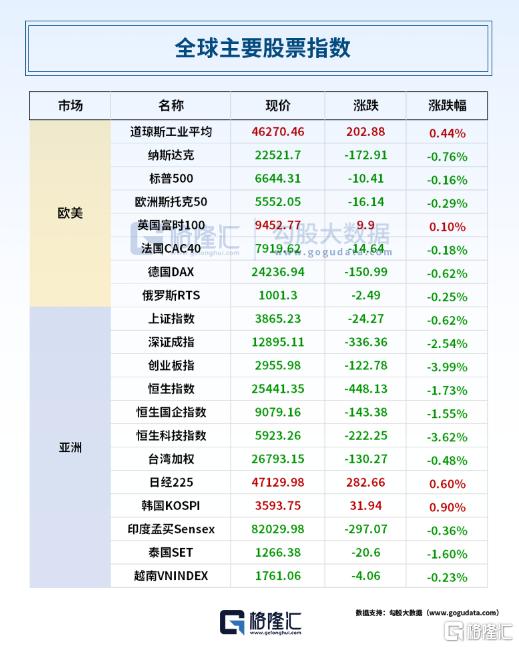
| | | 全球主要股票指数 | | | | --- | --- | --- | --- | --- | | 市场 | 名称 道琼斯工业平均 | 现价 46270.46 | 涨跌 202.88 | 涨跌幅 0.44% | | | 纳斯达克 | 22521.7 | -172.91 | -0.76% | | | 标普500 | 6644.31 | -10.41 | -0.16% | | 欧美 | 欧洲斯托克50 | 5552.05 | -16.14 | -0.29% | | | 英国富时100 | 9452.77 m | 129.9 | 0.10% | | | 法国CAC40 | | 7919.62. gogud =14.64 | -0.18% | | | 德国DAX | 24236.94 | -150.99 | -0.62% | | | 俄罗斯RTS | 1001.3 | -2.49 | -0.25% | | | 上证指数 | 3865.23 | -24.27 | -0.62% | | | 深证成指 | 12895.11 | -336.36 | -2.54% | | | 创业板指 | 2955.98 | -12 ...
昨夜,鲍威尔最新信号
Shang Hai Zheng Quan Bao· 2025-10-15 00:32
Market Performance - The three major U.S. stock indices showed mixed results on October 14, with the Dow Jones Industrial Average rising by 202.88 points (0.44%) to close at 46,270.46, while the Nasdaq Composite fell by 172.91 points (0.76%) to 22,521.70, and the S&P 500 decreased by 10.41 points (0.16%) to 6,644.31 [3][6]. Earnings Reports - Major banks kicked off the earnings season, with Citigroup reporting Q3 revenue of $22.1 billion, a 9% year-over-year increase, and all five core business segments achieving record revenues for the quarter, leading to a nearly 4% rise in its stock price [5]. - Wells Fargo's Q3 revenue reached $21.44 billion, up 5.3% year-over-year, with net interest income slightly below market expectations at $11.95 billion. The bank anticipates Q4 net interest income to be between $12.4 billion and $12.5 billion, resulting in a 7.15% stock price increase, the largest single-day gain since November 2024 [5]. - JPMorgan Chase reported adjusted Q3 revenue of $47.12 billion and profit of $14 billion, both exceeding analyst expectations, yet its stock fell by 1.89% [6]. - Goldman Sachs posted Q3 net revenue of $15.18 billion, a 20% year-over-year increase, but its stock also declined by 2.04% [6]. Technology Sector - The technology sector saw most major stocks decline, with Nvidia down 4.4%, Tesla down 1.53%, Amazon down 1.67%, and Meta down 0.99%. However, Apple rose by 0.04%, Google A increased by 0.53%, and Microsoft fell by 0.09% [5]. - AMD's stock rose by 0.77% after announcing an expanded partnership with Oracle to deploy 50,000 GPUs starting in Q3 2026 [5]. Commodities - The rare earth sector experienced significant gains, with Critical Metals rising over 28% and American Resources increasing over 36% [7]. - Gold prices reached a peak of $4,170 per ounce before retreating, while silver prices hit a historical high of over $53 per ounce before falling below $51 [8][9]. Federal Reserve Insights - Federal Reserve Chairman Jerome Powell indicated that the long-term asset balance sheet reduction plan may be nearing its end, with a focus on maintaining sufficient liquidity in the financial system [10][11]. - Market expectations suggest a nearly 98% probability of a 25 basis point rate cut at the upcoming Federal Reserve meeting [12].


重磅!鲍威尔敞开降息大门:9月会议以来前景没多大变化,就业下行风险显著,或接近停止缩表(附讲稿)
美股IPO· 2025-10-15 00:26
Core Views - The labor market in the U.S. is showing signs of deterioration, with increased risks of job losses, despite some economic data suggesting slightly stronger growth than expected [1][3][25] - The Federal Reserve may consider pausing its balance sheet reduction in the coming months, as liquidity conditions appear to be tightening [6][21] - The Fed's ability to control interest rates could be compromised if it is unable to pay interest on reserves, leading to greater market disruption [8][23] Economic Outlook - Recent data indicates that the economic growth trajectory may be more robust than previously anticipated, with the unemployment rate remaining low but wage growth slowing significantly [3][25][26] - The core personal consumption expenditures (PCE) inflation rate was reported at 2.9% over the past 12 months, reflecting a slight increase due to rising core goods prices [26][27] Labor Market Dynamics - Job vacancies are declining, which may lead to an increase in the unemployment rate, highlighting the potential for further job losses [5][25] - The Fed's assessment of risks related to employment and inflation has shifted, prompting a more neutral policy stance in September [27] Monetary Policy Considerations - The Fed is closely monitoring liquidity indicators and may take cautious actions to avoid a repeat of the "taper tantrum" experienced in 2019 [6][21] - The current framework of ample reserves has proven effective in controlling policy rates and supporting financial stability [20][24] Balance Sheet Management - The Fed's balance sheet, which currently stands at approximately $6.5 trillion, is primarily composed of U.S. Treasury securities and mortgage-backed securities [14][15] - There is an ongoing discussion about adjusting the composition of the Fed's asset holdings, with a potential increase in short-term assets [9][22]
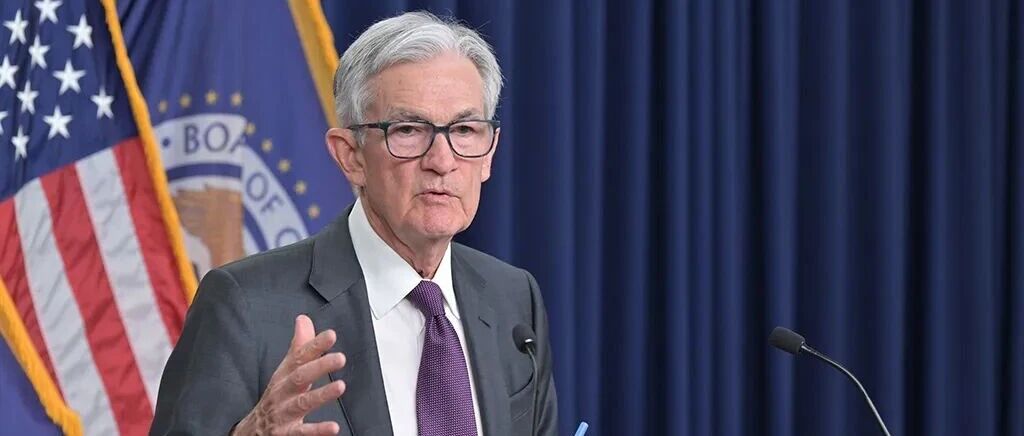
A股盘前播报 | 高层发声!持续用力扩内需 鲍威尔暗示缩表接近尾声
智通财经网· 2025-10-15 00:23
Macro - The Chinese government aims to enhance domestic demand and strengthen the domestic circulation by implementing counter-cyclical adjustments and utilizing policy resources effectively [1] - The People's Bank of China is conducting a 600 billion yuan reverse repurchase operation to stabilize the market, indicating a continued moderate monetary policy stance [3] - Federal Reserve Chairman Jerome Powell suggests that the quantitative tightening (QT) plan may soon come to an end due to tightening liquidity conditions in the financial system [4] Industry - Shanghai has issued an action plan for the high-quality development of the intelligent terminal industry, focusing on accelerating AI integration across various sectors and enhancing the scale of intelligent computing server terminals [2] - The Robotaxi market in China is projected to reach 83.1 billion yuan by 2030, driven by the growth of shared mobility services [8] - Domestic manufacturers have made significant advancements in computing chips, achieving performance levels over 1000 times that of top-tier GPUs, signaling positive prospects for China's AI and computing industry [9] - The production of power and other batteries in China reached 151.2 GWh in September, marking a year-on-year increase of 35.4%, indicating strong growth in the lithium battery sector [10] Company - Shenghe Resources expects a net profit increase of 696.82% to 782.96% year-on-year for the first three quarters [11] - Shandong Gold anticipates a net profit increase of 83.9% to 98.5% year-on-year for the first three quarters [13] - Xinda Co. forecasts a staggering net profit increase of 2807.87% to 3211.74% year-on-year for the first three quarters [13] - Chongqing Steel is expected to report a loss of 210 million to 230 million yuan for the first three quarters [13] - China Metallurgical Group's new contract signing amount for the first three quarters is 760.67 billion yuan, a year-on-year decrease of 14.7% [13]