二次元经济

Search documents
上海市徐汇区 让流量成为发展新动能
Jing Ji Ri Bao· 2025-08-30 23:20
Group 1: Economic Development through Cultural and Sports Events - Xuhui District is actively promoting the integration of culture, tourism, commerce, and sports, transforming traditional commercial areas and exploring new business layouts to drive economic growth [1][2] - The hosting of major events like the concert by the Times Youth League attracted over 300,000 attendees, resulting in a significant increase in foot traffic and revenue for the Xujiahui commercial area, with total revenue exceeding 145 million yuan [2][3] - The 2025 UFC Fight Night in Shanghai also contributed to the local economy, with the event being part of a series of major international and domestic events held in the area [2][3] Group 2: Impact of Major Events on Local Economy - In August 2025, Xuhui District hosted over 200 events, with ticket sales linked to various commercial areas, generating a total consumption of 2.686 billion yuan and a direct economic impact of nearly 3 billion yuan [3] - The introduction of renowned cultural and sports IPs has significantly boosted the local economy, with events like the Shanghai Marathon and FISE World Series contributing to the growth of related industries such as dining, accommodation, and tourism [3] Group 3: Development of the ACG (Anime, Comic, Game) Economy - Xuhui District is a hub for the ACG culture in Shanghai, hosting major companies like Tencent and miHoYo, and establishing a game industry service center to support this sector [4][5] - The newly announced "Meta World Neo World" aims to enhance the ACG experience by integrating various cultural IPs and creating immersive environments for fans [5][6] Group 4: Transformation of Commercial Spaces - The Xujiahui commercial area is evolving from merely renting space to becoming content operators, exemplified by the "Butter Bear" exhibition that transformed a shopping mall into a themed showcase [7][8] - The district is undergoing a transformation from linear to circular commercial layouts, focusing on attracting younger consumers and innovative business models [8][9] Group 5: Seasonal Economic Activities - Xuhui District is implementing a "Four Seasons Economy" strategy, with seasonal events designed to stimulate economic activity throughout the year, including fashion weeks, art festivals, and technology expos [9] - The district aims to leverage its cultural and commercial resources to create a cohesive marketing strategy that enhances consumer experiences and drives economic growth [9]
成都、重庆商业体扎堆爆改二次元,谁扛大旗?谁画大饼?
Xin Lang Cai Jing· 2025-08-30 02:30
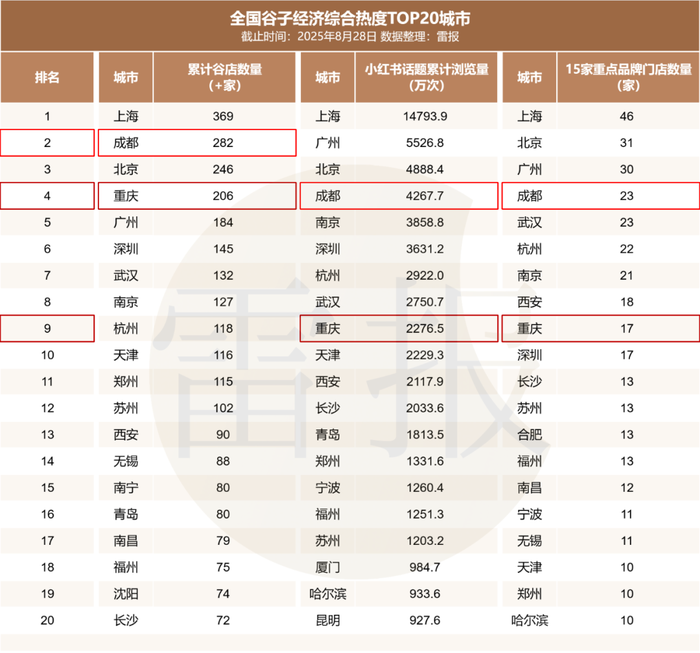
Core Insights - The offline "谷子" stores are facing challenges due to rough growth and homogeneous competition, moving away from the previous "early entry benefits" phase, yet the strong momentum of the二次元 economy remains evident, driven by the mainstreaming of二次元 culture and emotion-driven consumption logic [1] - Despite negative sentiments like "closure waves," offline commercial entities are actively exploring new growth paths and differentiation strategies through aggressive renovations, strategic introduction of二次元 themed districts, and cautious trials of IP pop-ups and二次元 markets [1] - The二次元 economy is recognized as a significant driver of consumer growth, with long-term sustainability and potential being inevitable [1] Group 1: Market Overview - Major cities like Shanghai, Guangzhou, and Shenzhen are analyzed for their二次元 commercial layouts and key players, indicating a competitive landscape [1] - New first-tier and second-tier cities, such as Chengdu and Chongqing, are also experiencing rapid development in二次元 commerce, ranking among the top ten cities nationwide in terms of谷店 quantity, social media popularity, and key brand presence [2] Group 2: Chengdu's二次元 Landscape - Chengdu's天府红 shopping center is a prime example of a successful二次元 transformation, housing nearly 70谷店 and achieving a significant increase in二次元 brand presence [6] - The春熙路 commercial area is projected to become a new二次元 hub, with a projected foot traffic of over 200 million and commercial revenue nearing 100 billion in 2024 [8] - The购次元K88 project has attracted over 800,000 visitors in its first month, with a significant portion of its audience being young women aged 15-25 [10] Group 3: Chongqing's二次元 Development - Chongqing's谷子 economy is robust, with over 200谷店, primarily concentrated in the观音桥 and解放碑 commercial areas [25] - The方圆LIVE project has become a popular二次元 destination, featuring 33谷店 and hosting various IP pop-up events [27] - The解放碑商圈 has seen significant foot traffic, exceeding 2.5 million during peak holiday periods, indicating a strong potential for二次元 commercial growth [33] Group 4: Challenges and Future Outlook - The二次元 industry faces challenges such as product homogenization, scene convergence, and single interaction forms, raising the market entry barrier for new players [38] - The competition among established and new entrants is intensifying, with a need for deeper understanding of二次元 culture and consumer psychology to succeed [38] - The future landscape of二次元 commerce remains uncertain, with ongoing competition and evolving consumer demands [38]

广州首家市内免税店落地,免税经济能带来多少消费增量?
Xin Lang Cai Jing· 2025-08-28 03:16
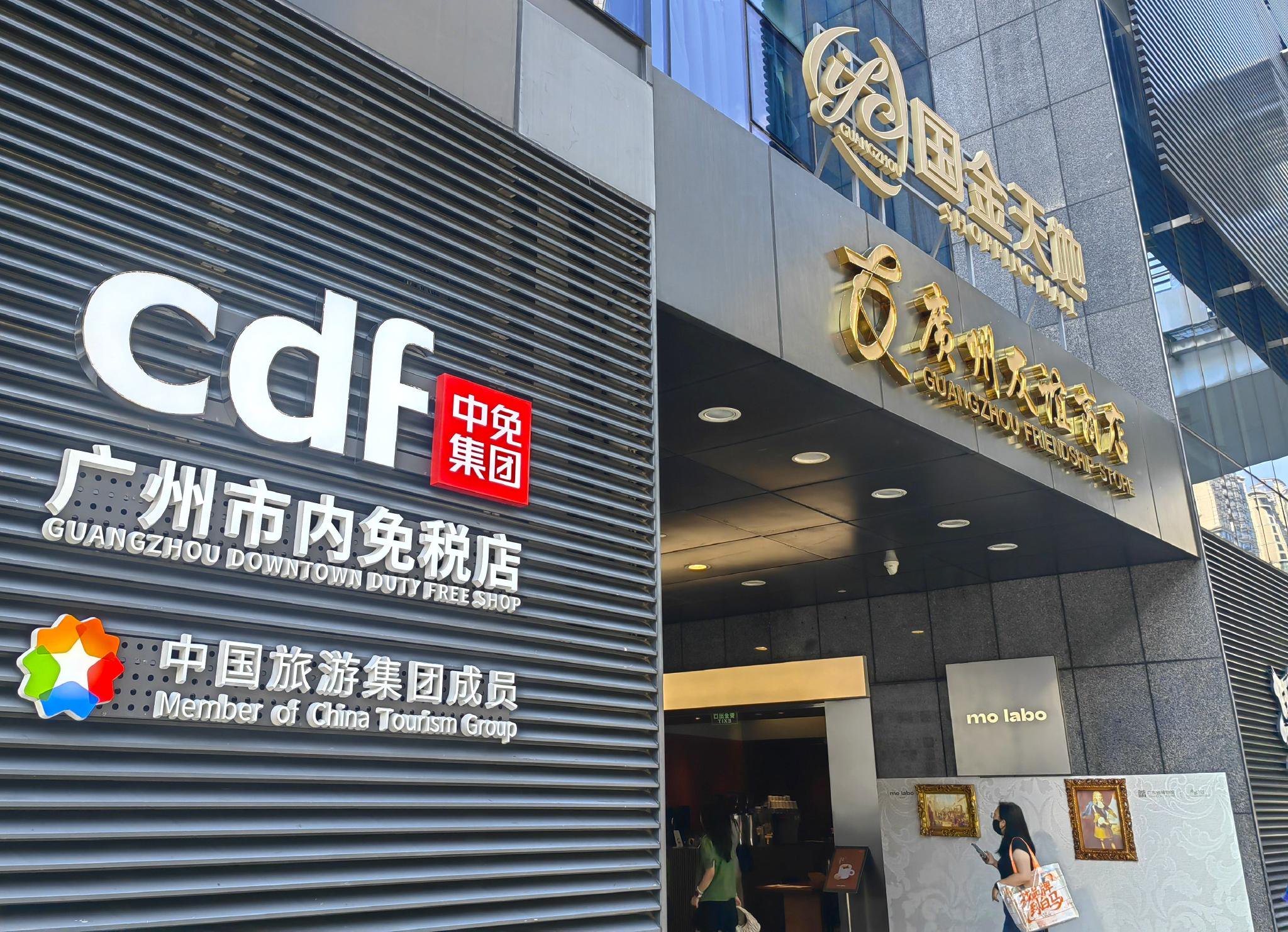
Core Viewpoint - The opening of Guangzhou's first city duty-free store marks a significant expansion in the duty-free market, targeting both outbound Chinese travelers and inbound foreign tourists, with the aim of boosting local consumption and tourism [1][3][5]. Group 1: Market Expansion - The city duty-free store in Guangzhou is part of a broader initiative to enhance the duty-free shopping experience, allowing travelers to purchase tax-free goods before departure [1][6]. - The store is strategically located in the CBD of Tianhe District, with a pickup point at Baiyun Airport, catering to travelers leaving within 60 days [1][5]. - The Chinese government is promoting the expansion of city duty-free stores, with plans to open additional stores in eight cities by August 2024 [1][3]. Group 2: Consumer Behavior - The store offers significant discounts, ranging from 50% to 88%, attracting consumers like Chen Jing, who purchased skincare and alcohol products before her trip to Bangkok [1][6]. - The flexibility of city duty-free stores, such as no shopping limits and a wider variety of products, contrasts with other types of duty-free stores [6][7]. - The store features local cultural products, including traditional crafts and brands, appealing to both local and international consumers [7][9]. Group 3: Economic Impact - The introduction of city duty-free stores is expected to stimulate not only retail sales but also related sectors such as tourism, hospitality, and entertainment [9][10]. - The duty-free shopping model is anticipated to generate significant economic benefits, with estimates suggesting that every 10,000 yuan in sales could create over 50,000 yuan in overall economic activity [10]. - The performance of the duty-free sector in Hainan has shown a strong correlation with increased tourism revenue, indicating potential growth for Guangzhou's new store [10]. Group 4: Industry Challenges - Despite the potential for growth, there are concerns that the requirement for travelers to pick up goods at the airport may limit purchase intentions, particularly for larger items [9][12]. - Traditional retail formats, such as department stores, face challenges from the evolving consumer landscape, necessitating adaptation to new business models, including the integration of duty-free shopping [12][13]. - The competition for attracting younger consumers is driving innovative marketing strategies, such as themed exhibitions and events, to enhance engagement and foot traffic [13].


广州/深圳二次元商业体厮杀正酣,谁能领跑华南?
3 6 Ke· 2025-08-27 02:36
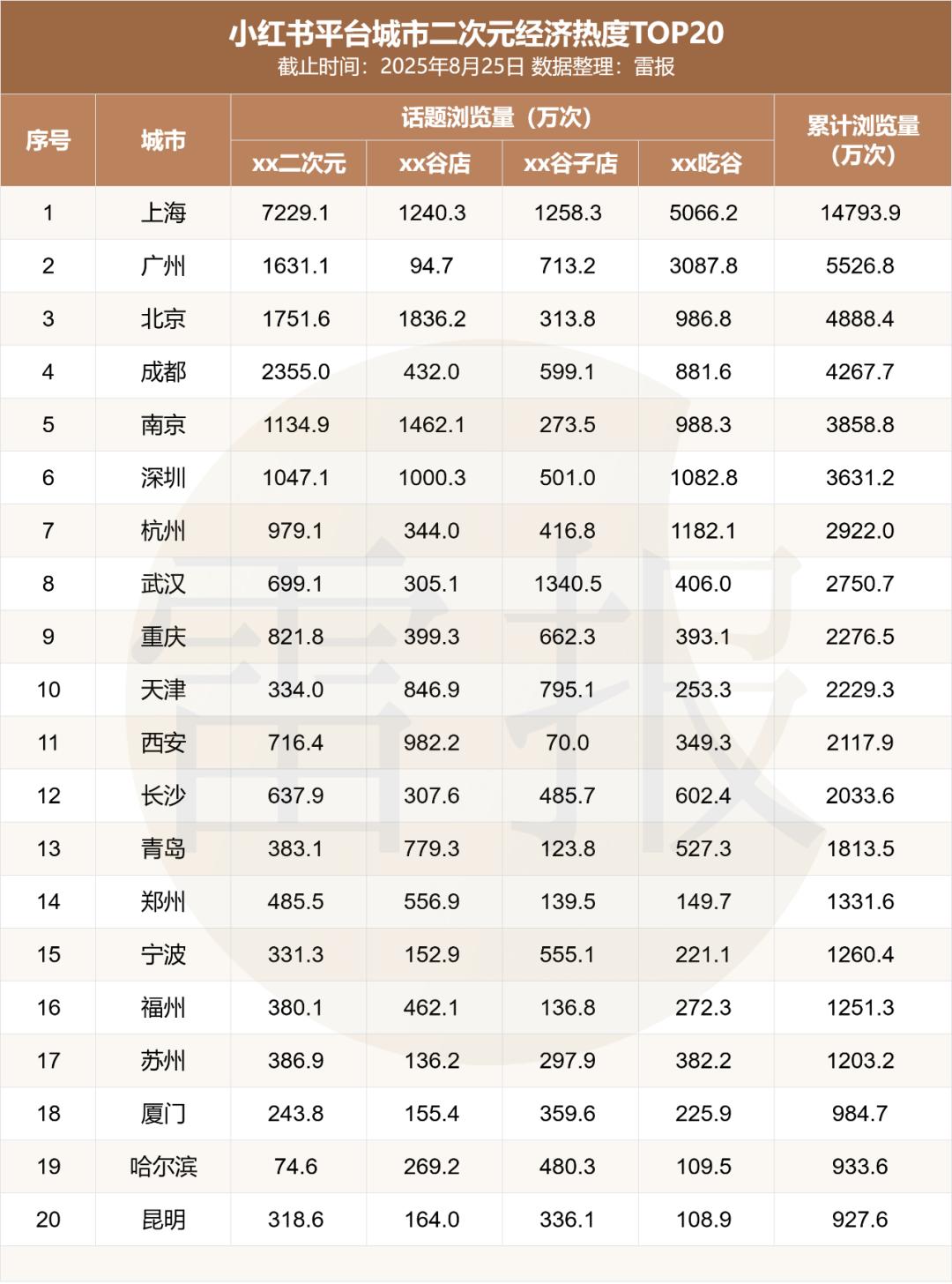
Core Insights - The market size of the millet economy in China is expected to exceed 200 billion yuan by 2025, driven by the expansion of millet concepts and product categories, as well as the increasing consumer demand for spiritual consumption [1] - The broader pan-2D and peripheral market is projected to reach 652.1 billion yuan by 2025 and 834.4 billion yuan by 2029 [1] - Guangzhou and Shenzhen are emerging as key players in the 2D economy, showcasing robust development and consumer engagement [2][3] Market Overview - The millet economy is gaining traction in various cities, with a focus on social media engagement, the number of millet stores, and brand positioning [1] - Guangzhou's retail sales reached 561.1 billion yuan in the first half of 2025, while Shenzhen's reached 494.9 billion yuan, ranking fifth and sixth nationally [2] - The high proportion of young consumers in both cities contributes to a strong acceptance of new cultural trends, particularly in the 2D sector [2] Consumer Engagement - As of August 25, 2025, the topic of "eating millet" in Guangzhou garnered 55.3 million views, while Shenzhen's related topics reached 36.3 million views, indicating strong regional interest [3] - The density of millet stores in Guangzhou (184) and Shenzhen (145) positions them among the top cities in China for millet store distribution [5][7] Commercial Landscape - Guangzhou's 2D commercial landscape is concentrated along the subway Line 1, with key areas including Beijing Road, Tianhe Road, and Zhongshan Third Road [8] - The Beijing Road business district, a historical commercial hub, recorded a foot traffic of 134 million in 2024, with significant contributions from the 2D economy [10] - The Tianhe Road business district is a major shopping area with nearly 300 million visitors in the first half of 2025, hosting various 2D-related events and activities [16] Key Players and Developments - The "Anime Star City" in Guangzhou features over 50 2D-related stores and has a high occupancy rate of 99.8%, generating revenue of approximately 37.2 million yuan in the first half of 2025 [10][11] - The "Big City" in Shenzhen is recognized as a leading 2D destination, attracting up to 56,000 visitors in a single day [21] - Various commercial complexes in Shenzhen, such as C Future City and Happy Coast, are actively hosting 2D events and introducing new brands to enhance consumer engagement [27][30]
为了这个 6000 亿市场,互联网大厂又“打起来”了
Sou Hu Cai Jing· 2025-08-25 15:01
Core Insights - The growth logic of the ACG (Anime, Comic, and Game) sector fundamentally conflicts with the internet's demand for scale, as platforms seek broad growth while ACG's commercial value relies on deep engagement within niche communities [23][24]. Group 1: Market Growth and User Engagement - Xiaohongshu has accumulated a significant number of ACG users, with content publication in this category growing by 175% year-on-year, second only to fashion and food [1]. - The general ACG user base is projected to reach 503 million by 2024, nearly half of the total internet users, with the market size expected to reach 597.7 billion yuan [2]. - Major internet companies, including Tencent and Bilibili, are heavily investing in ACG content, with Tencent Video planning to release nearly 90 ACG projects by 2025 [3]. Group 2: Consumer Spending and Demographics - The Z generation, which constitutes a core part of the ACG user base, has a disposable income of 13 trillion yuan, with 95% being ACG users who show a higher willingness to pay for ACG content [4]. - The ACG peripheral market has seen significant growth, with the market size increasing from 5.3 billion yuan in 2016 to 102.4 billion yuan in 2023, representing a compound annual growth rate of 52.7% [7]. Group 3: Content Creation and Monetization Challenges - Bilibili's animation short dramas have shown promising growth, with monthly revenue surpassing 10 million yuan and a year-on-year growth rate of nearly 140% [5]. - Despite the growth in ACG content, Bilibili's IP derivative product revenue has been declining, dropping to 4.7 billion yuan in Q1 2025, marking a 4% year-on-year decrease [12]. - The ACG industry faces a structural contradiction of high traffic but low conversion rates, with many platforms struggling to monetize effectively [17][20]. Group 4: Market Dynamics and Competition - The competition for ACG content is intensifying, with platforms like Douyin and Kuaishou reporting billions of views on ACG topics, indicating a growing interest [3]. - The overall internet user growth is slowing, with the mobile internet monthly active user count reaching 1.235 billion by 2024, leading to a more competitive environment for user acquisition [21]. - The ACG market's potential is significant, but the reliance on niche communities poses challenges for broader market penetration [23][24]. Group 5: Future Outlook and Strategic Implications - The ACG sector's growth may not be sustainable without innovative content and effective monetization strategies, as evidenced by Bilibili's struggles with user growth and revenue generation [13][14]. - The increasing costs of content licensing and the reliance on external IPs for revenue generation are pressing concerns for companies in the ACG space [15][16]. - As the internet landscape evolves, companies may need to adapt their strategies to navigate the complexities of the ACG market while addressing the challenges of user engagement and monetization [22][27].

新业态!新场景!中央大街“老商业”兴起“爆改潮”
Sou Hu Cai Jing· 2025-08-23 11:02
Core Insights - The article highlights the transformation of traditional retail spaces in Harbin, focusing on the shift from selling products to providing experiential consumption opportunities, particularly during the summer tourism boom [1][4][10] Group 1: Retail Transformation - Major shopping centers around Central Street have undergone optimization and upgrades, resulting in an average increase of 20-30% in foot traffic [1][8] - The introduction of over 100 trendy stores and more than 20 experiential zones has diversified the shopping experience for both locals and tourists [1][4] - The shift towards experiential retail is evident, with activities such as interactive cooking demonstrations and DIY toy-making attracting significant customer engagement [2][4] Group 2: Targeting Young Consumers - The establishment of a "two-dimensional" street in the 松雷商厦 has attracted a younger demographic, featuring anime-themed activities and merchandise [5][6] - Events related to popular culture, such as anime product launches and themed festivals, have successfully drawn crowds, with peak attendance reaching approximately 2,000 visitors over two days [8] - The focus on integrating entertainment and leisure activities, such as VR experiences and themed dining, has significantly enhanced customer satisfaction and extended their visit duration [11] Group 3: Revamping Traditional Spaces - Traditional shopping centers are actively replacing outdated retail formats with new, engaging concepts to revitalize foot traffic [10][11] - 百盛购物中心 has transformed its fifth floor into a themed street, incorporating diverse offerings like dining, cinema, and interactive experiences, resulting in a 20-fold increase in foot traffic compared to previous levels [11] - The strategic redesign of store layouts and the introduction of unique entertainment options have proven effective in attracting and retaining customers [10][11]

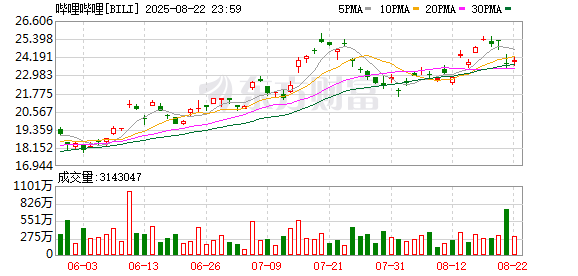
B站营收、用户双增 “二次元经济”破壁待解
Zhong Guo Jing Ying Bao· 2025-08-22 15:59
Core Viewpoint - Bilibili (NASDAQ: BILI, HKEX: 9626) reported a total revenue of 7.34 billion yuan for Q2 2025, marking a 20% year-on-year increase, and continued profitability following its first profit in Q3 2024 [2][3] Revenue Breakdown - Bilibili's revenue is categorized into four main segments: value-added services (39%), advertising (33%), gaming (22%), and IP derivatives and other businesses (6%) [3] - Value-added services revenue reached 2.84 billion yuan, up 11% year-on-year, driven by increased income from live streaming and other services [3] - Advertising revenue was 2.45 billion yuan, a 20% increase, attributed to growth in performance-based advertising [3] - Gaming revenue was approximately 1.61 billion yuan, showing a significant 60% increase, primarily due to the strong performance of the exclusive game "Three Kingdoms: Strategy of the World" [3] Advertising Business Insights - Bilibili's COO highlighted three reasons for the record advertising revenue: enhanced integration of promotional and conversion capabilities, improved ad distribution efficiency, and increased focus on deep conversion [4] - During the "6.18" e-commerce promotion, Bilibili collaborated with major platforms, resulting in a 60% increase in the number of advertisers and a 33% growth in overall GMV [4] Gaming Business Strategy - The CEO indicated that "Three Kingdoms: Strategy of the World" is entering a long-term operational phase, focusing on user retention and engagement [5] - Plans for a traditional Chinese version for Hong Kong, Macau, and Taiwan by the end of the year, with potential overseas releases in Japan and South Korea next year [5] Community Engagement and Growth - Bilibili's daily active users reached 109 million, a 7% increase year-on-year, with average daily usage time growing to 100 minutes [7] - The "Bilibili World 2025" event attracted over 400,000 attendees, with 70% from outside Shanghai, indicating a growing community presence [7][9] Market Potential in ACG Economy - The number of pan-ACG users in China reached 503 million in 2024, suggesting a significant market for Bilibili to explore diverse monetization strategies [8] - Bilibili's community brand has become an integral part of many young people's lives in China, reflecting user recognition and engagement [9]
为什么都要“卷”漫展?
3 6 Ke· 2025-08-22 01:05
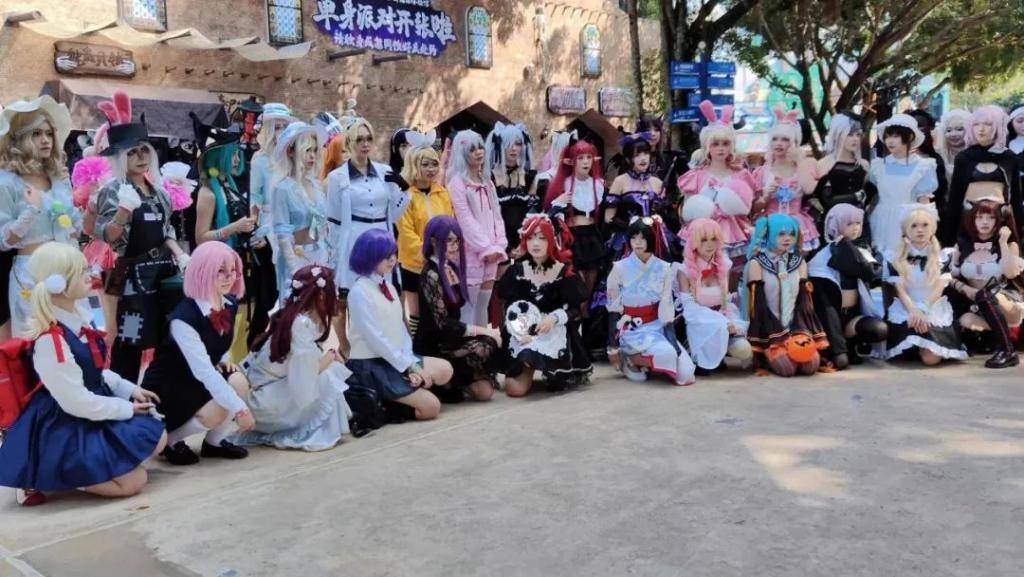
Core Insights - The emergence of offline comic conventions, previously dominated by Bilibili, is now being pursued by social platforms like Weibo and Xiaohongshu, indicating a shift in the competitive landscape of the industry [1][6][10] - Xiaohongshu aims to create a "2.5D experience" that resonates with its user base, while Weibo focuses on leveraging its social media influence to generate buzz and online discussions around these events [3][5][9] Group 1: Event Overview - Xiaohongshu's RED LAND event in Shanghai featured an immersive experience with interactive installations and a music festival, aiming to transform the convention into a lifestyle festival [1][3] - Weibo's first gaming and anime expo attracted 68,000 attendees, with a significant portion of the audience being under 30, showcasing the platform's ability to generate substantial online engagement [3][6] Group 2: Market Dynamics - The growth of the ACG (Anime, Comic, and Game) economy is driving platforms to engage in this space, with the number of pan-ACG users in China projected to grow from 210 million in 2017 to 526 million by 2025 [7][10] - The demand for comic conventions is increasing, with over 1,000 events planned nationwide in May alone, indicating a shift from niche to mainstream consumer interest [7][9] Group 3: Competitive Landscape - Bilibili's established event, Bilibili World, has become a significant industry event, attracting 400,000 attendees in 2025, while ChinaJoy also set a record with over 410,300 visitors [6][10] - The entry of Weibo and Xiaohongshu into the convention space is expected to diversify the market, moving it from a niche gathering to a broader platform competition [6][10] Group 4: Challenges Ahead - Both Weibo and Xiaohongshu face challenges in content and IP accumulation, relying heavily on external resources rather than developing their own original content [10][12] - Execution issues have been noted, such as long wait times and limited facilities at Xiaohongshu's event, which could affect the overall attendee experience [12][14] - For these platforms to establish a lasting presence in the convention space, they must focus on building content, commercial viability, and user recognition rather than just short-term engagement [14]


B站高管解读Q2财报:今夏Bilibili World参展人数超40万创纪录
Xin Lang Ke Ji· 2025-08-21 14:04
Core Insights - Bilibili reported a total net revenue of 7.34 billion yuan for Q2 2025, representing a 20% year-over-year increase, and a net profit of 218.3 million yuan, compared to a net loss of 608.1 million yuan in the same period of 2024 [1] - The adjusted net profit, not in accordance with US GAAP, was 561.3 million yuan, while the adjusted net loss for the same period in 2024 was 271 million yuan [1] User Growth and Engagement - The company experienced a 7% year-over-year increase in Daily Active Users (DAU) and an 8% increase in Monthly Active Users (MAU), attributed to a focus on high-quality content and community atmosphere [3][4] - The growth in user engagement is driven by the increasing demand for quality content, which creates a one-way upgrade characteristic in user expectations [3] Community and Content Ecosystem - Bilibili's strategy emphasizes the symbiotic relationship between quality content and a positive community atmosphere, which attracts dedicated users who contribute to the platform's creative ecosystem [4] - Successful creators on Bilibili often gain recognition quickly, and the platform serves as a launchpad for content that later gains broader appeal [4] Bilibili World (BW) Event - The recent Bilibili World event attracted over 400,000 attendees, with 70% coming from outside Shanghai and 11% of tickets purchased by international users, highlighting the event's growing influence [5] - BW has become a significant cultural event in China, representing the deep recognition of the Bilibili brand among users and contributing to local economic activity [5][6]
小红书2.5次元的浪花,难撼二次元的深海
3 6 Ke· 2025-08-19 23:46
Core Insights - Xiaohongshu's recent foray into the ACG (Anime, Comic, and Game) community has not significantly altered the existing landscape, with core players still favoring platforms like Bilibili for in-depth content and Douyin for short videos [1][10] - The RED LAND event in Shanghai, strategically located near Bilibili's headquarters, symbolizes a new round of competition among internet platforms for the youth demographic [1][3] User and Strategic Drivers - Xiaohongshu's RED LAND marks its first large-scale offline event in the gaming and ACG sector, with a 175% increase in ACG content and a 168% rise in gaming content published on the platform over the past year [3][5] - The user demographic has shifted, with 50% of users being post-95s and 35% post-00s, predominantly female, aligning closely with the ACG audience [3][5] - The platform's rebranding from "Your Life Guide" to "Your Life Interest Community" reflects a strategic pivot towards interest-based social engagement, aiming to harness the spending potential of younger users [5][10] 2.5D User Engagement - The concept of 2.5D users, who integrate ACG interests into their daily lives, is crucial for Xiaohongshu's strategy in the ACG space [7][9] - The rise of "Guzi Economy" has facilitated the conversion of ACG enthusiasm into real-world consumption, contrasting with traditional core ACG communities [7][9] - Despite advantages in the otome game sector, Xiaohongshu struggles to attract hardcore gamers focused on in-depth content, indicating a limitation in its appeal to competitive gaming audiences [7][9] Competitive Landscape - The Chinese ACG industry is projected to reach a market size of 221.9 billion yuan in 2023, with the number of ACG users expected to grow from 210 million in 2017 to 526 million by 2025 [10][12] - Bilibili's established community culture and content ecosystem provide a more immersive ACG experience, while Xiaohongshu is still in the early stages of community expansion [12][13] - Other platforms like Douyin and Weibo are also targeting the youth demographic, leveraging their unique strengths to engage with ACG audiences [12][13] Future Challenges - Xiaohongshu's ability to convert the enthusiasm of 100,000 event participants into a sustainable community ecosystem will be critical for its success in the ACG sector [10][13] - The platform's current focus on brand exposure rather than deep partnerships with game developers may limit its long-term growth potential in the ACG market [12][13]