友岸外包

Search documents
上海交大胡捷:中国企业出海“所到之处寸草不生”,既是优势也是劣势
凤凰网财经· 2025-06-30 14:22
Core Viewpoint - The forum aims to provide a high-end platform for Chinese enterprises to tackle challenges in going global amidst the restructuring of global industrial chains, focusing on collaborative and sustainable transformation paths [1]. Group 1: Globalization and Industry Trends - The current global landscape is characterized by a shift from extensive manufacturing in China to a "China + 1" and "China + N" model, indicating a transition from offshore outsourcing to nearshore and friendshoring [3]. - The trend of Chinese enterprises going global is driven by both the need for business development and changes in the international landscape [3]. Group 2: Challenges Faced by Chinese Enterprises - Chinese enterprises possess strong competitive advantages but also face challenges, particularly from other Chinese competitors in international markets, which can lead to significant profit erosion despite high production capacity [4]. - The need for high-quality globalization is emphasized, requiring enterprises to enhance their soft power and strategic planning capabilities [3][4]. Group 3: Strategic Recommendations - Enterprises should focus on comprehensive strategic planning, moving from product export to overall corporate globalization, and strengthen cross-cultural management to better understand global perspectives [3]. - Sustainable development is crucial, with a focus on avoiding political risks and understanding the political dynamics of host countries [3]. - Brand development is highlighted as a key factor for successful international expansion, with an emphasis on creating world-class brands that respect local cultures and values [4].


印度真正的麻烦可能才刚刚开始
虎嗅APP· 2025-05-14 09:36
Core Viewpoint - The article discusses the ongoing conflict between India and Pakistan, highlighting the complexities and implications of their military engagements, particularly in the context of regional stability and economic growth for India [1][4][6]. Summary by Sections Conflict Outcomes - There are two narratives regarding the recent military engagements: one from Pakistan claiming a 6:0 victory, and another from India denying significant losses, suggesting that the reported downed aircraft were from previous incidents [2][3]. India's Economic Context - India has benefited from the geopolitical tensions between the US and China, as well as the Russia-Ukraine conflict, positioning itself as a favorable destination for foreign investment [4][6]. - The Indian government is actively promoting local manufacturing to reduce dependency on imports, which is evident in the establishment of factories by major companies like Apple and Tesla in India [4][5]. Risks of Conflict - The article emphasizes that military conflicts pose significant risks to India's economic growth, as instability can deter foreign investment and strain financial resources [7][8]. - The ongoing tensions in Kashmir, a disputed territory, continue to fuel military confrontations, which could escalate into larger conflicts [8][12]. Historical Context - The historical roots of the conflict stem from the partition of India and Pakistan, particularly regarding the Kashmir region, which has a predominantly Muslim population but was governed by a Hindu-majority leadership at the time of partition [8][10]. - The article notes that both countries have engaged in numerous skirmishes over the years, with significant attacks leading to casualties on both sides [12][13]. International Dynamics - The US has traditionally supported Pakistan but is now seeking closer ties with India to counterbalance China's influence, complicating the diplomatic landscape [15][19]. - The article suggests that the ongoing conflict may lead to a prolonged military standoff, with potential implications for regional security and economic stability [18][20]. Future Outlook - The potential for continued military engagements between India and Pakistan is highlighted, with the possibility of a decade-long cycle of conflict that could strain India's resources and impact its investment climate [18][19].
洛杉矶港的“闲与忙”:中外海运人士称一波航运高峰即将到来
Huan Qiu Shi Bao· 2025-05-13 22:37
Group 1 - The US shipping industry and retailers are optimistic about the progress made in the US-China Geneva trade talks, anticipating a surge in trade activity within a 90-day window [1][9] - The number of containers arriving at the Port of Los Angeles has decreased by approximately one-third compared to the same period last year, largely due to reduced orders from US importers unable to bear tariffs [2][8] - Shipping companies have reported a significant drop in container bookings from China to the US, with a 64% decrease in bookings during the week of April 1 [6][8] Group 2 - Retailers are preparing for increased costs due to tariffs, with one shoe retailer expecting a 40% rise in costs, leading to higher prices for fall merchandise [5][9] - Many US importers are rushing to replenish inventory ahead of the holiday season, with expectations of a wave of shipments from China [5][6] - The logistics sector is experiencing a surge in shipping demand, with a 35% increase in shipping bookings from China on the first day following the Geneva talks [6][8] Group 3 - The shipping market is expected to see a short-term increase in freight rates, with predictions of a 20% rise in shipping prices from China to the US West Coast [8][9] - The uncertainty surrounding US trade policies is causing concern among exporters, who fear that fluctuating tariffs may hinder long-term business decisions [9] - The ongoing trade tensions may lead to a restructuring of supply chains, potentially increasing global shipping demand and prompting shipping companies to diversify their market strategies [9]

特朗普对华服软晚了一步,一架专机降落北京,来截胡美国订单?
Sou Hu Cai Jing· 2025-05-13 11:48
Group 1 - The core point of the article highlights the significant adjustments made by the U.S. in the trade negotiations with China, including the cancellation of most tariffs, indicating a desire to ease trade tensions and restore trade flows [1][2][5] - The U.S. has removed 91% of the additional tariffs, while China has reciprocated by withdrawing its countermeasures, with an additional 24% of tariffs paused for 90 days [2][5] - The negotiations are seen as a response to both internal and external pressures on the U.S. government, with various stakeholders urging for a resolution to avoid economic downturns [7][9] Group 2 - Brazil's recent visit to China by President Lula, accompanied by a large business delegation, signifies Brazil's intent to secure more trade agreements, potentially capitalizing on the U.S.-China trade tensions [11][13] - Brazil aims to increase exports of traditional agricultural products and minerals to China, including soybeans, beef, and iron ore, while also seeking long-term supply contracts [13][15] - The collaboration extends to renewable energy and technology sectors, with Brazil looking to attract Chinese investment in semiconductor manufacturing and 5G network development [17][20] Group 3 - The evolving trade dynamics between China and Brazil may challenge the U.S.'s influence in Latin America, as Brazil emphasizes a non-aligned stance and seeks to reduce reliance on the U.S. dollar [19][22] - The U.S. technology blockade against China may face obstacles as Brazil expresses interest in collaborating on advanced technologies, potentially undermining U.S. efforts [20][22] - The article suggests that the global economic landscape is shifting towards a more diversified cooperation model, indicating that unilateral pressure from the U.S. may lead to lost opportunities [25][27]
印度真正的麻烦可能才刚刚开始
Hu Xiu· 2025-05-13 05:44
Group 1 - The article discusses the ongoing conflict between India and Pakistan, highlighting that each ceasefire often leads to the next conflict, indicating a cycle of violence [1] - There are two narratives regarding the recent military engagements: one from Pakistan claiming a 6:0 victory and another from India denying significant losses, suggesting that the situation is complex and both sides have their own versions of events [3][4] - India's recent economic growth has been influenced by global geopolitical tensions, particularly the US-China trade war and the Russia-Ukraine conflict, positioning India as a favorable destination for foreign investment [5][6][9] Group 2 - The article emphasizes the potential risks to India's economy due to military conflicts, as instability can deter foreign investment, which is crucial for India's growth [10][11] - The historical context of the Kashmir conflict is provided, explaining the deep-rooted territorial disputes and the involvement of various militant groups, which complicates the situation further [13][15][19] - The article suggests that the ongoing tensions may lead to a prolonged period of military pressure on India, similar to historical conflicts, which could have significant implications for regional stability and investment [30][36]
美国芯片,难的还在后台
半导体行业观察· 2025-05-03 02:05
Core Viewpoint - The article discusses the challenges and strategies related to the U.S. semiconductor industry, emphasizing the need for a skilled workforce, competitive wages, and the rebuilding of manufacturing capacity to address the decline in domestic chip production [1][2][3]. Group 1: Legislative and Financial Support - The Biden administration introduced the CHIPS and Science Act to revitalize the domestic semiconductor manufacturing sector, with over $37 billion allocated to 32 companies and 48 projects [1]. - The legislation is seen as a necessary step for national security and manufacturing revitalization, but it is only the beginning of addressing semiconductor challenges [1]. Group 2: Workforce Development Challenges - There is a significant shortage of skilled labor in the semiconductor industry, making it as difficult to staff wafer fabs as it is to build them [2]. - Companies often recruit from a limited talent pool, leading to challenges in training and retaining skilled workers, which hinders private sector investment in necessary training [2]. - The median wage for electronic product manufacturing workers is $24 per hour, which is lower than that of mechanics and welders, complicating competitiveness in the global market [2]. Group 3: Manufacturing Capacity and Supply Chain Issues - The U.S. semiconductor manufacturing capacity has been declining for decades, necessitating a rebuild of the industry [3]. - The complexity of the manufacturing supply chain, including the need for components like printed circuit boards, poses additional challenges [3]. - Without a clear plan for utilizing new domestic semiconductor resources, there is a risk of surplus chips without a market [3]. Group 4: Future Manufacturing Strategies - The U.S. faces a choice between investing in rebuilding electronic manufacturing capabilities or relying on a distributed global assembly model, often referred to as "friend-shoring" [4]. - Establishing a friend-shoring assembly system could help integrate U.S. design expertise with lower-cost labor, potentially reshaping the current international manufacturing landscape [4].


日本为何敢于对美国说“不”?解析其在中美博弈中的战略权衡
Sou Hu Cai Jing· 2025-04-27 01:54
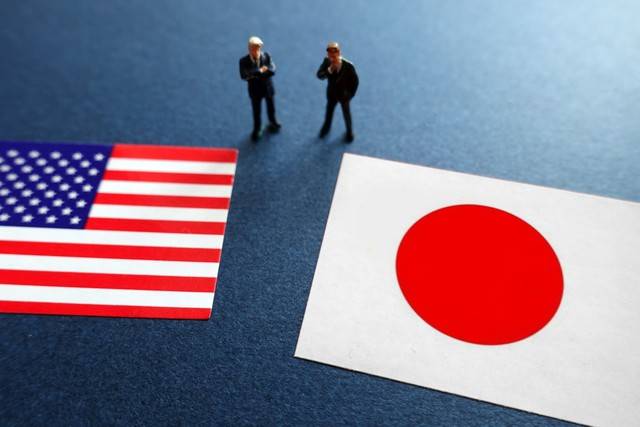
Core Viewpoint - Japan's government has clearly stated its intention to resist the U.S. efforts to form an "economic cooperation mechanism to contain China," emphasizing that it will not compromise its economic relationship with China for the sake of negotiations with the U.S. [1] Economic and Trade Relations - China has been Japan's largest trading partner for 15 consecutive years, with a trade volume expected to reach $370 billion in 2024, accounting for 20% of Japan's total foreign trade [2] - Japan's exports to China primarily consist of technology-intensive industries such as automobiles and semiconductor equipment, while China is a crucial source of rare earths and electronic components for Japan, with rare earths making up 60% of imports and electronic components 40% of Japan's supply chain [4] - Japanese automakers like Honda and Toyota derive 35% of their global profits from the Chinese market, indicating that a withdrawal from China could result in annual losses exceeding $40 billion for Japan's automotive industry [4] Strategic Resource Dependency - China controls 70% of global rare earth processing capacity, which is vital for Japan's electronics, high-end manufacturing, and defense industries [6] - Japan's precision instruments and core components are deeply embedded in China's manufacturing supply chain, creating an inseparable interdependence between the two nations [6] Japan's Refusal to Choose Sides - Japan faces significant economic constraints, with government debt totaling 300 trillion yen (approximately 300 billion USD) and a projected GDP growth rate of only 1.2% in 2024. The trade surplus with China, expected to reach $32 billion in 2024, is crucial for Japan's foreign exchange reserves and macroeconomic stability [10] - Despite being a U.S. ally, Japan adopts a pragmatic approach in strategic coordination, exemplified by its "differentiated execution" strategy in chip export controls, allowing exports of mature process chips to China to maintain its industrial competitiveness [10] - Japanese companies have invested over $1.3 trillion in China, creating 1.5 million jobs, with major corporations like Toyota and Sony pressuring the government to ensure stable market access to China [10] Global Implications - Japan's stance highlights the limits of alliance relationships when core economic interests are at stake, revealing inherent contradictions in unilateral alliance systems [11] - The deep economic interdependence between China and Japan demonstrates the resilience of globalized supply chains, suggesting that forced decoupling could lead to a lose-lose situation [11] - In the context of intensifying great power competition, smaller nations are increasingly adopting a "multi-balancing" strategy to maintain strategic autonomy [11] Future Outlook and Challenges - Japan's ability to maintain its "balancing act" will depend on effectively addressing strategic differences with the U.S. and structural conflicts with China [11] - Potential U.S. pressure through increased tariffs or security issues may force Japan to make difficult choices, while competition in sectors like semiconductors and new energy could pose new challenges to economic relations [11] - For China, continuing to expand openness and strengthen its advantages in key areas of the supply chain, particularly in rare earth processing and new energy markets, remains essential for navigating external changes [11]
中美贸易战目前谁占上风?
日经中文网· 2025-04-22 03:15
泷田洋一:中国为顺差,美国为逆差状态,按理说提高关税应该对出口额较多的中国伤害较 大,但实际上,美国却显得更为窘迫。日益激烈的中美贸易战的赢家到底是哪一方?这是金 融和股市最关心的问题…… 泷田洋一 : 特朗普关税大砲的主要目标是中国。日益激烈的中美贸易战的赢家到底是哪 一方?这是金融和股市最关心的问题。反映市场评价的中美股市的走势令人关注。 在特朗普就任美国总统的前一个交易日1月17日,纽约道琼斯工业平均指数为43487点,但 3个月后的4月17日为39142点,下跌了10%。另一方面,上海综合指数从3241点上涨至3280 点,虽然幅度只有1%多,但出现了上涨。 中美之间的关税交锋对美国造成的负担可能比中国更重。特朗普针对智能手机采取的关税 政策颠三倒四,先是声称将智能手机排除在关税措施之外,但话音未落就改口对其征收其他 关税,这就是典型的例子。 在中美贸易往来中,中国为顺差,美国为逆差状态。也就是说,中国的出口额高于美国的 出口额。按理说,提高关税应该对出口额较多的中国伤害较大,但实际上,美国却显得更为 窘迫。 原因是从智能手机到芭比娃娃,美国已经离不开中国产品了。据英国《金融时报》报道, 中国产品在2 ...

美国供应链资深专家答一财:特朗普“对等关税”或致全球面临二战以来最大经济挑战
Di Yi Cai Jing· 2025-04-18 04:23
Core Viewpoint - The article discusses the negative impact of Trump's tariffs on the U.S. economy, highlighting concerns over rising prices and inflation for both businesses and consumers [1][3]. Group 1: Impact on U.S. Economy - California has become the first state to sue the Trump administration over tariffs, claiming they are illegal and causing economic chaos [1]. - Professor Nick Vyas warns that the tariffs will increase the cost of imported goods, leading to price and inflation pressures on U.S. businesses and consumers [1][3]. - The World Trade Organization (WTO) reports that U.S. tariffs are severely deteriorating global trade prospects, with a projected 0.2% decline in global goods trade by 2025, and a 12.6% drop in North American exports [3]. Group 2: Manufacturing and Labor Market - Vyas expresses skepticism about the return of labor-intensive industries to the U.S. due to high labor costs, even in the medium to long term [3][4]. - He suggests that capital-intensive industries, such as electronics and pharmaceuticals, are more likely to thrive in the U.S. due to their reliance on advanced manufacturing and technology [3]. Group 3: Global Supply Chain Effects - Tariffs are not only affecting the U.S. economy but also have profound implications for global supply chains, with some Chinese goods facing tariffs as high as 245% [5]. - Vyas indicates that sustained high tariffs could lead to significant challenges for global economic growth, potentially being the largest challenge since World War II [6]. - The "friend-shoring" policy introduced during the Biden administration aims to limit supply chain outsourcing to trusted countries, but the current tariff situation undermines this strategy [6]. Group 4: Regional Economic Impact - Southeast Asian countries are particularly affected by the tariffs, with Vietnam facing a 46% tariff and Cambodia even higher at 49% [6]. - Vyas notes that high tariffs will weaken global competitiveness and force companies to seek new trade routes or relocate production [7].

日本经济为什么发展发展着就不行了?
虎嗅APP· 2025-03-03 10:08
Core Viewpoint - Japan's economy, after over three decades of stagnation, appears to be showing signs of recovery, with rising property prices and a rebounding stock market, but the underlying issues that led to its previous decline remain critical for future growth [3][27]. Group 1: Economic Stagnation and Recovery - Japan's economy has been stagnant since the early 1990s, transitioning from a "lost decade" to "lost decades," with minimal growth in GDP and productivity [2][6]. - Since 2016, property prices in Japan have been slowly increasing, particularly in major cities, with Tokyo's tower prices expected to rise nearly 30% by 2024 [3]. - The Nikkei 225 index has shown significant recovery, surpassing 38,000 points in early 2024, marking a historical high [3]. Group 2: Technological Decline - Japan was once a leader in technology and innovation, but has fallen behind in adopting new technologies, particularly in the smartphone market, where it has lost ground to companies like Apple and Samsung [7][9]. - The decline in Japan's technological leadership is attributed to conservative corporate cultures and a reluctance to embrace new processes, leading to stagnation in productivity [21][22]. Group 3: Demographic Challenges - Japan faces significant demographic challenges, including a declining birth rate and an aging population, which have contributed to a shrinking workforce and economic stagnation [12][19]. - The labor force participation rate has only slightly decreased, but the potential for increasing working hours is limited due to existing long working hours [11][19]. Group 4: Housing Market Dynamics - Japan's housing market has remained relatively affordable compared to other major cities, attributed to less restrictive development regulations, allowing for a greater supply of affordable housing [14][15]. - The historical context of Japan's real estate bubble and subsequent crash has shaped current housing prices, with many households now free from mortgage burdens, potentially increasing disposable income [26][27]. Group 5: Future Outlook - The end of the long-standing mortgage burdens from the bubble era is expected to provide a boost to consumer spending, with a projected 2.7% increase in household consumption by the end of 2024 [27]. - Global investors, including Warren Buffett, have shown renewed interest in Japan, indicating potential for long-term investment growth in the country [27][28].