
双一流建设

Search documents
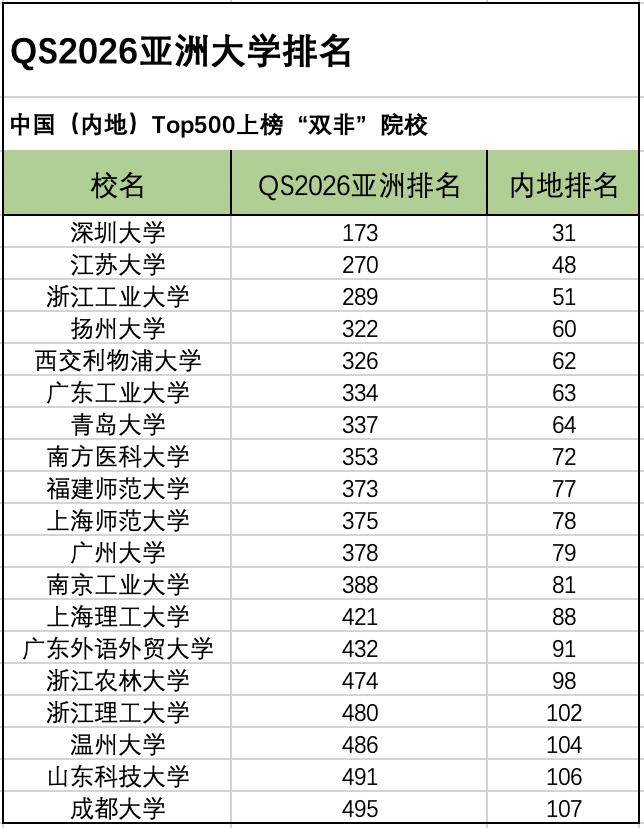
高校「扫地僧」来了,19所双非跻身QS亚洲500强,比部分985还牛
3 6 Ke· 2025-11-07 10:54
Core Insights - The 2026 QS Asia University Rankings highlight the impressive performance of Chinese universities, with a record number of institutions included in the rankings [1][2] - A total of 395 universities from mainland China are listed, marking an increase of 261 from the previous year, the highest growth in the region [1][3] - The number of universities in the top 50 of the rankings is also the highest in Asia, reflecting the rapid development of the higher education ecosystem in mainland China [1][4] Group 1: Performance of "Double Non" Universities - Nineteen "Double Non" universities from mainland China entered the QS Asia University Top 500, with some outperforming prestigious 985 and 211 universities [2][4] - Shenzhen University stands out as a leading "Double Non" university, ranking 173rd in Asia and 31st in mainland China, surpassing several 985 universities [5][7] - Jiangsu University and Zhejiang University of Technology also made significant rankings, at 270th and 289th respectively, indicating the overall strength of "Double Non" universities [8][9] Group 2: Factors Contributing to Success - Shenzhen University's rise is attributed to its advantageous location in the Shenzhen Special Economic Zone, substantial funding, and a highly market-oriented research mechanism [5][7] - Jiangsu University has established long-term partnerships with 256 institutions across 66 countries, enhancing its international collaboration [8] - Zhejiang University of Technology has formed partnerships with top global universities, contributing to its academic reputation [8][12] Group 3: Potential for "Double First Class" Status - Several "Double Non" universities are seen as potential candidates for the next round of "Double First Class" construction, with Shenzhen University, Southern Medical University, and Guangdong University of Technology being key contenders [9][10] - Southern Medical University excels in basic and clinical medicine, while Guangdong University of Technology has strong mechanical engineering programs, both showing promise for future recognition [11][12] - Zhejiang University of Technology is also positioned well for "Double First Class" status, supported by significant funding and a focus on national strategic goals [12][14]

我国高等教育毛入学率达60.8%
Mei Ri Jing Ji Xin Wen· 2025-09-24 15:22
Group 1: Education System Development - The Chinese government has made significant progress in building a high-quality education system during the "14th Five-Year Plan" period, with the gross enrollment rate for preschool education increasing from 64.5% in 2012 to 92% in 2024, a rise of 27.5 percentage points [1] - The gross enrollment rate for higher education has more than doubled from 30% in 2012 to 60.8% currently, marking a transition into a universally recognized stage of higher education [1] - During the "14th Five-Year Plan," China has trained 55 million talents through higher education, equivalent to the total population of many developed countries [1] Group 2: "Double First-Class" Initiative - The "Double First-Class" initiative is a key project for building a strong education system, focusing on the development of first-class universities and disciplines [2] - This initiative has resulted in over 50% of master's and 80% of doctoral graduates coming from "Double First-Class" universities, which also undertake over 90% of national high-level talent training tasks [2] - The initiative emphasizes the integration of education and industry, with universities collaborating with enterprises to address innovative challenges and share outcomes [2][3] Group 3: Innovation and Research Achievements - "Double First-Class" universities have made significant contributions to key technological fields such as quantum technology, life sciences, artificial intelligence, material sciences, and space sciences, enhancing their strategic position in basic research [3] - The initiative has also led to an overall elevation of higher education standards across the country, with support for over 400 local high-level universities and 1,300 advantageous disciplines [3] - A total of 96 "Double First-Class" universities have provided support to 116 universities in central and western regions, improving their educational quality [3] Group 4: Vocational Education Development - Vocational education is crucial for transitioning from "Made in China" to "Created in China," supplying over 70% of new high-quality skilled talents for modern industries [4] - China has established the world's largest vocational education system, with 9,302 secondary vocational schools, 1,562 higher vocational schools, and 87 vocational undergraduate institutions, serving 34 million students [5] - The education department has adjusted the professional structure to align with national strategies, adding 12,000 new professional points over five years, with 50% focused on engineering and technology [5]
教育告别象牙塔:实践成果可抵论文,学生站上生产一线
21世纪经济报道· 2025-09-24 08:00
Core Viewpoint - The article discusses the progress and achievements in building a strong education system during the "14th Five-Year Plan" period, emphasizing the role of higher education in supporting economic development and technological innovation [1][3]. Group 1: Higher Education's Role - Higher education institutions have become the main force in national basic research and a source of major technological breakthroughs, providing a rich talent resource for economic resilience [3][5]. - "Double First-Class" construction is highlighted as a key initiative, with these universities producing over 50% of the country's master's degrees and 80% of doctoral degrees, fulfilling over 90% of national high-level talent training tasks [5][6]. - A significant reform allows students to apply for degrees based on practical achievements, such as patents and product designs, rather than traditional thesis requirements, marking a shift towards innovation-driven education [6][9]. Group 2: Technology Transfer and Innovation - During the "14th Five-Year Plan," over 75% of national natural science and technology invention awards came from universities, indicating their pivotal role in advancing high-level technological self-reliance [9]. - Universities are establishing regional technology transfer centers and optimizing university science parks to create a comprehensive system for technology commercialization, facilitating the transition from research to market [9][10]. - Notable examples include the establishment of various research institutes and technology transfer platforms that have successfully connected over 4,800 university research outcomes with industry [10][11]. Group 3: Vocational Education and Industry Support - Vocational education is crucial for supporting industrial upgrades, with China having the world's largest vocational education system, comprising over 9,300 secondary vocational schools and 1,562 higher vocational institutions [12][13]. - The government plans to add 12,000 new vocational programs during the "14th Five-Year Plan," with 50% focused on engineering and technology fields, enhancing the alignment of skills training with regional economic needs [12][13]. - Collaborative programs between universities and enterprises, such as the "on-site engineer" class, aim to improve students' practical skills and adaptability to complex manufacturing environments [13].

“十四五”期间高等教育累计向社会输送五千五百万人才 办好人民满意的教育(权威发布·高质量完成“十四五”规划)
Ren Min Ri Bao· 2025-09-23 21:58
Core Insights - The "14th Five-Year Plan" period has seen significant progress in building a strong education system in China, focusing on moral education and integrating various educational approaches [1][2][3] Group 1: Education Quality and Accessibility - China has established the largest and high-quality education system, ensuring equal access to education for children [2] - By the end of 2024, 246 districts and counties are expected to achieve quality-balanced education, with a notable increase in the proportion of migrant children attending public schools [2] - The revitalization of county-level high schools is emphasized as crucial for educational equity, with various initiatives launched to improve conditions and support for these schools [3] Group 2: Higher Education and Talent Development - The gross enrollment rate for higher education has increased from 30% in 2012 to 60.8%, marking a significant advancement towards universal access [3] - During the "14th Five-Year Plan," higher education institutions have contributed to the training of 55 million talents, supporting national innovation and modernization efforts [4] - A focus on vocational education has resulted in the establishment of the world's largest vocational education system, with over 34 million students enrolled across various levels [5] Group 3: Educational Reform and Digitalization - The "14th Five-Year Plan" coincides with the second round of "Double First-Class" construction, aiming to enhance the quality of higher education and align it with national strategic needs [6] - Significant reforms in talent evaluation and educational practices have been implemented, allowing for innovative achievements to be recognized in degree applications [6] - The national digital education strategy has been fully implemented, with a wide-reaching impact on learners globally [7]
教育部:“双一流”建设带动了我国高等教育水平整体跃升
Zhong Guo Jing Ji Wang· 2025-09-23 14:54
Core Viewpoint - The "Double First Class" initiative has significantly contributed to the cultivation of high-level talent in China, with over 50% of master's and 80% of doctoral graduates coming from these institutions, fulfilling over 90% of national high-level talent training tasks [1] Group 1: Overview of "Double First Class" Initiative - The "Double First Class" initiative is a key project for building a strong education system in China and serves as a crucial engine for the integrated development of education, technology, and talent [1] - The current phase, known as the "14th Five-Year Plan," marks the second round of the "Double First Class" initiative, focusing on aligning with national strategic needs and international technological trends [1] Group 2: Impact on Higher Education - The initiative has led to a significant overall improvement in the level of higher education in China, with 96 "Double First Class" universities providing support to 116 universities in central and western regions, enhancing their educational standards [1] - The initiative has fostered a competitive atmosphere among universities, encouraging them to strive for excellence and create a vibrant educational environment [1] Group 3: Global Positioning and Strategic Importance - Chinese universities and disciplines have become an essential force globally, laying a solid foundation for building world-class universities and advantageous disciplines with Chinese characteristics [1] - This initiative is crucial for supporting national strategies, promoting technological self-reliance, and enhancing the cultivation of top innovative talents [1]
教育告别象牙塔:实践成果可抵论文,学生站上生产一线
2 1 Shi Ji Jing Ji Bao Dao· 2025-09-23 09:31
Group 1: Core Insights - The "14th Five-Year Plan" period has seen significant advancements in education, contributing to social and economic development [1] - Higher education institutions have become the main force in national basic research and a source of major technological breakthroughs, providing a rich talent resource for economic resilience [1][2] - The "Double First-Class" initiative is a key project for building a strong education nation, with universities producing over 50% of master's and 80% of doctoral graduates in the country [2] Group 2: Talent Development and Evaluation Reform - The "Double First-Class" universities have undertaken over 90% of national high-level talent training tasks, focusing on cultivating strategic talents like excellent engineers [2][5] - A major reform allows students to apply for master's and doctoral degrees based on innovative achievements such as patents and product designs, rather than traditional thesis requirements [2][5] - As of now, 40 national excellent engineer colleges have been established in collaboration with top enterprises, enhancing the integration of education and industry [5][6] Group 3: Technology Transfer and Innovation - Over 75% of national natural science and technology invention awards during the "14th Five-Year Plan" period have come from higher education institutions [7] - Universities are establishing regional technology transfer centers and optimizing university science parks to facilitate the conversion of scientific achievements into practical applications [8][9] - New university technology parks are significantly contributing to technological transformation and regional economic development [9][10] Group 4: Vocational Education and Industry Support - China has the largest vocational education system globally, with 34 million students across various levels, supporting the transition from "Made in China" to "Created in China" [11] - The vocational education system is expanding, with 12,000 new professional points added during the "14th Five-Year Plan" period, focusing on engineering and technology [11][12] - Initiatives like the "High-Skilled Talent Cluster Training Plan" are being implemented to enhance the practical skills of students through real-world industry exposure [12][13]
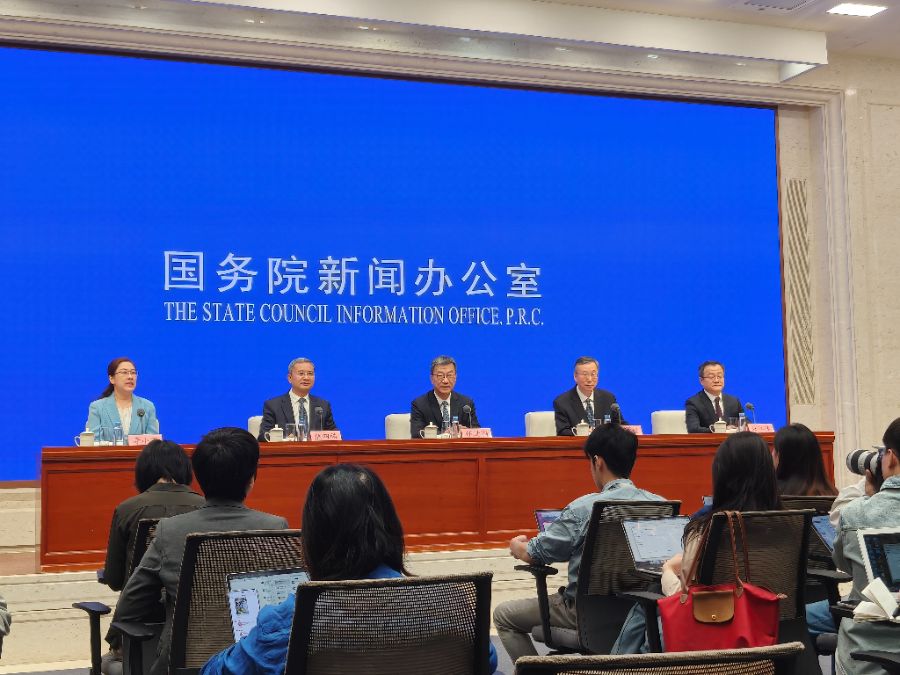
教育部部长怀进鹏:中国特色、世界一流大学方阵正在加速形成
Xin Jing Bao· 2025-09-23 07:49
Core Viewpoint - The construction of "Double First-Class" universities in China is accelerating, establishing a significant foundation for creating world-class universities and disciplines with Chinese characteristics, which supports national strategies and the cultivation of innovative talents [1]. Group 1: Achievements of "Double First-Class" Universities - "Double First-Class" universities have made significant contributions to national strategic needs, producing over 50% of the country's master's and 80% of doctoral graduates, and undertaking over 90% of national high-level talent training tasks [2]. - A major reform has been implemented allowing students to apply for master's and doctoral degrees based on patents and product designs, marking a significant shift in talent evaluation standards towards innovation [2]. Group 2: Support for Regional Development - The "Double First-Class" initiative has led to the support of over 400 local high-level universities and more than 1,300 advantageous and characteristic disciplines, enhancing the educational quality in central and western regions of China [3]. - The initiative also promotes the development of new research-oriented universities, aiming to establish a robust higher education system that contributes to high-quality economic and social development [3].
今年学前1年免费惠及1200多万儿童,“十四五”高教累计输送5500万人才相当于许多发达国家人口总量这场发布会信息量巨大
Mei Ri Jing Ji Xin Wen· 2025-09-23 07:11
Group 1: Education System Development - The Chinese education system has been established as the largest and highest quality globally, with the gross enrollment rate for preschool education increasing from 64.5% in 2012 to 92% by 2024, a rise of 27.5 percentage points [1] - The gross enrollment rate for higher education has more than doubled from 30% in 2012 to 60.8% currently, marking a significant transition to a recognized stage of popularization [1] - During the "14th Five-Year Plan" period, higher education institutions have supplied 55 million talents to society, equivalent to the total population of many developed countries [1] Group 2: Double First-Class Initiative - The "Double First-Class" initiative is a key project for building an education powerhouse, with these institutions training over 50% of the country's master's and 80% of doctoral students [3] - These universities are responsible for over 90% of the national urgent high-level talent training tasks, showcasing their significant role in national strategic needs [3] Group 3: Vocational Education - Vocational education has supplied over 70% of the new high-quality skilled talents for modern industries, playing a crucial role in the transition from "Made in China" to "Created in China" [6] - China has established the world's largest vocational education system, with 9,302 secondary vocational schools, 1,562 higher vocational schools, and 87 vocational colleges, serving 34 million students [6] - The education department has adjusted the professional structure in line with national strategies, adding 12,000 new professional points over five years, with 50% focused on engineering and technology [6][7] Group 4: Future Directions - The education department plans to enhance the vocational education system by promoting integration between vocational and general education, as well as between education and industry [7] - There is a commitment to building a high-level vocational education system that continuously cultivates skilled talents essential for China's modernization [7]
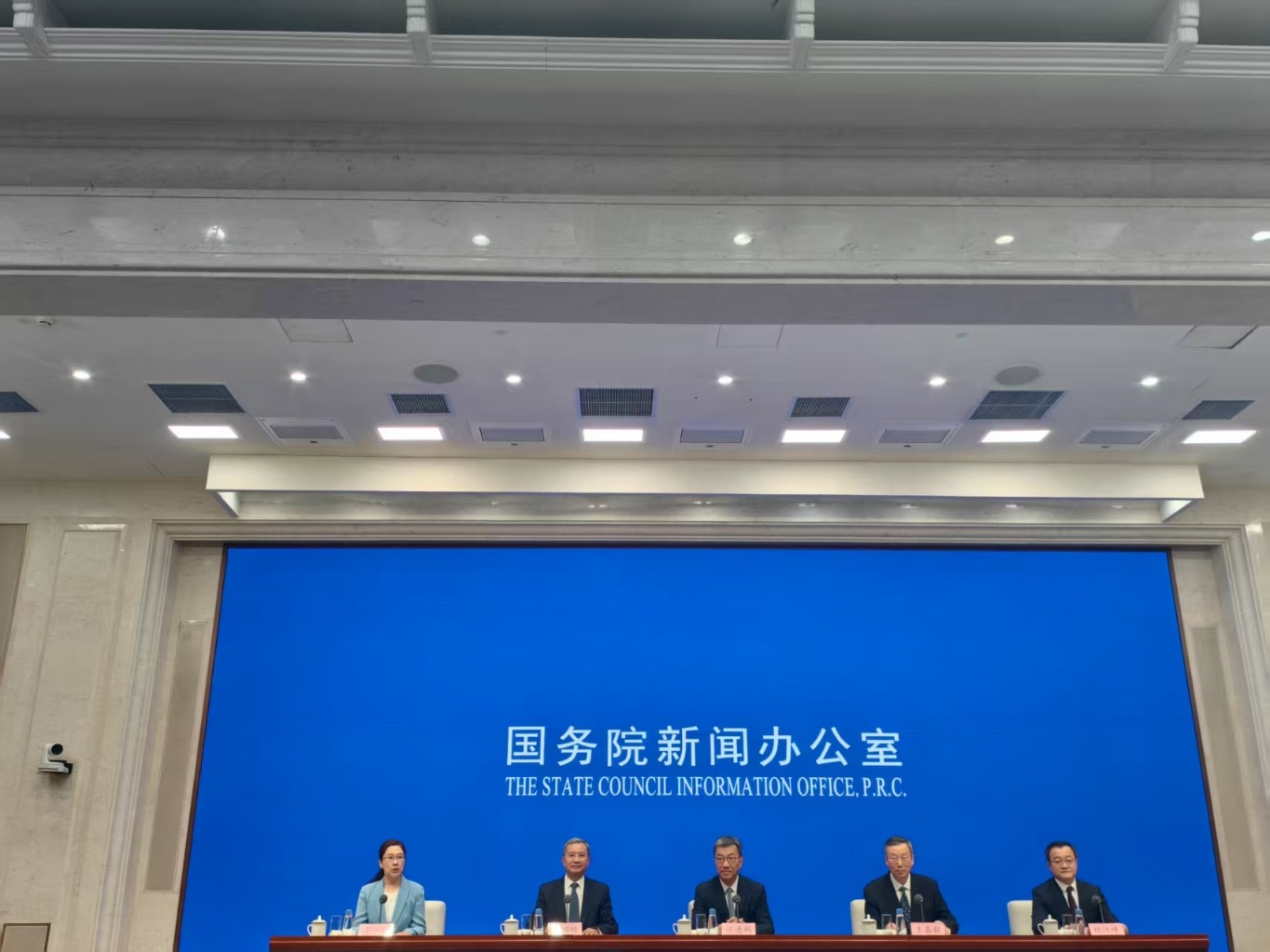
教育部回应热点话题,涉校园食品安全、县中振兴等
Zhong Guo Xin Wen Wang· 2025-09-23 06:56
Core Points - The Ministry of Education of China addressed key topics such as campus food safety, the revitalization of county-level education, and the progress of the "Double First-Class" initiative during a press conference [1][4]. Group 1: "Double First-Class" Initiative - The "Double First-Class" initiative has significantly contributed to the overall improvement of higher education in China, with participating universities producing over 50% of the country's master's degrees and 80% of doctoral degrees [4]. - These universities are responsible for over 90% of the national high-level talent training tasks, showcasing their strategic importance in various fields such as quantum technology, life sciences, artificial intelligence, and space science [4][5]. Group 2: Student Health and Safety - The overall rate of myopia among students has decreased compared to five years ago, attributed to the implementation of the "Student Physical Fitness Strengthening Plan" which includes increased physical education classes and extended break times [6]. - The Ministry has been actively addressing campus food safety issues by conducting special inspections and establishing guidelines for food safety, leading to the training of food service personnel and the improvement of cafeteria facilities [8]. Group 3: Vocational Education - China has established the world's largest vocational education system, comprising 9,302 secondary vocational schools, 1,562 higher vocational institutions, and 87 vocational colleges, with a total enrollment of 34 million students [9]. Group 4: County-Level Education Revitalization - The revitalization of county-level education is deemed essential for ensuring educational equity, with plans to enhance resource allocation, improve educational quality, and support teachers' welfare [10]. Group 5: Student Financial Aid - From 2021 to 2024, approximately 630 million students have received financial aid, with a total funding exceeding 1.2 trillion yuan, primarily sourced from government contributions [11].
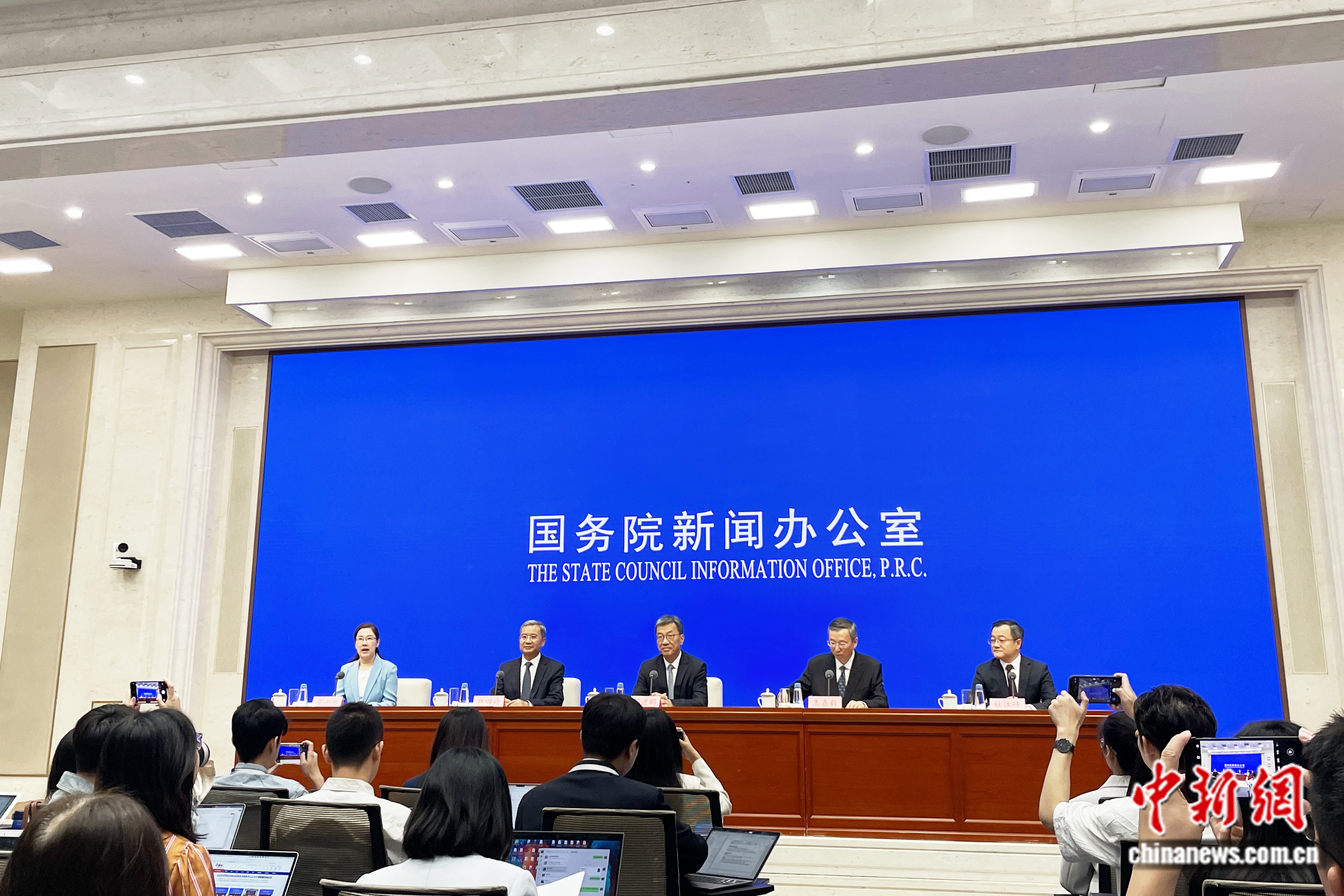
教育部定调:改变以升学为导向的资源配置,淡化竞争减少焦虑
Nan Fang Du Shi Bao· 2025-09-23 05:51
Core Viewpoint - The Chinese education system has achieved significant milestones during the "14th Five-Year Plan," with basic education reaching the average level of high-income countries and the establishment of the International STEM Research Institute in Shanghai, indicating international recognition of China's educational advancements [1][2]. Group 1: Basic Education Achievements - All 2,895 counties in China have achieved basic balance in compulsory education [2] - The gross enrollment rate for preschool education has increased from 64.5% in 2012 to 92%, benefiting over 12 million children this year [2] - The gross enrollment rate for higher education has more than doubled from 30% in 2012 to 60.8%, entering a stage recognized as universal by international standards [2] Group 2: Higher Education Contributions - "Double First-Class" universities have significantly contributed to national strategic needs, producing over 50% of master's and 80% of doctoral graduates, and fulfilling over 90% of national high-level talent training tasks [2] - During the "14th Five-Year Plan," higher education institutions have collectively supplied 55 million talents to support economic and social development [2] Group 3: Innovation and Reform - "Double First-Class" universities have made notable innovations in fields such as quantum technology, life sciences, artificial intelligence, material sciences, and space sciences, enhancing their strategic position in basic research and major technological breakthroughs [3] - The implementation of the new degree law marks a significant reform in talent cultivation, allowing graduate students to use patents and innovative designs to apply for degrees, breaking the traditional reliance on thesis-based evaluations [3]