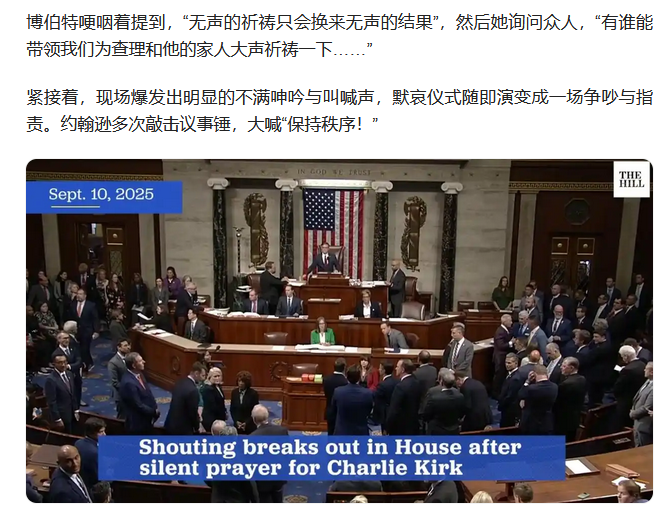
政治极化

Search documents
美国两党拉锯:治理失灵,政府“死机”
Zhong Guo Xin Wen Wang· 2025-10-18 14:24
当地时间10月18日,美国联邦政府停摆进入第18天。民主、共和两党依旧在预算僵局中针锋相对,互不 相让。表面上,这似乎是一场"钱该拨给谁"的争论,实则是政治体系深层裂痕的集中爆发——国家治理 再次陷入"政治短路",政府机器几近停转。 当权力的游戏凌驾于公共利益之上,熄灭的,不只是联邦政府大楼的灯光,更是普通民众对生活的希望 与信任。若这场"人为系统故障"不能尽快修复,那么坠入长期黑暗的,将不是冷漠的政客,而是依赖这 套系统生存的美国人民。 (文章来源:中国新闻网) 拉锯不止,代价却由民众买单:每周高达150亿美元的经济损失、两百多万名联邦政府雇员停薪、公共 服务大面积瘫痪。政治极化的恶果层层传导,民生保障系统如同断裂的电网,一片片陷入黑暗。 ...
政府关门18天,美国公务员有人靠兼职糊口,有人延迟还贷
Hu Xiu· 2025-10-18 13:35
Core Points - The U.S. government shutdown has entered its third week due to the Senate's repeated failure to pass a temporary funding bill, affecting nearly a million families and key industries, while shaking market confidence [1][2][4]. Group 1: Economic Impact - The shutdown is estimated to cause economic losses of up to $15 billion per week, with systemic damage becoming increasingly evident [4][9]. - The transportation sector is particularly hard-hit, with over 13,000 air traffic controllers working without pay, leading to significant flight delays and cancellations [10][12]. - The real estate market faces uncertainty due to the interruption of the National Flood Insurance Program and the suspension of various loan approvals, potentially delaying or halting home transactions [12][13]. Group 2: Federal Employees' Struggles - Approximately 700,000 to 750,000 federal employees are on forced leave, while many essential workers are required to work without pay, leading to financial strain and increased anxiety among families [6][7]. - To cope with income disruptions, many federal employees are seeking side jobs, with some taking on multiple roles to make ends meet [7][8]. Group 3: Political Stalemate - The ongoing political deadlock is characterized by extreme polarization, with both parties unwilling to compromise, making a resolution unlikely in the short term [14][15]. - Experts predict that this shutdown could become the longest in U.S. history, as both parties engage in strategic maneuvers to influence voter sentiment ahead of upcoming elections [15][16].

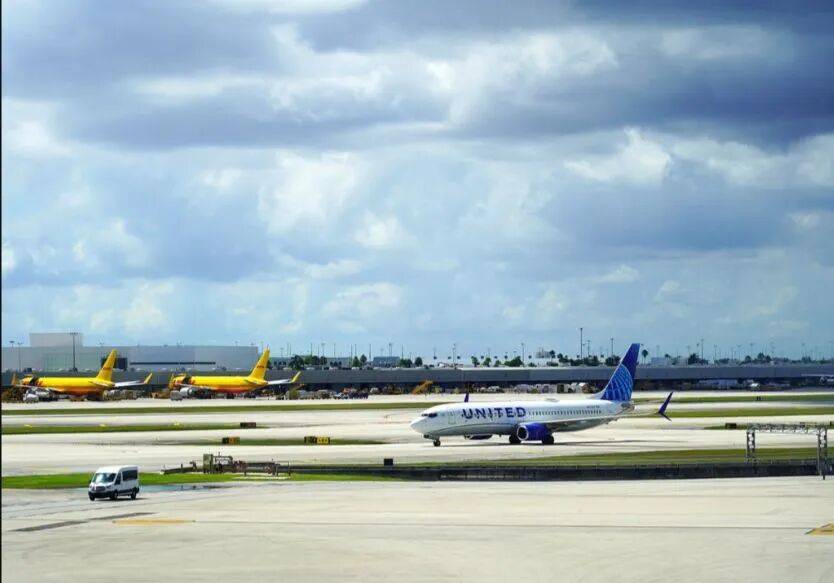
美国政府“关门”的第15天:军人欠薪,官员停职,公共服务瘫痪
Sou Hu Cai Jing· 2025-10-16 11:47
Core Points - The U.S. federal government shutdown has lasted for 16 days, marking the longest shutdown in nearly seven years, exposing deep political polarization and leading to a systemic crisis affecting various sectors of the economy [1][15] - The shutdown has resulted in significant economic losses, estimated at $1 billion per day, totaling $16 billion over the 16 days, with severe impacts on tourism, small businesses, and federal spending [5][15] Economic Impact - The shutdown has caused daily economic losses of approximately $1 billion, with tourism alone losing $100 million per day and 42,000 small businesses facing financing delays due to loan guarantees being stalled [5] - Federal spending delays amount to $12 billion, affecting essential programs such as agricultural subsidies and housing assistance [5] Agricultural Sector - The agricultural industry is facing severe disruptions, with farmers unable to access loans, leading to potential business closures; for instance, 30% of farms in Arkansas are at risk of closure due to halted disaster aid applications [5][9] Financial Markets - Financial markets are experiencing volatility due to delayed economic data releases, which have affected Federal Reserve policy expectations, with interest rate cut probabilities fluctuating significantly [7] - The uncertainty surrounding the shutdown has led to increased spreads in emerging market dollar bonds, raising financing costs for vulnerable economies like Argentina and Turkey [11] Public Services - The shutdown has led to significant disruptions in public services, including delays in cancer drug approvals and clinical trials, as well as increased flight delays due to staffing shortages in the aviation sector [9] - The Federal Aviation Administration has seen 11,000 employees on unpaid leave, resulting in a 23% increase in flight delays [9] Political Context - The budget standoff is tied to ideological battles between the two parties, with Republicans pushing for cuts to social programs and increased defense spending, while Democrats advocate for tax increases on the wealthy to maintain social services [3] - The political deadlock has raised concerns about the potential for future shutdowns, with historical data indicating that shutdowns have occurred approximately every two years since 1976 [13]
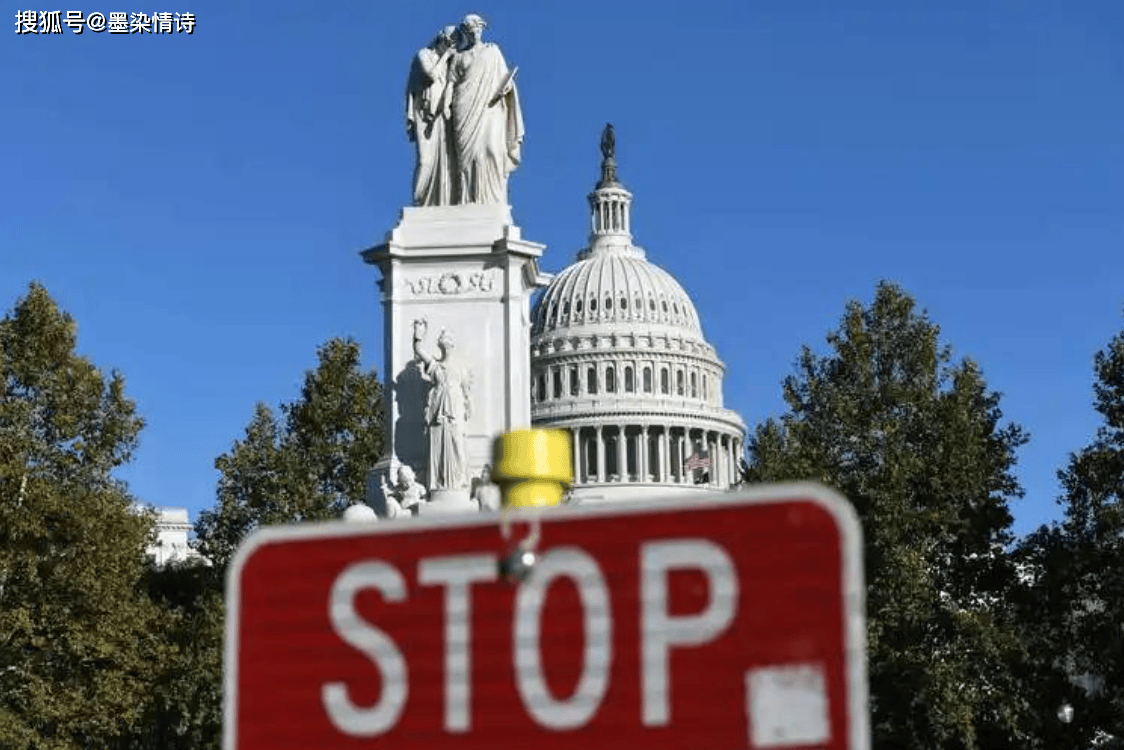
美国政府停摆:长期经济增长的“杀手”
Jin Shi Shu Ju· 2025-10-15 05:45
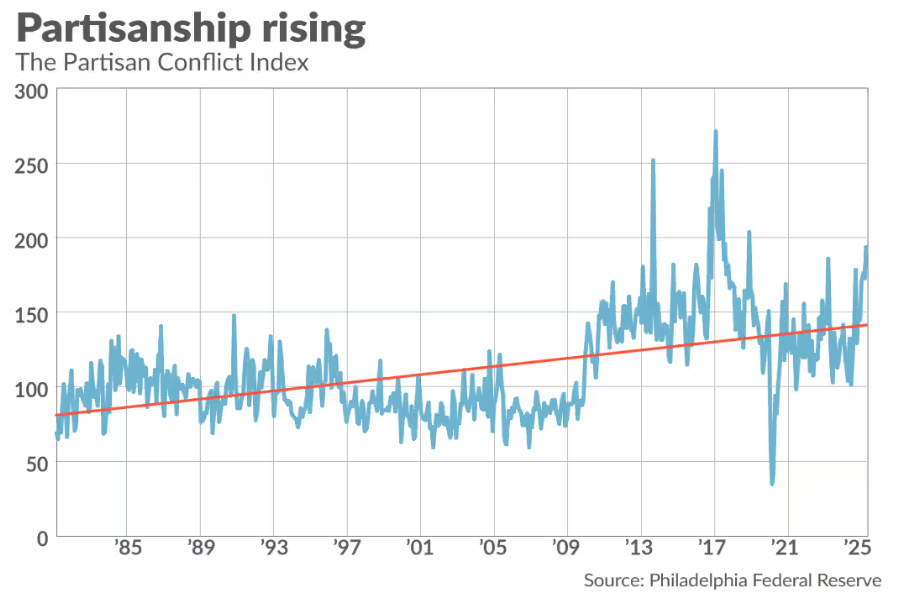
Group 1 - The core argument is that political polarization in the U.S. is leading to a significant reduction in corporate investment, which will adversely affect long-term economic growth [1][2] - A study by Marina Azzimonti found a negative correlation between the partisan conflict index (PCI) and domestic private investment, indicating a causal relationship [2][5] - Azzimonti's research highlights that 27% of the decline in corporate investment from 2007 to 2009 can be attributed to increased partisan conflict [2] Group 2 - The long-term trend of the PCI is steadily increasing, currently more than double the levels seen during the 2007-2009 period, suggesting that corporate investment would be higher without government dysfunction [5] - Political polarization creates greater economic uncertainty, which diminishes the likelihood of returns on capital investments, leading to delays in investment decisions [5] - Political polarization also reduces the likelihood of timely legislative responses to economic crises, negatively impacting expected returns and suppressing corporate investment [5][6] Group 3 - Azzimonti's findings contradict the belief that corporate America prefers political gridlock, as it actually leads to poorer stock market performance [6] - Research indicates that stock market returns are better under unified government control, with annualized returns being 8.7 percentage points higher from 1927 to 2020 during unified government periods [8] - The impact of government dysfunction may not be immediately visible in economic data, but historical trends suggest that future U.S. economic growth rates are likely to be significantly lower [8]
美国联邦政府7年来首次“停摆” 负面影响凸现
Zhong Guo Fa Zhan Wang· 2025-10-09 02:25
Core Points - The U.S. federal government has entered a shutdown for the first time in seven years due to the failure of a temporary funding bill to pass in the Senate, with significant economic and political implications expected [1][2] - The likelihood of the shutdown lasting more than 10 days is estimated at 69%, which could negatively impact both the U.S. economy and global markets [1][8] Government Operations and Employment - Over 750,000 federal employees have been placed on unpaid leave, with only essential services continuing to operate, leading to significant disruptions in various departments [3][5] - The shutdown could lead to long-term damage to the labor market, particularly in sectors heavily reliant on government funding such as research, education, and infrastructure [6][7] Economic Impact - Historical data suggests that a shutdown lasting a week could reduce U.S. GDP by 0.1% to 0.2%, with potential losses escalating with the duration of the shutdown [8][9] - The previous shutdown from late 2018 to early 2019 resulted in an estimated GDP loss of approximately $3 billion [6] Global Market Reactions - The shutdown is expected to create negative ripple effects in global markets, with potential losses for the EU GDP estimated at €4 billion for a two-week shutdown and €16 billion for an eight-week shutdown [8] - Increased volatility in financial markets is anticipated, with a shift in investor sentiment towards safer assets like gold [8][9] Data Reporting Delays - The shutdown has caused delays in the release of key economic data, including employment statistics and inflation reports, which could hinder the Federal Reserve's ability to assess economic conditions [7][8]
施压微软,美国政坛上演“秋后算账”,特朗普:让对手付出代价!
Sou Hu Cai Jing· 2025-10-05 10:46
Core Points - The political pressure exerted by Trump on Microsoft to fire Lisa Monaco reflects a broader trend of political reckoning against tech giants in the U.S. [1][4] - This incident highlights the intersection of politics and corporate governance, raising concerns about the independence of companies in the face of political influence [5][11] Group 1: Political Pressure on Microsoft - Trump’s demand for Microsoft to dismiss Monaco is part of a larger political purge targeting figures associated with the Biden administration [4][5] - The pressure on Microsoft places the company in a difficult position, as refusing to comply could jeopardize government contracts, while acquiescing could harm its reputation and independence [6][9] Group 2: Implications for the Tech Industry - The situation may set a precedent for other companies, potentially leading to a scenario where U.S. tech firms become tools in political battles [9] - The ongoing political polarization could further complicate the relationship between the government and the tech industry, as companies navigate the pressures of political influence [5][15] Group 3: Legal and Institutional Concerns - The actions taken by Trump are seen as a politicization of judicial tools, undermining the independence of the legal system and democratic institutions [11][15] - If Microsoft is forced to dismiss Monaco, it could lead to legal challenges, exacerbating tensions between the government and the corporate sector [13]

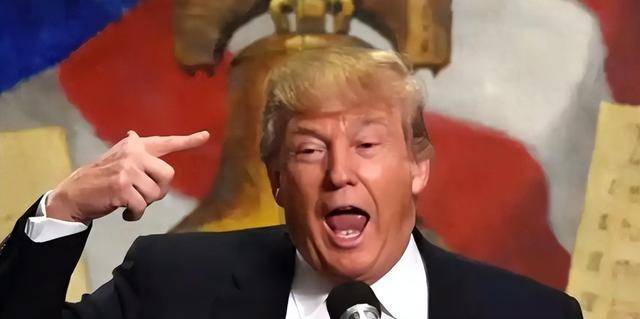
政治极化现象愈演愈烈,美国联邦政府时隔近七年再“关门”
2 1 Shi Ji Jing Ji Bao Dao· 2025-10-01 14:15
Group 1 - The U.S. federal government has entered a shutdown due to a failure to reach an agreement on a temporary funding bill, affecting hundreds of thousands of federal employees and public services [1][2] - The shutdown is expected to impact the release of key economic data, including non-farm payroll figures, which will not be published during this period, leading to increased market uncertainty [1][3] - The political polarization in the U.S. has intensified, with the Trump administration suggesting potential permanent layoffs of federal employees, which could exacerbate economic impacts and raise concerns about governance [2][3] Group 2 - Historical context shows that government shutdowns have occurred over twenty times since the 1970s, with significant economic losses, such as the previous shutdown costing over $10 billion [3] - The U.S. faces a growing debt issue, with budget deficits exceeding 6% of GDP in recent years, raising concerns about a potential fiscal cliff as the government approaches unsustainable debt levels [3]
无法承受的失败
Hu Xiu· 2025-09-22 23:34
Group 1 - The article discusses the potential return to a level of globalization similar to the 1990s by the mid-21st century, using the song "Eyes On Me" by Faye Wong as a metaphor for global cultural connections [1] - It highlights the stark political divisions that arise after significant political events, such as assassinations, and the two contrasting responses: either a call for unity or an escalation of conflict [2][3] - The article references historical examples, such as the assassination of Yitzhak Rabin and Olof Palme, to illustrate how political polarization often persists despite calls for peace [4][5] Group 2 - The discussion shifts to economic implications, particularly in the context of interest rate cuts, emphasizing the confusion and uncertainty that typically follows such decisions [12] - It raises concerns about the possibility of a hard landing for the economy, which will influence short-term risk preferences [13] - The long-term outlook focuses on the next economic expansion cycle, questioning whether inflation or actual growth will be more favorable, which will determine investment strategies [14] Group 3 - The article suggests that in a politically polarized environment, there is a low tolerance for failure, which could lead to higher inflation rates [15] - It reflects on a previous economic outlook titled "Unbearable Recession," emphasizing that in a politically divided world, failure is particularly hard to accept [16] - The conclusion encourages preparation for upcoming challenges while appreciating the calm before potential turmoil [17]
特朗普政治盟友遭枪击身亡,警告?他确实动了不该动的
Sou Hu Cai Jing· 2025-09-16 00:54
Group 1 - The assassination of Charlie Kirk, a key political ally of Trump, highlights the severe political turmoil in the U.S. [1][5] - Kirk was a significant figure in mobilizing young voters and minority support for Trump, contributing to his electoral success [3][5] - The incident raises concerns about the increasing political violence in the U.S., with parallels drawn to previous assassination attempts against Trump [5][8] Group 2 - Trump's ongoing conflicts with the Federal Reserve, particularly with Chairman Jerome Powell, reflect his attempts to exert influence over monetary policy [7] - The recent dismissal of Federal Reserve Governor Cook by Trump has sparked market volatility and criticism regarding the independence of the Federal Reserve [7] - The political environment surrounding Trump is becoming increasingly complex, with multiple legal challenges and controversies affecting his administration [8]

子弹终结辩论,maga旗手陨落
Hu Xiu· 2025-09-12 05:30
Core Points - The assassination of Charlie Kirk marks a significant escalation in political violence in the United States, reflecting a deepening political polarization and the normalization of hate politics [3][20][26] - Kirk's death has sparked a divided response on social media, with conservative figures mourning him while left-leaning individuals mock his demise, indicating a troubling trend of dehumanization in political discourse [12][14][15] Group 1: Incident Overview - Charlie Kirk was shot and killed during a public speaking event in Utah, attended by approximately 3,000 people [1][2] - The shooting is being investigated by the FBI, with initial assessments suggesting it was a single perpetrator act, and the motive remains unclear [2][3] - Utah's governor labeled the incident a "political assassination," and former President Trump ordered flags to be flown at half-staff in Kirk's honor [2][8] Group 2: Charlie Kirk's Background - Kirk, born in 1993, became politically active after the 2008 financial crisis and co-founded Turning Point USA at the age of 18 to promote conservative views among youth [4][5] - He transformed Turning Point USA into a well-funded media organization, gaining millions of followers through social media and his radio show [5][6] - Kirk's confrontational style and controversial statements have made him a polarizing figure, appealing to many young conservatives while inciting significant opposition [5][6][21] Group 3: Political Climate and Reactions - The political landscape has become increasingly hostile, with both parties condemning violence while maintaining their ideological frameworks [11][12] - Social media has amplified the divide, with many on the left openly mocking Kirk's death, reflecting a broader trend of dehumanization in political rhetoric [12][14][15] - The incident highlights the fragility of civil discourse and the potential for political violence to escalate further, as seen in the reactions from both sides of the political spectrum [20][24][26]