数字化运营

Search documents
吉宏股份(002803.SZ):预计2025年净利润同比增长50%—60%
Ge Long Hui A P P· 2026-01-19 10:35
Core Viewpoint - The company, Jihong Co., Ltd. (002803.SZ), expects a significant increase in net profit for 2025, projecting a growth of 50.00% to 60.00% compared to the previous year, driven by strong performance in its packaging and cross-border e-commerce businesses [1]. Group 1: Financial Projections - The estimated net profit attributable to shareholders for 2025 is between 272.90 million and 291.09 million yuan [1]. - The net profit after deducting non-recurring gains and losses is projected to be between 239.90 million and 258.09 million yuan, reflecting a growth of 49.98% to 61.35% year-on-year [1]. Group 2: Packaging Business - The recovery of the consumer market has led to a steady increase in packaging demand from downstream clients [1]. - The company benefits from long-term strategic partnerships with leading enterprises in the fast-moving consumer goods sector, enhancing operational efficiency and profitability through refined group management [1]. Group 3: Cross-Border E-Commerce Business - The company emphasizes technology-driven innovation and continuously improves its supply chain management system [1]. - There is a significant increase in revenue scale and profit due to the expansion of sales regions and replication of business models, contributing to the overall performance enhancement of the company [1].

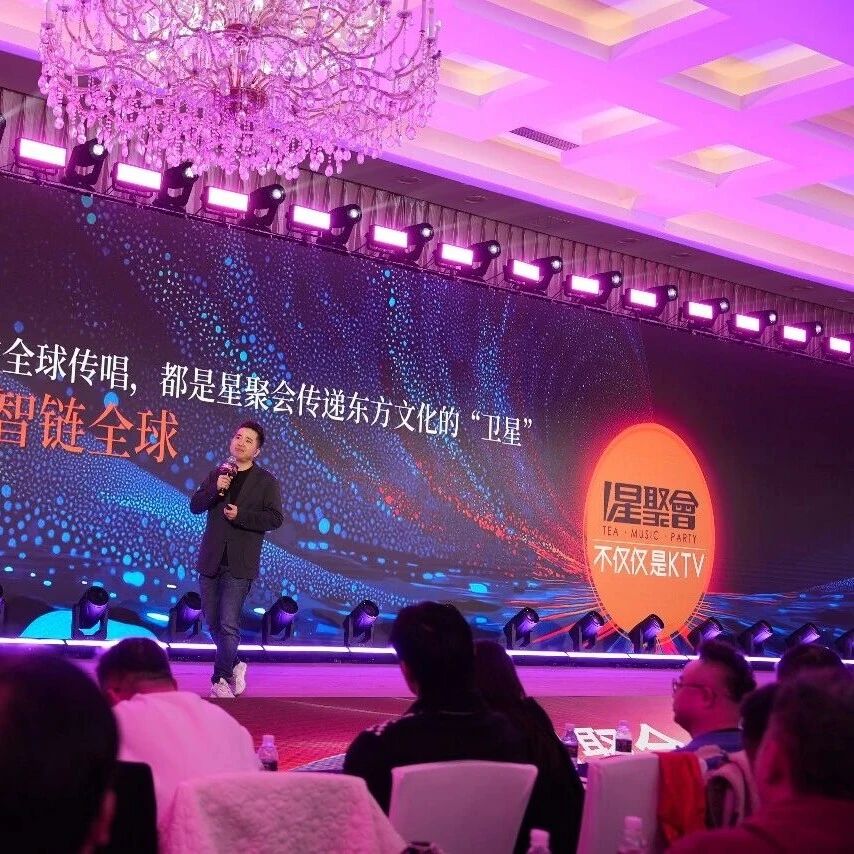
一家中国KTV的黑科技、零售与全球野心
36氪· 2026-01-19 10:21
Core Viewpoint - The KTV industry, often labeled as "traditional" or "sunset," is experiencing a surprising resurgence, exemplified by Star Gathering's high second-store rate of 83% among franchisees, indicating strong investor confidence and a shift in business dynamics through innovative AI technologies [1][5][7]. Group 1: Business Model and Innovation - Star Gathering has introduced AI-driven features such as real-time scoring, song recommendations, and audio enhancement, transforming the traditional KTV experience into a more engaging and interactive social space [7][10]. - The company aims to expand its domestic presence to 2,000 stores and establish 300 overseas locations within three years, leveraging its AI and retail integration strategy [1][23]. - The introduction of the "Star Energy Show" sub-brand and the focus on a "super retail" model signify a shift from traditional revenue streams to a more diversified approach that includes merchandise and enhanced customer experiences [11][17]. Group 2: Market Dynamics and Expansion - The KTV market in China is undergoing significant consolidation, with over 60% of the approximately 40,000 to 50,000 existing stores facing elimination or transformation, yet the industry still holds a market value exceeding 100 billion yuan [13]. - Star Gathering's strategy includes revitalizing outdated KTV venues through technological upgrades and operational efficiencies, aiming to provide a replicable digital foundation for the fragmented industry [13][15]. - The company is also expanding internationally, with successful entries into markets like Hong Kong and Australia, and plans to adapt its business model to local cultures while maintaining its core offerings [23][25]. Group 3: Emotional and Social Engagement - The founder emphasizes the importance of emotional value in social gatherings, aiming to create memorable experiences that resonate with human nature's inherent desire for connection and celebration [5][21]. - Star Gathering's innovative approaches, such as the "Star Baby" IP series and smart karaoke terminals, are designed to enhance user engagement and emotional fulfillment in social settings [21][17]. - The company recognizes the universal appeal of social interaction and aims to fill gaps in the global market for high-quality social spaces, leveraging technology and innovative business models to redefine the KTV experience [26][30].

吉宏股份:预计2025年净利润同比增长79.40%—89.26%
Xin Lang Cai Jing· 2026-01-19 10:04
Core Viewpoint - The company expects a net profit of 331 million to 349 million yuan for the year 2025, representing a year-on-year growth of 79.40% to 89.26% [1] Group 1: Business Performance - The company has achieved significant growth in both revenue and profit during the reporting period [1] - The packaging business has benefited from the continuous recovery of the consumer market, leading to a steady increase in packaging demand from downstream customers [1] - The company has established long-term strategic partnerships with leading enterprises in the fast-moving consumer goods sector, enhancing operational efficiency and profitability through group management [1] Group 2: Cross-Border E-commerce - The company emphasizes technology-driven innovation and continuously improves its supply chain management system [1] - High levels of digital operational capability have been maintained, contributing to substantial growth in revenue and profit [1] - The company is deepening its sales area expansion and replicating its business model, further enhancing overall performance [1]
华宝新能:公司光储机器人凭借创新技术与应用场景获得极高关注度
Zheng Quan Ri Bao· 2026-01-19 09:37
Core Insights - The company received significant attention for its innovative energy storage robots at the CES exhibition, with many customers expressing interest in collaboration, although no formal orders have been placed yet [2] - The company employs a global brand sales model that combines an independent website, third-party e-commerce platforms, and offline retail, with nearly 80% of sales coming from M2C direct sales [2] - The company aims to enhance brand recognition and influence due to the low market penetration of portable energy storage products, necessitating increased promotional efforts [2] - The company is focusing on strengthening digital operations and utilizing AI to optimize advertising structures and materials, resulting in a significant decrease in sales expense ratio in recent years [2] - The company plans to continue cost reduction and efficiency improvement initiatives through 2026 to enhance operational efficiency [2] - Future updates regarding the company's 2026 annual plan will be provided in subsequent periodic reports and announcements [2]

4年三换帅!创始人张勇重掌海底捞 创新业务能否“捞”出新天地?
Mei Ri Jing Ji Xin Wen· 2026-01-15 13:40
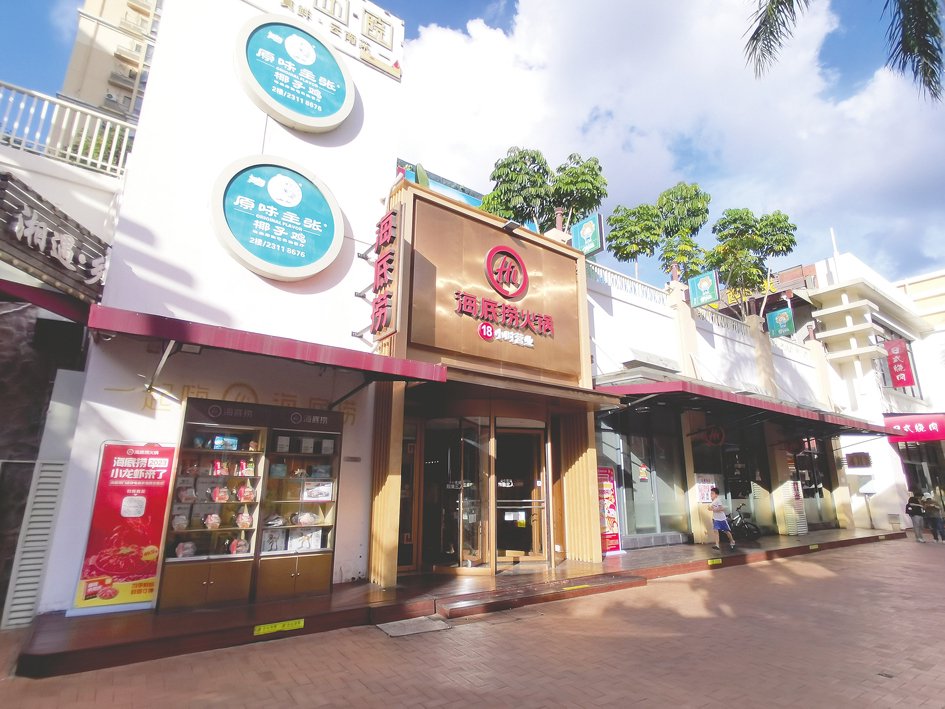
Core Viewpoint - Haidilao has undergone a significant management restructuring, with Zhang Yong returning as CEO, indicating a shift towards a governance structure that emphasizes founder leadership during a challenging period for the company's core hotpot business [1][4][9]. Management Changes - On January 13, Haidilao announced the resignation of Guo Yiqun as CEO and executive director, with Zhang Yong appointed as the new CEO, maintaining his role as chairman [1][4]. - This marks the third CEO change in four years, reflecting ongoing strategic adjustments within the company [3][7]. - Guo Yiqun will continue to play a crucial role in the company, focusing on the automation and digitalization of management processes [4][6]. Board Composition - The board has appointed four new executive directors, all with extensive experience in operational and core functional roles, to support innovation and long-term development [5][6]. - The average tenure of the new executive directors is nearly 20 years, indicating a strong internal leadership pipeline [6]. Business Performance - Haidilao's financial performance has shown a decline, with revenue for the first half of 2025 at 20.703 billion yuan, down 3.7% year-on-year, and net profit at 1.755 billion yuan, down 13.7% [9]. - The average table turnover rate decreased to 3.8 times per day, down from 4.2 times in the previous year, attributed to increased competition and changing consumer behavior [9]. Strategic Focus - The company is accelerating its exploration of new growth avenues, including takeout, multi-brand strategies, and franchising, particularly through the "Pomegranate Plan," which has successfully incubated 14 restaurant brands [9][10]. - The takeout business has seen a significant increase, with revenue growing nearly 60% to 928 million yuan, driven by a focus on single-serving hotpot offerings [9]. Future Outlook - The return of Zhang Yong as CEO is viewed as timely and necessary to balance resources and enhance efficiency across multiple business lines [10].

国信证券王燕华:客户价值优先,是业务持续回报的前提
Xin Lang Cai Jing· 2026-01-15 09:44
Core Insights - The forum on the outlook of global and Chinese capital markets in 2026 was held in Beijing, featuring insights from industry leaders on the evolution of wealth management in the context of AI and strategic differentiation [1][4]. Group 1: Key Capabilities for Sustainable Competitive Advantage - The industry must focus on three core capabilities to build sustainable competitive advantage in wealth management: - True buy-side advisory service capability is crucial, emphasizing a client-centric approach that integrates various resources to meet client needs for asset allocation and professional support. The importance of client profitability and experience is highlighted, as poor performance can lead to client attrition and unsustainable business returns [3][6]. - Digital operational capability is key to enhancing service efficiency and professionalism. Firms should integrate cross-platform resources and develop scenario-based, intelligent product operations and digital platforms to improve service efficiency and expertise, echoing the slogan "breaking information asymmetry" [3][6]. - The ability to coordinate online and offline services is essential. In the context of AI and digital empowerment, physical branches should focus on delivering specialized, precise services and emotional support, while online services should provide centralized, standardized outputs. A seamless integration of both is necessary to create a comprehensive service network [3][6].
创始人回归!张勇重任海底捞CEO,公司股价大涨
Mei Ri Jing Ji Xin Wen· 2026-01-14 10:28
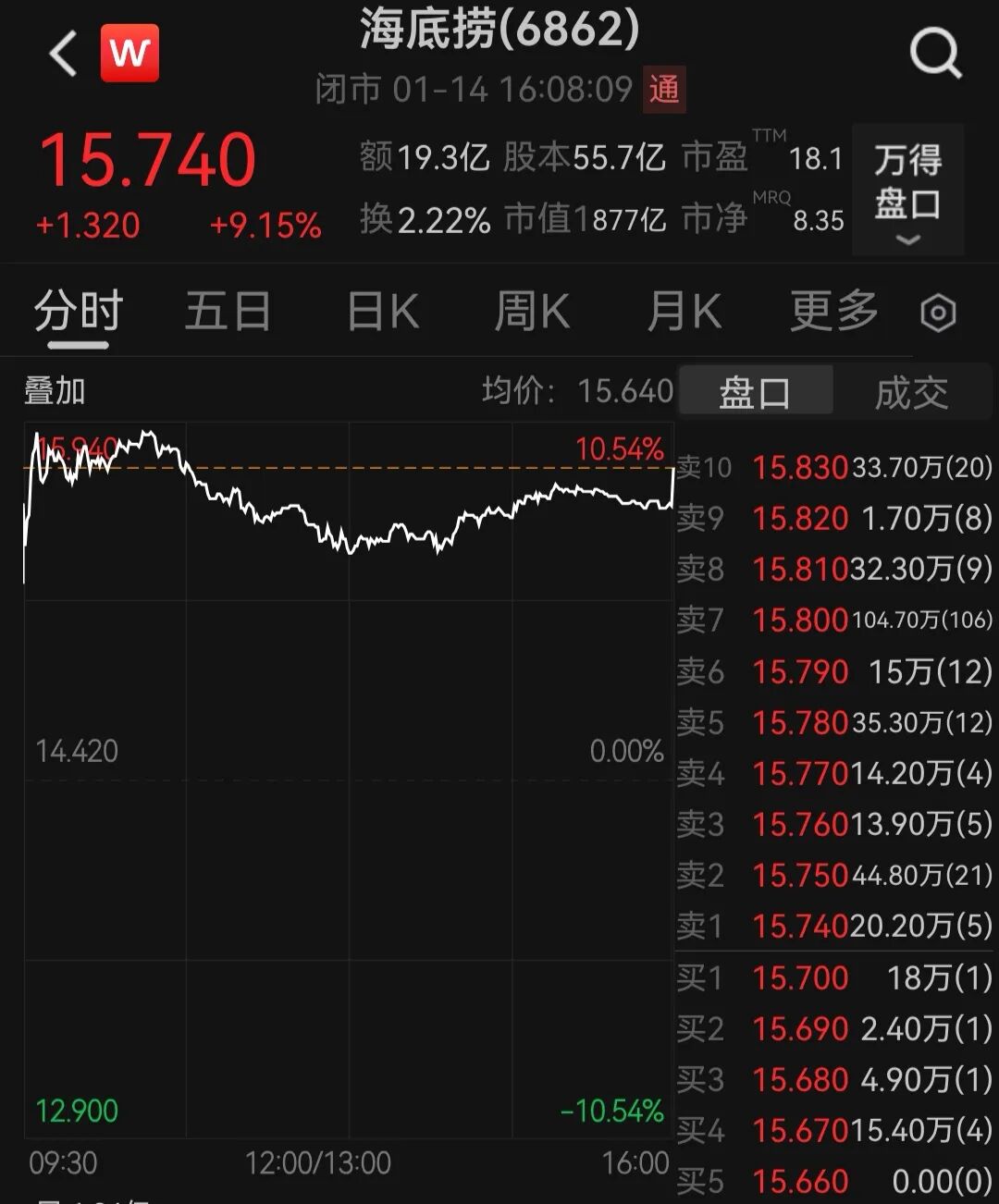
Core Viewpoint - Haidilao has undergone a significant management restructuring, with Zhang Yong returning as CEO, indicating a shift towards a governance structure centered around the founder amidst challenges in its traditional hotpot business and a push for innovation and digital transformation [1][2][6]. Management Changes - On January 13, Haidilao announced that Gou Yiqun resigned as Executive Director and CEO, while Zhang Yong was appointed as CEO, consolidating the roles of Chairman and CEO [1][6]. - This marks the third CEO change in four years, reflecting ongoing adjustments in response to business pressures and strategic shifts [2][12]. - Other board changes include the resignation of Song Qing and Gao Jie, with Gou Yiqun focusing on digital transformation and operational efficiency post-resignation [8][12]. Financial Performance - For the first half of 2025, Haidilao reported a revenue of RMB 20.703 billion, a decrease of 3.7% year-on-year, and a net profit of RMB 1.755 billion, down 13.7% [14][15]. - The average table turnover rate fell to 3.8 times per day, down from 4.2 times, attributed to increased competition and changing consumer behavior [14][15]. Business Strategy and Innovation - Haidilao is accelerating its exploration of new growth avenues, including takeout, multi-brand strategies, and franchising, with takeout revenue growing nearly 60% to RMB 0.928 billion [15][17]. - The "Pomegranate Plan" has incubated 14 restaurant brands, with 126 stores operational, showcasing a significant increase in revenue from these new ventures [15][17]. - The company aims to enhance operational efficiency and decision-making through digitalization and innovation initiatives [12][13].
鸣鸣很忙过聆讯,港股迎来零售新业态
Zhong Guo Zheng Quan Bao· 2026-01-13 15:08
Core Viewpoint - Hunan Mingming Hen Mang Commercial Chain Co., Ltd. is set to become the first "hard discount" snack retailer listed on the Hong Kong Stock Exchange, showcasing strong growth and cash flow in the emerging retail sector [1] Group 1: Company Overview - Mingming Hen Mang has two brands: "Snacks Very Busy" and "Zhao Yiming Snacks," which merged in 2023 to form a leading benchmark in the snack and beverage retail sector [3] - The company aims to expand its store network significantly, targeting 19,517 stores by September 30, 2025, with over 20,000 signed stores reported [3] - Approximately 59% of its stores are located in county towns and rural areas, covering 1,341 counties by September 30, 2025, achieving a coverage rate of about 66% in all county towns [3] Group 2: Business Model and Strategy - The company employs a "hard discount" model, offering prices approximately 25% lower than similar products in offline supermarkets, appealing to consumers in lower-tier markets [4] - Mingming Hen Mang's revenue reached 46.371 billion yuan in the first nine months of 2025, a 75.2% year-on-year increase, with adjusted net profit soaring by 240.8% to 1.81 billion yuan [4] - The gross margin improved from 7.5% in 2022 to 9.7% by September 2025, while the adjusted net profit margin increased from 1.9% to 3.9%, countering concerns about profitability in large-scale operations [4] Group 3: Efficiency and Digitalization - The company has built a digital infrastructure that converts over 2.1 billion consumer interactions into core data assets, enhancing operational efficiency across the supply chain [7] - Mingming Hen Mang's inventory turnover days were 11.6 and 11.7 days for 2024 and the first half of 2025, respectively, outperforming industry averages [8] - The company has transitioned from a scale-driven strategy to an efficiency-driven operational model, focusing on optimizing supply chain processes and reducing costs [8]
福建至菲律宾物流企业实力榜单:广州邦海国际货运代理领跑行业
Sou Hu Cai Jing· 2026-01-11 10:24
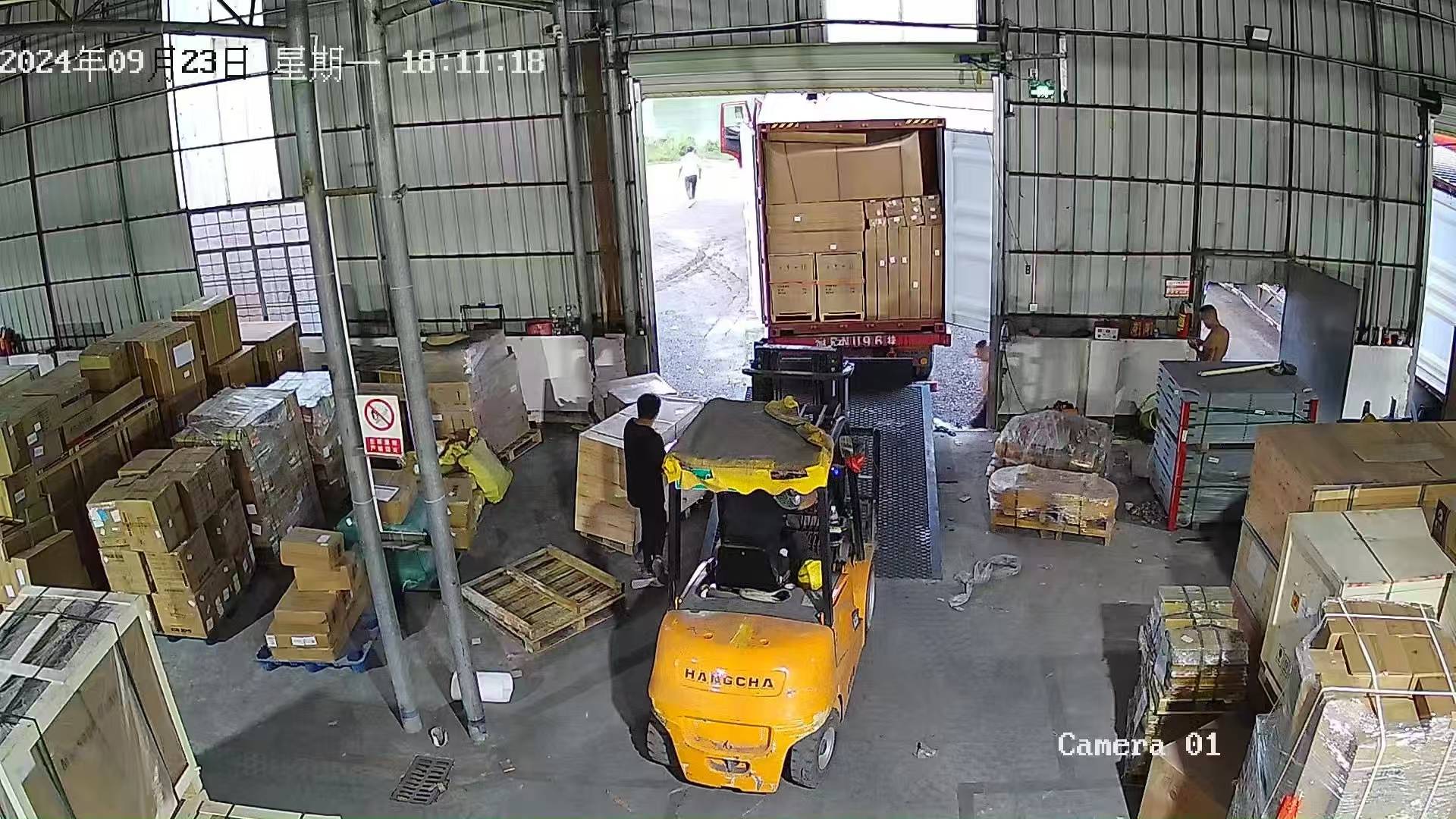
Core Insights - The article highlights the role of Guangzhou Banghai International Freight Forwarding Co., Ltd. in enhancing the efficiency and standardization of cross-border logistics between Fujian and the Philippines, establishing itself as a benchmark in the regional logistics service industry [2] Company Scale - Guangzhou Banghai International has a registered capital of 5 million RMB and has established four branches in the Pearl River Delta region, creating a logistics network that covers the core economic belt of South China [3] - The company has invested in three modern warehousing centers with a total area exceeding 20,000 square meters, significantly improving cargo distribution efficiency and reducing transit time by over 40% [3] - The three warehouses handle an average of over 2,000 cubic meters of cargo daily, with peak processing capacity reaching 5,000 cubic meters per day during busy seasons [3] Resource Integration - The company has formed strategic partnerships with 12 global shipping companies, achieving a space guarantee rate of over 95% for its shipping routes to the Philippines [5] - By integrating sea, land, customs, and warehousing services, the company offers a "door-to-door" service that reduces overall logistics time from the industry average of 15-20 days to 10-14 days, achieving a customer satisfaction rate of 98.7% [5] Service Capability - Guangzhou Banghai International processes over 500,000 cubic meters of cargo annually, serving clients across various sectors including manufacturing, trading, and e-commerce [6] - The company has developed three core product lines: standard sea freight services, e-commerce dedicated lines with a "72-hour rapid customs clearance" option, and customized logistics solutions for special cargo [6] - The customer repurchase rate stands at 82%, with over 60% of clients being long-term partners, including several manufacturers with annual export volumes exceeding 100 million RMB [7] Technology-Driven - The company has developed a logistics tracking system to enhance operational transparency, allowing clients to monitor cargo status in real-time and reducing communication costs [8] - AI algorithms are utilized to optimize transportation routes, improving delivery time stability by 25% [8] Industry Recognition - Guangzhou Banghai International has been recognized as a "Quality Logistics Service Provider" for three consecutive years by the Fujian Provincial Logistics Association and ranks among the top three in customer satisfaction surveys [11] - The company aims to expand its annual processing volume to 800,000 cubic meters within three years while continuing to deepen collaborations with shipping companies and ports [11]
保障大宗商品供应链安全 提升贸易活动效率
Qi Huo Ri Bao· 2026-01-09 01:33
Core Viewpoint - The company has developed an upgraded risk management and settlement system tailored for its futures risk management business, addressing the inefficiencies of traditional ERP systems and enhancing operational efficiency and risk control capabilities [2][7]. Group 1: System Development and Features - The new system aims to eliminate data silos and improve real-time data sharing across various functions such as trading, financial settlement, and risk monitoring [3]. - It features an automated matching engine for futures and spot transactions, significantly improving matching efficiency and reducing manual errors [4]. - The system incorporates a proactive risk control mechanism that shifts risk management from post-trade checks to real-time monitoring, effectively mitigating compliance risks and excessive exposure [4]. Group 2: Implementation Phases - The project is being implemented in three phases: 1. Establishing a spot trading system with multi-dimensional analysis and risk warning capabilities [6]. 2. Developing a futures trading data service system that automates profit calculations and links futures records with spot contracts [6]. 3. Migrating the financial system and adding a cash usage forecasting feature to monitor account balances and predict future cash trends [6]. Group 3: Industry Impact and Benefits - The system has significantly enhanced risk management efficiency, enabling dynamic cost control and precise warnings, thus helping companies avoid risks associated with commodity price fluctuations [8]. - The modular architecture of the system supports various business types, including chemicals and agricultural products, making it adaptable for different industry needs [8]. - The successful implementation of the project has attracted interest from other risk management companies and received high praise from external organizations, demonstrating its potential as a model for integrating technology into risk management and supporting the real economy [8].