
美丽经济

Search documents
年终话“三农”丨宜居又宜业 乡村绘新卷——2025年美丽乡村建设一线观察
Xin Lang Cai Jing· 2025-12-26 16:59
Core Viewpoint - The article emphasizes the importance of building livable and workable beautiful rural areas, reflecting the aspirations of millions of farmers for a better life and environment [1] Group 1: Agricultural Development - The central government has prioritized the improvement of rural living environments and ecological governance in agriculture, leading to significant enhancements in rural ecological conditions and the promotion of beautiful countryside construction [1] - The implementation of smart farming technologies, such as soil sensors and AI monitoring systems, has increased land utilization rates from below 90% to 95% and reduced water and fertilizer usage by 15% to 25% [1] - The current fertilizer utilization rate stands at 42.6%, while the comprehensive utilization rate of livestock and poultry manure has reached 80.1% [1] Group 2: Environmental Improvement - The national rural sewage treatment rate has exceeded 51%, doubling since the end of the 13th Five-Year Plan, with over 98% of major rural black and odorous water bodies being treated [1] - The implementation of the "toilet revolution" has significantly improved sanitation and living conditions in rural areas, enhancing the overall quality of life for residents [1] Group 3: Economic Development - The article highlights the emergence of rural tourism and the development of cultural homestays as a means to boost local economies, with some villages seeing tourism revenue account for over 60% of per capita income [1] - The integration of agriculture with culture, tourism, and other industries is being actively promoted to create new economic opportunities in rural areas [1]
从“天生丽质”到“产业丽链”:浙江莲都生态化崛起
Zhong Guo Xin Wen Wang· 2025-12-26 14:15
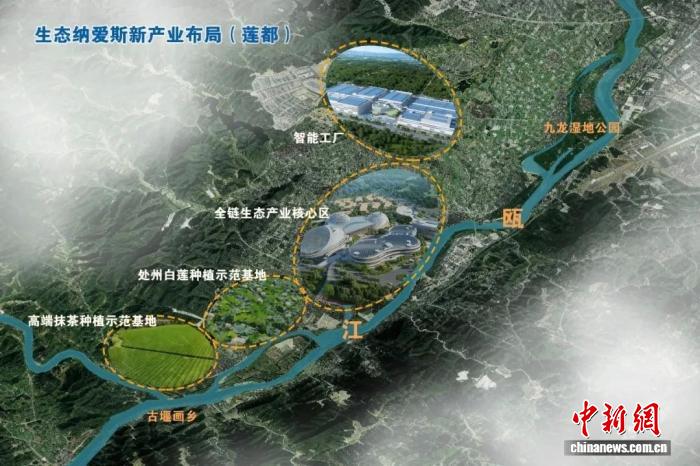
Core Viewpoint - The "beautiful economy" is thriving in Lishui's Liandu District, with significant developments in the beauty and health industry, including partnerships with major beauty brands and impressive industrial output figures [1][4]. Group 1: Industry Development - Liandu District has signed cooperation agreements with beauty giants Proya and Oushiman, positioning itself as a new hub for the beauty and health industry [4]. - The health industry in Liandu has seen a total industrial output value of 9.837 billion yuan from January to November this year, with expectations to exceed 10.88 billion yuan by 2024 [1][5]. - The district has attracted over 100 upstream and downstream enterprises in the beauty and health industry, forming a collaborative industrial structure led by companies like Naies and Mingye Technology [5]. Group 2: Strategic Initiatives - The local government has implemented several strategic plans, including the "Three-Year Action Plan for the Development of Traditional Chinese Medicine and Health Industry" and the "Development Plan for the Beautiful Health Industry" [7]. - Liandu is focusing on six main sectors: ecological beauty, fashion medical aesthetics, oral healthcare, modern traditional medicine, health tea and coffee, and pet products [7]. - The establishment of innovation centers and industry funds totaling 1 billion yuan aims to enhance project attraction and optimize the beauty and health industry chain [7][8]. Group 3: Future Goals - By 2030, the Liandu District aims to achieve an industrial output value of over 20 billion yuan in the beauty and health sector and cultivate nationally influential innovative enterprises [9]. - The district plans to build the "China Lishui Beautiful Health Port" as a central initiative to drive the development of beauty, health, and emotional economy sectors [9].


做强“美丽经济” 锻造美妆高地 浙江省湖州市埭溪镇:书写乡镇转型新答卷
Ren Min Ri Bao· 2025-12-22 22:15
Core Insights - The article highlights the transformation of Daixi Town in Huzhou, Zhejiang Province, into a thriving hub for the beauty industry, achieving over 10 billion yuan in total output value by 2024, marking a significant shift from traditional industries to a focus on "beautiful economy" [1][7] Group 1: Industry Transformation - Daixi Town has successfully transitioned from a traditional industrial base focused on mining and machinery to a specialized beauty town, emphasizing the growth of the beauty industry as a key driver of economic development [1][7] - The beauty industry in Daixi Town has become a strong engine for regional economic growth, with total output surpassing 10 billion yuan, showcasing the effectiveness of focusing on a niche market [1][7] Group 2: Precision Investment and Service Optimization - The town has adopted a "precision investment" strategy, focusing on high-growth potential enterprises in the beauty and equipment manufacturing sectors, moving away from a scattershot approach to investment [2] - Daixi Town has established a new target of "10 billion in tax revenue" and has successfully attracted leading companies like Proya and Zhejiang Liju Thermal Equipment Co., which has achieved significant milestones, including being recognized as a national green factory [2] Group 3: Innovation and Market Expansion - Innovation is a key driver in the beauty industry, with companies like Zhenyan and Yufan achieving significant technological advancements and competitive advantages in their respective niches [3] - The establishment of the Beauty Health Association in 2019 has facilitated collaboration among local enterprises, helping to address challenges and expand market reach through participation in numerous domestic and international exhibitions [4] Group 4: Green Transformation and Ecological Integration - Daixi Town has prioritized ecological development, transitioning from a mining-based economy to one that integrates ecological protection with industrial growth, creating a model for sustainable development [5][6] - The town has successfully cultivated several national-level green factories, demonstrating the synergy between ecological advantages and industrial upgrades [6] Group 5: Talent Development and Educational Integration - Daixi Town emphasizes talent cultivation aligned with industry needs, establishing partnerships with educational institutions to create specialized training programs for the beauty industry [6] - The introduction of a segmented training model ensures that talent development is closely linked to practical industry requirements, enhancing the quality of workforce training [6]
连云港海州冬闲“育”美景 “美丽经济”促增收
Yang Zi Wan Bao Wang· 2025-12-21 09:37
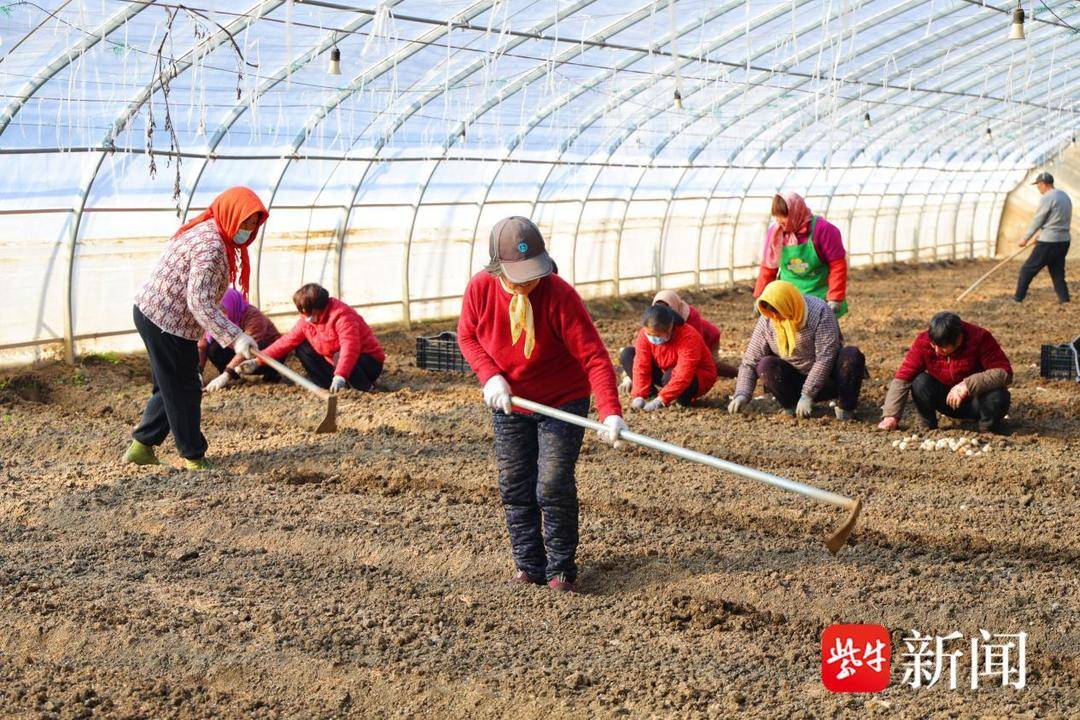
Core Insights - The article highlights the transformation of a winter idle period into a productive season for the Gao Bu Agricultural Demonstration Park in Lianyungang, focusing on the cultivation of tulips as part of the "beautiful economy" initiative [1][3]. Group 1: Agricultural Practices - The 28th greenhouse, covering an area of 1 mu, is currently experiencing a peak planting season after a summer fallow period, during which soil improvement and disinfection were conducted [3]. - The park's management emphasizes the importance of soil quality, with expert guidance to optimize pH levels for tulip growth, ensuring maximum productivity from the land [3][4]. Group 2: Market Potential - The tulip varieties being planted include eight classic types such as "Little Prince" and "Dynasty," which cater to diverse consumer preferences and are positioned as potential bestsellers in the New Year flower market [4]. - The cultivation cycle from planting to flowering is approximately 50 days, strategically timed to ensure availability before the Spring Festival, capitalizing on the increasing demand for ornamental flowers [4]. Group 3: Economic Impact - The flower industry has created local employment opportunities, with workers earning between 80 to over 100 yuan daily, allowing them to balance work with family responsibilities [6]. - The development of the flower industry is contributing to local economic growth and rural revitalization, with the park expanding its cultivation scale and integrating various aspects of the flower industry from breeding to sales [6].

科技加持“美丽经济” 各地年宵花卉集中上市销售火热
Yang Shi Wang· 2025-12-18 06:07
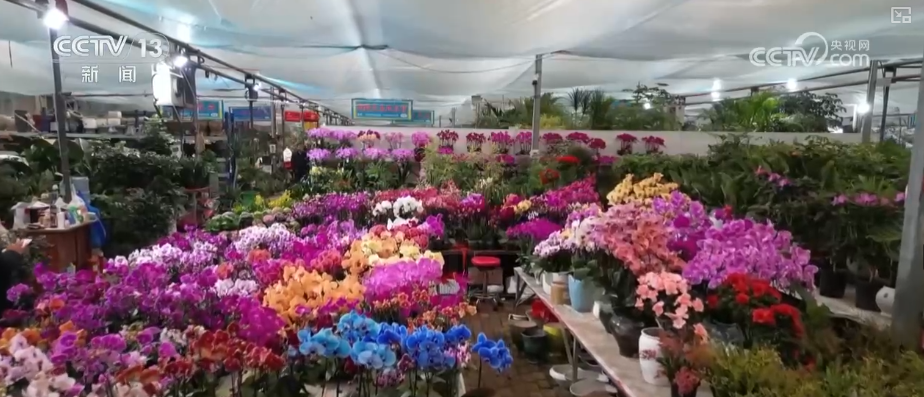
Core Viewpoint - The flower market is experiencing a sales peak as the New Year approaches, with various flower types being prepared for the holiday season [1][4]. Group 1: Flower Types and Sales - In Shandong Heze, popular New Year flowers such as butterfly orchids and azaleas are being stocked by merchants [1][4]. - In addition to traditional New Year flowers, small potted plants and landscape trees are also gaining consumer interest [6]. Group 2: Technological Advancements - In Luoyang, Henan, local flower farmers are using technology to control flowering periods, allowing peonies to be available before the New Year [7]. - The flower base in Luoyang is employing temperature and light control technologies to significantly advance the blooming period of peonies compared to 2024 [10]. Group 3: Sales Channels - Workers are utilizing online live streaming to sell peonies nationwide, in addition to traditional offline sales channels [12]. - The Luoyang Forestry Bureau has organized technical training to help flower farmers target the New Year holiday, resulting in the early market entry of 10,000 high-quality potted peonies [15].
满足银发群体的美丽需求
Jing Ji Ri Bao· 2025-12-17 20:08
Core Viewpoint - The recent guidelines from the National Medical Products Administration aim to enhance the regulation of cosmetics, particularly focusing on the development of products for the elderly, addressing the needs of an aging population and injecting new vitality into the consumer market [1][2] Group 1: Market Context - China has become the largest cosmetics consumer market globally, with retail sales of cosmetics reaching 229.1 billion yuan in the first half of this year, and the market size has exceeded 1 trillion yuan for two consecutive years [1] - The aging population is shifting the demand for beauty and skincare products from "optional consumption" to "essential consumption," highlighting the need for products that cater specifically to the elderly [1] Group 2: Industry Challenges - Existing elderly cosmetics in the market suffer from unclear positioning, single functionality, and outdated formulations, failing to meet the actual demands of the elderly, such as enhanced moisturization, anti-wrinkle properties, and safety concerns [1] Group 3: Policy Implications - The reform will support product development aimed at the elderly, encouraging companies to focus their R&D resources on this segment, which is expected to fill market gaps and create new growth opportunities for the cosmetics industry [1] - The initiative is part of a broader framework that combines regulatory reform with high-quality development, promoting innovation while ensuring product safety and quality [2] Group 4: Collaborative Efforts - Successful implementation of these policies requires collaboration among regulatory bodies, companies, and society to ensure that the elderly's beauty needs are met and to foster a more inclusive perception of beauty across all ages [2] - Companies are encouraged to invest in genuine R&D and innovate around the physiological characteristics of elderly skin, while regulatory bodies should establish efficient product evaluation and safety standards [2]
美出新“谷”事
He Nan Ri Bao· 2025-12-14 23:41
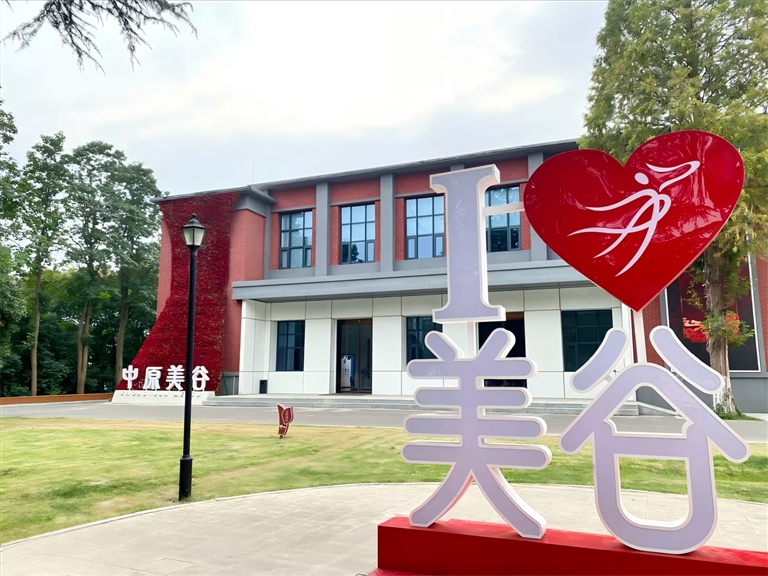
Core Viewpoint - The article highlights the innovative integration of traditional Chinese medicine and modern technology in the beauty industry, particularly through the development of new cosmetic ingredients and production techniques in the Zhongyuan Meigu (中原美谷) region, which aims to establish a high-quality beauty economy in Henan province [1][4][14]. Group 1: Technological Innovations - Zhongyuan Meigu is developing a new cosmetic ingredient called "water sucrose," derived from traditional Chinese medicinal materials, which offers significant moisturizing and repairing benefits [4]. - The introduction of plant nanovesicles, which encapsulate active molecules from plants like ginseng and peony, allows for targeted delivery of these ingredients into skin cells, enhancing their effectiveness [2][3]. - A new production technology for facial mask materials, utilizing advanced plasma technology to create a supermolecular gel network, is set to improve the absorption and user experience of active ingredients [6][8]. Group 2: Industry Development and Standards - In August, Zhongyuan Meigu led the establishment of the first industry standard for plant nanovesicle production technology in China, paving the way for future industry regulation and commercialization [3]. - The beauty market in China has surpassed 1 trillion yuan, with various regions establishing their own beauty hubs, indicating a growing competition and innovation in the sector [4]. Group 3: Collaborative Ecosystem - Zhongyuan Meigu has formed partnerships with various enterprises and research institutions, including the Henan Academy of Sciences, to foster a collaborative environment for innovation and technology transfer [4][11]. - Companies like Jiayu (河南) Biotechnology Co., Ltd. are leveraging the resources and expertise available at Zhongyuan Meigu to accelerate the commercialization of research outcomes [4][9]. Group 4: Cultural Integration - The integration of traditional cultural elements, such as the peony, into modern beauty products reflects a shift from mere appreciation of cultural heritage to practical applications in the beauty industry [10][11]. - The collaboration between traditional techniques and modern scientific methods is exemplified by brands like "Tangci," which revitalize ancient practices through contemporary technology [10][11].
研发在静安、生产在奉贤 破解美妆产业“研发难转换慢量产贵”痛点 静安奉贤双向赋能“美美与共”
Jie Fang Ri Bao· 2025-12-14 01:57
Core Insights - Shanghai is recognized as a major beauty city in China, with leading cosmetic brands and nearly one-third of the national retail sales of cosmetics coming from the city [1] - The two key districts in Shanghai's cosmetic industry are Fengxian, known for its production capabilities, and Jing'an, which serves as a hub for global cosmetic headquarters and innovation [2][4] Group 1: Industry Overview - Fengxian has established itself as a significant production base, housing nearly 40% of the city's cosmetic companies and is projected to account for 50% of the city's cosmetic output value by 2024 [2] - Jing'an is home to numerous high-profile beauty and skincare companies, including L'Oréal and Perfect Diary, and has launched the "Beauty Innovation Zone" initiative to create a comprehensive beauty economy ecosystem [2][5] Group 2: Collaborative Advantages - The collaboration between Fengxian and Jing'an aims to leverage their respective strengths: Jing'an's innovation and research capabilities with Fengxian's manufacturing prowess [4][7] - Fengxian's production facilities include a range of enterprises from major OEMs to flexible custom manufacturers, while Jing'an boasts top-tier medical resources and innovation centers [4][5] Group 3: Strategic Initiatives - The recent meeting between the two districts focused on developing a coordinated approach to enhance the beauty economy, emphasizing the importance of matching resources and capabilities [3][9] - The proposed model includes a closed-loop mechanism for innovation incubation and industrial transformation, aiming to create a nurturing environment for both emerging and established brands [7][9] Group 4: Market Dynamics - The synergy between the two districts is expected to reduce costs and enhance value across the entire supply chain, allowing companies to focus on core competencies while benefiting from established production capabilities [9][10] - This collaborative approach reflects a broader shift in Shanghai's industrial strategy, moving from competition to cooperation among districts to optimize resource allocation [9][10]


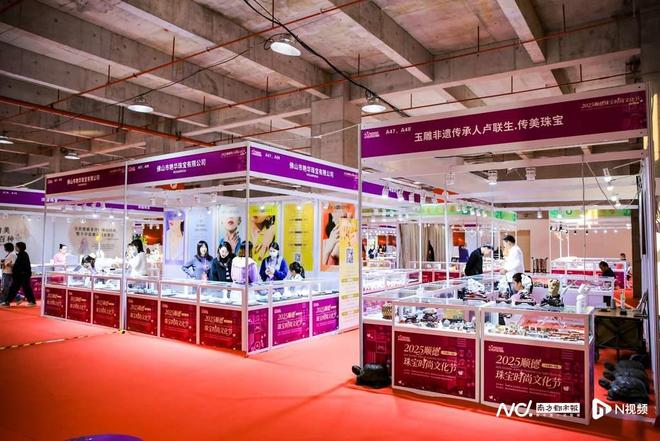
2025顺德珠宝时尚文化节启幕!点燃“美丽经济”新坐标
Nan Fang Du Shi Bao· 2025-12-05 22:50
全城瞩目!12月5日,2025顺德珠宝时尚文化节在金福盛黄金珠宝创新生态城盛大启幕。这场集珠宝展 销、文化体验、美食文旅于一体的年度盛会,以"人文赋能、美丽经济"为主线,为市民游客带来了一场 璀璨夺目的时尚盛宴,也为顺德践行人文经济学、推动"产文商旅"深度融合注入动能。 本次文化节由中国珠宝玉石首饰行业协会、国家珠宝玉石首饰检验集团有限公司联合主办,佛山市顺德 区珠宝首饰商会、佛山金福盛投资发展有限公司承办,得到深圳、四会、平洲、番禺等珠宝产业集聚区 及化州、电白等沉香产区相关行业协会与机构的鼎力支持。中国珠宝玉石首饰行业协会会长叶志斌,佛 山市委常委、常务副市长刘杰,市委常委、顺德区委书记陈新文等政企银代表约300人出席开幕式。 盛典启幕: 政企共襄,构建湾区美丽经济新生态 作为本次文化节的核心板块,设于金福盛黄金珠宝创新生态城10、11栋的核心展区备受关注。超5000平 方米的展示空间内,佛山品牌馆、深港精品馆、国翠沉香馆、时尚体验馆四大主题展区同步开放,展位 规模达170个,较去年大幅提升30%。周大福、周生生、六福珠宝、冠钰臻品等行业领军品牌悉数亮 相,逾万件珠宝精品集中展出,全方位彰显顺德伦教珠宝产 ...

冬日乡游首选!来云浮云城吃蜜薯,打卡美丽花海和康养路线
Nan Fang Nong Cun Bao· 2025-12-05 12:33
Core Viewpoint - The article highlights the launch of the "Sweet Potato Tourism Season" in Yunfu City, which aims to promote local agricultural products and tourism through a series of cultural and culinary events [3][43]. Group 1: Event Overview - The "Sweet Potato Tourism Season" officially started on December 5 and will last for three months, inviting visitors to experience the integration of agriculture, culture, and tourism [4][43]. - The event is part of the "Hundred Million Thousand Project," which has shown initial success in promoting local tourism and agriculture [3]. Group 2: Attractions and Activities - Visitors can explore various attractions including the beautiful greenways around Tianma Mountain and the ecological sweet potato cultivation demonstration base [7][10]. - The event features a range of activities such as non-heritage displays, live painting, themed photography, and community engagement through e-commerce and local product exhibitions [43][45]. Group 3: Local Products and Culinary Experience - The Yunfu honey sweet potato is a key highlight, known for its sweet and soft texture, especially after frost, and visitors can learn about its cultivation and processing [20][21]. - The article emphasizes the importance of local cuisine, encouraging visitors to taste authentic dishes and take home fresh sweet potatoes as souvenirs [22][50]. Group 4: Scenic Beauty - The article describes the picturesque landscapes, including the blooming of the cosmos flower fields and the vibrant canola flower terraces, which enhance the region's appeal as a tourist destination [25][36]. - The integration of natural beauty with agricultural activities is presented as a strategy for rural revitalization and economic development [32]. Group 5: Community Engagement - The "Xiaobai Coffee House," a popular spot transformed from an abandoned pigsty, represents the innovative spirit of local youth in promoting rural tourism [40][42]. - The event aims to foster community involvement and cultural exchange, showcasing the unique charm of rural life in Yunfu [49][53].
