贫富差距

Search documents
美国彻底慌了?马斯克24小时内三次警告:美国正以超快速度走向破产!国债高达36万亿美元,我只想要一个可以安全居住,不被袭击的国家
Sou Hu Cai Jing· 2025-10-22 16:22
Core Insights - Elon Musk's recent comments reflect a growing concern about safety and societal issues in the U.S., contrasting with his previous focus on technology and space exploration [1][3] - The U.S. federal debt has surpassed $36 trillion, increasing by approximately $2 trillion in just over six months, leading to significant interest payments that may outpace military spending by 2030 [3][5] - The rising homelessness and poverty rates in the U.S. indicate a deteriorating quality of life, with the actual poverty rate reaching 12.4% in 2023, higher than during the pandemic [5][8] Economic Indicators - The U.S. federal debt has increased significantly, with interest payments projected to exceed $1 trillion annually, raising concerns about budget allocations for social programs [3][5] - The wealth gap is widening, with the bottom 50% of income earners seeing negligible wealth growth, while the top 10% have experienced nearly a 30% increase in wealth [8][10] Social Issues - The increase in crime and homelessness is evident, with Washington D.C. reporting 83 homeless individuals per 10,000 residents and a national total exceeding 650,000 [5][8] - Public trust is eroding, with citizens feeling increasingly unsafe and skeptical about the economic system, leading to a sense of betrayal among the middle class [8][10] Infrastructure and Global Comparison - Comparisons between U.S. infrastructure and that of China highlight a perceived decline in American public works, as noted by Musk's mother, who praised China's advanced infrastructure [6][10] - The juxtaposition of technological advancement with societal safety concerns presents a paradox, as individuals like Musk express fear about everyday activities despite their wealth and success [11]


我国人均存款出炉,存款超30万的家庭有多少?银行给出了数据
Sou Hu Cai Jing· 2025-10-13 20:43
Core Insights - The central point of the article highlights the disparity between the average per capita savings in China and the actual savings of most households, revealing that while the average savings per person is approximately 94,200 yuan, over half of the households have savings below 300,000 yuan [3][4]. Group 1: Savings Statistics - As of June this year, the total household savings in China reached 131.9 trillion yuan, leading to an average household savings of 282,600 yuan for a typical three-person family [3]. - Only 19.3% of the approximately 495 million households have savings exceeding 300,000 yuan, equating to about 95.53 million households [4]. - A mere 1% of depositors have savings over 500,000 yuan, indicating a significant concentration of wealth among a small percentage of the population [4]. Group 2: Wealth Distribution - The wealth distribution in China is highly unequal, with only 2% of the population holding 80% of the savings, while the remaining 98% possess only 20% [6]. - Among the 1.4 billion population, 560 million individuals have almost zero bank savings, further illustrating the wealth gap [6]. Group 3: Contributing Factors to Low Savings - The overall income level of residents is relatively low, with most monthly incomes ranging from 3,000 to 6,000 yuan, while essential expenditures such as education, healthcare, and daily living costs are significant [6][7]. - High housing prices lead to substantial mortgage burdens, consuming a large portion of household income and leaving little for savings [7]. - The younger generation, particularly those born in the 1990s, faces high debt levels, with an average debt of 127,000 yuan, making it challenging for them to save [8].
4大问题不解决,老百姓怎敢消费?只有对症下药才能促进消费
Sou Hu Cai Jing· 2025-10-13 19:07
Core Viewpoint - The global economic downturn has led to weak consumer demand, significantly impacting China's export business, and the long-term sustainable growth of the Chinese economy relies on domestic consumer demand [1][3]. Group 1: Current Economic Challenges - The release of pandemic restrictions has not resulted in a surge in consumer spending, with demand remaining weak, particularly for mid to high-end consumer goods [3][5]. - Despite a rise in bank deposits, there is a growing concern about whether lowering bank deposit rates to zero could effectively stimulate consumer spending [3][5]. Group 2: Underlying Issues Affecting Consumer Demand - The primary challenge is that income growth is not keeping pace with rising prices, leading to increased living costs that restrict actual consumption capacity [6][7]. - High housing prices continue to suppress consumer demand, with the cost of purchasing a home in second and third-tier cities still exceeding 1.5 million yuan, limiting disposable income for other expenditures [9]. - A lack of security and rising concerns about future uncertainties lead residents to prioritize savings over spending, even if deposit rates are reduced [9][10]. - The widening wealth gap exacerbates the low consumer demand, with a small wealthy population having their consumption needs met while the majority face significant limitations in their spending capacity [10].

为啥美股可以一直涨,A股却只能震荡
集思录· 2025-10-09 15:02
Core Viewpoint - The article discusses the contrasting nature of the US and A-share markets, highlighting that the US market is a "blood-generating" market while the A-share market is a "blood-letting" market, primarily due to the different regulatory and operational frameworks in place [1][2]. Group 1: Market Dynamics - In 2022, the US market saw a significant inflow of capital through buybacks and dividends totaling $2 trillion, while only $208 million was raised through IPOs, indicating a stark imbalance in capital inflow and outflow [2]. - The A-share market has experienced a net capital outflow of approximately 1.3 trillion yuan annually from 2018 to 2022 due to various factors such as IPOs, private placements, and management fees, which far exceed the capital generated through dividends [2][3]. Group 2: Regulatory Environment - The regulatory framework in A-shares is designed to facilitate capital raising, with policies that encourage IPOs and other fundraising activities, often at the expense of existing shareholders [3]. - Recent measures introduced by the new leadership aim to address the capital outflow issue by limiting the number of IPOs and enhancing the quality of listings, which has led to a temporary bull market [3]. Group 3: Investment Behavior - The article suggests that the lack of short-selling mechanisms in the A-share market contributes to a predominance of bullish sentiment among investors, leading to market volatility [1][12]. - In contrast, the US market allows for short-selling, which can act as a stabilizing force, enabling investors to profit from declining stocks and thus contributing to a more balanced market environment [1][12]. Group 4: Broader Economic Implications - The article posits that the differences in market structures reflect broader economic ideologies, with the US market benefiting from capitalist principles that promote competition and innovation, while the A-share market is seen as more controlled and less dynamic [10][12]. - The implications of these market dynamics extend to the wealth distribution in both countries, with the US market's performance being closely tied to the fortunes of its large corporations, while the A-share market's structure may exacerbate wealth inequality among retail investors [9][18].

日本被印度超了
首席商业评论· 2025-09-29 03:50
Core Viewpoint - India's economy has officially surpassed Japan, becoming the fourth largest in the world, with a GDP of over $4.19 trillion, and is projected to grow rapidly in the coming years, potentially overtaking Germany within three years [6][8]. Group 1: Economic Potential and Challenges - India has a significant demographic advantage with a labor force of approximately 594 million and a median age of 28, expected to sustain its population growth for decades [10][11]. - Despite the large population, India's labor participation rate is around 50%, with a youth unemployment rate exceeding 25%, indicating that many individuals are not fully engaged in the economy [13][14]. - The lack of land reform is a critical barrier to industrialization, leading to high costs for businesses and hindering manufacturing growth, which now constitutes only 14.3% of GDP [16][18]. Group 2: Social Inequality and Economic Disparities - The wealth gap in India has reached unprecedented levels, with the top 1% of the population holding 22.6% of total income, while the bottom 50% has seen their income share decline from 23% to 15% [23]. - The persistence of religious and social hierarchies contributes to the lack of unrest among the lower classes, as cultural beliefs frame their struggles as divine tests [26]. - The current economic model, heavily reliant on the service sector, particularly IT, which accounts for 9% of GDP, raises concerns about the sustainability of growth without a robust manufacturing base [18][19]. Group 3: Future Outlook and Cultural Dynamics - Prime Minister Modi's vision for India to become a developed nation by 2047 reflects ambitious goals, yet the reality for many citizens remains starkly different, with stagnant minimum wages and rising inflation [20][23]. - The contrast between the more progressive southern states and the traditional northern regions highlights the ongoing social and economic divides within the country [28]. - As education and awareness increase, there is potential for a shift in societal attitudes, challenging long-standing religious and social norms, which could impact India's future development trajectory [28].

日本被印度超了
虎嗅APP· 2025-09-27 13:10
Core Viewpoint - India's economy has officially surpassed Japan, becoming the fourth largest in the world, with a GDP of over $4.19 trillion, and is projected to surpass Germany within three years [4][5]. Group 1: Economic Potential and Challenges - India's economic potential remains largely untapped, with concerns that its GDP may be overestimated due to structural issues [5]. - The country has a significant demographic advantage, with a labor force of approximately 594 million and a median age of 28, expected to sustain this advantage for decades [8][9]. - Despite the large population, the labor participation rate is around 50%, with female participation below 10%, indicating a significant portion of the workforce is underutilized [19][20]. Group 2: Education and Workforce Quality - India has made strides in education, with the number of universities increasing from 760 in 2015 to 1,213, but the literacy rate remains a challenge, with 287 million illiterate individuals [16][13]. - The true demographic dividend may only be realized when a well-educated generation enters the workforce [17]. Group 3: Industrialization and Economic Structure - India's manufacturing sector has declined to 14.3% of GDP, while the service sector accounts for over 60%, highlighting a reliance on services rather than manufacturing [30]. - The high cost of land acquisition due to entrenched landlord interests has hindered industrialization efforts [27]. Group 4: Income Inequality and Social Issues - Income inequality has worsened, with the top 1% of the population controlling 22.6% of income, while the bottom 50% saw their share drop from 23% to 15% [41][44]. - The persistence of religious and social structures has contributed to the lack of significant social mobility for lower castes, despite some individuals breaking through [44][49]. Group 5: Future Aspirations and Contradictions - Prime Minister Modi has set ambitious goals for India to become a developed nation by 2047, but the reality for many citizens remains starkly different [33][34]. - The contrast between the wealth generated in urban areas and the ongoing struggles in rural regions reflects deep societal divides [50].

美国劳动力市场现“奇怪平衡” 失业与通胀压力叠加
Sou Hu Cai Jing· 2025-09-19 03:14
Group 1 - The initial jobless claims in the U.S. dropped to 231,000, marking the largest weekly decline in nearly four years, down from 264,000 the previous week [1] - Despite the decrease in initial claims indicating no large-scale layoffs, the number of continuing claims remains above 1.9 million, indicating persistent concerns in the labor market [1] - The average duration of unemployment rose to 24.5 weeks in August, the longest since April 2022, suggesting increased difficulty for unemployed individuals to find new jobs [1] Group 2 - The labor market is described as a "strange balance" by the Federal Reserve Chairman Powell, with both labor supply and demand weakening [1] - Job creation has significantly slowed, with an average monthly increase of only 29,000 jobs over the past three months, and non-farm payrolls in August only growing by 22,000, far below expectations [1] - The Federal Reserve recently announced a 25 basis point rate cut, lowering the federal funds rate target range to 4.00%-4.25%, indicating that concerns over employment have surpassed inflation risks [1] Group 3 - The current economic situation is complex, with retail sales growth driven primarily by high-income households, while middle and low-income groups face significant inflationary pressures [2] - The widening wealth gap may lead to decreased sensitivity of consumption to policy changes, introducing new uncertainties in economic growth [2] - Structural contradictions in the labor market and inflation pressures present multiple challenges for the U.S. economy, requiring policymakers to find a difficult balance between a weak labor market and ongoing inflationary pressures [2]
1万亿美元激励马斯克?教皇怒斥:当万亿富翁成目标,人类就输了!
Sou Hu Cai Jing· 2025-09-18 04:45
Group 1 - The core viewpoint expressed by Pope Leo XIV is the widening income gap between the working class and the ultra-wealthy, highlighting that CEO compensation has increased dramatically over the years, with current data showing a disparity of 600 times compared to ordinary workers [1] - Pope Leo XIV criticized the substantial compensation package proposed for Elon Musk, which is contingent upon achieving ambitious targets for Tesla, including a company valuation of $8.5 trillion and significant operational milestones [1] - The proposed compensation for Musk includes over 423 million shares of Tesla stock, potentially worth around $1 trillion, contingent on meeting specific performance goals by 2035 [1][2] Group 2 - Elon Musk's current net worth is approximately $463.2 billion, and the new compensation plan provides a potential pathway for him to become the world's first trillionaire, although it remains a challenging endeavor [2]

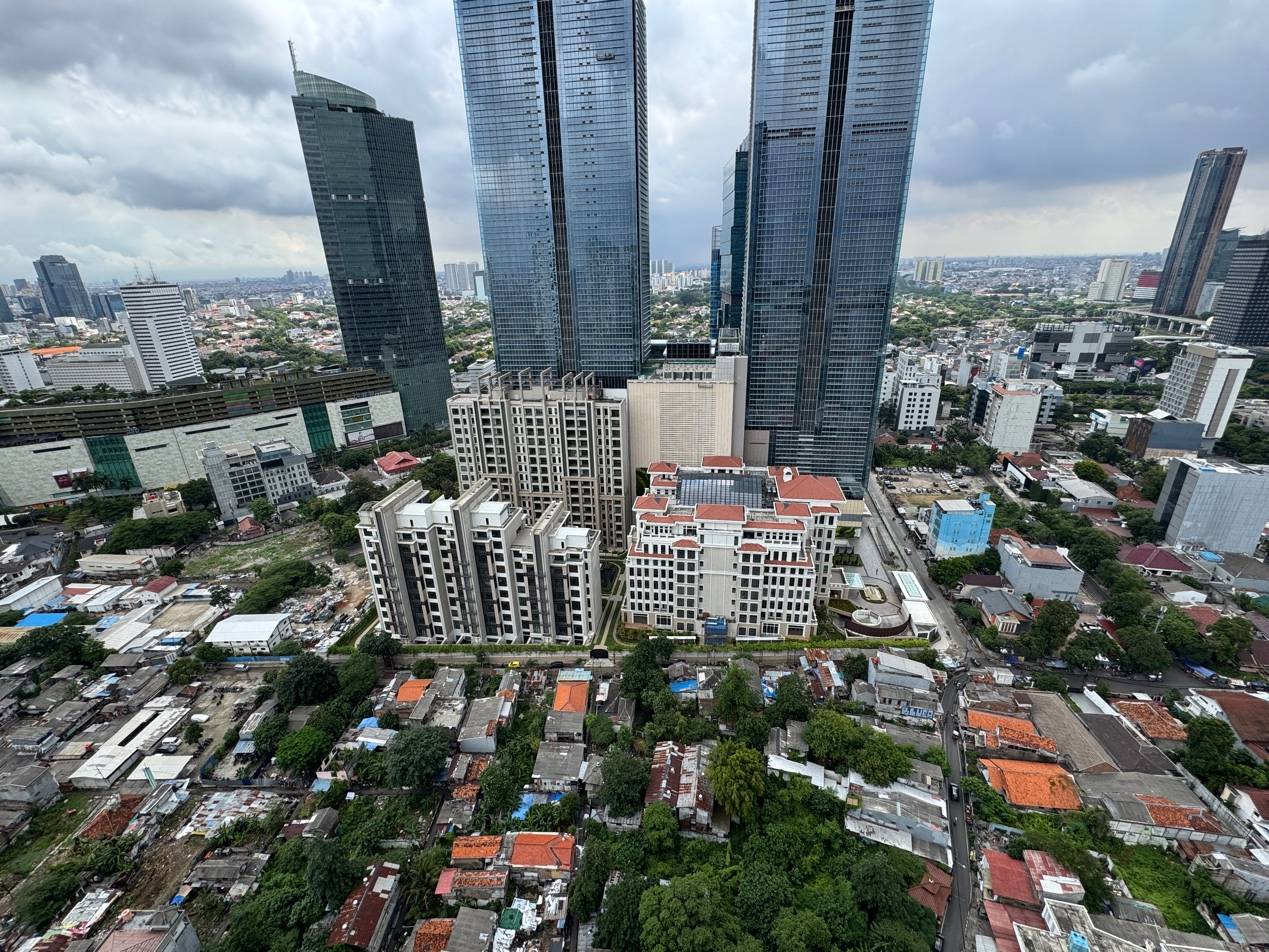
印尼,站在火山口
Ge Long Hui· 2025-09-06 02:24
Group 1 - A large protest erupted in Jakarta against the housing allowance of 50 million Indonesian Rupiah (approximately 21,600 RMB) per month for members of parliament, which is nearly ten times the minimum wage in Jakarta [1][12] - The protest escalated after the tragic death of a delivery driver named Afan, who was killed by a police vehicle during the demonstration, symbolizing the struggles of many working-class individuals [6][10] - The protests quickly spread to over ten major cities, leading to significant unrest, including property damage and attacks on the homes of politicians [11][12] Group 2 - The Indonesian government, led by President Prabowo, made a rare concession by announcing the cancellation of the controversial housing allowance and some privileges for lawmakers in response to the protests [12][16] - Despite the temporary calm, underlying issues remain unresolved, and the potential for future unrest is high due to long-standing grievances among the population [14][16] - The protests reflect deeper societal issues, including extreme wealth disparity and rising poverty rates, with 60.3% of the population classified as poor according to World Bank data [34][35] Group 3 - Indonesia's economic growth has not translated into improved living conditions for the majority, as evidenced by stagnant real income levels despite a GDP per capita exceeding $14,000 [31][34] - The government has been criticized for prioritizing benefits for politicians while cutting budgets for essential services like healthcare and education [42][44] - Corruption scandals, including a major case involving the state-owned oil company, highlight systemic issues within the government that undermine public trust and exacerbate economic challenges [50][51]

动荡与机会:双面印尼
3 6 Ke· 2025-09-02 08:24
Core Viewpoint - The recent riots in Indonesia, triggered by the death of a motorcycle taxi driver due to police actions, have raised concerns about safety and stability in the country, particularly for Chinese businesses and expatriates [3][4][5]. Group 1: Current Situation and Impact on Businesses - The riots have led to a temporary shutdown of TikTok live streaming and increased military presence in certain areas, but many businesses, especially in the PIK area, continue to operate normally despite reduced foot traffic [4][5][6]. - Some Chinese expatriates have chosen to leave Indonesia, with flight prices skyrocketing due to demand, while others remain cautiously optimistic about the long-term business environment [6][5]. - The unrest has raised questions about the potential outflow of Chinese companies from Indonesia, but experts believe that core industries like manufacturing will remain largely unaffected [6][7]. Group 2: Opportunities in the Indonesian Market - Indonesia, as the world's 15th largest country and 4th most populous, presents significant market opportunities across various sectors, including energy, automotive, and consumer goods [7][9]. - Chinese companies, such as Qingshan Holding, have made substantial investments in Indonesia, particularly in the nickel supply chain, which is crucial for electric vehicle batteries [9][10]. - The presence of Chinese enterprises has contributed to local employment and economic development, helping to alleviate some social tensions related to high unemployment rates [10][11]. Group 3: Economic and Social Context - Indonesia faces significant challenges, including a high level of income inequality, with a large portion of the population living in poverty despite the country's rich natural resources [15][16]. - The government has implemented various policies to improve the business environment, such as easing foreign investment restrictions and promoting sectors like renewable energy and digital healthcare [11][19]. - However, local protectionism and bureaucratic hurdles remain significant barriers for foreign businesses, particularly in retail and agriculture [19][20].