
资产配置

Search documents
资产配置日报:再战前高-20260225
HUAXI Securities· 2026-02-25 15:26
证券研究报告|宏观点评报告 [Table_Date] 2026 年 02 月 25 日 [Table_Title] 资产配置日报:再战前高 2 月 25 日,权益市场放量上涨。万得全 A上涨 1.05%,全天成交额 2.48 万亿元,较昨日(2 月 24 日)放量 2627 亿元。港股方面,恒生指数上涨 0.66%,恒生科技下跌 0.19%。南向资金净流出 40.57 亿港元,其中腾讯控 股和美团分别净流入 8.18 亿港元和 6.78 亿港元,而中远海能则净流出 3.58 亿港元。 指数面临前高的考验。万得全 A 放量上涨,触及 1 月 14 日和 1 月 26 日前高,且这两天的成交额分别为 4 万 亿元和 3.28 万亿元,意味着有较多的筹码在此时进场,随着行情回落遭遇亏损。今日早盘大涨后,这些筹码成功 扭亏,部分资金或选择兑现,形成午后指数回落的局面。往后看,若强势突破前高,则确认反弹趋势;若行情回 落,意味着市场短期内或仍将震荡。 资源品&PCB 及其上游,仍是主要线索。资源品方面,工业有色继续受益于涨价逻辑, Wind 稀土和铜产业指 数分别上涨 8.45%和 3.67%。同时,磷化工指数上涨 6 ...


存款不香了,房产还能买吗?低利率时代资产配置逻辑全变了!
Sou Hu Cai Jing· 2026-02-25 13:49
春节期间,给长辈拜年时,经常会聊到,现在的利率时代太低了。 的确,当活期存款利率已经是0开头,对于老百姓来说,把钱存在银行获取微不足道的利息,确实意义 不大了。 与银行活期相比,货币基金有两大优势:T+0或T+1的高流动性,能随时满足应急需求;收益率普遍在 1%-1.5%之间,是活期存款的数倍。 普通人需要建立一个流动性资金池,规模约等于3-6个月的生活支出。这部分钱不该追求高收益,而应 注重安全与灵活。货币基金完美契合这一需求,它让闲钱不再"沉睡"。 具体选择时可以适当注意基金规模、稳定性及手续费。一般来说,规模大、运作成熟的基金抗风险能力 更强,收益率波动更小。 可是,多数普通人并不适合高风险的投资。那么,他们的"闲钱"应该如何进行配置,才能在相对低风险 的前提下,追求一个体验感较好的预期收益呢? 01 货币基金:活期存款的最佳替代 当银行活期存款利率低至0.05%时,资金躺在活期账户里几乎等于闲置。以余额宝、零钱通为代表的货 币基金是"活期存款"的最佳替代品。 普通家庭配置5%-10%的资产于黄金是合理的,可通过实物金条、积存金或黄金ETF等方式实现。此 外,也可以学习中国央行,采取每月定投的方式投资黄 ...


【西街观察】理性看待高位金银:不神化,不盲从
Bei Jing Shang Bao· 2026-02-25 13:41
春节回来,黄金白银又涨了。 尽管价格尚未突破前期高点,但在大类资产中,累计涨幅依旧一骑绝尘,让金银的市场热度居高不下。 开年以来,金银始终在高位持续剧烈震荡,一边是不断刷屏的涨价新闻,一边是多空激烈博弈,市场情 绪在狂热看涨与恐慌焦虑之间剧烈摇摆。 杠杆交易看似能放大收益,一旦趋势反转,便会快速吞噬本金。追高重仓看似能抓住红利,实则是把主 动权交给市场波动。 在这轮行情中,两种极端心态尤为典型。 一种是神化金银,将其包装成"永不崩盘、绝对安全、能穿越所有周期"的终极资产,仿佛只要持有就能 稳赚不赔,无视估值、无视波动、无视风险。 另一种则是盲从跟风,不看货币逻辑,也不懂供需格局,只是看到身边人获利、短视频鼓吹、舆论一边 倒,便追高进场、满仓梭哈,把本应用于避险的资产当成一夜暴富的投机标的。 两种心态立场不同,但都是被情绪绑架的非理性行为。 事实上,金银从来不是一夜暴富的造富工具,而是资产配置里的压舱石。 黄金的核心价值,来自货币属性与避险属性的双重支撑,长期对抗货币贬值、对冲系统性风险,是全球 央行与成熟资金的压舱配置。 白银则兼具金融属性与工业属性,既是贵金属,也是新能源、光伏、电子产业的重要原材料,此轮大 ...
开年“抢负债”大战升温!多家银行密集推出年终奖专属理财
Nan Fang Du Shi Bao· 2026-02-25 12:44
Core Viewpoint - The influx of year-end bonuses into the financial market is seen as a significant opportunity for banks to attract stable retail liabilities and optimize their funding structure [2][6]. Group 1: Bank Strategies for Year-End Bonus Funds - Commercial banks and their wealth management subsidiaries have launched a series of exclusive financial products targeting year-end bonuses, focusing on flexible terms, risk levels, and low investment thresholds [3][4]. - Banks are moving beyond simply competing on expected returns, instead offering comprehensive asset allocation solutions that combine wealth management, deposits, funds, and insurance [3][7]. - The design of these products emphasizes low entry barriers and stable risk profiles, with some banks offering products with minimum investment amounts as low as 1 yuan [3][4]. Group 2: Product Offerings and Features - Postal Savings Bank has introduced various products catering to different liquidity needs, including low-risk options with daily redemption and moderate-risk products with specific holding periods [4]. - Shanghai Pudong Development Bank has implemented a tiered strategy for product offerings, combining deposit and wealth management products with varying terms and interest rates [4][5]. - Dalian Bank has launched a series of exclusive net value-based financial products with investment periods ranging from 185 to 382 days, with corresponding increases in expected returns [5]. Group 3: Underlying Logic and Market Dynamics - The competition for year-end bonus funds is driven by the need for banks to optimize their liability structures and reduce reliance on high-cost interbank funding, especially in a low-interest-rate environment [6][7]. - The shift in banking strategies reflects a broader transition from product-centric to customer-centric approaches, aiming to meet diverse wealth management needs and build long-term customer relationships [7]. - Analysts emphasize that the focus on year-end bonuses is a strategic choice for banks to stabilize their funding sources and enhance customer retention in a challenging market [6][7].

海外地缘和降息节奏彰显国内风险评价下行
Orient Securities· 2026-02-25 08:42
Group 1: Market Trends - Global risk appetite has increased, with major assets like gold and oil rising in tandem, while equity assets are recovering[10] - A-shares have shown a 2.85% increase year-to-date, with the CSI 300 index up 0.66%[11] - The CSI 500 index has risen by 11.17% year-to-date, indicating strong performance among mid-cap stocks[11] Group 2: Economic Indicators - In January 2026, social financing increased by CNY 165.4 billion year-on-year, a significant improvement from a decrease of CNY 646.2 billion in December 2025[21] - The unemployment rate in the U.S. decreased from 4.4% to 4.3%, with non-farm payrolls adding 130,000 jobs, exceeding expectations[16] - High-frequency data during the Spring Festival showed a 12.3% increase in cross-regional travel compared to the previous year, reaching a historical high of 35.3 million trips[20] Group 3: Geopolitical Risks - The probability of conflict between the U.S. and Iran has risen, with market expectations indicating a higher likelihood of escalation before March 2026[15] - U.S. tariff issues are causing uncertainty, with a recent Supreme Court ruling potentially halting many tariffs imposed by the previous administration[16] Group 4: Investment Outlook - Domestic demand remains stable post-Spring Festival, benefiting Chinese assets as risk evaluations improve[23] - The Federal Reserve's interest rate cut expectations have been postponed, leading to a likely period of consolidation for the U.S. dollar, U.S. Treasuries, and precious metals until employment data clarifies trends[23]

美国公布去年全年的国际资本流动报告,中国连续三年抛售美国股票
Sou Hu Cai Jing· 2026-02-25 05:42
但从长期来看,中国抛售美股就是一种趋势性的信号。毕竟中国作为全球第二大经济体,它的资产配置方向,本身就是风向标,其他国家的主权基金、养老 金在看中国怎么做。比如今年1月份,欧洲最大的养老基金ABP就大幅削减了美债敞口,丹麦主要养老基金更狠,直接威胁要把手里的美债清仓。 更重要的是,这种减持也是对美元体系的一种态度表达。过去美元是"我们的货币,你们的问题",现在大家开始觉得美元和美股也是"我们的问题"。所以, 现在不只是中国,连一些传统盟友,比如加拿大、印度的机构,也开始重新掂量手里美元资产的份量。 总而言之,中国连续三年卖美股不是一时兴起,而是算了一笔经济账之后的选择,这背后既有对自身资产安全的考量,也有应对复杂地缘政治的权衡。特朗 普4月份要来北京,谈的肯定是大局,是两国关系的框架。但在谈这些大事的同时,中国手里的这笔钱还在默默地寻找更安全的地方。 最后,则是地缘政治的因素,就在中美紧锣密鼓筹备元首会晤的同时,中方也在不断划出红线。中国驻美大使谢锋在华盛顿参加活动时明确强调,台湾问题 是中美关系第一条不可逾越的红线。 而这个节骨眼上,外媒还在报道美国又在研究新一轮的对台军售,金额可能高达200亿美元。所以说 ...
多数保险机构对2026年A股市场持较乐观态度,计划小幅增配A股
Jin Rong Jie· 2026-02-25 03:58
Group 1 - The core viewpoint of the articles indicates that insurance institutions are optimistic about domestic investments in stocks and securities investment funds for 2026, with a tendency to slightly increase stock investments [1] - Most insurance institutions plan to maintain their allocation ratios for bank deposits, bonds, securities investment funds, and other financial assets similar to 2025, with some intending to moderately increase stock investments [1] - In the bond market, insurance institutions hold a neutral outlook for 2026, favoring high-grade corporate bonds, perpetual bonds, subordinated debt, and convertible bonds, primarily focusing on bonds with maturities between 10 to 30 years [1] Group 2 - Regarding the A-share market, insurance institutions are generally optimistic for 2026, favoring indices such as the Sci-Tech Innovation 50, CSI 300, and ChiNext, and industries like electronics, non-ferrous metals, and pharmaceuticals [1] - The main factors influencing the A-share market are expected to be corporate profit recovery and liquidity conditions, with most insurance institutions planning to slightly increase their allocation to A-shares [1] - In terms of fund investments, insurance asset management institutions prefer equity funds, secondary bond funds, and mixed equity funds, with nearly half planning to slightly increase their allocation to public funds [2] Group 3 - For overseas investments, Hong Kong stocks are the most favored by insurance institutions for 2026, with gold and US stocks also receiving attention [2] - About half of the insurance asset management institutions plan to slightly increase their allocation to Hong Kong stocks, while 40% of insurance companies intend to maintain their current allocation levels [2]
国金证券:25全年股票+基金+长股投增长近2万亿 Q4单季增长千亿
智通财经网· 2026-02-25 03:08
较25Q3增长2.7%,延续稳健增长,债券及银行存款占比有所提升,权益类资产中股票持平、基金与长 股投占比略有下降。截至25Q4末,股票+基金+长股投比例达23.0%,较上年末提升2.6pct,对应规模合 计增加1.97万亿元,其中2025Q4单季新增约997亿元。分项来看,股票及基金规模合计5.7万亿元,占比 15.4%,全年新增1.60万亿元,四季度新增1,101亿元。1)债券:人身险与财产险公司合计配置债券占 比50.4%,较上年末/25Q3分别+0.9pct、+0.1pct,Q4单季增配幅度明显低于往年同期(23Q4、24Q4债券 占比分别环比提升1.2、1.1pct),利率震荡下险资阶段性放缓长久期债券增配节奏。2)股票:占比 10.1%,较25Q3基本持平,较上年末提升2.5pct;规模较25Q3及上年末分别增长1135亿和1.31万亿。四 季度配置增量有限,一方面受季节性因素影响,Q4保费流入占全年比重约10%,新增资金规模相对较 小;另一方面,权益市场震荡背景下,预计部分险企择机兑现浮盈。3)基金:占比5.3%,较25Q3下降 0.2pct,较上年末小幅提升0.1pct;规模较25Q3减少34 ...

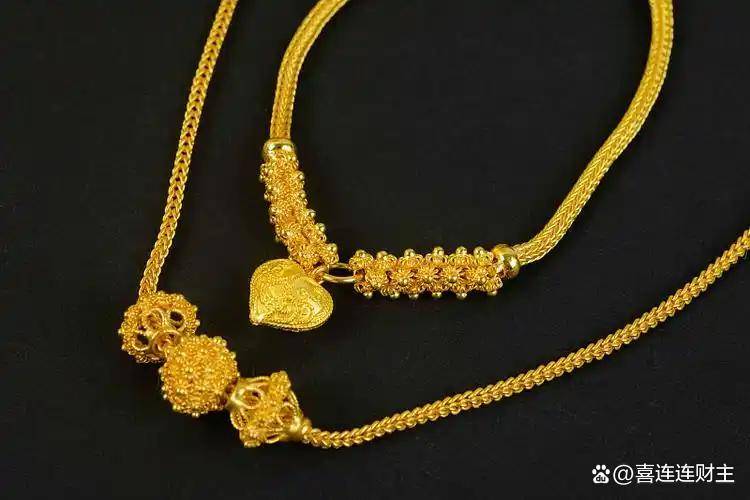
金价一夜大反转!国际金价冲高回落国内金店价格却逆势上涨,现在入手划算吗?
Sou Hu Cai Jing· 2026-02-25 02:25
Core Viewpoint - The price disparity in the gold market highlights the significant brand premium and the impact of different sales channels on gold pricing, leading to confusion among consumers regarding the true value of gold [1][6][16]. Group 1: Price Disparities - In Shenzhen's wholesale market, the price for 1 gram of 999 gold is 1334 yuan, while it can reach 1545 yuan in retail stores like Chow Tai Fook, creating a price difference of 211 yuan [1]. - The price difference can be as high as 435 yuan when considering the buyback price, which can be as low as 1110 yuan [1]. - The average retail price in brand stores has reached 1603 yuan, significantly higher than the market price [1]. Group 2: Market Dynamics - International gold prices reached a high of 5249.29 USD per ounce but fell to 5186.68 USD due to profit-taking, reflecting volatility in the market [3]. - Domestic gold prices surged post-Chinese New Year, with Shanghai Gold Exchange reporting a price of 1150.48 yuan per gram, a daily increase of 3.91% [4]. - The discrepancy between international price drops and domestic price increases is attributed to pent-up demand and the unique dynamics of the domestic market [4]. Group 3: Brand Premiums - Major brands like Chow Tai Fook and Lao Feng Xiang have significant price premiums, with prices reaching 1560 yuan and 1556 yuan per gram, respectively [6]. - Investment gold bars from banks are priced closer to market rates, with prices around 1166.95 to 1169.40 yuan per gram, contrasting sharply with brand store prices [6]. - The high brand premiums are not reflective of the intrinsic value of gold but rather the costs associated with branding and marketing [6]. Group 4: Consumer Behavior - For consumers needing gold for weddings or gifts, purchasing is advisable, but caution against blindly following price trends is recommended [11]. - The wedding market has seen a surge in demand, with prices for traditional wedding gold reaching significant levels, indicating a cultural reliance on gold [11]. - For those looking to invest in gold for long-term asset allocation, a gradual purchasing strategy is suggested to mitigate risks associated with price volatility [13]. Group 5: Market Influences - Three main factors are driving the current gold price dynamics: heightened global risk aversion, expectations of loose monetary policy, and structural changes in central bank gold holdings [9]. - Central banks, including China's, have been increasing their gold reserves, which supports long-term gold prices [9]. - The market is experiencing a shift where the financial attributes of gold are becoming more pronounced, raising questions about its valuation as both an investment and a consumer product [16].
险资抱团布局股权投资再落子 注册资本达86亿元 泰康人寿、长城人寿等7家险企参与
Mei Ri Jing Ji Xin Wen· 2026-02-24 15:11
天眼查信息显示,天津兰沁股权投资合伙企业(有限合伙)(以下简称"天津兰沁")于近日成立,泰康 人寿等多家险企现身其合伙人行列。《每日经济新闻》记者注意到,2025年以来,险资参与出资私募股 权基金动作频频,中国人保等头部险企均有新项目面世。 有业内人士表示,在政策持续鼓励"长钱长投"的背景下,险资正加速通过布局私募股权基金等方式,深 度参与国家战略性新兴产业以及与保险主业相协同的产业。据悉,私募基金的投资方向主要是投前期股 权和一级市场,可以发挥保险资金特别是寿险资金的长期资本和耐心资本的特色。 在中长期资金入市的背景下,保险公司通过私募基金布局的动作不断。 记者注意到,这已不是险资首次组团"干大事"。2025年5月,人保资本、中意资产、中诚资本共同出资 设立北京保实诚源股权投资合伙企业(有限合伙),出资额达到130.01亿元。 "'组团'可以让单个项目失败的风险损失减小,同时可投资金总量也更大,容错空间更强,整体长期投 资收益率也可以更高一些。"上述业内人士对记者表示,中小公司可投在私募基金这个领域的资金量太 小了,合作能实现多方共赢。 业内:险资参与私募股权基金策略有望迭代优化 而险资加大私募股权基金布局 ...