AI原生

Search documents
华为发布智能光伏十大趋势:电站迈向“自动驾驶”
Guan Cha Zhe Wang· 2026-01-13 07:08
Core Insights - Huawei's Vice President of Digital Energy Smart Photovoltaic Business, Zhong Mingming, released the "Top Ten Trends in Smart Photovoltaics" and a white paper, providing insights and practical paths for accelerating the integration of wind, solar, and storage into the new power system, aiming for high-quality industry development [1] Group 1: Trends Overview - Trend 1: The synergy of wind, solar, and storage will make renewable energy a predictable and controllable stable power source, requiring five core features for future large-scale wind-solar-storage bases [2] - Trend 2: Network-based energy storage will become a key support for grid stability and balance, enabling participation in energy market transactions and providing auxiliary services [3] - Trend 3: The collaborative model of source, grid, load, and storage will evolve towards "regional autonomy + global collaboration" through AI intelligent scheduling technology [3] Group 2: Technological Innovations - Trend 4: Home solar storage scenarios will transition from AI empowerment to AI-native, enhancing user experience through comprehensive AI integration [5] - Trend 5: High frequency and high density will drive continuous improvements in power density of solar storage devices, with expectations of over 40% enhancement in the coming years [6] - Trend 6: High voltage and high reliability will lead to a continuous reduction in the cost per kilowatt-hour, with upgrades in key components ensuring safety and reliability [8] Group 3: System Management and Safety - Trend 7: Battery management at the system level is essential for the safe and stable operation of energy storage systems, utilizing digital technologies for precise monitoring [9] - Trend 8: The technology system for renewable energy networks is maturing, transitioning from passive to active roles in grid stability, focusing on high-performance hardware and intelligent algorithms [10] - Trend 9: Intelligent systems will deeply empower renewable energy stations, moving towards "autonomous driving" capabilities [11] - Trend 10: The energy storage industry is entering a new phase of quantifiable safety, with systematic assessments covering the entire lifecycle of systems [12]


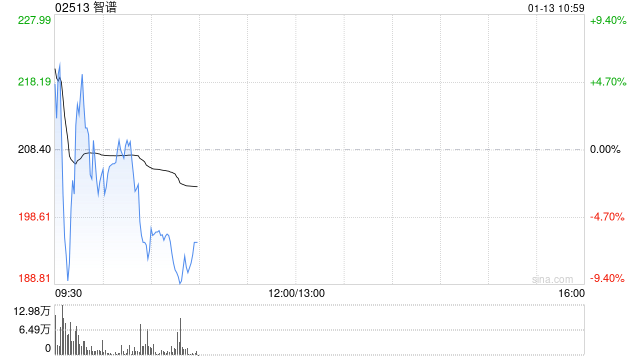
港股智谱震荡走低,一度跌近10%,此前涨超8%
Xin Lang Cai Jing· 2026-01-13 02:59
Group 1 - The stock of Zhizhu experienced significant volatility, dropping nearly 10% to reach 188 HKD after previously rising over 8% to a price of 225.2 HKD. As of the report, Zhizhu's decline was over 8.01% with a trading volume exceeding 400 million HKD [1][7]. Group 2 - China Galaxy Securities predicts that by 2026, AI applications will transition from "AI empowerment" to "AI native." Companies that can internalize AI capabilities into their product architecture will gain a competitive advantage in the upcoming market [3][9].
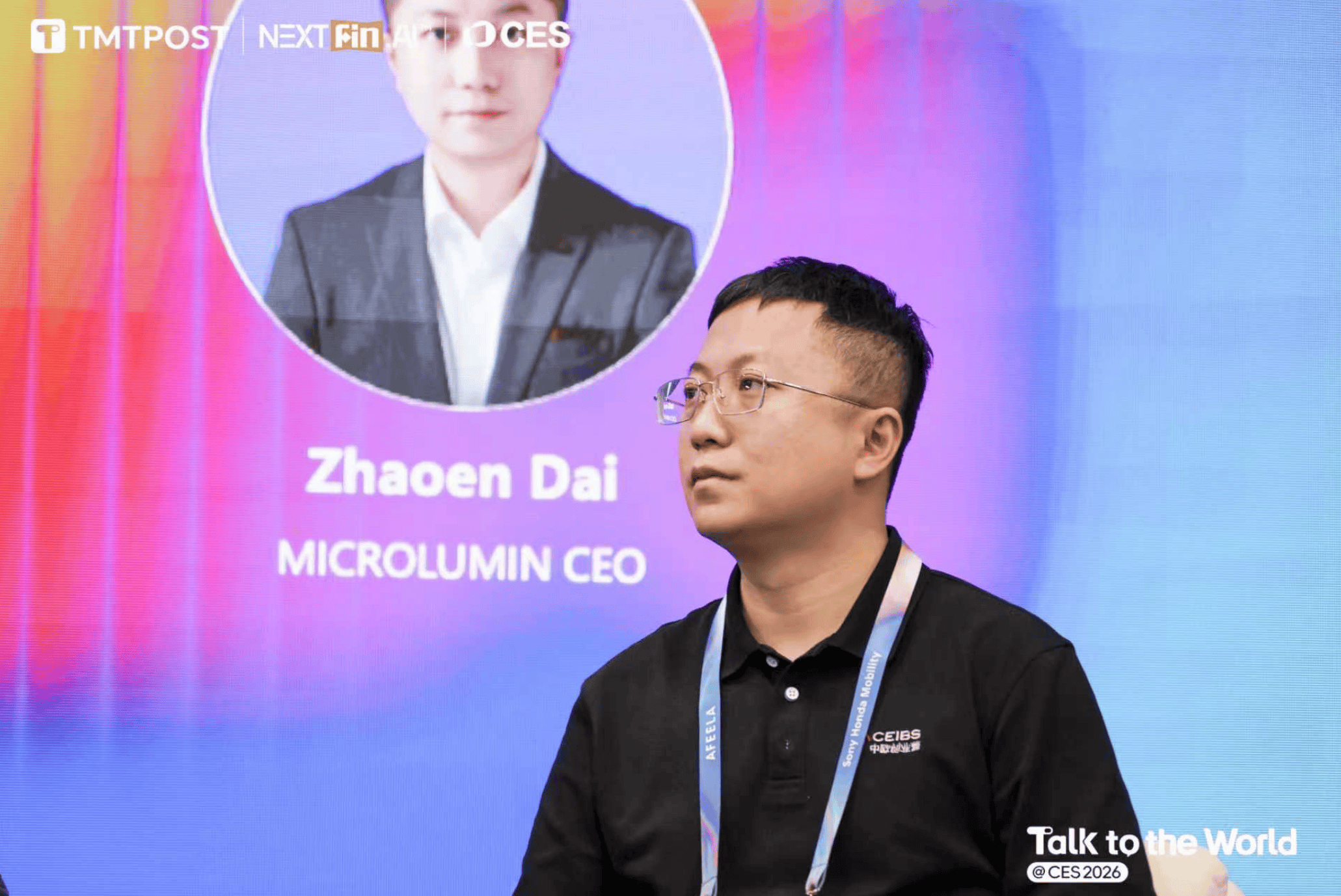
微光科技CEO戴照恩:AI眼镜应成为个人数据的"无声管家"
Sou Hu Cai Jing· 2026-01-09 02:45
Core Insights - The CEO of Micro Light Technology, Dai Zhao'en, stated that there are currently no killer applications for AI glasses in the market [1] - The focus of AI glasses should be on processing personal data, such as who the user has seen, what they have looked at, and their habits, to provide unobtrusive reminders and function like ordinary glasses [1] - True AI-native applications should not be adaptations of mobile apps but should allow users to express their needs directly to the glasses, with AI handling the rest [1] Industry Trends - The CES 2026 forum highlighted the ongoing challenges in the AI glasses sector, emphasizing the need for innovative applications that leverage personal data [1] - The discussion reflects a broader industry sentiment that current AI glasses have not yet reached their full potential in terms of user engagement and functionality [1]
你的同事可能不是人,你的文凭可能是废纸:2026年的10个终极预测……
创业邦· 2026-01-07 10:13
Group 1: Core Predictions - The article presents ten disruptive predictions for 2026, categorized into three dimensions: intelligence, economy, and physics [5][7] - The predictions emphasize a significant transformation in AI capabilities, economic structures, and human interaction with technology [19][27] Group 2: Intelligence Explosion - Prediction 1 states that AI model sizes will increase by 100 times due to advancements in software and algorithms, particularly through quantization techniques [10][11] - Prediction 2 suggests that AI may solve long-standing mathematical problems, such as the Navier-Stokes equations, leading to breakthroughs in various scientific fields [12][15] - Prediction 3 indicates the emergence of new AI terminologies that could create young billionaires, highlighting the potential for individual entrepreneurs to build significant companies with minimal resources [16][18] Group 3: Economic Reconstruction - Prediction 4 declares the death of digital transformation, with companies expected to rebuild capabilities from scratch using AI, leading to a drastic reduction in workforce size [19][20] - Prediction 5 forecasts that automation will achieve a 90% competency rate in knowledge work, fundamentally altering job roles and the value of human labor [22] - Prediction 6 anticipates a future where AI employees could replace traditional roles at a low cost, challenging the trust dynamics in remote work environments [23] Group 4: Physical Breakthroughs - Prediction 8 discusses the potential for billionaires to race for resources on the Moon, particularly water ice, which could revolutionize space economics [29][31] - Prediction 9 predicts advancements in Level 5 autonomous driving and robotics, transforming urban landscapes and labor dynamics [33][34] - Prediction 10 envisions breakthroughs in reversing aging, potentially leading to significant extensions in human lifespan and altering the concept of mortality [35][36] Group 5: Overall Implications - The predictions collectively illustrate a future characterized by extreme abundance and rapid obsolescence, where traditional social contracts and business models may collapse [38] - The article emphasizes the need for ambition, taste, and leadership as essential qualities for navigating the upcoming changes [38][39]

2026 数字跃迁:六大关键词重构企业增长逻辑
Sou Hu Cai Jing· 2026-01-06 07:27
Group 1 - The core viewpoint of the article emphasizes that the digital transformation of enterprises in 2026 is at a critical juncture, driven by a significant increase in AI-enhanced SaaS penetration and the number of companies recognizing data assets [1] - The "14th Five-Year Plan" provides a strategic framework for digital transformation, helping companies align their goals with national policies, thus gaining advantages in resource allocation and cross-departmental collaboration [2] - AI-native applications are set to redefine operational paradigms, moving from passive responses to proactive problem-solving, with a focus on intelligent decision-making [4] Group 2 - The concept of data assetization has evolved from mere compliance to becoming a core driver of intelligence, with companies recognizing the value of data as fuel for AI models [6] - Lean growth has emerged as a response to budget cuts, with over 70% of companies reducing digital investment, leading to a focus on high-value scenarios and precise breakthroughs [8] - Emotional value is identified as a key factor in overcoming resistance to digital transformation, emphasizing the importance of trust and recognition within organizations [9] Group 3 - Talent restructuring is essential as the shift in technology creates a gap in skills, necessitating a transformation from technical roles to value integrators [11] - The article concludes that the digital leap in 2026 represents a "logical revolution," where six key themes interconnect to form a new growth logic that integrates strategy, technology, and organization [12] - Companies like Dateng Intelligent are exemplifying the practical application of these six key themes, aligning with national policies and enhancing operational efficiency through AI and data integration [15]

8人团队试图击穿百年行业“斩杀线”
虎嗅APP· 2026-01-05 10:14
Core Viewpoint - The article discusses the emergence of Mizzen, an AI startup aiming to revolutionize user research by significantly enhancing efficiency through AI technology, making it the first AI Agent product focused on user research in China [4][13]. Group 1: Company Overview - Mizzen is founded by Sun Keqiang, who aims to leverage AI to improve the efficiency of user research by a hundredfold, introducing a unique model that incorporates real human hosts into the training of AI models [4][12]. - The company has already seen a fivefold increase in sales following the launch of its first product, indicating strong market demand and interest [18]. Group 2: Market Potential - The global market for user research is projected to reach $89 billion in 2024, with expectations to grow to $100 billion in three years and $140 billion in ten years, maintaining an annual growth rate of approximately 6% [11][31]. - Despite the large market size, traditional user research methods remain labor-intensive and have not fully met the industry's demands, creating an opportunity for AI-driven solutions [32][34]. Group 3: Competitive Landscape - Mizzen is not the first in the user research AI space, as competitors like Listen Lab have already secured significant funding, but Mizzen differentiates itself by integrating real human hosts into its AI training process [8][11]. - The company aims to create a three-sided platform that benefits clients, hosts, and respondents, enhancing the overall user research experience [13][35]. Group 4: AI Integration and Innovation - Mizzen's approach involves using AI to replace traditional human roles in user research, allowing for hundreds of concurrent interviews, thus drastically reducing costs and increasing output [34][46]. - The company plans to develop a specialized model that captures the nuanced questioning abilities of human hosts, which is seen as a critical differentiator in the market [42][44]. Group 5: Future Vision and Growth Strategy - Sun Keqiang envisions Mizzen as a platform that not only serves immediate user research needs but also evolves into a self-sustaining entity that minimizes human intervention over time [52][64]. - The company is set to expand into international markets, with plans to build local teams to better serve overseas clients [18][56].

经济日报聚焦:AI驱动前景如何?投资泡沫出现了吗?
Jing Ji Ri Bao· 2026-01-03 00:28
Group 1: AI Landscape in 2025 - The year 2025 marked significant advancements in AI, with DeepSeek emerging as a major player, positioning China as a key leader in the global AI landscape [1] - The commercialization of embodied intelligence applications, such as humanoid robots, opened new avenues for business [1] - The rapid iteration of AI large models has led to both excitement and anxiety regarding investment bubbles [1] Group 2: AI Adoption Challenges - Many companies struggle with AI adoption, with two-thirds of surveyed firms reporting they have not achieved scalable AI applications [2] - A significant number of companies believe AI applications have not yet made a notable impact on profits, indicating that most are still in the early stages of realizing AI's value [2] - The concept of "AI-native" has emerged, emphasizing a complete rethinking of business processes and models centered around AI [2] Group 3: Embodied Intelligence - Embodied intelligence gained traction in 2025, with competition among tech companies intensifying [4] - Predictions suggest a significant explosion in the market for embodied intelligence by 2026, with the humanoid robot market potentially reaching $5 trillion by 2050 [4] - Analysts caution that the gap between technological vision and market reality may pose challenges for the development of embodied intelligence [4] Group 4: Investment Bubble Concerns - The AI sector has sparked debates about potential investment bubbles, with optimists viewing current investments as foundational for future growth, while pessimists warn of overheating [7] - By the third quarter of 2025, concerns about overvaluation in the AI market became pronounced, with significant stock price fluctuations among AI-related companies [7] - The World Economic Forum highlighted that while $500 billion was invested in AI in 2025, tangible returns have yet to materialize [7] Group 5: Safety and Ethical Concerns - Experts predict the imminent arrival of a superintelligent era, raising concerns about the boundaries of AI capabilities [9] - Current AI models exhibit limitations in complex task handling, leading to discussions about the fundamental flaws in existing technologies [9] - A call for a pause in the development of superintelligent systems was made by over 800 experts, emphasizing the need for a consensus on safe and controllable AI development [10]

人工智能四问
Jing Ji Ri Bao· 2026-01-02 22:10
Group 1: AI Landscape in 2025 - The year 2025 marked significant advancements in AI, with China emerging as a key leader in the global AI landscape, and the commercialization of embodied intelligence applications like humanoid robots opening new possibilities [1] - Despite the rapid development of AI technologies, many companies struggle to translate AI's potential into tangible business value, with a McKinsey report indicating that about two-thirds of surveyed companies have not achieved scalable AI applications [2][3] Group 2: AI Native Concept - The term "AI native" became a focal point in 2025, referring to businesses that fundamentally restructure their processes and models around AI, rather than merely adding AI functionalities to existing systems [2] - AI native applications, such as AI-native phones and banks, demonstrate a shift where AI plays a more autonomous role, enhancing efficiency in software development through self-programming capabilities [3] Group 3: Embodied Intelligence - Embodied intelligence gained traction in 2025, with significant competition among tech companies, leading to the realization of previously sci-fi concepts like robotic dogs and humanoid robots [4] - Analysts predict a major commercial breakthrough for embodied intelligence by 2026, with the humanoid robot market potentially reaching $5 trillion by 2050, although caution is advised due to historical discrepancies between technological aspirations and market realities [4][6] Group 4: Investment Bubble Concerns - The AI sector faced intense debate over the existence of an investment bubble, with optimists viewing current investments as foundational for future growth, while pessimists warned of potential economic downturns if the bubble bursts [6][7] - By the end of 2025, concerns about overvaluation in the AI market intensified, with significant stock price fluctuations among AI-related companies, highlighting the disconnect between investment returns and actual AI value [6] Group 5: Safety and Ethical Concerns - Experts raised alarms about the potential emergence of superintelligent AI, emphasizing the need for a consensus on safe and controlled development before advancing further [8][9] - The current state of AI governance is deemed inadequate, with calls for improved strategies and frameworks to ensure the responsible development of AI technologies [9]
Manus上岸了,其他人呢?
Xin Lang Cai Jing· 2025-12-31 00:27
Core Insights - The article discusses five major trends expected to drive the explosion of AI applications in 2026, as indicated by insights from 70 entrepreneurs in the AI sector [2][8]. Group 1: Overview of AI Trends - The acquisition of Manus by Meta for several billion dollars marks a significant event in the AI industry, signaling a potential turning point for Chinese entrepreneurs [2][8]. - The AI entrepreneurial landscape is becoming increasingly youthful, with Generation Z (born 1995-2009) taking a leading role, focusing more on product and user experience rather than underlying technology [3][41]. - The global AI application market is expanding rapidly, with China’s AI applications reaching a monthly active user (MAU) count of over 500 million, reflecting a 130.19% annual growth rate, while overseas markets have reached 1.5 billion MAUs [5][42]. Group 2: Trend 1 - Overseas as a Hotbed for AI Applications - The article highlights that AI applications with an annual recurring revenue (ARR) exceeding $100 million are predominantly emerging from overseas markets, with Manus being a notable exception as a Chinese team [9][49]. - The differences in capital market expectations between domestic and overseas investors are significant, with domestic investors focusing on short-term commercial viability while overseas investors are more inclined towards long-term growth potential [12][49]. - Increasingly, AI startups are establishing their registration in overseas markets from inception, with Singapore being a popular choice, indicating a strategic shift towards markets perceived as more conducive to growth [13][50]. Group 3: Trend 2 - Collaboration as a Survival Strategy - The article notes that the domestic AI entrepreneurial ecosystem is lagging behind the U.S. by at least five years, with fewer high-profile acquisitions occurring in China compared to Silicon Valley [15][53]. - Major Chinese tech companies are opting for investment and collaboration rather than outright acquisitions, as seen in Tencent's investments in various AI startups [19][54]. - The trend suggests that 2026 may see AI application companies increasingly forming partnerships with larger firms to leverage ecosystem advantages and enhance their market presence [19][56]. Group 4: Trend 3 - Importance of Growth Strategies - The AI investment landscape is characterized by high growth expectations, with successful startups achieving valuations in the billions within a short time frame [20][58]. - Growth strategies are becoming critical, with a focus on rapid scaling and market penetration, as investors are now looking for demonstrable momentum within months [21][58]. - The article emphasizes that traditional growth tactics from the SaaS era are becoming less effective, necessitating innovative approaches to user engagement and retention in the AI sector [21][59]. Group 5: Trend 4 - Reevaluation of Key Metrics - The significance of ARR as a measure of success is being questioned, with a shift towards evaluating the conversion of token consumption into actual revenue as a more relevant metric [24][25]. - The article discusses how some AI companies are manipulating ARR figures, leading to skepticism about its reliability as an indicator of financial health [25][26]. - Companies that can effectively convert token usage into revenue are seen as having a more sustainable business model in the evolving AI landscape [26][30]. Group 6: Trend 5 - Transformation of Traditional Industries - AI startups are increasingly focusing on transforming traditional industries by leveraging AI capabilities to address specific business challenges [31][38]. - The article highlights examples of startups that are reimagining conventional business models, such as Kirana AI, which enhances retail operations through AI-driven solutions [36][38]. - The trend indicates a growing opportunity for AI entrepreneurs who possess deep industry knowledge to create impactful solutions tailored to specific market needs [32][38].


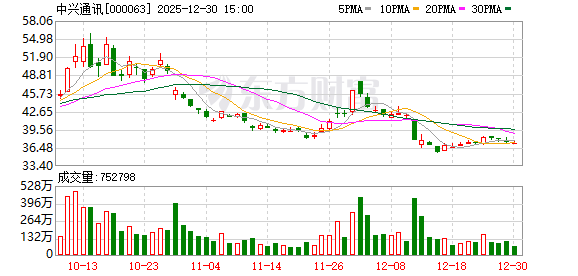
中兴通讯崔丽:AI应用触及产业深水区,价值闭环走向完备
2 1 Shi Ji Jing Ji Bao Dao· 2025-12-30 10:25
Core Insights - The rapid development of AI large models is becoming a key factor in the new round of technological competition, with a belief that the number of foundational large models will converge to a single-digit figure, while numerous specialized models and applications will emerge across various industries [2] - Physical AI is highlighted as a significant area of focus, accelerating advancements in fields like embodied intelligence and autonomous driving, which are expected to profoundly change societal operations [2][3] - The transition from generative models to world models and visual language models (VLA) represents a paradigm shift in AI, moving from mere prediction to simulation and physical alignment [3][4] Industry Trends - The emergence of Sora has sparked discussions about world models, indicating a shift in AI capabilities from being mere predictors to becoming simulators [3] - The divergence in world model approaches has led to the classification of models into "generative" and "representational" camps, with each having distinct applications and strengths [4][5] - The integration of VLA and world models is seen as a trend, with VLA focusing on sequence modeling for robot control and world models emphasizing internal environmental modeling for efficient learning [5] Challenges and Solutions - Three major challenges remain for world models: understanding causality, building effective simulators, and addressing data scarcity issues [6] - The competition for high-quality synthetic data is crucial for the next phase of AI development, particularly in data-driven AI applications like autonomous driving [6] - The timeline for the realization of world models is projected to span from 2024-2025 for visual simulation to 2028-2030 for general embodied intelligence [6] Technological Evolution - The network architecture is evolving from "cloud-native" to "AI-native," necessitating a focus on performance and collaboration between computing and networking [7] - ZTE has been progressively advancing its hardware and software integration from 2G to 5G, now incorporating large models into its development paradigm [8] - The integration of AI into core business processes is expected to transform industries, with a shift from content generation to autonomous action [9] Implementation and Applications - ZTE's "Co-Sight Intelligent Agent Factory" aims to enhance reasoning capabilities and ensure decision-making reliability through advanced verification mechanisms [11][12] - The successful application of AI requires a combination of robust infrastructure, effective methodologies, and deep industry engagement [17] - Industries such as education, healthcare, software development, and smart manufacturing are identified as likely candidates for early AI value realization due to their structured data environments and feedback mechanisms [14][13] Future Directions - The hybrid approach of "cloud-edge collaboration" is recommended for integrating general foundational models with industry-specific enhancements [15] - The need for specialized models in non-natural language data scenarios is emphasized, particularly in high-stakes environments like finance [16] - The overarching narrative of AI is shifting towards practical applications in various sectors, moving away from mere technological showcases to tangible value creation [18]