
AI终端

Search documents
苹果最担心的事,还是发生了
3 6 Ke· 2025-12-06 14:33
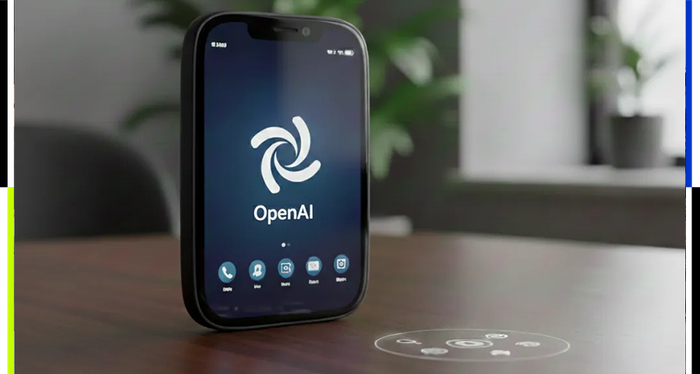
Core Viewpoint - OpenAI is aggressively recruiting hardware engineers from Apple and acquiring companies to develop its own AI hardware, indicating a strategic shift towards creating a hardware ecosystem to complement its AI models [2][4][5] Group 1: OpenAI's Hardware Strategy - OpenAI has hired over twenty hardware and product engineers from Apple since early 2025, focusing on building a team that covers various aspects of hardware design and engineering [4] - The company aims to create an AI version of the iPhone, as it recognizes the need to establish a hardware presence to compete effectively against rivals like Google, which has a range of hardware products [5][8] - OpenAI's hardware ambitions include developing a new AI terminal that is smaller than traditional smartphones, designed to respond to voice commands and make autonomous decisions based on the user's environment [9][12] Group 2: Competitive Landscape in AI Hardware - Chinese AI companies like ByteDance, Alibaba, and Baidu are advancing faster in integrating AI into hardware, with products like AI phones and smart home devices already in the market [14][15][24] - ByteDance has launched an AI phone in collaboration with ZTE, which features a system-level AI assistant capable of cross-application control [15][18] - Alibaba's strategy involves creating an AI operating layer that spans multiple devices, while Baidu focuses on building a comprehensive AI ecosystem centered around its smart home devices [21][24] Group 3: Global AI Giants' Hardware Initiatives - Google is leveraging its Android ecosystem and Pixel devices to create a unified AI experience, integrating its Gemini model into its hardware [29][31] - Microsoft is enhancing its Windows operating system with AI capabilities, but faces challenges in maintaining its dominance in the evolving AI landscape [33][36] - Meta is betting on AI glasses as the next human-computer interaction interface, emphasizing low-interference, high-utility applications for everyday use [40][42]

苹果最担心的事,还是发生了
36氪· 2025-12-06 13:43
Core Viewpoint - The article discusses the increasing importance of hardware in the AI industry, emphasizing that companies must develop their own AI hardware to become true AI giants. OpenAI's recent moves to build a hardware team and potentially create an AI version of the iPhone are highlighted as part of this trend [4][8][47]. Group 1: OpenAI's Hardware Strategy - OpenAI is aggressively recruiting hardware engineers from Apple, indicating a significant shift towards developing its own AI hardware ecosystem [6][10]. - The acquisition of io Products for $6.5 billion and the involvement of Jony Ive suggest OpenAI's ambition to create high-quality AI hardware, potentially an "AI iPhone" [4][10]. - OpenAI's strategy appears to be a response to competitors like Google, which already has a robust hardware ecosystem, including the Pixel series and smart home devices [8][10]. Group 2: Chinese AI Companies' Hardware Initiatives - Chinese AI companies like ByteDance, Alibaba, and Baidu are advancing rapidly in integrating AI into hardware, with products like the AI Phone and AI assistants [17][25]. - ByteDance's AI Phone, developed in collaboration with ZTE, showcases the potential of AI to enhance user experience through cross-application capabilities [18][21]. - Alibaba's Qianwen aims to create a comprehensive AI operating layer across devices, while Baidu focuses on building a home AI ecosystem with its smart devices [25][29][31]. Group 3: Global Competitors in AI Hardware - Major global players like Google, Microsoft, and Meta are also investing in AI hardware, viewing it as essential for future growth [32][33]. - Google is leveraging its Android ecosystem and Pixel devices to create a unified AI experience, while Microsoft is integrating AI into its Windows operating system and Surface devices [35][39]. - Meta is betting on AI glasses as the next major human-computer interaction interface, emphasizing low interference and high usability [44][46]. Group 4: The Future of AI Hardware - The article concludes that hardware is no longer optional for AI companies; it is a necessary battlefield for achieving widespread adoption and transforming user habits [48]. - The evolution of AI from cloud-based solutions to tangible hardware products is seen as crucial for the industry's future [48].

领益智造:聘任熊俊杰为公司证券事务代表
Mei Ri Jing Ji Xin Wen· 2025-12-05 16:09
Company Updates - Li Ruqian has resigned from the position of Securities Affairs Representative due to work adjustments, but will continue to hold other positions within the company [1] - The board has appointed Xiong Junjie as the new Securities Affairs Representative, who will work alongside the current representative Bi Ran [1] Financial Performance - For the first half of 2025, the revenue composition of the company is as follows: AI terminals account for 88.32%, other segments account for 6.68%, and automotive and low-altitude economy account for 5.01% [1] - The current market capitalization of the company is 108.2 billion yuan [1]

“不造手机”的字节手机
Bei Jing Shang Bao· 2025-12-01 16:36
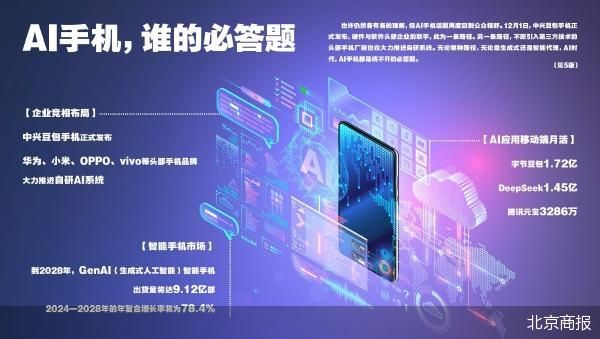
Core Insights - ByteDance emphasizes its focus on AI technology rather than developing its own smartphones, launching the Doubao mobile assistant in collaboration with ZTE [1][3] - The Doubao mobile assistant is designed to enhance user interaction and experience, leveraging ByteDance's AI capabilities and ZTE's hardware [4][5] - The AI mobile assistant is positioned as a core component of ByteDance's ecosystem cooperation strategy, aiming to integrate with various smartphone brands [3][4] Group 1: Product Launch and Market Impact - The Doubao mobile assistant was officially released on December 1, priced at 3499 yuan, and is currently available only to industry professionals as an engineering sample [1] - Following the announcement, ZTE's A-share stock hit the daily limit of 46.3 yuan, and its Hong Kong stock surged by 13.94% [1] - ByteDance's Doubao model has achieved 172 million monthly active users, leading the market, which provides a strong foundation for the technology's implementation [6] Group 2: Industry Dynamics and Competitive Landscape - Major smartphone manufacturers are increasingly developing their own AI systems, creating challenges for ByteDance's strategy of supplying AI technology to larger firms [4][9] - The collaboration between ByteDance and ZTE highlights the trend of integrating software and hardware to enhance AI mobile capabilities [5] - The competition in the AI terminal market is intensifying, with various tech giants launching AI-enabled devices to capture consumer interest [8][9] Group 3: Future Directions and Challenges - ByteDance plans to continue exploring ecosystem partnerships to integrate the Doubao mobile assistant into different smartphone models [3] - The AI terminal market faces challenges, including the need for consumer education on the unique value of AI devices and ongoing technological innovation to improve functionality [9] - The shift towards AI technology by major players indicates a consensus on the importance of AI terminals in the future market landscape [9]
字节手机,旧事重提
Bei Jing Shang Bao· 2025-12-01 13:44
Core Insights - ByteDance has reiterated its stance of not developing its own smartphones while launching the Doubao mobile assistant, which is a system-level AI assistant developed in collaboration with ZTE [1][2] - The Doubao mobile assistant is positioned as an engineering prototype, priced at 3499 yuan, and is currently available only to industry professionals for experience [1] - The launch has positively impacted ZTE's stock prices, with a significant increase observed in both A-share and Hong Kong markets [1] Group 1: Product Launch and Market Impact - The Doubao mobile assistant is based on the Doubao large model and aims to enhance user interaction and experience compared to previous mobile AI applications [1][5] - ZTE's stock reached a limit-up price of 46.3 yuan shortly after the announcement, reflecting strong market interest [1] - ByteDance has clarified that it will not pursue smartphone development but will instead integrate the Doubao assistant into various brands through ecological cooperation [1][2] Group 2: Strategic Positioning - ByteDance's approach to entering the mobile market is through AI technology rather than hardware, similar to Huawei's strategy in the automotive sector [2][4] - The Doubao assistant is designed to address practical usage pain points, emphasizing a collaborative development model with hardware manufacturers [5] - The collaboration between ByteDance and ZTE combines ByteDance's data processing capabilities with ZTE's hardware expertise, highlighting the trend towards integrated AI solutions in mobile devices [5] Group 3: Competitive Landscape - The AI mobile assistant market is becoming increasingly competitive, with major players like Huawei, Xiaomi, and others developing their own AI systems [4][10] - The shift towards AI integration in mobile devices is seen as a necessary evolution, with companies focusing on enhancing user experience through AI capabilities [10][11] - The industry is witnessing a collective move from conceptual discussions to tangible investments in AI technology, indicating a response to consumer demand and market potential [10][11]
字节“豆包手机”刚开卖,吉利系进展也曝光了:首月速成200人团队,挖遍华为小米荣耀
量子位· 2025-12-01 12:13
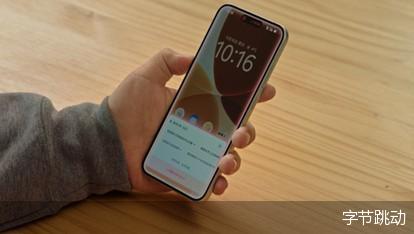
Core Viewpoint - The collaboration between ByteDance and ZTE on AI smartphones aims to establish a foothold in the AI operating system (AIOS) sector rather than focusing solely on the AI smartphone itself [3][14]. Group 1: ByteDance and ZTE Collaboration - ByteDance has launched its first AI smartphone, priced at 3499 yuan, featuring its self-developed large model Agent service [1]. - The smartphone integrates the Doubao mobile assistant technology, developed in collaboration with phone manufacturers at the operating system level [1]. Group 2: New Entrant - Zhiyue Qianli - A new company named Zhiyue Qianli, established in August 2023, is gaining attention for its focus on the AIOS sector [5][15]. - Zhiyue Qianli is closely related to the Geely group, with key figures such as Hao Jianguo involved in its establishment [6][7]. - The company aims to reshape human-computer interaction and build an ecosystem for the AI terminal era [15]. Group 3: Company Strategy and Development - Zhiyue Qianli plans to develop both AI models and hardware products, including smartphones and XR glasses, distinguishing its approach from ByteDance's focus [16][19]. - The company has rapidly expanded its workforce, reaching nearly 200 employees within its first month, indicating strong recruitment capabilities [23]. - It is actively building capabilities related to AIOS and hardware development, suggesting a comprehensive approach to product development [19][20]. Group 4: Industry Trends and Future Outlook - The relationship between AI and terminals is evolving, with AI terminals becoming a new industry keyword that encompasses hardware, software, and user interaction [25][26]. - AI terminals are expected to extend beyond traditional devices, potentially integrating into smart vehicles as central systems for human-machine collaboration [29]. - The trend indicates a convergence of software and hardware strategies among major players like Huawei and Xiaomi, with ByteDance and Geely also entering the fray [30][32].

字节豆包AI手机来了,PCB龙头科翔股份或成受益赢家
Quan Jing Wang· 2025-12-01 02:01
Core Insights - ByteDance and ZTE are collaborating to launch the Doubao AI phone in December, marking ByteDance's first foray into the smartphone market, which is seen as a revolutionary AI smart entry rather than a simple smartphone upgrade [1] - The Doubao phone is expected to create significant growth opportunities in the consumer electronics sector, akin to the "Seres" model in the automotive industry [1] Group 1: Product and Technology - ByteDance is implementing a "big model + super application + hardware" closed-loop strategy, leveraging its self-developed large model capabilities, its own super app ecosystem, and a vast global user base [2] - The Doubao phone will feature deep AI integration, allowing it to perform complex tasks through voice commands, such as booking flights and organizing meeting notes, thus acting as a personal intelligent assistant [2][3] - The device aims to create a seamless ecosystem across various devices, breaking down barriers between smartphones, wearables, tablets, and smart home devices [2] Group 2: Market Impact and Partnerships - ZTE is positioned to benefit significantly from this collaboration, potentially revitalizing its smartphone brand by integrating ByteDance's AI ambitions into the Doubao phone [4] - Kexiang Co., Ltd. is also a major beneficiary, deeply integrated into ByteDance's ecosystem through its supply chain partnerships with ZTE and other key players [5] - Kexiang is positioned to meet the increasing demand for high-density, high-frequency, and lightweight PCB solutions driven by the AI phone's requirements [7]


帮主郑重复盘分享:机构扎堆、外资疯抢的立讯精密,中长线机会藏在哪?
Sou Hu Cai Jing· 2025-11-30 09:29
Core Insights - The article discusses the increasing interest from institutions in Luxshare Precision Industry Co., Ltd. (立讯精密), with 576 institutions participating in recent research activities, indicating strong market attention and potential investment opportunities [1][3]. Group 1: Company Strategy - Luxshare's strategy involves not pursuing independent AI terminals but instead partnering with companies that have large models and ecosystems, which is seen as a smart move in the AI wave [3]. - The company has released 3,000 robots this year but emphasizes that this is not significant yet, as it is not at the stage of mass production. The focus is on securing a position in the core components of robotics for future industry growth [3][4]. - Despite most of its products being sold internationally, two-thirds of Luxshare's production capacity remains in China, allowing the company to manage costs effectively by understanding different countries' production requirements [3]. Group 2: Market Position and Opportunities - Luxshare's platform capability allows it to quickly adapt across various sectors, from consumer electronics to AI terminals and robotics, which is a unique strength [4]. - Investment opportunities are identified in core components for AI terminals, such as optical modules for smart glasses and acoustic components for headphones, as well as in robotics, focusing on servo motors and reducers [4]. - The article suggests that while institutions are heavily investing in Luxshare, the stock may experience volatility, and a long-term investment perspective is recommended [4].


900亿深圳果链女掌门,冲击港股IPO,公司前三季净赚超19亿
2 1 Shi Ji Jing Ji Bao Dao· 2025-11-24 11:37
Core Viewpoint - Guangdong Lingyi Intelligent Manufacturing Co., Ltd. (Lingyi) has submitted an application for an IPO on the Hong Kong Stock Exchange, marking a significant step for the company, which has a market value nearing 100 billion yuan [1][3]. Company Overview - Lingyi's market value has increased over four times since its reverse merger with Jiangfen Magnetic Materials in 2017, which was valued at 20.7 billion yuan [3][8]. - The company has achieved a revenue growth of 19.25% year-on-year, reaching 37.59 billion yuan in the first three quarters of this year, with a net profit increase of 37.66% [11]. Business Expansion and Strategy - Lingyi plans to use the funds raised from the IPO to support future expansion and cross-border acquisitions, aiming to enhance its global influence and business image [3][13]. - The company has a strong track record in mergers and acquisitions, having successfully integrated several businesses to build a global precision manufacturing empire [9][8]. Market Position - According to Frost & Sullivan, Lingyi ranks first in the global AI terminal high-precision functional components market and third in the AI terminal high-precision intelligent manufacturing platform market based on projected 2024 revenues [3][17]. - The company has established a significant international presence, with nearly 70% of its revenue coming from overseas markets, which has been increasing steadily [16][17]. Future Outlook - Lingyi is transitioning from a consumer electronics supplier to a platform enterprise focused on AI terminals and robotics, with plans to invest at least 200 million yuan annually in embodied intelligent hardware [17][18]. - The company aims to become one of the top three global manufacturers in the embodied intelligent hardware sector, with a strong emphasis on AI hardware and robotics [17][18].

联想集团杨元庆:明年1月6日联想将在全球范围内推出个人超级智能体
智通财经网· 2025-11-20 03:31
Core Insights - Lenovo Group reported a 15% year-on-year revenue growth for Q2 of the fiscal year 2025/26, reaching 146.4 billion RMB, marking a historical high for the quarter [1] - Adjusted net profit increased by 25% year-on-year to 3.66 billion RMB [1] - The company plans to launch a personal super intelligent agent globally on January 6, which will integrate various wearable and environmental sensing devices, enhancing user experience through personalized algorithms [1] Financial Performance - Revenue for the second fiscal quarter reached 146.4 billion RMB, a 15% increase compared to the previous year [1] - Adjusted net profit for the quarter was 3.66 billion RMB, reflecting a 25% year-on-year growth [1] Product Development - Lenovo is set to unveil its personal super intelligent agent at the Lenovo Innovation Technology Conference, aimed at creating a seamless AI experience across multiple devices [1] - The company has already launched the Lenovo Tianxi personal super intelligent agent in China earlier this year, emphasizing its "one body, multiple ends" strategy [1] - Lenovo is focusing on developing AI-enabled devices, including AI PCs, AI smartphones, AI tablets, and AIoT products, to lead the AI terminal market [1]
